
Reviewed · SAMURAI & NINJA EXPERIENCES
Embrace the Samurai Way: Iaido Swordsmanship Experience in Tokyo
A real sword, a tatami target, and a Tokyo dojo make this more than a photo stop. In about 90 minutes, you learn the basics of Iaido, Japan’s formal sword-drawing art, then may use a live blade to cut tatami under supervision. The lesson also connects technique with samurai discipline and conduct.
I like the private format, since instruction can be adjusted to your level instead of forcing a whole group through the same routine. I also like the English support and the chance to hear practical details about swords, licensing, and samurai customs from the dojo master and attendants, including Masa, who appears to help many international visitors.
The main caution is that sword work demands focus and physical control. A past booking suffered a serious no-show and communication failure, although the operator apologized directly, so I would confirm the meeting details before leaving for the dojo. The activity is also not suitable for pregnant women, people with heart conditions, or wheelchair users.
In This Review
- Key points to know before booking
- What this Tokyo Iaido lesson really offers
- Meeting at Kudanshita and getting settled
- The first lesson: samurai ideas before sword work
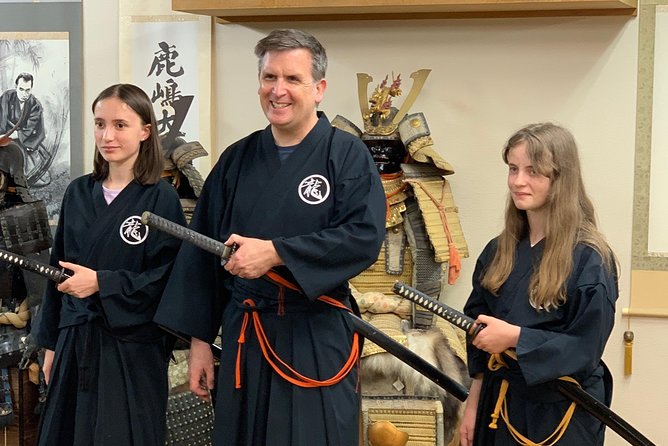
- Putting on the Iaido uniform
- Basic movements with a practice sword
- The live sword and tatami cutting
- The people guiding the session
- What the private format means for your group
- Practical planning, cancellation, and timing
- Who will get the most from this experience
- Should you book this Tokyo swordsmanship lesson?
- FAQ
- How long does the Iaido experience last?
- Where do I meet the group?
- Is this a private activity?
- Is an English-speaking guide or attendant included?
- Are traditional Iaido clothes provided?
- Can participants use a real sword?
- What is the cancellation policy?
Key points to know before booking
- Real sword cutting: You may cut rolled tatami targets with a live Japanese sword under supervision, not just pose with a decorative prop.
- Private instruction: Your group receives a dedicated lesson, with techniques adjusted to your experience and pace.
- Traditional clothing: An Iaido jacket and related items are supplied, giving the session a more authentic feel.
- English assistance: An English-speaking attendant helps explain movements, history, and cultural details.
- Central meeting point: Meet at the Starbucks in the Kudankita 1-chome building near Kudanshita Station.
- Short but active format: The experience lasts about 1 hour 30 minutes, making it easy to fit into a Tokyo sightseeing day.
What this Tokyo Iaido lesson really offers
Many samurai-themed activities stop at costume photos or a quick demonstration. This one aims to teach the basic logic of swordsmanship: posture, controlled movement, drawing and returning the blade, and the mental discipline behind each action.
You are not simply handed a sword and told to swing. The lesson begins with instruction, then builds toward supervised practice. That order matters. Iaido is precise rather than wild, and even a short session works better when you understand why each movement must be deliberate.
The experience also gives you a glimpse of the samurai ideal as a code of behavior. The focus is not only on combat. Respect, composure, correct handling, and attention to form are part of the lesson. If you enjoy Japanese martial arts, this cultural context may be just as interesting as the cutting practice.
The advertised price is $154.37 per person. That is not a bargain for a 90-minute activity, but the value depends on what you want. You are paying for a private lesson, traditional clothing, English assistance, access to a master, and the unusual chance to use a real sword on tatami. A standard museum visit costs less, but it will not give you this kind of hands-on participation.
A few more Tokyo tours and experiences worth a look


Meeting at Kudanshita and getting settled
The meeting point is Starbucks Coffee at the Kudankita 1-chome building, in Chiyoda City, Tokyo. The listed address is 1-chome 2-1, Kudankita, with the café on the first floor. You should arrive 10 minutes early, since the activity begins from this location and ends back there.
This is a useful arrangement in a city where a vague meeting spot can add needless stress. The café gives you a recognizable landmark, and the area is near public transportation. Still, Tokyo addresses can be confusing, especially when small building numbers appear in different formats, so I would keep the full address available on your phone.
The operator has used messages, including WhatsApp, to send location information and arrival details. I would still check your confirmation carefully. One reported booking involved nobody appearing at the pickup point and no prompt response through the app. The operator accepted responsibility and apologized, but that incident is a reminder to verify the meeting instructions before the day of the activity.
Confirmation is sent within 48 hours of booking, subject to availability. Since the experience is booked an average of 58 days ahead, popular dates may fill early. If this lesson is important to your Tokyo plans, reserve before your schedule becomes crowded.
The first lesson: samurai ideas before sword work
Once your group is with the instructor and English-speaking attendant, expect an introduction to Iaido and the samurai way. The exact order may vary, but the session is built around explanation, demonstration, practice, and supervised cutting.
The historical section can make the physical work easier to understand. One family session included discussion of sword licensing and the proper way to handle a blade. That kind of detail moves the activity beyond movie-style samurai imagery and shows that Japanese swords are objects with rules, care, and social meaning.
The master also demonstrates techniques and explains the theory behind them. You may find this part slower than expected if you came mainly to cut tatami, but it is the foundation for everything that follows. Watch the hands and feet closely. Iaido is a discipline of small corrections, and the English attendant can help explain what the instructor is showing.
This is also where the private format earns its price. Beginners can ask basic questions without holding up a large class. Someone with prior martial arts experience can focus on finer points rather than repeat a long general introduction.
Putting on the Iaido uniform
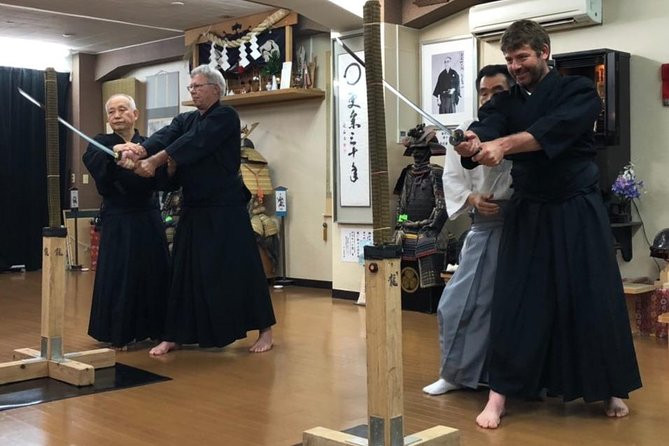
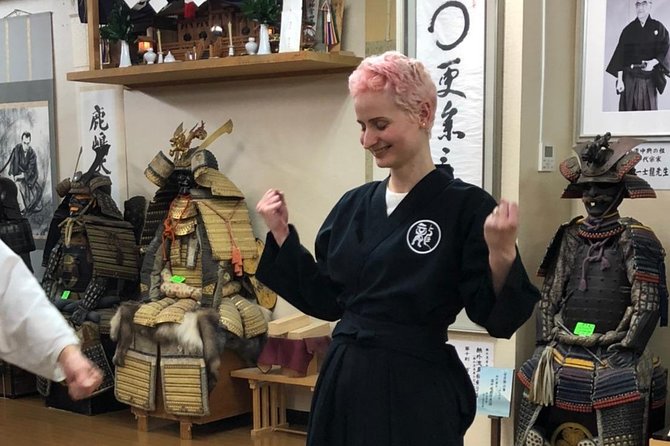
The experience includes an Iaido jacket and related clothing items. Changing into traditional attire helps set the tone, but it also has a practical purpose. The uniform makes posture and arm movement easier for the instructor to observe, and it marks a clear change from sightseeing to training.
You should wear comfortable clothing underneath. The activity does not call for formal dress, and comfort matters more than appearance. You will be standing and practicing controlled movements, so restrictive clothes would make the session less pleasant.
Do not expect a full historical costume or theatrical armor. This is training clothing, not a stage outfit. That is a plus if you want to learn the art rather than simply take a samurai-themed photograph.
Basic movements with a practice sword
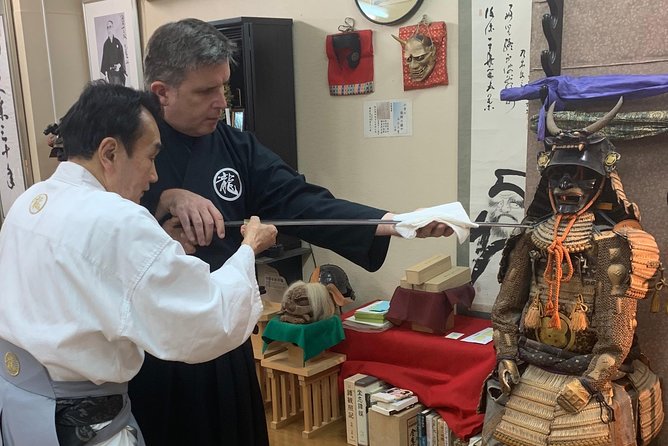
The early technique work uses a safer training approach before you progress to a real blade. You learn how to hold the sword, position your body, and perform basic actions in the correct sequence. The instructor demonstrates, then gives you a chance to repeat the movement.
For a first-time student, the hardest part may not be strength. It is remembering the order and keeping every action controlled. The attendant can translate the explanations into English and clarify small points that might otherwise be lost.
One useful feature of the instruction is its adaptability. The experience is private, so the master can respond to your ability. A child or complete beginner may need more time with safe handling and posture. An experienced martial arts student may want more attention on form and technique.
You should also expect corrections. That is part of the value of a private lesson. A large demonstration can look impressive, but only direct feedback shows you what your own hands, shoulders, and feet are doing.





The live sword and tatami cutting
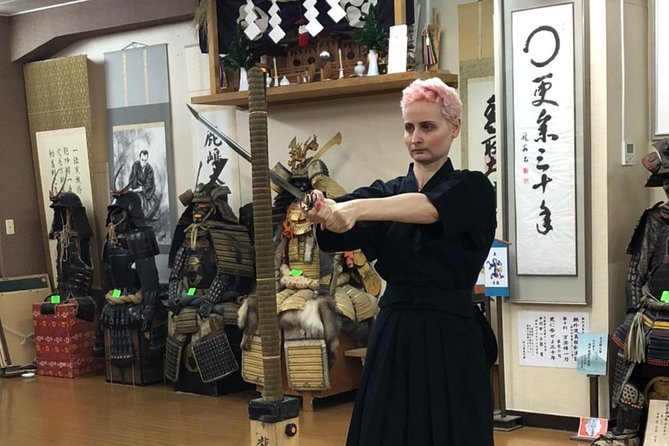
The most unusual part is the chance to cut tatami with a real sword under supervision. The provider describes this as one of the few Iaido workshops where participants can use a live sword and cut targets themselves.
This is not a casual swing at a target. The earlier instruction prepares you for the cut, and the master controls the process. You will need to listen carefully, follow the prescribed movement, and keep the blade pointed and handled as instructed.
Tatami cutting gives the technique a physical result. With a practice sword, you are learning the shape of the movement. With a live blade and rolled mat, you see how precision, angle, and follow-through affect the cut. That can make the lesson memorable, but it also makes safety more important than speed or force.
A parent and son were able to cut through tatami during their session, and an international group used the experience as a special introduction to Japanese tradition. I would not treat success as guaranteed. Your result depends on instruction, body control, and following the master’s guidance, not on simply swinging harder.
If you are nervous around blades, say so before the cutting portion. The private setup should make it easier to ask for clarification and proceed at a comfortable pace. The activity is not suitable for people with heart conditions, pregnant women, or anyone who requires wheelchair accessibility.
The people guiding the session
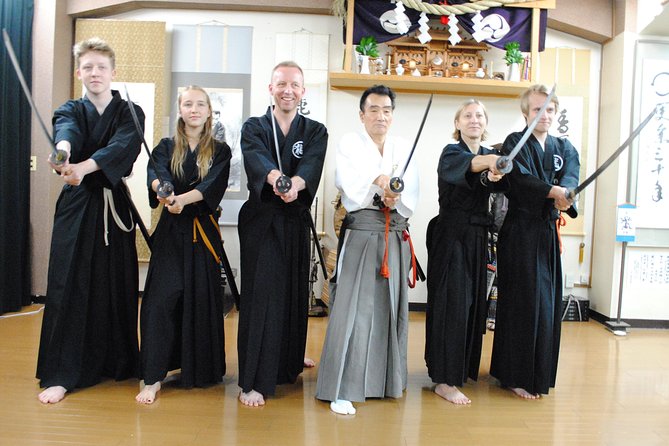
The experience is led by a dojo master, supported by an English-speaking attendant. Reviews of the session repeatedly praise the master’s demonstrations, storytelling, and friendly manner. Masahiro-san is named as a particularly energetic guide, while Masa appears in the operator’s replies and may assist with communication and coordination.
Names and staffing can vary by date, so you should not assume Masahiro-san will personally lead every booking. The important point is that English help is part of the experience, and the lesson is designed for international participants.
Translation is especially useful here because Japanese martial arts terms can carry meanings that a quick translation misses. The attendant can explain not just what to do, but why a movement or gesture matters. That helps you connect physical practice with the etiquette and ideas behind it.
The warm tone also suits families. A parent and child described the session as a memorable shared activity, with the attendant helping explain the nuances. Still, the listing says most people can participate, not everyone. Children should be able to listen carefully and follow instructions around a live blade.
What the private format means for your group
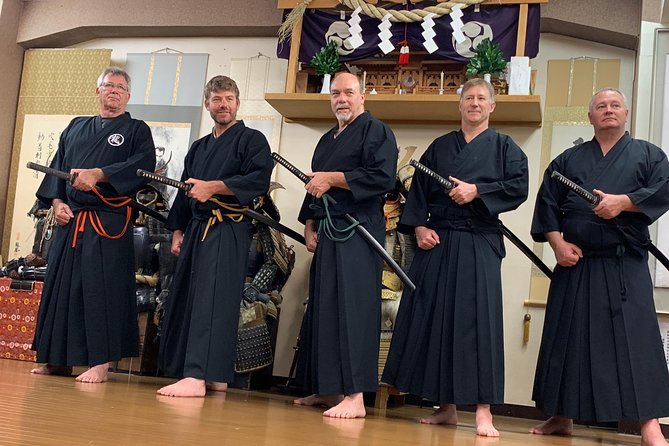
Only your group participates, which gives the session a personal feel. You can ask questions about swords, samurai customs, and technique without competing with a busload of people for the instructor’s attention.
Private does not mean unlimited time. The lesson lasts about 90 minutes, so the master must balance explanation, practice, demonstration, and cutting. If you want a long historical lecture or advanced sword training, this short workshop may feel introductory.
For first-time students, though, the format is well judged. You get a clear taste of Iaido without committing half a day to a formal martial arts course. It also works well for couples, families, and small groups with different levels of interest.
Group discounts are available. Since the price is listed per person, check the total for your party before booking. A discount could make the private lesson better value for a small group, especially when compared with paying separately for several short cultural activities.
Practical planning, cancellation, and timing
The tour runs for approximately 1 hour 30 minutes and returns to the meeting point. No private transportation is included, so you make your own way to the Starbucks in Kudanshita.
Free cancellation is available up to 24 hours before the local start time. A cancellation inside that window is not refundable, and late changes are not accepted. The activity also requires good weather and a minimum number of participants. If poor weather or insufficient bookings cancel the session, you are offered another date or experience, or a full refund.
The weather condition may seem unusual for an indoor dojo activity, so keep an eye on messages if the forecast turns bad. I would avoid placing an unmovable restaurant reservation or timed attraction immediately afterward. Tokyo transit is reliable, but meeting a guide, changing clothes, and completing a hands-on lesson can take longer than the headline duration.
A mobile ticket is accepted. Comfortable clothing is the only specific clothing advice provided, and the Iaido jacket and related items are included.
Who will get the most from this experience
I would choose this for someone who wants active cultural learning rather than a passive demonstration. It suits martial arts fans, history enthusiasts, families with older children who can follow safety instructions, and anyone curious about the discipline behind Japanese swordsmanship.
It is also a good choice for a special small-group activity. The private format lets you share the lesson with family or friends, and the certificate of participation gives you a physical reminder afterward.
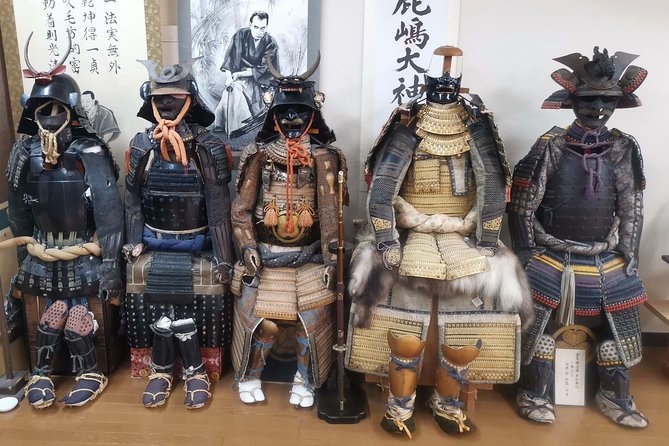
I would be more cautious if you mainly want polished entertainment. The session includes technique and explanation, so some of the time is spent learning rather than posing or watching a performance. It may also disappoint anyone expecting battle scenes, armor, or a long tour of samurai artifacts.
The physical restrictions matter. People with heart conditions, pregnant women, and anyone needing wheelchair accessibility should not book this activity. Everyone else should be ready to stand, concentrate, and handle equipment carefully.
Should you book this Tokyo swordsmanship lesson?
Book it if the idea of cutting tatami with a real sword appeals to you and you want proper instruction before trying it. The private lesson, English assistance, traditional clothing, samurai philosophy, and participation certificate give the $154.37 price a reasonable basis for a one-of-a-kind activity.
I would confirm the meeting point and contact details shortly before the appointment because of the past no-show incident. If you want only a quick samurai photo, spend less elsewhere. If you want a focused introduction to Iaido with a master, a small group, and a genuine hands-on challenge, this is a strong pick for a Tokyo itinerary.
FAQ
How long does the Iaido experience last?
The activity lasts approximately 1 hour 30 minutes.
Where do I meet the group?
Meet at Starbucks Coffee in the Kudankita 1-chome building, 1F, in Chiyoda City, Tokyo, near Kudanshita. The activity ends back at the meeting point.
Is this a private activity?
Yes. Only your group participates in the private tour or activity.
Is an English-speaking guide or attendant included?
Yes. An English-speaking attendant is included to help with instruction and explanations.
Are traditional Iaido clothes provided?
Yes. An Iaido jacket and related items are included. You should wear comfortable clothing.
Can participants use a real sword?
The experience includes supervised practice cutting tatami with a real sword. Instruction and basic technique practice take place before this part.
What is the cancellation policy?
You can cancel for a full refund up to 24 hours before the local start time. Cancellations or changes made less than 24 hours before the start are not refunded or accepted. If weather or insufficient bookings cancel the activity, you are offered another date or experience, or a full refund.
More Samurai & Ninja Experiences in Tokyo
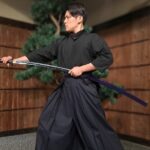
More tours in Tokyo we've reviewed










Samurai & Ninja Experiences, compared.
 ★ 4.5Tokyo: Samurai Restaurant Show Ticket with 2 DrinksFrom $551h 30m
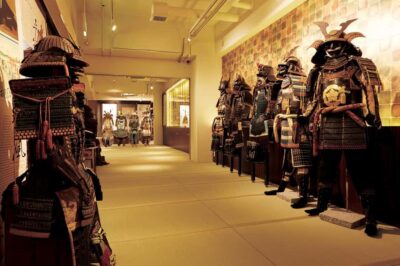 ★ 4.6Tokyo: Samurai Ninja Museum Guided tour and ExperienceFrom $27
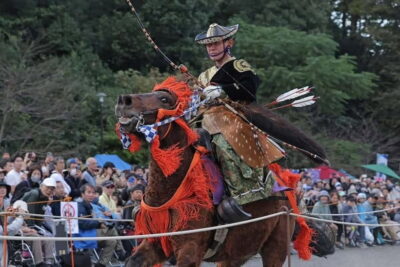 ★ 5.0Tokyo: Samurai Sword & Archery Class from Samurai DescendantFrom $1933 hours
 ★ 5.0Best Samurai Experience in TokyoFrom $65
 ★ 5.0Ninja Experience (Family Friendly) at Samurai Ninja Museum TOKYOFrom $47
 ★ 4.6Tokyo: Samurai Entertainment Night Show in Kanda ShrineFrom $412 - 3 hours