
Reviewed · TEMPLES & MEDITATION
Bullet Train Experience & Mishima Shrine Private Tour from Tokyo
The best part of this outing is the change of pace. In about 45 minutes, you leave Tokyo’s dense city streets behind and arrive in Mishima, a quieter town at the foot of Mount Fuji. You get the famous Shinkansen ride and a real look at a smaller Japanese city in the same morning.
I like the private format, since your guide can adjust the day for weather, walking speed, or your interests. I also like that the outing includes Mishima Taisha Shrine and Rakujuen Park, not just a train ride and a quick Fuji photo stop. The main drawback is the price: at $273.64 per person, it makes the most sense if you value door-to-door help and a private guide.
In This Review
- Key points to know
- Why Mishima Makes a Good Escape from Tokyo
- The Morning Starts with Tokyo’s Train Puzzle
- Riding the Tokaido Shinkansen to Mishima
- Mishima Station and the Town’s Spring Water
- Mishima Taisha Shrine and 1,300 Years of Tradition
- Lunch Comes Before Rakujuen Park
- Rakujuen Park’s Ponds, Streams, and Historic Buildings
- How Much Walking Should You Expect?
- What the Guide Adds to the Price
- Weather, Timing, and Other Practical Limits
- Who Should Book This Mishima Day Trip?
- FAQ
- How long does the Bullet Train Experience and Mishima Shrine Private Tour last?
- Is hotel pickup included?
- Are Shinkansen tickets included?
- Is lunch included in the tour price?
- What should I wear and bring?
- Can I cancel for a full refund?
- Should You Book It?
Key points to know
- A 45-minute Shinkansen ride takes you from Tokyo to Mishima on the Tokaido line.
- Mishima Taisha Shrine offers more than a photo stop, with over 1,300 years of religious history.
- Rakujuen Park combines ponds, streams, trees, historic buildings, and a small amusement area.
- Private hotel pickup helps you handle Tokyo’s complicated rail system during the morning rush.
- Guide Yoshi is praised for practical care, route planning, and adapting the day when weather or mobility becomes an issue.
- Lunch is not included, and you should expect a good deal of outdoor walking.
Why Mishima Makes a Good Escape from Tokyo
Tokyo can fill an entire trip without much effort. You can spend days in its neighborhoods, museums, markets, and department stores, then still feel you have only skimmed the surface. This tour gives you a clean break from that scale and noise without requiring a long journey.
Mishima sits in Shizuoka Prefecture and is known for spring water flowing through the city. That water shapes the feel of the visit. Instead of seeing only shrines and formal gardens, you get streams, ponds, and small waterways woven into an ordinary Japanese town.
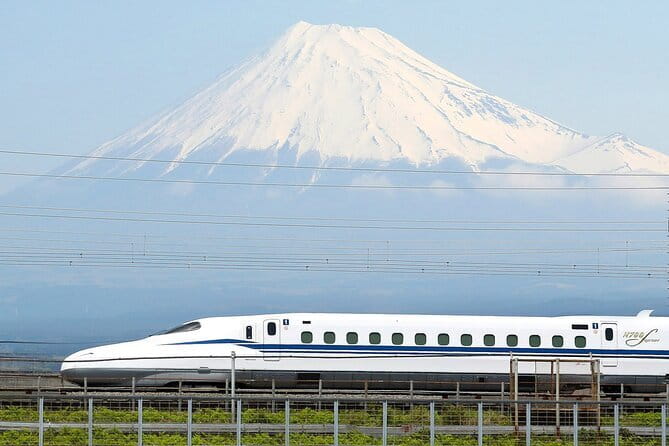
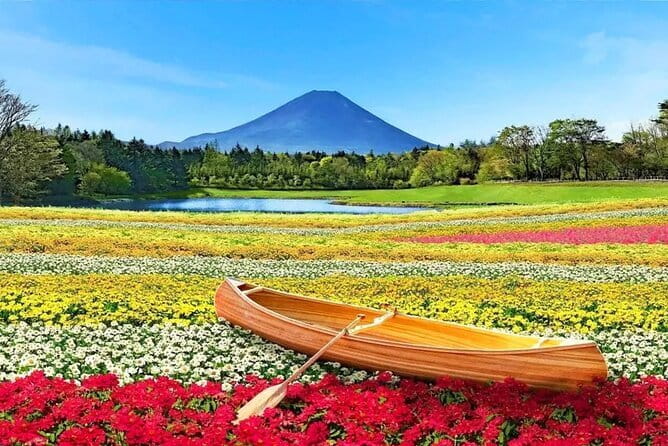
You may also catch views of Mount Fuji, though the mountain depends on the weather. Clear conditions can make the train ride and the time in Mishima especially rewarding. Clouds or rain can change the plan, and the tour may substitute or omit some visits if conditions require it.
The trip is private, so only your group takes part. That matters here. Mishima is not presented as a large sightseeing circuit with a fixed crowd. Your guide can explain what you are seeing, help you move through the stations, and adjust the pace when needed.
A few more Tokyo tours and experiences worth a look

The Morning Starts with Tokyo’s Train Puzzle
The scheduled start is 8:30 am. Pickup is offered at most hotels in central Tokyo, followed by a subway or local JR train to Tokyo Station. If your hotel falls outside the normal pickup area, you may need to cover extra transportation costs for both you and the guide if another arrangement is not practical.
That detail is worth checking before you book. Tokyo Station is easy once you know it, but its many passages, platforms, and signs can be tiring when you are trying to make a timed Shinkansen departure. A guide who meets you at the hotel takes away much of that early-morning guesswork.
The tour includes round-trip transportation between your hotel and Tokyo Station, as well as the round-trip Tokaido Shinkansen tickets. You do not need to buy those separately. The same subway or local JR arrangement is used after the tour for the return to your hotel.
This is one of the strongest practical reasons to choose the outing. You are paying for transport, but also for someone to keep the morning moving. Several comments praise Yoshi for navigating the trains and guiding the group through the rush-hour system. He has also been praised for carrying water, a fan on a very hot day, and basic first-aid supplies. Those are small touches, but they matter when a six-hour day involves a lot of walking.
Riding the Tokaido Shinkansen to Mishima
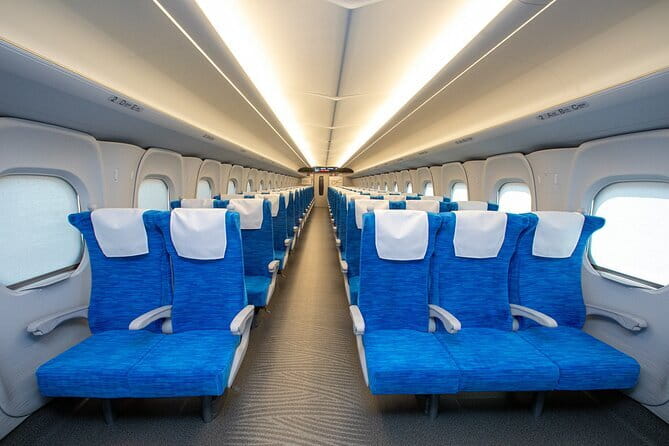
The bullet train is the headline attraction for many people. The Tokyo to Mishima run takes about 45 minutes, giving you a genuine ride on Japan’s high-speed rail rather than a token trip on a short tourist route.
The train is clean, quick, and comfortable, but the real value is that it becomes part of a wider day. You are not simply boarding the Shinkansen, taking a picture, and turning around. The train carries you to a place with its own shrine, park, water, and connection to Mount Fuji and Hakone.
The return train is scheduled to leave Mishima at 2:00 pm. That fixed departure gives the day a useful shape, but it also means you need to stay aware of time. The itinerary includes roughly six hours from pickup to return, and the schedule can feel full once you add station transfers and walking.
A Green Car option may be available. If Green Car seats sell out on the day, the difference is refunded. If you hold a valid Japan Rail Pass, special tour rates are available, but your pass must still be valid. If it has expired or is not accepted for the journey, you are responsible for buying the Shinkansen ticket yourself.
Mishima Station and the Town’s Spring Water
Mishima Station is more than a place to get off the train. It is the gateway to a city often used by people heading toward Mount Fuji or Hakone. For this tour, it marks the shift from Tokyo’s large-scale urban setting to Mishima’s more local rhythm.
The city is known for water from underground springs. Streams run through and around the town, and that water gives Mishima a cool, open character. You may find the contrast striking if your Japan itinerary has focused mostly on concrete streets and packed rail stations.
The stop is listed as about an hour, including the time around the station and the transition toward the sightseeing portion of the day. Your guide can help explain how Mishima relates to the surrounding area and point out features you might otherwise pass without noticing.
Do not expect a major shopping district or a long list of famous attractions here. The appeal is quieter. You come for the combination of train travel, water, shrine architecture, and park scenery.
Mishima Taisha Shrine and 1,300 Years of Tradition
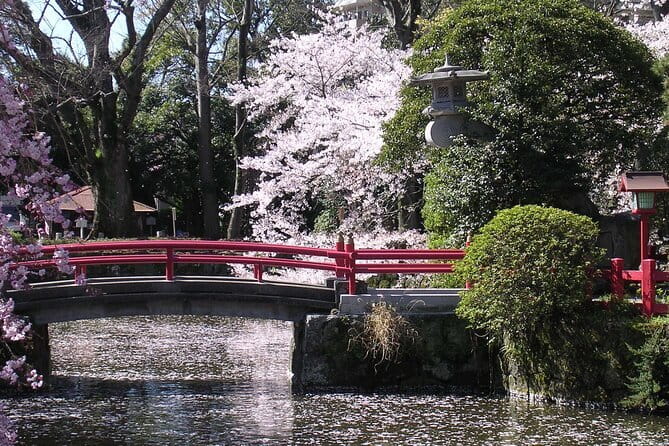
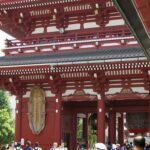
Mishima Taisha Shrine is the cultural center of the visit. The shrine is more than 1,300 years old and has long been important in the area. Samurai leaders, including Minamoto no Yoritomo, respected it, giving the site a connection to Japan’s warrior-era past.
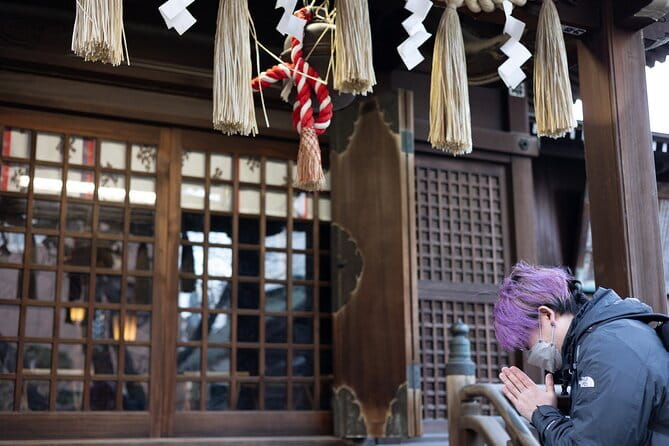
You can expect a traditional Shinto setting with shrine buildings, grounds, and spaces used for worship. The appeal is not only the architecture. It is also the chance to see how a major local shrine remains tied to the identity of the city.
The planned visit lasts about 1 hour and 20 minutes. That gives you time to look around instead of rushing through the main gate, taking one photograph, and leaving. Your guide can explain the shrine’s role and help you notice details that may not be obvious if you are unfamiliar with Shinto customs.
The shrine can be especially pleasant during cherry blossom season. One outing was described as a good place to see the blossoms, though bloom timing depends on the year. If you want peak flowers, you should treat them as a bonus rather than a promise.
The outdoor nature of the grounds means comfortable shoes are important. The day is not built around long indoor breaks, and you should be ready to walk on varied surfaces. Rain gear is also a smart choice. An umbrella or raincoat can help if the weather changes.
Other private tours in Tokyo


Lunch Comes Before Rakujuen Park
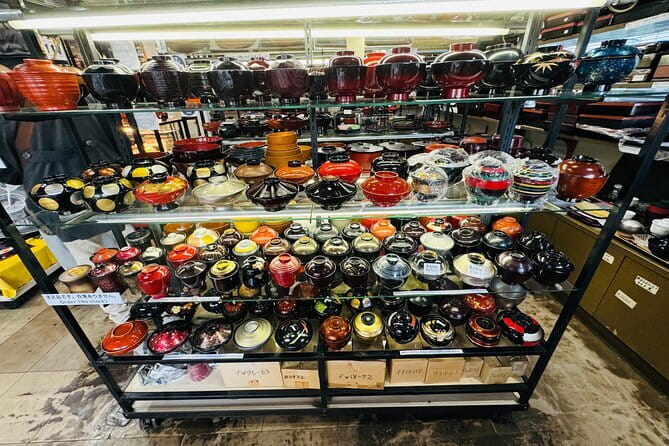
Lunch is scheduled before the park visit, but it is not part of the tour price. You will need to pay for your own meal. The exact restaurant or menu is not specified, so you should think of lunch as a flexible part of the day rather than a promised culinary feature.
That arrangement has both good and bad sides. You are not locked into a meal you may not want, and a private guide may help you choose something that suits your group. On the other hand, the $273.64 price does not cover food, so you need to add that cost to your daily budget.
The timing also matters. A Japanese-style lunch gives you a pause after the shrine and before the final park visit, but you should not expect a long, leisurely restaurant session if the group needs to catch the 2:00 pm train.
If you have a dietary concern, ask about arrangements before departure. The supplied details do not promise specific dietary options, so it is better to clarify rather than assume.
Rakujuen Park’s Ponds, Streams, and Historic Buildings
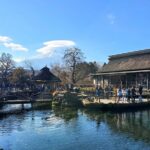
Rakujuen Park is included in the tour price, and admission is one of the few stated entry fees. Located next to Mishima Taisha Shrine, the municipal park includes wooded areas, ponds, streams, historic structures, and a small amusement park.
This is where the day’s themes come together. Mishima’s water is not just something you hear about at the station. You see it in the park’s ponds and streams, alongside trees and older buildings. The setting offers a slower hour after the shrine and the train journey.
The planned visit lasts about 1 hour and 20 minutes. One especially appealing detail is the chance to tour a building within the park and look out over the pond from the house. Access to individual buildings can depend on operating conditions, so it is wise to keep expectations flexible.
Rakujuen is not a huge theme park or a grand national garden. Its strength is its scale. You can take in water, greenery, architecture, and local recreation without needing another major transfer. The small amusement area may appeal to families, though the park’s ponds and buildings are likely to interest adults more.
How Much Walking Should You Expect?
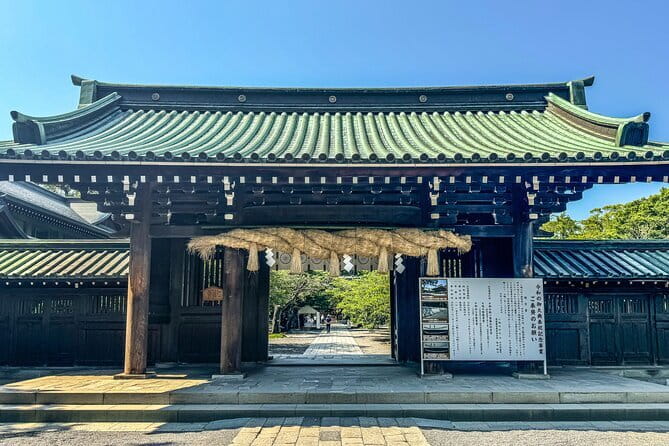
The six-hour length can make the outing look easy on paper. In practice, you should prepare for a good amount of walking outdoors, along with station transfers and time on your feet at the shrine and park.
This is not a good match if you want to spend most of the day seated. Wear sneakers or supportive walking shoes. Bring water, sun protection, and rain gear. Hot weather can make the route feel harder, while rain may affect which sights are possible.
The private format helps if your group has different walking speeds. Yoshi has been praised for adjusting plans when a guest had an old hip injury flare-up. That does not make the tour fully accessible, and the information does not promise wheelchair access or a step-free route. It does show why a private guide can be more useful than a fixed group excursion when a minor problem comes up.
If one person in your group has limited mobility, ask specific questions before booking. The day includes outdoor walking and train connections, and the tour operator may need to adjust the route.
What the Guide Adds to the Price
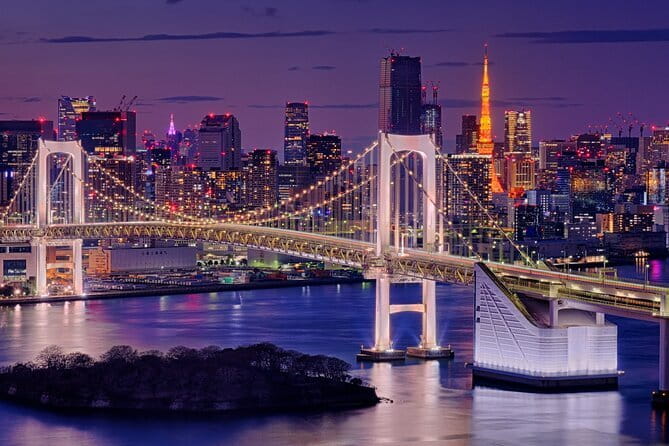
At $273.64 per person, this is not a cheap way to visit Mishima. The value depends on how much you want help with the complicated parts of the day.
The price includes:
- Round-trip Tokaido Shinkansen tickets
- Local transportation from your hotel to Tokyo Station and back
- Hotel pickup in central Tokyo
- An English-speaking guide
- Admission to Rakujuen Park
Lunch and gratuity are extra. Group discounts may be available, and Japan Rail Pass holders can receive special rates. Since the tour is private, the per-person price may feel easier to justify for a small group that would otherwise need to arrange train tickets, local transfers, route planning, and sightseeing independently.
If you already understand Tokyo Station, can buy Shinkansen tickets with confidence, and are happy to follow a self-guided Mishima route, you can likely spend less on your own. If you want a smooth morning, personal explanations, and help when weather or walking problems affect the plan, the price buys convenience as well as transport.
Yoshi receives repeated praise for flexibility, train navigation, and thoughtful practical help. He is not the only possible guide, so you should not assume he will lead every departure. Still, if you are assigned Yoshi, the available feedback suggests you can expect a guide who pays close attention to comfort and timing.
Weather, Timing, and Other Practical Limits
The tour depends on good weather. If poor weather causes the experience to be canceled, you are offered another date or a full refund. Weather can also lead to itinerary changes, substitutions, or omitted visits.
Operational changes do not automatically mean the tour is canceled or refunded. That distinction matters if your main goal is a particular view of Mount Fuji or a specific outdoor stop. Fuji views are possible, and they can be beautiful from Mishima, but visibility is never guaranteed.
You can cancel for a full refund if you do so at least 24 hours before the start time. Changes or cancellations inside that window are not accepted for a refund. The cut-off uses local Japanese time.
Most people can take part, and the tour is near public transportation. The activity is private, so your group will not be combined with strangers. Mobile tickets are provided, and booking confirmation is issued at the time of booking.
Who Should Book This Mishima Day Trip?
I would recommend this outing to you if the Shinkansen is high on your Japan wish list but you also want more than a train ride. It works well for first-time visitors who want help with Tokyo’s rail system and for families or small groups that prefer a private pace.
It is also a good choice if you have already seen many of Tokyo’s central sights and want a quieter half-day with a shrine, water, park scenery, and possible Mount Fuji views. The tour gives you a taste of Shizuoka without asking you to change hotels.
You should think twice if you dislike fixed train times, outdoor walking, or weather-dependent plans. Independent rail users may find the cost high, especially after adding lunch. You also should not book it expecting a full Mount Fuji excursion. The focus is Mishima, with the mountain as a possible part of the scenery.
FAQ
How long does the Bullet Train Experience and Mishima Shrine Private Tour last?
The tour lasts approximately six hours. It begins at 8:30 am, with the return Shinkansen scheduled to leave Mishima at 2:00 pm.
Is hotel pickup included?
Pickup is offered at most hotels in central Tokyo. A subway or local JR train is used after pickup and for the return. If your hotel is outside the designated area and another arrangement is not feasible, you may be responsible for extra transportation costs.
Are Shinkansen tickets included?
Yes. Round-trip Tokaido Shinkansen tickets are included. The tour also includes local transportation between your hotel and Tokyo Station.
Is lunch included in the tour price?
No. Lunch is not included, so you pay for your own meal.
What should I wear and bring?
Wear sneakers or other comfortable shoes because the tour includes considerable outdoor walking. Bring rain gear, such as an umbrella or raincoat, in case of bad weather.
Can I cancel for a full refund?
You can receive a full refund if you cancel at least 24 hours before the experience start time. Cancellations or changes made less than 24 hours before the start time are not refunded or accepted. If poor weather causes the tour to be canceled, you are offered a different date or a full refund.
Should You Book It?
Book this tour if you want an easy, private introduction to the Shinkansen and a quieter side of Japan in one well-organized morning. The strongest reasons are the hotel pickup, included train tickets, Mishima Taisha Shrine, and Rakujuen Park’s water and historic buildings.
The price is high for a six-hour outing, and lunch, gratuity, and possible extra hotel transportation are not covered. Still, the cost can be fair for a small group that values personal help, flexible pacing, and a guide who can handle Tokyo’s train maze. If that sounds like your travel style, Mishima offers a worthwhile change from the city.
More Private Tours in Tokyo
More Temples & Meditation in Tokyo
More tours in Tokyo we've reviewed





Temples & Meditation, compared.
 ★ 4.7Tokyo: Meiji Shrine, Asakusa, Skytree Bus Tour and CruiseFrom $12210 hours
 ★ 4.8Tokyo: Asakusa Walking Tour with Sensoji Temple VisitFrom $222 hours
 ★ 4.6Nikko: Kegon Falls, Lake Chuzenji & Toshogu TempleFrom $8911 hours
 ★ 4.5Tokyo: Kamakura & Enoshima Day Trip including Temple TicketsFrom $589 hours - 570 minutes
 ★ 4.5Tokyo: Nikko Toshogu Shrine and Kegon Waterfall TourFrom $8410h 30m
 ★ 4.5Tokyo Panoramic 1 Day: Meiji Shrine, Asakusa, Odaiba and SKYTREE®From $85