
Reviewed · GUIDED
8-hour Tokyo tour by qualified tour guide using public transport
Tokyo makes more sense when you connect its far-flung districts by train, and this private tour turns that challenge into the main event. A government-licensed guide such as Nobu Sato leads you between shrines, temples, markets, gardens, and city viewpoints while explaining how to get around.
I like the flexible design, since you can adjust both the start time and the places you visit. I also like the practical value: you do not just see Tokyo, you learn how to use its public transport system, with help navigating and translating along the way.
The catch is stamina. One full-day route recorded about 26,000 steps, and the guide’s office says around 25,000 steps is common. You will also pay separately for trains, lunch, Hama Rikyu Garden, and Tokyo Tower.
In This Review
- Key points to know before booking
- Why this Tokyo tour works well for a first day
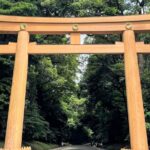
- Meiji Shrine, a calm start among Tokyo’s trees
- Takeshita Street and the quick shift into pop culture
- Asakusa and Sensoji Temple
- Tsukiji Jogai Market for food and daily Tokyo
- Hama Rikyu Gardens, ponds beside modern Tokyo
- Tokyo Tower and a high view over the city
- The Imperial Palace area, with two different faces
- The real cost of the $225.36 tour
- Walking, trains, and the pace of the day
- The guide can make or break the day
- Who should book this private Tokyo day
- Should you book it?
- FAQ
- How long is the Tokyo tour?
- Is the tour private?
- Is hotel pickup included?
- Does the tour use public transportation?
- Can I change the itinerary?
- Are lunch and admission fees included?
- What happens if bad weather cancels the tour?
Key points to know before booking
- Public transport is part of the lesson: You use Tokyo’s trains and subways with a guide who helps you navigate the system.
- The route is private and flexible: Your group is the only group on the tour, and the start time and stops can be adjusted.
- Nobu Sato is a named guide: He is praised for clear English, local knowledge, translation help, and practical advice.
- The standard day covers major contrasts: Meiji Shrine, Takeshita Street, Asakusa, Tsukiji, Hama Rikyu Gardens, Tokyo Tower, and the Imperial Palace area.
- Plan for a lot of walking: The route is best for people with good stamina, though shorter courses are available.
- The $225.36 price excludes key costs: Transport, lunch, and admission to Hama Rikyu Gardens and Tokyo Tower are extra.
Why this Tokyo tour works well for a first day
Tokyo is not one compact sightseeing zone. Its major sights are scattered across a huge city, and moving between them can take as much planning as seeing them. This tour gives you a private guide for about eight hours, so you can spend less time puzzling over routes and more time looking around.
The public transport format is especially useful. Instead of riding in a private car and watching the city pass by, you learn how Tokyo’s subway and train network fits together. One guide helped visitors use the subway throughout the day, while also handling translation and navigation. That can make the rest of your trip easier.
The tour is also a good match for a short stay. One couple visiting Tokyo from a cruise ship used the day to cover several major sights. You will not see every corner of the city, but you can build a useful first picture of Tokyo: sacred spaces, youth culture, old temple districts, food shopping, formal gardens, and modern skyline views.
The private format matters here. You do not have to match the pace or interests of a large group. If you care more about shrines than shopping, or want to shorten the day, you can discuss changes with the guide. The listed course is a framework, not a rigid script.
Other guided tours in Tokyo

Meiji Shrine, a calm start among Tokyo’s trees
Meiji Jingu Shrine is usually the first stop on the standard route. It is dedicated to the spirits of Emperor Meiji and Empress Shoken, and it is famous as the most popular shrine in Japan for the first three days of the New Year.
The visit takes about an hour and has no admission fee. The value here is not simply checking off a famous sight. A guide can explain the role of Shinto worship, the meaning of shrine customs, and the place of the imperial couple in modern Japanese history.
This is a useful opening stop because it gives you cultural context before the day turns toward shopping, food, and tall buildings. You may also appreciate the change in mood. Tokyo can feel crowded and fast, but the shrine grounds offer a quieter setting.
You should still expect walking from the station area through the grounds. Comfortable shoes are more important than fashionable ones on this tour.
Takeshita Street and the quick shift into pop culture
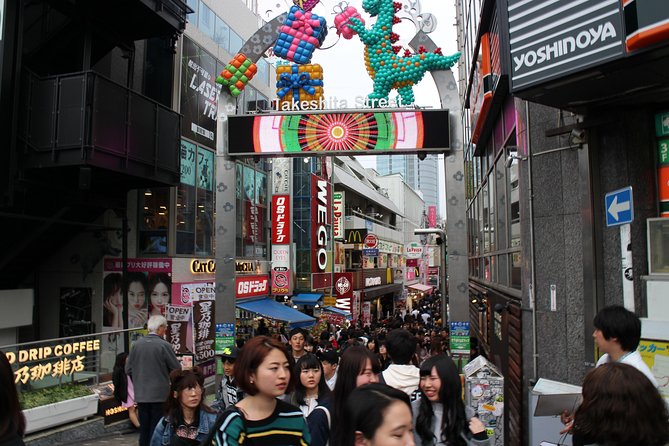
From Meiji Shrine, the route moves toward Takeshita Street, a shopping street known for its appeal to young people and international visitors. The contrast is sharp: one moment you are considering shrine rituals, and soon you are looking at clothing, shops, and a more playful side of Japanese popular culture.
The planned visit lasts about an hour and costs nothing to enter. It is a good stop if you want to see how Tokyo’s older traditions sit beside youth fashion and contemporary trends.
This is also one place where your personal interests matter. If shopping is not important to you, ask the guide to keep this stop short and use the time elsewhere. Since the route can be changed, you do not need to spend a full hour here simply because it appears in the basic plan.
Asakusa and Sensoji Temple
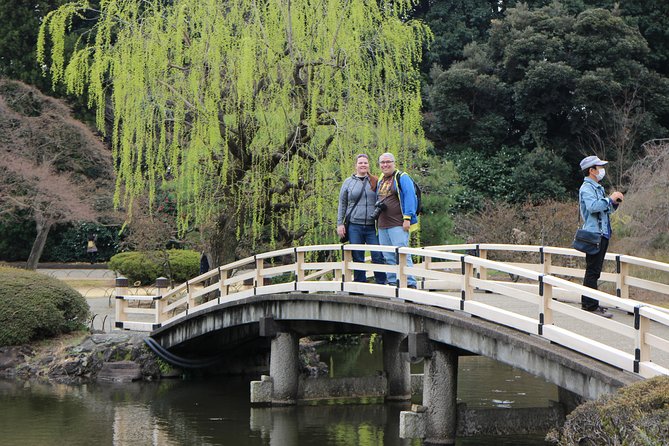
Asakusa gets about two hours, making it the longest listed stop. That is sensible. The district offers more than one sight, with Sensoji Temple and Nakamise-dori Street forming the core of the visit.
Sensoji is described as Tokyo’s oldest temple, dating to 628. The temple gives you a direct connection to the city’s Buddhist tradition, while the nearby shopping street adds food, souvenirs, and a more everyday feel.
A guide is useful in Asakusa because there is plenty to look at, but the meaning behind the gates, buildings, and religious customs may not be obvious at first glance. You can ask questions as you go rather than trying to absorb everything from a sign.
The two-hour stop also gives the day some breathing room. The overall route is demanding, but Asakusa is not just a quick photograph and departure. You have time to walk through Nakamise-dori, see Sensoji, and pause for lunch nearby if that suits the schedule.
Lunch is not included, and neither is the guide’s lunch. You should discuss the timing and location with the guide rather than assuming a meal break is built into the price.
Tsukiji Jogai Market for food and daily Tokyo
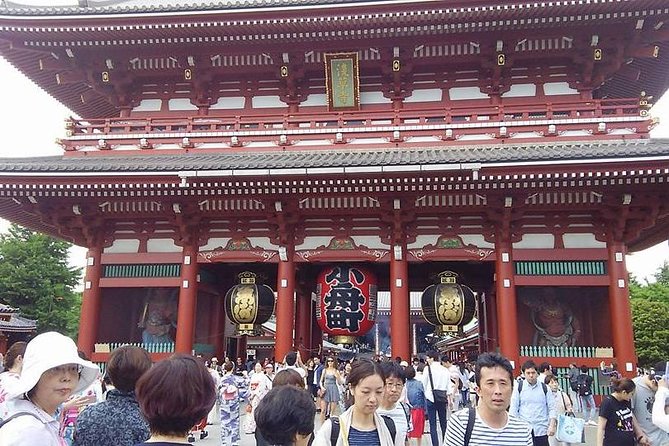
The outside market at Tsukiji is another one-hour stop. This is the market area outside the former wholesale fish market, and it adds a food-focused part to a day otherwise filled with religious sites, gardens, and city views.
The tour description does not include a market tasting or a specific food allowance, so plan to pay for anything you buy. The guide can help with translation and explain what you are seeing, which is useful when menus and product names are unfamiliar.
Tsukiji works well as part of a private tour because you can make the stop suit your appetite and curiosity. You might want a brief look, a snack, or more time examining the shops. The flexible schedule lets you discuss that choice.
Keep the overall pace in mind. Tsukiji comes alongside several other major districts, and every extra stop adds walking and train time.


Hama Rikyu Gardens, ponds beside modern Tokyo
Hama Rikyu Gardens offers a different view of the city. This circuit-style Japanese garden sits by Tokyo Bay, with ponds, bridges, trees, and views toward modern buildings, including the Rainbow Bridge and tall structures.
The planned visit is about an hour. Admission is not included, so you will need to budget for the entrance fee. This is one of the tour’s best contrasts: carefully arranged garden scenery alongside Tokyo’s modern skyline.
The garden also gives you a slower hour after the city streets and transport connections. A guide can explain how the design reflects Buddhist ideas of paradise and how Japanese gardens use water, bridges, borrowed views, and carefully placed plants.
Because the tour requires good weather, outdoor stops can be affected by rain. If poor weather causes cancellation, you are offered another date or a full refund. That policy is useful, but you should still bring suitable clothing and shoes for a day spent outside and on foot.
Tokyo Tower and a high view over the city
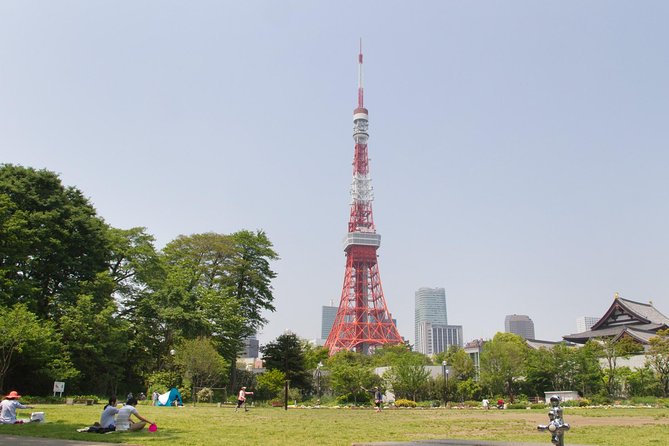
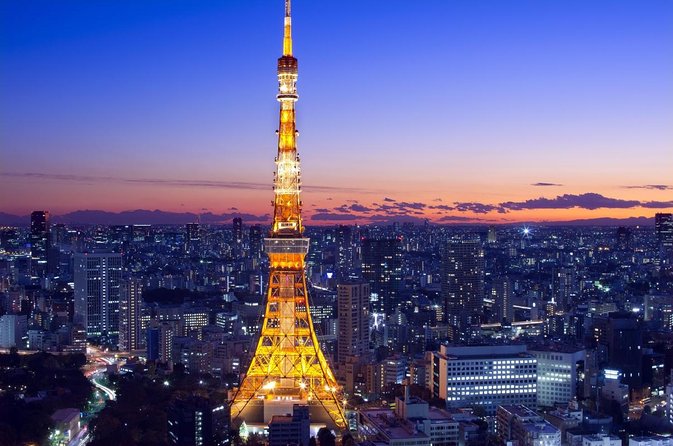
The Tokyo Tower stop lasts about an hour. The tour includes a view from 150 meters, while the admission fee is extra.
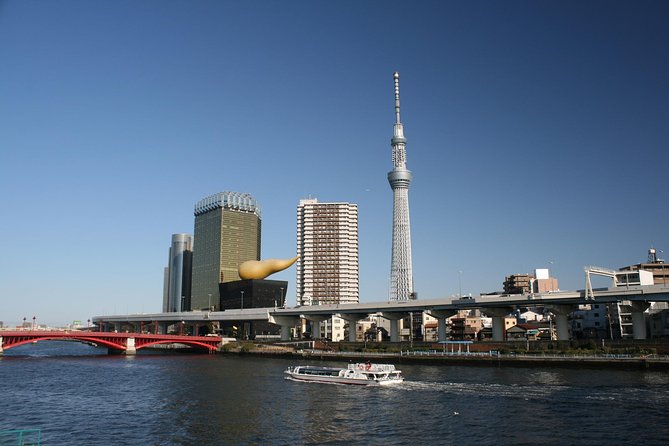
Tokyo Tower remains popular even after Tokyo Skytree opened. Its appeal is partly visual and partly historical: it is a familiar symbol of Tokyo’s postwar modern identity, and its height gives you a chance to understand how widely the city spreads.
The guide can help put the view into context, especially after you have crossed several districts by train. From above, the route stops being a series of separate neighborhoods and becomes one vast urban area.
The main practical question is cost. Since the tower ticket is not included, check the current admission price before booking if your budget is tight. You can also ask whether this stop should remain in the plan if you prefer gardens, markets, or temples to paid viewpoints.
The Imperial Palace area, with two different faces
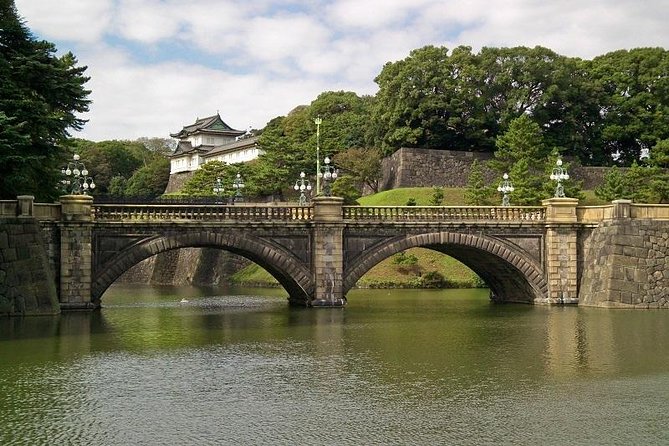
The Imperial Palace portion includes the Eastern Gyoen and Gaien areas. Admission is listed as free, though the tour description does not promise access to every palace building or interior space.
This stop adds imperial history and formal open space to the day. It also helps balance the more commercial parts of Tokyo, such as Takeshita Street and Tsukiji.
The exact amount of time spent here may depend on the customized route. Since seven stops are listed for an eight-hour day, you should confirm which places are included in your chosen version and how long you want at each one. The guide can shorten or adjust the course to match your interests and energy.
The real cost of the $225.36 tour
At $225.36 per person, this is not a budget sightseeing pass. The price covers the guide and hotel pickup, but not transportation for you or the guide, lunch, Hama Rikyu Garden admission, Tokyo Tower admission, or other entrance fees.
The value depends heavily on your group size and priorities. A private guide can be worthwhile for a first day, especially if you are unsure about public transport, do not speak Japanese, or want to ask for changes as the day develops. The guide’s help with translation and subway travel may save time and reduce stress.
Group discounts are available, but the exact saving is not provided. If you are traveling with several people, check the final per-person rate before booking. The tour is likely easier to justify for a small private group than for one person focused only on a single neighborhood.
The price also buys flexibility. You are not paying only for admission to sights. You are paying for a private day that can be shaped around your needs, with hotel pickup and a licensed guide. Still, you should add transport and food to the budget so the total does not surprise you.
Walking, trains, and the pace of the day
This is an active tour. One full day reached about 26,000 steps, and the operator says its guides average around 25,000 steps on this route. That is a serious amount of walking, even if the day includes regular stops.
You will also take countless subway rides on the most ambitious version of the route. That is a benefit if you want to learn Tokyo’s system, but it can feel tiring if you imagined a relaxed sightseeing day.
Wear supportive shoes and keep your schedule clear after the tour. You can ask for a shorter course, and the tour is customized to each group’s pace. Be honest about mobility, heat, or fatigue at the start rather than trying to keep up silently.
Hotel pickup is included, and the tour is near public transport. The start time is flexible, which helps if you arrive from a cruise ship, have jet lag, or need to work around another booking.
The guide can make or break the day
The strongest part of this experience is the guide relationship. Nobu Sato is specifically associated with the tour, and the information provided describes him as professional, engaging, flexible, and comfortable speaking English.
His role goes beyond pointing out buildings. You can expect help with navigation, translation, Japanese history, religion, and current economic context. That mix is useful because Tokyo’s sights make more sense when you connect the old city with the modern one.
The guide can also recommend a lunch place and change the plan when needed. If you have a particular interest, tell the provider before the day begins. The basic themes include shrines, temples, Japanese gardens, modern architecture, history, and culture.
The available rating is 5 out of 5 from 12 reviews, with 100 percent recommending the experience. That is a small sample, so I would not treat it as proof that every day will be perfect. It does point to a consistent strength: personal guidance and a well-managed route.
Who should book this private Tokyo day
I would choose this tour if you have one full day in Tokyo and want a broad introduction rather than a slow visit to one district. It suits first-time visitors, cruise passengers, families or friends who want a private pace, and anyone uneasy about using Japanese public transport.
It is also a strong choice if you value explanation. You will get more from Meiji Shrine, Sensoji, Hama Rikyu Gardens, and the Imperial Palace area if you want context instead of quick photos.
I would think twice if you dislike walking, want a leisurely schedule, or prefer to explore independently. The listed route covers a lot of ground, and extra admission and transport costs make the day more expensive than a self-guided outing.
Should you book it?
Book this tour if you want to see many sides of Tokyo in one day and learn how to move around the city afterward. The private format, flexible start time, hotel pickup, and guide support are the main reasons to pay for it.
Before booking, ask for a shorter route if 25,000 steps sounds excessive. Also confirm your preferred stops, the lunch plan, and which entrance fees you will pay. For an energetic first day with a licensed guide such as Nobu Sato, this is a practical way to get your bearings without giving up Tokyo’s public-transport experience.
FAQ
How long is the Tokyo tour?
The tour lasts approximately eight hours.
Is the tour private?
Yes. Only your group participates in the activity.
Is hotel pickup included?
Yes. Hotel pickup is included in the guide fee.
Does the tour use public transportation?
Yes. The tour uses public transportation, and transportation expenses for both participants and the guide are paid separately.
Can I change the itinerary?
Yes. The places you visit can be changed based on your interests, and the start time is flexible.
Are lunch and admission fees included?
No. Lunch, transportation, Hama Rikyu Gardens admission, Tokyo Tower admission, and other entrance fees are not included.
What happens if bad weather cancels the tour?
If poor weather causes cancellation, you are offered a different date or a full refund. You must cancel at least 24 hours before the start time to receive a full refund for a personal cancellation.
More Guided Tours in Tokyo

More tours in Tokyo we've reviewed

Guided, compared.
 ★ 5.0Tokyo 6hr Private Tour with Government-Licensed GuideFrom $155
 ★ 4.9Tokyo: Shinjuku Local Bar and Izakaya Guided Walking TourFrom $343 hours
 ★ 4.8Tokyo: Private City Highlights Tour with Local GuideFrom $1064 - 8 hours
 ★ 4.9Tokyo: Tsukiji Fish Market Guided Walking TourFrom $222 hours
 ★ 5.0Tokyo 4hr Private Tour with Government-Licensed GuideFrom $109
 ★ 5.0Tokyo Guided Small-Group Biking TourFrom $106