
Reviewed · TSUKIJI MARKET TOURS
10 kinds Sake Tasting Experience in Tsukiji with local!!
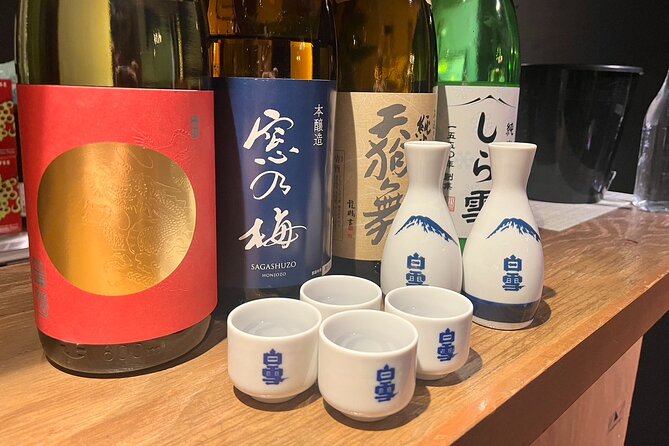
The best part of this private Tsukiji sake tasting is its simple format: you sit down, taste around 10 varieties, and learn why they differ. The session covers brewing, quality grades such as Junmai and Daiginjo, regional styles, and basic drinking manners. It feels more like a friendly lesson than a formal lecture.
I like the chance to compare sake side by side, from lower to higher quality styles, and I like that the guide can help with language barriers and explain Japanese drinking customs in plain English. Snacks such as nuts and soybeans help, too. The main drawback is the location: Nomuno can be a little hard to find, so allow extra time and check the meeting details closely.
In This Review
- Key points to know before booking
- Ten sake styles in one relaxed sitting
- Meeting at Nomuno near Tsukiji
- What happens during the 90-minute session
- A private tasting with room for questions
- Understanding Junmai, Daiginjo, and quality grades
- Small snacks and the need to pace yourself
- Is $62.40 a fair price?
- Who will get the most from this tasting?
- Timing, cancellation, and practical planning
- FAQ
- Where does the sake tasting take place?
- How long does the experience last?
- How many sake varieties will I taste?
- Is this a private activity?
- What will I learn during the tasting?
- Are snacks included?
- Is the tasting suitable for people who do not know much about sake?
- Is the guide able to speak English?
- Can I cancel for a full refund?
- Should you book the Tsukiji sake tasting?
Key points to know before booking
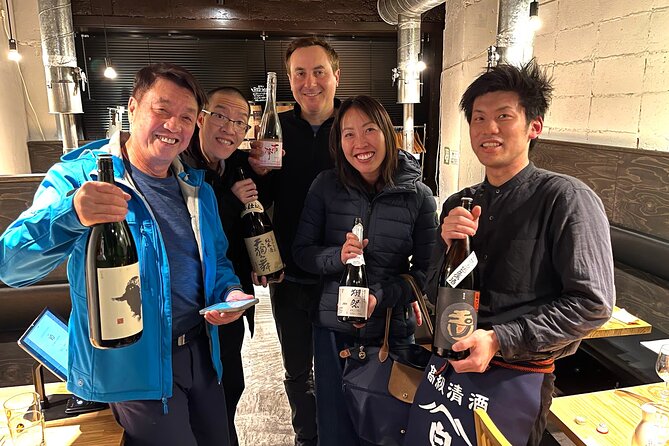
- About 10 sake samples: Taste a broad range of styles, with one session including 11 pours.
- Private format: Only your own group takes part, making it easier to ask questions and set the pace.
- Practical sake lesson: Learn about Junmai, Daiginjo, brewing methods, regional differences, and etiquette.
- English-friendly guidance: Guide Matsu has led sessions in English and provides useful information sheets.
- Small snacks included: Nuts and soybeans give you something to eat between samples.
- 90 minutes at Nomuno: The tasting starts and ends at Wagyu Yakiniku and Sake all-you-can-drink Nomuno in Tsukiji.
Ten sake styles in one relaxed sitting
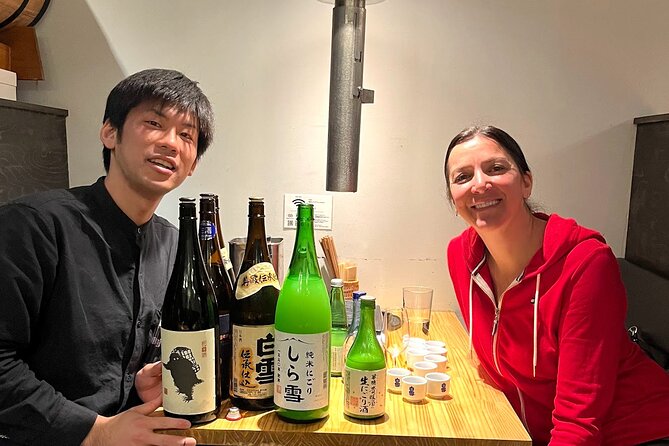
Sake can seem confusing when you first encounter it. Bottles carry terms such as Junmai and Daiginjo, labels often use Japanese characters, and the same drink can taste very different depending on how it was brewed and served.
This tasting gives you a practical way into that subject. Instead of trying to understand every label in a shop, you can compare roughly 10 sake varieties in one sitting. One session included 11 samples, so the exact number may vary slightly, but you should expect a generous tasting rather than just two or three token pours.
The order is useful. The tasting can move from lower to higher quality sake, allowing you to notice how aroma, smoothness, body, and finish change. You do not have to decide that the most expensive or highly classified sake is automatically your favorite. The point is to learn what the categories mean and discover which styles suit your own palate.
I find this kind of comparison far more useful than tasting one sake in isolation. A drink may seem light until you try a fuller style beside it. A fragrant Daiginjo may appeal to you immediately, while a Junmai may feel more substantial with food. The session gives you a vocabulary for those differences.
A few more Tokyo tours and experiences worth a look


Meeting at Nomuno near Tsukiji
The meeting point is Wagyu Yakiniku and Sake all-you-can-drink Nomuno, at 2-13-2 Shintomi in Chuo City. The activity begins and ends there, so you do not have to follow a guide through several neighborhoods or arrange a separate return route.
The venue also gives the tasting a food connection. Nomuno is associated with Japanese barbecue and sake, and one participant enjoyed combining the sake lesson with Japanese barbecue at the same place. The tasting itself includes small snacks, reported as nuts and soybeans, but the information provided does not promise a full meal as part of the 90-minute session.
Finding the entrance may take a little patience. One participant found the location difficult to identify, which is a useful warning in a city where a restaurant can occupy an upper floor, a narrow frontage, or a building that is easy to pass. Use the exact meeting address, keep your phone ready for navigation, and arrive early enough to look around without rushing.
The location is near public transportation, though the precise station or walking time is not specified. You should still allow a few extra minutes, especially if you are coming from Tsukiji Market or another nearby area and assuming the restaurant will be obvious.
What happens during the 90-minute session
The experience lasts about an hour and a half. That is enough time for a structured introduction and a substantial tasting, but it is not an all-evening sake course.
The session begins with basic information about sake and how to drink it. You can expect an explanation of serving customs and simple etiquette, along with an introduction to the main terms used in sake classification. This is useful if you have wondered about the difference between Junmai, Daiginjo, and related categories.
The tasting then moves through multiple examples. As you sample, the guide explains how the sake was made and what gives each one its character. You can ask about the rice, brewing process, quality classification, and regional origin. The emphasis is on tasting and discussion, not memorizing technical facts.
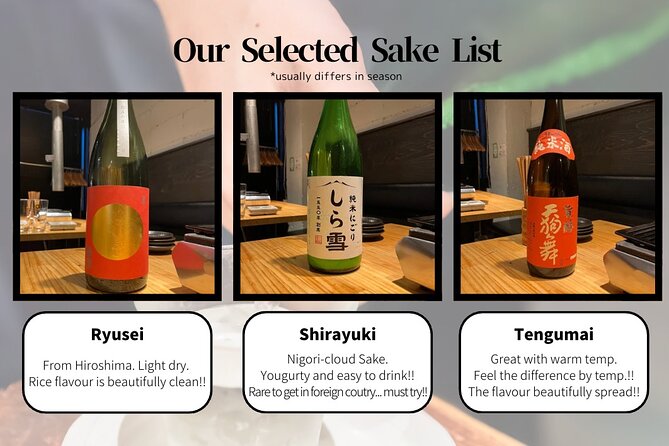
Regional comparison is another important part. Sake from different parts of Japan can show distinct styles, and the session helps connect those differences to place. The details of the individual bottles are not fixed in the information provided, so you should not book this expecting a published menu of exact labels. The selection may depend on availability.
That changing selection is both a strength and a limitation. It gives the guide room to present good examples on the day, but anyone seeking a particular brewery, prefecture, or rare label should ask in advance rather than assume it will be included.
A private tasting with room for questions
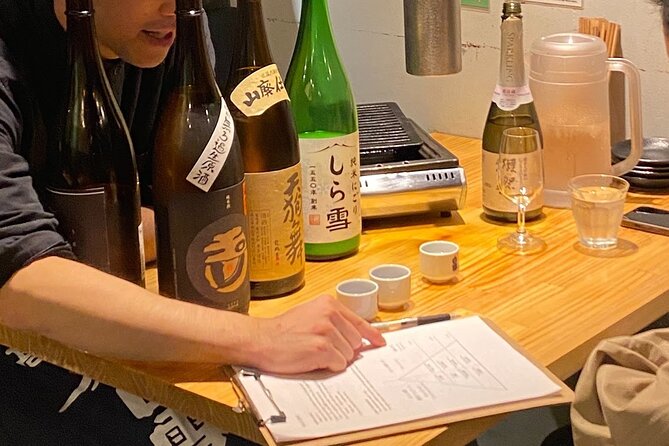
This is a private activity, so only your group takes part. That matters more than it may sound. In a large tasting, you may hesitate to interrupt or ask a basic question. In a private session, you can spend more time on the styles that interest you and ask for clarification when a label or brewing term is unfamiliar.
The tone is informal. The guide is described as a local sake enthusiast, and one session was led by Matsu, who also works as a chef at Nomuno. The combination of food and sake experience is helpful because you can ask not only what a sake tastes like, but also how it might work with a meal.
English support is another practical benefit. One solo participant who booked at noon on a Wednesday found the guide spoke English well and was able to discuss both sake and Japan. The guide also provided information sheets. That does not mean every session will feel identical, but it shows the experience can work well for an English-speaking visitor who wants more than a quick tasting at a bar.
The private setup may be especially useful for couples, families with adult children, or friends who want to learn at their own pace. It is also suitable for a solo participant, although the atmosphere could depend on the group size and booking time.
Understanding Junmai, Daiginjo, and quality grades
The terms used on sake bottles are not simply a ladder from bad to good. They tell you about ingredients and production methods, but personal taste still matters.
Junmai refers to sake made with rice, water, yeast, and koji, without added distilled alcohol. Daiginjo is associated with highly polished rice and careful brewing. The tasting introduces these and related categories through actual samples, which makes the differences easier to grasp than a written explanation alone.
You may notice that a highly polished sake has a lighter, more aromatic style, while another sake has a stronger rice character. The guide can explain how these impressions connect to production. You will not leave as a brewing expert, but you should be better prepared to read a menu or bottle label.
The quality discussion is one of the most useful reasons to book this rather than simply ordering a random glass with dinner. You can taste across classifications and decide which qualities you value. Some people prefer fragrance and delicacy. Others want a firmer drink that can hold up to grilled meat or salty snacks.

Small snacks and the need to pace yourself
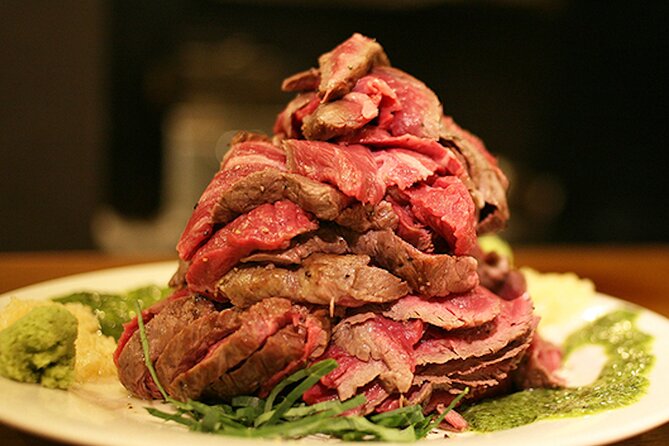
The included snacks are modest but useful. Nuts and soybeans were served between samples, giving you something savory to eat while moving through the tasting.
Do not treat those snacks as a full meal. If you are arriving hungry, eat beforehand or plan food afterward. The venue is connected with wagyu yakiniku, but the tasting details do not state that a barbecue meal is included in the price.
Pacing is important. Ten or 11 sake samples in 90 minutes can add up, even if each pour is small. One participant specifically advised taking it slowly. That is good advice for anyone who wants to remember the flavors and stay comfortable.
You can get more from the session by taking a sip, noting what you smell and taste, and then listening to the explanation before moving on. You do not need to finish every sample quickly. If you are sensitive to alcohol, ask the guide about the pour sizes and pace at the beginning.
Is $62.40 a fair price?
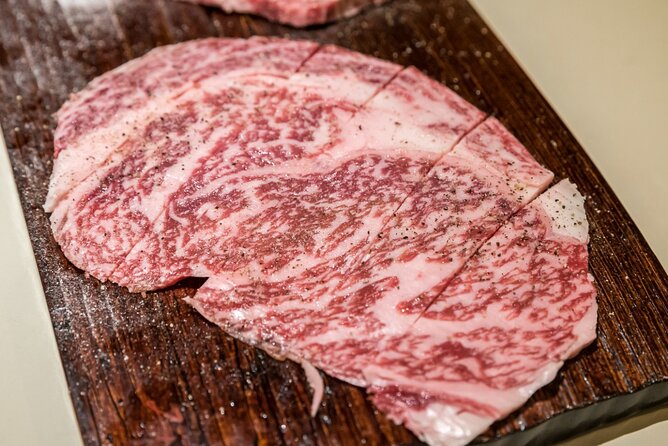
The listed price is $62.40 per person. That is not the cheapest way to try sake in Tokyo, since you can order an individual glass at many bars or restaurants. The value comes from the range of samples, the private setting, the explanations, and the chance to ask questions directly.
If you already know sake well and simply want a particular bottle, this may not be the best use of your money. You could get more from visiting a specialist shop or ordering a few carefully chosen pours.
For a first introduction, the price is easier to justify. You receive a guided comparison of about 10 styles, printed information, small snacks, and help interpreting Japanese terms. A private session also avoids the guesswork of choosing from a long menu on your own.
The experience is booked, on average, 27 days ahead. That suggests you should not leave it until the last moment if your Tokyo dates are fixed. Confirmation arrives within 48 hours, subject to availability, so check that your booking is confirmed before building the rest of your evening around it.
Who will get the most from this tasting?
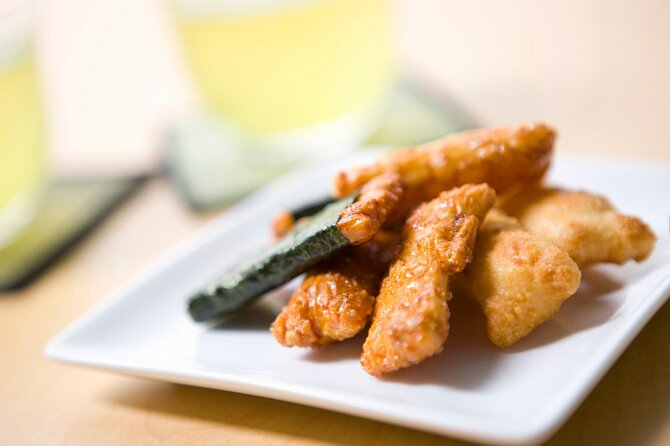
This experience suits you if you want a friendly introduction to Japanese sake without committing to a long class. It is a good pick for food-focused visitors, people who enjoy comparing regional drinks, and anyone who has seen sake on menus but never understood the labels.
It also works well for visitors who want local context. The guide can explain drinking etiquette and everyday sake culture, not just technical brewing terms. Language help makes the experience less intimidating if you do not read Japanese.
You may want to skip it if you do not drink alcohol, need a full meal included, or prefer a tightly fixed list of named bottles. The exact selection is not provided, and the emphasis is on a relaxed conversation rather than a formal certification course.
Families can participate as long as everyone meets the provider’s participation requirements, but the supplied information does not give a specific minimum age. If you are booking for younger members of your group, confirm that point before paying.
Timing, cancellation, and practical planning
The experience is listed as a mobile-ticket activity and takes place near public transportation. Your ticket should make it easy to keep the booking on your phone, but you still need to reach the restaurant at the stated meeting time.
The activity ends back at the meeting point, which makes planning simple. You can arrange dinner nearby, continue exploring Chuo City, or return to your accommodation without tracking down a guide at a different endpoint.
Free cancellation is available if you cancel at least 24 hours before the local start time. Cancellations made less than 24 hours ahead are not refunded, and late changes are not accepted. Keep that deadline in mind if your Tokyo schedule may shift.
FAQ
Where does the sake tasting take place?
It starts and ends at Wagyu Yakiniku and Sake all-you-can-drink Nomuno, located at 2-13-2 Shintomi, Chuo City, Tokyo 104-0041, Japan.
How long does the experience last?
The tasting lasts approximately 1 hour and 30 minutes.
How many sake varieties will I taste?
You can expect around 10 sake varieties. One session included 11 samples, so the exact number may vary slightly.
Is this a private activity?
Yes. Only your own group participates in the activity.
What will I learn during the tasting?
The session covers basic sake information, how to drink it, drinking etiquette, quality classifications such as Junmai and Daiginjo, brewing methods, and differences between sake from various parts of Japan.
Are snacks included?
Yes. Small snacks are included. The information provided specifically mentions nuts and soybeans.
Is the tasting suitable for people who do not know much about sake?
Yes. The session explains basic terms and compares different styles, making it suitable for beginners as well as people who already have some interest in sake.
Is the guide able to speak English?
English guidance is available. One session was led by Matsu, who spoke English well and provided information sheets.
Can I cancel for a full refund?
Yes, if you cancel at least 24 hours before the experience’s local start time. Cancellations made less than 24 hours before the start are not refunded.
Should you book the Tsukiji sake tasting?
I would book this if you want a clear, social introduction to sake and value personal guidance over simply ordering a drink at a restaurant. The strongest features are the private format, the broad comparison of about 10 styles, the handouts, and the friendly English-language discussion.
Go in with realistic expectations. This is a 90-minute tasting, not a full dinner, brewery visit, or advanced sake course. The exact bottles are not guaranteed, the venue can be tricky to locate, and you will need to pace yourself through the samples.
For a first sake experience in Tokyo, the combination of local insight, practical explanations, snacks, and side-by-side tasting makes the $62.40 price reasonable. Arrive early, eat lightly beforehand, and keep an open mind about which sake you prefer.
More Tsukiji Market Tours in Tokyo
More tours in Tokyo we've reviewed



Tsukiji Market Tours, compared.
 ★ 5.0Tokyo Tsukiji Fish Market Food and Culture Walking TourFrom $99
 ★ 5.0Tokyo: Tsukiji Fish Market Food and Walking tourFrom $30
 ★ 4.9Tokyo: Tsukiji Fish Market Guided Walking TourFrom $222 hours
 ★ 5.0Tokyo Sushi Making Class in Tsukiji with Professional ChefFrom $49
 ★ 5.0Tsukiji Fish Market Guided Tour and Sushi Making with Pro ChefFrom $104
★ 4.7Tokyo: Tsukiji Fish Market Food and Culture Walking TourFrom $963 hours
★ 5.0Tsukiji Fish Market Guided Tour and Sushi Making with Pro ChefFrom $104
★ 4.7Tokyo: Tsukiji Fish Market Food and Culture Walking TourFrom $963 hours