
Reviewed · SUMO EXPERIENCES
1.5 Hour VIP Sumo Event in Tokyo
The unusual part comes early: you do not just sit and watch sumo. You learn the rules and rituals, practice a few movements, then step into the ring to face a former professional wrestler. It is playful, physical, and far more memorable than a standard talk.
I like the small-group format, which gives people a real chance to participate instead of watching from the back. I also like the question-and-answer session, since it lets you ask about training, etiquette, tactics, and the place of sumo in Japanese culture. The main consideration is that the bout is a staged introduction, not a serious wrestling lesson, and the English delivery may vary from guide to guide.
In This Review
- Key points at a glance
- What happens during the 90-minute sumo session
- Learning the rules before you watch the action
- Watching former professionals demonstrate the sport
- Practicing sumo exercises before the bout
- Entering the ring for a friendly challenge
- Photos, questions, and the value of the small group
- Pairing it with a tournament day in Ryogoku
- Is $114.78 a fair price?
- Who will enjoy this most?
- Practical details before you book
- Should you book this Tokyo sumo experience?
- FAQ
- How long does the sumo activity last?
- Where does the activity start?
- What time does the activity begin?
- Where does the activity end?
- Is a sumo tournament ticket included?
- Is the activity conducted in English?
- Can children take part?
- How many people can join the event?
- Can I cancel for a full refund?
Key points at a glance
- A rare chance to enter the ring: You can practice sumo moves and take part in a short bout with a former professional wrestler.
- Useful before a tournament: The explanation of rules and tactics can make an afternoon at the Ryogoku Kokugikan easier to follow.
- Small group, maximum 20 people: You should have a better chance to ask questions and participate than on a large bus tour.
- An active cultural lesson: You learn about sumo history, training, customs, and technique rather than only taking photos.
- Family-friendly, with an age detail to check: The main information says children aged eight and above can take part, while the additional booking information gives a minimum age of five.
- No tournament ticket included: This 90-minute event is a separate experience and does not get you into a professional sumo tournament.
What happens during the 90-minute sumo session
The activity begins at 9:30 a.m. at 1-chōme-1-2 Kamezawa in Sumida City, close to Ryogoku Station and public transportation. It ends at the same meeting point, so you do not need to arrange a separate return transfer.
Allow time to find the exact spot. The directions are intended to lead you to a precise map pin, but one person had trouble locating the venue and spent about 15 minutes looking around. I would open the map link before leaving your hotel and arrive early, especially if this is your first morning in Ryogoku.
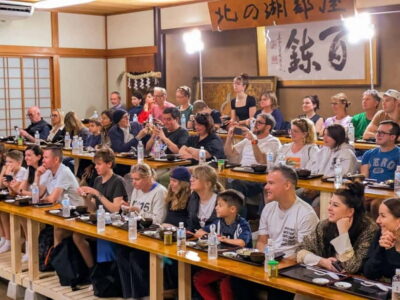
The session is conducted in English. The group can include up to 20 people, though the small-group design is one of the activity’s main selling points. A group of that size is large enough for a lively atmosphere but still gives you a reasonable chance to see the demonstrations and ask something at the end.
A few more Tokyo tours and experiences worth a look

Learning the rules before you watch the action
The opening explanation covers the basic rules, the history of sumo, and its cultural importance in Japan. That background matters because sumo can look simple at first glance. Two wrestlers push, pull, and try to force each other outside the ring, but the details of balance, foot position, timing, and ritual give the sport much of its character.
You learn enough to follow a bout with a sharper eye. The session can be especially useful if you plan to attend a tournament later that day. Basic knowledge of the rules and tactics helps you understand why a wrestler wins, why a match ends quickly, and why a seemingly small movement can decide the result.
The cultural explanation also gives the activity more weight than a novelty photo stop. Sumo is presented as a sport with tradition and ceremony, not simply as a contest based on size. That said, the exact depth of the talk can depend on the guide and the pace of the group. If you already know sumo well, you may find this part introductory.
Watching former professionals demonstrate the sport
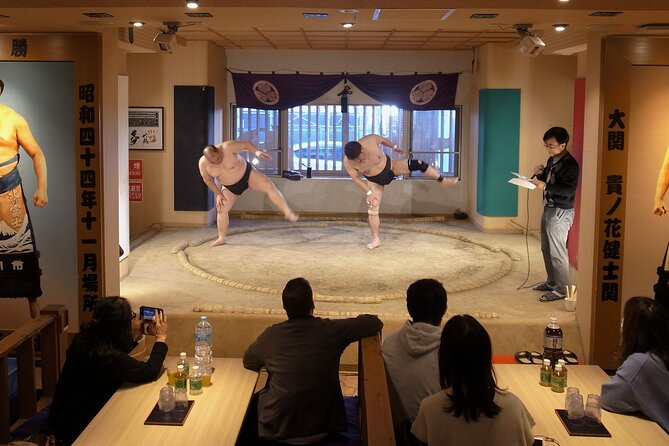
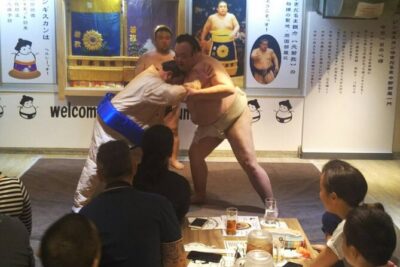
Former sumo wrestlers lead the practical part of the event. They demonstrate training exercises, techniques, and basic movements while explaining what you should do. Their role is not just to provide muscle for a photo. They show how a professional approaches the sport and help turn abstract rules into something you can see and feel.
The demonstrations are also where the tone becomes more relaxed. The event is designed to be funny and welcoming, so you do not need any wrestling experience. You can ask questions as the session moves along, and the former wrestlers are available for photos.
You should still treat the ring and the wrestlers with respect. The activity offers a light-hearted introduction, but it deals with a serious Japanese sporting tradition. Follow the instructions, pay attention to the etiquette guidance, and avoid treating the event like a costume skit.
Practicing sumo exercises before the bout
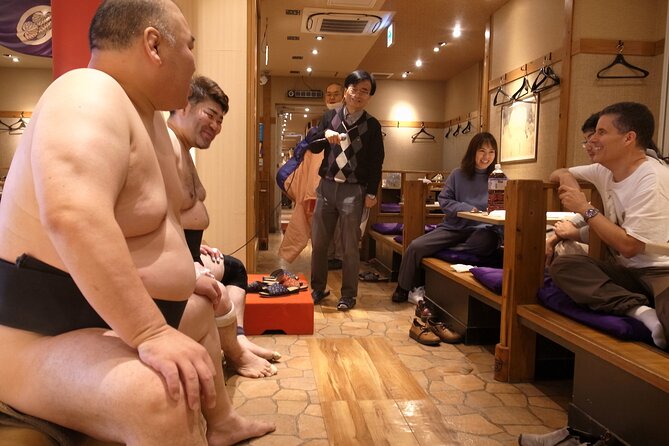
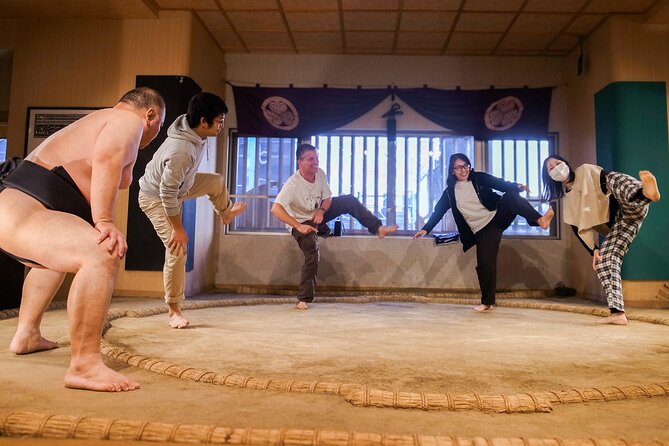
Before you challenge a wrestler, you practice some of the movements used in sumo training. This is a smart part of the structure. It gives you a sense of how demanding the sport can be and helps you understand that sumo relies on posture, balance, leg strength, and timing, not just body weight.
The activity is active, but it is not advertised as a fitness class. You will not receive a long technical course or a progressive training program. Instead, the exercises prepare you for a short, controlled experience in the ring.
Most people can participate, and no sumo or wrestling background is needed. If you prefer not to take part physically, you can still learn from the demonstrations and enjoy the questions and photos. The activity is therefore more flexible than a session that requires every person to wrestle.
Entering the ring for a friendly challenge
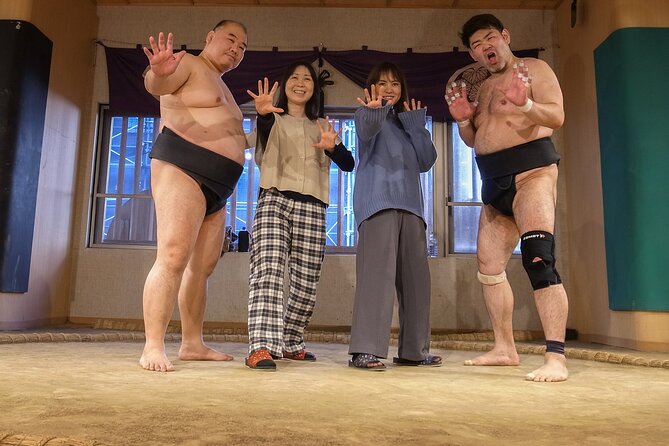
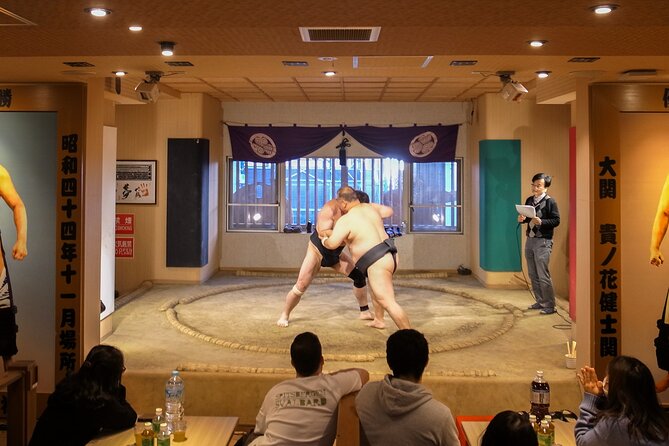
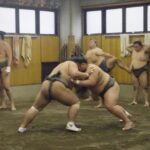
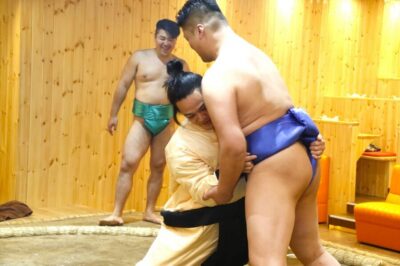
The centerpiece is your chance to get in the ring and challenge a former sumo wrestler. This is the part that produces the memorable family videos and group photos. You get a direct sense of how difficult it is to move someone with a low center of gravity, even in a brief and friendly bout.
The challenge is best understood as an entertaining demonstration, not a fair contest. A professional wrestler has years of training and knows how to control the encounter. You are there to try the movements, laugh, and experience the scale and physical presence of sumo from close range.
Participation is a major reason to choose this activity instead of a standard sumo lecture. Still, not everyone wants to wrestle in front of a group. The activity information says everyone can have a turn, but the practical level of participation can depend on comfort, age, and the flow of the session. Tell the staff if you would rather watch, take photos, or keep your involvement brief.
A few more Tokyo tours and experiences worth a look





Photos, questions, and the value of the small group
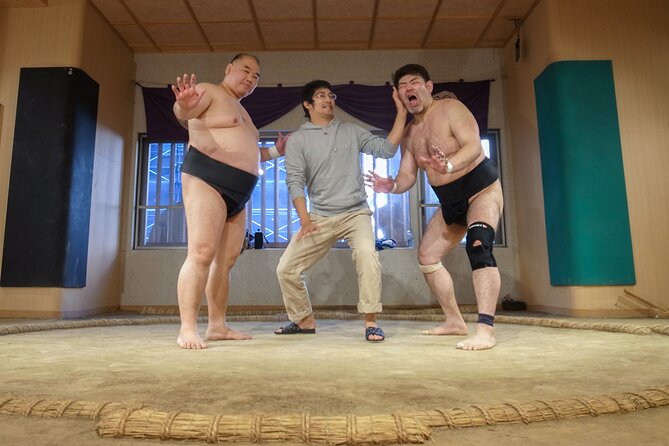
Photo opportunities are built into the experience. You can take pictures during the demonstrations and record the ring experience, creating something more personal than a photograph from the audience at a tournament.
The final question-and-answer session is another strong point. You can ask about the rules, training, techniques, history, or other sumo-related subjects. The session works best when you arrive with a question ready. Ask about a detail you noticed in the demonstration, or about something you hope to understand at a tournament.
A maximum of 20 people keeps the event from feeling entirely passive. Several people who enjoyed the activity appreciated the organization, clear instructions, friendly staff, and the amount of time given to questions. One family particularly valued the videos of a parent and child wrestling with a sumo wrestler.
The group size is not the same as a private lesson. You may still need to wait your turn, and a full group can make the room feel lively. But compared with a large viewing-only experience, this format gives you a better shot at personal attention.
Pairing it with a tournament day in Ryogoku
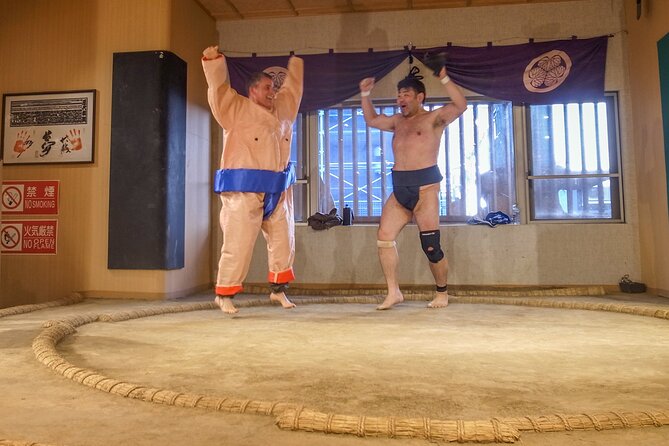
This event makes the most sense as a morning introduction before a professional tournament. The 9:30 a.m. start leaves much of the day open, and the lesson on rules and tactics can help you understand the bouts later.
Do not confuse the two products. A tournament ticket is not included in this activity. You must arrange admission separately if you want to watch the official matches.
The session also works on its own. You do not need to attend a tournament afterward, and the activity can fill a morning for anyone who wants to learn about sumo without committing to a full day at the arena. That is useful when tournament tickets are unavailable or when your schedule does not line up with a tournament.
If you are planning both, leave enough time between the end of the event and your next appointment. The activity lasts about 90 minutes, but you will want time for the return walk, food, and getting to the arena. The meeting point is in the Ryogoku area, so the location is practical for a sumo-focused day.
Is $114.78 a fair price?
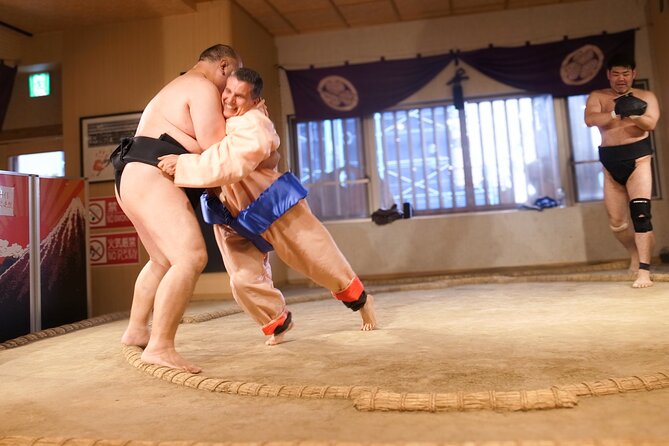
At $114.78 per person, this is not a cheap photo opportunity. You are paying for a hosted cultural activity with former professionals, demonstrations, instruction, participation, and a question period.
The price makes more sense if you value direct access and interaction. A standard sumo-related visit may let you watch from a distance, while this activity lets you ask questions and enter the ring. For families, couples, and friends, the shared experience and photos may justify the cost.
The value is weaker if you only want to see professional sumo. This does not include a tournament ticket, and the session will feel basic if you already understand the sport or have attended sumo events before. It is also not the right choice if you expect a serious training lesson or a competitive bout.
I would compare the price with the cost of a separate tournament ticket and treat them as two different purchases. This event explains the sport and gives you personal access. The tournament provides the official competition and atmosphere. They complement each other, but one does not replace the other.
Who will enjoy this most?
I would recommend the experience to first-time sumo viewers, families, couples, and groups of friends who want to do more than sit quietly in an audience. It has enough explanation for a beginner and enough activity to keep children and energetic adults interested.
It is also a good choice for anyone curious about Japanese culture but unsure about attending a full tournament. In 90 minutes, you receive a clear introduction without giving up an entire day.
Check the age rule carefully before booking. The overview describes participation for children aged eight and above, while the additional information states a minimum age of five. All children must be registered and paid for. Because those details do not match, confirm the applicable age requirement when you book.
The activity may not suit you if you dislike physical participation, do not want to be photographed, or feel uncomfortable with the playful treatment of a traditional sport. One strongly negative response objected to the way the event presented sumo as entertainment. That criticism is worth considering. The event is light-hearted, and its purpose is public education and fun, not formal religious or athletic training.
Practical details before you book
Your confirmation arrives at booking, and the ticket is mobile, so keep the booking available on your phone. The activity begins at 9:30 a.m. and returns to its starting point.
Wear something comfortable enough for basic exercise and follow the instructions about clothing provided after booking. Since the event involves stepping into the ring and practicing movements, restrictive clothing or uncomfortable shoes could make participation less pleasant.
The event is near public transportation, and most people can participate. The maximum group size is 20. Free cancellation is available up to 24 hours before the start time, based on local Tokyo time. Cancellations or changes made inside that window are not accepted for a refund.
The directions deserve a final reminder. Use the exact meeting-point map rather than relying only on the street address. Ryogoku has several sumo-related sights, and arriving at the wrong building could cost you valuable time.
Should you book this Tokyo sumo experience?
Book it if you want a hands-on introduction to sumo and like the idea of meeting former professionals, practicing basic movements, and taking home photos from the ring. It is particularly useful before a tournament, but it remains worthwhile as a stand-alone morning activity.
Think twice if your main goal is to watch official matches, since the ticket is not included. Also consider the tone: this is friendly, accessible entertainment built around a traditional sport. It is informative and active, but not a formal study session or a true wrestling contest.
For a first visit to Tokyo, I see the best value in combining this 90-minute event with a tournament ticket later in the day. You learn how sumo works in the morning, then watch the real competition with a better sense of what is happening.
FAQ
How long does the sumo activity last?
The experience lasts approximately 1 hour and 30 minutes.
Where does the activity start?
It starts at 1-chōme-1-2 Kamezawa, Sumida City, Tokyo 130-0014, Japan, near public transportation and Ryogoku Station.
What time does the activity begin?
The scheduled start time is 9:30 a.m.
Where does the activity end?
It ends back at the original meeting point.
Is a sumo tournament ticket included?
No. The activity does not include admission to a sumo tournament.
Is the activity conducted in English?
Yes. The event is conducted in English.
Can children take part?
Yes, children must be registered and paid for. The tour information gives conflicting minimum ages, with one section stating eight and above and another stating five, so confirm the applicable age before booking.
How many people can join the event?
The activity has a maximum of 20 participants.
Can I cancel for a full refund?
Yes, you can cancel up to 24 hours before the experience start time for a full refund. Cancellations and changes made less than 24 hours before the start time are not accepted for a refund.
More VIP Experiences in Tokyo
More Sumo Experiences in Tokyo
More tours in Tokyo we've reviewed






Sumo Experiences, compared.
 ★ 4.8Tokyo: Sumo Show Experience with Chicken Hot Pot and a PhotoFrom $1032 hours
 ★ 4.8Tokyo: Sumo Show and Dining ExperienceFrom $7990 minutes - 2 hours
 ★ 5.0the SUMO showFrom $89
 ★ 5.0Tokyo Shinjuku Sumo Show & Experience with PhotoFrom $79
 ★ 4.8Tokyo: Sumo Show and Experience in ShinjukuFrom $691h 30m
 ★ 4.6Tokyo: Sumo Tournament Tour with Chair Seat TicketsFrom $141