
Reviewed · GO-KART TOURS
Tokyo: Original Street Kart Experience from Akihabara
Tokyo’s public-road go-kart ride turns a city tour into a moving spectacle. From Akihabara, you follow a guide through real traffic toward Tokyo Station, Marunouchi, Ginza, and back into the anime district, dressed as a favorite game or animation character while people wave and take pictures.
I like the small group size, capped at six, and the way guides such as Usama, Mads, Khan, Mike, and Billy keep the group together with clear signals and safety instructions. I also like that photo data is included, so you can enjoy the drive instead of worrying about taking pictures yourself.
The main catch is time: one hour means one hour, and some of the route is ordinary city driving rather than a parade of famous sights. You must also arrange the correct Japanese driving documents before arrival, or you cannot take part.
In This Review
- Key points before you book
- A go-kart ride with Tokyo traffic all around you
- Starting at Street Kart Akihabara 1
- Picking an anime or game costume
- The first stretch toward Marunouchi and the Imperial Palace
- Tokyo Station and the central city views
- Ginza, neon, and the best case for a night departure
- Returning to Akihabara in costume
- How safe does the drive feel?
- The driving documents can make or break your booking
- Is one hour enough for $51?
- Who will enjoy this most?
- Booking advice for the smoothest outing
- Should you book the Akihabara street kart experience?
- FAQ
- Where does the Tokyo street kart tour meet?
- How long does the activity last?
- How much does the experience cost?
- Is a guide included?
- How many people can join the group?
- Is costume rental included?
- Are photos included?
- What driving documents do I need?
- Who cannot take part?
Key points before you book
- Drive on Tokyo’s real streets: This is not a closed racing track. You share the road with regular traffic.
- Costumes add the fun: Choose from anime, animation, and game-themed outfits before setting off.
- Small groups feel personal: The tour is limited to six participants, with a live English-speaking guide leading the way.
- The route links several Tokyo icons: Expect views of Tokyo Station, the Imperial Palace area, Marunouchi, Ginza, and Akihabara.
- Night rides make the city shine: Several participants especially liked seeing Tokyo’s lights after dark.
- Driving paperwork is essential: Most participants need a physical International Driving Permit in the booklet format, plus a physical passport.
A go-kart ride with Tokyo traffic all around you
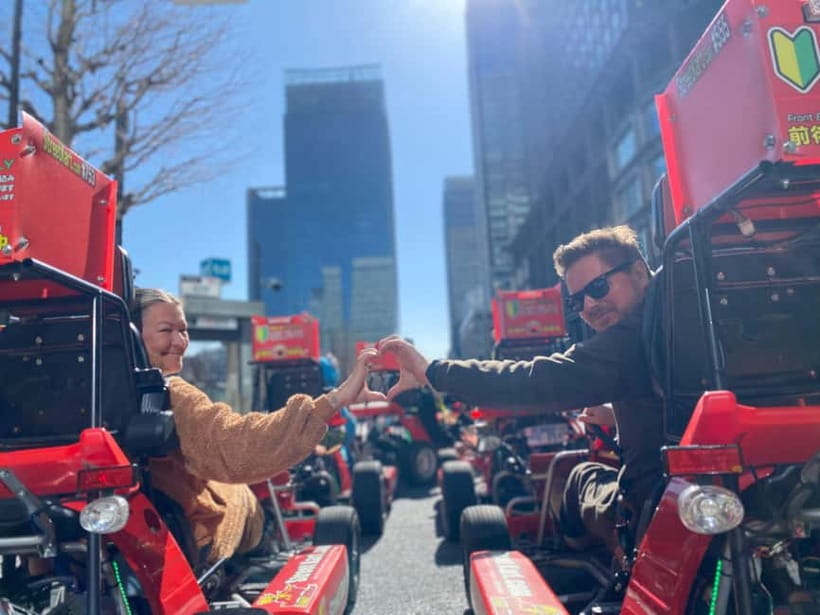
This experience is best understood as a short city drive with a playful costume twist, not as a high-speed race. You sit in a custom-made kart and follow the lead vehicle through central Tokyo, staying in formation and responding to the guide’s instructions.
That distinction matters. You are not hurtling around a purpose-built circuit, and the karts are not described as racing machines. The thrill comes from being low to the ground, exposed to the city around you, and surrounded by buses, taxis, cars, buildings, signs, and pedestrians.
I find that a real-road route gives the experience its unusual character. Tokyo is normally seen from a train platform, pavement, taxi window, or observation deck. Here, you become part of the street scene, and your costume makes you part of the spectacle too.
The pace can feel exciting on open stretches, though one participant wished the karts were faster. You should book this for the novelty and city views, not for serious motorsport.
A few more Tokyo tours and experiences worth a look

Starting at Street Kart Akihabara 1
The meeting point is inside the building behind glass doors, where you should look for the Street Kart Akihabara 1 go-karts. The setup is fairly direct: check in, go through the required safety guidance, choose a costume, and prepare to drive.
The businesslike preparation is important because this is a public-road activity. Guides explain the rules before you leave, and several guides have been praised for using hand signals, checking that no one falls behind, and reviewing safety procedures carefully.
Usama is one guide who received particular praise for clear communication, safety checks, photographs, local tips, and an easy sense of humor. Mads was described as patient and communicative, while Mike and Khan were noted for keeping the drive safe and organized. Guide assignments can change, so you should not book expecting one particular person.
The tour operates in English and allows up to six participants. That is a useful limit. A large line of karts would be harder to manage in traffic, while a smaller group gives the guide a better chance to watch everyone.
Picking an anime or game costume
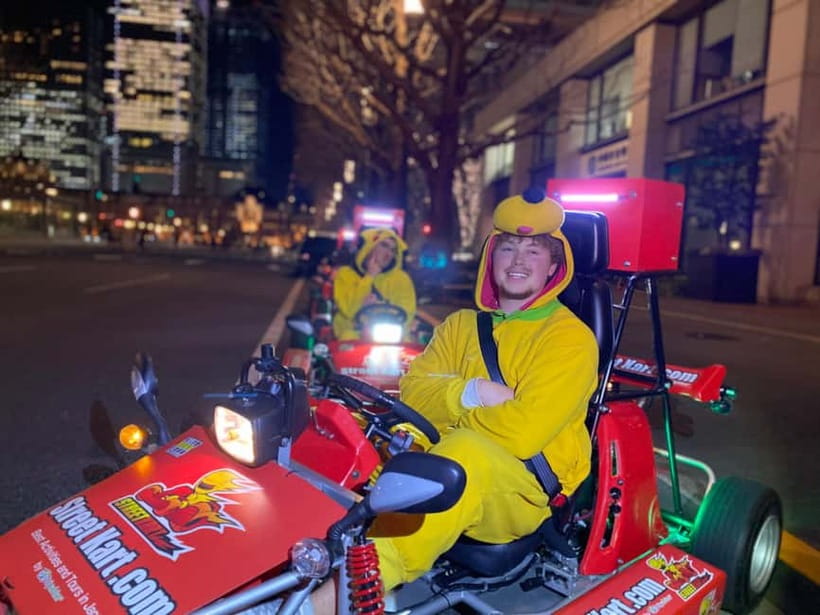
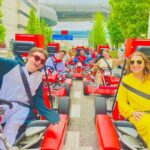
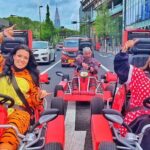
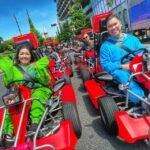
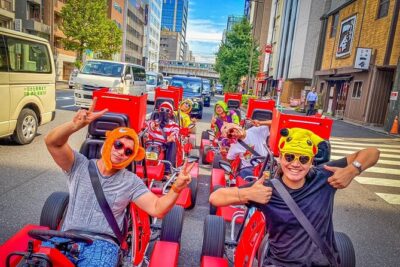
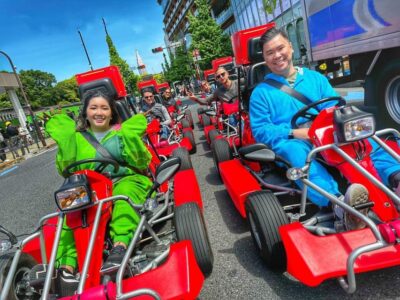
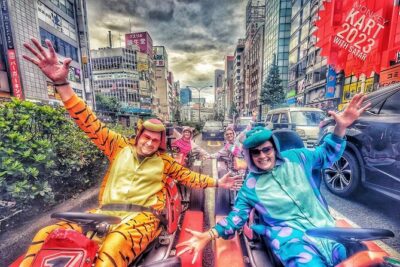
The costume choice is not a minor extra. It changes how the city reacts to you and gives the photos their comic-book quality. You can select from costumes linked to anime, animation, and games, then wear your choice for the drive.
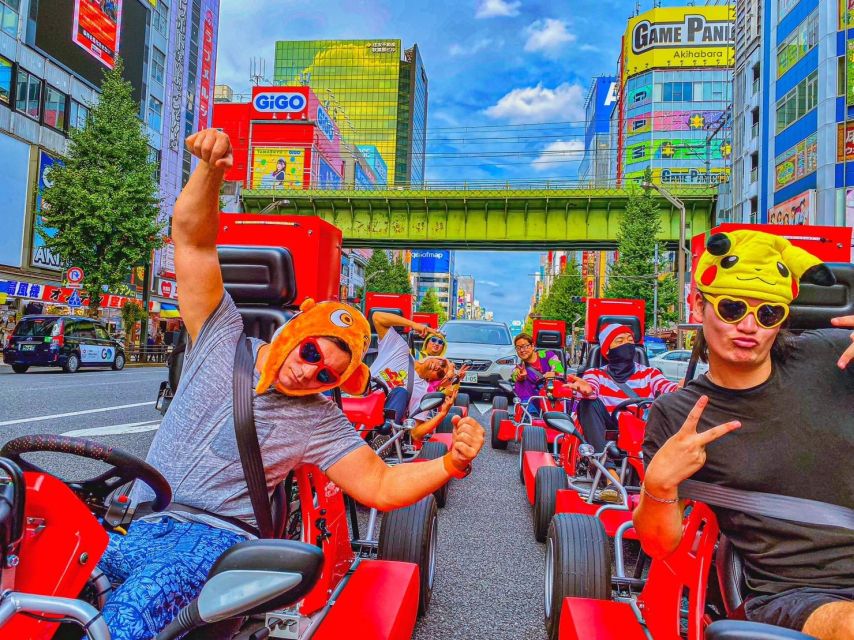
A Pikachu-style onesie was used by one participant, and the costume clearly became part of the memory. You will likely attract smiles, waves, and cameras from people along the route. That response is one of the strongest parts of the experience, though it also means you should be comfortable being seen.
The costumes are supplied as part of the tour. Keep your clothing practical underneath and choose shoes carefully. High heels, sandals, flip flops, and slippers are not allowed.
Cellphones are also not allowed during the activity. This may feel restrictive, especially in a city where you normally photograph everything, but the guide takes photos during the drive and photo data is included afterward. If you want video, action camera rental, a Micro-SD card, and a camera mount cost extra.
The first stretch toward Marunouchi and the Imperial Palace
Once the group sets off, the guide leads you through Akihabara and toward the Marunouchi business district. The change in mood is part of the appeal. Akihabara is associated with anime, games, electronics, and bright character culture, while Marunouchi feels more formal and corporate.
You pass through the historic business district and get a glimpse of the Imperial Palace in the background. This is not a palace visit or a stop for a full sightseeing tour, so keep your expectations in check. The value is the passing view and the contrast between Tokyo’s public institutions, office towers, and playful kart group.
At traffic lights, the guide may point out nearby landmarks or share brief facts. Marky was praised for using stops at lights to explain parts of the city, while Sam was noted for pointing out key places and keeping the mood friendly.
You are still driving among taller cars at this point. If you are not comfortable handling a vehicle on a public road beside normal traffic, this may not be the right activity for you. The experience includes safety instruction, but it does not remove the need for basic road confidence.
Tokyo Station and the central city views
Tokyo Station is one of the most memorable sights on the route. It is a major transport hub with 28 train platforms, and the station’s large presence gives the drive a grand central-city backdrop.
The route may include a photo stop near Tokyo Station. One participant singled out this stop, and another noted that guides took plenty of pictures there. A stop also gives you a chance to settle into the kart and take in the setting before continuing.
I like this part of the route because it gives the tour a clear visual anchor. You are not simply circling random streets. You connect Akihabara’s pop culture with Tokyo Station’s formal architecture and central role in city life.
Still, the tour is only an hour. The time includes preparation and the ride itself, and the route cannot linger at each sight. If Tokyo Station is a major priority, plan a separate visit on foot so you can explore it properly.
A few more Tokyo tours and experiences worth a look

Ginza, neon, and the best case for a night departure
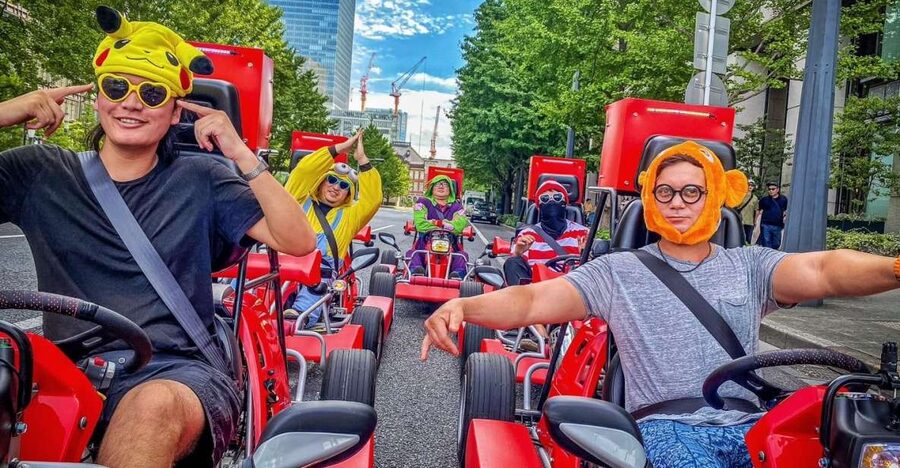
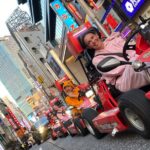
The drive continues toward Ginza, Tokyo’s luxury shopping district. This is where the contrast becomes especially strong: polished storefronts and grand avenues replace Akihabara’s character shops and game culture.
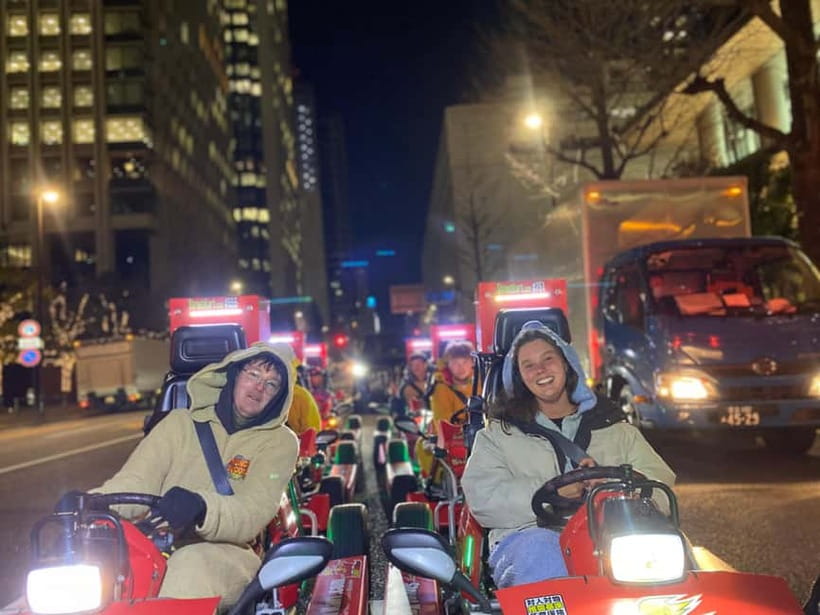
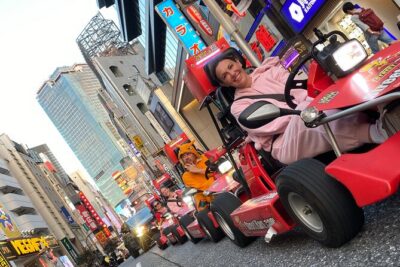
A night departure can make the ride feel more cinematic. Tokyo’s lights come on, costumes become more visible, and the group attracts attention as it moves through the streets. Several participants specifically recommended the night option, and one described the evening city lights as a lasting highlight.
The tradeoff is visibility. Night rides may offer more atmosphere, but daylight can make it easier to see buildings and street details. The supplied information does not specify different routes for day and night, so choose based on mood rather than assuming the evening covers more ground.
The route through Ginza is also not a dedicated sightseeing loop. You may drive through only certain sections, and one participant wanted more time in the brightest downtown areas. That is a fair limitation to keep in mind if your main goal is landmark viewing.
Returning to Akihabara in costume
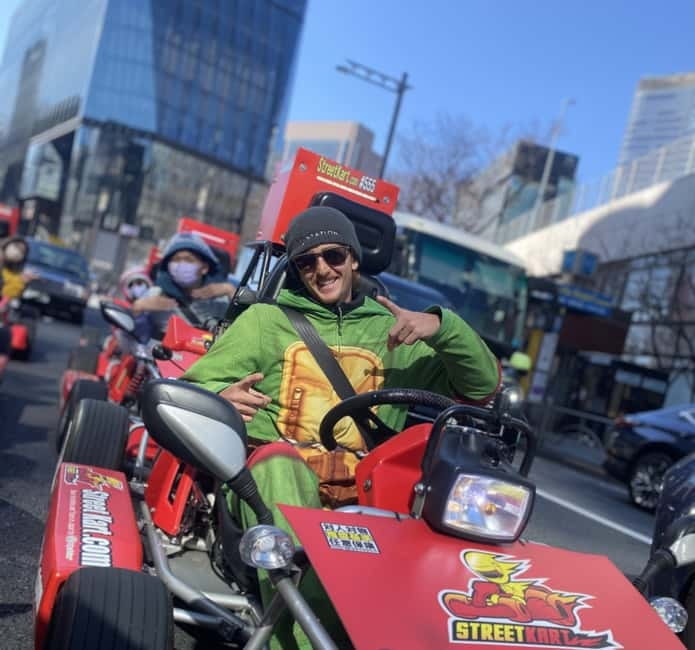
The final stretch returns you to Akihabara, where the costume feels most at home. You have moved from the district’s anime and game identity into the business core, past Tokyo Station and Ginza, then back to the place where the activity began.
That return gives the hour a simple story. You start in the world of Japanese pop culture, carry it through central Tokyo, and finish among the shops and signs that make Akihabara famous.
The guide takes photos during the route, and photo data is provided afterward. Some guides have also printed photos as an extra souvenir, though printing is not listed as a guaranteed inclusion. Treat the digital images as the promised keepsake and any printed picture as a possible bonus.
Because cellphones are prohibited during the ride, this photo service matters. You can concentrate on steering, following signals, and enjoying the reactions from the pavement instead of trying to record yourself.
How safe does the drive feel?
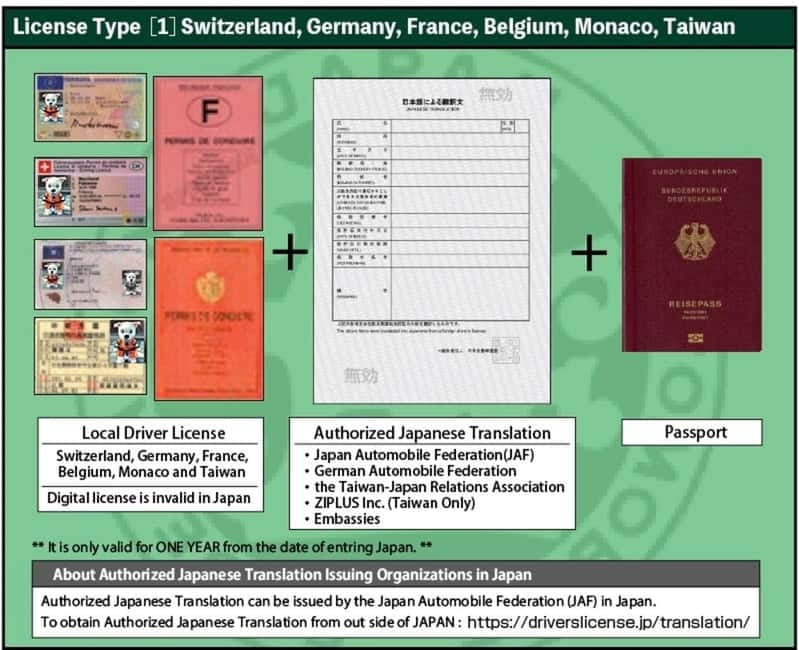
Safety depends on both the operator and your own driving comfort. The available information points to a clear process, with instructions, a safety video, guide-led formation driving, and hand signals used to communicate with the group.
Guides such as Usama, Marky, Mike, Khan, and Billy were praised for keeping people together and checking that participants were comfortable. That is especially useful in Tokyo traffic, where the surrounding vehicles are much larger than the karts.
You should not confuse feeling safe with being free from responsibility. You still need to drive properly, follow the guide, and stay alert. The tour is not suitable for children under 18, pregnant women, people with back problems, people with mobility impairments, wheelchair users, or people with visual or hearing impairments.
The ride also excludes high heels, sandals, flip flops, and slippers. Wear secure, closed footwear that lets you operate the kart comfortably.
The driving documents can make or break your booking
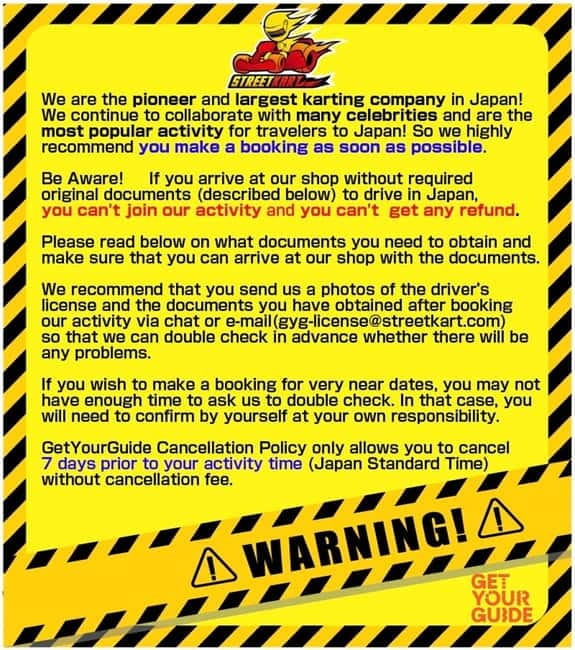
This is the most important practical issue. Every participant needs special documents to drive in Japan, and Street Kart sends guidance by email after booking.
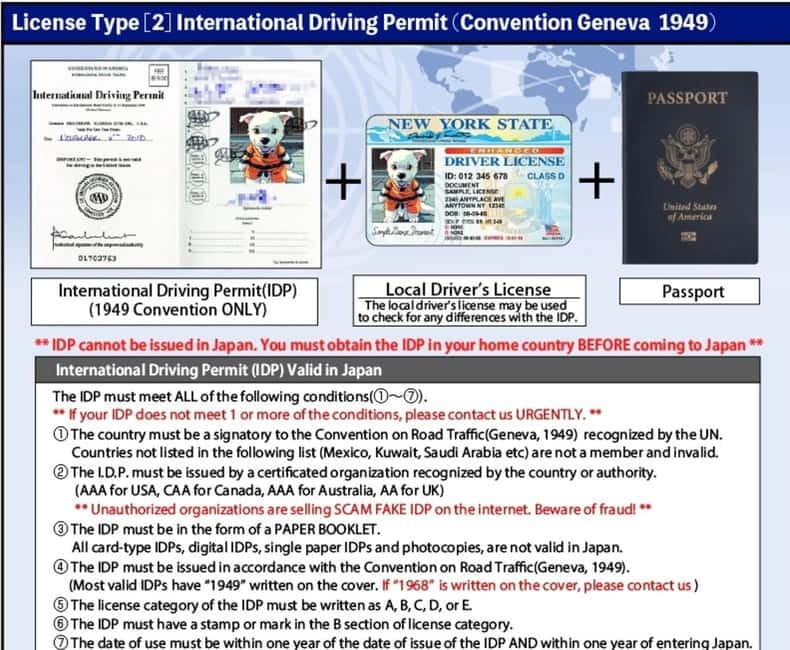
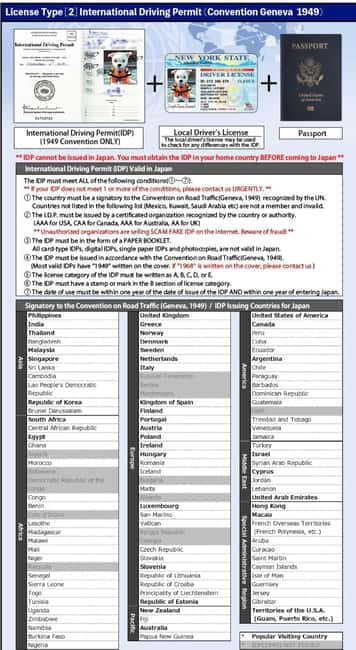
For most countries, you need a physical International Driving Permit issued in booklet form under the 1949 Geneva Convention. It must be issued by the same country that issued your domestic license, and you cannot obtain a valid permit online while already traveling.
Drivers from Switzerland, Germany, France, Taiwan, Belgium, and Monaco need a Japanese translation of their license from the Japan Automobile Federation, known as JAF, rather than an International Driving Permit. You must carry the physical domestic license and the official translation.
Licenses from countries not covered by the 1949 Geneva Convention, including China, Indonesia, Mexico, Qatar, and Saudi Arabia, are not permitted for driving in Japan under the stated rules.
Bring your physical passport as well as the physical permit or required license and translation. Do not leave this check until the day before the tour. The paperwork is not a small technicality. Without the correct documents, you cannot drive.
Is one hour enough for $51?
At $51 per person, the price is reasonable if you value the unusual format, guide support, costumes, and included photos. You are paying for a short, highly specific Tokyo activity rather than a conventional sightseeing tour.
The package includes the custom-made kart, guide, costume rental, and photo data. That makes the cost easier to justify for a first-time visitor who wants one memorable activity that feels different from museums, shopping, and observation decks.
The value drops if you expect a long ride or a fast kart. One hour is a compact outing, and the route includes regular streets rather than continuous landmark views. One participant felt it was slightly expensive for the length, while another found the duration just right.
I would compare it with the cost of other memorable Tokyo activities, not with a standard one-hour transport ride. If you want a story to tell and photos that could not have been taken on an ordinary walking tour, $51 is easier to defend. If you want maximum sightseeing time per dollar, spend the hour on foot or use Tokyo’s rail network.
Action camera use is extra. You may need to pay for the camera rental, Micro-SD card, and mounting equipment, so include those costs if video is important to you.
Who will enjoy this most?
I would recommend the ride to adults who enjoy novelty, do not mind attention, and feel comfortable driving in city traffic. It suits couples, friends, and small groups who want a shared activity with a strong visual payoff.
It is especially good for:
- Anime, animation, and game fans who want a costume-based Tokyo memory
- Visitors who have already covered the main temples and museums
- People who enjoy guided driving and a little public attention
- Couples or friends who want photos taken for them
- Adults comfortable following instructions beside regular traffic
I would hesitate to recommend it to anyone hoping for a true racing experience. The route is about city atmosphere, not lap times.
It is also a poor fit if you dislike costumes, cannot secure the required driving documents, or feel uneasy driving near larger vehicles. The physical restrictions and footwear rules are firm, and the tour cannot be adapted for wheelchair users or people with visual or hearing impairments.
Booking advice for the smoothest outing
Read the document instructions as soon as you book. Confirm that your country qualifies and that you will have the required physical paperwork and passport in hand.
Choose your footwear before the day. Closed, comfortable shoes are the sensible choice, and you should avoid anything listed as prohibited.
For atmosphere, I would lean toward an evening departure, especially if you want illuminated streets and stronger costume photos. For easier views of buildings and street details, daytime may suit you better.
Allow time to find the base and look for the go-karts through the glass doors of the building. Do not assume the hour is a two-hour event, and do not plan another fixed activity so tightly that a small delay becomes stressful.
Should you book the Akihabara street kart experience?
Book it if you want a playful, photo-friendly way to see central Tokyo from an unusual position. The strongest features are the real-road setting, the costumes, the small group, the guide-led safety system, and the reactions from people along the street.
Skip it if you want a serious racing session, a long sightseeing route, or a cheap way to cover many landmarks. The hour passes quickly, the route may include less scenic stretches, and the driving documents require advance preparation.
For the right person, this is one of Tokyo’s most distinctive short activities. Just treat it as a guided city adventure with costumes, not as a race or a complete tour of Tokyo.
FAQ
Where does the Tokyo street kart tour meet?
Meet at Street Kart Akihabara 1. Look for the go-karts through the glass doors of the building.
How long does the activity last?
The activity lasts one hour. Starting times vary, so you need to check availability for the date you want.
How much does the experience cost?
The listed price is $51 per person.
Is a guide included?
Yes. An English-speaking live guide leads the group through the streets and provides guidance during the drive.
How many people can join the group?
The group is limited to six participants.
Is costume rental included?
Yes. Costume rental is included, with options based on anime, animation, and game characters.
Are photos included?
Yes. Photo data is included. Action camera rental, a Micro-SD card, and a camera mount cost extra if you want to record video.
What driving documents do I need?
Most participants need a physical International Driving Permit in booklet format that complies with the 1949 Geneva Convention, plus a physical passport. Drivers from Switzerland, Germany, France, Taiwan, Belgium, and Monaco need their physical domestic license, an official Japanese translation from JAF, and a physical passport instead.
Who cannot take part?
The activity is not suitable for pregnant women, people with back problems, people with mobility impairments, wheelchair users, children under 18, visually impaired people, or hearing-impaired people. High heels, sandals, flip flops, slippers, and cellphones are not allowed.
More Go-Kart Tours in Tokyo
More Akihabara & Anime Tours in Tokyo

More tours in Tokyo we've reviewed











Go-Kart Tours, compared.
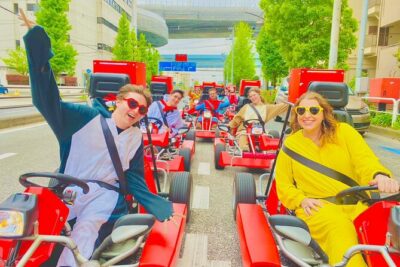 ★ 5.0Flagship 2-Hours Official Street Go-Kart Tour – Tokyo Bay ShopFrom $642 hours to 2 hours 30 minutes (approx.)
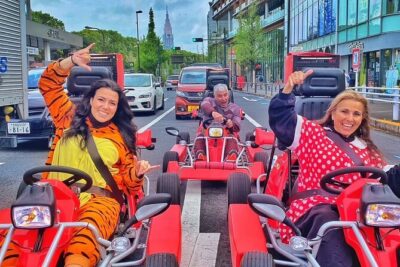 ★ 5.0Official Street Go-Kart in ShibuyaFrom $76
 ★ 5.0Official Street Go-Kart Tour – AkihabaraFrom $61
 ★ 4.9Tokyo: Street Kart Experience in ShibuyaFrom $741 hour
 ★ 5.0Tokyo Go Kart: Asakusa, Skytree, and Akihabara **IDP MUST**From $99
 ★ 5.0Shibuya Official Street Go-Kart in Shibuya AnnexFrom $69