
Reviewed · SHIBUYA TOURS
Tokyo: Tea Ceremony in Shibuya Tokyo
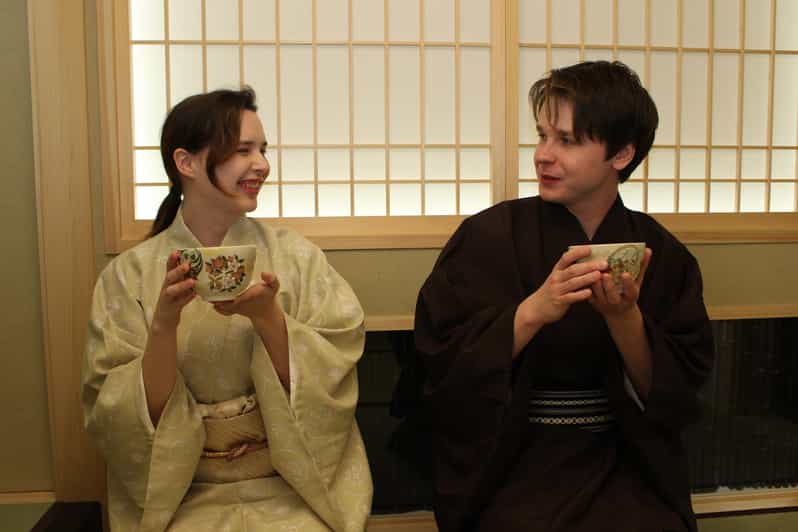
Tokyo’s Shibuya district is better known for giant crossings and neon than quiet tea rooms. This experience gives you a calm hour or more with an English-speaking teacher, a traditional tea setting, and the chance to prepare your own bowl of matcha.
I like the private group format, which keeps the lesson personal for families and friends. I also like the hands-on structure: you do not just watch a ceremony, you learn the etiquette, taste a Japanese sweet, and make tea yourself. The main consideration is price. At $81 per person, this costs more than a quick cultural demonstration, though the private setting and included tea, sweets, taxes, and facility fees add value.
In This Review
- Key points to know before booking
- A quiet tea room in the middle of Shibuya
- The opening lesson: history, etiquette, and attention
- Watching Otemae, the formal tea preparation
- Traditional sweets before the matcha
- Making your own bowl of matcha
- Optional kimono dress-up and souvenirs
- Why the private format affects the value
- Pickup, clothing, and booking details
- Who will enjoy this Shibuya tea ceremony
- Should you book it?
- FAQ
- Where does the tea ceremony take place?
- How many people can join one booking?
- Is the activity conducted in English?
- What happens during the tea ceremony?
- Are Japanese sweets included?
- Is the price of $81 per person all-inclusive?
- Can I wear a kimono?
- What should I wear?
- Is pickup service available?
Key points to know before booking
- Private groups of one to four: You will not be placed with strangers, making this a good fit for families, couples, and small groups of friends.
- An English-speaking tea teacher: The class covers tea culture, etiquette, and the Otemae method in English.
- You make your own matcha: The lesson moves from explanation to demonstration, then gives you a turn at the tea tools.
- Traditional sweets come first: You taste a Japanese sweet before preparing and drinking your matcha.
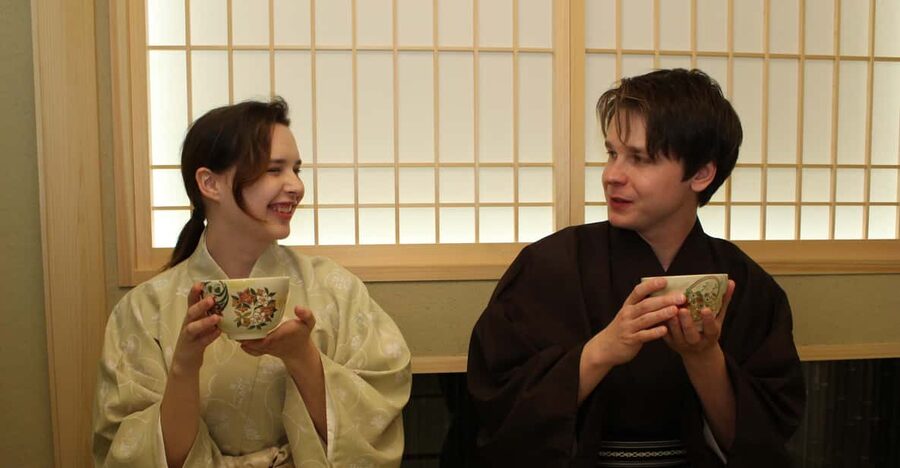
- Kimono rental is optional: You may wear a kimono during the ceremony for an additional charge.
- Pickup can be arranged: Contact the organizer by email before booking if you need the included pickup service.
A quiet tea room in the middle of Shibuya
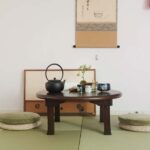
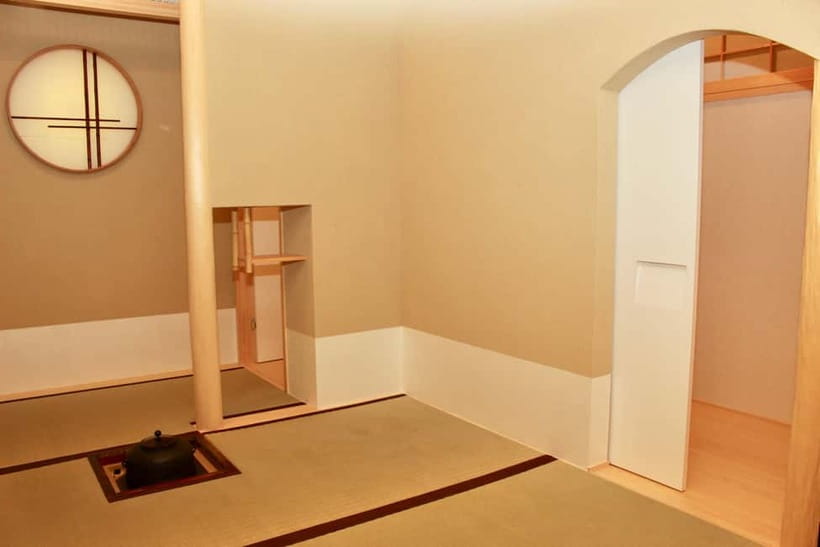
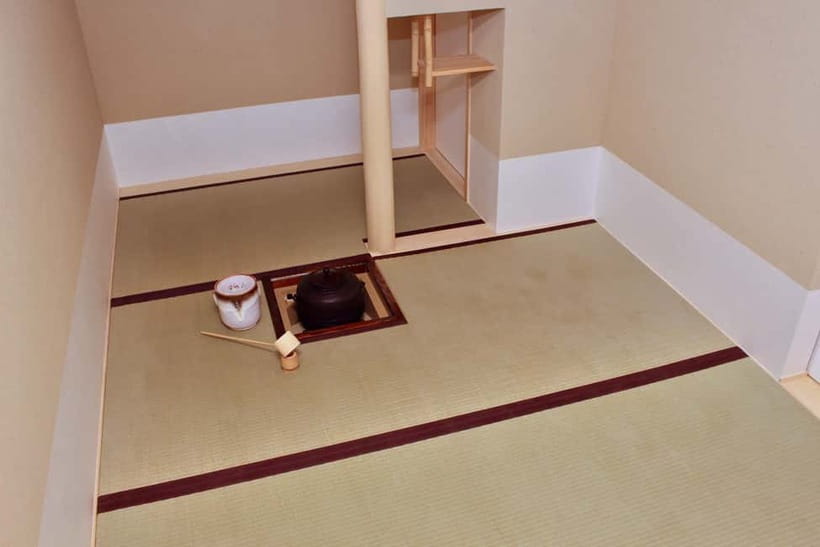
The appeal here is contrast. Shibuya can feel loud, fast, and crowded, yet this activity takes place in a prestigious tea room devoted to a slow, careful ritual. You trade the scramble of the streets for measured movements, quiet attention, and the gentle bitterness of matcha.
The setting matters because a tea ceremony is not simply a way to drink green tea. The room, the manner of greeting, the preparation, the sweets, and the way you handle the bowl all form part of the lesson. Even if you know little about Japanese tea customs, the structure gives you a clear way into the subject.
This is not presented as a large performance for a room full of people. Your booking is private, with a minimum of one person and a maximum of four. That small size should make it easier to ask questions and follow the teacher’s movements without trying to see over another group.
A few more Tokyo tours and experiences worth a look


The opening lesson: history, etiquette, and attention
The class begins with an explanation of the tea ceremony, its history, and its etiquette. This introduction is important because some of the gestures may otherwise seem mysterious. You will learn that the ceremony is built around respect, care, and awareness of the people sharing the tea room.
Expect the teacher to explain how to behave during the ceremony and how to approach the tea itself. The information is delivered in English, which makes this a practical choice if you want more than a photo opportunity. The English-speaking teachers are experienced in tea, and the lesson is designed for direct participation.
The pace is one of the strongest parts of the format. A shorter version of the experience has been offered at one hour, and that compact length works well for a busy Tokyo schedule. It gives you enough time to understand the basic customs and make tea without taking up half a day.
Still, you should not expect a full academic course in Japanese tea schools. The class is an introduction, not professional training. Its value comes from making the ritual understandable and personal in a short sitting.
Watching Otemae, the formal tea preparation
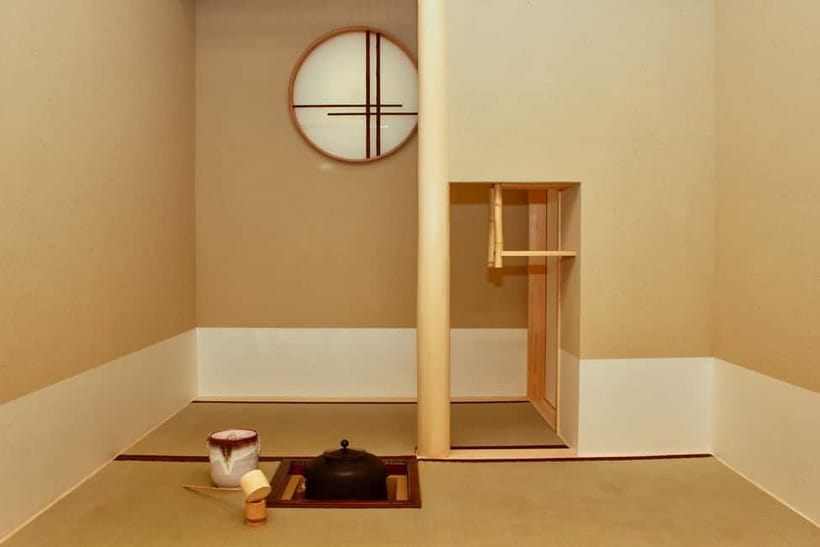
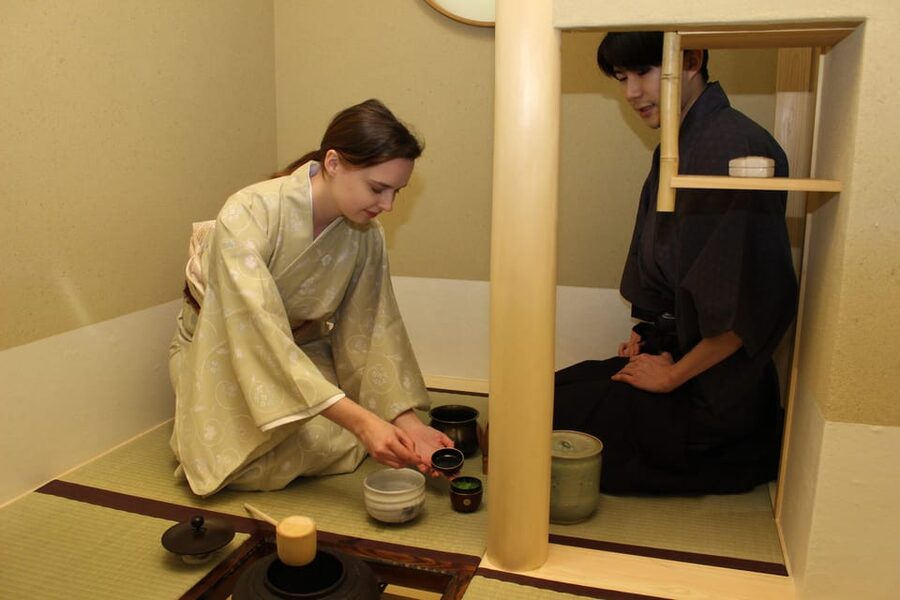
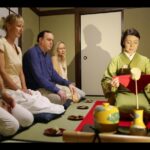
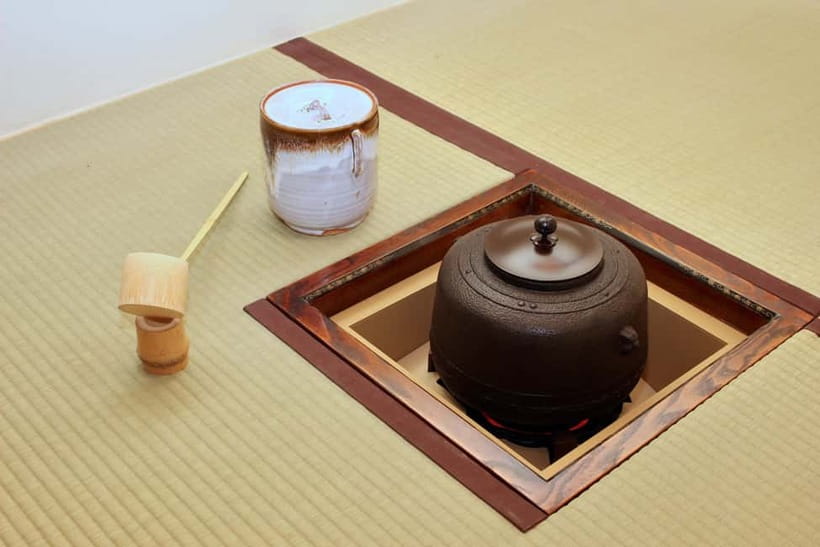
After the introduction, the teacher demonstrates Otemae, the preparation of tea. Watching first is useful. The preparation involves a series of deliberate movements, and seeing the complete sequence helps you understand the order before you try it yourself.
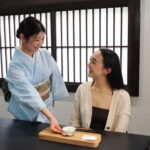
A teacher wearing a kimono leads the demonstration. One instructor named in the experience is Mako-san, who has been described as charming and well informed about the ceremony. The kimono, the tools, and the quiet rhythm of the preparation help turn the explanation into something you can see and remember.
Pay attention to the small details. The way the tea is whisked, the handling of the bowl, and the formal pace all show why the ceremony is about more than flavor. The preparation asks you to slow down and notice what you are doing.
You may find this part more interesting than the drinking itself. Matcha has a strong, grassy taste and a texture unlike ordinary brewed tea. The demonstration gives you context before you have to decide what you think of it.
Traditional sweets before the matcha
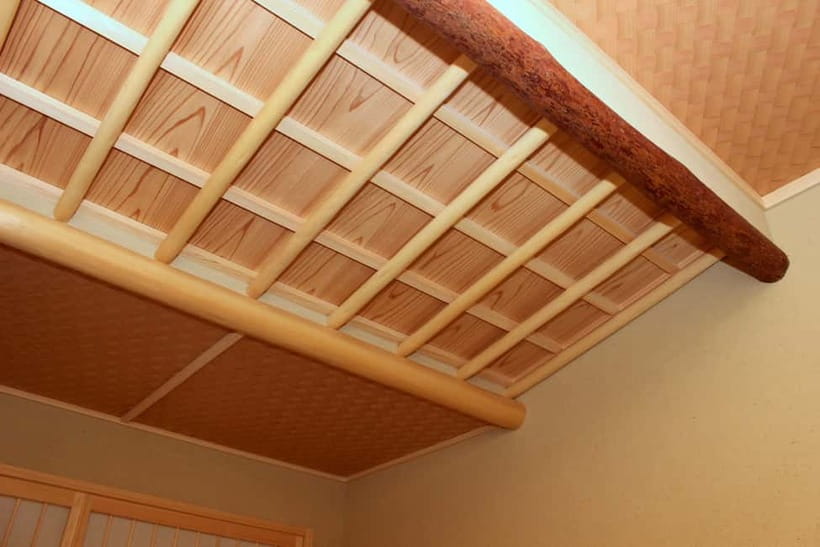
Before making your tea, you taste a traditional Japanese sweet. This is not just a snack placed beside the cup. Japanese sweets are often served with matcha because their sweetness balances the tea’s bitter, vegetal flavor.
For many people, this pairing makes the drink easier to appreciate. You take the sweet first, then prepare and drink the matcha, giving your palate a clear contrast. The tea and sweets are included in the $81 price, so you do not need to budget separately for this part.
The exact sweet is not specified, so do not book expecting one particular pastry or seasonal item. That uncertainty is normal for a tea service, where the choice may change. The important point is that the tasting forms part of the lesson and helps explain how the two flavors work together.
Making your own bowl of matcha
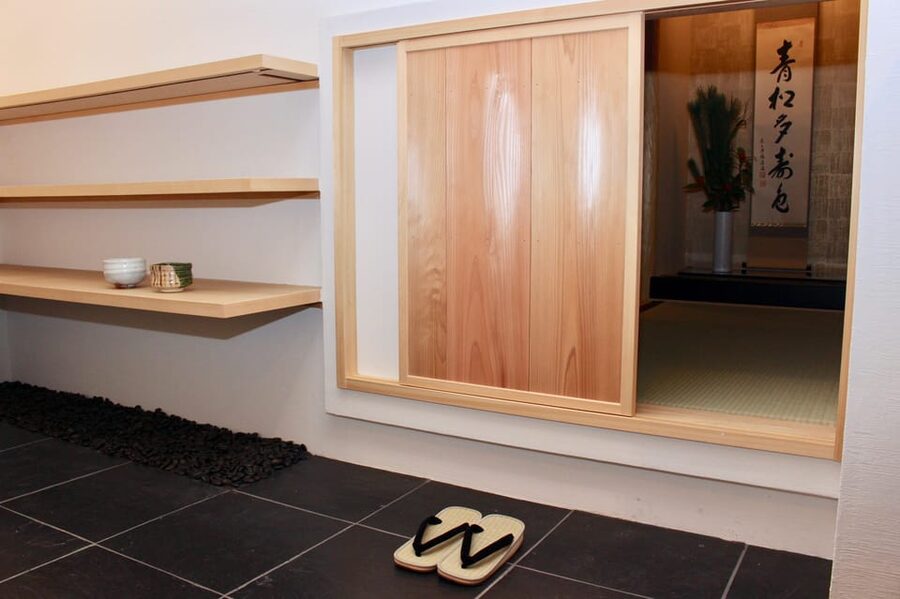
The hands-on portion is the reason to choose this activity instead of simply watching a demonstration. After seeing Otemae, you prepare your own matcha with guidance from the teacher.
You will not be left to guess at the process. The instructor leads you through the steps and helps you handle the tea properly. This makes the activity suitable even if you have never touched a bamboo whisk or prepared powdered green tea.
Your first bowl may not look as smooth as the teacher’s. That is part of the fun, and the private format should make mistakes feel easy rather than embarrassing. You then taste the tea you prepared, completing the lesson from explanation to action.
I like this structure because it gives you something concrete to remember. You leave not only with a better idea of Japanese tea customs, but also with the memory of making the drink yourself.
A few more Tokyo tours and experiences worth a look

Optional kimono dress-up and souvenirs
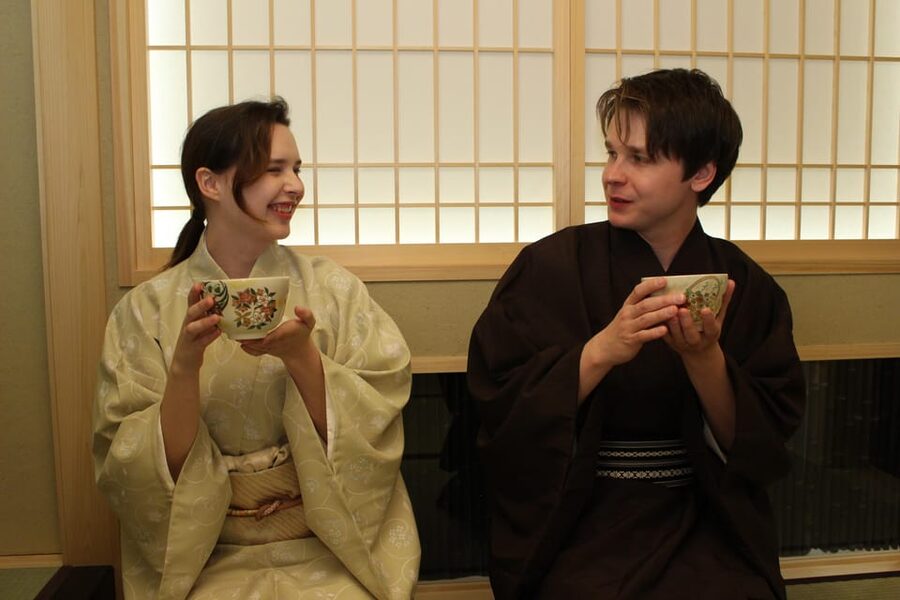
You can add kimono rental for an extra charge. Wearing a kimono during the ceremony can make the occasion feel more formal and can add a strong visual element to photographs. The activity information does not state the extra cost, so check before booking if this matters to your budget.
The clothing option is not required to take part. You should still dress with the ceremony in mind. Skirts or pants that cover your knees are recommended. If your clothing is too short, suitable pants or a wrap skirt can be lent to you at no charge.
There are also souvenirs made from kimono material, including Pokemon items. This is a fun detail for families and for anyone who wants a small Tokyo gift with a connection to Japanese textiles. Souvenir purchases are not stated as part of the $81 price, so treat them as optional extras.
You may also find tea-related items for sale. One person bought a tea set and matcha after the ceremony, which makes sense if the lesson leaves you interested in continuing at home. Again, allow extra money for purchases, since they are not included.
Why the private format affects the value
At $81 per person, this is not the cheapest way to sample matcha in Tokyo. You can find tea drinks and sweets at many shops for far less. The price here pays for instruction, a private tea room, the teacher’s time, tea and sweets, facility fees, and taxes.
For one person, the cost may feel high because the booking can include only a short class. For two to four people, the private format becomes easier to justify. You are paying for a shared cultural activity without strangers joining your session, and each person gets a chance to prepare tea.
The private setup is especially useful for families. Children can ask questions and take part without worrying about disrupting a larger class. It also suits couples and close friends who prefer a quiet cultural activity rather than a crowded group tour.
The experience has a 4.9 rating from 14 reviews, with strong praise for the welcome, the calm instruction, the sweets, and the chance to make tea. That record cannot guarantee that every session will feel identical, but it supports the idea that the teaching and atmosphere are the main strengths.
Pickup, clothing, and booking details
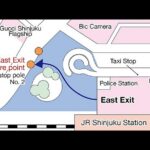
Pickup service is included if needed, but you must contact the organizer by email before booking to arrange it. Use the supplied address, [email protected], and confirm how the pickup will work for your date and location.
The activity is offered in English. More dates and plans are available through the organizer’s website, shibuya-travel.tokyo. Since the available format may vary, check the current plan if you want a particular duration or add-on.
You need to reserve and pay in advance, although the booking information also allows you to reserve and pay later. Cancellation is available without charge up to 24 hours in advance for a full refund.
Bring nothing special. Wear clothing that covers your knees, or use the provided pants or wrap skirt if needed. If you want a kimono, ask about the extra charge before confirming.
Who will enjoy this Shibuya tea ceremony
I would recommend this activity to you if you want a cultural lesson with real participation. It works especially well if you have already seen Tokyo’s major sights and want a slower change of pace.
It is also a good choice for first-time visitors who want an introduction to Japanese customs without committing to a long class. The English explanation removes much of the guesswork, while the private group keeps the session focused.
Families should find the one-to-four-person limit convenient. Couples and friends may appreciate having the tea room to themselves. The optional kimono makes the activity more appealing if photographs or dress-up are part of your plans.
You may want to skip it if your main goal is simply to drink matcha cheaply. You may also find it less suitable if you want a long, highly technical study of tea ceremony. This is a polished introduction with a hands-on lesson, not an advanced course.
Should you book it?
Book this Shibuya tea ceremony if you value personal instruction, a quiet setting, and the chance to prepare your own matcha. The included sweets, private group, English-speaking teacher, and optional kimono give the activity more substance than a quick tea tasting.
The $81 price makes the most sense for two to four people sharing a private session. Before booking, confirm the current plan, ask about kimono rental, and email about pickup if you need it. If those details fit your plans, this is a thoughtful way to spend a slower hour in central Tokyo.
FAQ
Where does the tea ceremony take place?
It takes place in a prestigious tea room in Shibuya, Tokyo.
How many people can join one booking?
A booking can include from one to four people. Each experience is private for your group, with no mixed sessions.
Is the activity conducted in English?
Yes. English-speaking teachers experienced in tea conduct the classes.
What happens during the tea ceremony?
You receive an explanation of the tea ceremony, its history, and etiquette. The teacher then demonstrates Otemae, or tea preparation, before guiding you as you make your own matcha.
Are Japanese sweets included?
Yes. The price includes traditional Japanese sweets and tea fees.
Is the price of $81 per person all-inclusive?
The price includes tea, sweets, facility charges, and taxes. Optional items, such as kimono rental and souvenirs, are not stated as included.
Can I wear a kimono?
Yes, kimono rental is available for an additional charge. Ask about the current fee before booking.
What should I wear?
Wear a skirt or pants long enough to cover your knees. Suitable pants or a wrap skirt can be lent to you free of charge if needed.
Is pickup service available?
Pickup service is included if needed, but you must contact the organizer by email before booking to arrange it.
More Tea Ceremony & Matcha in Tokyo
More Shibuya Tours in Tokyo



More tours in Tokyo we've reviewed




Shibuya Tours, compared.
 ★ 5.0Official Street Go-Kart in ShibuyaFrom $76
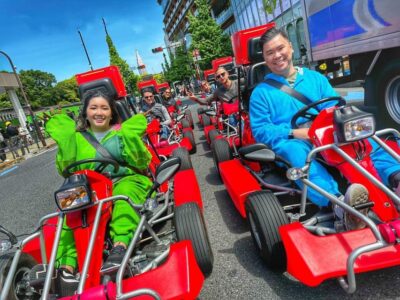 ★ 4.9Tokyo: Street Kart Experience in ShibuyaFrom $741 hour
 ★ 5.0Shibuya Meltdown Nightlife Tour: All-You-Can-Drink Bar HoppingFrom $106
 ★ 5.0Shibuya Official Street Go-Kart in Shibuya AnnexFrom $69
 ★ 5.0Tokyo: Shibuya Food Tour (13 dishes and 4 Eateries)From $77
 ★ 5.0Best of Shibuya Food TourFrom $217