
Reviewed · JDM & CAR CULTURE
Daikoku Parking : going by this mini JDM – one customer only
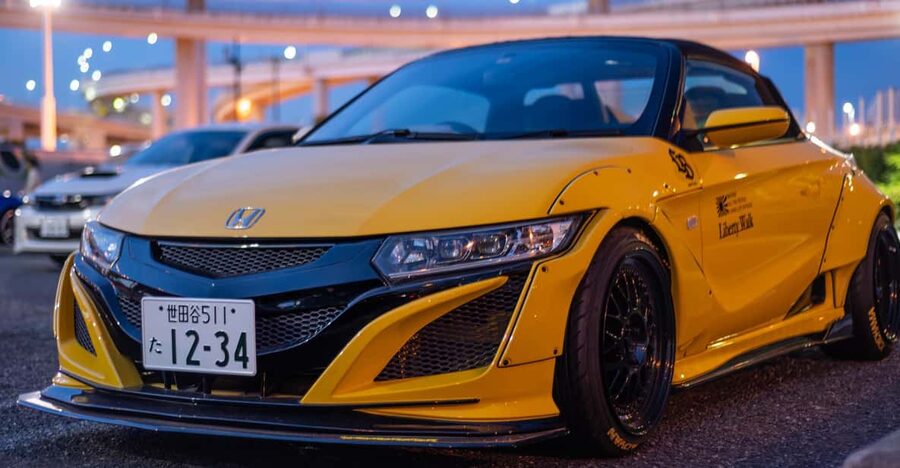
A tiny, modified Honda S660 is the star of this Tokyo night out. You ride alone with Toshiro, a local Japanese driver, through the expressways and bay routes that give Japanese car culture its movie-and-video-game feel. The route includes Daikoku Parking Area, Tatsumi 1st PA, Rainbow Bridge, and passing views of Tokyo Tower and Tokyo Skytree.
I like the private one-passenger setup, which makes this far more personal than a minivan outing. I also like that the drive itself matters as much as the car parks. The main consideration is the S660’s size: the seat feels about like an airplane economy seat, and there is no luggage space.
In This Review
- Key points at a glance
- Why the Honda S660 changes the whole outing
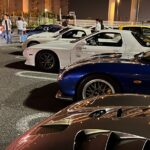
- Starting in Ōba with a local driver
- The expressway ride through Tokyo
- Daikoku Parking Area: a short stop with a big reputation
- Tatsumi 1st PA and the longer car-spotting session
- Tokyo Tower, Skytree, and Rainbow Bridge from the road
- What the $192 price means
- Comfort, clothing, and small-car realities
- Who will get the most from this tour
- Booking advice for the best night
- Should you book the Honda S660 night ride?
- FAQ
- How long does the experience last?
- How many customers can join?
- Where is the meeting point?
- Is the tour shared with other people?
- Can I drive the Honda S660?
- Does the price include fuel and toll roads?
- What happens if it rains?
Key points at a glance
- One passenger only: You get the front seat and Toshiro’s full attention, not a shared van with a large group.
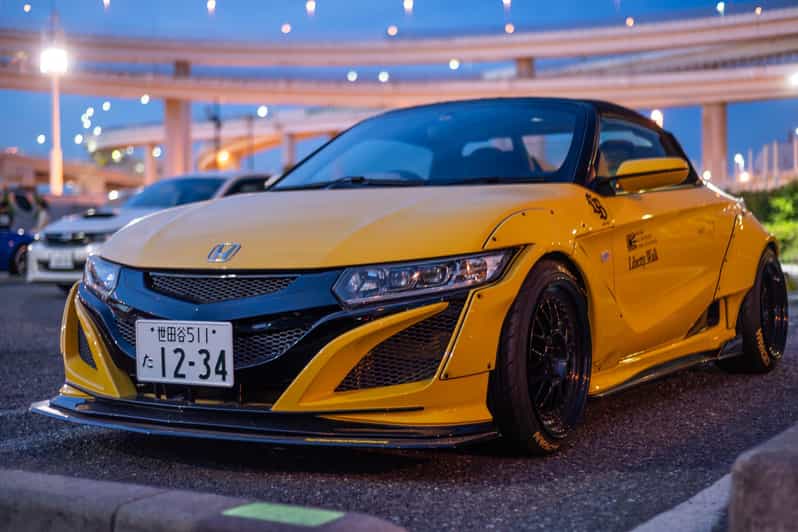
- A genuine mini JDM: The ride is a Liberty Walk modified Honda S660, a small domestic mid-engine sports car that draws attention on the road.
- Two famous parking areas: Daikoku PA offers about 15 minutes, while Tatsumi 1st PA receives the longer stop of about 90 minutes.
- Tokyo by expressway: The route uses the Metropolitan Expressway and Bayshore Route, with Rainbow Bridge along the way.
- Best timing matters: Friday and Saturday nights may begin at 6:00 p.m. and end at 9:00 p.m. because police may close Daikoku around 8:30 p.m.
- Not a racing experience: Toshiro follows traffic laws and focuses on the views, cars, and atmosphere.
Why the Honda S660 changes the whole outing
Many Tokyo car tours are really transport to a parking area. This one makes the trip there part of the attraction. You sit low in a compact Honda S660 while Tokyo’s expressways, ramps, bridges, and illuminated buildings pass around you.
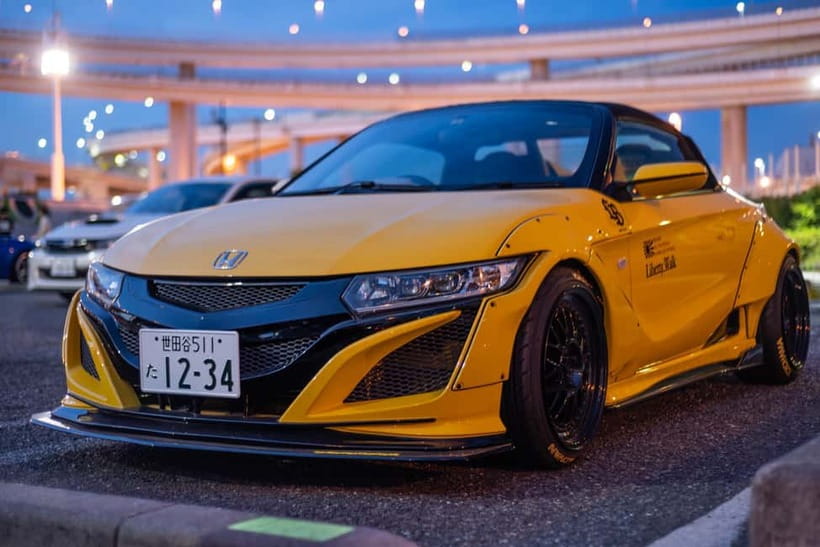
The S660 is a Japanese domestic model with a mid-mounted engine, and this example has Liberty Walk modifications. That gives the outing a strong visual hook, but the small cabin is not just a detail for the description. You need to be comfortable with a tight seating position for three hours.
There is room for one customer only. That makes sense in a car this small, and it also gives the experience a quiet, conversational feel. You can talk with Toshiro about Japanese cars and the local scene without trying to hear one another over a group.
The car is not offered for self-driving. Toshiro drives throughout the experience, and fuel and toll roads are included. You are there to enjoy the ride and the views, not to test the car’s speed.
That distinction matters. The route may remind you of Wangan Midnight or Shuto Ko Battle, but this is not a racing game brought to life. You can expect legal driving, ordinary road conditions, and a focus on the feeling of moving through Tokyo at night.
A few more Tokyo tours and experiences worth a look

Starting in Ōba with a local driver
The meeting point is in front of MOS Burger in Ōba. Hotel transportation is not included, so you need to reach this point yourself. Since the car has no luggage space, arrive with only what you can comfortably carry on your person.
Toshiro is the guide and driver. His English is listed as the tour language, and the experience is built around a one-to-one conversation. That personal format is useful if you want to ask about the cars you see, the expressway route, or the culture around Japanese modified vehicles.
The total duration is about three hours. The exact starting time depends on availability, and the schedule can change around the operating hours of the parking areas. A Friday or Saturday night may use an 18:00 to 21:00 schedule, since access to Daikoku can be affected by police closures around 20:30.
Sunday is also suggested as a good day. Weekdays are possible, but if your main goal is to see a lively car gathering, the later-week and weekend options are the safer choice within the information provided. I would confirm the planned departure time before booking, especially if you have dinner reservations or another evening activity.
The expressway ride through Tokyo
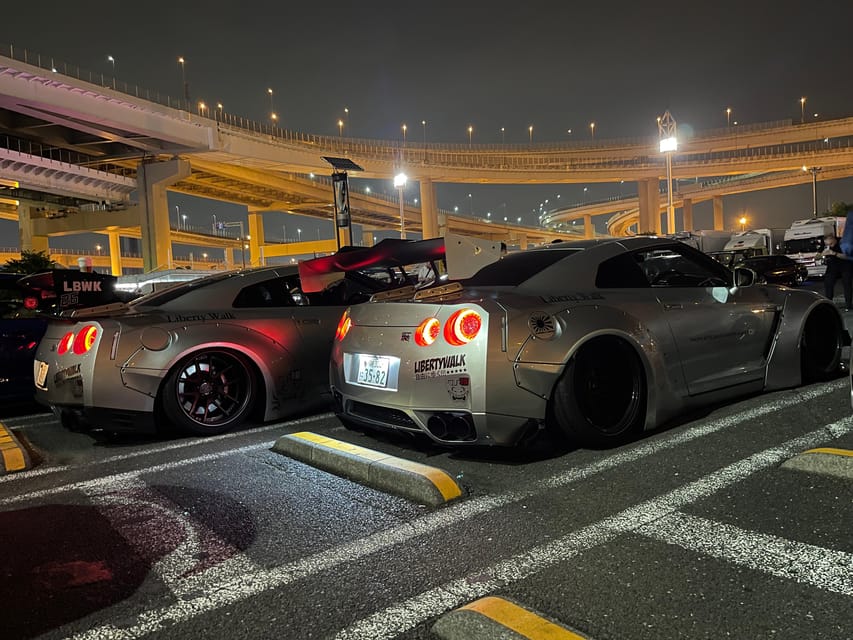
The first part of the experience is the drive itself. Toshiro takes you through Tokyo using the Metropolitan Expressway and Bayshore Route, showing the city from angles that are hard to reach on a standard sightseeing bus.
This is where the small Honda becomes useful. You are not looking through a tall van window. You sit close to the road, surrounded by the sound and motion of the expressway. The experience is less about ticking off landmarks and more about seeing how Tokyo’s road system connects its districts, bridges, and waterfront routes.
The route includes a crossing of Rainbow Bridge. You also pass Tokyo Tower and Tokyo Skytree rather than stopping at either one. That is important when setting expectations. You may get a memorable glimpse or a photo opportunity from the car, but this is not a tower visit.
The night setting adds much of the appeal. Tokyo’s roads, bridge lights, and passing traffic create the kind of visual mood that car fans recognize from Japanese driving media. Still, the quality of the view will depend on weather, traffic, and the timing of the ride.
If rain affects the experience, the tour can be postponed to a more convenient day. That flexibility is helpful because wet conditions can reduce the visibility that makes the expressway section so enjoyable. You should arrange any change directly with the provider.
Daikoku Parking Area: a short stop with a big reputation
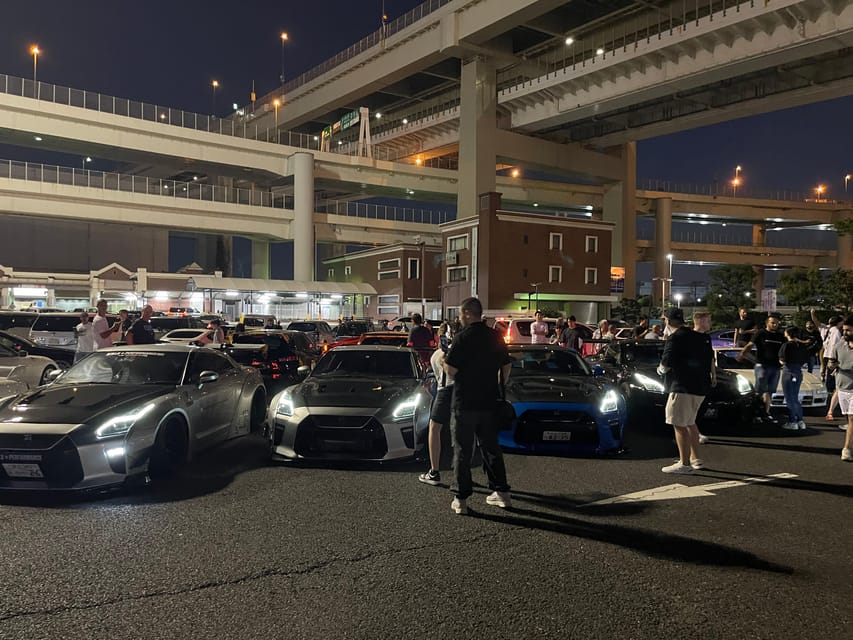
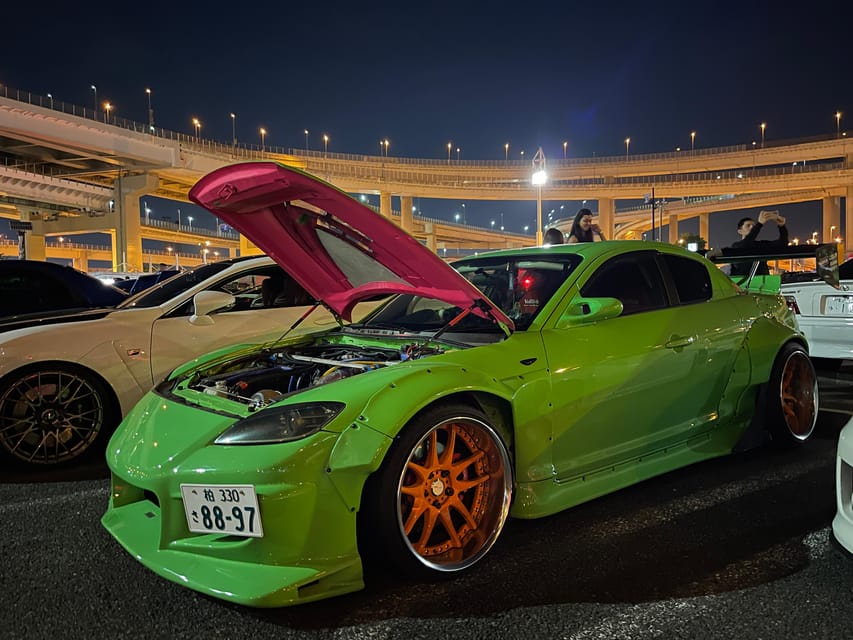
Daikoku Parking Area is the famous name on this route. For people interested in Japanese car culture, it is not simply a rest stop. It is associated with modified JDM cars, sports cars, and informal meet-up culture.
The planned stop is about 15 minutes. That is enough for a break, a short walk, and photos, but it is not a long period for studying every car in the area. The selection of vehicles can vary from night to night, and no tour can promise a particular model or gathering.
That short stop is one of the practical points to consider. You are paying for the complete drive and two parking areas, not just entry to Daikoku. If you want hours of wandering around one parking lot, this schedule may feel brief. If you want Daikoku as part of a moving night tour, the timing fits better.
The appeal is also the arrival. You do not simply appear at Daikoku in a shuttle. You reach it in a modified Japanese sports car, after crossing Tokyo by expressway. That makes the parking area feel connected to the wider car culture rather than isolated from it.
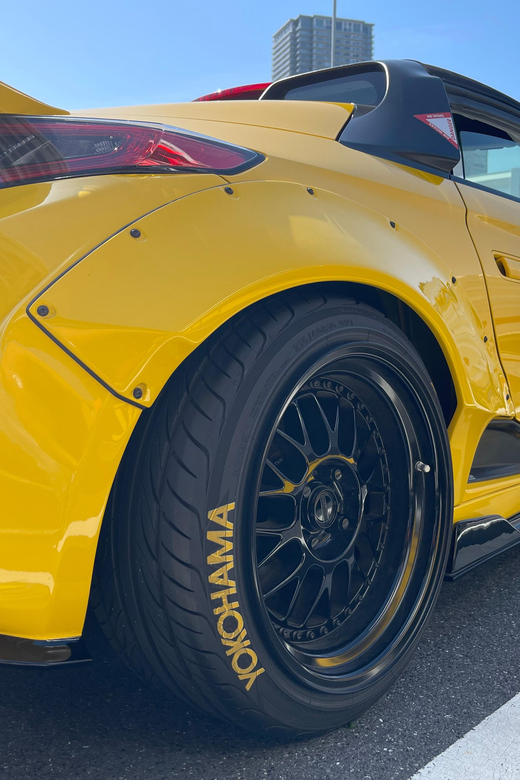
Photos are part of the visit. The S660 itself is likely to be one of the subjects, especially with its Liberty Walk modifications. You may also see heavily modified Japanese cars, but the exact cars present are outside the guide’s control.
Tatsumi 1st PA and the longer car-spotting session
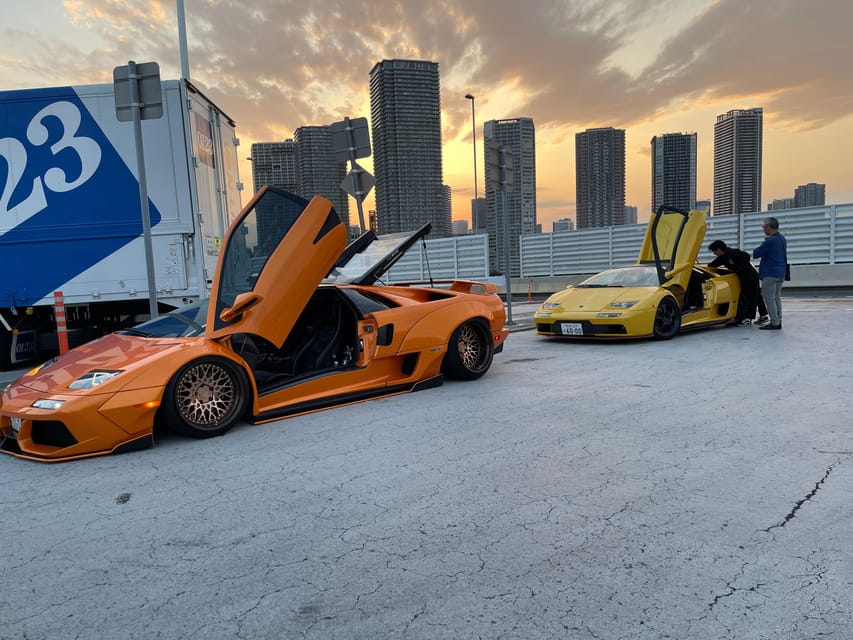
Tatsumi 1st Parking Area receives the longest stop, about an hour and a half. That extra time gives you more room to walk, take photos, and look at the cars without rushing back into the vehicle after a few minutes.
For a car enthusiast, this is probably the most useful part of the schedule. You can take in the variety of vehicles and ask Toshiro about what you are seeing. The setting also gives you time to enjoy the social side of the meet-up atmosphere, rather than treating the parking area as a quick photo stop.
The word meet should not be taken as a guarantee of a formal event. The experience is based on visiting the parking area and seeing what is there that night. Conditions can change, and the cars present will not be identical on every visit.
The longer stop also breaks up the drive. Three hours in a very small sports car is a lot more comfortable when you have time outside the cabin. You should use the break to stretch, take photos, and get a proper look at the S660 itself.
Tokyo Tower, Skytree, and Rainbow Bridge from the road
Tokyo Tower and Tokyo Skytree are passing points, not destinations. That makes them atmospheric details rather than major stops.
Tokyo Tower offers a classic city view as you pass through the expressway network. Skytree gives you a different sight line, especially as the route moves through other parts of the city. Neither stop includes a visit to the observation decks, and the schedule does not provide time for a tower ticket or a long walk nearby.
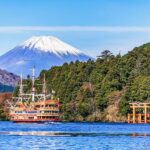
Rainbow Bridge is also crossed rather than explored on foot. Its role is to connect the car culture experience with Tokyo’s waterfront scenery. The bridge crossing is one of the route’s strongest sightseeing moments because it gives you a clear sense of movement through the city.
I like this mix. You get recognizable Tokyo sights without turning the evening into a standard landmark tour. The tradeoff is that photography from a moving car is limited, and traffic can affect how long you are near each view.
What the $192 price means
The price is $192 for a private group of up to one person. In practical terms, this is a premium solo experience, not a low-cost way to reach Daikoku.
The price includes the modified Honda S660, a local Japanese guide, Toshiro’s driving, fuel, and toll roads. Since you have the car to yourself, you are also paying for privacy and flexibility within the fixed route. A solo visitor who values conversation, photos, and a personal car-focused outing may find that worthwhile.
It is harder to justify if your only goal is to spend a long time at Daikoku. The Daikoku stop lasts about 15 minutes, and the rest of the time is split between driving, Tatsumi, and passing sights. You should think of this as a three-hour Tokyo car experience with parking-area visits, not a Daikoku admission service.
The price also makes more sense for someone who would otherwise have difficulty seeing these places. The expressway route, tolls, and driving are handled for you. You do not need to rent a car, manage Tokyo traffic, or work out the route to two separate parking areas.
For two or more customers, the information says to message the provider. The listed price is for a group of up to one, so do not assume that adding another person will follow the same price or car arrangement.
Comfort, clothing, and small-car realities
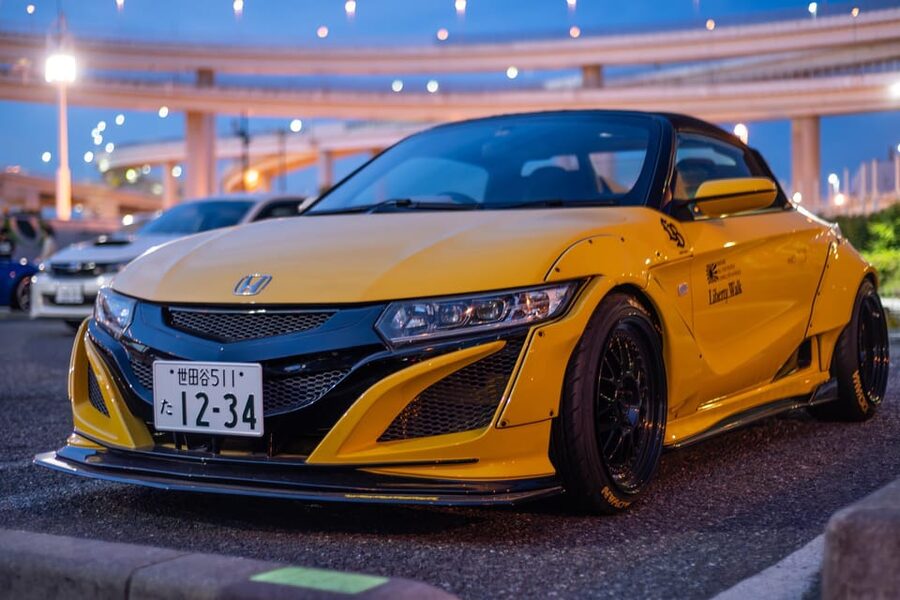
The S660 is tiny. The seat is compared with an airplane economy seat, and there is no luggage space. Take that seriously.
You should leave large bags, suitcases, and bulky camera gear elsewhere. Hotel transportation is not provided, so plan your journey to and from the MOS Burger meeting point with your belongings already under control.
The cabin may appeal to you precisely because it feels like a real compact sports car. It will not suit everyone for a three-hour outing. If you prefer a roomy seat, want to carry shopping bags, or have mobility concerns, this is probably the wrong vehicle.
The tour does include breaks, with 15 minutes at Daikoku and about 1.5 hours at Tatsumi. That helps, but it does not turn the S660 into a spacious car. Dress for the weather and choose shoes and clothing that let you sit comfortably in a tight cabin.
Rain is another factor. The provider allows postponement when it rains, subject to arranging a convenient alternative day. That is useful, but you should keep some flexibility in your Tokyo schedule if clear night views matter to you.
Who will get the most from this tour
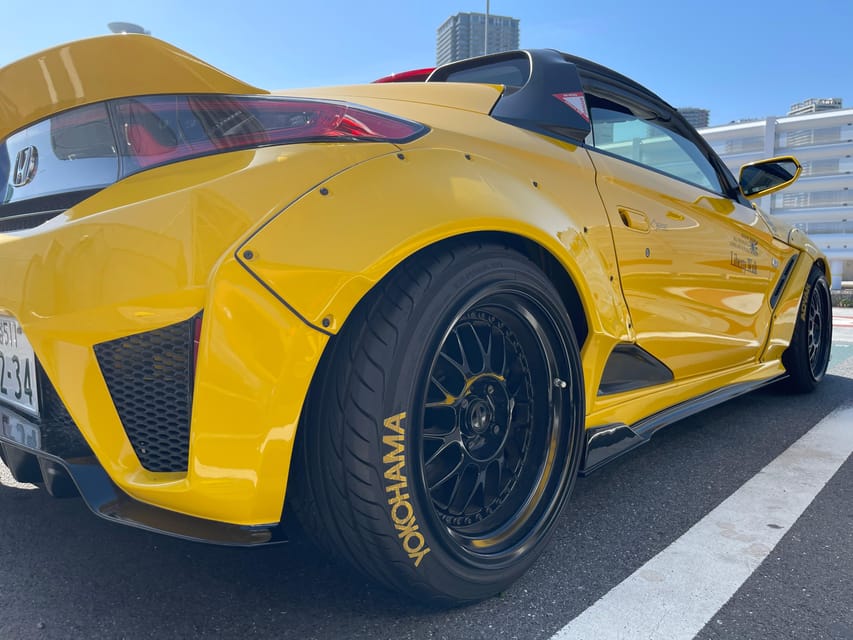
This experience is best suited to a solo car enthusiast who wants more than a parking-lot visit. You will get the most from it if you care about Japanese domestic cars, modified builds, expressway routes, and the visual world associated with Japanese car games and films.
It also works for a solo visitor who wants a private evening activity with a local driver. You do not need to be an expert on engines or tuning. The format leaves room for simple questions and casual conversation, and the car itself gives the night a memorable focus.
The tour is less suitable for a family, a couple, or a larger group unless the provider confirms another arrangement. The normal setup is one customer and one driver in a two-seat car.
It is also not for anyone hoping to race, drive the S660, or receive a guaranteed list of rare cars. Toshiro follows traffic law, self-driving is not included, and the parking areas depend on what is present on the night you visit.
Booking advice for the best night
I would aim for Friday or Saturday if seeing Japanese cars at the parking areas is your main reason for booking. Sunday is also suggested, while weekdays may offer a quieter version of the experience.
For Friday and Saturday, be ready for an 18:00 start and a 21:00 return. Daikoku may close to this kind of activity around 20:30 because of police controls, so a late departure could work against the main purpose of the tour.
Check the weather before you commit to other evening plans. The ability to postpone in rain is a useful safety valve, but you still need time in your itinerary for a changed date.
The cancellation terms are forgiving: you can cancel up to 24 hours ahead for a full refund. You can also reserve now and pay later, which helps if your Japan schedule is still moving.
Should you book the Honda S660 night ride?
Book it if you want the drive to be the experience. The strongest parts are the one-to-one format, Toshiro’s local perspective, the Liberty Walk modified Honda S660, and the chance to connect Tokyo’s expressways with Daikoku and Tatsumi.
I would pass if you mainly want a long, relaxed visit at Daikoku or need luggage room. The car is genuinely small, the Daikoku stop is short, and the price is high for simple transportation.
For the right person, though, the format is unusually focused. You get a personal night ride, a legal taste of Tokyo’s expressway car culture, a bridge crossing, and time at two famous parking areas. If that sounds better than a standard sightseeing bus, this is a strong choice for a solo night in Tokyo.
FAQ
How long does the experience last?
The experience lasts about three hours, including the drive from Ōba, the parking-area stops, and the return to Ōba.
How many customers can join?
The standard arrangement is for one customer and one local Japanese driver in the Honda S660. If you want to go with more than two customers, you need to message the provider.
Where is the meeting point?
The meeting point is in front of MOS Burger in Ōba. Hotel transportation is not included.
Is the tour shared with other people?
No. The tour is private, with one customer and one driver. It is not a shared minivan tour.
Can I drive the Honda S660?
No. Self-driving is not included. Toshiro drives the car throughout the experience.
Does the price include fuel and toll roads?
Yes. Fuel and toll road costs are included in the listed price of $192 for a group of up to one person.
What happens if it rains?
The tour can be postponed to another convenient day if it rains. You should arrange the new date with the provider.
More JDM & Car Culture in Tokyo
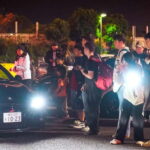
More tours in Tokyo we've reviewed


JDM & Car Culture, compared.
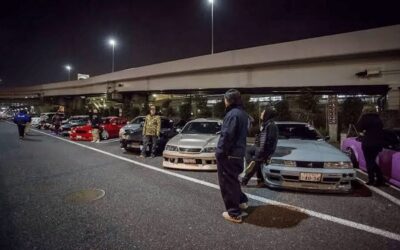 ★ 4.7FAST&FURIOUS EXPERIENCE Tokyo Car Club membershipFrom $138
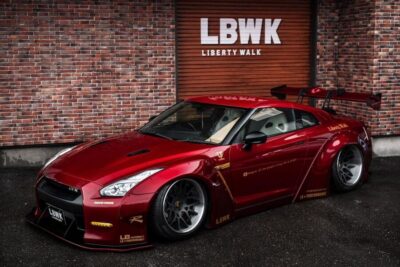 ★ 4.8GT-R35 800hp Club Membership – secret underground car meetFrom $205
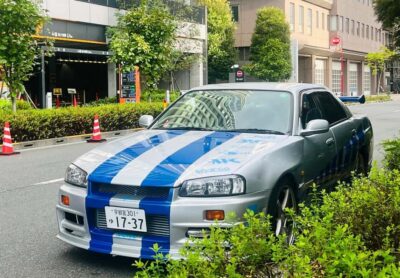 ★ 4.8Tokyo: Fast & Furious Tokyo Drift 3 Experience (Kaila Yu SP)From $157
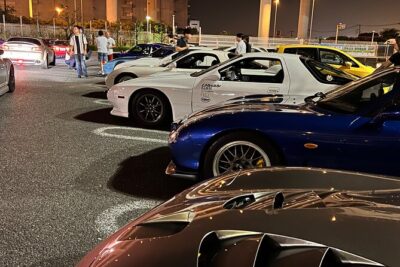 ★ 4.8Tokyo: Daikoku JDM Car Meet & Night Car Culture TourFrom $984 hours
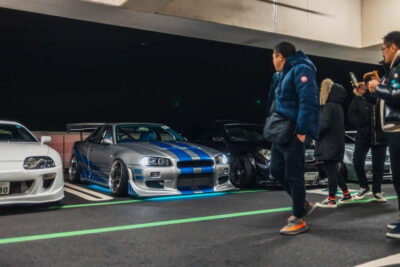 ★ 4.8Secret Car Meet: R34 Skyline Car Club MembershipFrom $236
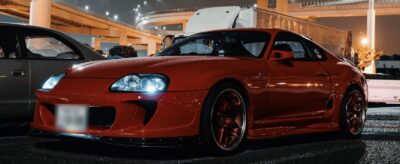 ★ 4.7Tokyo Drift: Daikoku PA Supreme Car Experience 大黒PAFrom $583 hours