
Reviewed · SUMO EXPERIENCES
Tokyo: Sumo Wrestling Show
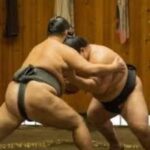
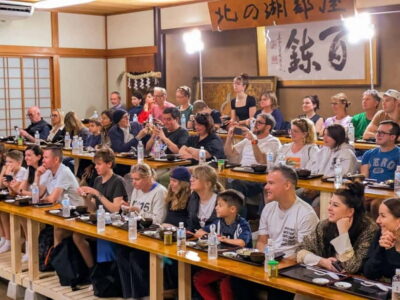
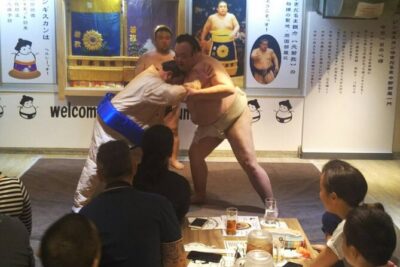
The best part of this Shinjuku sumo show is the close-up look at a sport that is both athletic contest and ceremony. You see the shiko foot stomps, salt purification, powerful throws, and the careful ritual around the ring rather than simply watching a match from a distant stadium seat.
I like the clear introduction to sumo rules and wrestler life, and I like the chance to step into the ring in a traditional outfit for a friendly challenge. The main caution is finding the entrance: directions have reportedly sent people to the rear of the building, and the elevator instructions may not match what you find onsite.
In This Review
- Key points to know
- Sumo in Shinjuku, with the ring just a few steps away
- What happens during the 1.5-hour show
- Why the rituals are as important as the wrestling
- The audience challenge is the memorable finale
- A short lesson in sumo rules and wrestler life
- Is $62 a fair price?
- Finding the F2 meeting point in Shinjuku
- Who will enjoy this most
- Booking flexibility and timing
- Should you book this Shinjuku sumo experience?
- FAQ
- Where does the sumo show take place?
- How do I find the meeting point?
- How long does the experience last?
- Is this a real sumo tournament?
- Is the guide available in English?
- Can I enter the sumo ring?
- Can I take photographs with the wrestlers?
- How much does the experience cost?
Key points to know
- Watch the rituals up close: See shiko, salt purification, ring etiquette, and forceful sumo techniques during a live demonstration.
- Enter the ring yourself: Put on a traditional sumo outfit and try a lighthearted challenge with a wrestler.
- Learn before the action starts: An English-speaking guide explains the sport, its rules, history, and the lifestyle of competitors.
- Expect a show, not a tournament: This is a staged cultural experience with demonstrations and audience participation.
- Plan about 1.5 hours: The pace is brisk, though one booking lasted closer to two hours according to the supplied experience details.
- Check the meeting point carefully: Take the elevator to F2 and meet at the entrance, but confirm you are at the front of the building.
Sumo in Shinjuku, with the ring just a few steps away
Tokyo has several ways to encounter sumo. You can attend a formal tournament in Ryōgoku, visit a sumo-related museum, or watch wrestlers train from a respectful distance. This Shinjuku experience takes a different path. It presents sumo as a short, lively cultural show where you can see the wrestlers close up and then take part yourself.
That format matters. A formal tournament follows a strict schedule and may require more time, planning, and patience. Here, the guide gives you enough background to understand what you are seeing, then moves quickly into the action. You do not need to arrive already knowing the difference between a belt throw and a leg sweep.
I like this balance. The experience is not just a wrestling demonstration, and it is not a lecture about Japanese customs. It gives you the basic rules, shows you the gestures and rituals, and lets you enjoy the physical comedy and drama that make sumo so engaging.
The setting in Shinjuku also works well for a short activity. You are in one of Tokyo’s most energetic districts, and the show can fit neatly into a day of sightseeing, shopping, or evening dining. The event is described as being a short distance from Ryōgoku, the traditional center of sumo, but you do not need to travel there for this particular presentation.
A few more Tokyo tours and experiences worth a look
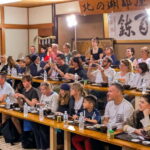
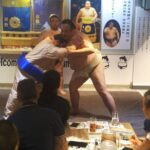
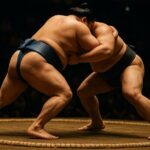
What happens during the 1.5-hour show
The experience begins with an introduction to sumo. Your English-speaking guide explains the sport’s background, rules, and customs, including aspects of the wrestlers’ daily life. This opening is useful because sumo can look simple at first glance: two large athletes push, pull, and throw one another from a circle.
The reality is more precise. Position, balance, timing, footwork, and grip all matter. Once you know what to watch for, a short bout becomes much more interesting. You can see why the wrestlers stamp their feet, why salt is thrown, and why the movements before the clash take so much time.
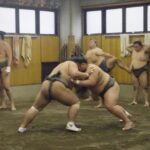
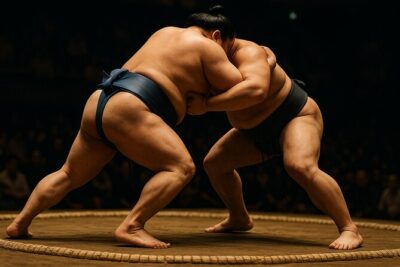
Next comes the demonstration. The wrestlers show powerful techniques and explain, or help the guide explain, what is happening. The shiko foot stomp is one of the key sights. It looks dramatic, but it also forms part of sumo’s traditional preparation and ritual.
The salt purification adds another strong visual moment. Salt is scattered into the ring before the contest, giving the show a ceremonial rhythm. These actions can seem mysterious if you see them without context, so the English explanation makes a real difference.
The live bouts bring the energy up. Sumo has a funny contrast at its core: the opening rituals can be slow and formal, then the actual clash may last only seconds. A wrestler can spend a long time preparing and then win with one well-timed shove, throw, or forceful movement.
The supplied duration is 1.5 hours, but one experience account described the program as closer to two hours. I would leave a little flexibility around the scheduled finish, especially if you have a dinner reservation or train to catch.
Why the rituals are as important as the wrestling
If you come only for the physical contest, you will miss half of the point. Sumo is built around ceremony, and the gestures before each bout help explain why it is treated as more than ordinary sport.
The foot stomping, salt throwing, and ring behavior give the presentation its Japanese character. They also slow the action down in a useful way. You get time to notice the wrestler’s posture, the use of the ring, and the tension before contact.
I find this particularly helpful for first-time viewers. Without a guide, the pre-match actions can feel like a long wait before the real event. With a short explanation, they become part of the event itself.
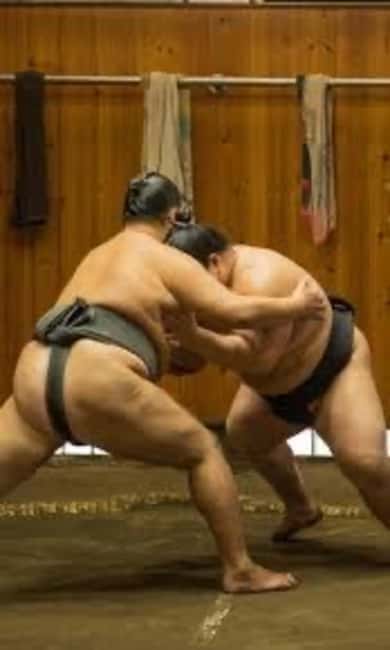
The wrestlers also demonstrate techniques rather than simply charging at one another. That makes the show easier to follow and safer for audience participation later. You see how strength combines with balance and leverage, not just size.
The result is an experience with two layers. You get the spectacle of large athletes displaying raw power, but you also get a lesson in discipline, ritual, and the rules that shape the sport.
The audience challenge is the memorable finale
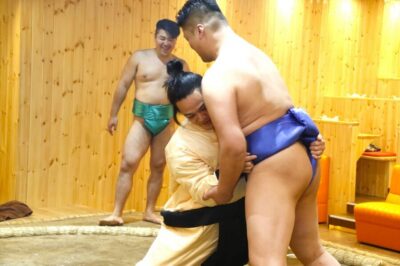
After the main demonstrations, you can put on a traditional sumo outfit and enter the ring. The point is not to prove that you can defeat a professional wrestler. It is a playful challenge that lets you feel the scale and theater of sumo from inside the ring.
This is the part I would expect families and outgoing adults to enjoy most. It turns passive watching into a shared joke, while still keeping the tone respectful. You may be pushed around by a much larger opponent, but the encounter is presented as a moment of laughter and cultural connection rather than a serious fight.
The photos are also part of the appeal. You can take pictures with the wrestlers and capture the unusual sight of yourself in sumo clothing. That makes the experience easier to remember than a standard demonstration where you sit quietly and leave with only general impressions.
Keep in mind that participation is a central feature, not a minor extra. If you strongly prefer to observe from your seat, you can still enjoy the show, but you may find the audience challenge less appealing. If you like interactive activities, this is where the experience earns much of its value.
The supplied information does not specify how many audience members enter the ring or how long each challenge lasts. I would therefore treat your turn as an optional shared activity rather than a guaranteed private bout with a wrestler.
A short lesson in sumo rules and wrestler life
The educational section gives the event more substance than a photo opportunity. You learn about the history of sumo, basic rules, and the lifestyle of its competitors before watching the wrestlers perform.
That context is important because sumo has its own vocabulary and logic. The ring, rituals, starting position, legal techniques, and ways of winning all shape what you see. Even a basic explanation can help you understand why a match ends when one wrestler touches the ground or steps outside the ring.
The show also introduces the wrestlers as people with a demanding way of life. The information provided does not name the performers or give their individual biographies, so you should not expect a detailed personal profile of each one. Still, the focus on competitor lifestyle adds a human side to the physical display.
I appreciate that the guide uses English. You can ask questions and follow the explanations without relying only on gestures. Language support is especially helpful during the ritual sections, where a few simple comments can change the whole meaning of what you see.
This is not a full formal education in sumo. It is a compact introduction designed to support the show. If you are already a serious sumo fan, you may want a tournament or a more specialized visit. If you are new to the sport, the level of detail should make the demonstration much easier to enjoy.
A few more Tokyo tours and experiences worth a look



Is $62 a fair price?
At $62 per person, this is not the cheapest activity in Tokyo. You are paying for a hosted cultural show, live wrestler demonstrations, explanation in English, audience interaction, and the chance to take photos in traditional clothing.
The value depends on what you want. If you only want to see sumo from a distance, the price may feel high compared with a casual museum visit or free city sightseeing. If you want a structured introduction with a clear beginning, live action, and a chance to enter the ring, the cost is easier to justify.
I see the strongest value in the combination. You get more than a performance because you learn what the rituals mean. You get more than a class because the wrestlers demonstrate real techniques. You get more than a photo session because the show includes live bouts and a cultural explanation.
The 1.5-hour length also helps. It is long enough to provide context and several stages of the program, but short enough to fit into a busy Tokyo schedule. One supplied booking ran closer to two hours, so I would not plan another activity with no gap at the end.
The price does not include any stated meal or dining component. If you are comparing this with sumo experiences that include chanko hot pot or Japanese cuisine, those are different products and may offer a better fit if food is a priority. This particular option focuses on the show, learning, participation, and photographs.
Finding the F2 meeting point in Shinjuku
The stated meeting point is at the entrance after taking the elevator to F2. The coordinates are 35.7025146484375, 139.70802307128906, which you can enter into a map app before leaving.
I would pay close attention to the building entrance. One booking account described a frustrating problem where the app link led to the rear of the building rather than the front. The same account said the instructions called for an elevator, while the actual route required stairs.
That kind of mix-up can make you late and can send you into the wrong part of a building. Use the coordinates as a check, look for the front entrance, and allow extra time to get your bearings. If the elevator is not obvious, ask staff at the building rather than wandering through a rear entrance.
This is the clearest practical weakness in the experience. The show itself received a very strong overall score of 4.9 from 16 reviews, but good entertainment does not fix poor directions. Arriving early is wise, particularly if you do not know the Shinjuku area well.
The guide language is English. No other languages are listed in the supplied details.
Who will enjoy this most
I would recommend this to first-time visitors who want a compact introduction to sumo without committing to a full tournament day. It also suits families, couples, and groups who enjoy taking part rather than only watching.
The audience challenge makes it a good choice for people who appreciate humor and do not mind being the center of attention for a moment. Children may enjoy the costumes and physical comedy, though the supplied information does not give an age range or specific child policy.
It is also useful for anyone curious about Japanese customs but unsure where to begin. The guide connects the rituals to the action, so you do not need prior knowledge.
I would be more cautious if you are seeking an official tournament atmosphere. This is specifically not a tournament. It is a performance and cultural experience, with demonstrations, live bouts, explanation, and audience participation.
I would also compare options if you want a meal. Experiences that include chanko hot pot or other Japanese dishes may better suit a food-focused evening, while this one keeps the attention on sumo itself.
Booking flexibility and timing
You can cancel up to 24 hours in advance for a full refund. You can also reserve now and pay later, which helps if your Tokyo schedule is still taking shape.
Starting times vary, so you need to check availability for your chosen date. Since the show takes place in Shinjuku, you can pair it with nearby plans, but I would leave room for the possibility that the event runs longer than the listed 1.5 hours.
The activity provider is Travel Tokyo. The booking information lists a live English-speaking guide, which is a useful feature for understanding the rituals and rules rather than simply watching an untranslated performance.
Should you book this Shinjuku sumo experience?
I would book it if you want to see sumo at close range, understand the basic customs, and take part in a playful ring challenge. The strongest features are the clear introduction, the live demonstrations, and the chance to wear a traditional outfit and take photos with the wrestlers.
I would skip it if you want a genuine tournament with ranked competition, formal scheduling, and the atmosphere of a major sumo venue. I would also choose another option if a meal is central to your plans.
For most first-time visitors, $62 is reasonable for a focused 1.5-hour experience that combines culture, sport, and comedy. Just check the front entrance and F2 meeting instructions carefully. That small bit of planning should help you reach the ring in time for the foot stomps, flying salt, and very short but very dramatic clashes.
FAQ
Where does the sumo show take place?
The experience takes place in Tokyo’s Shinjuku district, at the meeting point near coordinates 35.7025146484375, 139.70802307128906.
How do I find the meeting point?
The instructions say to take the elevator to F2 and meet at the entrance. Check that you are at the front of the building, since the app directions have reportedly led some people to the rear.
How long does the experience last?
The listed duration is 1.5 hours. One supplied booking account described the experience as lasting closer to two hours, so allow some extra time.
Is this a real sumo tournament?
No. The activity is specifically described as not being a tournament. It is a cultural show with demonstrations, live bouts, rituals, explanations, and audience participation.
Is the guide available in English?
Yes. The activity includes a live English-speaking guide, and English is the listed language.
Can I enter the sumo ring?
Yes. After the main matches, you can put on a traditional sumo outfit, enter the ring, and challenge a wrestler.
Can I take photographs with the wrestlers?
Yes. The experience includes opportunities to take photos with the wrestlers.
How much does the experience cost?
The listed price is $62 per person. You can reserve now and pay later, and cancellation is free up to 24 hours in advance for a full refund.
More Shows & Entertainment in Tokyo
More Shows & Performances in Tokyo
More Sumo Experiences in Tokyo
More tours in Tokyo we've reviewed







Sumo Experiences, compared.
 ★ 4.8Tokyo: Sumo Show Experience with Chicken Hot Pot and a PhotoFrom $1032 hours
 ★ 4.8Tokyo: Sumo Show and Dining ExperienceFrom $7990 minutes - 2 hours
 ★ 5.0the SUMO showFrom $89
 ★ 5.0Tokyo Shinjuku Sumo Show & Experience with PhotoFrom $79
 ★ 4.8Tokyo: Sumo Show and Experience in ShinjukuFrom $691h 30m
 ★ 4.6Tokyo: Sumo Tournament Tour with Chair Seat TicketsFrom $141