
Reviewed · SAKE TASTING
Tokyo Sake Tasting Tour with a Sake Expert
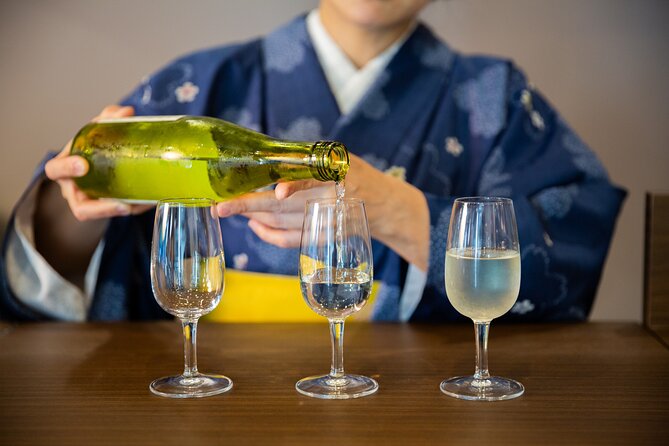
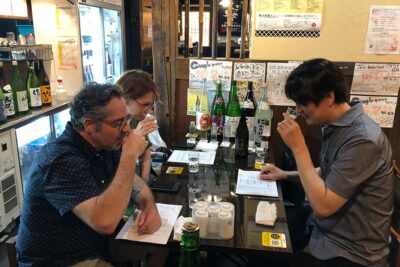
The best part of this Shibuya sake tasting is the chance to compare three carefully chosen pours, then choose from more than 50 labels in a small bar near the station. You can move from crisp and dry to sweet, fruity, cloudy nigori, plum wine, and craft-style bottles without needing any sake knowledge first.
I like two things here: the group is capped at six people, and the guide adjusts suggestions to your palate rather than giving everyone the same flight. The all-you-can-drink format also gives you room to experiment. The main drawback is the short 70-minute running time, which can feel quick if you want to taste widely and ask lots of questions.
In This Review
- Key points to know before you book
- Starting near Shibuya Crossing
- Three pours that make sake easier to understand
- Finding your perfect cup among 50-plus labels
- What the guides add to the tasting
- A calm bar after the Shibuya crowds
- Is $27.36 a good value?
- Who will enjoy this most?
- Practical advice for making the hour count
- Should you book the Shibuya sake tasting?
- FAQ
- How long does the Tokyo sake tasting tour last?
- Where does the tour begin?
- How far is the bar from Shibuya Station?
- Where does the experience end?
- How many people can join the group?
- Is an English-speaking guide included?
- Do I need previous sake knowledge?
- How many sakes do I taste?
- Is food included?
- What is the cancellation policy?
Key points to know before you book
- More than 50 labels: After the opening comparison, you can sample a broad range of sake, plum wine, nigori, and craft-style drinks.
- Three guided starting pours: The first tasting gives you a clear way to compare styles before choosing your own drinks.
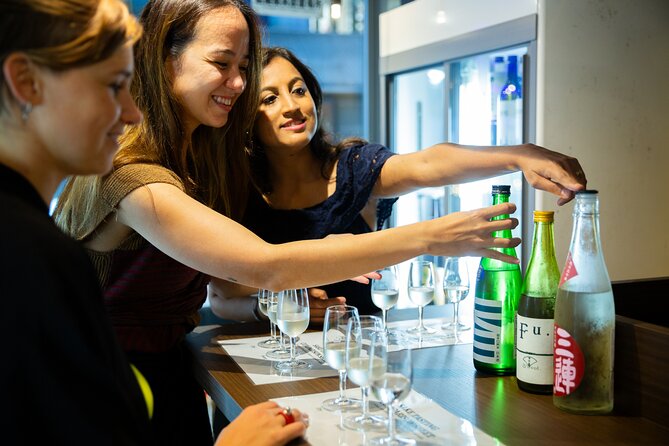
- Small group setting: A maximum of six people makes it easier to ask questions and receive personal suggestions.
- Five-minute walk from Shibuya Station: The bar is at 29-7 Udagawachō, close to Shibuya Crossing and public transportation.
- English-speaking local guides: Mieko, Keko, and Yoshie have each led sessions praised for clear explanations, friendly conversation, and sake knowledge.
- Snacks cost extra: You can order sake-friendly snacks and original dishes created by the bar owner, but food is not included.
Starting near Shibuya Crossing
This experience begins at 29-7 Udagawachō in Shibuya, an area only about five minutes on foot from Shibuya Station. The listed itinerary identifies Shibuya Crossing as the starting stop, so you are beginning in one of Tokyo’s easiest places to reach and most recognizable meeting areas.
That location matters. Shibuya is a useful part of a Tokyo day, and a short tasting can fit before dinner, after shopping, or between other sights. You do not need to set aside half a day for a distant brewery visit. The activity ends back at the meeting point, keeping the plan simple.
The exact meeting instructions should still be checked on your mobile ticket before you set out. The experience is near public transportation, but Shibuya Station has many exits and can be confusing if you are rushing. Give yourself enough time to find 29-7 Udagawachō rather than arriving at the last minute.
If you're still narrowing it down, here are other tours in Tokyo we've reviewed.

Three pours that make sake easier to understand
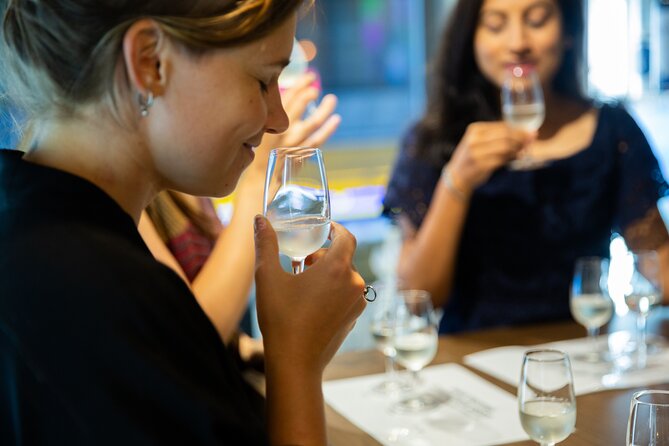
Your guide begins with three selected sakes. This opening is the teaching section, but it is not presented as a lecture. The purpose is to let you taste differences side by side and give you a starting point for describing what you like.
You might prefer a clean, dry pour. You might find a fruity or gently sweet sake easier to enjoy. You could also discover that cloudy nigori, with its fuller appearance and softer style, suits you better than the clear sake you expected to like.
That first comparison is valuable because sake labels can be hard to read when you are new to Japanese drinks. Instead of choosing a bottle at random, you get a simple tasting framework. Your guide explains the basics, including sake’s background and drinking culture, in clear English.
A short quiz has also been part of the guide’s approach. It is a useful touch for people who enjoy a little interaction rather than simply receiving drinks at a counter. The tone appears relaxed, so you should not need to prepare or study before arriving.
Finding your perfect cup among 50-plus labels
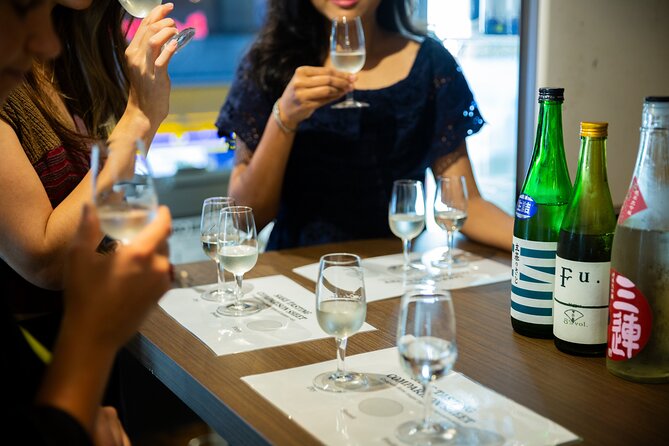
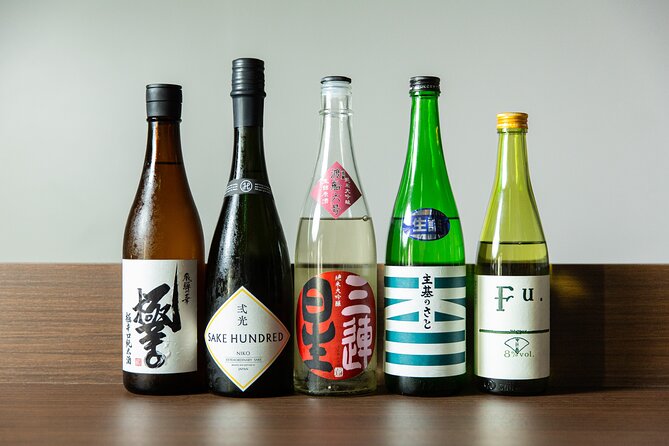
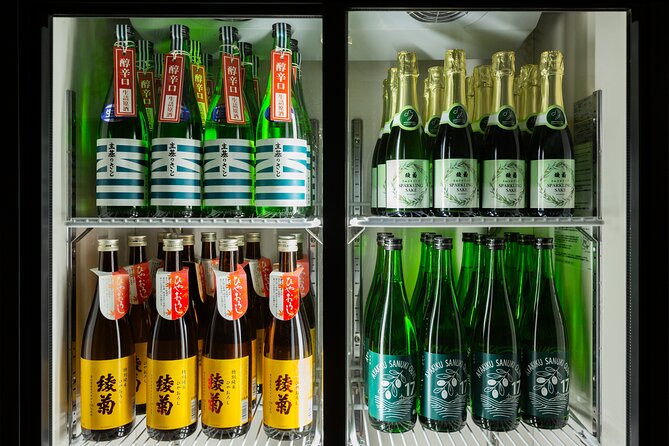
After the first three sakes, the experience opens into a much larger selection. The bar offers more than 50 labels, and your guide recommends the next pour based on your reactions.
This is where the small group makes a real difference. With up to six people, you have a better chance of explaining your preferences and getting a useful answer. Tell the guide if you prefer dry drinks, sweetness, fruit notes, a lighter body, or something more unusual. You do not need to know technical sake terms. Simple descriptions are enough.
The selection includes several styles:
- Crisp and dry sake for a clean finish
- Fruity, easy-drinking sake for a softer introduction
- Gently sweet varieties
- Nigori, a cloudy style
- Plum wine
- Craft-style sake and related drinks
The all-you-can-drink format is included in the experience price. That is a strong feature for a tasting menu, since you can try small amounts from several styles instead of paying separately for each choice. The value depends on how actively you use the time. If you only want one or two drinks, the price may seem less compelling. If you enjoy comparing sake and trying labels you would not choose alone, the arrangement makes more sense.
You should also pace yourself. The format encourages sampling, but 70 minutes is not long. Taste with attention rather than treating the bar as a race. The aim is to find styles you understand and enjoy, not simply to count how many pours you can fit into the session.
What the guides add to the tasting
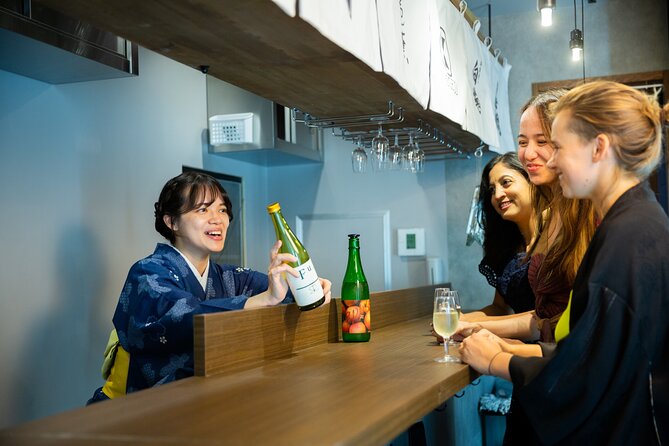
The guide is central to this activity. The bar has many bottles, but the experience becomes much more useful when someone can explain what you are tasting and point you toward a better match.
Mieko has been praised for being sweet-natured, engaging, and well informed. Her style appears suited to first-time sake drinkers who want friendly explanations without pressure. Keko has also been noted for excellent English, a personable manner, and clear information about sake.
Yoshie has been praised for explaining sake’s history and offering extra ideas about places to see around Tokyo. That can add value beyond the glass in front of you, especially if this is one of your first days in the city and you want local suggestions.
The experience is not tied to one named guide in the supplied details, so you should not book expecting a guaranteed host. Still, the named guides show the kind of interaction you can expect: English conversation, basic sake education, a few questions or comparisons, and recommendations shaped by your taste.
One useful detail is that the guide can accommodate a mixed group. A past participant brought along a Japanese friend, and the guide handled the situation positively. That suggests the tasting can work for visitors with different levels of Japanese language and sake familiarity.
A calm bar after the Shibuya crowds
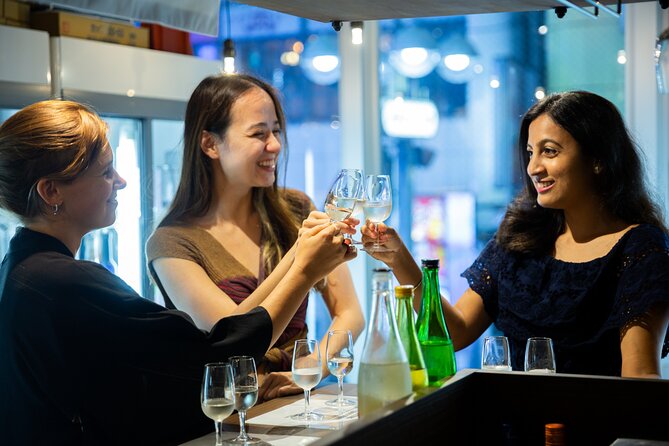
Shibuya is famous for noise, lights, and packed streets. This tasting shifts you into a calmer, cozier bar setting only a short walk from the station. That change of pace is part of the appeal.
The bar gives the session a more local drinking-culture feel than a large sightseeing stop would. You sit with your group, taste at an unhurried pace, and learn how different drinks fit different preferences. The setting is still convenient and central, but it does not ask you to spend the evening moving from one major sight to another.
Food is not included. You can order snacks designed to match sake, along with original dishes made by the bar owner. This is worth considering if you want the tasting to become part of dinner, but you should budget separately for anything you eat.
Because the activity lasts about an hour and ten minutes, do not assume it replaces a full meal. Think of it as a focused pre-dinner tasting or a compact introduction to Japanese alcohol. If you want a long meal with several courses, this is not that kind of outing.

Is $27.36 a good value?
At $27.36 per person, the price is reasonable if you plan to use the selection. You receive the guide, the three introductory tastings, access to more than 50 choices, and all-you-can-drink service during the session. A small group also gives the price more weight than a self-guided visit to a sake bar, since you are paying for help in choosing and understanding the drinks.
The strongest value comes from the personal recommendations. A large menu can be confusing, particularly when labels and styles are unfamiliar. A good guide can save you from ordering only the sweetest or most familiar option and help you find a sake that matches your actual taste.
The value is weaker for someone who does not drink much alcohol or wants only a quick sample. The opening three pours plus the larger selection may be more than you need. Food costs extra, and the short duration limits how much conversation and tasting you can fit in.
The average booking time is about 40 days in advance. That does not mean you must always book that far ahead, but it suggests planning early if your Tokyo schedule is fixed. Confirmation arrives at booking, and the mobile ticket is convenient for a city outing.
Free cancellation is available up to 24 hours before the start time. Canceling or changing the booking less than 24 hours ahead is not accepted for a refund, with cut-off times based on Tokyo local time.
Who will enjoy this most?

I would recommend this for first-time sake drinkers who want a clear introduction without committing to a formal class. You get history, basic guidance, comparison tasting, and personal recommendations in a friendly setting.
It also suits people who already enjoy sake but want to try labels beyond the usual restaurant menu. The selection of more than 50 drinks gives you plenty of room to explore styles you may not find at your hotel or neighborhood bar.
Couples and small groups of friends are a natural fit, as are solo visitors who like meeting a local guide. The six-person cap keeps the group small enough for questions, though the final group size can vary up to that limit.
Families with children are not the obvious audience, since alcoholic drinks are the focus. Anyone who dislikes alcohol or expects a food-led experience should choose a different activity. You should also keep your expectations realistic: this is a compact tasting, not a full brewery tour or a long cultural workshop.
Practical advice for making the hour count
Arrive ready to describe what you like in plain language. You can say that you prefer dry, sweet, fruity, light, or strong flavors. The guide can work from that.
Try not to settle on your first favorite too quickly. The three opening sakes are there to help you compare, and the larger selection is where the most useful discovery may happen. Ask the guide to show you something similar to a drink you enjoyed, then try one that is different.
If you want food, plan to order the bar’s sake-friendly snacks or original dishes separately. Since the session is short, decide early whether you want to eat there or continue to dinner afterward.
For navigation, use the mobile ticket and allow extra time around Shibuya Station. The meeting point is close to public transportation, but the station area is large. Once the session ends, you return to the meeting point, so you are not left trying to find a separate finish location.
Should you book the Shibuya sake tasting?
Book it if you want an affordable, guided introduction to sake with a wide range of drinks in a small group. The combination of three comparison pours, more than 50 labels, English explanations, and personal recommendations gives you more direction than simply ordering sake at a bar.
Skip it if you want a full meal, a long brewery visit, or a detailed production tour. The 70-minute format is focused and social, not extensive.
For most visitors, I see this as a smart short activity in Shibuya. It helps you understand what you are drinking, gives you a chance to find a style you genuinely like, and leaves the rest of your evening free.
FAQ
How long does the Tokyo sake tasting tour last?
The experience lasts approximately 1 hour and 10 minutes.
Where does the tour begin?
It begins at 29-7 Udagawachō, Shibuya, Tokyo 150-0042, Japan. The listed starting area is Shibuya Crossing.
How far is the bar from Shibuya Station?
The bar is described as about a five-minute walk from Shibuya Station.
Where does the experience end?
The activity ends back at the meeting point.
How many people can join the group?
The group has a maximum of six participants.
Is an English-speaking guide included?
Yes. A local English-speaking guide is included.
Do I need previous sake knowledge?
No. The guide explains the basics, including the history of sake, so you can join without prior knowledge.
How many sakes do I taste?
The experience begins with three selected sakes. After that, you can choose from more than 50 labels during the all-you-can-drink portion.
Is food included?
No. Meals are not included, but you may order sake-friendly snacks and original dishes made by the bar owner.
What is the cancellation policy?
You can cancel up to 24 hours before the start time for a full refund. Cancellations or changes made less than 24 hours before the experience are not accepted for a refund.
More tours in Tokyo we've reviewed





Sake Tasting, compared.
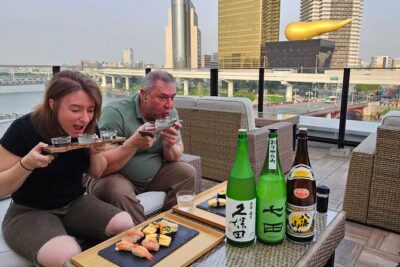 ★ 5.0Ramen and Sushi Cooking Class with Sake Pairing Set in TokyoFrom $79
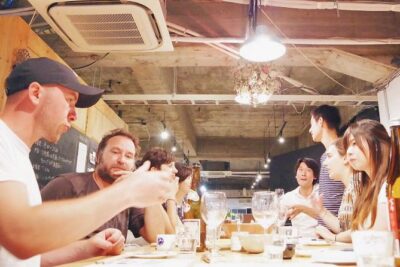 ★ 5.0Sake Tasting Masterclass in Shinjuku (8+ Varieties with a Pro)From $72
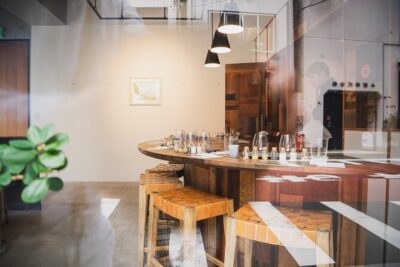 ★ 5.0Sake Omakase in Tokyo: Guided Tasting by Certified SommeliersFrom $79
 ★ 5.0Tasting All Types of Sake with SommelierFrom $62
 ★ 5.0Wagyu & Sake Pairing in Shinjuku – Steak, Shabu-Shabu & MoreFrom $148
 ★ 5.0Tokyo Wagyu & Sake Pairing Tasting Experience with Local FlavorsFrom $151