
Reviewed · GUIDED
Tokyo Private Customizable Tour with a Local Guide
Tokyo is a city of sharp contrasts, and this private day tour puts them side by side: the incense and red gates of Senso-ji, the polished towers around Skytree, the quiet grounds of Meiji Shrine, and the neon rush of Shibuya. You get a full 10 hours, private transport, hotel pickup, and a guide who can shape the day around your interests.
I like the personal pace, especially for first-time visitors who want help making sense of Tokyo’s vast districts. I also like the range of stops, from Tsukiji’s food stalls to Takeshita Street’s youth fashion. The drawback is distance and ambition: nine stops in one day means some visits will be fairly brief, and busy areas can make the schedule feel rushed.
In This Review
- Key points at a glance
- One long day across Tokyo’s many faces
- Senso-ji and Nakamise Street: Tokyo’s best traditional opening
- Tokyo Skytree: broad views, extra planning
- The Imperial Palace: an outside look at Japan’s center of power
- Tsukiji Outer Market: a useful food stop
- Meiji Shrine: a calmer hour beneath the trees
- Takeshita Street and Harajuku: Tokyo’s youthful fashion quarter
- Shibuya Crossing: the day’s big city finale
- How the private format changes the day
- Walking, access, and what to pack
- Who will get the most from this Tokyo tour?
- Should you book this private Tokyo day tour?
- FAQ
- How long does the Tokyo private tour last?
- How many people can join the private group?
- Is hotel pickup included?
- What language does the guide speak?
- Which places are visited?
- Is lunch included?
- Is Tokyo Skytree admission included?
- Can the itinerary be changed?
- Is the tour suitable for young children or wheelchair users?
Key points at a glance
- Private vehicle for up to five people: Hotel pickup and drop-off save you from handling Tokyo’s rail network between far-flung districts.
- A strong first-day route: You’ll see Asakusa, Skytree, Tsukiji, the Imperial Palace, Meiji Shrine, Harajuku, and Shibuya in one sweep.
- Flexible sightseeing: The itinerary can be adjusted to your interests, though the number of planned stops limits how much time you have at each one.
- English-speaking driver-guide: Guides such as Mukkarram, Shomo, Yoshi, and Mukkarram have been praised for patience, clear explanations, and tailoring the day to the group.
- Extra costs need checking: Lunch and activity fees are not included. The supplied details conflict on whether Skytree admission is included, so confirm this before booking.
- Bring stamina: Expect a lot of walking, crowds at Shibuya and Harajuku, and a long day on your feet.
One long day across Tokyo’s many faces
This is less a slow cultural walk and more a carefully packed introduction to Tokyo. In ten hours, you move from an old Buddhist temple to a shopping street, a record-breaking tower, a food market, an imperial site, a Shinto shrine, a youth-fashion district, and the world-famous Shibuya crossing.
That range is the main reason to consider it. If you have only one full day in Tokyo, you can cover ground that would take more planning by train. A private vehicle also helps when you are traveling with family or a small group and do not want to navigate every transfer yourself.
The tradeoff is clear. Tokyo’s districts deserve time, and this route gives some of them only 30 minutes. I would treat this as an overview with useful local commentary, not as a slow, detailed study of each neighborhood.
The price is $367 per group of up to five people. For a full private day, that can be reasonable when shared by several people, especially since pickup, drop-off, and private transport are included. For one or two people, the cost per person rises quickly, so compare it with the convenience you want rather than judging the price alone.
Other guided tours in Tokyo

Senso-ji and Nakamise Street: Tokyo’s best traditional opening
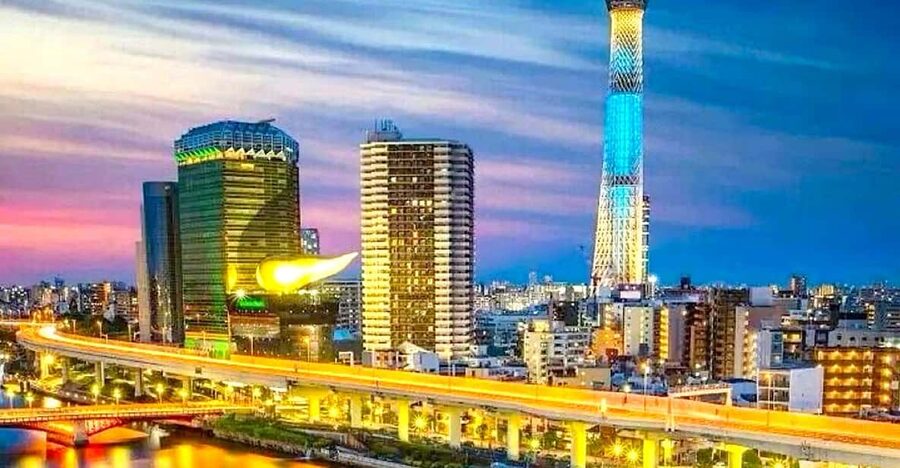
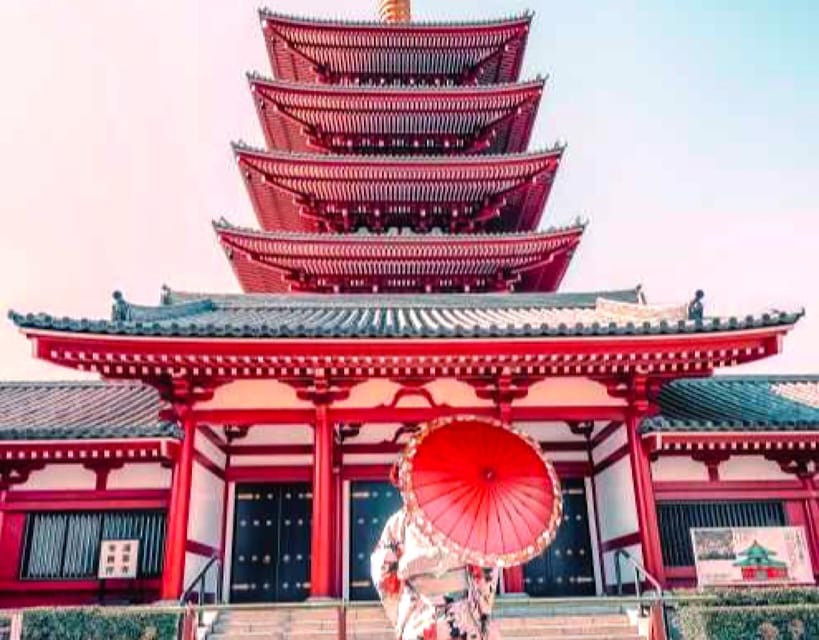
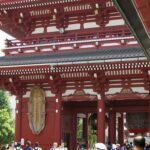
The tour begins in Asakusa, one of the most rewarding places to start seeing Tokyo. Senso-ji, also called Asakusa Kannon Temple, is one of Japan’s major Buddhist sites. Its gates, temple buildings, surrounding shrines, and gardens give you a strong introduction to religious architecture and daily temple customs.
You can expect the guide to explain the site’s stories and meaning as you walk. That added context matters here because Senso-ji is not simply a photogenic red temple. It remains a place of worship, and a good explanation helps you understand the difference between looking around respectfully and treating the grounds as a backdrop.
Nakamise Street leads toward the temple and is lined with souvenir shops and food vendors. Give yourself time to notice the traditional design, smells, snacks, and small gifts. The planned visit lasts about 30 minutes, while the temple visit receives about an hour, so you will get an introduction rather than an exhaustive exploration.
I would save major souvenir purchases until you have compared prices, but this is a pleasant place to sample a snack or browse small Japanese goods. Crowds are common, and the narrow street can slow your pace.
Tokyo Skytree: broad views, extra planning
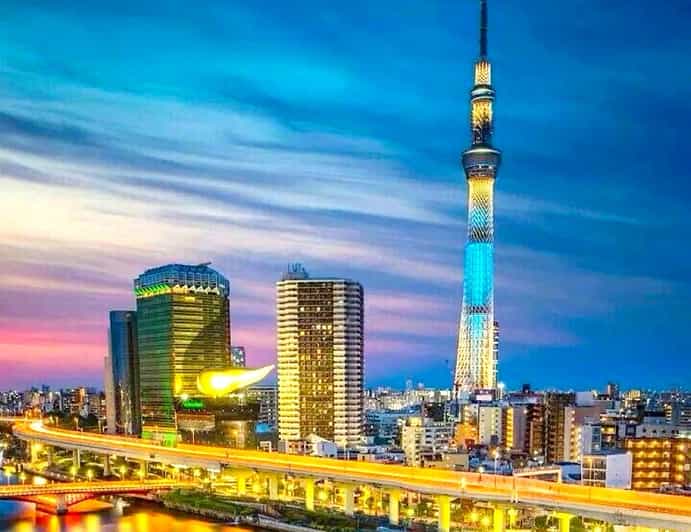
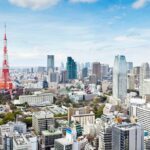
Skytree gives the day a change of scale. At 634 meters, it is Japan’s tallest building, and its observation areas offer wide views across Tokyo. After the close detail of Asakusa, the tower helps you understand how enormous the city really is.
The scheduled stop lasts about an hour. That may be enough for the view and a few photographs, but it leaves limited time if lines are long or you want to linger. Admission is also an important point to clarify. One part of the supplied information says the ticket is not included and lists an admission cost of 1,800 yen, while another note says Skytree admission is included.
Do not assume either version. Ask the provider exactly what your $367 covers before you pay, and ask whether the observation deck ticket is included or must be purchased separately. This is the kind of small detail that can affect the value of a private tour.
The tower may also be less satisfying in poor weather. Bring a camera, but check the forecast and keep expectations sensible if clouds or rain limit the view.
The Imperial Palace: an outside look at Japan’s center of power
The Imperial Palace stop is listed at about 30 minutes and focuses on outside viewing and photographs. That makes it a short orientation stop rather than a palace tour.
You will see the area associated with Japan’s imperial household and can hear about its importance from the guide. The brief visit works well for a first look, but you should not book this tour expecting access to palace interiors or an extended walk through the grounds. The supplied description specifically says to take pictures from the outside.
This stop is best understood as a pause between the city’s older temple quarter and its modern districts. It adds national and political context to a day otherwise centered on streets, shrines, food, and shopping.
Tsukiji Outer Market: a useful food stop
Tsukiji Outer Market receives about an hour. The outer market is known for food vendors and shops, making it a natural place to pause for a snack or early lunch.
Lunch is not included, so budget separately. That is not necessarily a problem. Tokyo is full of choices, and a private guide can help you decide how to use the hour, but you should not expect the tour price to cover what you eat.
I like having Tsukiji in the middle of the day because it breaks up the sightseeing. Still, an hour disappears quickly if you want to browse and eat. If food is your main reason for visiting Tsukiji, ask whether the route can give the market more time by shortening another stop.
Other private tours in Tokyo

Meiji Shrine: a calmer hour beneath the trees
Meiji Shrine offers the day’s clearest change of mood. Dedicated to the deified spirits of Emperor Meiji and Empress Shoken, it is among Japan’s most respected Shinto shrines.
The one-hour visit gives you time to walk through the shrine grounds, observe the architecture, and learn how the site differs from Senso-ji. That contrast is valuable. Senso-ji is Buddhist and closely tied to the old entertainment and merchant district of Asakusa. Meiji Shrine represents Shinto practice and the imperial era, with a more spacious and ceremonial setting.
Wear comfortable shoes here. Even when the visit itself is not rushed, shrine grounds involve walking, and the entire tour includes repeated transitions between vehicle stops and sightseeing areas. Sunscreen, water, and a hat are sensible in warm weather.
Takeshita Street and Harajuku: Tokyo’s youthful fashion quarter
The Harajuku portion centers on Takeshita Street and lasts about 30 minutes. This is Tokyo’s youth-fashion district, with shops, colorful clothing, small treats, and cafes.
The tour description also mentions different types of cafes, including owl cafes and cat cafes. These are optional-style attractions rather than clearly included admissions, so ask about fees and available time before making plans. Since activity costs are not included, you should expect to pay separately for anything beyond ordinary street browsing.
Thirty minutes is enough to see the character of Takeshita Street, but not enough for a relaxed shopping session and a cafe visit. If Harajuku is a major interest, use the customizable feature to ask for more time there. If you are less interested in fashion and novelty cafes, this is an obvious place to shorten.
Crowds can be intense, especially around the main shopping street. Keep personal belongings secure, and do not expect a quiet neighborhood walk.
Shibuya Crossing: the day’s big city finale
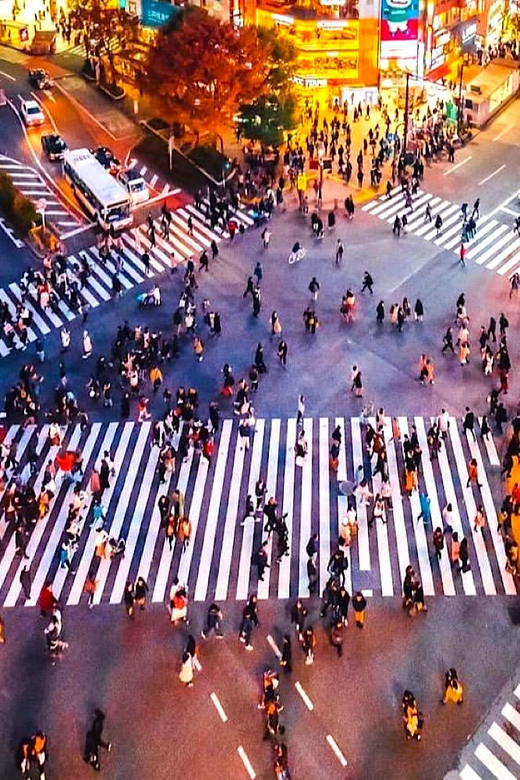
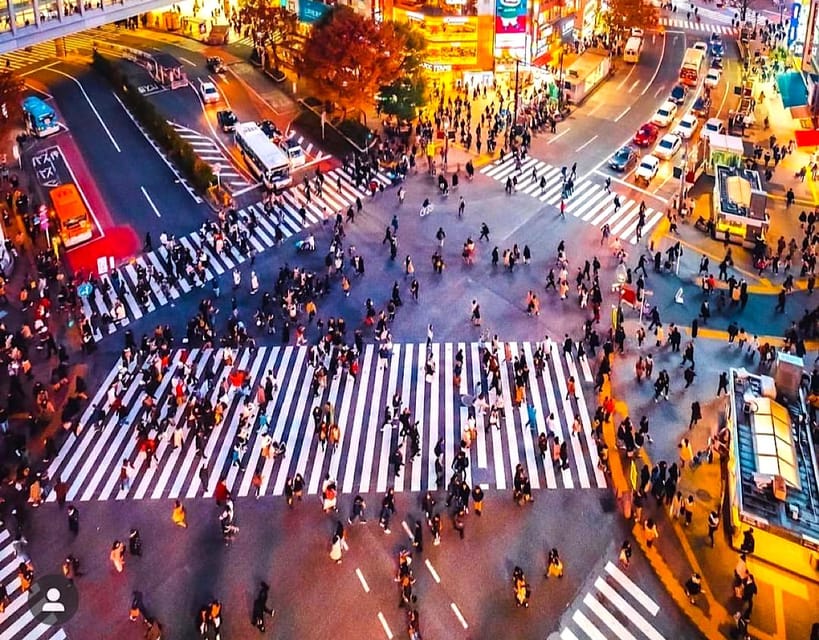
Shibuya Crossing is one of Tokyo’s most recognizable sights. For a few minutes, traffic stops and large waves of pedestrians cross from every direction. The scheduled visit lasts about 30 minutes, which is enough to watch the crossing and take pictures from nearby viewpoints.
The appeal is visual and immediate. After temples, markets, and shrines, Shibuya shows Tokyo as a modern city built around movement, advertising, shopping, and sheer human scale.
The crowd is part of the experience, but it can also be tiring at the end of a ten-hour day. If you want a particular cafe or viewpoint, mention it when discussing your preferences. The tour description promises the crossing itself, not a specific observation deck or rooftop, so do not assume one is included.
How the private format changes the day
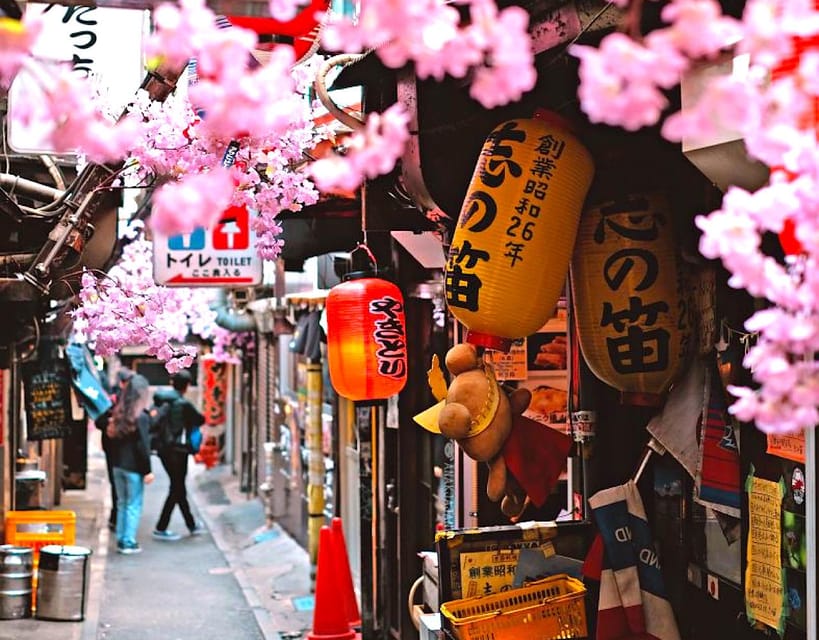
Private transport is the largest practical advantage. Tokyo’s rail system is excellent, but moving between Asakusa, Skytree, Tsukiji, the palace area, Meiji Shrine, Harajuku, and Shibuya takes planning. A vehicle lets you keep the day moving without figuring out each connection.
Pickup and drop-off are included from your Tokyo hotel or another pickup address. You meet the guide in the hotel lobby or at the agreed location. This is particularly useful if you are carrying shopping bags, traveling with older relatives, or want a simple first day after arriving in Japan.
The guide is described as an English-speaking driver. Names connected with the experience include Mukkarram, Shomo, and Yoshi. The strongest praise has focused on clear explanations, patience, friendliness, and the ability to adjust the pace. Yoshi was specifically appreciated for being helpful and patient, while Shomo was praised for explaining Tokyo’s culture and finding less obvious local stops.
Because guides can vary, I would send your priorities before the day begins. Say clearly if you care most about temples, food, photography, fashion, cafes, or shopping. Customizable does not mean every stop can receive equal time.
Walking, access, and what to pack
Plan for plenty of walking. Comfortable shoes are essential, and you should bring water, sunscreen, a hat, and a camera. Check the weather forecast and dress for the season because several stops take place outdoors.
The supplied information contains a conflict about accessibility. It describes the activity as wheelchair accessible, but it also says it is not suitable for people with mobility impairments or wheelchair users. Contact the provider directly before booking if this affects you, and ask about the vehicle, walking distances, temple grounds, market surfaces, and access at each stop.
Children under five are listed as not suitable for this experience. Smoking is not allowed, and flash photography is prohibited.
Who will get the most from this Tokyo tour?
I would recommend it most strongly to first-time visitors with one free day who want a broad view of Tokyo without arranging transport and timing themselves. It also suits a private group of up to five people who value a guide’s explanations and the ability to adjust the route.
It is a good match for people who want both old and new Tokyo in one day. Senso-ji and Meiji Shrine supply the cultural side, while Skytree, Harajuku, and Shibuya show the city’s modern energy.
I would hesitate if you prefer slow museum visits, long meals, or detailed time in one neighborhood. The schedule is full, and the 30-minute stops are introductions. I would also be cautious if your main goal is a long shopping session, a full cafe experience, or a palace interior visit.
Free cancellation up to 24 hours before the start and the option to reserve now and pay later add useful flexibility. Still, confirm the exact starting time, Skytree admission, and any cafe or activity fees before finalizing the plan.
Should you book this private Tokyo day tour?
Book it if you want a well-filled introduction to Tokyo, private pickup, and an English-speaking guide who can explain what you are seeing and adjust the pace. The strongest value comes when four or five people share the $367 group price.
Skip it if you already know Tokyo well or want to spend a whole day in just one district. Before booking, send a short list of priorities and resolve the conflicting Skytree and accessibility details. With those points clear, this is a practical way to cover a great deal of Tokyo in one day without handling every transfer yourself.
FAQ
How long does the Tokyo private tour last?
The tour lasts 10 hours, including pickup in Tokyo and return to Tokyo.
How many people can join the private group?
The price covers one private group of up to five people.
Is hotel pickup included?
Yes. Pickup and drop-off are included from your Tokyo hotel or another agreed pickup address. You meet the guide in the hotel lobby or at the pickup location.
What language does the guide speak?
The tour includes an English-speaking driver-guide.
Which places are visited?
The route includes Senso-ji Temple, Nakamise Shopping Street, Tokyo Skytree, the Imperial Palace, Tsukiji Outer Market, Meiji Shrine, Takeshita Street, and Shibuya Crossing.
Is lunch included?
No. Lunch is not included in the tour price.
Is Tokyo Skytree admission included?
The supplied details give conflicting information. One section says admission is not included and lists 1,800 yen, while another says it is included. Confirm this point with the provider before booking.
Can the itinerary be changed?
Yes. The experience includes a customizable itinerary, so you can discuss your interests and preferred pace with the guide.
Is the tour suitable for young children or wheelchair users?
Children under five are listed as not suitable. The accessibility information is inconsistent because the activity is described as wheelchair accessible but also listed as unsuitable for wheelchair users and people with mobility impairments. Contact the provider for a clear answer before booking.
More Private Tours in Tokyo
More Guided Tours in Tokyo

More tours in Tokyo we've reviewed











Guided, compared.
 ★ 5.0Tokyo 6hr Private Tour with Government-Licensed GuideFrom $155
 ★ 4.9Tokyo: Shinjuku Local Bar and Izakaya Guided Walking TourFrom $343 hours
 ★ 4.8Tokyo: Private City Highlights Tour with Local GuideFrom $1064 - 8 hours
 ★ 4.9Tokyo: Tsukiji Fish Market Guided Walking TourFrom $222 hours
 ★ 5.0Tokyo 4hr Private Tour with Government-Licensed GuideFrom $109
 ★ 5.0Tokyo Guided Small-Group Biking TourFrom $106