
Reviewed · PRIVATE
Tokyo: Private Custom Insider Tour with a Local Host
Tokyo’s best feature is its variety, and this private walk lets you shape the day around it. You might begin at Senso-ji in Asakusa, learn the subway with your host, then switch from old temples to Akihabara games, Harajuku fashion, or a small food stop.
I like the personal planning and the chance to see places you could easily miss alone. I also like that hosts such as Megumi, Tomo, Mani, and Maruf have helped visitors with everything from Japanese translation to wheelchair travel and local etiquette. The main consideration is that this is a walking tour, and trains or taxis cost extra.
In This Review
- Key points at a glance
- A Tokyo day built around your interests
- Senso-ji and the old streets of Asakusa
- Markets, food stalls, and small lunch stops
- Akihabara for games, anime, and neon
- Harajuku, Meiji Shrine, and the backstreets
- Shibuya and the city’s high-energy side
- What your host adds beyond sightseeing
- Walking, trains, and the right length
- Who gets the best value from this tour
- Should you book the private Tokyo host experience?
- FAQ
- How much does the private Tokyo tour cost?
- How long does the experience last?
- Is this a private tour?
- Which languages are available?
- How is the itinerary customized?
- Can the host meet me at my hotel?
- Is transportation included?
- Are food and attraction tickets included?
- Can I cancel the booking?
Key points at a glance
- Your interests shape the route: A questionnaire helps match you with a host and build the day around food, culture, shopping, anime, history, or family needs.
- Asakusa makes a strong first stop: Senso-ji, nearby alleys, and old Tokyo give you cultural context before the modern districts take over.
- Local food is part of the fun: You might stop for yakitori, mochi, sushi, or a tucked-away lunch, but food and drinks are extra.
- The tour teaches Tokyo, not just shows it: Hosts can explain shrine customs, Japanese etiquette, translation, train use, and practical city habits.
- You control the pace: Choose from 3 to 8 hours, with room for detours, shopping, quiet gardens, or extra time at a favorite stop.
- Transport needs planning: The experience is on foot, with public transport or taxis used between areas at your own expense.
A Tokyo day built around your interests
A fixed sightseeing route can work well in Tokyo, but it can also leave you crossing the city for sights that do not interest you. This experience takes the opposite approach. You fill out a questionnaire about your personality and interests, then communicate with your host before the day.
That early contact matters. If you want old Tokyo, your host can build around temples, shrines, traditional streets, and local customs. If you want pop culture, the plan can lean toward Akihabara gaming shops and Harajuku fashion streets. Food lovers can ask for markets, sushi, street snacks, or small restaurants that are hard to spot from a guidebook.
I would use this tour early in your stay. A short first-day walk can show you how Tokyo works, teach you basic subway habits, and help you decide where to return later. One particularly useful experience included a host helping with a Suica card and JR train navigation. That kind of practical lesson can save time for the rest of your trip.
The price is listed at $95 per person. For a private experience, that can be good value if you use the host as both guide and city coach. You are not only paying for sightseeing. You are paying for route planning, conversation, translation help, cultural explanation, and the freedom to change direction.
Still, compare the price with your group size and chosen length. A three-hour walk gives you a useful introduction. A six or eight-hour day offers more territory, but you will walk more and may need several train rides. Food, drinks, admission fees, and transportation are not included.
Other private tours in Tokyo


Senso-ji and the old streets of Asakusa
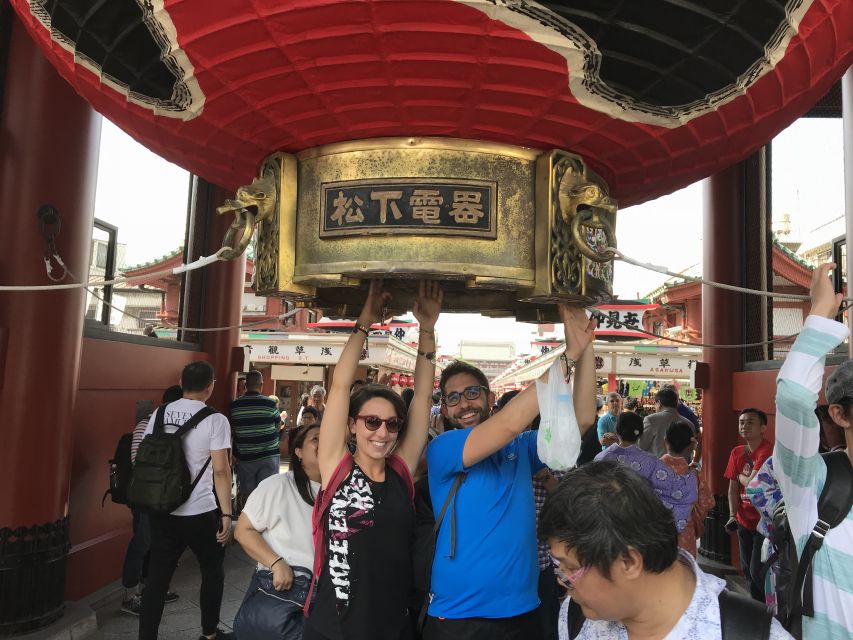
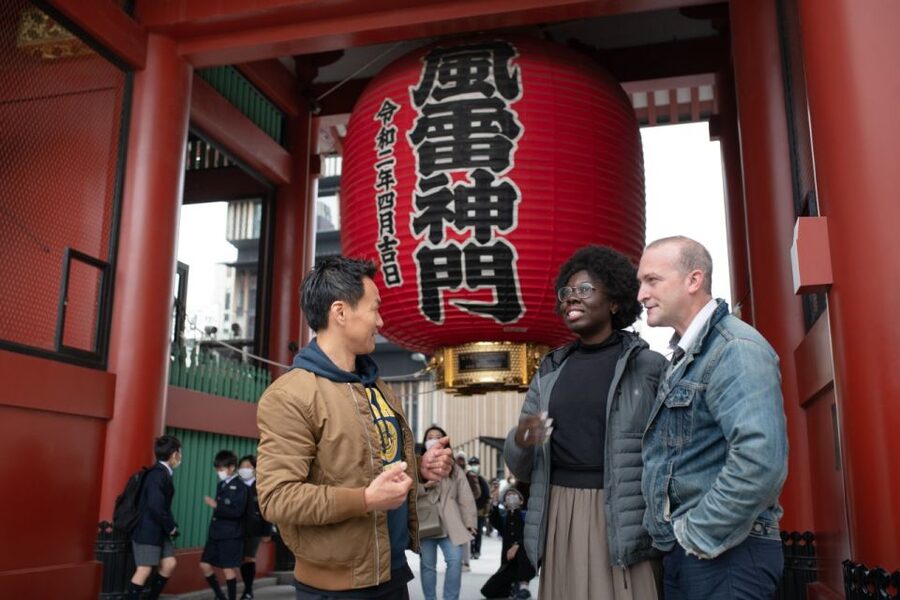
Asakusa is one of the clearest places to begin understanding Tokyo. Senso-ji brings together a major Buddhist temple, ritual customs, souvenir streets, and a sense of the city’s older character. Your host can explain what you are seeing rather than leaving you to guess at the meaning of each gate, incense ritual, or prayer.
This area works especially well for first-time visitors. You can ask how to behave at a shrine or temple, how to approach a purification fountain, and what details deserve your attention. Several guides have used Asakusa as an opening stop, and one short tour focused on Senso-ji and its surroundings before teaching the group how to use the subway.
The nearby streets also offer a good change of pace. You might browse traditional goods, look for snacks, or turn into a quieter lane. The exact stops depend on your host and interests, so do not book this expecting a guaranteed list of attractions.
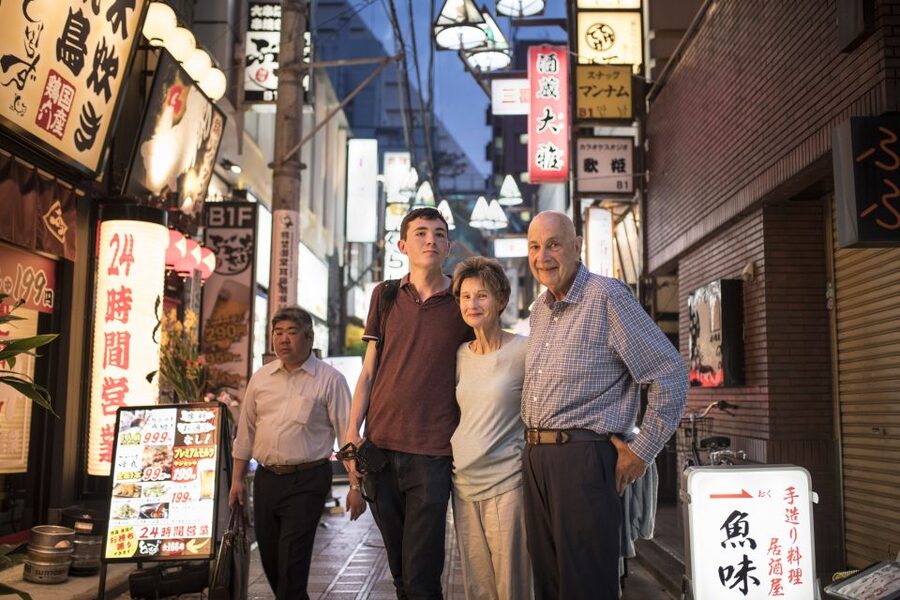
If you have children, Asakusa gives your host room to mix culture with food and browsing. A family group with children and grandparents had a host who adjusted the plan for both age groups. That flexibility is more useful than a fast march through a standard sightseeing route.
Markets, food stalls, and small lunch stops
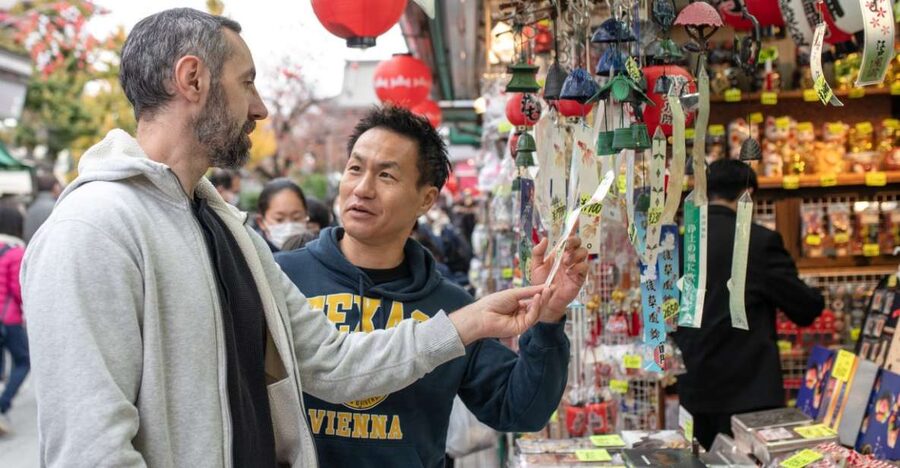
Food is one of the strongest reasons to choose a local host. Tokyo’s dining choices can feel endless, and a host can narrow them to the things you actually want to eat. You might taste yakitori, handmade mochi, fresh sushi, or a snack from a market stall.
Ameya-Yokocho, near Ueno, is a natural choice for an energetic market walk. It has food shops, small finds, and a nostalgic street feel. A host can help you understand what you are looking at and point out options that fit your appetite and budget.
The fish market area may also appear on a food-focused route. One custom day included the fish market, Ginza, Meiji Shrine, and Harajuku, with a small restaurant recommended for an especially memorable Japanese meal. Another host took a group to lunch at a place they would not have found alone.
Do remember that food is not included in the $95 price. That is useful rather than restrictive, since you choose what to buy and how much to spend. Ask your host before the walk if you have dietary needs, a tight budget, or a strong preference for sushi, noodles, sweets, or vegetarian food. The supplied details confirm direct planning, but they do not promise that every request can be met.
Akihabara for games, anime, and neon
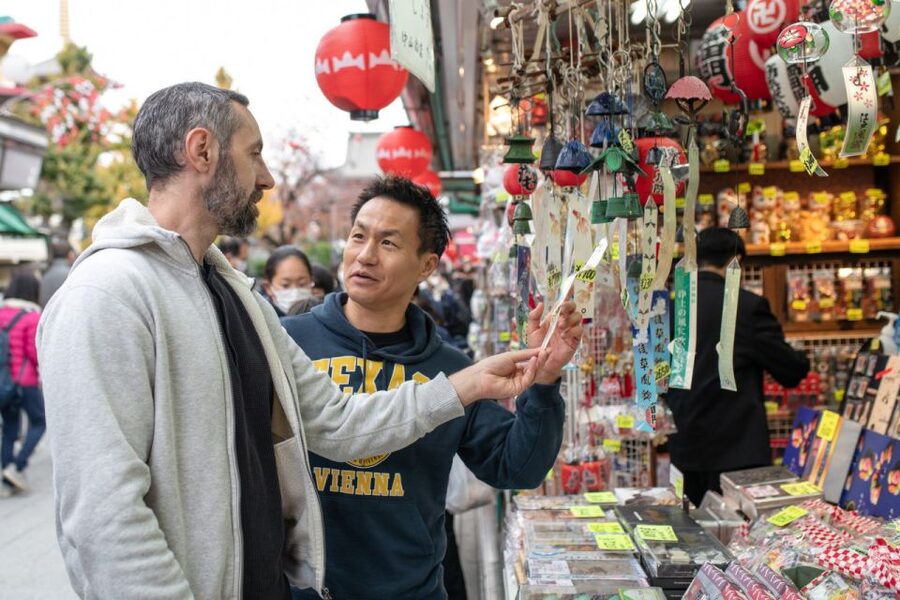
Akihabara changes the mood completely. Its gaming and anime culture gives you a look at a modern side of Tokyo that has little in common with temple districts. If you enjoy arcades, electronics, manga, or Japanese pop culture, tell your host clearly in the questionnaire.
A private guide is helpful here because the district can feel like a wall of signs and shops. Your host can help you focus on the parts that match your interests rather than spending your time wandering without a plan. You may also ask for an introduction to underground pop culture or less obvious corners of the area.
The tradeoff is simple: Akihabara is not a substitute for Tokyo’s historic districts. If this is your first and only day, tell your host how much culture, history, shopping, and modern entertainment you want. The point of the tour is not to follow one person’s favorite Tokyo. It is to build a day that suits you.
Harajuku, Meiji Shrine, and the backstreets
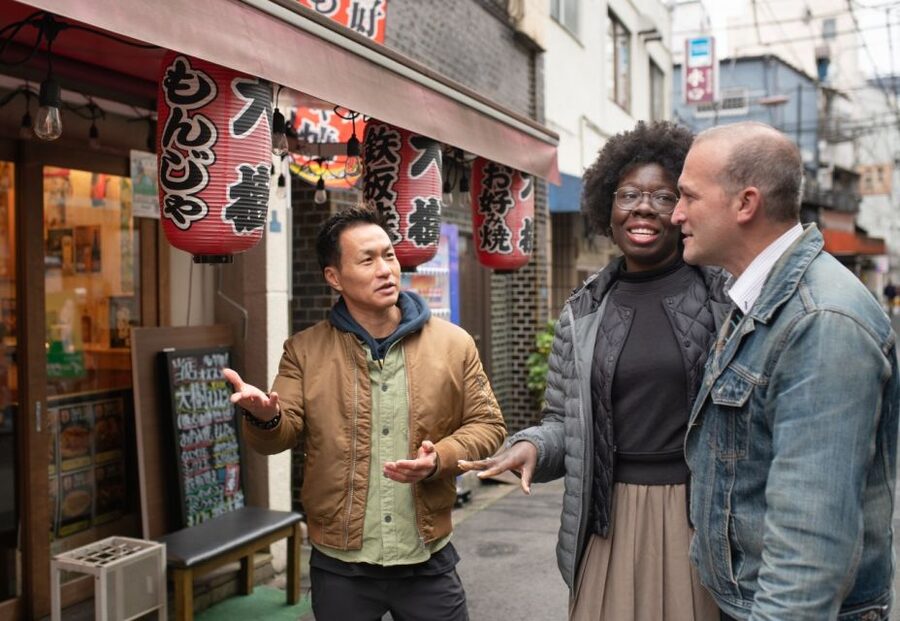
Harajuku gives you fashion, youth culture, unusual shops, and a different kind of people-watching. Its famous fashion street can be crowded, but the backstreets may offer a calmer and more personal route. Your host can adjust the amount of shopping depending on your group.
Meiji Shrine adds a quiet cultural stop nearby. That contrast is one of the best pairings in central Tokyo: one moment you are among fashion shops and colorful street activity, and soon after you are walking through a peaceful shrine setting.
A host can explain the customs that make a shrine visit more meaningful. You may also ask for help with language or translation. One visitor used the time to practice Japanese and ask for translations, which shows how this format can be more useful than a one-way lecture.
Families can benefit here too. A guide named Saya Christina helped a family with two young boys combine a shrine visit, Harajuku, a candy shop, and Shibuya Crossing. The lesson is practical: tell your host your children’s ages and interests before the day, so the route has enough variety.



Shibuya and the city’s high-energy side
Shibuya is an obvious Tokyo sight, but a private host can make it more than a quick photograph at the crossing. You can ask about the surrounding streets, shops, food, and views, then decide how much time to spend there.
One family ended a morning at Shibuya Crossing while watching a Mario Kart tour pass through. That is the sort of unscripted city moment a flexible walk can include, although no particular event or view is guaranteed.
Shibuya can also serve as a useful meeting point. The alternative to central hotel pickup is SHIBU HACHI BOX at 2 Chome-1-1 Dogenzaka, Shibuya City. Central Tokyo hotel pickup can be arranged, which is handy if you are still finding your bearings, but confirm the details with your host.
Because Shibuya connects easily to other districts, it can fit into a short or long tour. For three hours, you might combine it with Harajuku or a nearby cultural stop. For six hours, you may link it with Asakusa, a market, or another district, though train time will reduce time spent on foot.
What your host adds beyond sightseeing
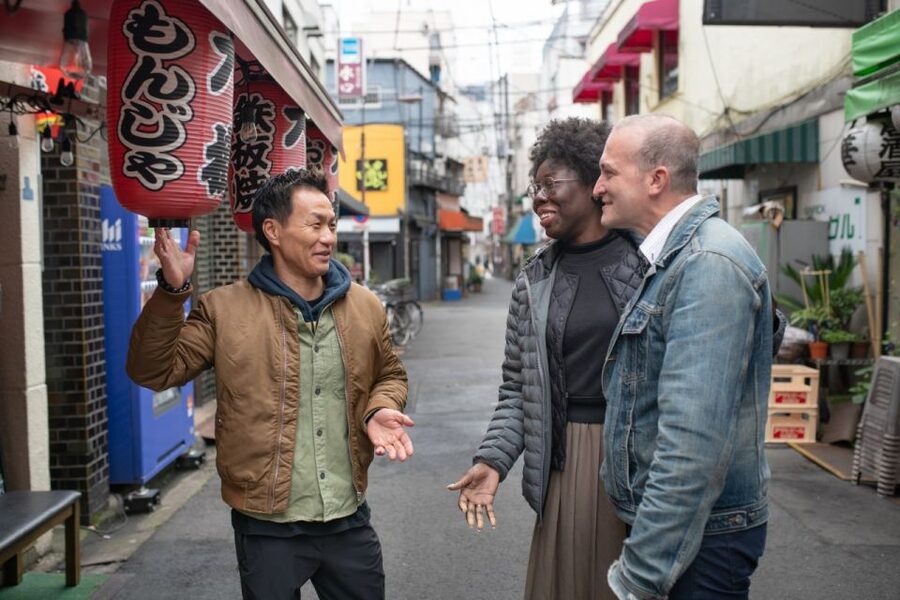
The best part of this experience is often not a famous place. It is the practical help between places. Tokyo’s train system is efficient but can be confusing, especially when you are handling luggage, a stroller, children, or a wheelchair.
A host named Mani helped a wheelchair user and companion understand train access, Japanese customs, and basic rules. He was also patient with questions and assisted with the chair beyond the scheduled time. This is encouraging, but you should still discuss your mobility needs before booking. The tour is a walking experience, and no private vehicle is included.
Other hosts have helped with shopping and shipping souvenirs. Megumi assisted a couple with purchases and a post office visit, while also guiding them through the fish market, Ginza, Meiji Shrine, and Harajuku. These errands can sound minor, but they are exactly the moments that remove friction from a first visit.
A host may also help you get back to your hotel after the tour. One host accompanied a parent traveling alone with a one-year-old until she was on her way back. Do not assume every host will extend the day, but direct communication makes it easier to discuss your needs.
Walking, trains, and the right length
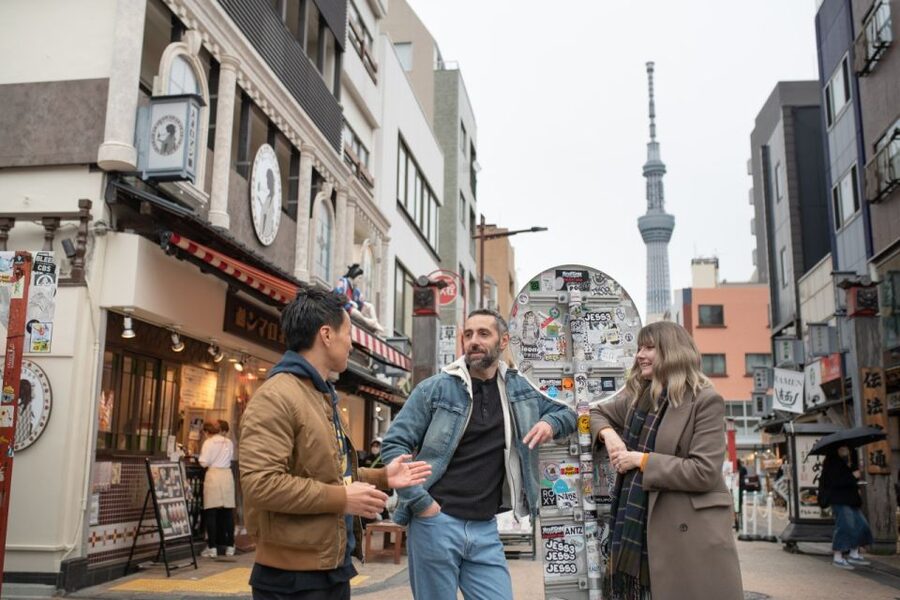
Choose the duration with your energy and priorities in mind.
- Three hours: Best for a first orientation, one main district, or a focused visit to Asakusa, Shibuya, or Harajuku.
- Four hours: A sensible middle choice for two nearby areas, plus time for train instruction, food, and questions.
- Six hours: Better for a full city introduction with several districts, though expect a long day on your feet.
- Eight hours: Suited to a broad custom plan, provided you are comfortable walking and paying for transport and meals.
Public transport or local taxis may be used between areas. Those costs are separate, so ask your host how much movement your proposed route requires. If you want to limit expenses, choose nearby districts and spend more time exploring each one.
Wear comfortable shoes and keep the schedule realistic. One six-hour outing took place on a holiday in cold weather, with the host adjusting the pace while covering the requested sights. That shows the value of a responsive guide, but it does not remove the physical demands of a long walk.
Who gets the best value from this tour
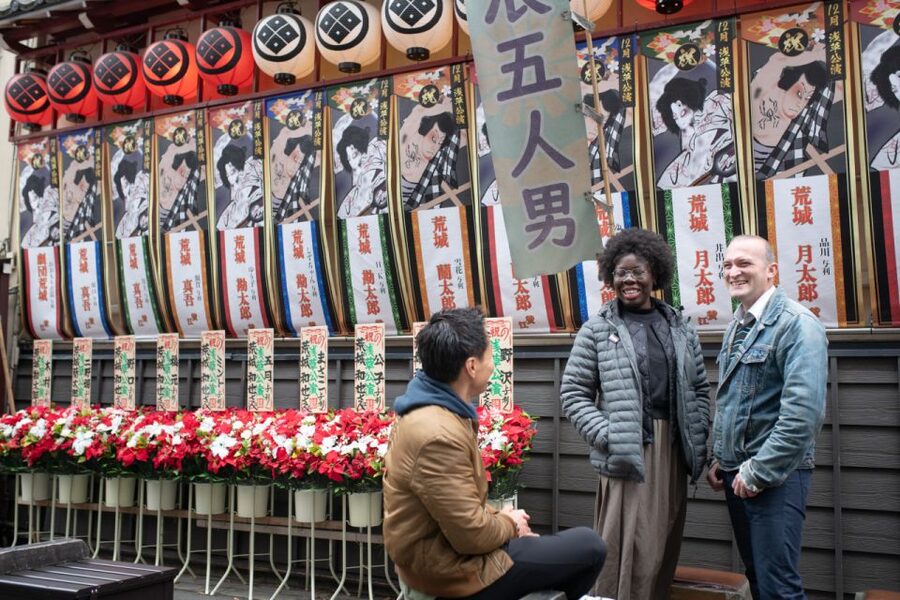
I would recommend this for first-time Tokyo visitors who want help getting oriented without joining a large group. It is also a strong fit if you have a clear interest, such as food, traditional culture, anime, shopping, art, or family-friendly sights.
It suits couples and families especially well because the route can reflect different needs. Parents can ask for shorter stops and child-friendly interests. Older visitors can request a slower pace. A person traveling alone can use the host for conversation, navigation, and confidence.
It may be less suitable if you want a formal lecture, a fixed checklist of major attractions, or a tour with all admissions and meals included. You also need to accept that the exact quality of the day depends on the host match and how clearly you explain your interests.
The host names in the feedback include Maruf, Tomo, Mani, Megumi, Ayaka, Shuto, Michael, Mari, Maya, and others. That range suggests a broad local-host network rather than one single guide with one set route. Your questionnaire is therefore important. Give useful details, not just a general request to see Tokyo.
Should you book the private Tokyo host experience?
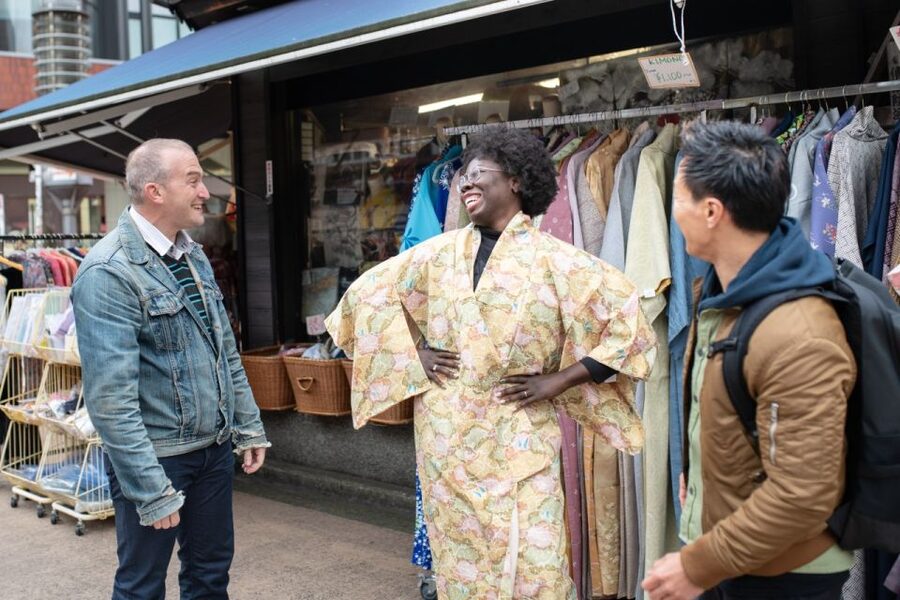
Book it if you want a flexible first look at Tokyo and value personal help more than a fixed itinerary. At $95 per person, it is easiest to justify for a private group that will use the host for more than photographs, especially if you want food advice, etiquette guidance, train practice, or a carefully chosen route.
I would choose four to six hours for most people. Three hours works for a focused introduction, while eight hours requires stamina and a willingness to pay for transport and food. Book early in your stay if possible, and use the questionnaire to name the places you already plan to visit so your host can fill the gaps.
Skip it if you prefer to explore entirely on your own or want one guaranteed attraction after another. For everyone else, this is a practical way to turn Tokyo’s size and complexity into a personal day that feels easier to manage.
FAQ
How much does the private Tokyo tour cost?
The listed price is $95 per person. Food, drinks, attraction tickets, and transportation costs are not included.
How long does the experience last?
You can choose a duration from 3 to 8 hours when booking. Starting times depend on availability.
Is this a private tour?
Yes. The experience is for a private group rather than a shared group.
Which languages are available?
The live tour guide can speak English or Japanese.
How is the itinerary customized?
You receive a questionnaire about your personality and interests. Your answers help match you with a like-minded host, who then communicates with you about the route and recommendations.
Can the host meet me at my hotel?
Hotel pickup can be arranged from any central Tokyo hotel. The alternative meeting point is SHIBU HACHI BOX in Shibuya.
Is transportation included?
No. The experience is a walking tour. Public transportation or local taxis may be used between locations, and those costs are extra.
Are food and attraction tickets included?
No. Any additional food, drinks, or attraction admission fees are paid separately unless specifically included in the experience.
Can I cancel the booking?
You can cancel up to 24 hours in advance for a full refund. You can also reserve now and pay later, subject to the booking terms.
More Private Tours in Tokyo

More tours in Tokyo we've reviewed











Private, compared.
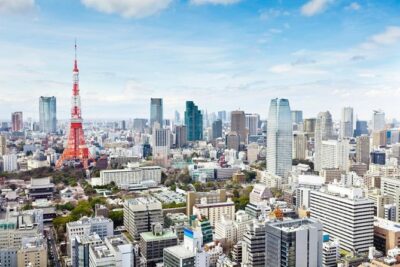 ★ 5.0Tokyo 6hr Private Tour with Government-Licensed GuideFrom $155
 ★ 5.0Private Tour to Mt. Fuji and Hakone (Fully Licenced Operator)From $497
 ★ 5.0Tokyo Customized Private Tour (Must See Places in 1 Day)From $145
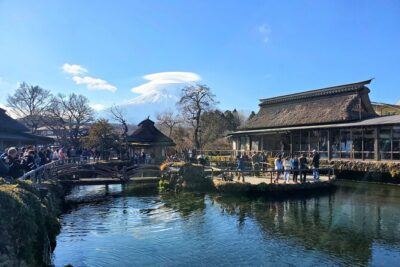 ★ 4.9Mount Fuji Full-Day Private Tour from Tokyo (Customizable)From $393
 ★ 4.8Tokyo: Private City Highlights Tour with Local GuideFrom $1064 - 8 hours
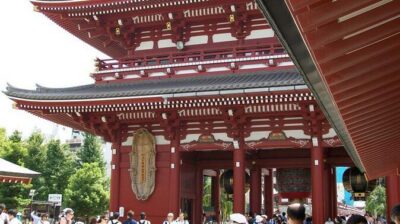 ★ 5.0Private Custom Tour: Tokyo in a DayFrom $159