
Reviewed · MT FUJI DAY TRIPS
Tokyo: Mt. Fuji & Lake Kawaguchi Instagram Full Day Trip
Mount Fuji is the star here, but the best part of this full-day photo trip is the variety of viewpoints. You will see the mountain from Chureito Pagoda, a quiet street in Fujiyoshida, clear spring pools at Oshino Hakkai, and the shores of Lake Kawaguchi. I like the mix of famous photo spots and smaller local stops, especially the spring-fed village and its tofu, soba, and kusamochi treats.
I also like that transport is handled for you from Tokyo, saving you the trouble of working out several train and bus connections. Guide Hikari has received especially warm praise for keeping the group cheerful and explaining the area well. The main drawback is the long day: up to five hours can be spent on the road, and Mount Fuji can vanish behind clouds even when the rest of the tour runs perfectly.
In This Review
- Key points at a glance
- Why this Mount Fuji day trip works
- Meeting at Tokyo Station without a morning scramble
- Arakurayama Sengen Park and the 397-step climb
- Fujiyoshida and the Hikawa Clock Shop
- Oshino Hakkai and the taste of Fuji snowmelt
- The LAWSON Lake Kawaguchi photo stop
- Oishi Park and the changing seasons at Lake Kawaguchi
- The long ride back to Tokyo
- What to bring and how to prepare
- Who should book this Fuji excursion?
- Should you book the Tokyo Mount Fuji full-day trip?
- FAQ
- Where does the tour meet in Tokyo?
- How long does the Mount Fuji day trip last?
- Which languages are available?
- Is food included in the tour price?
- What happens at Lake Kawaguchi during autumn?
- Can children under three join the tour?
Key points at a glance
- 397 steps to Chureito Pagoda: The climb is the price of admission for one of Japan’s most famous Mount Fuji views.
- Four different Fuji viewpoints: You get changing angles from Arakurayama, Fujiyoshida, Oshino Hakkai, and Lake Kawaguchi.
- Oshino Hakkai adds local flavor: Taste spring water and sample regional foods such as tofu with pickled miso and kusamochi.
- Seasonal finale: Oishi Park is the usual last stop, while the Maple Corridor replaces it from roughly October 30 to November 20.
- One vehicle, many stops: Roundtrip transport from Tokyo is included, in a vehicle ranging from a 10-seat van to a large 49-seat coach.
- Weather matters: Fuji may not be visible on a cloudy day, so book this for the full range of sights, not one photograph alone.
Why this Mount Fuji day trip works
At $61 per person, this is a practical way to reach several Fuji-area sights in one day. The price includes roundtrip transportation and a guide, but not meals, drinks, or entry tickets. Since the listed stops are mainly parks, streets, village areas, and viewpoints, extra admission costs should not be the main concern. Food purchases, however, are part of the fun, so bring some cash.
You leave from Tokyo Station’s Marunouchi North Exit and return there around 18:00 to 18:30, depending on traffic and weather. The advertised tour length is 10 hours, with the main sightseeing day wrapping up around 16:30. This is not a leisurely countryside stay. It is an efficient sweep through the most photogenic parts of the Fuji Five Lakes area.
I see the value in that trade. You avoid arranging separate transport, you can relax between stops, and you get a guide to keep the day moving. The cost is time on the road, with roughly 2.5 hours each way by coach. Peak-season traffic can push the schedule later, so I would not book an important dinner, theater show, or evening train immediately after the estimated return.
A few more Tokyo tours and experiences worth a look
Meeting at Tokyo Station without a morning scramble
The meeting point is near the Marunouchi North Exit, a central spot with good public transport links. A photograph of the exact meeting location and the guide’s phone number are sent by email one day before departure. Read that message carefully and save the image to your phone before leaving your hotel.
This detail matters. Tokyo Station can feel like a small city, and the station has many exits, underground passages, and large crowds. One April departure went badly for several people who struggled to identify the guide, received an incorrect phone number from a service desk, and spent time trying to locate the right bus. The tour itself continued well once the group was aboard, but the morning was unnecessarily stressful.
My advice is simple: arrive early, stand at the specified Marunouchi North Exit, and compare the meeting-point photo with what you see. Keep the guide’s contact number easy to reach. The departure vehicle may be a Toyota Hiace, a 14-seat vehicle, or a 49-seat coach, so do not expect one fixed bus type. Leave large luggage behind, since storage space is limited.
Arakurayama Sengen Park and the 397-step climb
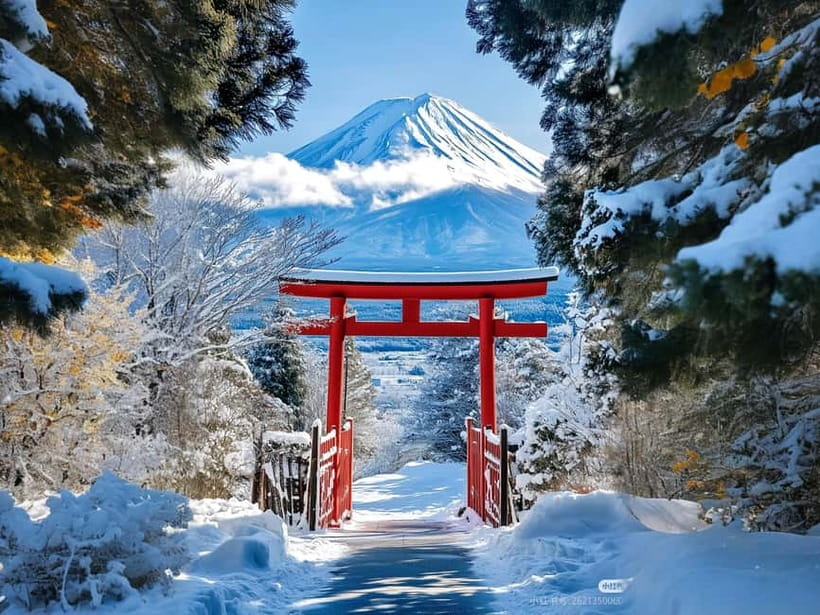
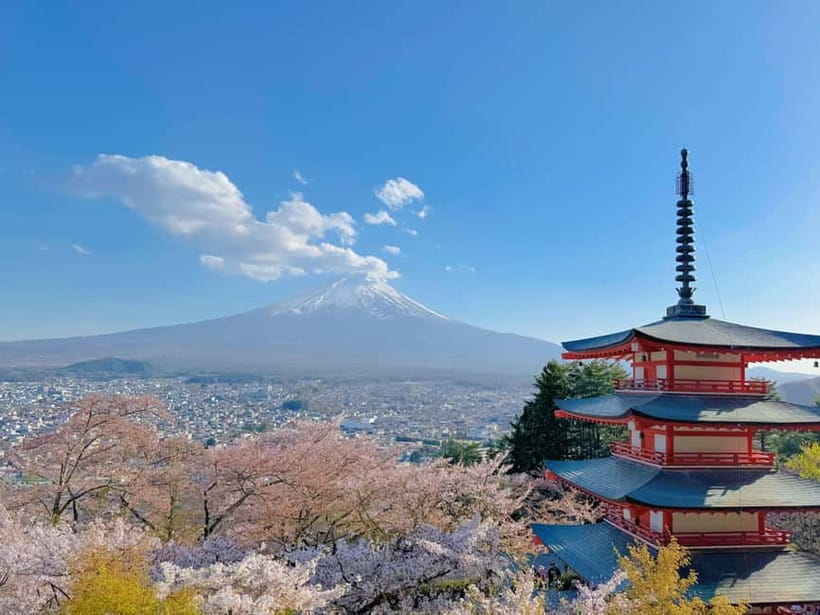
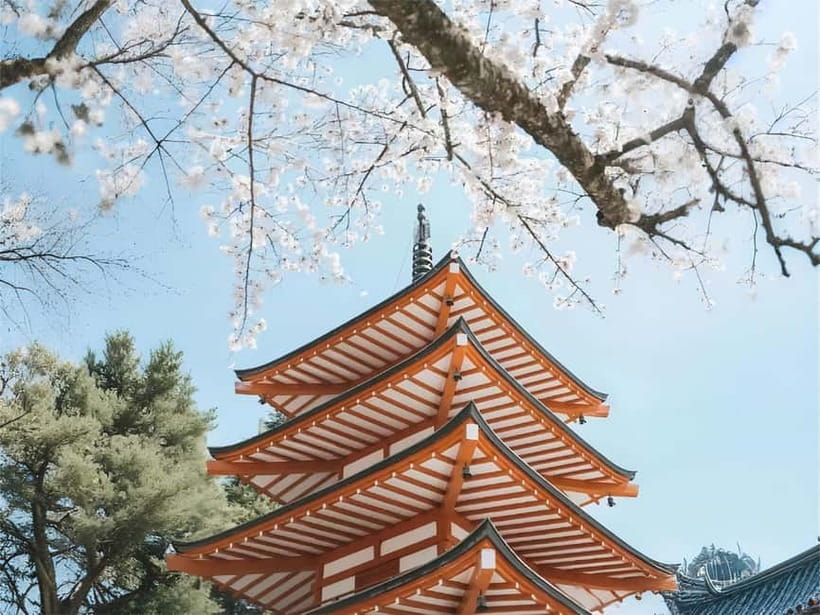
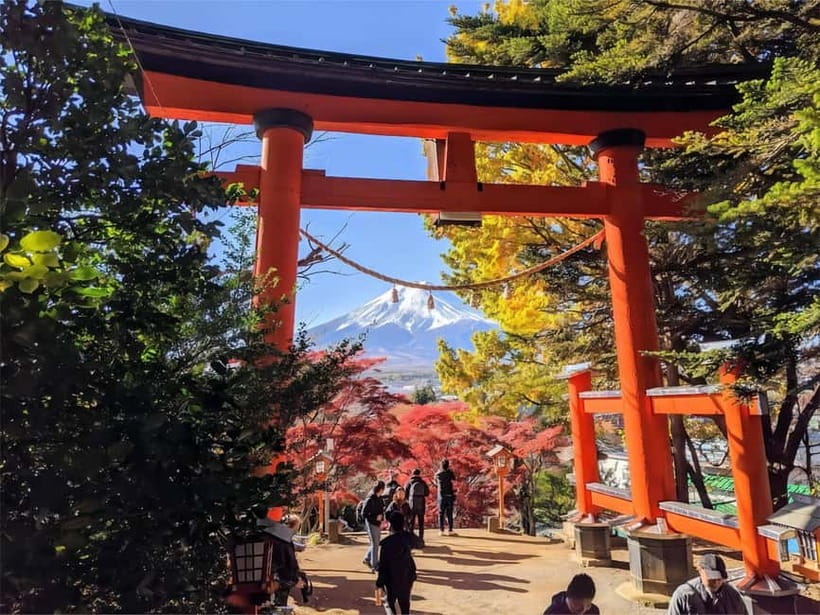
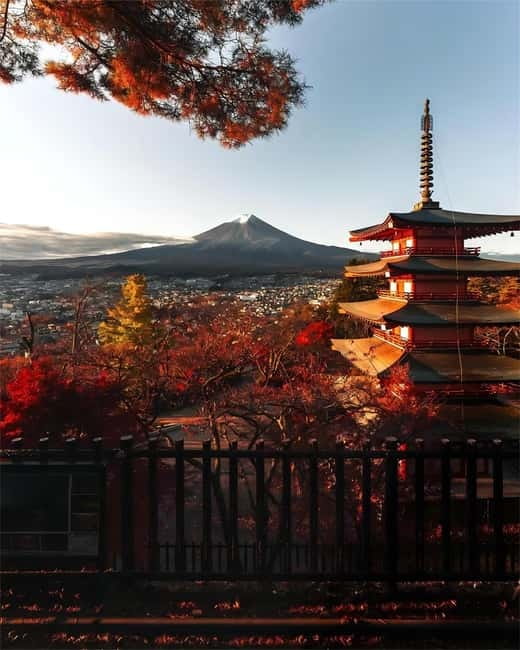
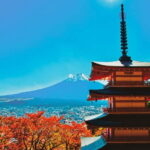
The first major stop is Arakurayama Sengen Park, home to the view that appears on countless Japan postcards. Reaching the best viewpoint means climbing 397 steps to Chureito Pagoda. The climb is manageable for many people, but it is still a real stair climb, especially early in a long sightseeing day.
The reward is a layered scene: the pagoda in the foreground, Fujiyoshida below, and Mount Fuji rising behind it. In spring, cherry blossoms can frame the view. Summer brings green foliage, autumn adds colored leaves, and winter can provide the clearest contrast between the red pagoda and snow on Fuji.
You have about an hour at the park, followed by around 30 minutes at the pagoda photo stop. That gives you time to climb, take pictures, and look around, but it is not unlimited. Wear shoes with a good grip and avoid filling your bag with unnecessary weight. If stairs are difficult for you, this is the stop to consider most carefully before booking.
Cloud cover is the gamble. A January tour had a cloudy day with no visible Fuji, yet guide Hikari kept the group in good spirits and shared information about the mountain and nearby places. That is a useful reminder: the pagoda is worth seeing on its own, but you should not judge the entire day by the weather at one viewpoint.
Fujiyoshida and the Hikawa Clock Shop
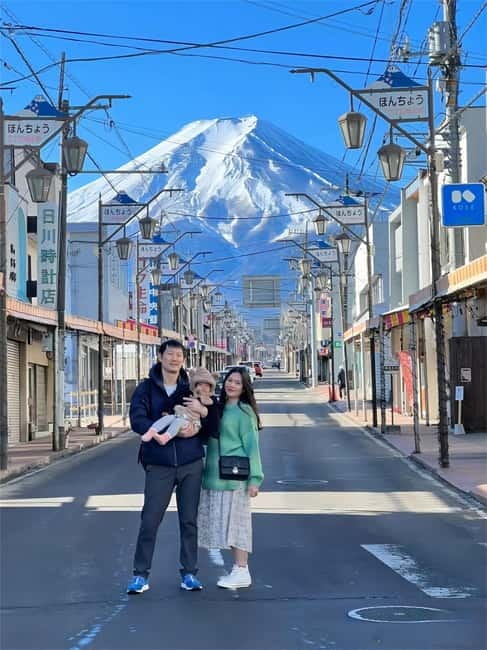
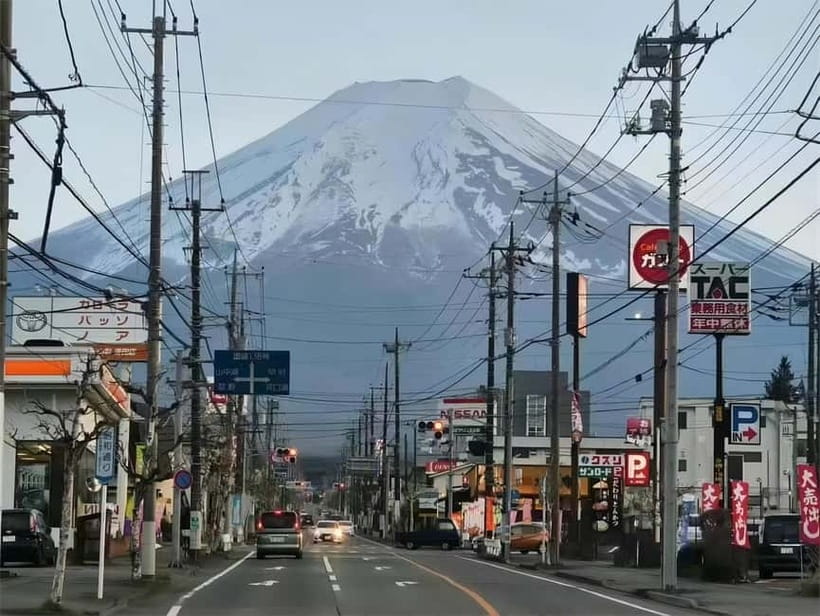
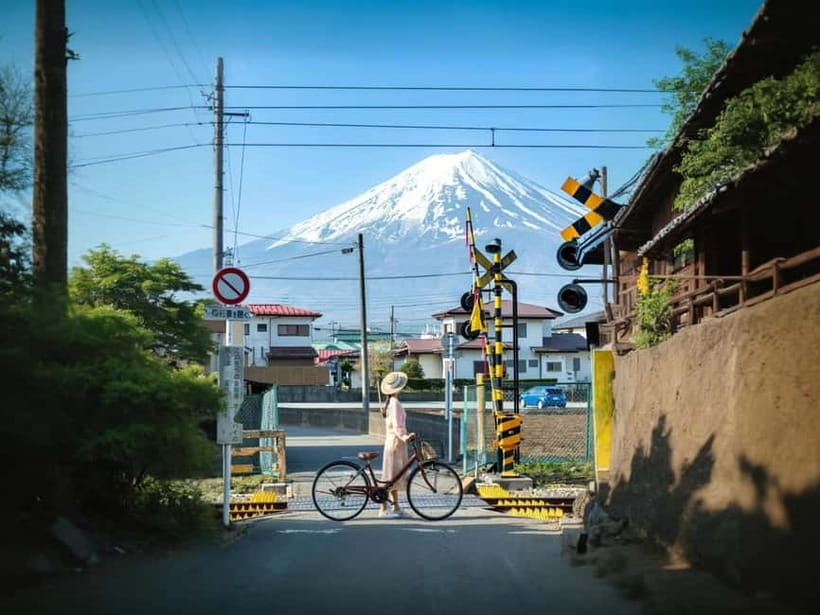
The next stop changes the mood. Near Mount Fuji’s base, the Hikawa Clock Shop sits along a quiet street often called Heavenly Town. The view is less grand than the pagoda scene but more intimate. The road appears to point toward Fuji, creating the carefully aligned photograph that made this location popular online.
You get about 20 minutes here for pictures and a short walk. That is enough for the main street view, though not enough for a long exploration of Fujiyoshida. The stop works best if you already know the photo you want, then spend the remaining minutes noticing the ordinary details of the town rather than chasing endless versions of the same image.
This is also a good place to remember that Mount Fuji is woven into daily life, not just presented from a formal lookout. Shops, roads, homes, and local streets all take their direction from the mountain. Keep the group’s timing in mind, since the bus cannot wait for an extended solo wander.
Oshino Hakkai and the taste of Fuji snowmelt
Oshino Hakkai is the most rewarding stop for anyone who wants more than a quick photograph. The village is known for eight clear ponds fed by snowmelt from Mount Fuji. The water is mineral-rich and remarkably clear, and you can sample the spring water during your visit.
You have about 80 minutes here, making it the longest stop of the day. Use that time to walk around the ponds, view Fuji reflected in the water when conditions allow, and browse the local food stalls. The atmosphere is calmer than the major city sights, with a sense of an old rural settlement shaped by water and the mountain.
Food is not included, but this is the ideal place to buy something local. Options named for the tour include tofu with pickled miso, kusamochi filled with sweet red bean paste, and soba noodles. These are small purchases, not a full arranged meal, so carry cash and do not rely on a card. Bring snacks too, especially if you prefer to control when and what you eat.
I would give Oshino Hakkai more attention than the quick convenience-store stop later in the day. The ponds offer the tour’s strongest connection to the natural setting, while the food gives you a taste of regional life. Keep in mind that the village can be busy, and the group must return to the vehicle at the appointed time.
A few more Tokyo tours and experiences worth a look

The LAWSON Lake Kawaguchi photo stop
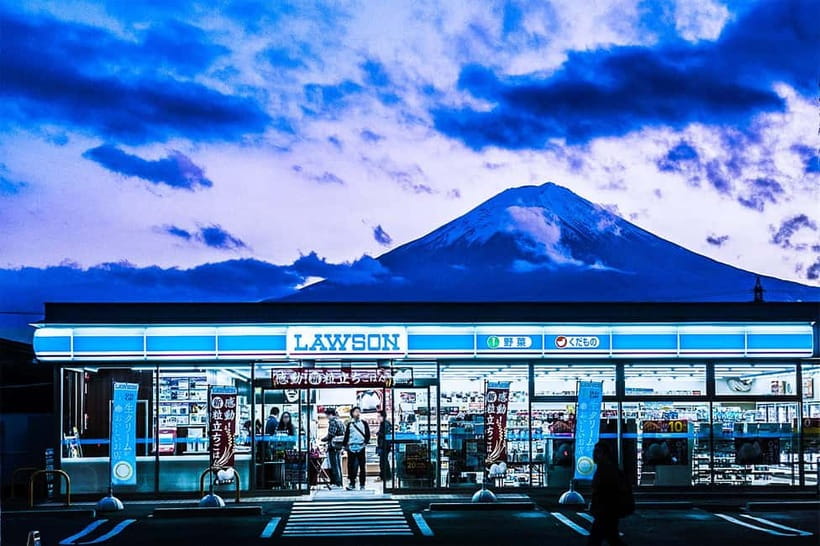
The LAWSON stop is short and deliberately modern. The convenience store has become an Instagram favorite because its sign and facade can frame Mount Fuji in the background. You get roughly 20 minutes to take the picture, buy a snack, or enjoy ice cream.
This is a fun contrast with Oshino Hakkai. One stop shows spring water, traditional sweets, and a village setting. The other turns an everyday Japanese convenience store into a Fuji photo composition. It is not a major cultural sight, and you should treat it as a quick photo break rather than a place to spend serious sightseeing time.
The stop also gives you a chance to buy a drink or snack, but remember that food and drinks are not allowed inside the tour vehicle. Finish anything you purchase before boarding, and keep the bus clean for the long ride back.
Oishi Park and the changing seasons at Lake Kawaguchi
The final major stop is Lake Kawaguchi, usually at Oishi Park. You have about 50 minutes to walk, take photographs, and enjoy the flower displays beside the lake. Depending on the season, you may see lavender, begonias, cosmos, or Japanese blood grass.
The appeal here is the broad view. After the close-up compositions at the pagoda, clock shop, and LAWSON, Oishi Park gives you open space, water, flowers, and Fuji in one frame. Ice cream is another small pleasure here, particularly if the weather is warm.
The exact final stop changes in autumn. From about October 30 to November 20, the tour visits the Kawaguchiko Maple Corridor instead of Oishi Park. You walk beneath trees in autumn color, with Mount Fuji views available nearby. The supplied schedule gives a seasonal window that reaches November 25 in one place, so check the confirmed departure details if your dates fall near the changeover.
This seasonal swap is sensible. Oishi Park is better for flower displays, while the Maple Corridor is the stronger choice during peak fall color. Weather still controls the Fuji view, but the seasonal foliage gives you something worthwhile even when clouds gather.
The long ride back to Tokyo
After the last stop, the return journey takes about 2.5 hours under normal conditions. Traffic around Tokyo and the Fuji area can change that estimate, especially during peak seasons. The tour is best for someone who values convenience more than a slow pace.
The vehicle size affects the feel of the day. A smaller Toyota Hiace or 14-seat vehicle may make boarding and roadside movement easier, while a 49-seat coach can mean a larger group and less personal space. The exact vehicle is not fixed, so pack lightly and expect the group size to vary.
The guide is an important part of this format. English and Chinese tours are available. Hikari is specifically noted for being engaging, attentive to the group, and able to keep spirits up when Fuji disappeared behind clouds. A good guide cannot change the weather or traffic, but can make a tightly timed day feel more manageable.
What to bring and how to prepare
Bring your passport, a charged smartphone, camera, water, snacks, and cash. The passport is listed among the required items, so do not leave it in your hotel safe without checking the tour instructions first.
Wear comfortable shoes for the 397 steps and the walking at Oshino Hakkai and Lake Kawaguchi. Pack for the season, since the day moves between open viewpoints, village streets, and the coach. Keep your bag small because luggage space is limited.
Food and drinks are not allowed in the vehicle. You can still bring snacks and water for the stops, but plan to consume them outside the coach. Children under three can join free without taking a seat. If your child is two or younger, notify the operator in advance so the booking can be recorded correctly.
Cancellation is flexible up to 24 hours before departure for a full refund, and you can reserve now and pay later. Those policies help if your Tokyo plans are still shifting, but they do not solve the main uncertainty: Fuji visibility. A clear forecast improves your odds, never guarantees them.
Who should book this Fuji excursion?
I would recommend this trip to a first-time Tokyo visitor who wants to see Mount Fuji without managing regional transport. It suits photographers, families who prefer an organized day, and anyone who wants several famous viewpoints in one outing. Oshino Hakkai also gives the tour enough local character to keep it from being only a sequence of city-style photo stops.
I would hesitate if you dislike early starts, stairs, fixed schedules, or long coach rides. It is also a poor fit if you need a guaranteed Fuji photograph. Even with good planning, clouds can hide the peak, as happened on Hikari’s January departure.
At $61, the strongest value is the combination of transport, guide service, and five distinct sightseeing areas. You pay with time and flexibility. If that exchange sounds fair, book it, arrive early at the Marunouchi North Exit, and treat the mountain as a bonus rather than the only reason to go.
Should you book the Tokyo Mount Fuji full-day trip?
Yes, if you want a straightforward, budget-friendly day from Tokyo that combines Chureito Pagoda, Oshino Hakkai, Fujiyoshida, and Lake Kawaguchi. The tour gives you a wide sample of the region, and the changing final stop keeps the plan tied to the season.
Book with care if your date falls during cherry blossom or autumn foliage periods. Traffic may delay the return, meeting the guide can be confusing without the advance photo, and Fuji may be hidden by clouds. Prepare for those limits and this is a useful way to see the mountain country without arranging every connection yourself.
FAQ
Where does the tour meet in Tokyo?
The meeting point is at Tokyo Station’s Marunouchi North Exit. A photograph showing the meeting location and the guide’s phone number are sent by email one day before the activity.
How long does the Mount Fuji day trip last?
The full activity lasts about 10 hours. The sightseeing portion ends around 16:30, with an estimated return to Tokyo between 18:00 and 18:30, subject to traffic and weather.
Which languages are available?
The tour offers live guides in English and Chinese.
Is food included in the tour price?
No. Food and drinks are not included. You can buy local items such as soba, tofu with pickled miso, kusamochi, snacks, and ice cream during the stops.
What happens at Lake Kawaguchi during autumn?
From approximately October 30 to November 20, the tour visits the Kawaguchiko Maple Corridor instead of Oishi Park to show the autumn colors. Outside that seasonal period, the usual stop is Oishi Park.
Can children under three join the tour?
Yes. Children under three can join free without occupying a seat. If your child is two years old or younger, inform the operator in advance so a special note can be added to the booking.
More 1-Day Tours in Tokyo



More Full-Day in Tokyo
More Mt Fuji Day Trips in Tokyo
More tours in Tokyo we've reviewed


Mt Fuji Day Trips, compared.
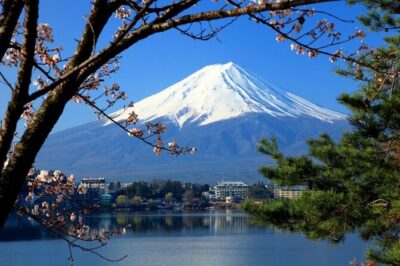 ★ 5.0Mt Fuji and Hakone 1-Day Bus Tour Return by Bullet TrainFrom $163
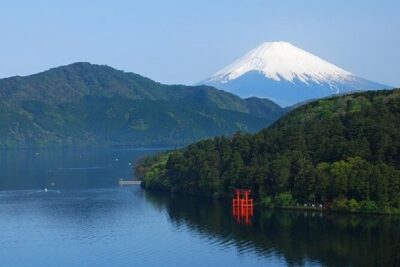 ★ 4.0Mt Fuji & Hakone Cruise, Drum Show Bullet Train 1 Day from TokyoFrom $149
 ★ 4.4Tokyo Mt Fuji 5th St & Hakone Cruise Bus Tour w/Bullet TrainFrom $15410 hours
 ★ 4.5From Tokyo: Mount Fuji Full-Day Sightseeing TripFrom $6810 hours
 ★ 4.7Tokyo: Mt. Fuji Tour, Hakone Ropeway, Owakudani, Lake AshiFrom $5410 hours
 ★ 4.4Tokyo:Mt.Fuji,Kawaguchiko Oishi Park,Arakurayama Sengen ParkFrom $5410 hours