
Reviewed · MORNING
Tokyo: Morning Sightseeing Bus Tour
Tokyo can feel impossible to grasp on a first visit. This 3.5-hour morning coach tour gives you a quick, organized look at Meiji Shrine, the Imperial Palace, and Asakusa, then leaves you in Asakusa with the rest of your day ahead. It is a good way to get your bearings without wrestling with several train lines before breakfast.
I like the contrast between the quiet forest around Meiji Shrine and the old shopping street at Asakusa. I also like the small matcha stop, since drinking Uji tea gives the morning a local flavor rather than turning the whole outing into a bus ride past buildings.
The tradeoff is time. Tokyo traffic can eat into sightseeing stops, and some people may find the visits rushed. You will also need to arrange your own way home from Asakusa, and lunch is not included.
In This Review
- Key points at a glance
- A useful first morning in Tokyo
- Meiji Shrine and the quiet side of Tokyo
- Harajuku, Omotesando, and the National Diet Building
- The Imperial Palace stop
- Akihabara, Ueno, and Kappa-Bashi from the coach
- Asakusa, Nakamise Avenue, and Sensō-ji
- The matcha stop adds a real taste of Japan
- What the $90 price really buys you
- How traffic and timing affect the morning
- Who will get the most from this tour?
- Booking advice and practical details
- Should you book the Tokyo morning coach tour?
- FAQ
- How long does the Tokyo morning sightseeing tour last?
- What time does the tour start?
- Where does the tour meet?
- Where does the tour finish?
- Is hotel pickup included?
- Which language is the live tour guide?
- Which languages are available for the audio guide?
- Is matcha included?
- Is lunch included?
- Can I cancel for a full refund?
Key points at a glance
- Start early at 8am: Choose the Robert Indiana Love sculpture in Shinjuku or the Ginza meeting point, depending on your booking.
- Meiji Shrine comes first: Walk through a forested Shinto shrine complex and learn the traditional way to worship.
- See Tokyo’s famous districts from the coach: The route passes Kabukicho, Harajuku, Omotesando, the National Diet Building, Akihabara, Ueno, and Kappa-Bashi.
- Matcha is part of the experience: Have Uji matcha, or choose matcha gelato or matcha beer when available.
- Finish at Sensō-ji: Shop along Nakamise Avenue, photograph Kaminari-mon Gate, and continue exploring Asakusa on your own.
- English-led with extra audio options: The live guide speaks English, while audio headsets are available in Spanish, French, Italian, German, Portuguese, and Ukrainian.
A useful first morning in Tokyo
This is a sightseeing sampler, not a deep visit to every district. You board a comfortable, air-conditioned coach in central Tokyo and cover a broad stretch of the city without changing trains or figuring out which exit to use at each station.
The tour begins at 8am. One listed meeting point is the Robert Indiana Love sculpture near Shinjuku, at 4-chōme-1-2 Ginza in the supplied meeting information. The meeting point can vary by booking option, so check your confirmation carefully rather than assuming every departure uses the same spot.
The early start helps. You have a better chance of making useful progress before the day gets too crowded, although Tokyo traffic remains unpredictable. The coach has Wi-Fi, regular ventilation, and antibacterial coating, useful touches on a morning when you may want to save energy for walking later.
Your English-speaking guide handles the live commentary. Guides named in individual experiences include Aoi, Angela, Taka, and Levin, though you should not assume a particular person will lead your departure. The guide quality is one of the strongest parts of this outing. Clear English, humor, and willingness to answer questions can make a major difference when the coach is moving quickly from one district to the next.
A few more Tokyo tours and experiences worth a look

Meiji Shrine and the quiet side of Tokyo
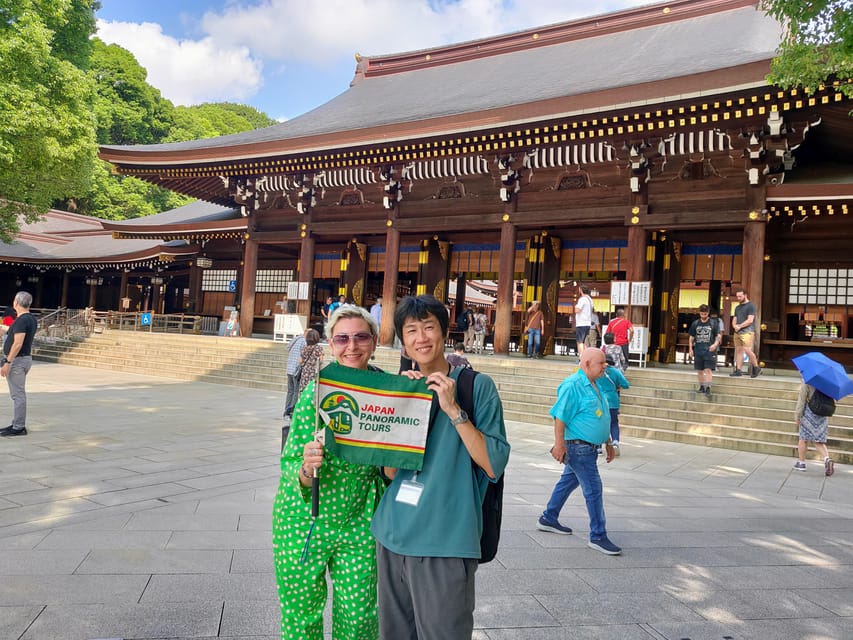
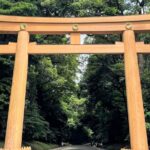
The first major stop is Meiji Jingu, usually called Meiji Shrine. Built in 1921 for Emperor Meiji, it sits in a large wooded area that feels far removed from the traffic and high-rises around it.
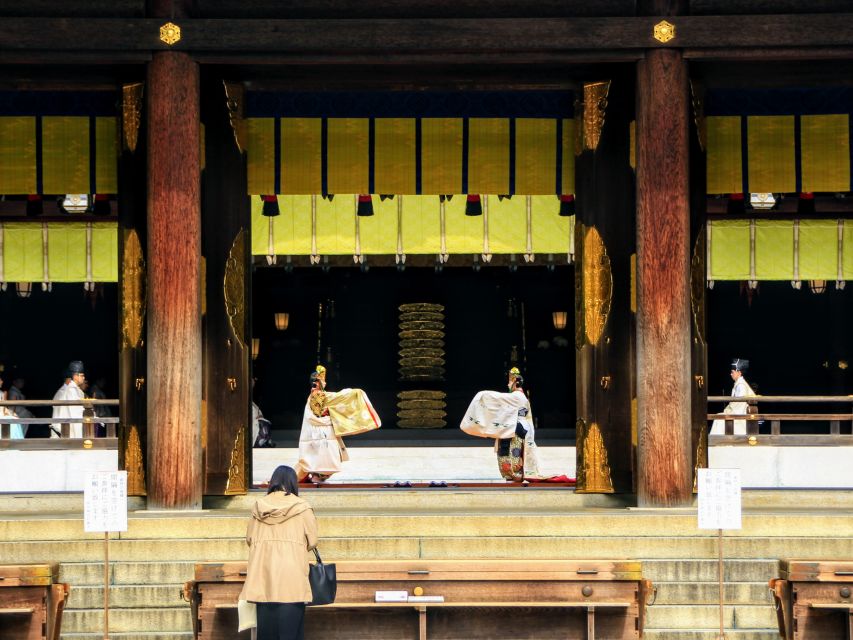
This is the right place to learn how a Shinto visit works. Your guide can show you the customary steps for approaching the shrine and offering a prayer. You are not simply looking at a pretty gate and taking a photo. You are being introduced to a living religious practice, so watch the people around you and follow the instructions with care.
Wear comfortable shoes. Even though the coach handles the long distances between districts, the shrine visit includes walking, and the wider tour includes time on shopping streets and around temple grounds.
The shrine is especially valuable early in the day because its calm atmosphere sets up a useful contrast with the commercial districts later. It also gives you a brief break from Tokyo’s visual overload. The downside is that the allotted time cannot cover every corner of the grounds. If Meiji Shrine is a top priority for you, return later for a slower visit.
Harajuku, Omotesando, and the National Diet Building
After Meiji Shrine, the coach passes Takeshita Avenue, the street most closely linked with Harajuku’s youth fashion and pop culture. You do not get a full shopping visit here, so think of this part as an introduction from the coach rather than a substitute for exploring Harajuku on foot.
The route also passes Omotesando, a more polished shopping district, and the National Diet Building, Japan’s parliament. Its symmetrical design dates from 1936, making it an easy building to recognize from the road.
These drive-by sections help you connect Tokyo’s districts. Harajuku, Omotesando, and the National Diet are not interchangeable parts of the city, and seeing them in sequence gives you a rough map in your head. Still, the value depends on the guide’s commentary and traffic conditions. One older experience praised the guides but wished for more explanation during the bus travel, so if you want constant narration, manage your expectations.
The Imperial Palace stop
The coach stops at the Imperial Palace area, the present residence of the Imperial family and the former site of Edo Castle. This is one of the tour’s most important history stops because it connects modern Tokyo with the city’s earlier political center.
Depending on conditions and the operating plan, you visit either the East Garden or Nijūbashi Bridge in the Outer Garden. The East Garden offers traditional Japanese garden scenery and a closer sense of the former castle grounds. Nijūbashi gives you a classic palace-area photo and a look at a historic structure.
The choice matters. If you have your heart set on one of these two places, understand that the tour does not promise both. The itinerary can also change because of traffic, weather, closures, or other operating needs. If a planned site is closed, the company says it will try to provide an alternative.
The palace stop is best for first-time visitors who want context rather than a long palace tour. You will not be entering a royal residence. Instead, you get a short visit to an important area and a chance to hear how the former castle site fits into Tokyo’s story.
Akihabara, Ueno, and Kappa-Bashi from the coach
The coach then passes through Akihabara, Tokyo’s famous center for anime, manga, games, and otaku culture. Like Harajuku, this is mainly a drive-by look. You can note the area and return later if electronics, arcades, or anime shops are high on your list.
The route continues through Ueno, known for Japan’s oldest park, and Kappa-Bashi market street. Kappa-Bashi is a fun detail that many broad city tours skip. Its shops sell kitchen goods, Japanese dishes, knives, restaurant supplies, and remarkably realistic plastic food displays.
This stretch shows how quickly Tokyo changes character. In a few minutes, you move from imperial grounds to pop culture and then to a commercial street built around professional cooking and restaurant equipment. The coach saves time, but you will not have the freedom to stop at a shop or browse the merchandise. Treat it as a preview.

Asakusa, Nakamise Avenue, and Sensō-ji
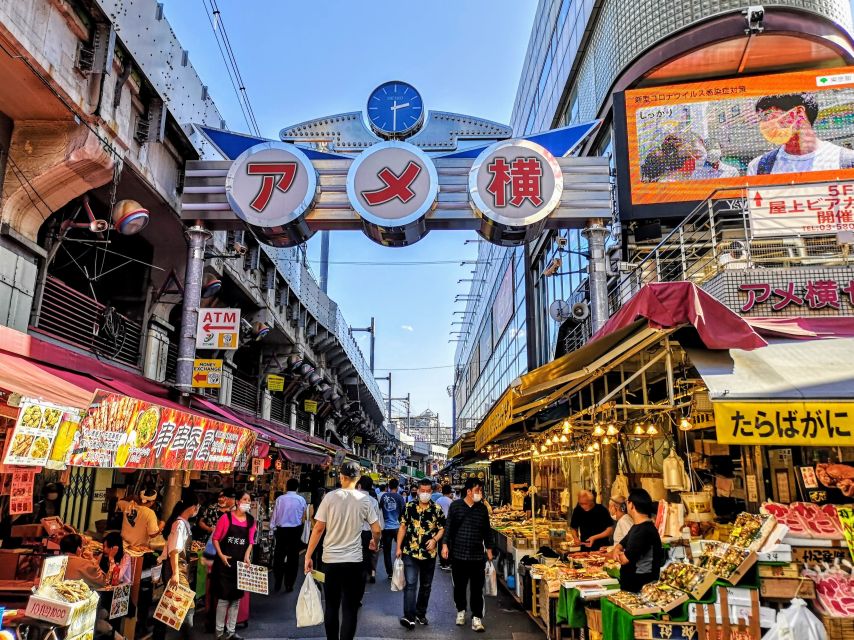
Asakusa is the main walking portion of the tour and the place where you finish. This is good planning. You reach one of Tokyo’s most rewarding sightseeing areas while the morning is still young, then you can choose your own pace after the organized part ends.
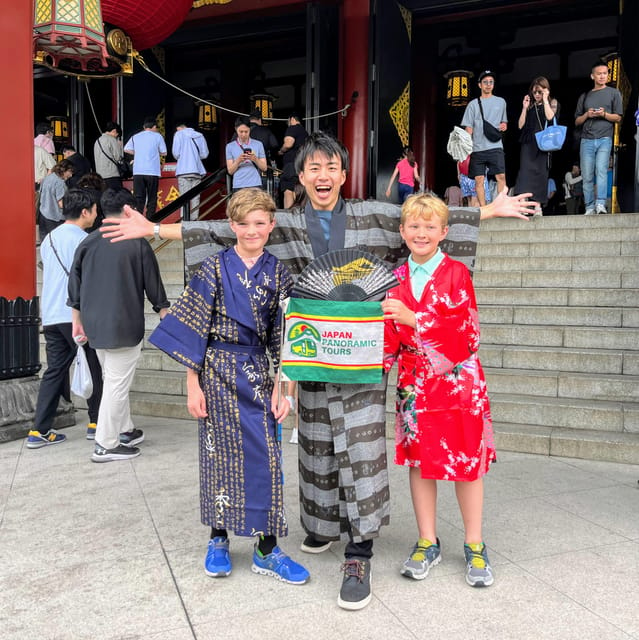
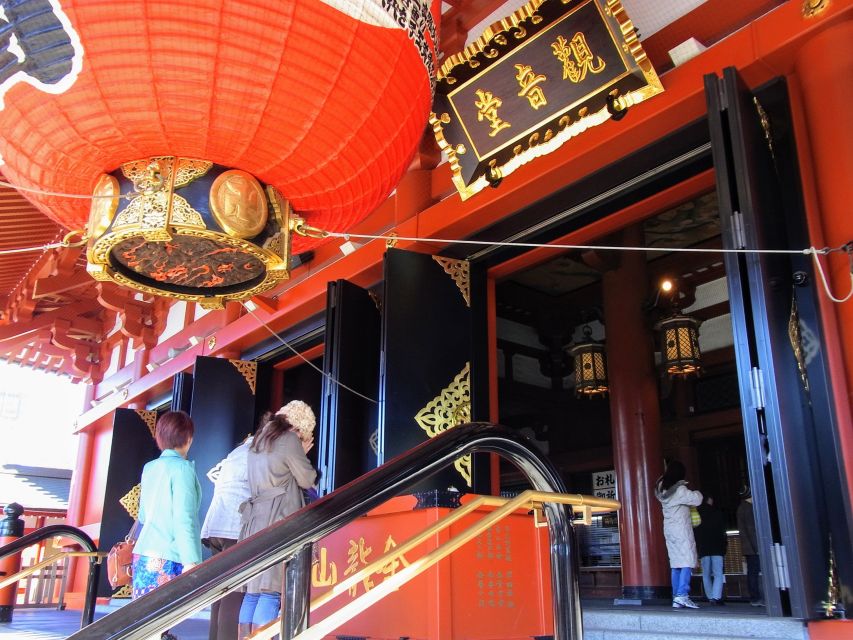
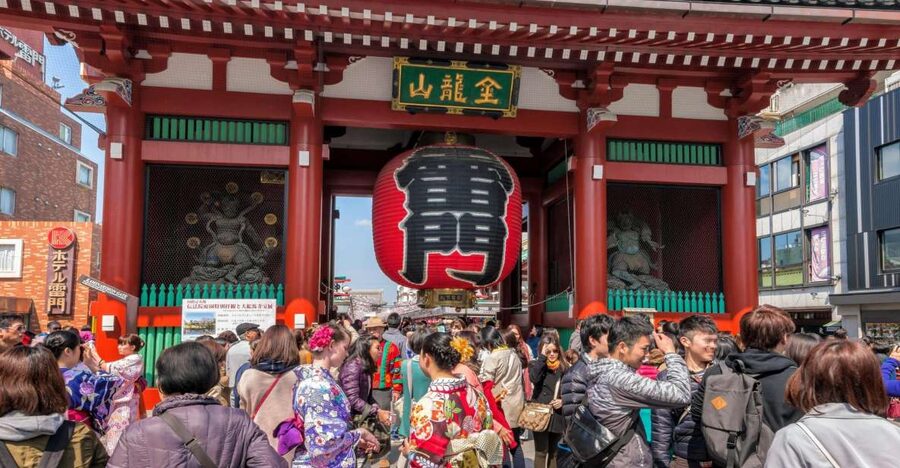
The centerpiece is Sensō-ji, Tokyo’s best-known Buddhist temple. The approach begins at Kaminari-mon Gate, marked by its enormous red lantern. It is one of the city’s essential photo stops, but do not stop only for the picture. Look down Nakamise Avenue as well, where shops sell snacks, souvenirs, crafts, and traditional-style goods.
You have time to shop along Nakamise and visit the temple area with guidance from the tour. After the official program ends, you can remain in Asakusa as long as you like. That makes the ending flexible: continue sightseeing, stop for lunch, browse nearby streets, or make your own way to another part of Tokyo.
The main limitation is that there is no additional drop-off service. You should plan to leave from Asakusa on your own. That is not a major problem for most visitors, but it matters if you have luggage, a fixed afternoon reservation, or a hotel far from central Tokyo.
The matcha stop adds a real taste of Japan
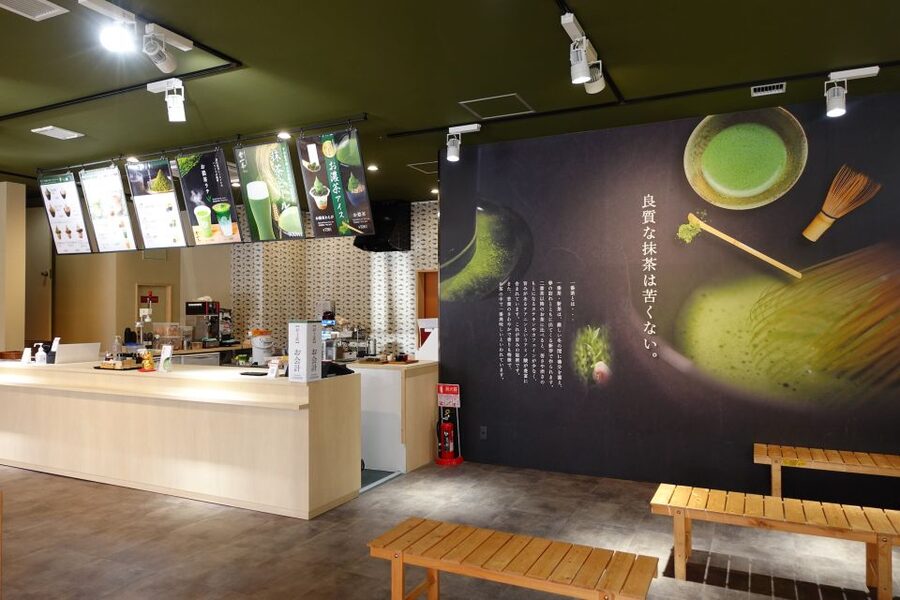
The matcha experience is more than a token drink. You are offered Uji matcha from Kyoto, made with first-flush tea known as ichibancha. The description specifically highlights a premium style presented as not bitter, which may appeal if you normally find powdered green tea too sharp.
Depending on the option and availability, you can choose a matcha drink or matcha gelato. Matcha beer is also listed as an option. The gelato received especially warm praise in one experience, but the exact choices can depend on the shop and the day.
There is one important date note: the matcha store is closed on May 14, when the operator plans to provide matcha souvenirs instead. If the tea tasting is a major reason for booking, keep that exception in mind.
The stop works well because it breaks up the sightseeing. You get a moment to sit or pause, try something associated with Japanese food culture, and then continue around Asakusa. Lunch is not included, so use the end of the tour to find a proper meal in the area.
What the $90 price really buys you
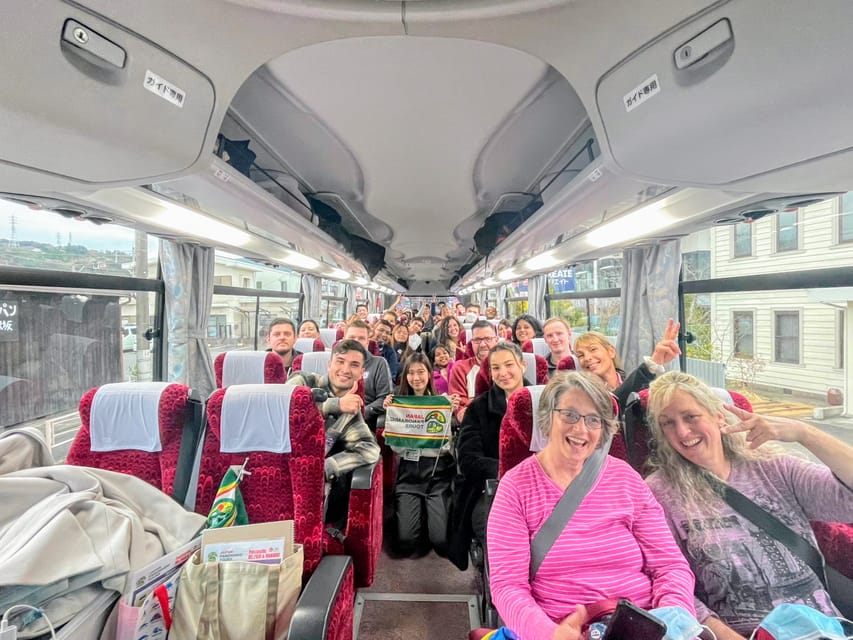
At $90 per person, this is not the cheapest way to see Tokyo. You are paying for the coach, the English-speaking guide, the planned route, Wi-Fi, the matcha or gelato, and the convenience of covering widely separated areas in one morning.
The value is strongest if you have only a short stay, are visiting Tokyo for the first time, or feel uneasy navigating the city on your own. One person with only 24 hours in Tokyo found this sort of half-day overview particularly useful. That makes sense: the coach lets you see several major areas before you decide where to spend more time.
The value is weaker if you already know Tokyo well or prefer slow, independent exploration. You could use trains and local buses for less money, then spend more time in each district. You would, however, need to handle directions, transfers, opening times, and route planning yourself.
I would also compare the tour with your hotel location. Pickup is offered from Ginza for the applicable option, but hotel pickup and hotel drop-off are not included. If reaching the meeting point takes a long cross-city trip, some of the convenience disappears.
How traffic and timing affect the morning
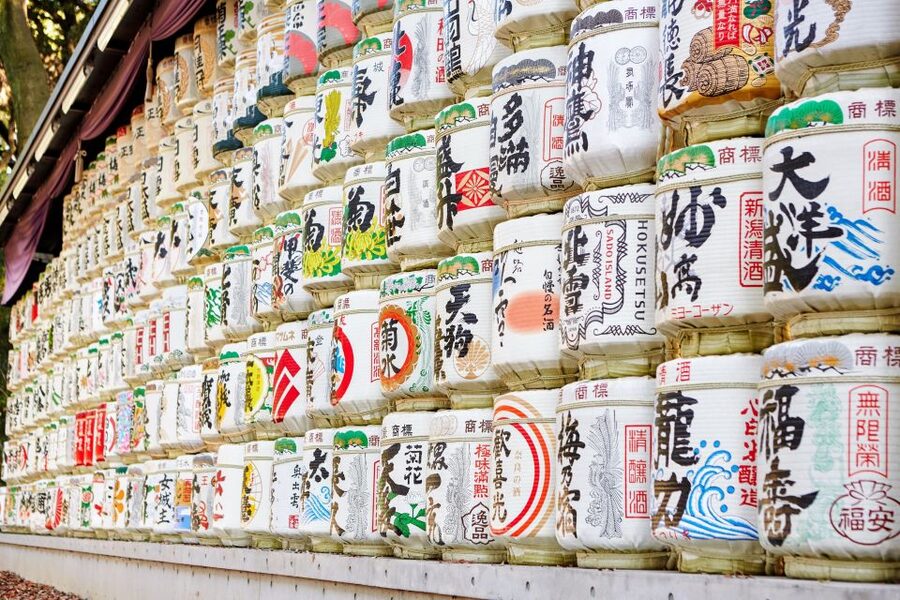
The full duration is 210 minutes, or three and a half hours. That sounds generous until you count the route: Meiji Shrine, the palace area, Asakusa, several drive-by districts, the matcha stop, and coach travel through central Tokyo.
Heavy traffic has caused rushed sightseeing at some stops in the past. You may have enough time for the key view and a few photos, but not enough for a long museum visit, extended shopping, or a relaxed meal. Keep your camera ready, listen for the guide’s instructions, and avoid planning another appointment too close to the stated finish.
The schedule can change. Traffic, weather, closures, or other operating reasons may alter the order. That flexibility is sensible in Tokyo, but it means you should not book this as a precise connection to a train, airport transfer, or timed attraction.
The coach makes the city easier to cover, but you still need to walk at each stop. Comfortable shoes are the one stated item to bring, and that advice is worth following.
Who will get the most from this tour?
I would choose this tour for:
- First-time Tokyo visitors who want a clear introduction to major districts.
- Short-stay visitors who need a useful city overview in one morning.
- Families or older visitors who prefer a coach between distant sights.
- People who want cultural guidance, especially at Meiji Shrine and during the matcha experience.
- Independent explorers who like a planned start, then want to continue alone in Asakusa.
I would be cautious if you want long visits at each site, constant commentary from the coach, or a fully independent schedule. The tour is also less useful if you have already spent time in Meiji Shrine, the Imperial Palace area, and Asakusa.
The multilingual audio guide helps if you do not speak English. Audio is available in French, Italian, Spanish, German, Portuguese, and Ukrainian, while the live tour guide speaks English. Headsets are included for the audio commentary.
Booking advice and practical details
Free cancellation is available up to 24 hours before departure for a full refund, and you can reserve now and pay later. Those options help if your Tokyo plans may shift, but you still need to check the exact meeting point attached to your selected departure.
If you made separate bookings for several people, provide the booking numbers and total party size before the tour. This helps the operator place your group together.
You are responsible for loading and unloading luggage from the coach trunk, including wheelchairs and strollers. The supplied information does not promise special handling, so plan to manage those items yourself.
The tour ends at Sensō-ji in Asakusa. There is no extra drop-off service, and lunch is not included. I would keep the rest of the day open for Asakusa, since the ending gives you freedom to eat and explore rather than sending you back across the city.
Should you book the Tokyo morning coach tour?
Book it if you want a friendly, English-led introduction to Tokyo and value seeing many famous areas without mastering the transport system on your first morning. The strongest reasons are the well-liked guides, the contrast between Meiji Shrine and Asakusa, and the chance to finish in one of the city’s most useful areas for independent sightseeing.
Skip it if you want a slow cultural visit or already have a carefully planned Tokyo itinerary. At $90, the tour earns its price through convenience, guidance, transport, and time saved, not through long stays at each landmark.
For most first-time visitors with three and a half hours to spare, I would consider it a solid orientation tour. Just wear good shoes, expect some traffic, and treat Asakusa as the beginning of your own afternoon rather than the final stop of your Tokyo day.
FAQ
How long does the Tokyo morning sightseeing tour last?
The tour lasts 210 minutes, or three and a half hours.
What time does the tour start?
The tour starts at 8am.
Where does the tour meet?
Starting options include the Robert Indiana Love sculpture in Shinjuku and a meeting point in Ginza. The exact location may vary according to the option you book.
Where does the tour finish?
The tour finishes at Sensō-ji in Asakusa.
Is hotel pickup included?
No. Hotel pickup and hotel drop-off are not included. Pickup from Ginza is included for the applicable option.
Which language is the live tour guide?
The live tour guide speaks English.
Which languages are available for the audio guide?
Audio guide options are Spanish, French, Italian, German, Portuguese, and Ukrainian.
Is matcha included?
Yes. The tour includes a matcha drink or matcha gelato. Matcha beer may also be available as an option.
Is lunch included?
No. Lunch is not included.
Can I cancel for a full refund?
Yes. You can cancel up to 24 hours in advance for a full refund. The activity also offers reserve now and pay later booking.
More Morning in Tokyo
More tours in Tokyo we've reviewed



Morning, compared.
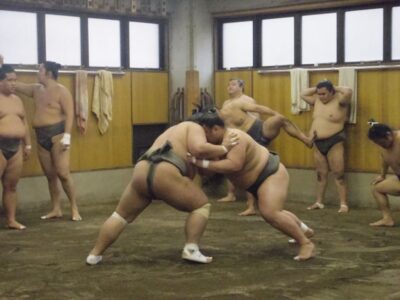 ★ 4.8Tokyo: Sumo Morning Practice Viewing TourFrom $8190 minutes - 2 hours
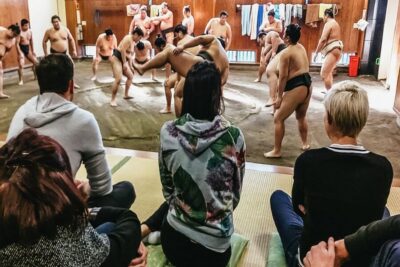 ★ 4.4Tokyo: Sumo Morning Training VisitFrom $771 hour
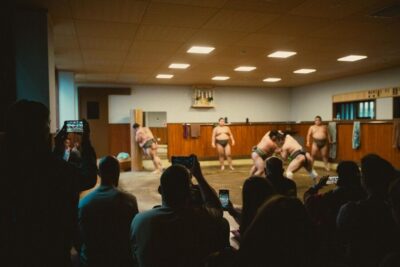 ★ 4.8Tokyo: Sumo Morning Practice Tour at Sumida CityFrom $1162 hours
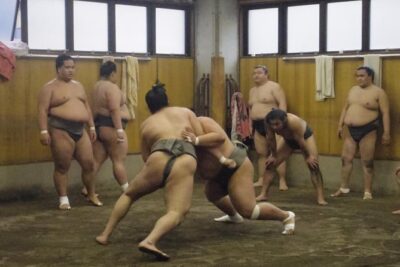 ★ 5.0Tokyo Sumo Morning Practice Tour at StableFrom $83
 ★ 4.5Tokyo Ryogoku Sumo Morning Practice + Photo Shoot with WrestlersFrom $98
 ★ 4.0Watch Sumo Morning Practice at Stable in TokyoFrom $95