
Reviewed · TOKYO FOOD TOURS
Tokyo Local Foodie Adventure near Roppongi
Azabujuban gives you a quieter side of Tokyo just minutes from the polished towers of Roppongi. On this three-hour private food walk, you sample five local snacks, visit Zenpukuji Temple, browse old-fashioned shops, and hear how the neighborhood connects to Sailor Moon creator Naoko Takeuchi.
I like the mix of small bites and local stories, especially since foods can include taiyaki, yakitori, mochi, and warm oden. I also like the personal scale: your group joins an English-speaking guide such as Ellen, rather than being folded into a large crowd. The main drawback is that the food choices change by day, so you cannot plan around one exact menu. The tour also depends on good weather.
In This Review
- Key points at a glance
- Why Azabujuban makes a smart food stop
- Starting at Oslo Coffee Japan at 2 p.m.
- Zenpukuji Temple and the neighborhood story
- Five snacks, one drink, and plenty of small discoveries
- Azabujuban Shotengai for old-style shopping
- How much value do you get for $68?
- Who will enjoy this three-hour walk
- Rain, timing, and other practical matters
- The guide makes the difference
- Should you book the Azabujuban food adventure?
- FAQ
- Where does the Tokyo Local Foodie Adventure begin?
- What time does the tour start?
- How long does the experience last?
- Where does the tour finish?
- What food and drinks are included?
- Is the tour private?
- Can I cancel for a full refund?
Key points at a glance
- Five Japanese snacks are included: Choices vary, but examples include taiyaki, yakitori, mochi, and oden.
- Azabujuban feels different from central Tokyo: You get a neighborhood food walk near Roppongi without spending the whole afternoon among major sights.
- Zenpukuji Temple adds cultural context: About 45 minutes are set aside for stories about the area and its important sites.
- One drink comes with the sweets: Choose coffee or tea, plus one alcoholic drink if you are at least 20 years old.
- Sailor Moon fans get an extra reason to come: The walk includes real-life places connected with the setting that inspired Naoko Takeuchi.
- It is a private activity: Only your own group participates, and the walk begins and ends at Oslo Coffee Japan.
Why Azabujuban makes a smart food stop
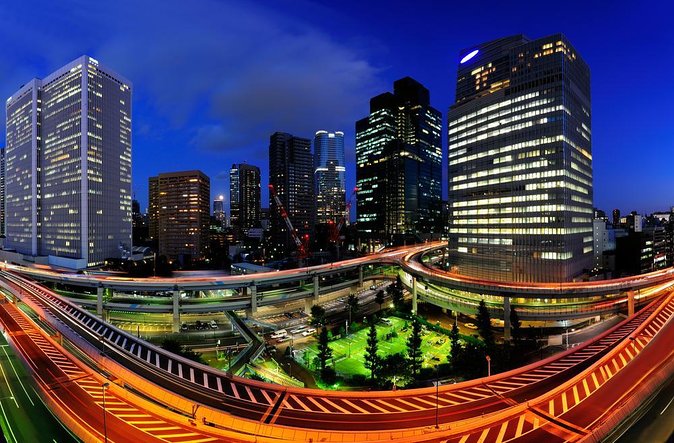
Roppongi is famous for museums, nightlife, and tall modern buildings. Azabujuban, just nearby, gives you a different view of Tokyo. Its streets lead you toward traditional food shops, small stores, temples, and the everyday side of Minato City.
That contrast is the reason I find this tour useful. You do not have to choose between seeing a famous part of Tokyo and finding a more local-feeling neighborhood. The meeting point is at Oslo Coffee Japan on Azabujuban Street, and the route stays in this part of town rather than sending you across Tokyo.
The experience is built around tasting rather than sitting down to one large meal. That matters in Japan, where a snack can tell you plenty about local habits, ingredients, and shop traditions. A small taiyaki, a skewer of yakitori, or a piece of mochi lets you try several styles without committing to a full plate of something unfamiliar.
You should arrive ready to sample foods you may not normally order for yourself. One of the strengths of the walk is its willingness to put you slightly outside your comfort zone, but the five portions are likely to be modest enough that the experience remains manageable.
A few more Tokyo tours and experiences worth a look
Starting at Oslo Coffee Japan at 2 p.m.
The tour starts at 2 p.m. at Oslo Coffee Japan, located at 2-chome-1-8 Azabujuban, Minato City, in the Grande Maison Azabujubankan building. The activity ends back at the same meeting point, which makes the logistics simple if you are planning dinner, shopping, or an evening visit to Roppongi afterward.
An afternoon start works well for this kind of food walk. You can have a light lunch first, then use the snacks as a bridge toward dinner. If you eat a heavy meal just before meeting the guide, you may have less room for the range of tastes that makes the outing worthwhile.
The tour is near public transportation, though the supplied details do not specify a particular station or route. Check your route before leaving and allow extra time to locate the coffee shop. Tokyo addresses can be precise but still take a moment to match with a building entrance.
The activity is private, so only your group takes part. That is a real advantage if you want to ask questions, move at a comfortable pace, or explain food preferences to the guide. It also means the $68 price is paying for a more personal outing, not simply a seat in a large group.
Zenpukuji Temple and the neighborhood story
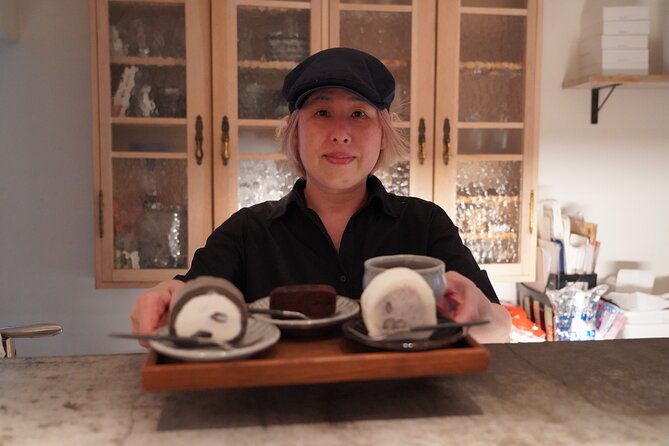
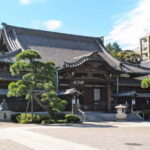
The first major stop is Zenpukuji Temple, with about 45 minutes set aside for the visit. Admission is included at no extra cost, and the value here comes from the guide’s explanation rather than from a ticketed attraction.
A temple stop gives the food walk some shape. You begin with the cultural setting of Azabujuban, then move into the shops and street food that make the neighborhood appealing today. The guides explain the history and stories tied to important cultural spots around town, so you are not simply walking from one snack counter to another.
You should not think of this as a long temple tour with a formal religious program. The schedule allows less than an hour, and the larger focus remains food and neighborhood exploration. That balance suits you if you want some cultural background but do not want to spend an entire afternoon inside museums or temple grounds.
The stop also helps you notice how Tokyo layers old and new. Modern Roppongi is close by, yet Azabujuban retains a slower, more traditional character. Your guide can point out the connections between the places you see and the town’s past, giving the later food stops more meaning.
Five snacks, one drink, and plenty of small discoveries
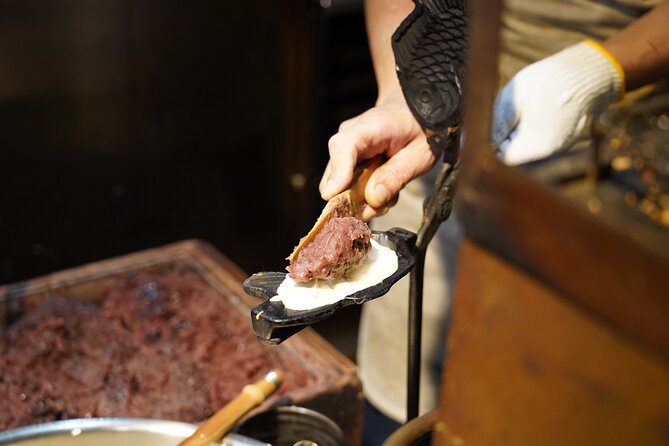
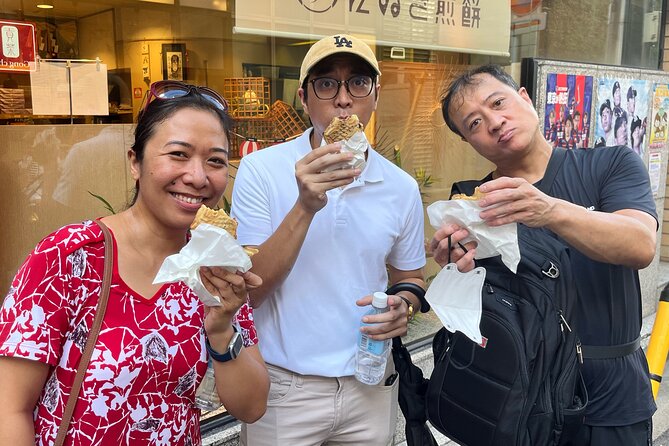
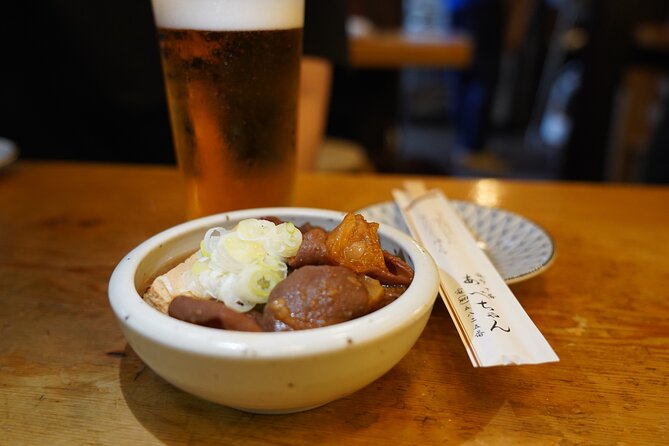
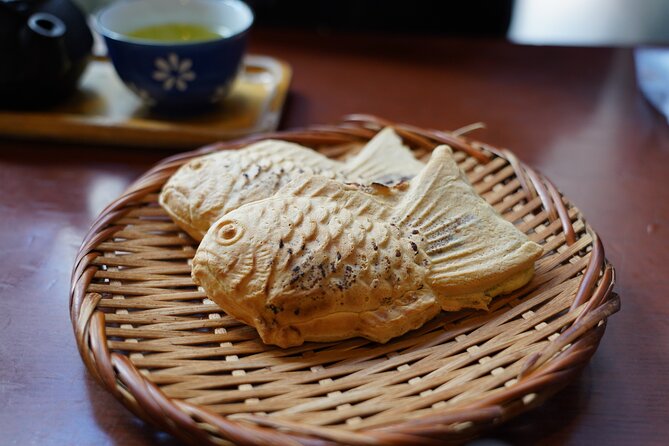
The central food portion lasts about 90 minutes. You receive five local Japanese snacks, with choices changing according to the day. The examples include taiyaki, yakitori, mochi, and oden, along with other local specialties.
That changing menu is both a strength and a limitation. It keeps the walk tied to what is available and appealing on a particular day, rather than promising the same fixed selection in every season. On the other hand, you cannot book this experience expecting a guaranteed serving of every item named in the description.
Here is what the sample foods suggest about the outing:
- Taiyaki: A familiar Japanese street snack, often shaped like a fish. It gives you a sweet stop during the walk.
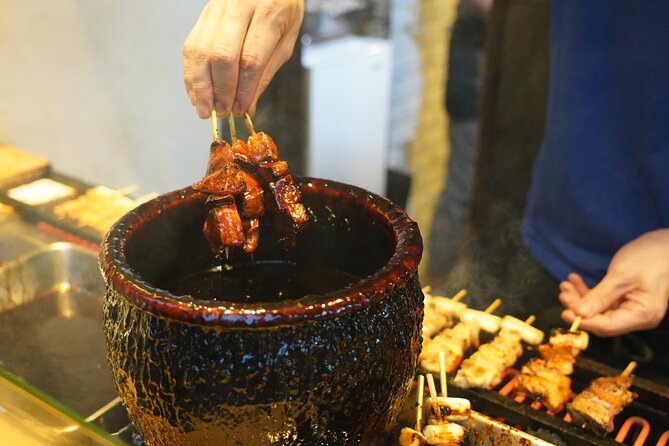
- Yakitori: Grilled chicken on a skewer, a classic casual food that shows the savory side of Japanese snacking.
- Mochi: Chewy rice-cake sweets with a distinctive texture. If you have never tried mochi, take a small bite and give yourself time to appreciate the chew.
- Oden: Warm, comforting food that can be especially welcome on a cool day. It adds a soft, savory contrast to sweets and grilled items.
The food is not presented as one giant tasting platter. You move around the neighborhood and encounter different foods in their local setting. That makes the experience more memorable than simply ordering a sampler at a restaurant, though it also means the pace includes walking, stopping, and listening.
A coffee or tea pairing with Japanese sweets is included. You also receive one alcoholic drink if you are 20 or older. The details do not specify the exact beverage, so ask the guide what is available that day if the drink matters to your decision. Additional food and drinks cost extra.
I like the way this format encourages curiosity. You can ask what an item is, how it is made, and why it matters locally while the taste is still fresh. The guides speak English, and the shopkeepers are described as kind and welcoming, even in difficult weather.
Azabujuban Shotengai for old-style shopping
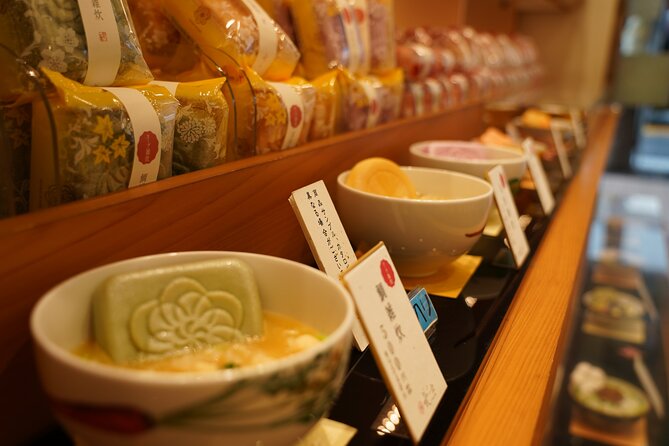
The final part of the walk spends about 45 minutes in Azabujuban Shotengai, the neighborhood shopping street. This is where the food experience broadens into a look at Japanese gifts and traditional goods.
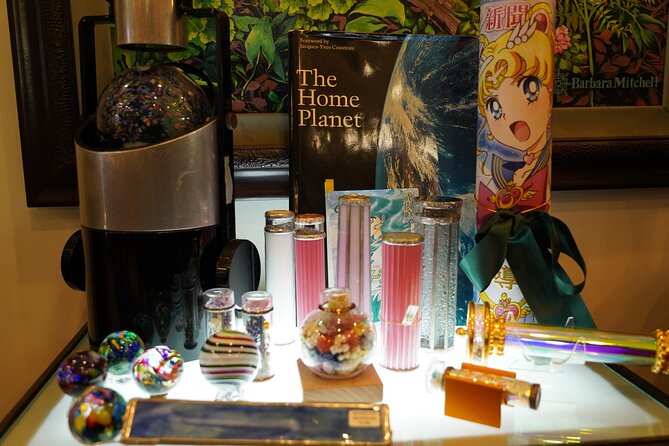
You might find monaka, delicate wafers associated with Japanese sweets, as well as Japanese kaleidoscopes and tenugui. A tenugui is a traditional Japanese cloth used for wrapping or cleaning, and it makes a practical souvenir because it is light, useful, and easy to pack.
The area also has vintage shops. That gives you a chance to browse rather than simply take photographs and leave. You may find something more personal here than the standard airport souvenir, though the tour does not include personal purchases.
This shopping segment is short enough to keep the outing focused, but long enough to point out the kinds of stores you might otherwise walk past. If you enjoy buying small gifts for friends, the guide can help explain what you are looking at. Keep in mind that your own shopping budget is not included in the $68 price.
The route also includes places connected to Sailor Moon. Manga creator Naoko Takeuchi drew on real-life locations in the area when creating the setting, giving fans a playful extra layer to the walk. You do not need to be a Sailor Moon fan to enjoy Azabujuban, but fans will have a specific reason to look more closely at the streets and landmarks.
A few more Tokyo tours and experiences worth a look


How much value do you get for $68?
At $68 per person, this is not the cheapest way to grab Japanese snacks. You could certainly spend less by choosing a few items yourself from shops and convenience stores. The price becomes easier to justify if you value the guide, the private format, the cultural explanation, and the chance to try several foods without planning the route yourself.
You are paying for about three hours, five snacks, coffee or tea with Japanese sweets, and one alcoholic drink for eligible adults. You also get photos taken during the tour, an English-speaking guide, and a planned visit to Zenpukuji Temple and the shopping street.
The private format is important here. If you are traveling as a couple, family, or small group, you can share one experience without strangers setting the pace. The cost may feel high for one person, but it can offer better value when the group wants a relaxed, personal outing.
I would compare this tour with your food plans for the day. If you already have a reservation at a famous restaurant and want to save room for it, five snacks and a drink may be more food than you need. If you want a guided introduction to a neighborhood you would not easily discover on your own, the price is more reasonable.
Because the food varies, book this for the overall experience rather than for one must-try dish. That is the honest way to judge the value.
Who will enjoy this three-hour walk
This tour suits you best if you want food, light sightseeing, and conversation in one compact outing. It is a particularly good match for:
- First-time visitors to Tokyo who want a guided introduction to a less obvious neighborhood near Roppongi.
- Food-focused couples and families who enjoy trying several small items instead of eating one formal meal.
- Sailor Moon fans who want to connect the fictional world with real places in Tokyo.
- Visitors who prefer private activities and want the freedom to ask questions or set a comfortable pace.
- Shoppers looking for small Japanese gifts, especially cloth goods, sweets, and unusual traditional items.
You should think twice if you need a fixed menu, dislike unfamiliar textures, or want a major sightseeing tour packed with famous landmarks. This is a low-key neighborhood experience, not a grand tour of Tokyo.
A moderate level of physical fitness is required. The supplied information does not give a total walking distance, but the schedule involves moving between a temple, food shops, and the shopping street. Wear comfortable shoes and bring protection from sun or rain.
Rain, timing, and other practical matters
Good weather is required for the experience. If poor weather forces a cancellation, you are offered another date or a full refund. That policy is useful, but you should still avoid placing the tour on the only open afternoon of a tightly planned Tokyo visit.
The walk has received strong marks for continuing to feel pleasant even in heavy rain, with friendly shopkeepers and English-speaking staff. Still, a wet day can make walking less comfortable, and the weather rule means plans may change.
The activity is confirmed when you book, and mobile tickets are available. Free cancellation applies when you cancel at least 24 hours before the start time. Cancellations or changes made within 24 hours are not refunded or accepted, so keep the local Tokyo cut-off time in mind.
The tour is listed with group discounts, though the exact discount is not provided. Ask about the current rate if you are booking for several people. Since it is private, the group size and discount may affect whether the final cost works for you.
The guide makes the difference
A food walk succeeds or fails on the guide’s ability to connect the bites with the place. Here, the experience includes an English-speaking guide, and Ellen is specifically associated with warm, personal tours. You can expect the guide to explain the area, introduce cultural sites, and help you make sense of foods that may be new to you.
The guide also acts as a bridge between you and the local shops. That can remove some of the uncertainty that comes with ordering unfamiliar items in Japan. You get the food, but also the confidence to notice how each shop fits into the neighborhood.
I would ask questions as you go. Find out which snacks are especially local, what ingredients are in a sweet, and which shops are worth returning to after the tour. Since this is a private activity, you have more room for that kind of conversation than you would on a large group walk.
Should you book the Azabujuban food adventure?
Book it if you want a personal, food-led look at Tokyo with enough culture and shopping to keep the afternoon varied. The combination of five changing snacks, Zenpukuji Temple, traditional shops, and Sailor Moon connections gives you several good reasons to choose Azabujuban over a standard Roppongi outing.
I would especially recommend it for a first visit, a private couple’s activity, or a family that wants an easy way to try unfamiliar Japanese foods. The $68 cost is fair when you use the guide and private format, though less appealing if you only want cheap street food or a guaranteed menu.
Go with an open mind, arrive hungry but not stuffed, and plan for comfortable walking shoes. If you prefer a fixed culinary itinerary or need a rain-proof plan, choose another activity. If you want a friendly guide, small local tastes, and a neighborhood story close to Roppongi, this is a sensible three-hour choice.
FAQ
Where does the Tokyo Local Foodie Adventure begin?
It begins at Oslo Coffee Japan, 2-chome-1-8 Azabujuban, Minato City, Tokyo, inside the Grande Maison Azabujubankan building.
What time does the tour start?
The tour starts at 2 p.m.
How long does the experience last?
The experience lasts approximately three hours.
Where does the tour finish?
The activity ends back at the meeting point at Oslo Coffee Japan.
What food and drinks are included?
You receive five local Japanese snacks, one coffee or tea to pair with Japanese sweets, and one alcoholic drink for participants who are at least 20 years old. Food choices vary by day.
Is the tour private?
Yes. Only your own group participates in the activity.
Can I cancel for a full refund?
Yes, if you cancel at least 24 hours before the experience start time. Cancellations or changes made less than 24 hours before the start time are not refunded or accepted. If poor weather causes the provider to cancel, you are offered another date or a full refund.
More Food Experiences in Tokyo
More Tokyo Food Tours in Tokyo
More tours in Tokyo we've reviewed




Tokyo Food Tours, compared.
 ★ 5.0Tokyo: Shinjuku Food Tour (13 Dishes at 4 Local Eateries)From $86
 ★ 4.9Tokyo: Shinjuku Food Tour (15 Dishes and 4 Eateries)From $853 hours
 ★ 5.0Best of Shinjuku: Izakaya Food Tour (4 Stops, 14+ Tastings)From $92
 ★ 5.0Tokyo Night Foodie Tour in Shinjuku – Seasonal Sushi, Wagyu BeefFrom $111
 ★ 5.0Eat and Drink Like a Local: Tokyo Ueno Food Tour-Taverns&RamenFrom $95
 ★ 5.0Tokyo: Shibuya Food Tour (13 dishes and 4 Eateries)From $77