
Reviewed · PRIVATE
Tokyo: Customizable Private Tour with Hotel Pickup&Dropoff
Tokyo is a city where a private car can save more than time. This 10-hour custom tour lets you connect far-flung sights without wrestling with train changes, signs, crowds, or unfamiliar streets. You can visit old Asakusa in the morning, shop at Tsukiji, take in Shibuya, and finish at Meiji Shrine, all with pickup and drop-off inside Tokyo’s 23 wards.
I like the freedom to shape the day and the fact that parking fees, taxes, a driver, and an air-conditioned vehicle are included. I also like the option of adding a guide, since Yvonne received especially warm praise for her care and flexibility, while Terri was described as friendly and helpful. The main consideration is traffic: five listed stops in 10 hours can work, but the schedule may need to change with road conditions or weather, and the guide is optional rather than automatically included.
In This Review
- Key points at a glance
- Why a private car helps in Tokyo
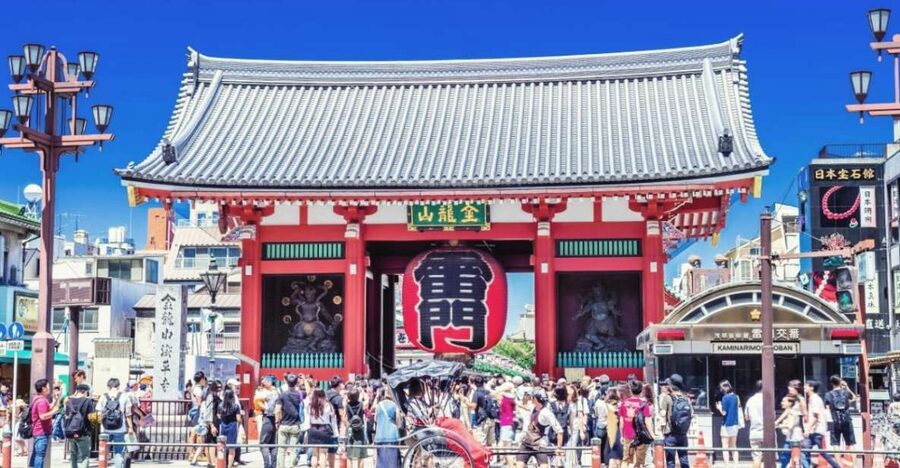
- Senso-ji: Tokyo’s old heart in Asakusa
- Tokyo Skytree: a modern counterpoint
- Tsukiji Outer Market: a useful food break
- Shibuya: shopping, photographs, and city energy
- Meiji Shrine: a quieter final stop
- A guide is optional, and that choice matters
- What the driver adds to the day
- Vehicle sizes and group value
- How to build a better 10-hour schedule
- What is included, and what is not
- Who should book this Tokyo day?
- Should you book it?
- FAQ
- How long does the Tokyo private car tour last?
- Where can pickup and drop-off take place?
- Which attractions are included in the planned day?
- Is the itinerary fixed?
- Is a tour guide included?
- What kind of vehicle is used?
- Are attraction tickets and meals included?
- How far in advance should I book?
- Can I cancel the tour for a refund?
Key points at a glance
- Five very different Tokyo stops: See Senso-ji, Tokyo Skytree, Tsukiji Outer Market, Shibuya, and Meiji Shrine in one private day.
- A car instead of a train puzzle: Your driver handles navigation, parking, and transfers between districts.
- Your day can change: Contact the company before arrival to shape the schedule around your interests.
- Pickup and drop-off inside the 23 wards: Meet at your hotel or another agreed address, with the driver contacting you about the exact curbside point.
- Guiding is optional: English, Chinese, and Japanese guide service is available, but you can also book a driver-led private day.
- Vehicle size depends on your party: A sedan carries one to three people, a minivan four to five, and a minibus six to seven.
Why a private car helps in Tokyo
Tokyo’s rail system is excellent, but a sightseeing day across several districts can still be tiring. Senso-ji is in Asakusa, Skytree is nearby, Tsukiji is farther southwest, and Shibuya and Meiji Shrine are on the western side of the city. A private vehicle gives you a place to regroup between stops and avoids carrying shopping bags through multiple stations.
That convenience matters most for families, small groups, older people, or anyone with limited patience for station stairs and crowded platforms. Your driver handles the route and communicates with the guide when one is booked. One account of the day praised the driver’s safe driving and ability to make the right turns, which is exactly the kind of quiet help you want in a city this large.
Still, a car does not make Tokyo traffic disappear. A road journey that looks short on a map may take longer than expected. The schedule is best treated as a framework, not a promise that every stop will receive exactly one hour.
Other private tours in Tokyo

Senso-ji: Tokyo’s old heart in Asakusa
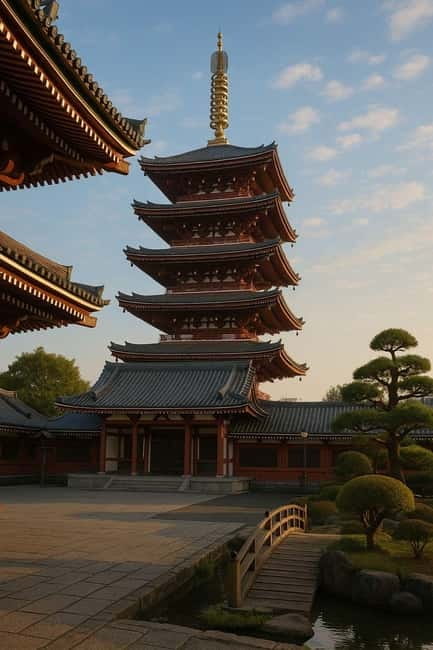
Starting at Senso-ji gives you an immediate taste of historic Tokyo. The temple is the first listed sightseeing stop and includes time for photos, a visit, walking, and guiding if you choose that option.
You can expect a busy temple approach and a strong contrast with the modern districts later in the day. The one-hour stop is enough for a focused visit and photographs, but it is not a leisurely exploration of every lane around Asakusa. If you want shopping or a longer look at the surrounding area, tell the company before the day begins so the schedule can be adjusted.
This is also one place where walking matters. The vehicle gets you close to the area, but sightseeing still takes place on foot. Wear comfortable shoes and keep your expectations realistic if you are trying to fit five major stops into one day.
Tokyo Skytree: a modern counterpoint
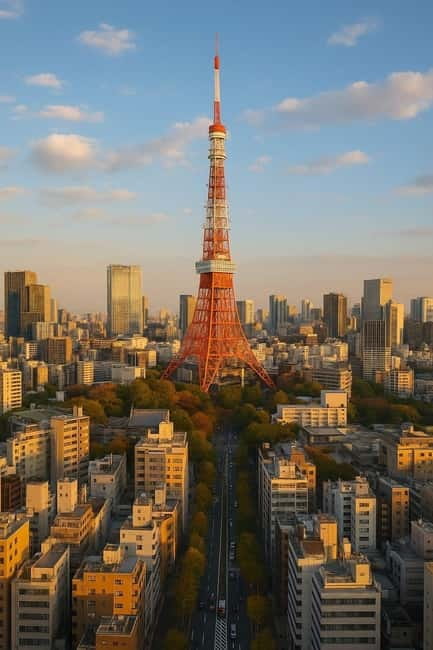
Tokyo Skytree follows naturally after Asakusa because the two sights are in the same general part of the city. The tour allows about an hour for a photo stop, a visit, sightseeing, and walking.
The value here is flexibility. You can decide if Skytree is mainly a photograph and city landmark for you, or if you want to spend more time at the attraction. Admission tickets are not included, so you need to budget separately if you plan to enter a paid observation area.
That missing admission can affect your timing and cost. If your priority is the view, confirm in advance how much time you want at Skytree and whether a ticket fits your plan. If you prefer to keep the day moving, the stop can remain shorter and leave more room for Tsukiji or Shibuya.
Tsukiji Outer Market: a useful food break
Tsukiji Outer Market is the tour’s most natural place for food and browsing. The planned hour covers shopping and sightseeing, while food and drinks are not included, so this is a chance to choose and pay for what you want.
You can use the stop for a quick meal, small purchases, or a look around the market streets. The private car is particularly helpful here because you do not have to carry purchases across the rail system afterward. On the other hand, one hour goes quickly if you want to eat, shop, and explore at the same time.
Plan your priorities before you arrive. If lunch matters more than shopping, say so. If you want only a short look, you may prefer to spend more time at another district. The custom format is most useful when you make these choices clearly instead of trying to do everything.
Shibuya: shopping, photographs, and city energy
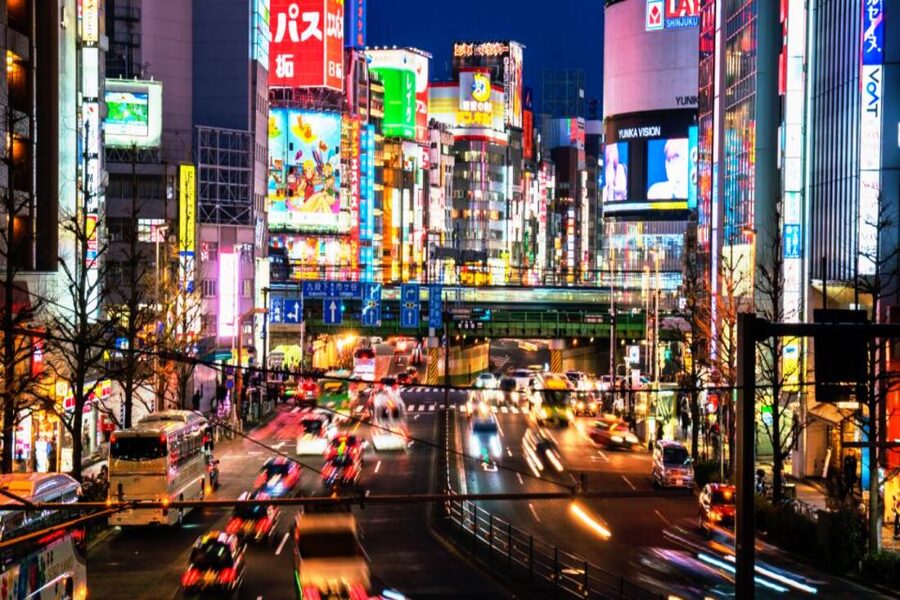
Shibuya brings the modern Tokyo portion of the day. The planned stop includes photographs, shopping, sightseeing, and walking, with about an hour available.
That is enough for a quick introduction, but Shibuya can easily absorb more time. You may want photographs, a shopping stop, or simply a chance to walk around. A private vehicle helps you arrive without figuring out a new train route, but it cannot remove the need to walk once you are there.
If Shibuya is a major reason for booking, ask for extra time there when you confirm the plan. If it is just one item on a longer list, the one-hour structure keeps the day balanced.

Meiji Shrine: a quieter final stop
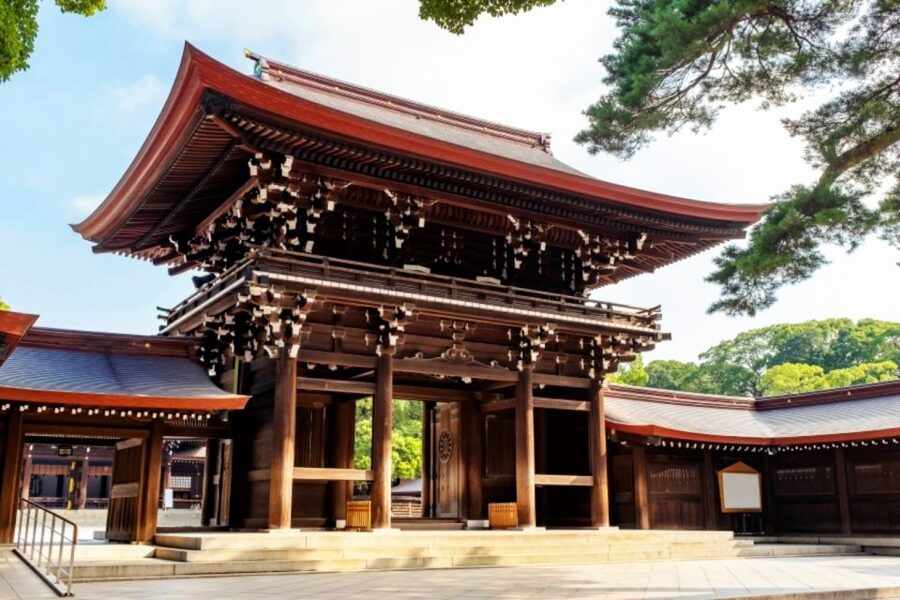
Meiji Shrine offers a change of pace after the market and Shibuya. The stop includes sightseeing and walking, with roughly one hour planned.
Its location near Shibuya makes it a practical pairing with that district. The visit also gives the day a cultural finish rather than ending only with shopping and city views. As with Senso-ji, this is an on-foot stop, so your comfort with walking should shape the amount of time you request.
The listed order is not fixed. Traffic, weather, and your interests can change the plan. You might prefer Meiji Shrine earlier in the day or need to shorten one stop to allow more time at another.
A guide is optional, and that choice matters
The English-speaking guide is optional, and guide service is also available in Chinese and Japanese. This lets you choose between a practical private transfer day and a more explained sightseeing experience.
I would add the guide if you want context, help deciding what to see, or support with communication. Yvonne was praised for being respectful, attentive, and willing to handle spontaneous changes. She also helped a couple whose husband used a wheelchair, though the activity’s official information says it is not suitable for people with mobility impairments. That contradiction matters: do not assume assistance is guaranteed. Contact the company directly before booking if mobility support is important.
You may choose to skip the guide if your main goal is efficient transport and you already know what you want to see. One account described the guide as more of an escort than a source of detailed information, even though the day itself worked well. That is a useful warning for anyone expecting a full historical tour at every stop.
What the driver adds to the day
The driver is central to the value of this experience. You are not simply hiring a vehicle for a fixed transfer. The driver manages the roads, parking, pickup points, and communication with the guide.
Chen was praised for his respectful manner and for going out of his way to help create a good day. Jack was described as safe and friendly. Those details point to the practical strength of this tour: a good driver can reduce small delays and confusion that otherwise eat into sightseeing time.
The driver waits outside your address where parking is possible and contacts you about the exact meeting point. That means you should not assume the car can stop directly in front of every hotel entrance. Keep your phone available and follow the meeting instructions carefully.
Vehicle sizes and group value
The vehicle depends on party size:
- One to three people use a sedan.
- Four to five people use a minivan.
- Six to seven people use a minibus.
The private format works best when several people share the cost and want the same plan. At $201 per person, the price is not a budget sightseeing option for a solo visitor. For a family or group, though, the convenience of a private vehicle, driver, parking fees, and hotel pickup can make the total easier to justify.
You still need to pay for admission tickets, food, and drinks. Compare the price with what your group would spend on separate transport, taxis, and a guide. The strongest value comes from using the customization well. A generic day that simply rushes between five places is less convincing than a carefully planned route built around your priorities.
How to build a better 10-hour schedule
Before booking, contact Dida Japan and Korea to discuss the plan. The company asks you to do this in advance, and it is worth taking seriously. Tell them which stops are essential, which are optional, and how much walking your group can manage.
A sensible approach is to choose two or three priorities and treat the other stops as flexible. For example, you might make Senso-ji, Tsukiji, and Shibuya the main goals, then visit Skytree and Meiji Shrine if traffic allows. Or you could focus on cultural sights and reduce shopping time.
You should also mention meal timing, mobility concerns, and any need for a particular language. Weather can alter the plan, and Tokyo road conditions can do the same. The more specific you are before the day, the more useful the private format becomes.
Book at least 24 hours ahead. Last-minute bookings may be possible, but a vehicle is not guaranteed within that window. The service lasts 10 hours, with starting times subject to availability.
What is included, and what is not
The package includes hotel pickup and drop-off, an air-conditioned vehicle, a professional driver, parking fees, taxes, and a customized plan. Pickup and drop-off are within Tokyo’s 23 wards, and the end point returns to the same general area unless another arrangement is confirmed.
Admission tickets are not included. Neither are meals or drinks. The optional guide should also be treated as a separate choice rather than an automatic part of the basic driver service.
The tour offers free cancellation up to 24 hours before the start time, and you can reserve now and pay later. Those terms are useful if your Tokyo plans may shift, but they do not remove the need to confirm the vehicle early.
Who should book this Tokyo day?
I would consider this tour for a family that wants to avoid repeated station changes, a small group with a shared sightseeing list, or a first-time visitor who feels uneasy navigating Tokyo alone. It also suits people who value a private schedule more than the lowest possible price.
It is less suitable if you enjoy exploring slowly on foot, want a detailed specialist guide at every site, or prefer building your day around Tokyo’s rail system. You may also find five major stops too ambitious if you want extended shopping, a long market meal, or paid time at Skytree.
The official information says the activity is not suitable for people with mobility impairments or people over 95. Since one past outing included substantial help for a wheelchair user, the safest course is to ask the company directly about your exact needs rather than relying on a general promise.
Should you book it?
Book this private Tokyo tour if your priority is control and convenience. The car, driver, pickup, parking, and flexible schedule can turn a complicated cross-city day into a manageable one, especially for families and groups.
Do not book it expecting a guaranteed slow-paced visit or a detailed guide automatically included. Contact the company first, build a realistic plan, and decide which stops matter most. At $201 per person, the value depends on using the private service fully. For the right group, it can be a smart way to connect old Tokyo, modern Tokyo, food, shopping, and a major shrine in one day.
FAQ
How long does the Tokyo private car tour last?
The tour lasts 10 hours. Starting times depend on availability.
Where can pickup and drop-off take place?
Pickup and drop-off are available within Tokyo’s 23 wards. The driver waits outside at an address where parking is possible and contacts you about the exact meeting point.
Which attractions are included in the planned day?
The suggested stops are Senso-ji Temple, Tokyo Skytree, Tsukiji Outer Market, Shibuya City, and Meiji Shrine. The plan can change based on your interests, traffic, and weather.
Is the itinerary fixed?
No. The schedule is fully customizable. You should contact customer service in advance to design and confirm your preferred plan.
Is a tour guide included?
The English-speaking guide is optional. Guide service is available in English, Chinese, and Japanese.
What kind of vehicle is used?
One to three people travel in a sedan, four to five people in a minivan, and six to seven people in a minibus.
Are attraction tickets and meals included?
No. Admission tickets, food, and drinks are not included. Parking fees, taxes, the vehicle, the driver, and pickup and drop-off are included.
How far in advance should I book?
You should book at least 24 hours before the service time. A vehicle may not be available for bookings made within 24 hours.
Can I cancel the tour for a refund?
Yes. You can cancel up to 24 hours in advance for a full refund. You can also reserve now and pay later.
More Private Tours in Tokyo

More tours in Tokyo we've reviewed




Private, compared.
 ★ 5.0Tokyo 6hr Private Tour with Government-Licensed GuideFrom $155
 ★ 5.0Private Tour to Mt. Fuji and Hakone (Fully Licenced Operator)From $497
 ★ 5.0Tokyo Customized Private Tour (Must See Places in 1 Day)From $145
 ★ 4.9Mount Fuji Full-Day Private Tour from Tokyo (Customizable)From $393
 ★ 4.8Tokyo: Private City Highlights Tour with Local GuideFrom $1064 - 8 hours
 ★ 5.0Private Custom Tour: Tokyo in a DayFrom $159