
Reviewed · SHIBUYA TOURS
Tokyo Bike Tour: Shibuya & Hidden Tokyo
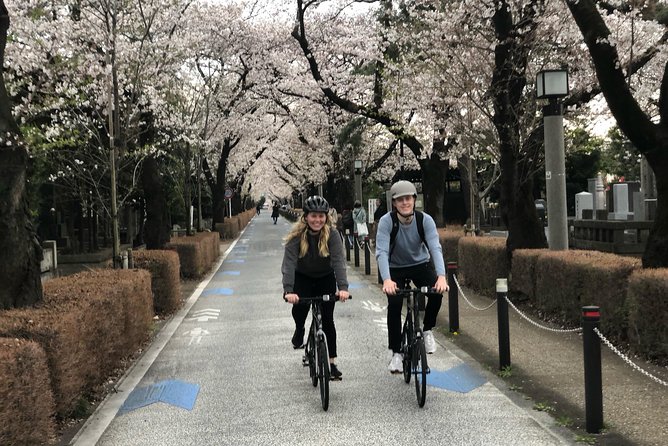
Tokyo makes more sense from a bicycle seat. In three hours, you can move from Shibuya Crossing and Hachiko to quiet lanes, parks, residential streets, and Aoyama Cemetery without repeatedly climbing subway stairs or losing time underground. Guide Taichi leads the way and keeps the pace steady.
I like the small maximum of six people, which makes it easier to ask questions and adjust the ride. I also like the local focus: Taichi can point out cafes, restaurants, shrines, side streets, and everyday corners that do not usually make a first-time Tokyo plan. The main consideration is that this is real city cycling, not a leisurely park ride. You need to handle pavement, cross traffic, tight spaces, and a steady speed of about 15 kilometers per hour.
In This Review
- Key details before you pedal off
- Why a bike changes your view of Shibuya
- Starting at Yoyogi Park and finding your rhythm
- Shibuya Crossing and Hachiko without wasting the day
- Cat Street, Harajuku, and the city between the headlines
- Aoyama Street and Aoyama Cemetery
- Japan National Stadium and the final stretch
- Safety, pace, and who should book
- The price and what you receive
- When to schedule it in your Tokyo plans
- Should you book the Tokyo Bike Tour?
- FAQ
- Where does the Tokyo Bike Tour start?
- Where does the tour finish?
- How long does the bike tour last?
- How many people can join the tour?
- What neighborhoods does the route cover?
- Is the tour suitable for children?
- What height range suits the bicycles?
- Does the tour operate in rain?
- What is the cancellation policy?
Key details before you pedal off
- A local guide named Taichi: He brings cultural context, route advice, simple Japanese phrases, and a calm hand with city traffic.
- Six-person maximum: A tiny group allows for clear instructions and occasional route adjustments.
- Nine to ten miles in three hours: You cover serious ground, but regular stops keep the ride from feeling like a race.
- A mix of icons and ordinary Tokyo: Shibuya Crossing shares the route with backstreets, parks, residential areas, and a cemetery.
- Non-electric bicycles: The route is manageable, but you should already feel comfortable riding in city conditions.
- Simple starting point: Meet at Umayamichi Park, about a 10-minute walk from Shinjuku Station and one minute from Yoyogi Station.
Why a bike changes your view of Shibuya
Shibuya is often reduced to one famous scramble crossing and a wall of giant screens. Those sights are worth seeing, but they show only Tokyo’s public face. A bicycle lets you connect the districts between the headline attractions.
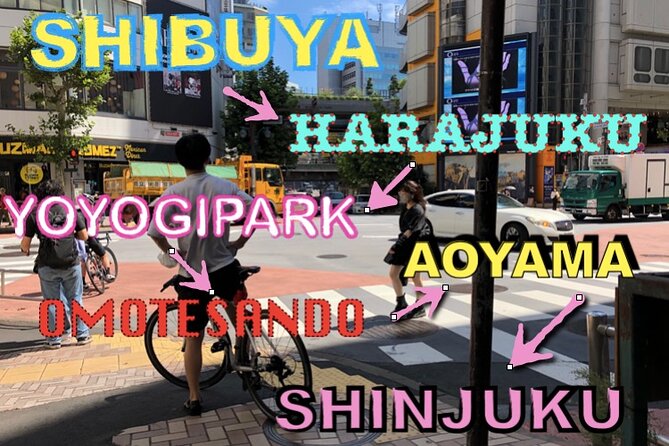
You can leave the crowds behind within minutes and reach smaller streets where the city feels more residential. You see how Tokyo changes block by block: commercial Shibuya, youthful Harajuku, polished Aoyama, open parkland, and quieter streets around Gaien.
That variety is the real value of the ride. You are not only checking off landmarks. You are learning the shape of the city and seeing how close different neighborhoods are to one another.
The tour began in 2018 and is led by a guide who lives in the Shibuya area and cycles regularly. That matters in a city where route choice makes all the difference. Taichi uses smaller streets where possible, signals clearly, watches the group, and gives instructions about local cycling manners.
The ride is not a transportation lesson in the formal sense, but you do come away with a better idea of how bicycles fit into Tokyo life. Several stops also give you time to ask about restaurants, cafes, neighborhoods, and places to return later.
A few more Tokyo tours and experiences worth a look


Starting at Yoyogi Park and finding your rhythm
The meeting point is Umayamichi Park at 5-chome-24-11 Sendagaya. It is close to Yoyogi Station and within walking distance of Shinjuku Station, so the beginning is practical even if your day starts in another part of Tokyo.
Yoyogi Park is a sensible opening stop. It gives you a quieter place to get comfortable with the bicycle before the route moves through denser streets. You can settle into the pace, listen to Taichi’s instructions, and get used to following someone through a city you may not yet understand.
The bicycles are described as light and well maintained, with smaller wheels that make them maneuverable. They are not electric, and one rider specifically noted that the bike was not the fanciest but handled well. That is a fair way to think about the equipment: practical rather than luxurious.
The route includes a couple of gradual uphill sections, but the ride is generally manageable. You still need to be an active cyclist. The operator asks you to ride confidently at about 15 kilometers per hour, cross traffic lights, and move through narrow or crowded areas.
If you only ride occasionally in pleasant weather, do not panic, but be honest about your ability. The guide’s calm directions help, yet he cannot do the pedaling for you.
Shibuya Crossing and Hachiko without wasting the day
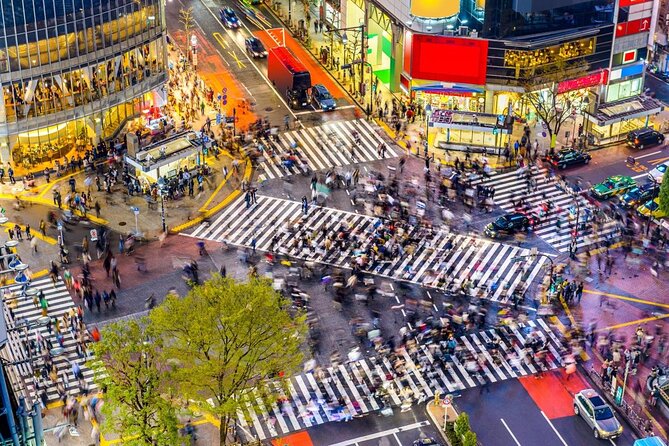
Shibuya Crossing is one of Tokyo’s essential sights, but it can be awkward to fit into a busy itinerary. You may spend time reaching the station, finding the right exit, and then working out where to stand for the best view.
On the bike tour, it becomes one part of a larger route. You stop to take in the crossing, then move on instead of spending half a day in one commercial district.
Hachiko, the loyal dog memorial outside Shibuya Station, is nearby. The statue is small and often surrounded by people meeting friends or taking photos. Taichi can give the story context, which helps turn a quick photo stop into a clearer piece of Tokyo’s modern urban culture.
The exact amount of time at these major sights can vary. If you have already spent time at Shibuya Crossing, tell the guide. Solo and very small groups have had the route adjusted to avoid repeating places they already visited.
That flexibility is one of the strongest reasons to book early in your Tokyo stay. The ride can help you understand where Shibuya sits in relation to Harajuku, Aoyama, Yoyogi, and Gaien. Later, you can return on foot or by train with a much better sense of direction.
Cat Street, Harajuku, and the city between the headlines
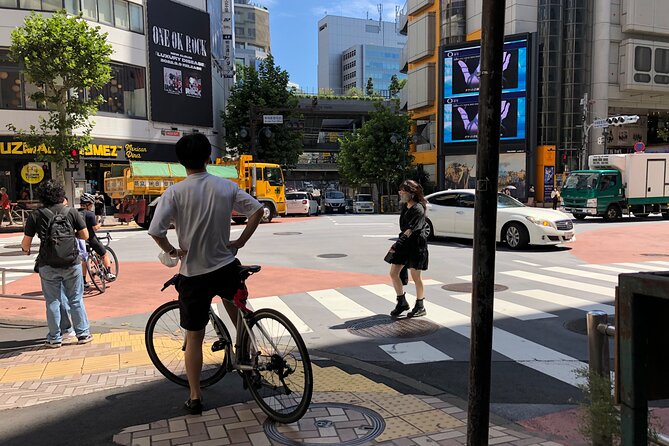
Shibuya Cat Street brings a different mood. It is associated with shops, cafes, and youth culture, but the important point on a bicycle is the connection between the better-known districts. You get a feel for how the streets flow from Shibuya toward Harajuku rather than experiencing each area as an isolated station stop.
The route also uses alleys and less obvious streets. These are not grand attractions, and that is exactly why they are useful. You might see quieter residential corners, modest buildings, small food spots, or everyday street scenes that give Tokyo more texture than another department store visit.
I would not book this tour expecting long shopping stops. The bicycles keep moving, and the purpose is to see many parts of the city. If a particular cafe or store is your main goal, plan to return afterward.
The pace is gentle enough for conversation. Past rides have included stops for cultural explanations, local history, photos, and questions. Taichi has also offered tips about bike rental and basic Japanese phrases, which can be helpful if you plan to cycle elsewhere.
Aoyama Street and Aoyama Cemetery
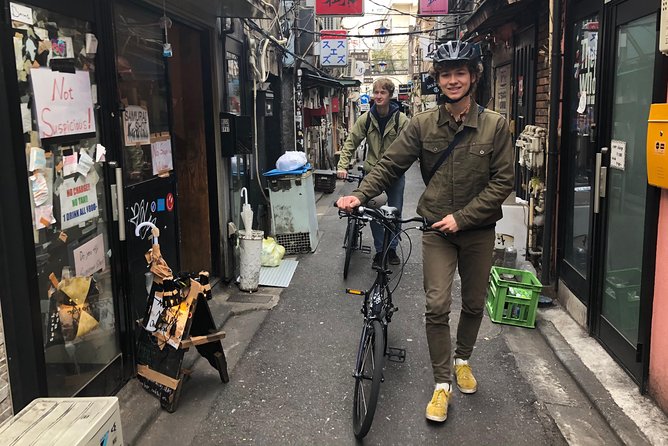
Aoyama Street shifts the tone again. This part of the route shows a more polished side of Tokyo, with broad streets and a different urban feel from the tight lanes around Shibuya and Harajuku.
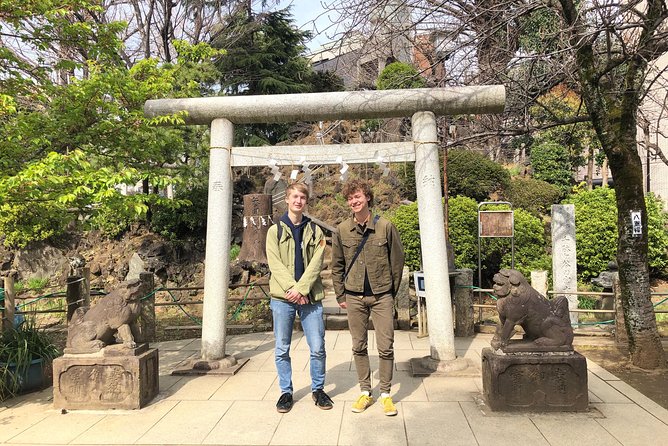
Aoyama Cemetery provides a welcome pause. Cemeteries in Japan are quiet, carefully maintained places, and this stop offers a chance to discuss customs and local history without the noise of a major shopping area. It also breaks up the ride with a calmer setting.
The cemetery is not a sightseeing attraction in the same way as Shibuya Crossing. You should treat it as a respectful cultural stop, not a place for loud conversation or casual behavior. Its value is in the change of pace and the chance to see a part of Tokyo that many short visits miss.
This section also shows why a guide helps. Without local route knowledge, you might cycle past streets and parks without knowing why they matter. Taichi’s explanations connect the physical places with the city’s culture and past.
Other cycling tours in Tokyo


Japan National Stadium and the final stretch
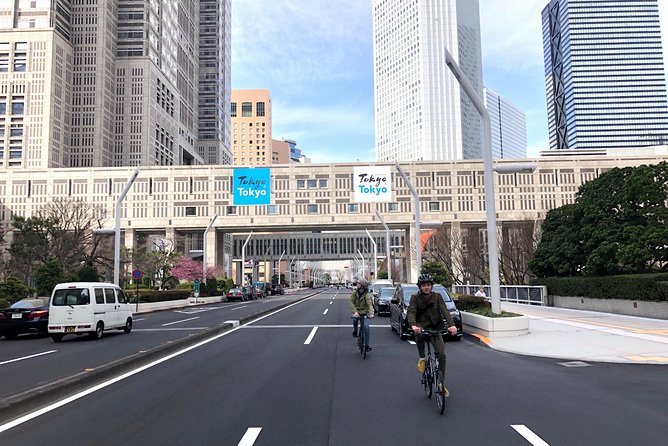
The Japan National Stadium adds a major modern landmark to the itinerary. It gives the ride a strong architectural and sporting finish, especially if you enjoy stadiums or the role of public buildings in city life.
The full route links famous places with less obvious corners rather than stopping at one district. You may ride around nine to ten miles, but the multiple stops keep the experience from becoming a fitness challenge. One rider described covering a great deal of ground without feeling hurried, which is a useful expectation to carry into the tour.
The route ends back at Umayamichi Park. That makes planning easier because you do not need to work out a new route after the ride. You can continue sightseeing from the Yoyogi or Shinjuku area, or use the nearby train connections for your next stop.
Safety, pace, and who should book
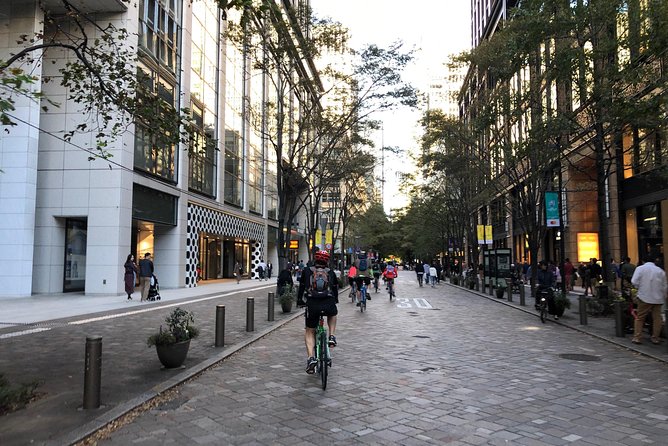
Safety is the most consistently praised part of the experience. Taichi rides ahead, gives hand signals, watches the group, and chooses smaller roads when possible. That does not remove city traffic, but it gives you a clear person to follow.
You must obey Japanese traffic rules and follow the guide’s directions. The operator requires riders to be at least 13 years old, between 155 and 195 centimeters tall, and no more than 120 kilograms. Most people who meet those requirements can participate, but the cycling standard matters more than the age limit.
You should be comfortable with:
- Riding on pavements and city streets
- Crossing traffic lights with confidence
- Moving through crowded or tight spaces
- Maintaining roughly 15 kilometers per hour
- Riding a standard, non-electric bicycle
This tour suits active families, couples, friends, solo riders, and first-time Tokyo visitors who want a quick sense of several neighborhoods. Families with teenagers can enjoy it, provided everyone can control a bicycle confidently.
It is a weaker fit if you have not ridden since childhood, dislike traffic, or want a slow ride with no physical effort. Some occasional riders have managed well because the route is mostly gentle and the guide is attentive, but you should not mistake manageable for effortless.
The price and what you receive
At $64.73 per person, the tour costs more than simply renting a bicycle for a few hours. You are paying for the route, the guide, the safety lead, the cultural explanations, and the time saved figuring out Tokyo on your own.
That is good value if you want an introduction to several connected neighborhoods. On foot, you would cover far less ground. By train, you would move quickly but miss the streets between stations. A bicycle gives you both movement and contact with the city.
The small group improves the value. With a maximum of six people, the guide can answer questions and keep an eye on each rider. If your group has four or more participants, contact the organizer directly, since larger arrangements need to be confirmed.
There are two daily departures, which helps fit the ride into a packed Tokyo schedule. Morning may be the better choice if you want a cooler, calmer start, though the tour can run in light rain. Sudden weather changes may lead to cancellation.
You receive confirmation at booking and a mobile ticket. Free cancellation is available up to 24 hours before the start time. If bad weather cancels the ride, you can receive another date or a full refund.
When to schedule it in your Tokyo plans
I would put this ride near the start of a Tokyo visit. It gives you a mental map of Shibuya, Harajuku, Aoyama, Yoyogi, and Gaien before you return to those areas on your own.
It also helps you decide where to spend more time. You may discover that the quiet streets appeal to you more than the large shopping zones, or that you want to return to Aoyama, Cat Street, or one of the cafes Taichi recommends.
Allow a little flexibility after the three-hour ride. The published duration is approximate, and traffic, questions, weather, and photo stops can affect the pace. Do not place a tight reservation immediately afterward.
Should you book the Tokyo Bike Tour?
Book it if you want to see more than the usual Shibuya checklist and you are comfortable riding in an active city. Taichi’s calm leadership, local advice, careful route choices, and willingness to adjust the ride are the main strengths.
The experience is especially useful for first-time visitors, short stays, and people who want to understand how Tokyo’s neighborhoods connect. It also works well for repeat visitors who have already seen the main crossing and want a different side of Shibuya.
Skip it if you want an electric bike, a completely traffic-free route, or a sightseeing outing that requires no cycling skill. For everyone else, $64.73 buys a practical three-hour introduction to several sides of Tokyo, with enough local detail to make the rest of your visit easier and more rewarding.
FAQ
Where does the Tokyo Bike Tour start?
The tour starts at Umayamichi Park, 5-chome-24-11 Sendagaya, Shibuya, Tokyo 151-0051, Japan.
Where does the tour finish?
The activity ends back at the starting point, Umayamichi Park.
How long does the bike tour last?
The tour lasts approximately three hours.
How many people can join the tour?
The maximum group size is six participants.
What neighborhoods does the route cover?
The ride passes through Shibuya, Harajuku, Aoyama, and Gaien, with stops at Yoyogi Park, Shibuya Crossing, Hachiko, Cat Street, Aoyama Street, Aoyama Cemetery, and Japan National Stadium.
Is the tour suitable for children?
Participants must be 13 years or older. Each rider must also be able to cycle confidently in city conditions.
What height range suits the bicycles?
The bicycles are suitable for people between 155 and 195 centimeters tall.
Does the tour operate in rain?
The tour can proceed in light rain, but sudden weather changes may cause cancellation. If poor weather cancels the activity, you can receive a different date or a full refund.
What is the cancellation policy?
You can cancel at least 24 hours before the start time for a full refund. Cancellations or changes made less than 24 hours before the start time are not accepted for a refund.
More Cycling Tours in Tokyo
More Shibuya Tours in Tokyo


More tours in Tokyo we've reviewed





Shibuya Tours, compared.
 ★ 5.0Official Street Go-Kart in ShibuyaFrom $76
 ★ 4.9Tokyo: Street Kart Experience in ShibuyaFrom $741 hour
 ★ 5.0Shibuya Meltdown Nightlife Tour: All-You-Can-Drink Bar HoppingFrom $106
 ★ 5.0Shibuya Official Street Go-Kart in Shibuya AnnexFrom $69
 ★ 5.0Tokyo: Shibuya Food Tour (13 dishes and 4 Eateries)From $77
 ★ 5.0Best of Shibuya Food TourFrom $217