
Reviewed · CYCLING TOURS
Small Group Cycling Tour in Tokyo
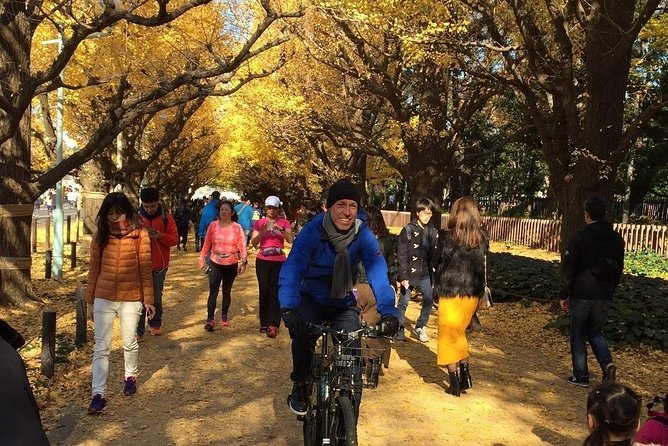
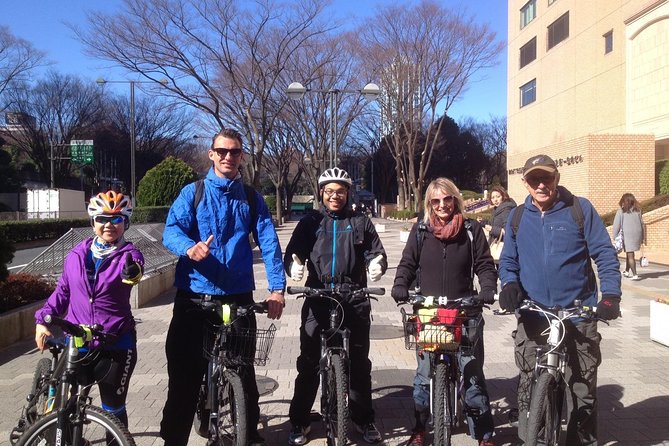
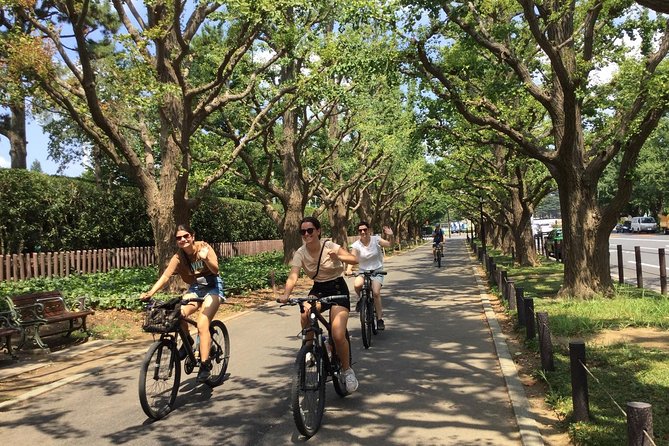
Tokyo makes more sense from a bicycle seat. You move through quiet residential lanes, shrine grounds, cemetery paths, sidewalks, and city streets, covering far more ground than you could on foot while still noticing the small details a bus would miss. I love the small maximum of eight, which gives guides such as Aiko, Noriko, Keco, and Akio room to answer questions and adjust the pace. I also like the mix of famous sights and ordinary Tokyo neighborhoods.
The main consideration is the physical effort. The ride can cover roughly 12.5 to 15 miles, or about 20 kilometers, with a few inclines and stretches on main roads. An electric bike makes the day easier, but you need to request one before the tour. Rain can also affect the experience, since the activity depends on good weather.
In This Review
- Key details before you book
- Why a bicycle works so well in Tokyo
- Starting near Shinjuku and Hyatt Regency Tokyo
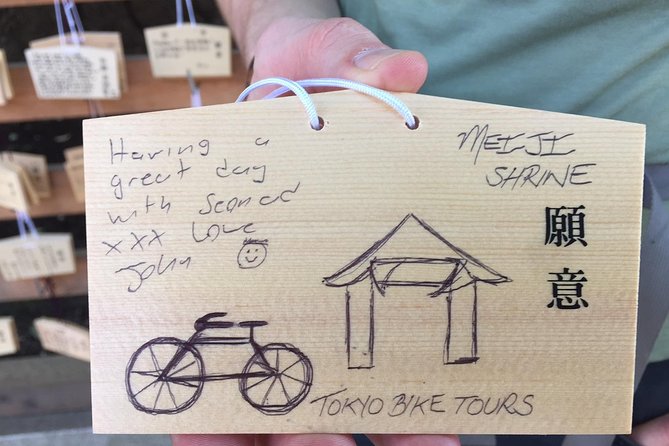
- Meiji Jingu, Tokyo’s quiet opening
- Aoyama Cemetery and Tokyo’s quieter paths
- Roppongi Hills for a short modern-city pause
- Zojo-ji and the best Tokyo Tower view
- Shiodome and lunch above Tokyo Bay
- The Imperial Palace moat and the ride home
- What the pace and distance really feel like
- Guides who add value to the ride
- The value of $66.32
- Who should book this Tokyo ride
- Should you book it?
- FAQ
- How long does the cycling tour take?
- What sights does the route visit?
- Is lunch included?
- Are electric bicycles available?
- Where does the tour start and end?
- What happens if the weather is poor?
Key details before you book
- Ride beyond the neon: The route uses back streets, residential lanes, sidewalks, and safer paths to connect major sights.
- See six very different places: Meiji Jingu, Aoyama Cemetery, Roppongi Hills, Zojo-ji, Shiodome, and the Imperial Palace each show a different side of Tokyo.
- Plan for a serious ride: The full route can take about six hours and cover up to 15 miles, with walking at several stops.
- Ask for an e-bike early: Electric bicycles are available according to the tour information and can help with hills or a long day in the saddle.
- Lunch is on you: The Shiodome stop includes a lunch break, but food is not included in the $66.32 price.
- Small groups make a difference: With no more than eight people, guides can stop for photos, explain shrine customs, and check that everyone is keeping up.
Why a bicycle works so well in Tokyo
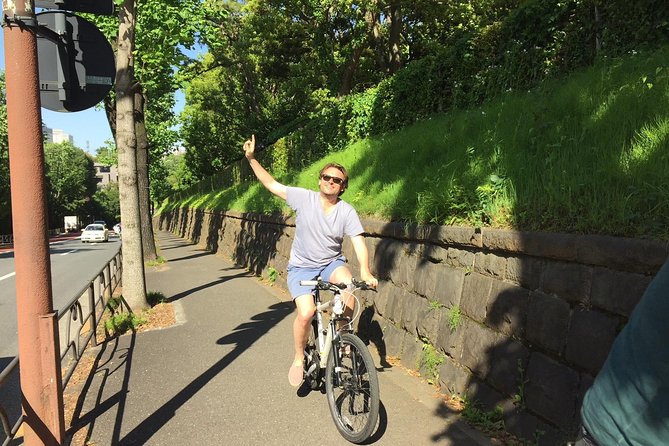
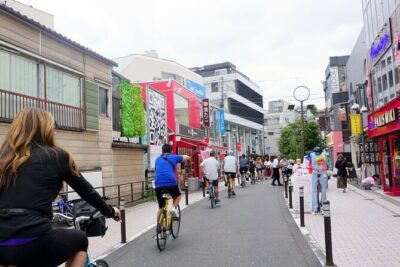
Tokyo is huge, and its best sights are spread across very different districts. Public transportation gets you from one station to another quickly, but it often hides the blocks in between. On this ride, you might leave the broad streets around Shinjuku and soon be winding through quieter lanes before reaching a shrine or palace moat.
That change of pace is the real point. You get the scale of a major city, but you also see smaller details: low-rise homes, narrow side streets, green pockets, temple gates, and the way Tokyo changes from one neighborhood to the next. The ride is not a technical cycling adventure. It is a sightseeing tour that uses bicycles to connect the dots.
The route includes sidewalks, back roads, and main roads. That means you need to stay alert and follow the guide closely. The guides generally ride at the group’s pace, pause for water and snacks, and provide encouragement on inclines. Still, this is not a good fit if you want a completely effortless outing.
Other cycling tours in Tokyo
Starting near Shinjuku and Hyatt Regency Tokyo
The meeting point is KakouJapan on the third floor of the Hyatt Regency Tokyo in Nishishinjuku. The activity ends back at the same meeting point, which is convenient if you are staying in the area or using Shinjuku as your base.
The tour includes use of a bicycle. Helmets should be requested, since one rider specifically advised asking for one. You should also settle the e-bike question before the day begins. A fit cyclist may find the standard bike easy, while an electric bike is a sensible choice if you do not ride often or want to save energy for sightseeing.
The ride may run from three to six hours, depending on the selected version and pace. The longer outing includes extended cycling and walking stops, while a half-day version gives you a shorter look at the same general area. Build some flexibility into your schedule, since a full outing can take longer than six hours if the group needs extra help or spends more time at stops.
Meiji Jingu, Tokyo’s quiet opening
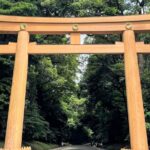
The first major stop is Meiji Jingu, Tokyo’s largest Shinto shrine. The grounds offer a striking change from the city streets, with broad paths and a calmer setting around the shrine buildings.
You will leave the bicycles and walk around the grounds for about 30 to 40 minutes. Your guide explains the basic rituals and customs, which helps you approach the shrine with more confidence. You may also be lucky enough to see a Japanese-style wedding, though that is naturally dependent on the day.
This is a strong first stop because it gives you cultural context before the route moves into more modern Tokyo. Do not expect a long, quiet meditation session, though. The visit is one part of a much larger day, and the group must eventually return to the bikes.
Aoyama Cemetery and Tokyo’s quieter paths
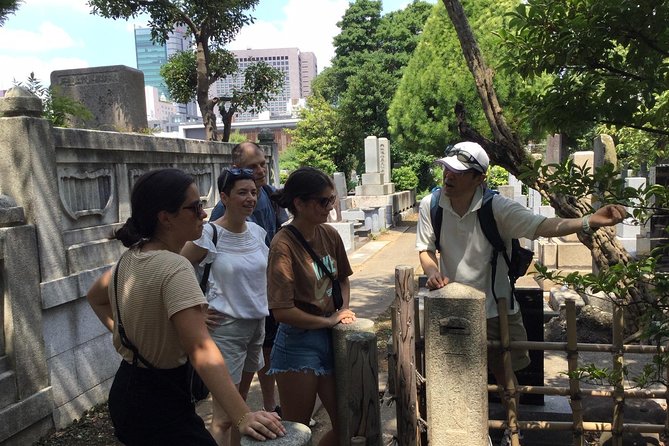
Aoyama Cemetery brings a different mood. It is a well-known Tokyo cemetery where the graves of historical Japanese figures and Westerners can be found. The stop lasts about 20 minutes, enough time for your guide to point out notable details and explain why the site matters.
The cemetery also helps break up the urban ride. Rather than moving from one packed attraction to another, you get a quieter setting and a chance to see a less polished side of the city. This is the sort of stop that is difficult to fit into a standard sightseeing route.
The appeal depends on your interests. If you prefer only major landmarks, you may find the visit brief and less exciting than Meiji Jingu or the Imperial Palace. If you like local context and unusual city spaces, it adds real value.
Roppongi Hills for a short modern-city pause
Roppongi Hills is a large complex of shops, cafes, and restaurants. The scheduled stop is only about 15 minutes, so think of it as a quick orientation rather than a shopping visit.
After the shrine and cemetery, Roppongi Hills shows Tokyo’s polished, contemporary side. You see the contrast between traditional religious spaces and a modern commercial district without spending a large part of the day inside a shopping center.
The short timing is both useful and limiting. It keeps the tour moving, but you will not have much time to browse or sit down for a full coffee. Save shopping for another visit unless your guide changes the pace.

Zojo-ji and the best Tokyo Tower view
Zojo-ji is the main temple of the Jodo Buddhist sect in the Kanto region. The stop lasts around 20 minutes and is especially worthwhile for its view toward Tokyo Tower.
This pairing of old temple and modern tower is one of the most satisfying visual moments on the route. Tokyo often works this way, with traditional architecture and enormous modern structures sharing the same frame. Your guide also explains the customs and background of the religious sites, rather than leaving you to guess what you are seeing.
The visit involves walking after you have already spent time cycling, so comfortable shoes matter. The stop is not long enough for a full temple tour, but it gives you a clear sense of Zojo-ji’s place in the city.
Shiodome and lunch above Tokyo Bay
Shiodome is a large redevelopment district built around modern offices, shops, and public spaces. Here you take a lunch break, followed by a view of Tokyo Bay from the top of a building.
Lunch is not included, so bring money for food. The break is useful not only for eating but also for recovering from the ride. By this point, you have cycled through several districts and walked around multiple sites.
The high-floor view adds a welcome change of scale. From street level, Tokyo can feel like a wall of buildings. From above, you get a better sense of the city’s size and the direction of Tokyo Bay. The exact building or food choice is not specified, so treat this as a scheduled pause and viewpoint rather than a fixed dining experience.
The Imperial Palace moat and the ride home
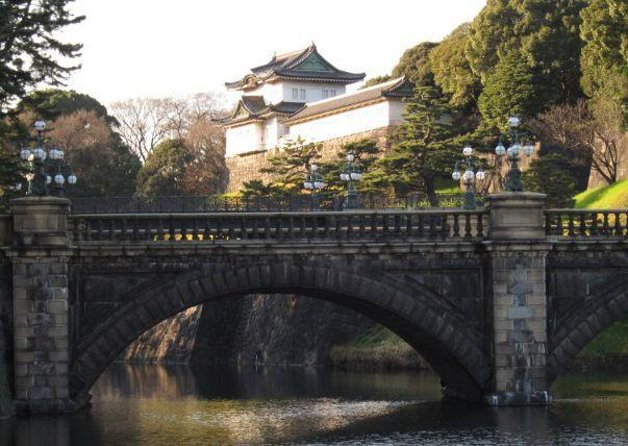
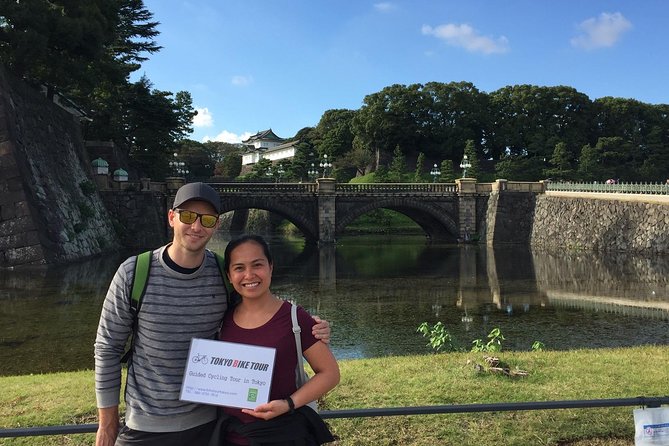
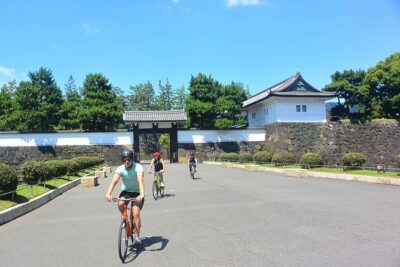
The final major stop is the Imperial Palace, residence of Japan’s Imperial family. You cycle along part of the moat before heading back toward Shinjuku.
The palace grounds are significant, but this should not be confused with a full interior palace tour. The route focuses on the exterior area, the moat, and the setting around the residence. That makes it a good final stop because you can appreciate the scale of the palace district without adding another long walking segment.
The return ride completes the larger picture. You have seen religious Tokyo, historic memorial spaces, modern commercial Tokyo, a temple with a tower view, a redeveloped business district, and the Imperial Palace area. A train ride would be faster, but it would not give you the same sense of how these places connect.
What the pace and distance really feel like
The distance matters more than the modest price might suggest. Reports from the tour place the ride around 12.5 to 15 miles, with about 20 kilometers noted for one outing. Much of the route is fairly flat, but there are a few inclines, and even a mild hill feels different after several hours in the saddle.
If you cycle regularly, a standard bicycle may be perfectly manageable. One experienced cyclist found the normal bike easy, while another rider struggled uphill and appreciated encouragement from the guide. That range tells you to judge your own fitness honestly, not the city’s reputation for being flat.
The e-bike is the safest choice for many people. It helps on slopes and makes the long route more enjoyable, especially in warm weather or after a busy few days of sightseeing. Request it in advance rather than assuming one will be available at the meeting point.
The route is described as safe by riders who found the guide attentive and the bikes well maintained. Even so, Tokyo traffic is still traffic. You should be comfortable riding around other bicycles, pedestrians, and vehicles, and you should expect occasional stretches on ordinary city roads.
Guides who add value to the ride
The guide can make or break a cycling tour, and this experience has several named guides associated with especially strong outings. Aiko is described as warm, attentive, easy to understand, and good at bringing Tokyo to life with local stories. Noriko is noted for checking on the group, stopping for water and snacks, and offering steady encouragement. Keco is praised for clear English and for answering questions about Japanese history and culture.
Akio is associated with a well-organized full-day route, good bicycle care, and a careful approach to suburban streets and pathways. Other guides, including Akio, Nikita, and Aiko, have also been credited with taking photographs along the way.
The common thread is personal attention. In one unusual case, a single rider still received the tour with three guides after a larger booking canceled. That kind of flexibility is not guaranteed, but it shows why a small operation can feel more personal than a large bus excursion.
The value of $66.32
At $66.32 per person, this is a good value if you want one outing to cover a wide section of Tokyo. The bicycle, guiding, cultural explanations, and access to a high viewpoint are included. You also avoid paying separate fares between each district during the tour.
Lunch costs extra, and an e-bike may involve an additional charge or advance arrangement, though the exact fee is not stated. You should confirm that point before booking if the electric bicycle is important to you.
The strongest value comes from the time saved. In three to six hours, you can reach places that would require careful train planning and considerable walking. You also get a guide who explains what you are seeing, rather than simply following a map from one station to the next.
I would not book it mainly for deep access inside each landmark. The stops are fairly short, and the tour is designed as a broad overview. Book it for range, local streets, cultural explanation, and the pleasure of seeing Tokyo at bicycle speed.
Who should book this Tokyo ride
This tour suits you best if you:
- Have moderate physical fitness and can ride for several hours
- Want to see major landmarks plus quieter neighborhoods
- Prefer a small group and direct access to a guide
- Are visiting Tokyo for a short stay and want a wide overview
- Like mixing cycling with short walks and cultural stops
- Are willing to use an e-bike if hills or distance concern you
It is less suitable if you dislike city cycling, need a fully relaxed sightseeing day, or want long visits at each attraction. It may also frustrate serious cyclists who want a fast, athletic ride, since the pace is set by sightseeing and the group.
Weather is another practical issue. The activity requires good weather, and rain can make the ride less pleasant. If poor weather cancels the tour, you are offered another date or a full refund. You can cancel for a full refund up to 24 hours before the start time, but cancellations inside that window are not refunded.
Should you book it?
I would book this tour if you want Tokyo to feel like a real city rather than a list of subway stops. The combination of Meiji Jingu, Aoyama Cemetery, Zojo-ji, Shiodome, and the Imperial Palace gives you a broad introduction, while the back streets provide the moments you could not easily plan alone.
Choose the e-bike if you are unsure about the distance, request a helmet, and leave room in your schedule for the longer version to run beyond its stated time. If you can pedal comfortably for half a day and enjoy seeing how neighborhoods fit together, this is one of the more useful ways to get your bearings in Tokyo.
FAQ
How long does the cycling tour take?
The activity lasts approximately three to six hours. The longer version includes about six hours of cycling and walking, and some outings may run longer if the group needs extra assistance or time.
What sights does the route visit?
The route visits Meiji Jingu Shrine, Aoyama Cemetery, Roppongi Hills, Zojo-ji Temple, Shiodome, Tokyo Bay viewpoints, and the Imperial Palace moat area.
Is lunch included?
No. Lunch is not included in the tour price. A lunch break takes place at Shiodome.
Are electric bicycles available?
An electric bike option is offered, but it should be requested before the tour. It can be useful if you are concerned about the distance or inclines.
Where does the tour start and end?
The tour starts at KakouJapan on the third floor of the Hyatt Regency Tokyo in Nishishinjuku. It ends back at the same meeting point.
What happens if the weather is poor?
The activity requires good weather. If it is canceled because of poor weather, you can choose a different date or receive a full refund.
More Cycling Tours in Tokyo
More tours in Tokyo we've reviewed










Cycling Tours, compared.
 ★ 5.0Tokyo Guided Small-Group Biking TourFrom $106
 ★ 5.0Tokyo Great Cycling TourFrom $99
 ★ 5.0Tokyo Top Highlights 3h Guided E-bike TourFrom $63
 ★ 5.03h Tokyo E-Bike Tour: Hidden Gems, and Local Life with guideFrom $63
 ★ 4.8Tokyo: 3-Hour Bike or E-Bike City Highlights TourFrom $453 hours
 ★ 4.8Tokyo: 3-hour Guided E-Bike Tour of the City’s Hidden GemsFrom $65