
Reviewed · AKIHABARA & ANIME TOURS
Ramen Making from Scratch +Akihabara Tour –Cooking Class
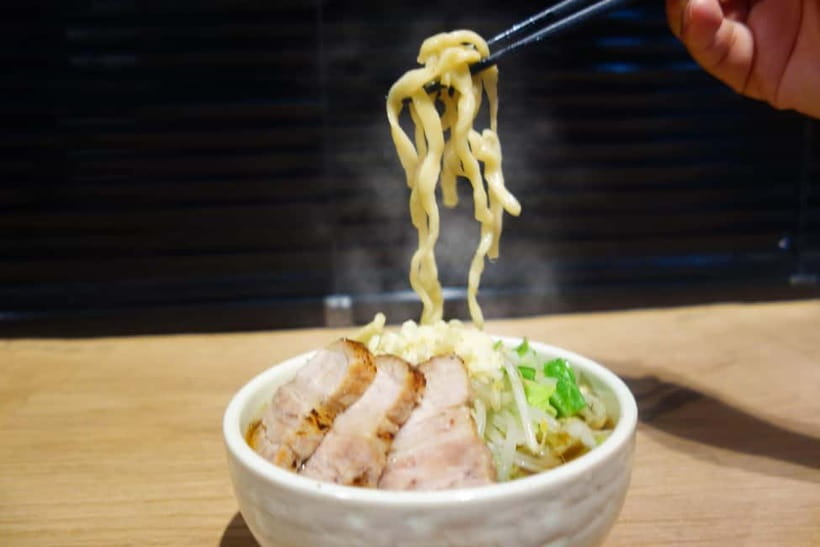
Jiro-style ramen is the star here. You make fresh noodles from flour, prepare the broth and toppings, then sit down to a bowl you built yourself. Before cooking, your English-speaking guide leads you through Akihabara’s electric town and a local supermarket, giving the class a useful slice of present-day Japanese food culture.
I like the two-part design: the neighborhood walk gives your meal some context, and the small group, limited to six people, keeps the cooking practical. I also like that the class is taught in English, with clear help from both the guide and chef. The main drawback is that this is not a vegetarian-friendly class, and the train ride to the kitchen studio costs extra.
- Fresh noodles made by hand: Start with flour and work toward your own bowl of ramen.
- Akihabara before lunch: See gadgets, anime, and pop culture before heading to the supermarket.
- A real ingredient stop: Learn about the items used in that day’s broth and toppings.
- Small English-speaking group: Six participants or fewer means more room for questions and help.
- Jiro-style ramen: Make the broth, noodles, and toppings yourself rather than simply watching.
- Chicken substitution available: Request chicken instead of pork chashu at least 48 hours before the class.
In This Review
- Why This Ramen Class Feels Different
- Meeting at Akihabara Station at 11 a.m.
- A 20-Minute Walk Through Akihabara
- Learning Ingredients Inside a Local Supermarket
- The Train Ride to a Modern Patia Studio
- Making Noodles, Broth, and Toppings in 90 Minutes
- What Jiro-Style Ramen Means for This Class
- How Much Value You Get for $120
- Who Will Enjoy This Best
- Timing, Cancellation, and Small Practical Details
- The Final Bowl and the Final Decision
- FAQ
- Where does the ramen experience begin?
- How long does the activity last?
- Is the class taught in English?
- How many people can join the group?
- Is the train ride to the kitchen included?
- Can the pork chashu be changed to chicken?
- Are vegetarian or vegan options available?
- Does the tour return to Akihabara Station?
Why This Ramen Class Feels Different
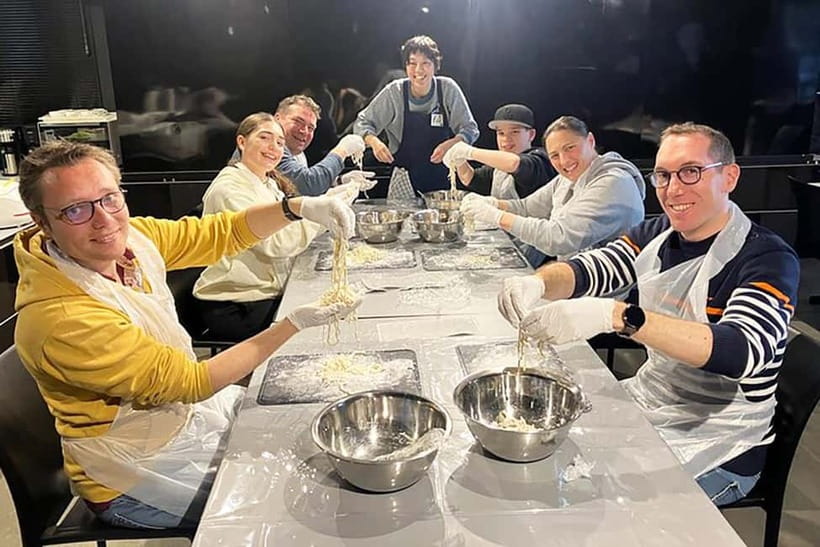
Many Tokyo cooking classes focus on sushi, tempura, or a quick demonstration. This one takes a more hands-on route. You make the noodles, prepare the broth, work with the toppings, and bring the parts together into one bowl of Jiro-style ramen.
That matters because ramen is often treated as a finished product you simply order. Here, you see the work behind it. Flour becomes noodles. Individual ingredients become broth. Toppings change the look and feel of the final dish. The meal is still lunch, but it also gives you a better sense of how Japanese cooks build flavor and texture.
The class starts in Akihabara, not at the kitchen door. That gives the morning a wider shape. You first see one of Tokyo’s best-known districts, then visit a local supermarket, then take a short train ride to a modern cooking studio. It is a good choice if you want a food activity with a little sightseeing built in.
The strongest part is the combination of instruction and participation. You are not just handed a bowl and told where it came from. You take part in the process and eat the result at the end.
Meeting at Akihabara Station at 11 a.m.
The meeting point is outside the Central Ticket Gate at JR Akihabara Station at 11 a.m. Akihabara is a large, busy station, so allow extra time to find the correct exit and ticket gate. The tour leaves after 10 minutes, and there is no refund if you miss the departure.
That rule is worth taking seriously. Akihabara has several rail lines and many exits, so arriving early will make the start much easier. Look for the outside Central Ticket Gate rather than assuming any station exit will do.
The tour ends at the kitchen studio, not back at Akihabara Station. Keep this in mind when planning lunch or your next activity. You will need your own Suica card or another IC card for the train from Suehirocho Station to the studio. If you do not have one, the guide can help you buy a ticket.
The transportation is short, but it adds one small task to the morning. You are responsible for the fare, and the train ride is not part of the $120 price. That is not a major cost, but it is useful to know before you arrive.
A few more Tokyo tours and experiences worth a look



A 20-Minute Walk Through Akihabara
The first walking segment lasts about 20 minutes. Akihabara is famous for electronics, anime, and Japanese pop culture, and the route gives you a quick look at that side of Tokyo before the cooking begins.
This is not a full sightseeing tour of the district. Think of it as a short introduction on the way to the supermarket. You will see colorful streets and popular spots, while the guide helps connect the neighborhood to modern Japanese life.
That short length is a plus for this activity. You get some atmosphere without spending the whole morning on foot. It also keeps the focus on food. If you want a long Akihabara shopping tour, this class will not replace one. If you want a brief look at the area paired with lunch preparation, the timing works well.
The walk also gives you time to meet the other members of your group. With no more than six people, the group should feel easier to manage than a large food tour. You can ask questions as you go, then continue them at the market and kitchen.
Learning Ingredients Inside a Local Supermarket
The supermarket visit lasts about 20 minutes. This is one of the most useful parts of the morning because it moves the class beyond cooking technique. You see the ingredients in the setting where local shoppers buy them.
The guide explains the ingredients used for the ramen prepared that day and how they fit into the dish. That can be especially helpful if Japanese food labels and supermarket displays are new to you. You are not expected to identify everything on your own.
Do not expect a long shopping session. Twenty minutes is enough for an introduction, not enough for a full survey of Japanese food. The value comes from seeing the actual products and hearing how they are used before you handle them in the kitchen.
I like this stop because it gives the ramen a stronger connection to daily life. You are not cooking from a tourist-only kit. You are looking at ordinary ingredients and then using them in a guided meal.
The exact ingredients can change with the day’s menu, so the guide’s explanation matters. The class description specifically includes broth and toppings, but it does not promise one fixed recipe for every date. If you have a particular ingredient in mind, ask before booking rather than assuming it will be included.
The Train Ride to a Modern Patia Studio
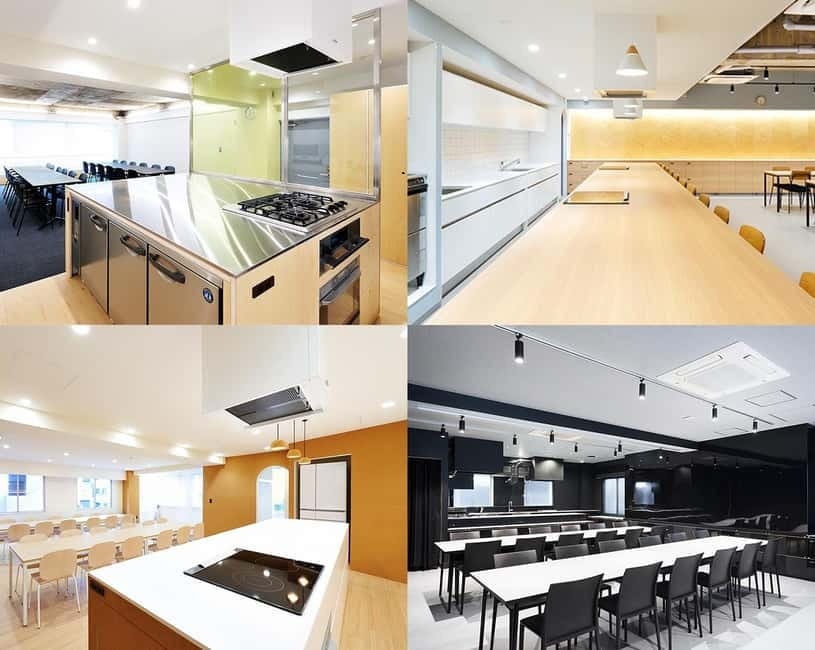
After the supermarket, you take a train to the kitchen studio. The ride takes about 15 to 30 minutes, depending on the route and timing. The class uses Patia Kitchen Studios, modern cooking spaces in central Tokyo located a short walk from the nearest station.
The studio is described as spacious and relaxed, which is useful for a class that involves flour, noodles, broth, and several toppings. Cooking feels easier when you have enough room to work and can see the instructor clearly.
This change of setting is also part of the class design. Akihabara supplies the city context, the supermarket supplies the ingredients, and the studio supplies the room to cook. You get three different parts of Tokyo in one three-hour activity.
You should still plan for the transfer. The train is not a private ride, and you need to pay with your own Suica or another IC card. Anyone who prefers a completely door-to-door activity may find this less convenient. For most people, the short public transport leg is a normal part of moving around Tokyo.
Making Noodles, Broth, and Toppings in 90 Minutes
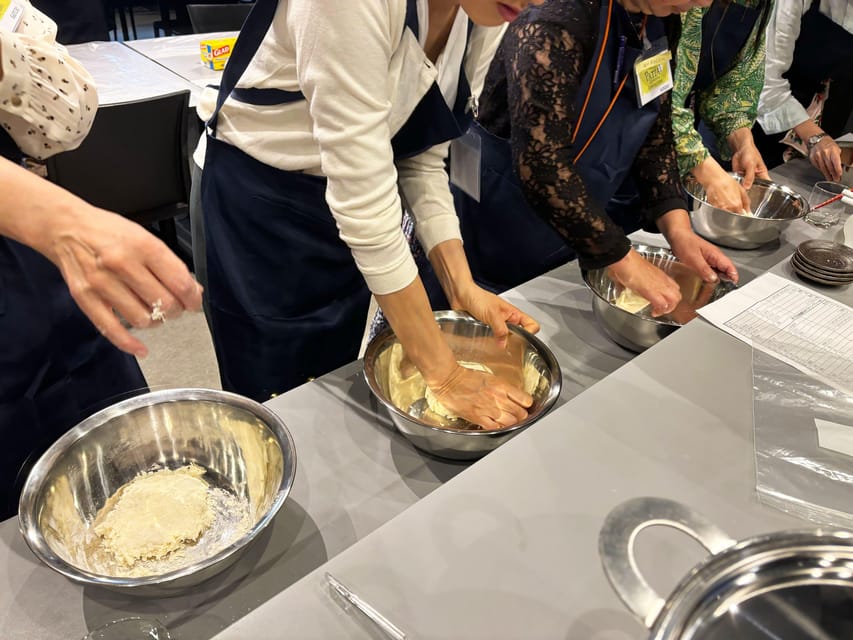
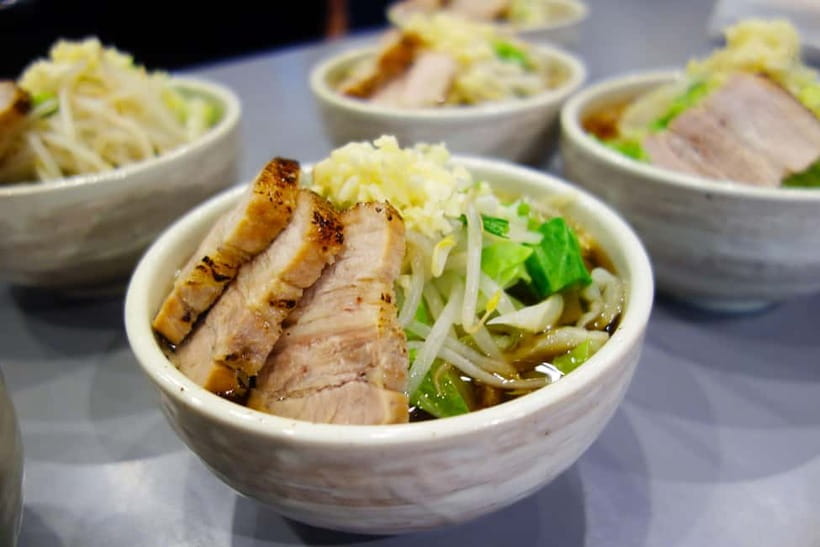
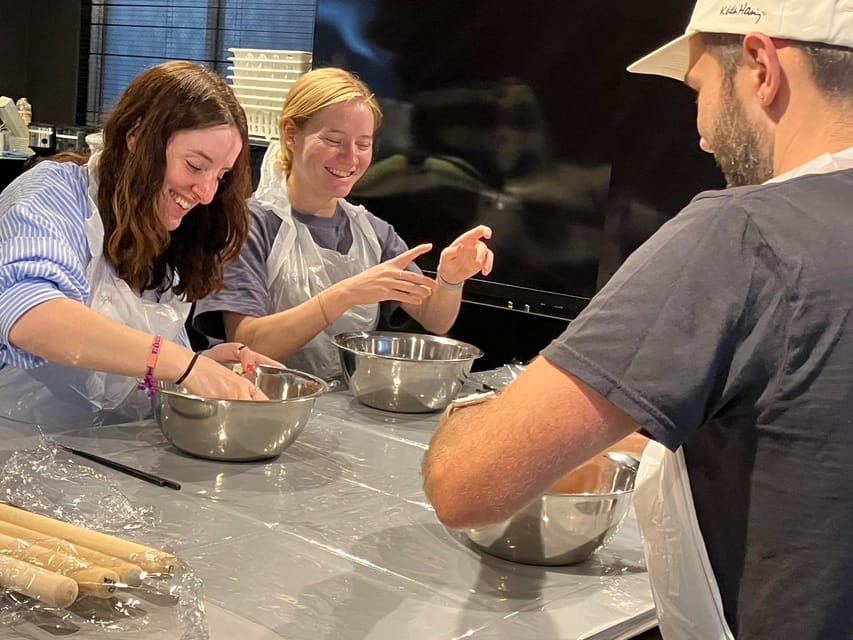
The cooking class lasts about 90 minutes. The goal is a complete bowl of Jiro-style ramen made from scratch, including fresh noodles, flavorful broth, and toppings.
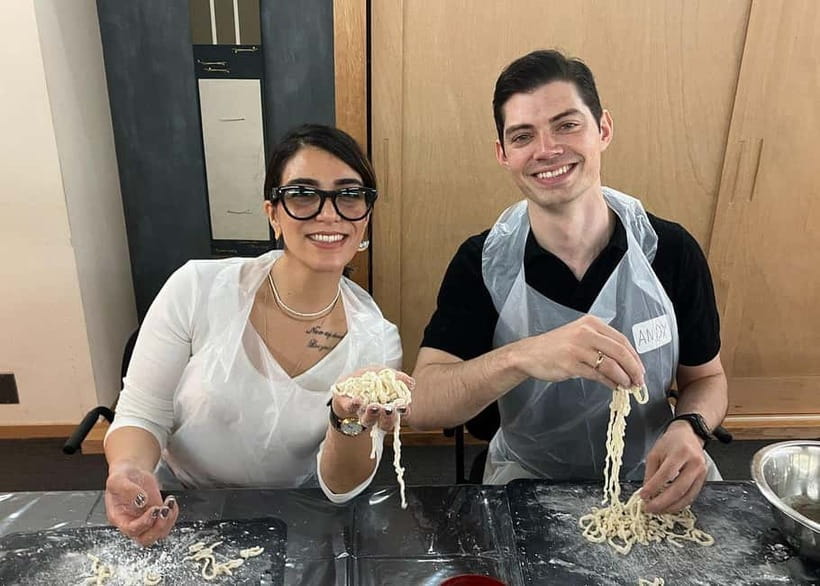
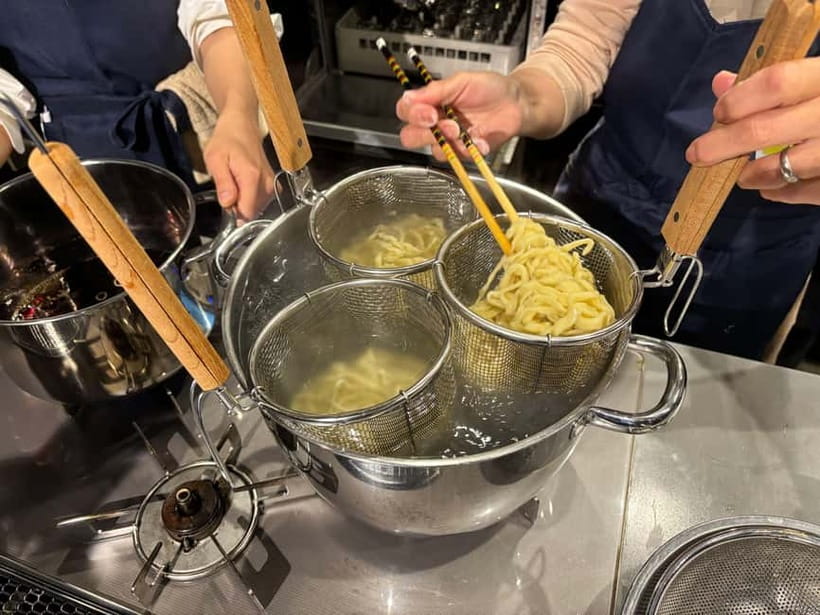
The noodles begin with flour. You learn how to turn that basic ingredient into the noodle portion of the meal rather than using a packet of prepared noodles. That hands-on step is central to the class and gives you something concrete to remember after the meal.
You also prepare the broth. The broth is one of the main building blocks of ramen, and the class lets you see how it fits with the noodles and toppings. The available information does not specify every ingredient or cooking method, so expect instruction on the day’s recipe rather than a promise of one fixed formula.
The toppings complete the bowl. You work with the prepared components, bring everything together, and then eat the ramen you made. The class is built around doing the work yourself, but you receive guidance from an English-speaking instructor throughout.
The 90-minute schedule sounds fairly brisk, so the pace may feel active. That is part of the appeal for people who want to cook rather than sit through a long lecture. If you want to take many photographs or work very slowly, you may need to follow the instructor’s timing.
The cooking studio has also been used for Japanese television programs. That does not change the recipe, but it adds a little interest to the setting and suggests a professional-style kitchen environment.
Other cooking classes in Tokyo



What Jiro-Style Ramen Means for This Class
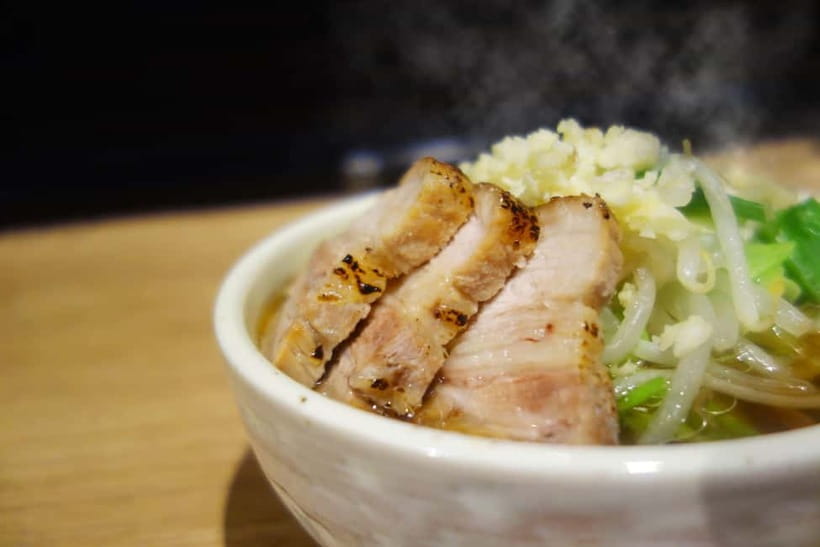
The class presents Jiro-style ramen as a special style that you can learn in English. The focus is not simply on making generic ramen. You prepare a particular style with fresh noodles, broth, and toppings.
The supplied information does not define the full regional or historical background of Jiro-style ramen, so I would not book this expecting a detailed lecture on ramen history. Book it for the practical lesson and the meal you create.
This is also not a class designed around dietary flexibility. The standard preparation includes pork chashu. If you notify the provider more than 48 hours ahead, the pork can be changed to chicken.
There are no vegan or vegetarian options. That is a firm limitation, not a minor footnote. If you avoid meat or animal products, choose another cooking class. If you eat meat but prefer chicken, make the request well before the 48-hour cutoff and confirm it when booking.
How Much Value You Get for $120
At $120 per person, this is not a budget lunch. You are paying for a three-hour activity, a guide, an English-language cooking lesson, the supermarket stop, the food and drink, and downloadable photographs taken during the experience. The train fare is extra, and there is no hotel pickup or drop-off.
The value depends on what you want from a meal. If you only want to eat ramen, a restaurant will cost much less. If you want to learn how to make noodles, understand the ingredients, explore Akihabara briefly, and cook in a small group, the price is easier to justify.
The group size helps. With no more than six participants, you should have better access to the instructor than in a large demonstration class. The English instruction also matters. You do not need to rely on translated recipe cards alone while handling dough and building the bowl.
The included photographs add some value, especially if you want a record of the activity without stopping to take pictures constantly. They are later downloadable, so do not expect printed images during the class.
I would call this a good-value splurge for a food-focused visitor, not an inexpensive way to get lunch. The combination of sightseeing, shopping, instruction, and food makes the price more reasonable than a cooking lesson alone.
Who Will Enjoy This Best
This class suits adults, couples, friends, and small groups who want to participate rather than watch. It also works well for first-time visitors who have Akihabara on their list but do not want to spend a full day focused on electronics and pop culture.
The English-speaking format makes it practical for people who want direct explanations. The small group is useful if you like asking questions or need help with the noodle-making process.
It is not suitable for children under five, people with back problems, wheelchair users, vegans, or vegetarians. The cooking and walking format may also be less comfortable for anyone who has difficulty standing or moving between locations.
The minimum reservation is two people. Solo visitors cannot book this as a one-person reservation under the stated conditions, so plan to attend with another person.
Timing, Cancellation, and Small Practical Details
The activity lasts three hours and starts at 11 a.m. Check the available date and starting time when booking, since the schedule can depend on availability.
You can cancel up to 24 hours ahead for a full refund. There is also a reserve-now, pay-later option, which is helpful if you are still arranging your Tokyo schedule.
Wear something practical for a cooking activity and walking, though no special clothing requirement is provided. Baby strollers and smoking are not allowed.
The biggest logistical point is the ending location. You finish at the kitchen studio, not at Akihabara Station. Have your next destination in mind before class ends, and keep your train card or ticket handy for the transfer.
The Final Bowl and the Final Decision
The best reason to book is simple: you make the ramen from flour to finished bowl. The supermarket stop adds useful context, and the Akihabara walk gives the morning some city flavor instead of placing you in a kitchen with no connection to the neighborhood.
I would book this if you eat pork or chicken, enjoy hands-on food activities, and want an English-language class with a small group. It is particularly appealing if you have already planned to visit Akihabara and want to turn that stop into a three-hour food experience.
I would skip it if you need vegetarian or vegan food, require wheelchair access, dislike public transport transfers, or want a quiet restaurant meal rather than a practical lesson. At $120, the class makes sense when the learning and neighborhood visit matter as much as lunch.
For the right eater, this is a focused and memorable way to meet Japanese food culture through action. You leave with a full meal, a better sense of the ingredients, and the satisfaction of having made your own fresh noodles.
FAQ
Where does the ramen experience begin?
It begins at 11 a.m. outside the Central Ticket Gate at JR Akihabara Station.
How long does the activity last?
The full experience lasts three hours.
Is the class taught in English?
Yes. The guide and cooking instructor provide the experience in English.
How many people can join the group?
The group is limited to six participants.
Is the train ride to the kitchen included?
No. The train ride from Suehirocho Station to the kitchen studio is not included. Use your own Suica card or another IC card, or ask the guide for help buying a ticket.
Can the pork chashu be changed to chicken?
Yes, if you make the request more than 48 hours before the activity.
Are vegetarian or vegan options available?
No. Vegan and vegetarian options are not available.
Does the tour return to Akihabara Station?
No. The class ends at the kitchen studio, which is different from the Akihabara meeting point.
More Cooking Classes in Tokyo
More Cooking Classes in Tokyo
More Akihabara & Anime Tours in Tokyo


More tours in Tokyo we've reviewed










Akihabara & Anime Tours, compared.
 ★ 5.0Official Street Go-Kart Tour – AkihabaraFrom $61
 ★ 5.0Tokyo Go Kart: Asakusa, Skytree, and Akihabara **IDP MUST**From $99
 ★ 4.7Tokyo: Asakusa, Skytree & Akhihabara Go-Kart City ExperienceFrom $961h 10m
 ★ 4.5Tokyo Studio Ghibli Museum and Ghibli Film Appreciation TourFrom $193
 ★ 5.0Akihabara Anime & Game Adventure Walking Tour (Group or Private)From $90
 ★ 5.0Tokyo: Gameboy Mod Workshop at AkihabaraFrom $3602 hours