
Reviewed · MUSEUMS
Private Tour Through the Tokyo National Museum & Ukiyo-e
The best part of this private Ueno tour is the way it links outdoor history with museum objects. You move from Kiyomizu Kannondo’s wooden stage and Ueno Toshogu Shrine into samurai armor and colorful ukiyo-e prints, so Japan’s past feels connected rather than split into separate facts.
I like the personal guide service, especially for families and first-time visitors who want someone to explain what they are seeing. I also like the modest $74 price, since Tokyo National Museum admission is included. The main catch is time: 150 minutes passes quickly, and the museum portion may feel too brief if you want a careful look at many galleries.
In This Review
- Key details before you book
- Why Ueno is a smart place to study Tokyo’s past
- Meeting your guide outside Ueno Park
- Kiyomizu Kannondo and the Ueno Park view
- Ueno Toshogu Shrine and the Tokugawa connection
- Tokyo National Museum: samurai armor and ukiyo-e
- How the guides shape the experience
- Is $74 a fair price for 150 minutes?
- Who will get the most from this Ueno tour?
- Practical timing, clothing, and museum manners
- Should you book the Tokyo National Museum and Ukiyo-e tour?
- FAQ
- How long does the tour last?
- What language is the tour conducted in?
- Is this a private tour?
- What sites are included?
- Is Tokyo National Museum admission included?
- Where is the meeting point?
- Where does the tour finish?
- What should I bring?
Key details before you book
- Kiyomizu Kannondo’s wooden stage: Pause for a fine view across Ueno Park from a quiet temple setting.
- Ueno Toshogu’s Tokugawa link: See a shrine tied to the shogunate and the political world of Edo Japan.
- Tokyo National Museum admission included: Spend part of the tour with samurai armor, ukiyo-e, and other Japanese works.
- Private English-speaking guide: Guides including Shigeru, Mieko, Masahito, and Hattori Yutaka have been praised for clear explanations and patient help.
- A 150-minute history lesson: Follow Ueno Hill from a major Kaneiji Temple site to a public park shaped by the Meiji Restoration and the Battle of Ueno.
- Simple outdoor preparation: Wear comfortable shoes, carry water and sunscreen, and remember that flash photography and smoking are not allowed.
Why Ueno is a smart place to study Tokyo’s past
Ueno gives you several layers of Japanese history within a compact area. The hill was once part of the vast grounds of Kaneiji Temple, a major temple complex during the Edo period. Later, the Meiji Restoration and the Battle of Ueno changed the area, and Ueno developed into the public park and cultural center you see today.
That change is the thread running through the tour. Instead of beginning inside a museum with no sense of place, you start outdoors and learn why these temples, shrines, and open spaces matter. By the time you enter the Tokyo National Museum, you have a better frame for understanding samurai objects, religious art, and popular prints.
I find this useful in Tokyo, where a modern street can sit only a few steps from a site linked to the Tokugawa Shogunate. A guide can point out those connections as you walk, rather than leaving you to piece together the story from small signs.
The tour is private, so your group can ask questions without waiting for a large crowd to catch up. That also makes it a good choice if you are traveling with children or have one area of the museum you especially want to see.
Other private tours in Tokyo



Meeting your guide outside Ueno Park
The meeting point is in front of the FamilyMart Ueno Park Branch. This detail matters: the store faces the street and is not inside Ueno Park. Look for the convenience store before entering the park, rather than wandering among the paths trying to find the group.
The tour ends at the Tokyo National Museum, which is practical if you want to continue exploring the museum after the guide finishes. It also keeps the route tidy, with no need to return to the starting point.
Since this is a walking tour through outdoor grounds and museum halls, comfortable shoes are important. A hat, sunscreen, water, and a camera are sensible additions. Ueno’s temples and park views reward photographs, but flash photography is not allowed.
Kiyomizu Kannondo and the Ueno Park view
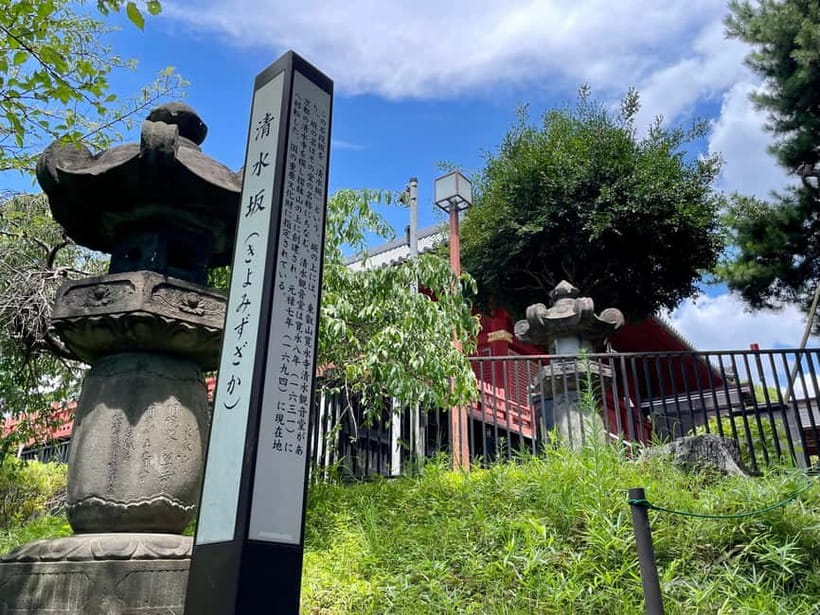
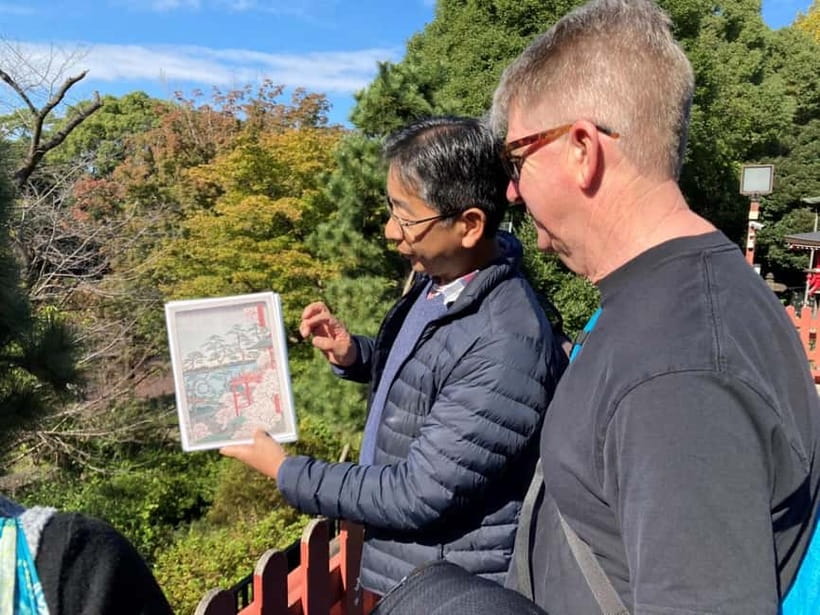
The first main stop is Kiyomizu Kannondo, a temple with a wooden stage overlooking Ueno Park. It takes its name from Kyoto’s famous Kiyomizudera, and the raised platform offers a pleasant place to look across the park and pause among the trees.
This is more than a quick photo stop. The temple helps you see how religious sites once shaped Ueno Hill. The setting is quieter than the large museum halls, and the guide can explain how the area retained parts of its temple character even after major political and military changes.
I like this early stop because it gives the tour a calm beginning. You are not asked to absorb a long list of dates while standing in a crowded gallery. Instead, you get a view, a sense of the ground beneath you, and a first lesson in how Ueno changed.
The exact amount of time here depends on the guide and your group. If you love photography, tell your guide early. The wooden stage and park view are among the most appealing visual moments of the experience, but the total tour is only two and a half hours.
Ueno Toshogu Shrine and the Tokugawa connection
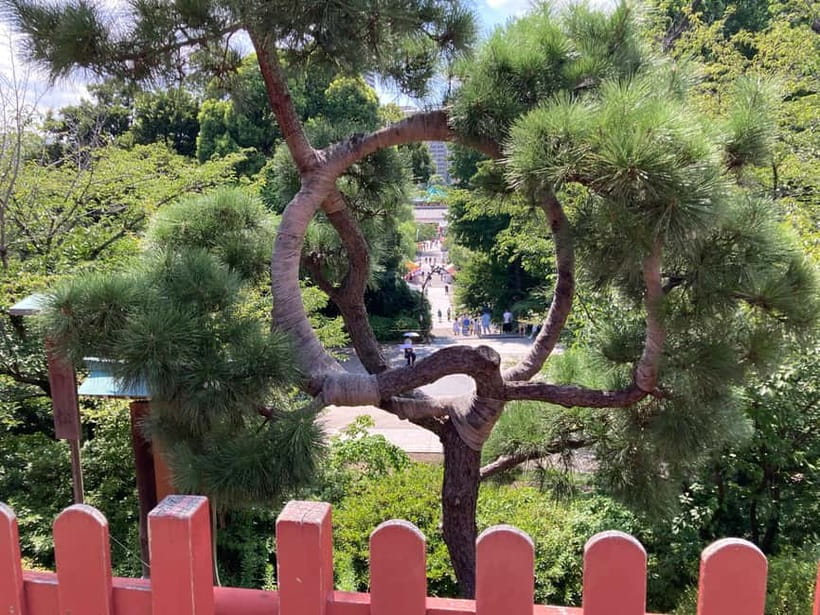
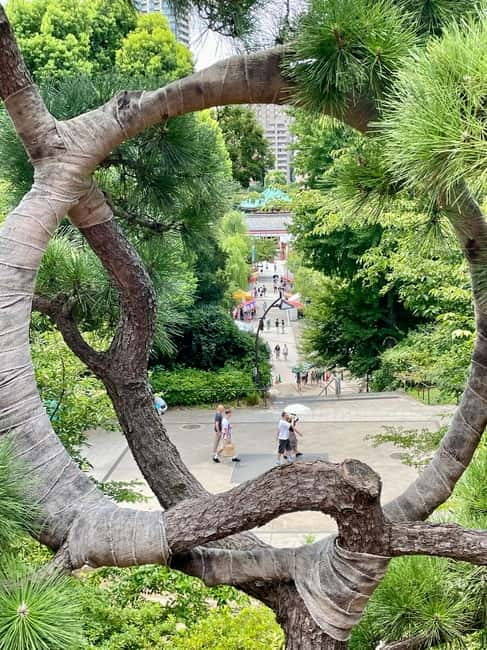
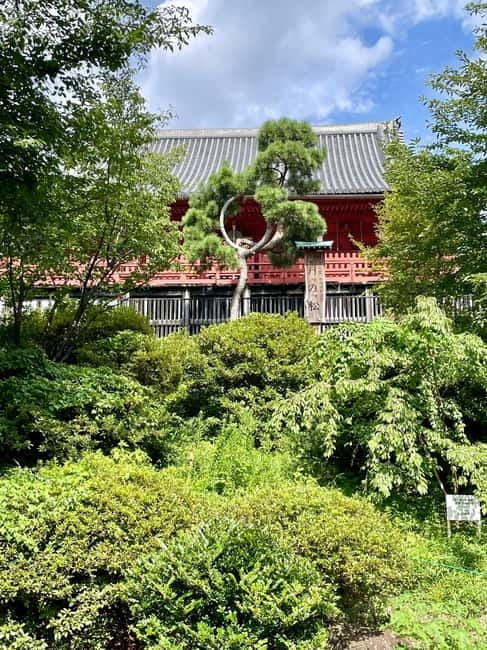
Next comes Ueno Toshogu Shrine, one of the clearest links between Ueno and the Tokugawa Shogunate. The shrine gives you a chance to consider how rulers used religious buildings, memorials, and grand sites to express authority.
The guide-led visit is helpful here because a shrine can look beautiful without making its political meaning obvious. You will have time for sightseeing and photographs while learning how the site fits into Japan’s Edo-period story.
I would pay close attention to the contrast between the open park and the more formal shrine setting. Kiyomizu Kannondo feels like a place to pause and observe nature. Ueno Toshogu carries a stronger sense of ceremony and power. Together, the two stops show that Ueno was not simply a green space. It was a major religious and political area.
This portion also gives you context for the museum. Once you understand Ueno’s connection to the shogunate, samurai armor and other objects inside the museum have a clearer place in the story. That link is one of the strongest reasons to choose this tour instead of visiting the museum without a guide.
Tokyo National Museum: samurai armor and ukiyo-e
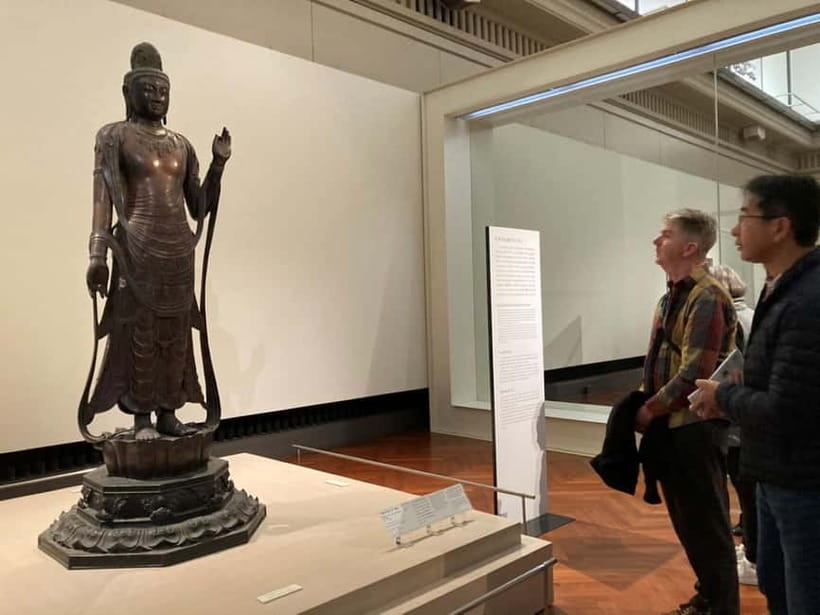
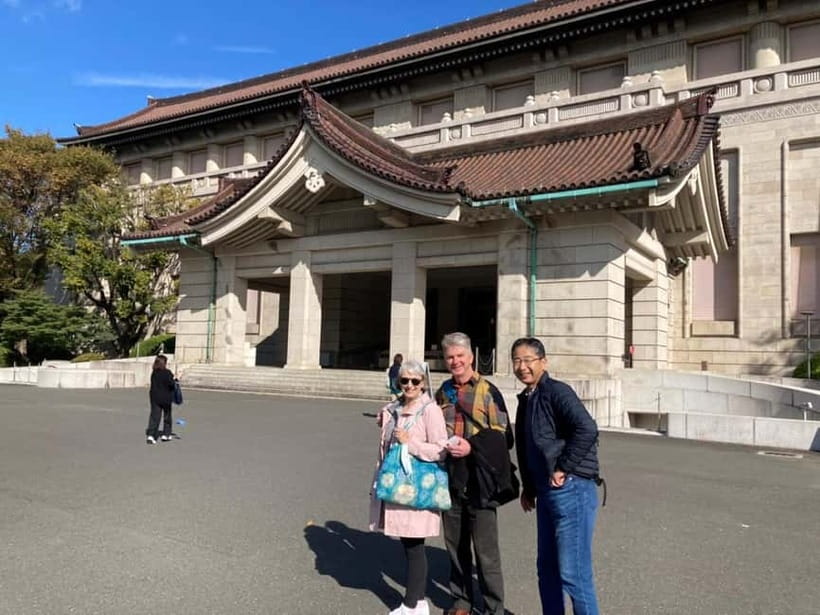
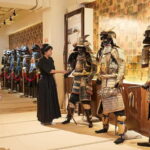
The Tokyo National Museum is the central indoor stop, and admission is included in the tour price. You can expect to see important Japanese objects, including samurai armor and colorful ukiyo-e woodblock prints.
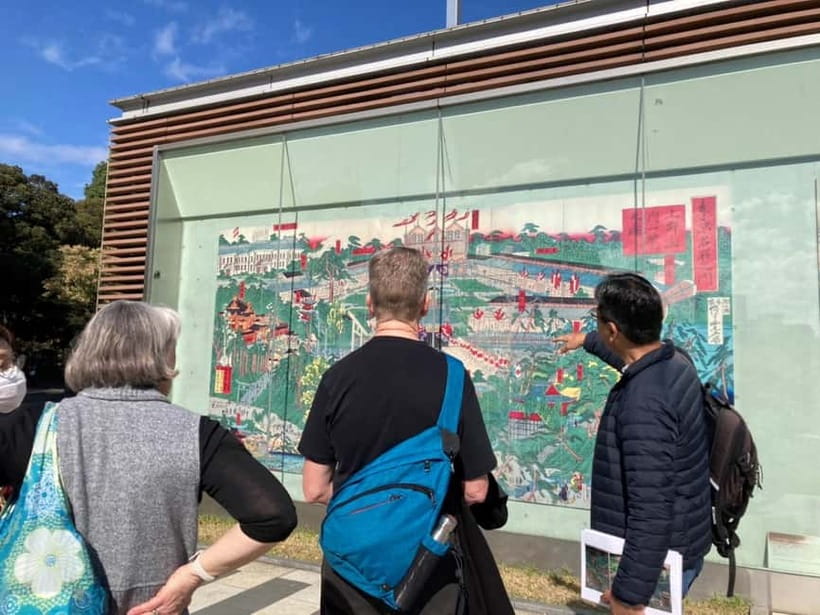
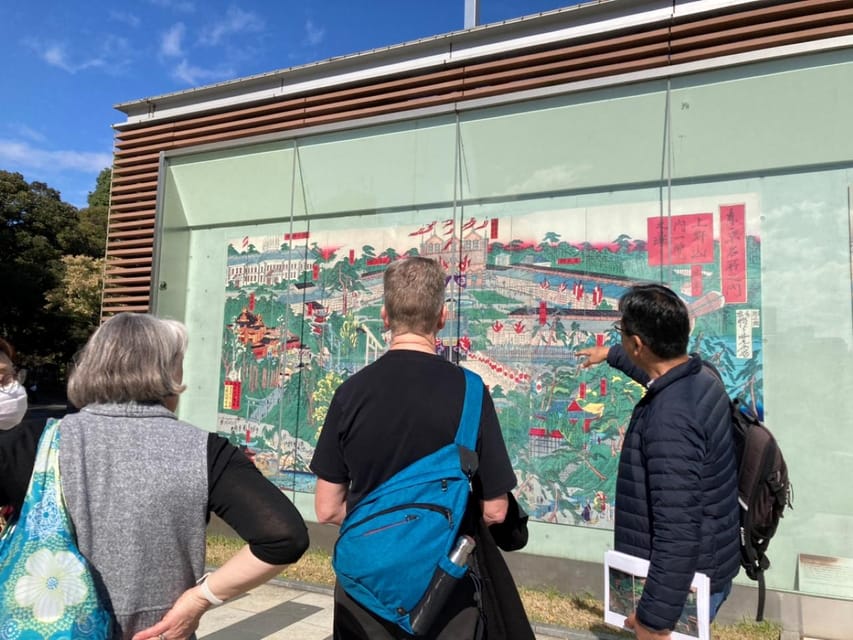
Ukiyo-e is especially useful for understanding everyday visual culture in Japan. These prints can show how artists portrayed people, places, and popular subjects, while samurai armor points to a different part of society and power. Seeing both in the same museum visit gives you a broader picture than focusing on a single period or art form.
The museum is large enough that two and a half hours cannot cover everything. The guided portion is best approached as an introduction, not a complete museum survey. You will need to accept a few choices about what to see.
This is where the private format can make a real difference. Masahito, for example, made sure a group had enough time in two specific museum areas. If you have a priority, tell your guide at the start. A private guide can shape the visit around your interests more easily than a fixed large-group walk.
There is one reasonable limitation. One visitor wanted more focused explanation of individual objects in the galleries. That is useful advice for setting expectations. The outdoor history may receive as much attention as the museum displays, so ask for object-by-object detail if that is your main goal.
If your group prefers a relaxed pace, say so. A family with children received patient help and breaks from its guide, and another group described the time as comfortable even with a pause along the way. The private setting makes that sort of adjustment possible.
Other museum experiences in Tokyo

How the guides shape the experience
The strongest human part of this tour is the guide. The English-speaking team includes Shigeru, Mieko, Masahito, and Hattori Yutaka, among others. Their approaches may differ, but the experience is built around explanation, questions, and a more personal pace.
Shigeru has been especially useful for connecting Japanese history with practical Tokyo advice, including a suggestion for a tasty lunch venue. That can be handy when you finish near the museum and want to keep your Ueno visit going.
Mieko has explained the story of the grounds from their earlier role through the present day. That is the kind of broad timeline that helps you understand why Ueno contains temples, parkland, and major cultural buildings side by side.
Hattori Yutaka has helped groups feel comfortable, taken photographs, and explained temples and shrines in a gentle way. That combination suits families and people who prefer a warm, unhurried tour rather than a dense lecture.
Masahito has been flexible about museum priorities and questions. If you have come to Tokyo with a specific interest in art or Japanese history, this flexibility could be more valuable than a standard route.
The guides are not just there to lead you from one pin on a map to the next. Their real value is interpretation. Still, the quality of any private tour depends partly on the individual guide assigned to you, so it is wise to explain your interests at the beginning.
Is $74 a fair price for 150 minutes?
At $74 per person, this tour sits in a reasonable range for a private Tokyo experience, particularly because Tokyo National Museum admission is included. You are paying for a personal English-speaking guide, entry to the museum, and a walking route through several important Ueno sites.
The value is strongest for two types of visitors. First, you get a lot from it if Ueno is your first cultural stop in Tokyo and you want the basic story explained in plain English. Second, it works well for families or small groups that want to ask questions, take photographs, and adjust the pace.
The value is weaker if you mainly want hours inside the museum. A self-guided museum visit gives you more freedom to linger over prints, armor, or other objects. This tour adds the temples and Ueno history, but that means the museum time is only one part of the visit.
I would also compare the price with your group size. For a private group, the cost buys more than admission alone: it buys attention and a route that joins outdoor sites to museum collections. For a solo visitor who already knows Japanese history, the added guidance may feel less essential.
Who will get the most from this Ueno tour?
I would recommend it to first-time Tokyo visitors who want a manageable introduction to Japanese culture. The route is short enough to fit into a busy itinerary, yet it covers temples, a shrine, a park, political history, and museum art.
Families are another good match. The guide can answer questions, take group photographs, and add a break when needed. Children may find the samurai armor and colorful prints more engaging than a long lecture about dates, especially when the museum visit follows outdoor stops.
It also suits people who want a gentle introduction rather than an intensive art course. You will hear about Ueno’s past and see selected objects, but you should not expect a specialist study of every ukiyo-e artist or museum department.
The tour is not suitable for wheelchair users or people with mobility impairments. The route includes walking through park grounds and museum areas, so anyone with mobility concerns should choose a different activity.
Practical timing, clothing, and museum manners
The tour lasts 150 minutes, with starting times based on availability. That is long enough for a useful introduction but short enough to combine with another Ueno activity later in the day.
Wear shoes that are comfortable for walking. Bring water, sunscreen, and a hat, since part of the route is outdoors. A camera is welcome, but flash photography is not allowed, and smoking is prohibited.
You can cancel up to 24 hours in advance for a full refund, and the reserve-now, pay-later option keeps your plans flexible. Those policies are useful in Tokyo, where weather and changing sightseeing plans can affect a full day.
Since the tour finishes at the museum, consider leaving room afterward if you want to continue on your own. The guided visit may introduce you to areas you want to study more slowly.
Should you book the Tokyo National Museum and Ukiyo-e tour?
Book it if you want Ueno’s major sites explained as one story, not as isolated stops. The combination of Kiyomizu Kannondo, Ueno Toshogu Shrine, and the Tokyo National Museum gives you a clear path from Edo-period religion and power to Japanese art and popular prints.
I especially recommend it for families, first-time visitors, and small private groups that value questions and flexible pacing. The guides have helped with photographs, breaks, museum priorities, and even lunch ideas, which adds practical value to the history.
Skip it if your only goal is a long, detailed museum study. You may prefer to enter the Tokyo National Museum on your own and spend several hours with individual works. At $74, this tour earns its price through the guide and the outdoor context, not through museum time alone.
For most visitors who want an easy, human introduction to Ueno, it is a sensible choice. Just meet at the FamilyMart outside the park, wear good shoes, and tell your guide what you most want to see.
FAQ
How long does the tour last?
The tour lasts 150 minutes, or two and a half hours.
What language is the tour conducted in?
The tour is conducted in English with a live English-speaking guide.
Is this a private tour?
Yes. The experience is arranged for a private group.
What sites are included?
The route includes Kiyomizu Kannondo, Ueno Toshogu Shrine, and the Tokyo National Museum.
Is Tokyo National Museum admission included?
Yes. Admission to the Tokyo National Museum is included in the price.
Where is the meeting point?
Meet in front of FamilyMart Ueno Park Branch. The store faces the street and is outside Ueno Park, not inside it.
Where does the tour finish?
The tour finishes at the Tokyo National Museum.
What should I bring?
Bring comfortable shoes, a hat, a camera, sunscreen, and water. Smoking and flash photography are not allowed.
More Museum Experiences in Tokyo
More Private Tours in Tokyo

More tours in Tokyo we've reviewed




Museums, compared.
 ★ 4.6Tokyo: teamLab Planets TOKYO Digital Art Museum Entry TicketFrom $251 day
 ★ 4.6Tokyo: Samurai Ninja Museum Guided tour and ExperienceFrom $27
 ★ 5.0Ninja Experience (Family Friendly) at Samurai Ninja Museum TOKYOFrom $47
 ★ 4.5Tokyo Studio Ghibli Museum and Ghibli Film Appreciation TourFrom $193
 ★ 5.0Tokyo Sword Experience – includes Museum Ticket/Ninja ExperienceFrom $84
 ★ 4.8Samurai Ninja Museum Asakusa: Samurai Sword Lesson & TourFrom $632 hours