
Reviewed · TOURS
Variety of Tokyo or Yokohama Tours Customizable and Memorable
Tokyo and Yokohama are too large for a one-size-fits-all sightseeing day. This private walking tour lets you shape the route around your hotel, interests, and energy level, from Shibuya and Harajuku to Yokohama Chinatown and Sankeien Garden. I like the freedom to choose a start time and ask your guide for help with trains, money exchange, and extra planning. I also like the chance to mix famous sights with quieter places such as Yanaka Ginza and small shrines.
The main catch is simple: you need to walk a lot, at least 10,000 steps by the tour’s own guidance, and you use trains or buses rather than a private vehicle. The low advertised price is appealing, but public transport, food, drinks, and some admission fees can add to the day’s cost.
In This Review
- Key points to know before you book
- A flexible way to see Tokyo or Yokohama
- Tokyo’s districts, from Harajuku style to Asakusa temples
- Tsukiji, Tokyo Tower, Zojoji Temple, and the Imperial Palace
- Yokohama Chinatown and the harbor
- Sankeien Garden, a slower stop from the Edo period
- What the $10 price really means
- Trains, walking, and the practical side of the day
- Who will get the most from this private tour?
- Should you book it?
- FAQ
- Where does this tour take place?
- How long does the tour last?
- Is the tour private?
- Is hotel pickup offered?
- Does the tour use a private car or bus?
- Are train and bus fares included?
- Are meals and drinks included?
- How much does Sankeien Garden cost?
- What happens if the weather is poor?
Key points to know before you book
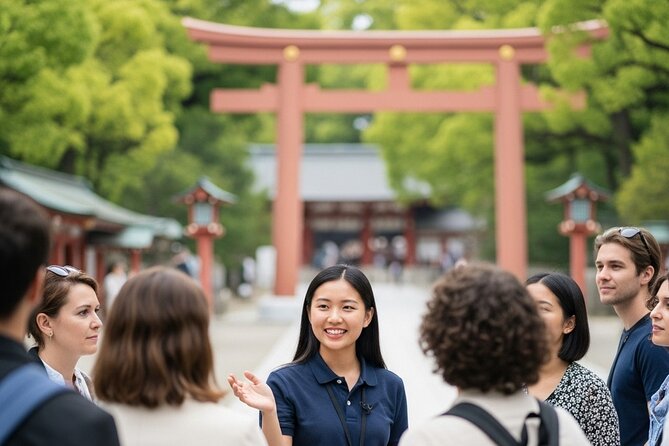
- A private day built around your interests: Your guide can plan the route around your hotel, preferred start time, and choice of food, temples, shopping, or major sights.
- Tokyo offers several very different districts: Shibuya, Harajuku, Asakusa, Ueno, Tsukiji, Tokyo Tower, Zojoji Temple, the Imperial Palace, and Yanaka Ginza can all fit into a custom plan.
- Yokohama makes a strong alternative: Chinatown, Yamashita Park, the Red Brick Warehouse, local food stops, and Sankeien Garden create a full day with a different feel from Tokyo.
- You travel like a city resident: The tour uses trains and metro lines, with no private car or bus. Transport generally costs about ¥400 to ¥700 each way.
- Groups of five or more get extra value: Transportation and admission for one location are covered for those groups, while smaller groups pay their own train fares.
- The guide can help beyond sightseeing: You can ask for advice on train travel, money exchange, and additional hotel bookings.
A flexible way to see Tokyo or Yokohama
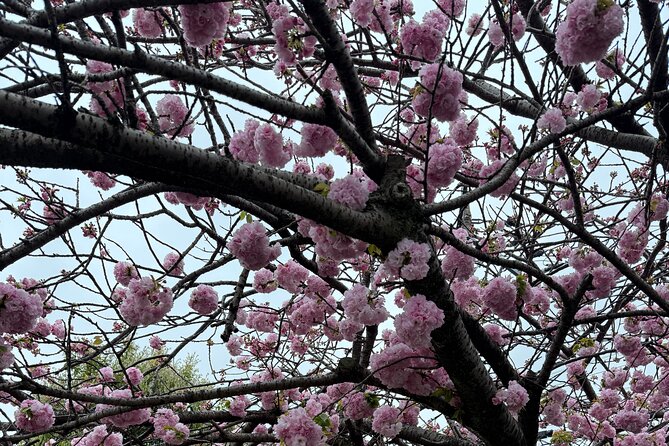
The best feature here is not a single monument. It is the ability to shape a long walking day around what you actually want to see. You choose Tokyo or Yokohama, discuss your interests with the host, and set an ideal start time and tour length when booking.
That matters in Japan, where a day can easily become too crowded with famous names. You may want neon streets and shopping. You may prefer temples, gardens, and local food. You may be traveling with children or a family member who needs a slower pace. A private guide can adjust the route instead of marching every group through the same checklist.
The experience lasts about seven hours, though the supplied details also say you can choose the tour length. I would confirm the final length and route before the day begins, especially if you have a long list of districts. Tokyo’s size makes travel time a real part of the outing.
Your guide is a native English speaker who can explain local customs, history, and practical details. Jack is one guide associated with the experience, and he has also led a Kamakura outing. His careful attention to keeping a family together was especially useful for a group with a child who often wandered or fell behind. That is a small but important point for families: a private guide can do more than recite facts. The guide can watch the pace and reduce the stress of moving through busy stations and streets.
If you're still narrowing it down, here are other tours in Tokyo we've reviewed.
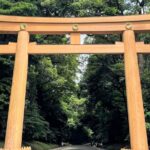

Tokyo’s districts, from Harajuku style to Asakusa temples
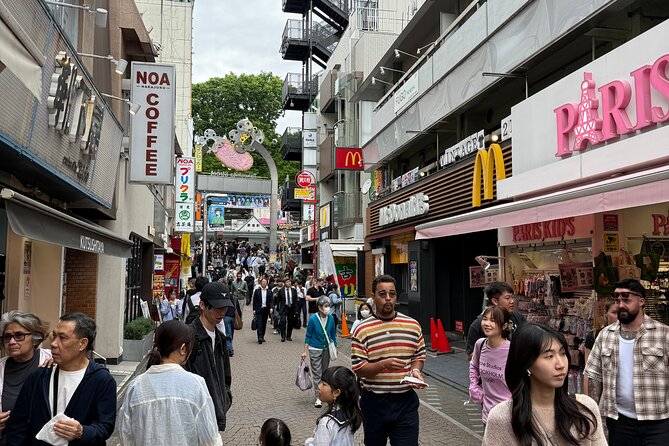
A Tokyo day can begin in Harajuku, where fashion, youth culture, and major religious sites sit close together. The route can then move to Shibuya, one of the city’s best-known shopping and crossing areas. These districts give you a quick look at modern Tokyo, but they can also be tiring and crowded, especially if you spend too long trying to cover every street.
I would ask the guide to explain how much time each area deserves. If you want shopping and people-watching, Harajuku and Shibuya may take up much of the morning. If your priority is traditional Tokyo, you may want to limit these stops and save time for Asakusa, Ueno, or Yanaka Ginza.
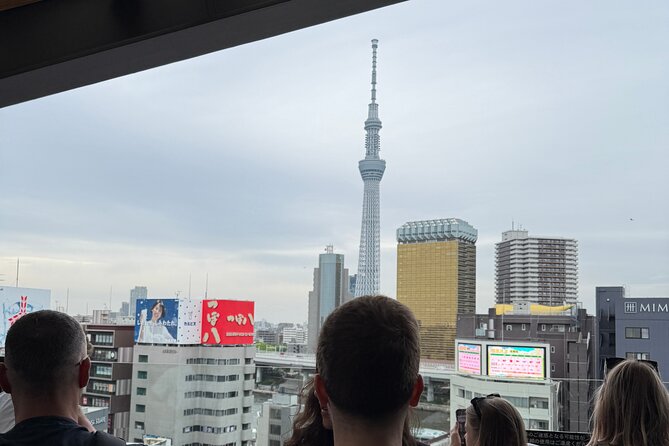
Asakusa brings a different mood, with temples and older streets. It is one of the most useful stops for a first visit because you can connect Tokyo’s present-day energy with its religious and neighborhood traditions. Your guide can add context as you walk, point out details you might miss, and help you decide where to pause.
Ueno adds museums, public spaces, shopping streets, and local food possibilities to the plan. The exact route depends on your interests, so you should tell the host if you want culture, snacks, shopping, or a simple walk through the district. Since meals are not included, any food tasting becomes your own expense, but the guide can help you find suitable local places.
Yanaka Ginza is a good choice if you want a less polished side of Tokyo. The information supplied describes it as a local area with shrines that can rival those associated with Kyoto. That does not mean you should expect a full Kyoto-style temple day, but it does suggest a quieter route with neighborhood character and small religious sites.
Tsukiji, Tokyo Tower, Zojoji Temple, and the Imperial Palace
A second Tokyo pattern centers on Tsukiji, Tokyo Tower, Zojoji Temple, and the Imperial Palace. These stops work well for visitors who want food, major views, and national history in one day.
Tsukiji is the natural place to ask about seafood and market food. Meals and snacks are not included, so plan extra money if you want to eat along the way. The guide can help you make sense of the area and suggest local food stops, but you remain responsible for what you buy.
Tokyo Tower gives the route a major city landmark, while Zojoji Temple offers a religious and historical counterpoint nearby. The combination is useful because you can see modern Tokyo rising around an older temple setting. Admission rules can vary by the specific place you enter, so ask what is planned and which entrance fee is covered.
The Imperial Palace adds another kind of context. You may see it as part of a broad central Tokyo walk rather than a single attraction with unlimited access. A guide can help you understand its place in the city, but the time available depends on the rest of your route.
Trying to include Harajuku, Shibuya, Asakusa, Ueno, Tsukiji, Tokyo Tower, Zojoji Temple, the Imperial Palace, and Yanaka Ginza in seven hours would be ambitious. I would not treat every named stop as guaranteed in one day. The smart move is to choose two or three themes and let the guide build a workable path.
Yokohama Chinatown and the harbor
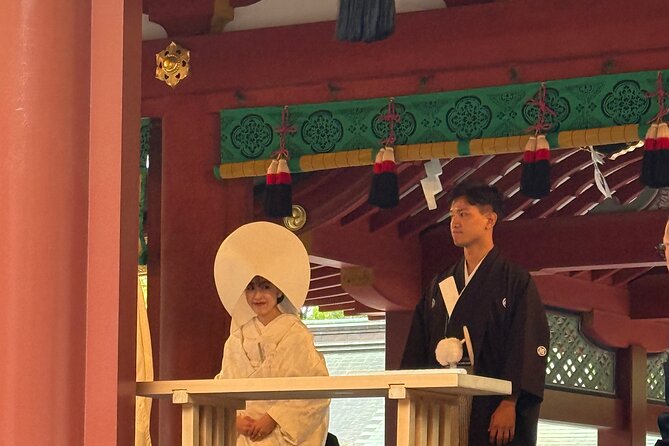
Yokohama offers a strong alternative if you have already seen central Tokyo or want a day with more open waterfront space. The route can begin in Chinatown, described as one of the largest in the world, where food and local culture are central to the visit.
This is a good place to tell your guide what you want from the meal side of the day. You pay for your own food, drinks, and snacks, but a local guide can help you navigate the choices and add background about Yokohama’s role in Japan’s modern development.
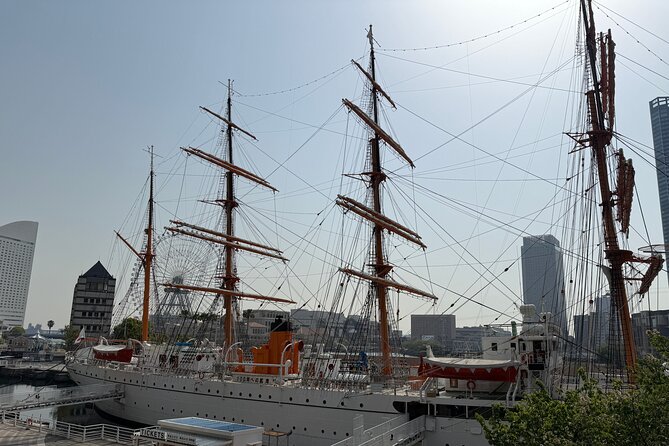
From Chinatown, the walk can continue toward Yamashita Park. The harbor views give the day some breathing room after city streets and station changes. I like this pairing because it avoids making Yokohama only a food stop. You get a sense of the port, public spaces, and the city’s connection to Japan’s opening and modernization.
The Red Brick Warehouse adds shopping and another food opportunity. It is a practical stop if your group wants time to browse or eat without giving up the walking format. It also gives the route a clear change of pace after Chinatown and the waterfront.
The Yokohama route may be easier to understand as a day with three parts: Chinatown for food and culture, Yamashita Park for harbor views, and the Red Brick Warehouse for shopping and a meal. You can add Sankeien Garden, but that will make the day longer or require less time elsewhere.
Sankeien Garden, a slower stop from the Edo period
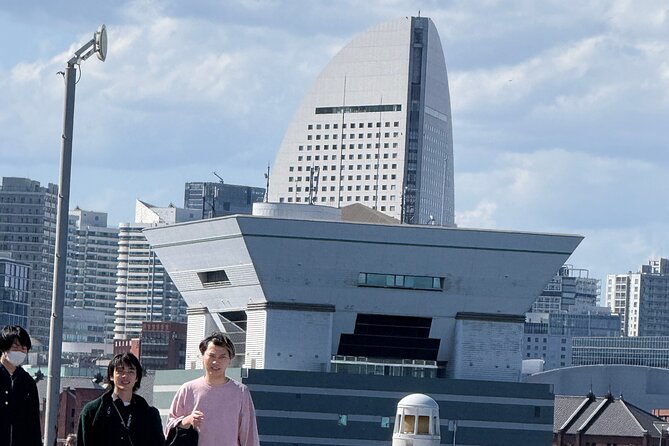
Sankeien Garden is the most distinctive Yokohama addition. It is described as a traditional Japanese garden that feels like a time capsule from the Edo Period, giving you a chance to step away from the port and modern city.
Admission is ¥700 for adults and ¥200 for children under 15, paid onsite. That fee is not included for smaller groups, so budget for it if the garden is part of your plan. Groups of five or more receive transportation and admission for one location through the tour arrangement, according to the supplied terms.
The garden also affects the day’s pacing. Chinatown, Yamashita Park, the Red Brick Warehouse, and Sankeien Garden are not one compact sight, so your guide needs to balance walking and public transport. Ask for a clear route before starting, including which location will receive the available entrance coverage for a larger group.
I would choose Sankeien Garden if you want traditional design, quiet paths, and a break from shopping. I would skip it if your main goal is Yokohama food and harbor views and you do not want a long, active day.

What the $10 price really means
At $10 per person, this experience looks unusually inexpensive for a private tour of about seven hours. The value comes from having a guide plan the day and accompany only your group, rather than paying for a large fixed group with a set route.
Still, the advertised price is not the full spending picture. Public transportation is excluded for groups under five and generally costs about ¥400 to ¥700 one way, depending on the route. You also pay for meals, snacks, drinks, personal purchases, and Sankeien Garden admission when applicable.
For groups of five or more, transportation and entrance for one location are covered. That can improve the value, particularly if your chosen route includes several train rides and one paid site. Confirm exactly what is included for your party before booking, since the coverage depends on group size and the final plan.
The low price makes the tour most attractive if you want help organizing Tokyo or Yokohama but do not need a private car, luxury service, or included meals. You are paying for local planning, guiding, and flexibility. You are not paying for a fully packaged sightseeing day.
Trains, walking, and the practical side of the day
This is a walking tour only. There is no private car or bus, and you move between districts by train or metro. That is a practical way to cover Tokyo, but stations can add stairs, corridors, crowds, and time between the sights themselves.
The tour requires a moderate level of fitness and is not recommended if you cannot walk at least 10,000 steps. Wear comfortable shoes and keep your day flexible. The guide can plan around your interests, but the city itself sets the basic limits.
Pickup is offered, and the host can plan the route around your hotel location. I would treat this as a useful meeting and planning advantage, not as a promise of door-to-door vehicle service. The route still relies on public transport and walking.
You can also chat directly with the host before the tour. Use that contact well. Tell the guide if you care most about food, temples, shopping, gardens, modern architecture, or major landmarks. Also mention your preferred start time, your hotel, and any family pacing needs.
The weather matters. If poor weather cancels the experience, you are offered another date or a full refund. Free cancellation is available up to 24 hours before the start time, but changes or cancellations inside that window are not accepted and are not refunded.
Who will get the most from this private tour?
I would recommend this experience to a first-time visitor who feels unsure about Tokyo’s train system or wants a local hand in choosing among too many districts. It also suits repeat visitors who want a less obvious neighborhood, a food-focused day, or a custom Yokohama outing.
Families may benefit from the private format. Jack’s ability to help keep a group together is a useful example of why a private guide can matter, especially when children move at different speeds. You can ask for a route that respects your group’s pace, though you still need to meet the walking requirement.
This is less suitable for anyone who wants a relaxed vehicle tour, a short sightseeing loop, or a day with every cost paid in advance. The walking and transport demands are real. So is the need to make choices, since trying to cover every Tokyo stop will leave you rushing.
Should you book it?
Book this tour if you value flexibility and local help more than a fixed route. It is a good way to turn a hotel-area meeting point into a full day of neighborhoods, food, temples, gardens, and practical advice.
Choose Tokyo for a first look at contrasting districts, or choose Yokohama for Chinatown, the harbor, shopping, and the option of Sankeien Garden. Before paying, confirm your preferred route, tour length, transport costs, and the one-location entrance coverage for your group.
I would book it for an active visitor who wants a personal plan at a low starting price. I would pass if 10,000 steps sounds like too much or if you want an all-inclusive package with private transport.
FAQ
Where does this tour take place?
You can choose a Tokyo or Yokohama walking tour. The Tokyo route can include districts and sights such as Harajuku, Shibuya, Asakusa, Ueno, Tsukiji, Tokyo Tower, Zojoji Temple, the Imperial Palace, and Yanaka Ginza.
How long does the tour last?
The tour lasts approximately seven hours. You can choose your ideal start time and tour length when booking.
Is the tour private?
Yes. Only your group participates in the activity.
Is hotel pickup offered?
Pickup is offered, and the guide can plan the route around your hotel location.
Does the tour use a private car or bus?
No. This is a walking tour, and you travel between areas by train or metro.
Are train and bus fares included?
For groups under five, public transportation fares are not included. The estimated cost is about ¥400 to ¥700 one way, depending on the route. Groups of five or more receive transportation and entrance for one location through the tour arrangement.
Are meals and drinks included?
No. Meals, snacks, drinks, and personal expenses are not included.
How much does Sankeien Garden cost?
Sankeien Garden admission is ¥700 for adults and ¥200 for children under 15. You pay this onsite unless the group of five or more uses its included admission for that location.
What happens if the weather is poor?
If poor weather causes the experience to be canceled, you can choose another date or receive a full refund. You can also cancel up to 24 hours before the start time for a full refund.
More tours in Tokyo we've reviewed



Tours, compared.
 ★ 5.0Mt Fuji and Hakone 1-Day Bus Tour Return by Bullet TrainFrom $163
 ★ 5.01-Day Tokyo Bus TourFrom $129
 ★ 5.0Tokyo: Shinjuku Food Tour (13 Dishes at 4 Local Eateries)From $86
 ★ 4.4Tokyo Mt Fuji 5th St & Hakone Cruise Bus Tour w/Bullet TrainFrom $15410 hours
 ★ 5.0Flagship 2-Hours Official Street Go-Kart Tour – Tokyo Bay ShopFrom $642 hours to 2 hours 30 minutes (approx.)
 ★ 4.7Tokyo: Mt. Fuji Tour, Hakone Ropeway, Owakudani, Lake AshiFrom $5410 hours