
Reviewed · GUIDED
Private Tokyo Tour with English Speaking Guide
Tokyo is too large to understand from one neighborhood. This private tour gives you a fast look at the city’s many faces, from Shibuya Crossing and Harajuku fashion to the quiet forest around Meiji Jingu and the temple streets of Asakusa. You can shape the outing around your interests rather than follow a fixed group schedule.
I like the one-on-one format, especially for first-time visitors who need help finding their way around Tokyo. I also like the broad range of stops: you can see old temples, food stalls, electronics shops, skyscrapers, and Tokyo Bay in one outing. The main caution is that the advertised route covers a lot of ground, while the tour lasts only two to eight hours and public transport or taxi costs are extra.
In This Review
- Key points at a glance
- A private introduction to Tokyo’s many personalities
- What $97.73 per person really buys
- Shibuya and Harajuku: Tokyo’s modern face
- Meiji Jingu: a quiet break near the city center
- Shinjuku: skyscrapers, shopping, and a one-hour snapshot
- Asakusa and Senso-ji: old Tokyo in a compact visit
- Tsukiji: a food stop with an important distinction
- Akihabara: electronics, anime, and gaming culture
- Tokyo Tower and Skytree: two paid choices, not automatic inclusions
- Odaiba and Tokyo Bay: a futuristic finish
- Timing, transport, and the route’s main tradeoff
- Communication and the guide experience
- Who should book this Tokyo tour?
- Should you book it?
- FAQ
- How long does the private Tokyo tour last?
- What places can the tour visit?
- Is hotel pickup included?
- Is the tour private?
- Is the guide English-speaking?
- Are public transportation and taxis included?
- Are Tokyo Tower and Tokyo Skytree admission tickets included?
- Are children free?
- Can I cancel for a full refund?
Key points at a glance
- Eleven major Tokyo sights: The route can include Shibuya, Meiji Jingu, Shinjuku, Asakusa, Tsukiji, Akihabara, Tokyo Tower, Skytree, and Odaiba.
- Private guide for your group: You do not share the activity with strangers, giving you more room to ask questions and adjust the pace.
- Hotel pickup and return: The tour begins at Tokyo Station, with hotel meet-up and drop-off included according to the booking details.
- English communication: Hikari received specific praise for her clear English and prompt replies before the tour.
- Flexible duration: You can book a shorter orientation or use the full eight hours, but seeing every stop properly would require careful planning.
- Good first-day value: At $97.73 per person, the price is strongest when your group uses the guide for navigation and orientation, not when you expect admission tickets and transport to be included.
A private introduction to Tokyo’s many personalities
This is best understood as a city orientation with a personal guide, not as a deep visit to every attraction. Tokyo’s districts are spread out, and the route moves from western Tokyo to the old east side, then onward to the bay. That variety is useful, but it also creates a practical limit: you will spend part of the day moving between areas.
The private format matters. You can ask for help with directions, daily plans, food areas, or which neighborhoods deserve more time later in your trip. One booking specifically praised Hikari for prompt communication before the tour, hotel pickup, and strong English. Another gave the guide credit for helping with navigation but felt the explanations and suggestions at the sights were limited.
That contrast is worth keeping in mind. You should expect help getting around Tokyo, but make your wishes clear before the start. If you want temple customs explained, neighborhood background, food advice, or photo stops, say so in advance. A private guide can respond better when you give the guide a clear brief.
Other guided tours in Tokyo

What $97.73 per person really buys
The listed price is $97.73 per person, and children aged 11 and under are free when arranged ahead of time. The value depends heavily on your group size and the length you choose.
For a solo visitor or couple, the cost buys personal attention and help with a city that can feel confusing at first. For a family or small group, the price can make more sense because everyone shares the private guide. Group discounts are also offered, though the exact reduction is not specified.
The price does not include public transportation, taxis, snacks, or admission to Tokyo Tower and Tokyo Skytree. The description also says the tour is not conducted using only public transportation or taxis, so you should clarify the planned transport before booking. This is important because the stops are far apart. Your final cost can rise if your route needs several paid rides or you choose both observation decks.
The free stops provide plenty to see without extra admission. Shibuya, Harajuku, Meiji Jingu, Shinjuku, Asakusa, Senso-ji, Tsukiji’s outer market, Akihabara, and Odaiba can all be explored without an entry charge. Tokyo Tower and Skytree are different. You can view them from outside at no cost, but observation decks require separate tickets.
Shibuya and Harajuku: Tokyo’s modern face
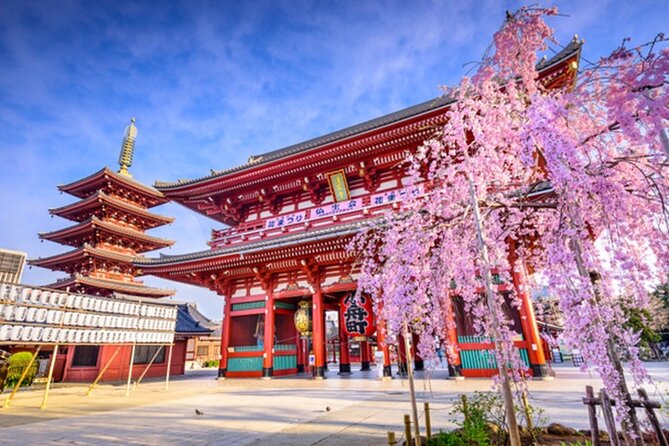
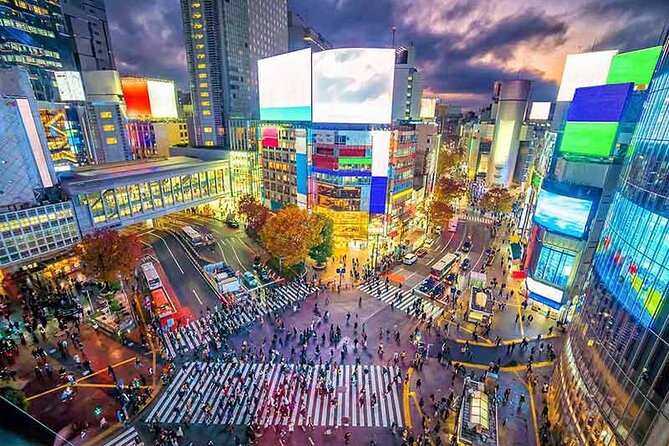
The tour begins with Shibuya, home to the famous pedestrian crossing. Thirty minutes is enough to see the crossing area, take photographs, and get a first sense of Tokyo’s advertising, shopping, and nightlife center. It is not enough for serious shopping or a long meal.
I would use this stop to ask your guide where the main streets and department stores are, then return later if Shibuya interests you. The district changes character throughout the day, but the tour gives you only a quick orientation.
Next comes Harajuku Station and its surrounding neighborhood. Harajuku is linked with youth fashion, unusual boutiques, cafes, and a mix of designer and independent shops. The scheduled half hour works as a short walk and introduction, but anyone interested in fashion or shopping should ask for more time here.
The close pairing of Shibuya and Harajuku is useful. You see two nearby districts with very different moods, one focused on a major city crossroads and the other on style and youth culture. If your priority is shopping, do not let the large number of later stops crowd these areas out.
Meiji Jingu: a quiet break near the city center
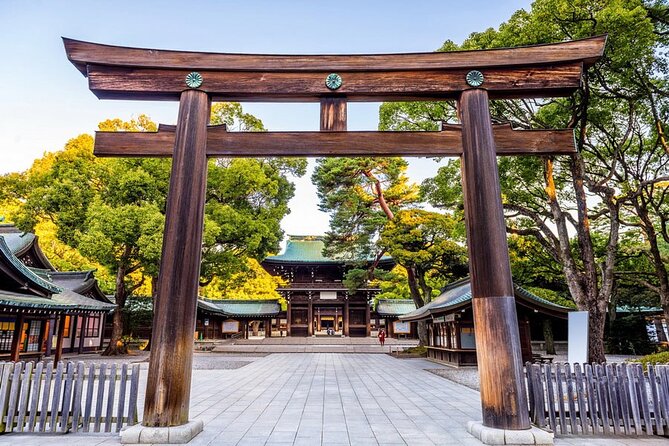
Meiji Jingu gives the tour a needed change of pace. The shrine honors Emperor Meiji and Empress Shoken and sits within a large wooded setting. You enter through tall torii gates and walk through grounds that feel far removed from the traffic and signs of nearby Harajuku.
The planned visit lasts 30 minutes. That allows time to enter, see the main shrine area, and pause in the grounds, but it is a brisk visit. I would ask your guide about shrine etiquette before approaching the main buildings, especially if this is your first visit to a Shinto shrine.
This is one of the tour’s most valuable contrasts. Within a short distance, you move from street fashion and shops to a calm religious site. The stop also helps you understand that Tokyo is not only towers and neon. Still, the short timing means you should not expect a slow, reflective walk through the entire shrine grounds.
Shinjuku: skyscrapers, shopping, and a one-hour snapshot
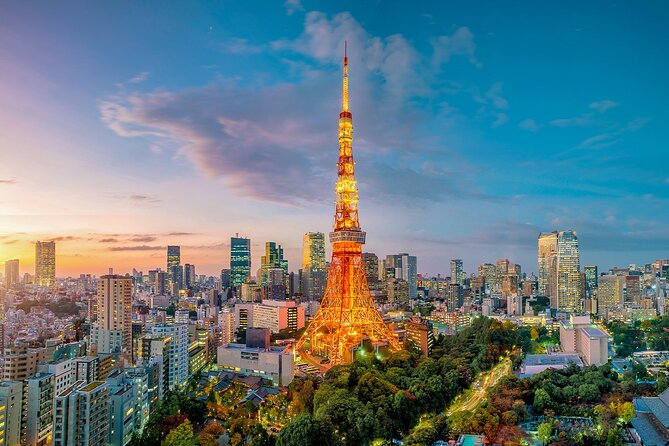
The itinerary allows one hour in Shinjuku, the longest time given to most individual districts. This busy center is known for tall buildings, shopping, restaurants, and nightlife. The guide can help you get oriented among the major streets, but the area is large enough to fill much more than an hour.
I see Shinjuku as a practical place to discuss the rest of your trip. Ask your guide which sections match your interests, then mark places you can revisit independently. The district’s many layers are difficult to cover in one pass, so treat this stop as an introduction rather than a full neighborhood tour.
The hour is also useful because Shinjuku helps connect Tokyo’s ordinary daily life with its modern image. You get commercial streets and high-rise views rather than a single monument. If your main goal is historic sites, you may prefer to shift time from Shinjuku to Asakusa or Meiji Jingu.
Other private tours in Tokyo


Asakusa and Senso-ji: old Tokyo in a compact visit
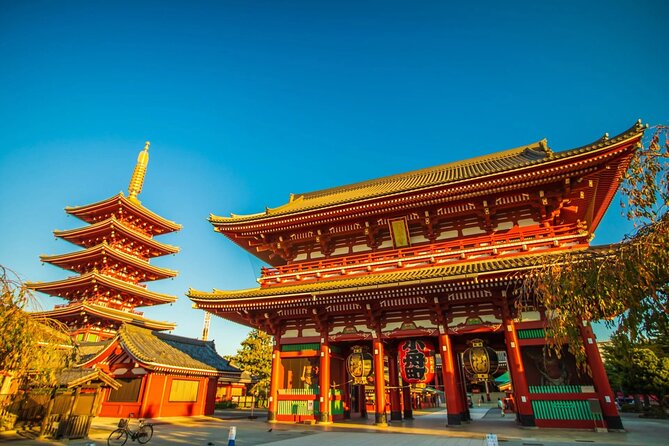
Asakusa brings the tour to one of Tokyo’s best-known traditional districts. The area centers on Senso-ji, a Buddhist temple dating to the seventh century. The approach includes the Kaminarimon gate and the Nakamise shopping street, where small shops sell souvenirs, snacks, and traditional goods.
The tour gives Asakusa one hour, followed by 30 minutes specifically at Senso-ji. Those times may overlap in practice, since Senso-ji is the heart of the district. You should confirm how the guide plans to divide the visit so you do not spend the whole period rushing between the same few points.
This is a strong section for questions. Ask about the temple’s religious role, the meaning of the gate and lantern, and proper behavior at the site. The supplied information promises an English-speaking guide, but the quality of interpretation can depend on how actively you request it. One lower-rated booking found the guide helpful with directions but wanted more information about each place.
I would give Asakusa priority if you want traditional architecture, temple customs, and a food-and-shopping street atmosphere. It is also a better place than some of the modern districts for understanding how Tokyo presents its past alongside its present.
Tsukiji: a food stop with an important distinction
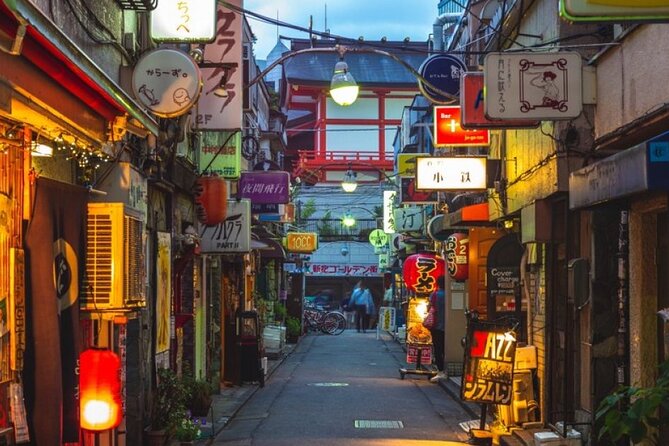
Tsukiji Fish Market receives 45 minutes. The former wholesale market moved to Toyosu, but Tsukiji’s outer market remains a destination for seafood, food shops, and casual browsing. The distinction matters, since you should not arrive expecting the old wholesale auction complex.
The outer market is best used for a short walk and a snack, though snacks are not included in the tour price. You can ask the guide which stalls or foods fit your preferences, but no specific food tasting or meal is promised.
Forty-five minutes is a reasonable first look. It gives you time to see the market’s character without turning the whole day into a food outing. If eating is central to your plans, tell the guide beforehand and confirm how much time you can spend there.
Akihabara: electronics, anime, and gaming culture
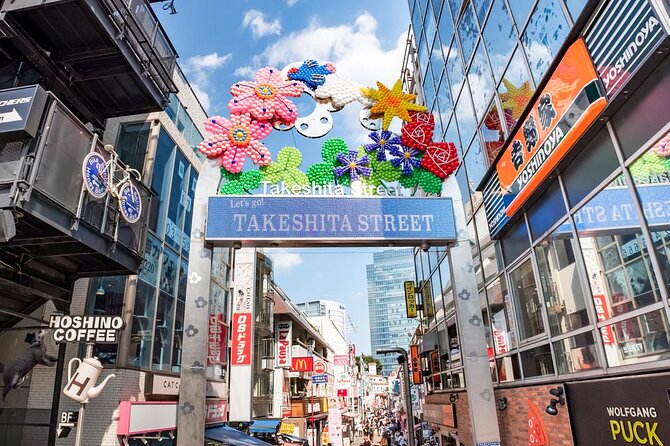
Akihabara gets another 45-minute stop. Known as Tokyo’s Electric Town, it is associated with electronics retailers, anime, games, and specialty shops. The district can appeal strongly to visitors with a particular interest, but it is not easy to cover in a quick walk.
Use this stop to identify the kind of shop you want to revisit. A short visit is enough to see the main tone of the area and learn where to return, but it may not leave time for careful shopping. Ask your guide to focus on electronics, anime, or gaming rather than trying to sample everything.
Akihabara also adds a useful modern-culture angle to the route. Shibuya shows fashion and mass entertainment, while Akihabara points toward technology and fan culture. Together, they help explain why Tokyo can feel like several different cities joined by a rail network.
Tokyo Tower and Skytree: two paid choices, not automatic inclusions
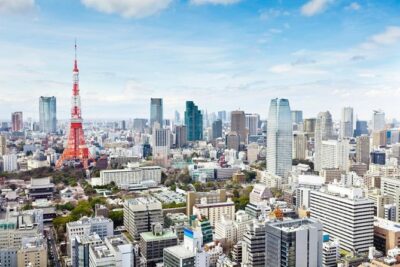
Tokyo Tower and Tokyo Skytree each receive about 30 minutes. Neither observation-deck admission is included. You can see the towers from outside, but you will need separate tickets if you want the city views from above.
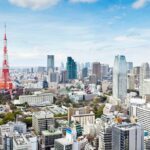
Tokyo Tower rises 333 meters and is recognizable for its Eiffel Tower-like shape. Skytree reaches 634 meters and includes observation decks, shops, dining, and entertainment. Seeing both in one day can be useful for comparison, but it also adds cost and may squeeze the rest of the route.
I would choose one if your time is limited. Ask about ticket timing before committing, since the tour description does not state that admission is reserved in advance. If you mainly want photographs, an exterior stop may be enough. If panoramic views are a top priority, budget for the admission fee and give the tower more than a rushed half hour if possible.
Odaiba and Tokyo Bay: a futuristic finish
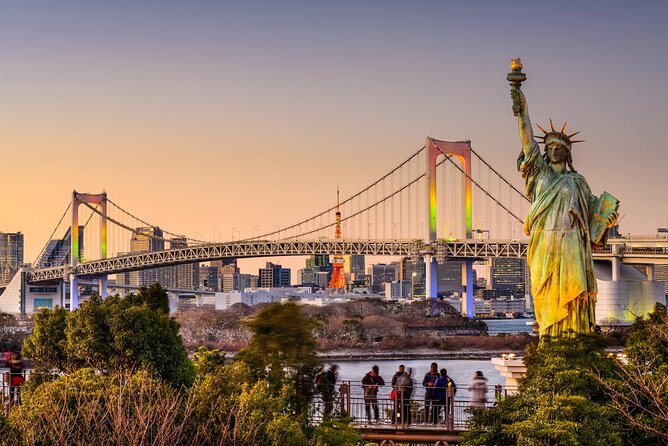
Odaiba is a man-made island in Tokyo Bay with modern buildings, shopping, entertainment, and views connected with the Rainbow Bridge. The planned 30 minutes gives you a quick look at this newer side of the city.
Odaiba works well as a final contrast to Asakusa. Instead of temple gates and traditional streets, you get broad modern spaces and waterfront architecture. The drawback is simple: half an hour is short for a district with several separate attractions.
If your group includes children or anyone drawn to modern architecture, Odaiba may be worth protecting in the schedule. If you care more about temples, markets, or neighborhood walks, ask the guide to shorten this stop.
Timing, transport, and the route’s main tradeoff
The tour can last from two to eight hours, which is a very wide range. A two-hour booking cannot provide meaningful time at all 11 listed stops. Even eight hours would make the full route a rapid overview, especially once transport, photographs, and meals are considered.
The route also crosses much of Tokyo. Public transportation costs are not included, and taxis are extra. The tour includes hotel meet-up and drop-off, with Tokyo Station listed as the meeting point and ending point, so confirm the exact pickup arrangement when you book.
I would choose the duration based on your real goal:
- Choose two to four hours for a basic orientation around a few nearby areas.
- Choose a longer booking if you want both western Tokyo and the old eastern districts.
- Choose fewer stops if you want detailed explanations and time to eat.
- Choose the full route only if you prefer seeing many places quickly.
Because this is private, you can ask for a sensible plan rather than trying to check every box. The best use of the guide may be selecting three or four districts that match your interests and learning how to return to the others on your own.
Communication and the guide experience
English support is central to the booking. Hikari is specifically praised for excellent English, quick replies before the outing, and hotel pickup. Those details matter in Tokyo, where clear coordination can make the start of the day much easier.
The feedback is not uniformly glowing. One experience rated three out of five found the guide helpful with navigation but not especially strong at explaining the places or offering suggestions. I would treat this as a reason to be specific, not as a reason to dismiss the tour.
Before the tour, send a short list of what you want: shrine customs, food ideas, shopping, photography, anime, transport help, or neighborhood planning. During the day, ask direct questions. A private guide is most useful when you make the desired level of commentary clear.
The overall score is 4.8 from nine ratings, and the strongest praise centers on communication, English, hotel pickup, and seeing the planned sights. The evidence points to a capable orientation service, with the depth of cultural explanation worth confirming in advance.
Who should book this Tokyo tour?
I would recommend it most for first-time visitors, families, and small groups that want a private overview without joining a large party. It is also useful if Tokyo Station is convenient for you and you want help connecting districts that would otherwise take planning.
Families should note that children 11 and under are free when you inform the provider ahead of time. Service animals are allowed, the activity is near public transportation, and most people can participate.
I would be more cautious if you want a slow, scholarly temple tour, a dedicated food walk, or long shopping sessions. The route is simply too broad for that unless you reduce the number of stops. Also check the weather forecast, since the experience requires good weather. If poor weather cancels it, you can choose another date or receive a full refund. Standard cancellation is free up to 24 hours before the start time, but changes or cancellations inside that window are not accepted.
Should you book it?
Book this tour if you value private navigation, broad coverage, and a flexible first look at Tokyo. At $97.73 per person, it can be a fair buy for a family or small group, especially when hotel pickup and a private English-speaking guide reduce the stress of getting oriented.
I would not book it expecting every listed sight to receive a detailed explanation. Pick your top priorities before the day begins, ask about transport and extra admission costs, and request the kind of commentary you want. If you do that, this tour can give you a useful map of Tokyo, plus several places you will likely want to revisit at your own pace.
FAQ
How long does the private Tokyo tour last?
The tour lasts approximately two to eight hours, depending on the option selected.
What places can the tour visit?
The route can include Shibuya, Harajuku Station, Meiji Jingu Shrine, Shinjuku, Asakusa, Senso-ji Temple, Tsukiji Fish Market, Akihabara, Tokyo Tower, Tokyo Skytree, and Odaiba District.
Is hotel pickup included?
Yes. Hotel meet-up and drop-off are included in the tour details. Tokyo Station is also listed as the meeting point and ending point.
Is the tour private?
Yes. Only your group participates in the activity.
Is the guide English-speaking?
Yes. An English-speaking guide is included. Hikari is specifically identified in one booking as a guide with strong English communication.
Are public transportation and taxis included?
No. Public transportation costs are excluded, and taxi costs are also not included.
Are Tokyo Tower and Tokyo Skytree admission tickets included?
No. Admission to Tokyo Tower and Tokyo Skytree is not included.
Are children free?
Children aged 11 and under are free of charge when you inform the provider in advance.
Can I cancel for a full refund?
Yes, if you cancel at least 24 hours before the experience start time. Cancellations made less than 24 hours before the start are not refunded. If poor weather causes the provider to cancel, you can receive a full refund or choose another date.
More Private Tours in Tokyo
More Guided Tours in Tokyo

More tours in Tokyo we've reviewed











Guided, compared.
 ★ 5.0Tokyo 6hr Private Tour with Government-Licensed GuideFrom $155
 ★ 4.9Tokyo: Shinjuku Local Bar and Izakaya Guided Walking TourFrom $343 hours
 ★ 4.8Tokyo: Private City Highlights Tour with Local GuideFrom $1064 - 8 hours
 ★ 4.9Tokyo: Tsukiji Fish Market Guided Walking TourFrom $222 hours
 ★ 5.0Tokyo 4hr Private Tour with Government-Licensed GuideFrom $109
 ★ 5.0Tokyo Guided Small-Group Biking TourFrom $106