
Reviewed · MUSEUMS
Private Edo-Tokyo Open Air Architectural Museum Tour
The most surprising part of this tour is how much of Tokyo’s architectural story fits into one open-air museum. You move from traditional homes and wealthy family interiors to a house shaped by Le Corbusier’s ideas, then finish among old bathhouses, shops, and a train that feel made for an animated film. Kunio Maekawa’s wartime house gives the tour its sharp modern edge.
I like the private format because your guide can follow your interests instead of giving everyone the same lecture. I also like the train-and-bus journey from central Tokyo, which turns the outing into a small lesson in using the city rather than a simple taxi ride. Guides such as Yuichi and Yuki have been praised for explaining both architecture and the wider story of Tokyo.
The main consideration is value. At $193 per person, before roughly 700 yen each way for transportation, this is a serious spend for a five-hour museum visit. You are paying for a private English-speaking guide and help with Tokyo transit, not simply admission.
In This Review
- Key points at a glance
- Why this museum makes a strong Tokyo history lesson
- Starting with Kunio Maekawa’s modern house
- Sutemi Horiguchi and Japan’s European turn
- The Mitsui residence and the power of presentation
- Walking through Shitamachi’s old Tokyo mood
- The bathhouse and the old train
- What the train and bus journey adds
- What $193 per person really buys
- Shoes, timing, and the right kind of visitor
- Should you book this private architecture tour?
- FAQ
- Where does the tour meet?
- How will I recognize the guide?
- Is transportation to the museum included?
- Does the tour include a visit to the Ghibli Museum?
- How long does the tour last?
- Is the tour private?
- What languages are available?
- Should I wear particular shoes?
Key points at a glance
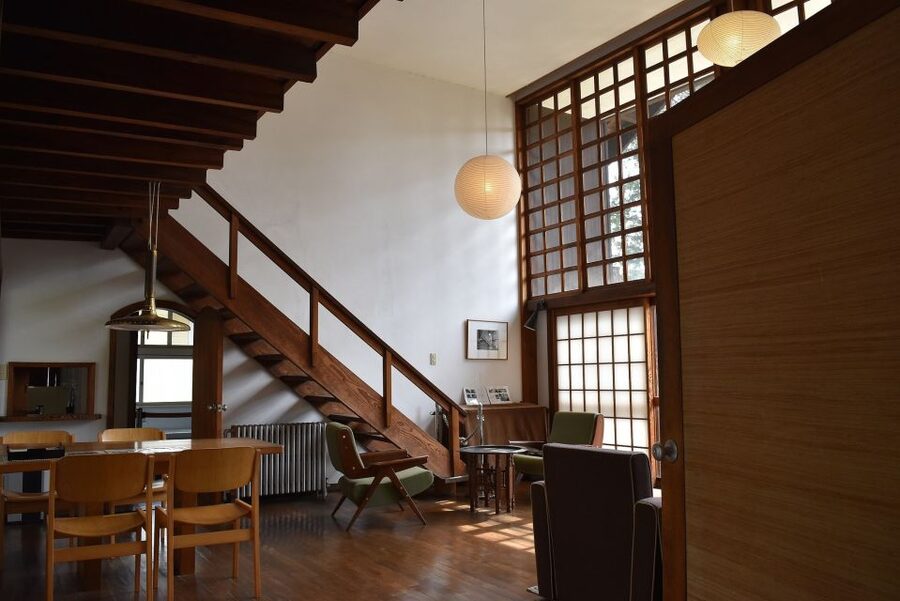
- Maekawa’s wartime modernism: See a sophisticated home designed by an architect who worked with Le Corbusier and Antonin Raymond.
- A rare Japanese-European mix: Sutemi Horiguchi’s 1925 residence joins Dutch ideas with Art Deco, De Stijl, and traditional Japanese rooms.
- A private guide shapes the day: Yuichi and Yuki have been praised for linking buildings to Tokyo’s social and architectural past.
- Mitsui family luxury: Enter a residence connected with one of Japan’s wealthiest families and inspect its refined decoration.
- A Studio Ghibli-like old Tokyo mood: Walk through the Shitamachi section, with a bathhouse and an old train adding a touch of movie magic.
- Transit is part of the experience: The tour uses trains and buses, with transport costing about 700 yen each way and not included in the price.
Why this museum makes a strong Tokyo history lesson
The Edo-Tokyo Open Air Architectural Museum is not just a collection of attractive old buildings. It shows how Tokyo changed as Japan moved from the age of the samurai into the Meiji period and then the Showa era.
That long view matters. A traditional Japanese house can look timeless until a guide points out the details that reflect its period, its owner, or its purpose. In another building, European design ideas appear beside tatami rooms and Japanese garden views. You begin to see architecture as a record of social change, not just a collection of roofs and floor plans.
The private format is especially useful here. Without context, you might notice sliding doors, polished wood, or an elegant façade and move on. A good guide can explain why those features matter, how a designer borrowed from Europe, or how a wealthy family used a room differently from an ordinary household.
The tour is conducted in English and lasts five hours. That gives you enough time to see a broad selection of buildings without treating the museum as a quick photo stop. It also lets you ask questions and adjust the pace around your interests.
Other private tours in Tokyo



Starting with Kunio Maekawa’s modern house
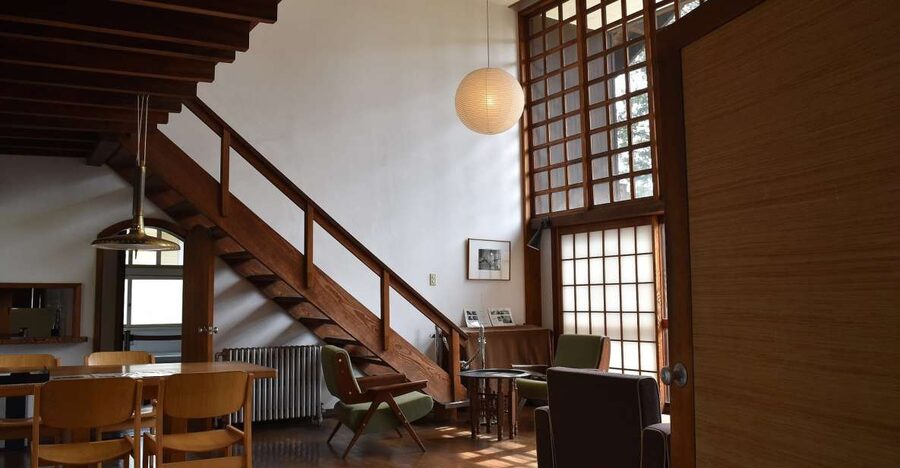
The first major stop is a house designed by Kunio Maekawa, an important figure in modern Japanese architecture. Maekawa worked under Le Corbusier and Antonin Raymond, two architects who helped shape modern design in Japan and beyond.
The house was built during the Second World War, which makes its design even more striking. It is not presented as a simple traditional dwelling. Instead, it shows how a Japanese architect could work with international modern ideas while responding to local conditions and domestic life.
This is a good place to pay attention to the way the building feels rather than only to its famous name. You might find a more controlled use of space, stronger geometric lines, and a different relationship between rooms than in the older residences. The contrast helps you understand why Maekawa mattered to the development of modern architecture in Japan.
For visitors who already know Le Corbusier, this stop offers a useful local connection. You are not looking at a European building transplanted to Tokyo. You are seeing how an architect trained within an international movement helped shape a Japanese answer to modern design.
For visitors who do not know architectural history, the guide’s role becomes important. Yuichi, one of the guides associated with this experience, has been praised for explaining buildings in clear English and adapting the discussion to a person’s interests. If you care about modern architecture, tell your guide early. The tour can then give Maekawa more attention than a standard group visit might.
Sutemi Horiguchi and Japan’s European turn
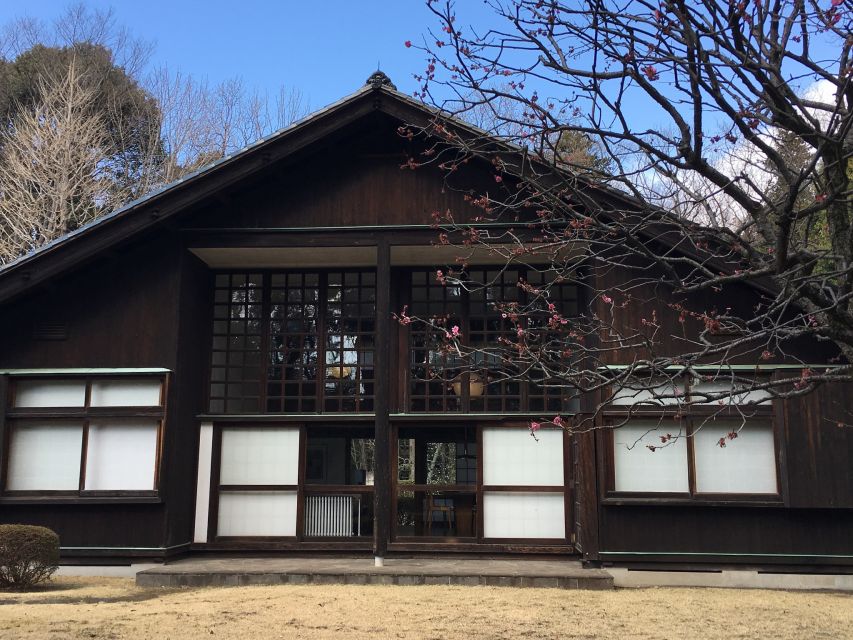
The next key building was designed by Sutemi Horiguchi in 1925, just after he returned from Europe. Horiguchi is associated with introducing Dutch architectural ideas to Japan, and this house lets you see that exchange at close range.
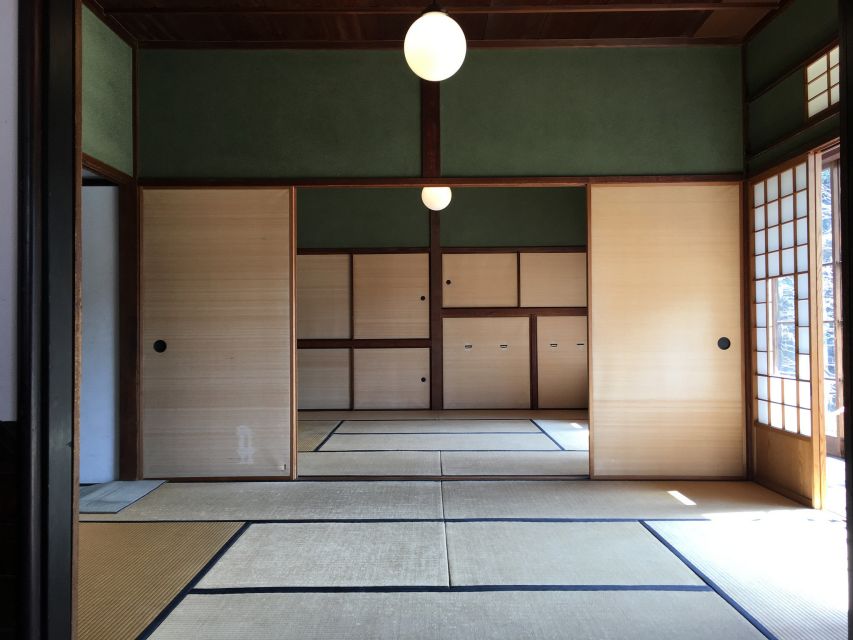
The building is interesting because it does not simply copy one European style. Art Deco touches and De Stijl compositions appear alongside traditional Japanese rooms. De Stijl, sometimes translated as The Style, is known for strong geometry and carefully arranged horizontal and vertical elements.
That combination gives you something to look for as you walk through the rooms. Notice how a Japanese interior can retain its familiar materials and layout while adopting a more international visual language. The result is not a neat division between old Japan and new Europe. It is a conversation between the two.
This stop also explains why the tour works better with an architecture-focused guide than with a basic museum escort. A guide can show how design ideas travel, change, and take on new meaning in another culture. The building becomes a story about Japan’s growing contact with Europe, not merely a handsome old house.
Horiguchi’s residence may be one of the most rewarding stops for anyone interested in design history. It brings together several styles in a way that is easy to miss if you are moving quickly or only looking for famous names.
The Mitsui residence and the power of presentation
The Mitsui family residence gives the tour a different angle. The Mitsui family was regarded as one of the richest in Japan, and the house reflects the resources available to an elite household.
Here, look for the quality of the interior decoration and the way rooms are arranged to create a sense of formality. The value of the stop is not only that the home is luxurious. It helps you compare private life across social classes and periods.
After seeing a modern architect’s home and a building that blends Dutch ideas with Japanese rooms, the Mitsui residence shows how wealth could shape domestic space. Materials, decoration, room proportions, and presentation all tell you something about the family’s position.
This is also a useful reminder that traditional Japanese architecture was not one uniform thing. A modest home, an architect’s residence, and an elite family house could all use familiar elements such as tatami and sliding doors, yet feel completely different.
The museum’s buildings come from different periods, and that variety gives your guide plenty to work with. Yuki, another guide praised for explaining both the museum and the city, has been credited with bringing the homes to life through stories about their designers and former occupants.
Walking through Shitamachi’s old Tokyo mood
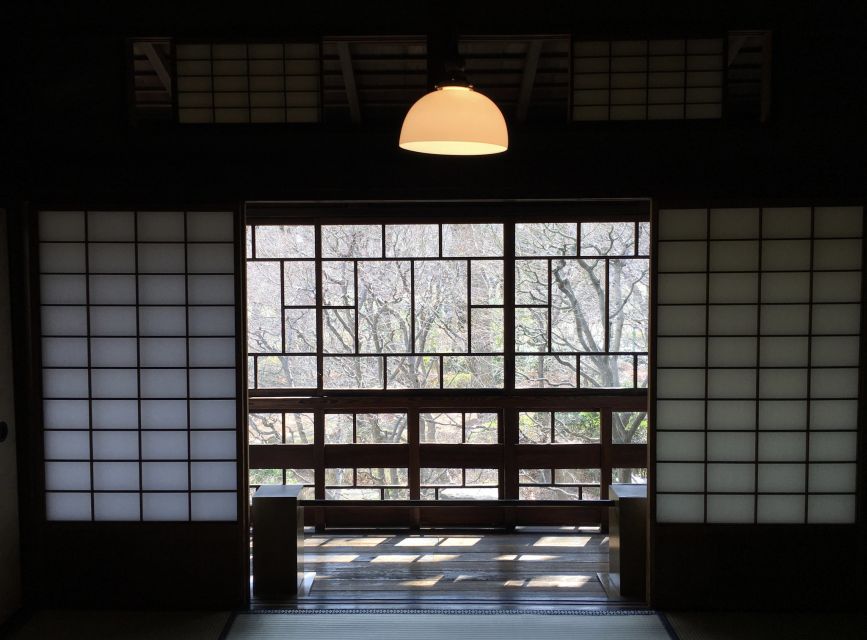
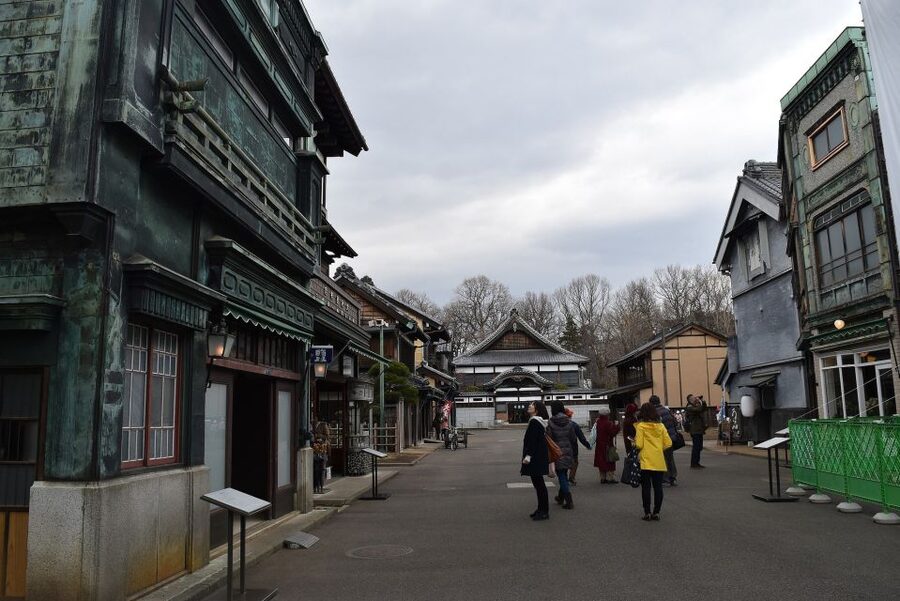
The latter part of the tour moves into the Shitamachi section. Shitamachi refers to the old eastern part of Tokyo, historically associated with working-class neighborhoods, shops, and everyday city life.
This area changes the mood. The earlier houses ask you to study floor plans, materials, and architectural influences. Shitamachi feels more like a street scene. Buildings line the route in a way that can remind you of a Studio Ghibli setting, though this is an architectural museum tour, not a visit to the Ghibli Museum.
That distinction is important. If your main goal is the Ghibli Museum, this experience will not take you there. If you want to see the sort of old Tokyo atmosphere that may remind you of animation, this section can be a pleasant surprise.
The attraction here is the sense of an entire neighborhood rather than one isolated residence. You can consider how people lived, worked, traveled, and met one another in a city that looked very different from today’s high-rise Tokyo.
Other museum experiences in Tokyo


The bathhouse and the old train
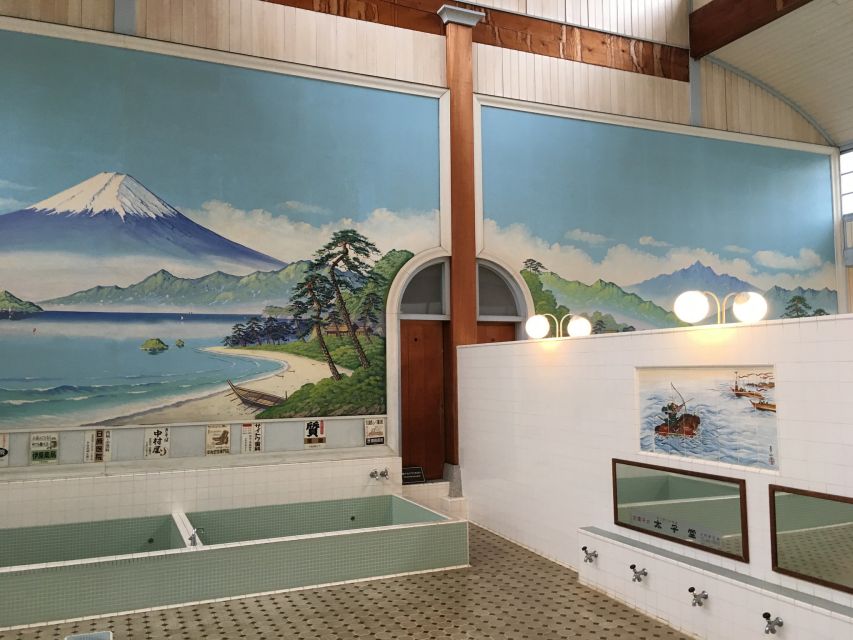
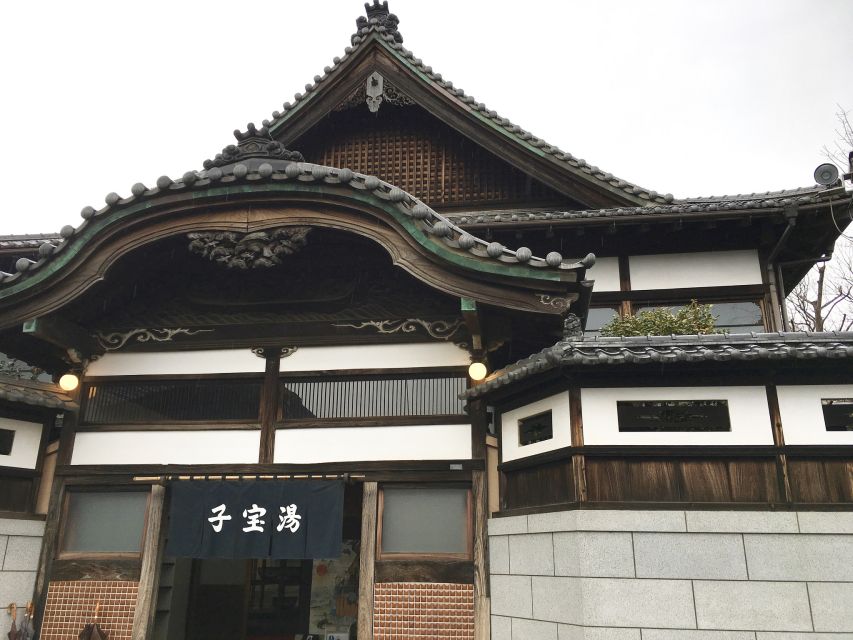
Two of the most memorable details in the Shitamachi section are the traditional bathhouse and the old train that once ran through Tokyo.
The bathhouse adds a strong cultural layer. A public bath was not simply a place to wash. It was part of neighborhood life, and its design can tell you about shared routines and local community spaces. The traditional decoration also helps explain why this part of the museum has such a distinctive atmosphere.
The old train gives the tour another practical link to Tokyo’s past. Modern Tokyo is famous for its efficient rail network, but seeing an earlier train helps you picture how the city moved before today’s system became so familiar.
Neither stop requires specialist knowledge to enjoy. You can appreciate the visual details, then ask your guide for more context. This is where a private tour can be worth more than a printed museum map. You can pause over the things that catch your eye rather than following a fixed group pace.
What the train and bus journey adds
Transportation to Tatemono-en is not included. The stated estimate is about 700 yen each way, and the tour uses trains and buses. That cost is modest compared with the tour price, but it is still important to budget for it.
The journey has two sides. If you are new to Tokyo, changing between train and bus can feel like work, especially when station signs and routes are unfamiliar. The guide meets you and escorts you, so you are not left to solve the route alone.
Several strong guide comments focus on this part of the experience. Yuichi and Yuki have been praised for helping with the subway, trains, and buses while explaining Tokyo along the way. One person expected a car transfer and instead found the public transport trip an interesting part of the day.
I would treat that as a useful expectation check. This is not a private vehicle tour. You should be ready to travel as people in Tokyo do, with the added help of an English-speaking guide. The transit time also gives you a chance to see how the quiet museum setting connects with the much larger city.
The meeting information lists Tokyo Station Marunouchi Front Plaza. After exiting through the JR Tokyo Station Marunouchi Central Gates, head toward the center of the station building and look for the carriage porch with a Japanese flag on each side. The guide carries a bag marked with an illustration of the Nakagin Capsule Tower.
The included pickup details also mention JR Shinjuku Station or JR Tokyo Station. Because the information gives more than one possible arrangement, confirm your exact meeting point when booking. One piece of feedback describes a hotel escort, but the stated meeting instructions specify the stations, so do not assume a hotel pickup by car.
What $193 per person really buys
The $193 price is high for a museum visit, especially once you add transportation. The admission fee is included, but the main value comes from the private format and the guide’s time.
For a couple or small private group with a clear interest in architecture, this can make sense. You are not paying only to enter the grounds. You are paying for an English-speaking licensed guide who can explain Maekawa’s training, Horiguchi’s European influences, the Mitsui home, and Tokyo’s changing neighborhoods in one connected visit.
The value is weaker if you prefer to wander alone, read labels at your own speed, or have little interest in buildings. You could find the five-hour commitment too long if your Tokyo plans already include several museums and historic districts.
I would also compare the price with the size of your group. A private tour becomes easier to justify when shared by several people, since the cost is charged per person but the benefit is the same personalized guide. Solo visitors should think carefully about how much they value expert company and transit help.
The strong rating of 4.8 from 15 reviews points to a very positive overall experience, but the most useful lesson is more specific: the guides are the heart of the tour. Yuichi has been praised for matching explanations to interests and for helping one participant reach a hospital after illness cut the tour short. That kind of care cannot be guaranteed, but it shows the personal nature of the service.
Shoes, timing, and the right kind of visitor
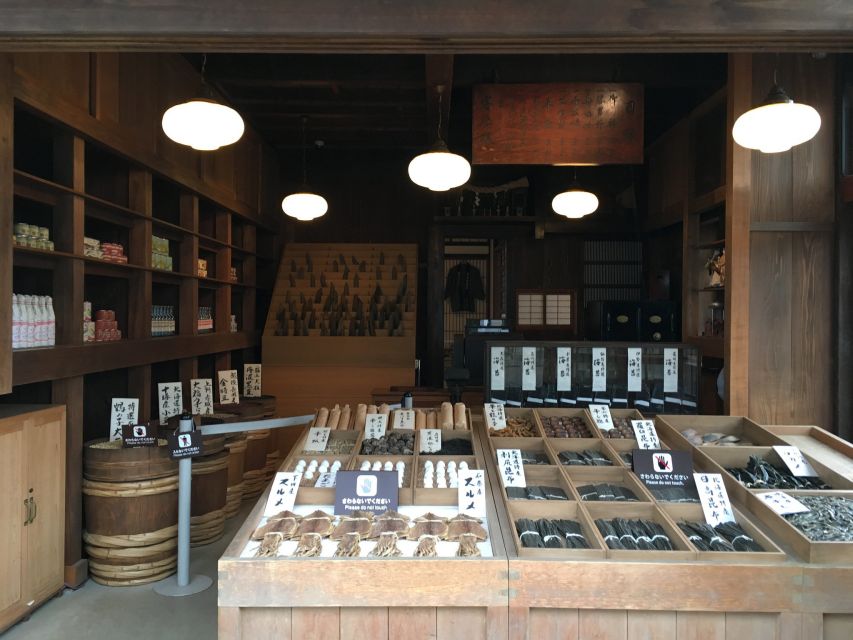
Wear shoes that slip on and off easily. Many of the historic buildings require you to remove your shoes before entering, and repeatedly dealing with complicated laces would be a nuisance.
Comfort matters too. The tour lasts five hours and includes public transport, walking, and visits to several buildings. You should be comfortable with a full half-day rather than expecting a short indoor museum visit.
This experience suits you best if you:
- Care about Japanese homes, interiors, or city history
- Want to compare traditional design with modern architecture
- Prefer a private guide who can answer questions
- Feel uncertain about using Tokyo trains and buses
- Like the visual mood of old neighborhoods and Studio Ghibli films
- Want a museum visit that reaches beyond central Tokyo’s usual sights
It may not suit you if your main purpose is visiting the Ghibli Museum, traveling by private car, or seeing a large number of Tokyo landmarks in a single morning.
The tour is conducted in English, and the group is private. Cancellation is free up to 24 hours before the start, and you can reserve now and pay later, which helps if your Tokyo schedule is still shifting.
Should you book this private architecture tour?
Book it if architecture is more than a passing interest, or if you want Tokyo’s history explained through real homes, public spaces, and changing design ideas. The combination of Maekawa’s modernism, Horiguchi’s European influences, the Mitsui residence, and Shitamachi’s bathhouse and train gives you a useful range in five hours.
I would especially recommend it to couples, families, and small groups who want a personal guide rather than a standard museum visit. Yuichi and Yuki are praised for clear English, patience, transit help, and the ability to shape the discussion around your interests.
Skip it if $193 feels too steep for a museum-based outing, or if you expect a car and a visit to the Ghibli Museum. Go in knowing that you will use public transportation, pay about 700 yen each way, remove your shoes in historic homes, and spend much of the day looking closely at buildings.
For the right person, this is not just a collection of old houses. It is a guided lesson in how Tokyo moved from samurai-era traditions toward international modern design, with a charming old-town finish.
FAQ
Where does the tour meet?
The stated meeting point is Tokyo Station Marunouchi Front Plaza. After exiting the JR Tokyo Station Marunouchi Central Gates, head toward the center of the station building and look for the carriage porch with a Japanese flag on each side.
How will I recognize the guide?
The guide will be holding a bag with an illustration of the Nakagin Capsule Tower.
Is transportation to the museum included?
No. You pay your own transportation costs to and from Tatemono-en. The estimated cost is about 700 yen each way, and the tour uses trains and buses.
Does the tour include a visit to the Ghibli Museum?
No. The tour visits the Edo-Tokyo Open Air Architectural Museum. Its Shitamachi area has an atmosphere that may remind you of Studio Ghibli films, but the Ghibli Museum is not included.
How long does the tour last?
The tour lasts five hours.
Is the tour private?
Yes. It is a private group tour with an English-speaking licensed guide.
What languages are available?
The tour is offered in English.
Should I wear particular shoes?
Yes. Comfortable shoes that are easy to slip on and off are recommended because many historic buildings require you to remove your shoes before entering.
More Museum Experiences in Tokyo
More Private Tours in Tokyo

More tours in Tokyo we've reviewed







Museums, compared.
 ★ 4.6Tokyo: teamLab Planets TOKYO Digital Art Museum Entry TicketFrom $251 day
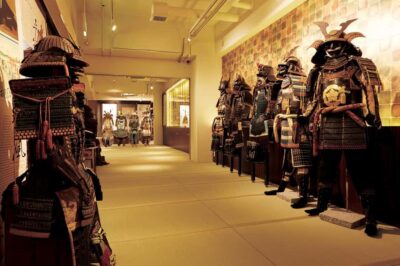 ★ 4.6Tokyo: Samurai Ninja Museum Guided tour and ExperienceFrom $27
 ★ 5.0Ninja Experience (Family Friendly) at Samurai Ninja Museum TOKYOFrom $47
 ★ 4.5Tokyo Studio Ghibli Museum and Ghibli Film Appreciation TourFrom $193
 ★ 5.0Tokyo Sword Experience – includes Museum Ticket/Ninja ExperienceFrom $84
 ★ 4.8Samurai Ninja Museum Asakusa: Samurai Sword Lesson & TourFrom $632 hours