
Reviewed · MUSEUMS
Tokyo National Museum Private Tour
The Tokyo National Museum is too large for a casual wander if you want to understand what you are seeing. This private two-hour visit gives you a guide for your group alone, helping you focus on important works instead of trying to inspect all 3,000-plus objects on display.
I like the included museum admission, which removes one small task at a busy Tokyo attraction. I also like the private format: you can ask about a Buddhist sculpture, a screen painting, or a national treasure without waiting for a large group to catch up. The main caution is guide quality. Amy earned strong praise for adapting to an art-focused family, while other guests found English explanations too basic or the art background too limited.
In This Review
- Key points to know before you book
- Why two hours can make sense at Tokyo National Museum
- Entering the museum at Uenokōen
- A guided route through 3,000 displayed works
- What your guide can add to Japanese art
- The strongest reason to choose a private tour
- Guide quality and what the feedback tells you
- Price, timing, and overall value
- Who should book this museum visit
- Practical tips for getting the most from two hours
- Should you book the Tokyo National Museum private tour?
- FAQ
- Where does the Tokyo National Museum private tour begin?
- Where does the tour end?
- How long does the experience last?
- Is the museum admission included?
- Is this a private tour?
- How many works are on display at the museum?
- Is the meeting point near public transportation?
- Can I cancel for a full refund?
Key points to know before you book
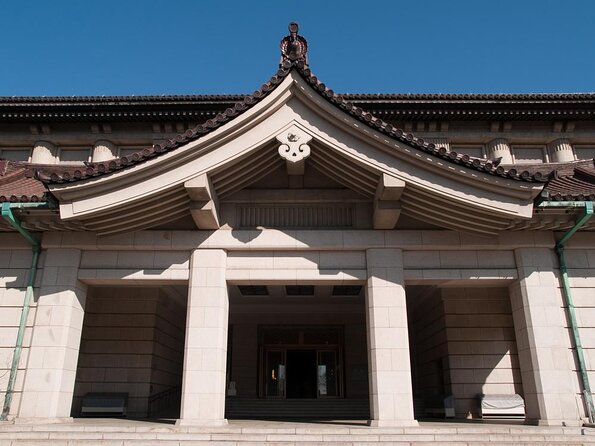
- Japan’s oldest museum: Founded in 1872, the Tokyo National Museum traces Japanese art from ancient times through the modern era.
- Private attention: Only your party takes part, so questions and pacing can be adjusted to your interests.
- More than 3,000 works on display: A guide can help you choose what deserves your limited time.
- Admission is included: The two-hour experience covers your entry ticket to the museum.
- Guide quality can vary: Amy received especially warm praise, while Aki Miyato was described as punctual and pleasant but not strong on art and history.
- Good transport location: The meeting point is at 13-13 Uenokōen in Taito City, near public transportation.
Why two hours can make sense at Tokyo National Museum
The Tokyo National Museum is not a small room with a neat row of famous pictures. It holds about 120,000 works in its wider collection and displays more than 3,000 at a time. You can easily spend hours walking past objects without knowing which ones carry the most artistic or historical weight.
That is where this tour earns its keep. In two hours, you are not trying to conquer the entire museum. You are getting a guided route through selected works, with explanations of how they fit into Japanese art, culture, and history.
I like this approach for a first visit. A good guide can give you a framework: what changed over time, why certain materials mattered, how religious art differs from court art, and which pieces deserve a longer look. Even if you later return alone, that first orientation can make the museum much easier to navigate.
The private setup also matters. If you are curious about an object, you can stop and ask. If one part of the collection does not interest you, your guide can spend more time elsewhere. That flexibility is useful for families, couples, and small groups with different levels of interest.
Still, two hours is a tasting menu, not a full study of the museum. You will see selected highlights and perhaps less familiar works, but you will not examine every gallery in detail. If you already know Japanese art well, you may prefer to visit independently for a longer session.
Other private tours in Tokyo



Entering the museum at Uenokōen
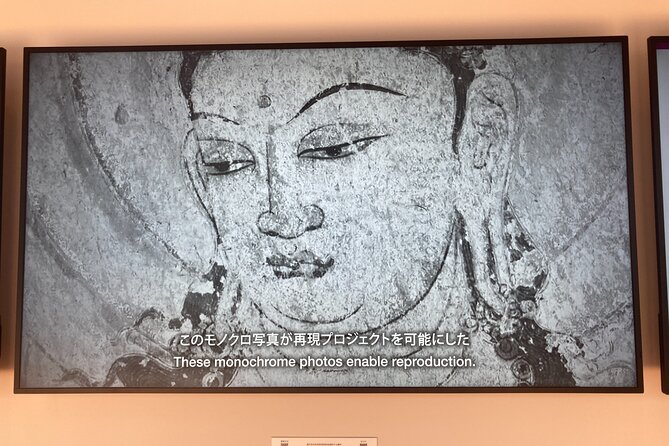
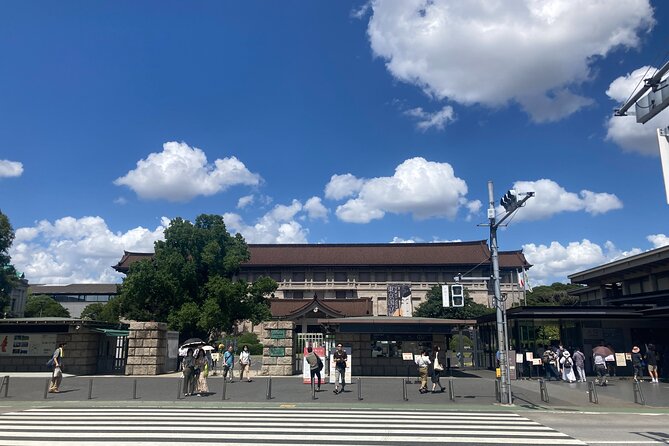
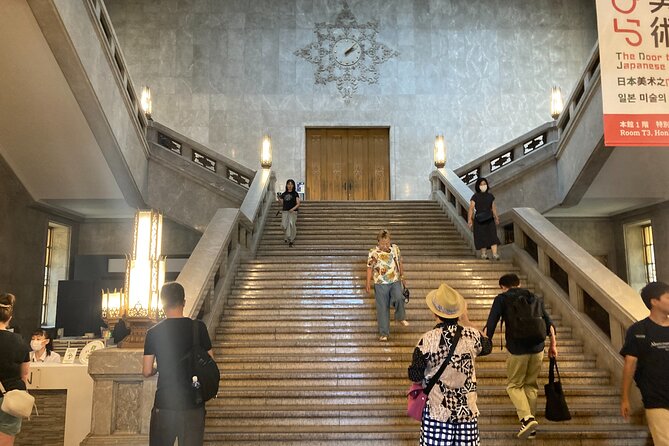
The meeting point is 13-13 Uenokōen, Taito City, Tokyo 110-0007. The area is near public transportation, which makes it practical to combine the museum with other sights in Ueno.
The activity begins and ends at the meeting point. That simple arrangement is helpful because you are not left wondering where the tour finishes or how to reconnect with your party afterward.
Your admission ticket is included. The tour description also presents the experience as a way to skip the ticket lines, a useful benefit at a popular museum. You should still arrive with enough time to locate the meeting point, since the tour itself lasts only about two hours.
This is a private activity, not a shared walk with strangers. Only your group participates. The supplied information does not give a fixed maximum group size, so you should confirm the exact party arrangements when booking if that detail affects your decision.
A guided route through 3,000 displayed works
The museum’s scale is both its great pleasure and its main trap. More than 3,000 works are on display at any given time, covering a long stretch of Japanese history. Without a plan, you may spend too much time on the first galleries and rush through the rest.
A guide helps you make choices. The aim is not simply to point at famous objects, but to explain why selected pieces matter and how they relate to Japanese art and society. You might be shown a major masterpiece, then directed to a quieter object that reveals an important technique or period.
The experience promises both well-known works and lesser-known artifacts. That mix is valuable. Famous pieces give you a clear anchor, while less familiar objects can show how ideas were used in daily life, religious practice, decoration, or elite culture.
The quality of that interpretation depends heavily on the person assigned to you. Amy was praised for guiding a group that included a university screen-printing teacher and for adjusting the visit to that group’s artistic interests. That is exactly the kind of personal attention that can turn a standard museum visit into a useful conversation.
Aki Miyato was described as punctual, polite, and pleasant, but one assessment found his background in Japanese art and history lacking. Another guide was friendly and prompt, yet her basic English made it difficult for the group to learn much. Those comments are important because the price is paying for interpretation, not only for entry.
What your guide can add to Japanese art
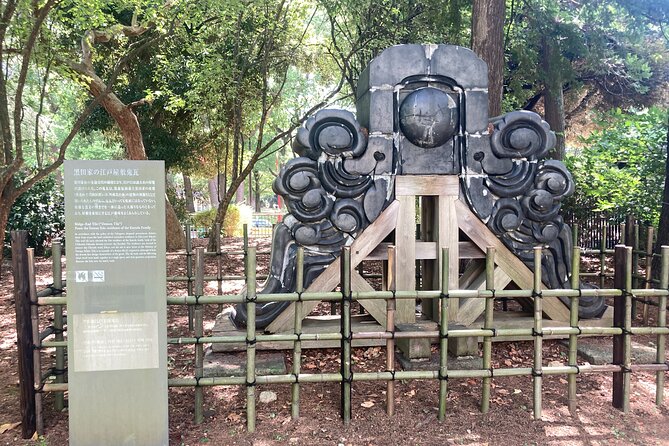
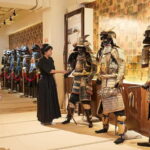
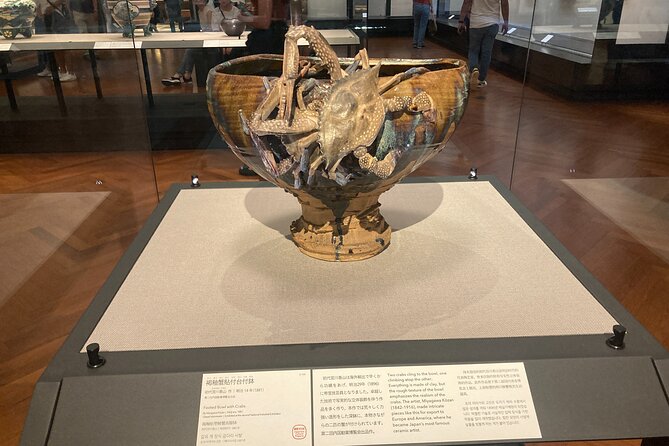
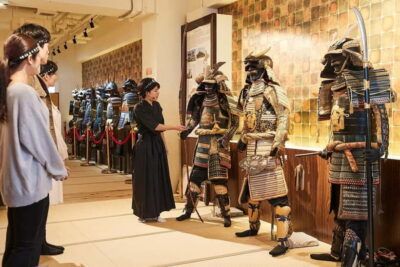
Japanese art can look beautiful before you understand it. A screen, scroll, armor piece, statue, or ceramics display may catch your eye, but the reason it was made and the way it was used often require context.
The tour is designed to connect objects with Japanese culture and history. That can help you see more than surface decoration. A guide may explain the significance of a work, point out details you would likely miss, and relate it to a wider period or artistic tradition.
You should use the private format actively. Ask why a piece is important, what details to notice, and how the object differs from another nearby work. Ask your guide to recommend what you should return to after the tour. The description specifically highlights personalized questions and recommendations, so do not treat the visit as a silent escort through the galleries.
The experience may suit you especially well if you are visiting Japan for the first time, have limited museum time, or want help selecting works for a later independent visit. It also has value for families and mixed-interest groups because one person can ask technical questions while others get a simpler explanation.
If you are an art specialist, set realistic expectations. The tour is only two hours, and the provider does not promise a specialist in every branch of Japanese art. You may receive an excellent art discussion, or you may get a more general orientation, depending on the guide.
The strongest reason to choose a private tour
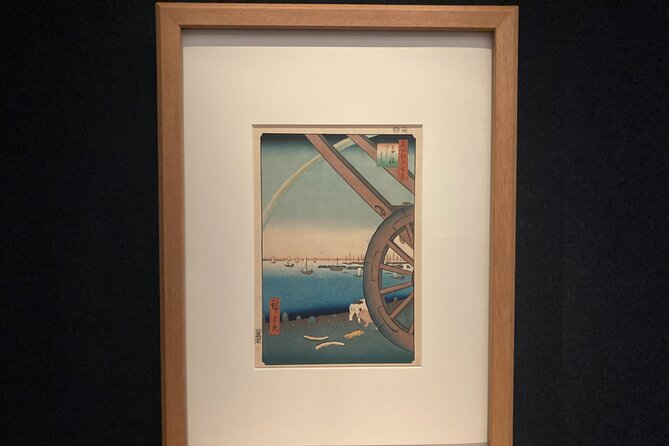
The best feature here is not speed. It is the chance to shape the conversation.
In a large public museum, you usually follow your own curiosity. That works well if you have researched the collection and know what you want. It works less well if you are unsure how Japanese art is organized or if you want to understand why a work has national importance.
A private guide can adjust the level of detail. You can request a broad introduction, focus on religious art, ask about techniques, or spend longer with a particular display. The information provided does not promise a specialist theme, so you should state your interests at the start rather than assume the guide will know them.
This format can also help parents. Children may not want a long museum lecture, while adults may want context. A private guide can change pace and explanation style more easily than a large scheduled group.
The drawback is the price of interpretation. At $103.87 per person, the tour costs more than simply entering a museum and walking through it on your own. The value is strong when your guide gives clear explanations and helps you use two hours well. It is weaker if the commentary is very general or difficult to understand.
Other museum experiences in Tokyo


Guide quality and what the feedback tells you
The available rating is 4.7 from 14 reviews, which indicates a generally positive experience, but the individual comments show a meaningful spread. Several people praised the guide’s knowledge and the fun of the visit, while two three-star assessments raised concerns about art expertise and English ability.
Amy received especially strong praise from a family of four. One member taught screen printing at a large university, and Amy was able to guide the group through art-related questions. That suggests she can handle a group that wants more than a basic museum introduction.
A separate family described its visit as fun and credited its guide with strong knowledge. That matters if you want a friendly morning activity rather than a formal academic lecture.
The less positive comments are just as useful. One guest found Aki Miyato nice and punctual but not well prepared in Japanese art and history. Another said the guide’s English was rudimentary and felt an audio guide might have provided more information for the cost.
The provider responded that guides had visited museums abroad, including the National Gallery and Tate Modern, and that the team planned to improve its approach. The response also noted that guides sometimes kept their distance so they would not interrupt the viewing experience. That may explain why some tours feel more like gentle accompaniment than continuous commentary.
My advice is simple: ask the guide’s name and background at the start, then say what you want from the visit. If clear art history is your top priority, make that known immediately. If the assigned guide is Aki Miyato or another person whose expertise is not clear, a direct request for more explanation can help you judge the tour early.
Price, timing, and overall value
The listed price is $103.87 per person. You need to decide if the private attention and included admission justify the premium over an independent museum visit.
I would consider it good value for a small group that wants structure and personal questions answered. Four people sharing one private guide may find the cost easier to accept than one or two people paying for the same level of attention. Group discounts are also listed, though the exact savings are not provided.
The price is harder to defend if you are comfortable reading labels, using an audio guide, or spending half a day at your own pace. The museum itself is the main attraction, and the tour does not add a second site or a meal. Its entire value rests on the guide and the way the two hours are used.
The short duration can be a benefit. You can place it between other plans in Ueno and avoid giving the museum an entire day. It can also be a limitation if you want a slow look at many galleries. The museum has nearly 100 national treasures in its collection, but two hours will only give you a selection, not a full encounter with them.
The mobile ticket is convenient for keeping admission details on your phone. Free cancellation is available if you cancel at least 24 hours before the start time. Changes or cancellations made inside that window are not accepted for a refund.
Who should book this museum visit
I would recommend this tour to you if you fit one of these profiles:
- You have only two hours and want someone else to choose the most useful stops.
- You are visiting Japan for the first time and want cultural context.
- Your group includes people with different interests and needs a private pace.
- You enjoy asking questions rather than reading every museum label.
- You want to combine a museum visit with other plans around Ueno.
- You prefer a personal guide to a large shared group.
I would be more cautious if you already have strong Japanese art training. You may find the route too selective, and the assigned guide may not match your specialty.
I would also think twice if you are mainly looking for the cheapest way into the museum. A self-guided visit or audio guide may cost less, and one available assessment specifically preferred that approach after receiving limited English commentary.
Practical tips for getting the most from two hours
Arrive ready with two or three questions. Ask about the periods or media that interest you, and tell the guide if you want technical details rather than a broad introduction.
Do not expect to see every important object. The collection is too large for that. Instead, ask your guide to explain the selection and identify what you should revisit after the tour.
If you are traveling with family, agree beforehand on what each person wants to see. A private tour gives you flexibility, but two hours still passes quickly when several people are asking for different routes.
Keep your expectations tied to the guide, not only the museum. The Tokyo National Museum is a major institution regardless of the tour. You are paying for help in understanding and prioritizing it.
Finally, treat the visit as an introduction. If one gallery catches your attention, return independently later. The guide can help you get your bearings, then you can spend more time with the works that stayed in your mind.
Should you book the Tokyo National Museum private tour?
Book it if you want a focused introduction, a private guide, and admission handled for you. The museum’s enormous collection makes expert selection useful, and the best guides can turn a short visit into a clear lesson in Japanese art.
Do not book it solely for a guaranteed specialist lecture. Guide quality varies, and the feedback includes concerns about limited English and uneven art knowledge. At $103.87 per person, the tour makes the most sense for small groups that value personal attention and can use group discounts.
If you book, state your interests at the meeting point and ask for explanations throughout the visit. That gives this experience its best chance to deliver the value you are paying for.
FAQ
Where does the Tokyo National Museum private tour begin?
The tour begins at 13-13 Uenokōen, Taito City, Tokyo 110-0007, Japan.
Where does the tour end?
The activity ends back at the meeting point.
How long does the experience last?
The tour lasts approximately two hours.
Is the museum admission included?
Yes. The admission ticket to the Tokyo National Museum is included in the experience.
Is this a private tour?
Yes. Only your group participates in the activity.
How many works are on display at the museum?
More than 3,000 works are on display at any given time. The museum’s wider collection includes approximately 120,000 art works.
Is the meeting point near public transportation?
Yes. The meeting point is listed as being near public transportation.
Can I cancel for a full refund?
Yes, if you cancel at least 24 hours before the experience start time. Cancellations or changes made less than 24 hours before the start time are not accepted for a refund.
More Museum Experiences in Tokyo
More Private Tours in Tokyo


More tours in Tokyo we've reviewed









Museums, compared.
 ★ 4.6Tokyo: teamLab Planets TOKYO Digital Art Museum Entry TicketFrom $251 day
 ★ 4.6Tokyo: Samurai Ninja Museum Guided tour and ExperienceFrom $27
 ★ 5.0Ninja Experience (Family Friendly) at Samurai Ninja Museum TOKYOFrom $47
 ★ 4.5Tokyo Studio Ghibli Museum and Ghibli Film Appreciation TourFrom $193
 ★ 5.0Tokyo Sword Experience – includes Museum Ticket/Ninja ExperienceFrom $84
 ★ 4.8Samurai Ninja Museum Asakusa: Samurai Sword Lesson & TourFrom $632 hours