
Reviewed · PRIVATE
Private Day Tour In Tokyo with a Native English Speaker
Tokyo is easiest to enjoy when someone else handles the subway map and keeps the day moving. This private tour lets you shape a route through places such as Sensoji, Shibuya, Tsukiji, Harajuku, and Akihabara, with an English-speaking guide explaining what you are seeing.
I like the private format, since your group can focus on temples, food, shopping, anime, or a mix of all four. I also like the chance to learn the Tokyo train system as you go, rather than simply being led from one sight to the next. The main consideration is the 3-to-6-hour range: you will need to choose your priorities, since seeing every listed neighborhood properly would require a very long day.
In This Review
- Key points to know before booking
- A flexible way to get your Tokyo bearings
- Asakusa and Sensoji: the traditional opening
- Shibuya and the famous crossing
- Tsukiji for food and market atmosphere
- Harajuku and Tokyo’s youthful style
- Akihabara for electronics, anime, and figures
- Learning Tokyo by train, not just looking at it
- What the $145 price really buys
- The guide makes the difference
- Who should book this private Tokyo day?
- Should you book it?
- FAQ
- How long does the private Tokyo tour last?
- Which Tokyo neighborhoods can I visit?
- Is the tour private?
- Does the guide speak English?
- Is hotel pickup available?
- Are public transportation costs included?
- Is food included?
- Can I cancel for a full refund?
Key points to know before booking
- Ken may be your guide: He speaks strong English and can cover Japanese culture, food, shopping, entertainment, and history.
- You set the route: Choose from Asakusa, Shibuya, Tsukiji, Harajuku, Akihabara, or another Tokyo destination.
- Subway help is part of the value: The guide handles navigation and can show you how to get around by train.
- The tour is truly private: Only your own group takes part, with group discounts available.
- Budget extra for transport and food: Public transportation costs about $15, and meals are not included.
- Pickup has a clear limit: Pickup is offered only within 7 kilometers of Tokyo Station.
A flexible way to get your Tokyo bearings
Tokyo can feel like several cities joined by train lines. One moment you are beside a centuries-old temple, and soon after you are under giant video screens in Shibuya or browsing anime figures in Akihabara.
That contrast is the real reason to consider this tour. You are not locked into a fixed sightseeing list. You can ask for traditional Tokyo, modern Tokyo, food, shopping, or a broad first look at the city. The guide then builds the day around your interests and takes care of the route.
The experience lasts about three to six hours. That is enough time for two or three main areas, especially because Tokyo journeys include walking, station changes, and train rides. It is not enough time to give every suggested stop a full hour and still have a relaxed day. If you want Asakusa, Shibuya, Tsukiji, Harajuku, and Akihabara, expect a quick survey rather than a close look at each place.
The guide speaks both English and Japanese. That matters in Tokyo, where the practical details can be as useful as the sightseeing. A guide can help you find the right station, keep you from losing time on transfers, and explain the local setting as you move between neighborhoods.
Other private tours in Tokyo


Asakusa and Sensoji: the traditional opening
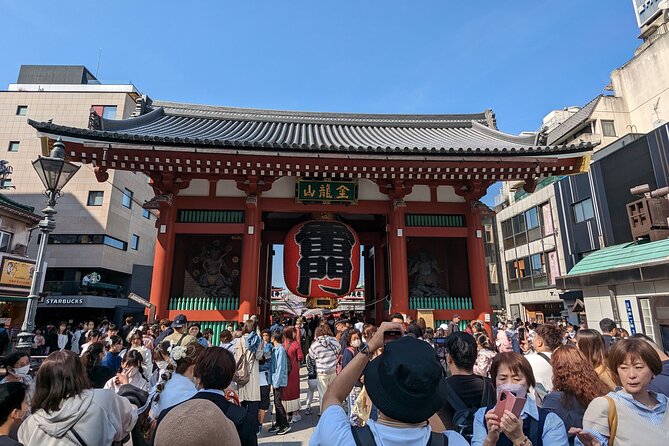
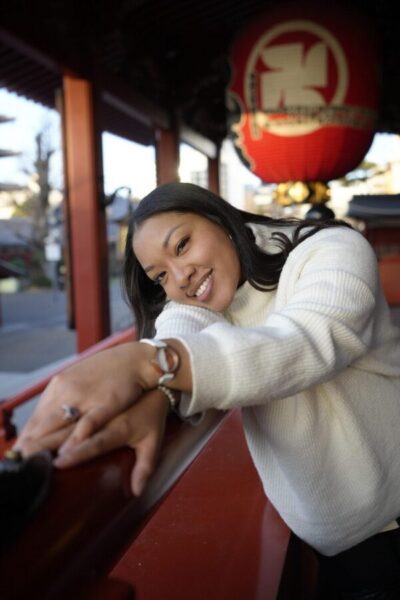
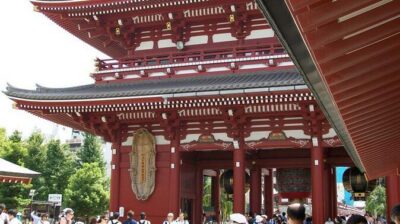
Asakusa is the best choice if you want Tokyo to begin with a strong sense of place. The area is known for its Buddhist temple, Sensoji, and its traditional atmosphere. You receive about an hour here, with no admission charge listed for the stop.
Sensoji gives you a clear introduction to Japanese temple culture without requiring a full day outside central Tokyo. The surrounding district also has a busy, old-fashioned feel, making it a good contrast to Tokyo’s office towers, department stores, and electronic arcades.
I would put Asakusa near the top of your list if this is your first visit or if you have limited time. It offers cultural context before the tour turns toward shopping and pop culture. Ask your guide to explain the temple customs and the neighborhood’s place in Tokyo rather than treating it as a photo stop.
One hour is useful but short. You may see the temple and part of the surrounding area, but you will not have unlimited time for browsing or lingering. The private format helps here because you can tell the guide if the temple matters more to you than another stop.
Shibuya and the famous crossing
Shibuya shows you Tokyo at its most modern and energetic. The neighborhood is known for its large pedestrian crossing and the Hachiko statue, two familiar sights that are easy to combine in a short visit.
Your guide can help you understand the area instead of leaving you to work out where to stand, what to photograph, and how the nearby streets fit together. Shibuya also gives the tour a useful urban counterpoint to Asakusa.
I would choose Shibuya if you want recognizable Tokyo scenes and a quick look at one of the city’s major entertainment districts. It is less rewarding if your main aim is quiet cultural sightseeing, since the area is crowded and commercial by nature.
The listed stop lasts about an hour and does not include an admission fee. That keeps the visit simple, but remember that the tour price does not cover food or public transportation.
Tsukiji for food and market atmosphere
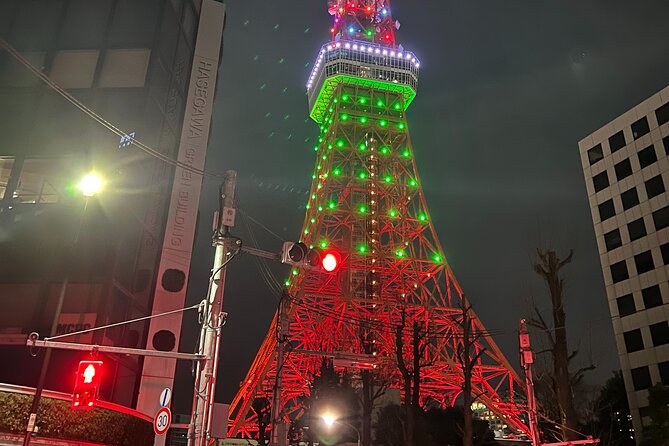
Tsukiji is the natural pick for anyone interested in Japanese food. The area is associated with fresh seafood, sushi, and sashimi, but you do not need to be a seafood fan to find something of interest here.
The value of having a guide is practical. You can ask about foods, local eating habits, and what to try instead of wandering among stalls without context. If you prefer other Japanese dishes, the guide may help you focus on options beyond raw fish, though the experience does not include food or drink.
Tsukiji is listed as a one-hour stop with free admission. Treat that hour as a market visit, not a guaranteed meal. You will need to pay for anything you eat, and the extra cost can add up if you sample several items.
I would combine Tsukiji with Asakusa for a day that centers on traditional Tokyo and food. If you only have three hours, though, you may need to choose between a market visit and one of the city’s more distant neighborhoods.
Harajuku and Tokyo’s youthful style
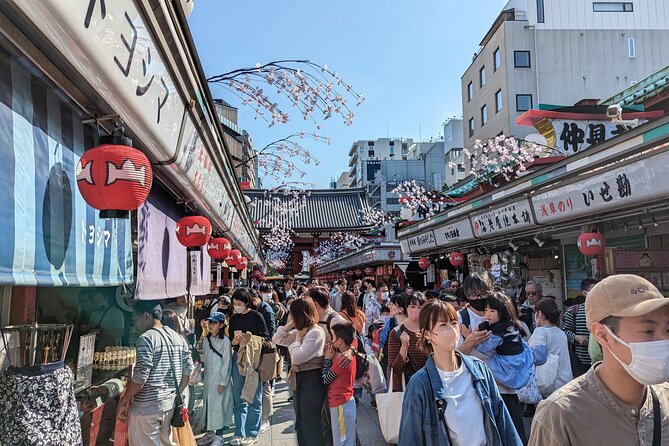
Harajuku brings a different side of the city. It is associated with youthful fashion, kawaii culture, shops, and small boutiques. The neighborhood works well for visitors who want shopping and street style rather than temples or formal museums.
The guide can help you make sense of the area’s character and point you toward the kinds of stores that match your interests. This is especially useful if you want cute goods, fashion, or a taste of Tokyo’s pop culture without spending the entire day shopping.
Harajuku is a good choice for families, teenagers, and anyone who enjoys browsing. The drawback is that an hour passes quickly if you want to shop. The experience includes no shopping allowance, so purchases are your responsibility.
I would not try to pair every major neighborhood with Harajuku on a short booking. Pick it when the area itself is a priority, or combine it with Shibuya if you want a modern Tokyo route with a focus on fashion and city life.





Akihabara for electronics, anime, and figures
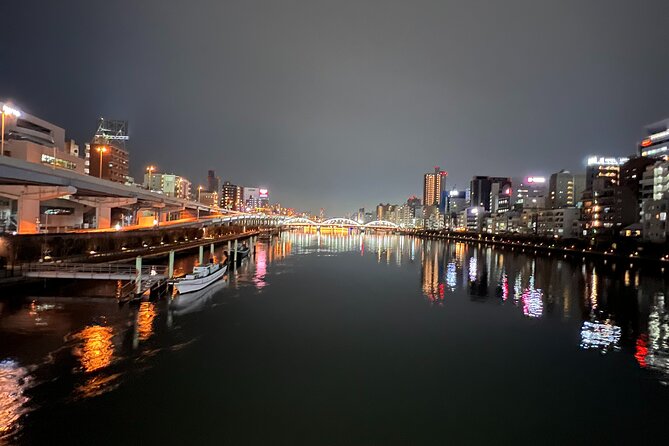
Akihabara is the clearest choice for anime fans, electronics shoppers, and anyone curious about Japan’s gaming and cosplay culture. The area has stores devoted to technology, anime goods, manga-related merchandise, and figures.
This is one place where a private guide can save time. The district can feel like a maze of specialist shops, and an English-speaking guide can help you identify the right part of the neighborhood. One tour experience included help getting by train to buy anime figures, followed by a visit to Asakusa, which suggests how well Akihabara can pair with a cultural stop.
The one-hour format gives you a sample rather than a full shopping expedition. If you have a specific figure, electronic item, or anime series in mind, tell the guide before the tour so the route can reflect it. You will pay for purchases yourself.
Akihabara is not only for serious fans. It also provides a clear look at a modern Japanese subculture that you will not find in Asakusa or Tsukiji. Still, it is a poor use of time if you have no interest in electronics, anime, or related shopping.
Learning Tokyo by train, not just looking at it
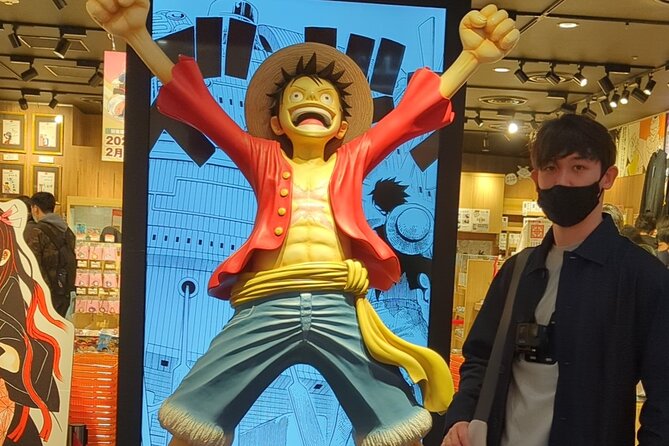
One of the strongest practical features is the transport guidance. Public transportation is not included, with an estimated cost of about $15, but the guide takes care of navigating during the tour.
That distinction matters. You are paying for your own fares, yet you receive help with the part many first-time visitors find difficult: knowing which train to take, where to change, and how to reach the correct exit. One guest described learning to navigate the subway system during the day, which is a useful benefit that lasts after the tour ends.
You should expect walking as well as train travel. The physical requirement is listed as moderate, so wear comfortable shoes and be ready for station corridors and time on your feet. Exact distances are not provided, and the route will depend on the neighborhoods you choose.
The train rides also shape the day. Tokyo’s areas are spread out, so a route covering Asakusa, Shibuya, Tsukiji, Harajuku, and Akihabara will include more transit than sightseeing. Ask for a compact plan if you want more time at each stop.
What the $145 price really buys
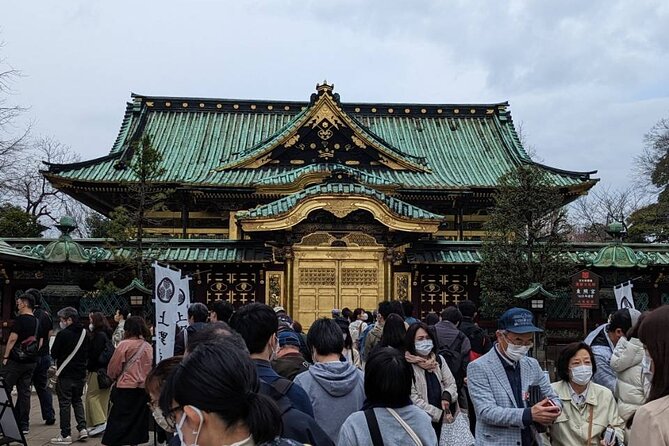
At $145 per person, this is not the cheapest way to see Tokyo. The price is easier to justify when you value private attention, English-language help, and a route built around your own group.
A standard sightseeing tour may cost less, but it may also move at a fixed pace and stop at places that do not interest you. Here, you are paying for flexibility and for someone to guide you through Tokyo’s transport system. That is particularly useful on a first visit, for families, or for anyone who feels uneasy navigating a large unfamiliar city.
The value drops if you already know Tokyo’s train system and want only a simple list of sights. In that case, you may prefer to explore independently and spend your money on food, shopping, or entrance fees.
Food and public transport are extra. The estimated transport cost is about $15, while meals depend on your choices. One guide-led day included lunch at a small Japanese hamburger restaurant, but lunch is not part of the stated price, so plan to pay separately.
Group discounts may improve the per-person value if several people book together. Since the activity is private, you do not share the guide with strangers.
The guide makes the difference
The guide is the central part of this experience. Ken is specifically associated with the tour and is described as friendly, fluent in English, and able to discuss Japanese culture, food, shopping, entertainment, and history.
That range is important. You can ask for more than directions or landmark names. A good conversation can connect a Buddhist temple, a food market, an anime shop, and a subway ride into a clearer picture of Tokyo.
Ken has also taken groups around the city by train and on foot, which fits the design of this tour. If you are assigned a different guide, the same English and Japanese language support is included, but the exact style and local interests may vary.
Tell the guide what you care about at the start. If your group wants anime figures, say so. If you want food, temple customs, shopping, or a broad introduction, say that instead. A private tour is most useful when you give it a clear purpose.
Who should book this private Tokyo day?
I would recommend this experience to first-time Tokyo visitors who want a friendly orientation without joining a large group. It also suits families, couples, and small groups with different interests, since the route can balance temples, food, shopping, and modern neighborhoods.
It is a particularly good fit if you are nervous about trains. The guide does not simply point out sights. You can learn how to move between them, which may make the rest of your trip easier.
The tour is less suitable if you want long, unhurried time at each stop. Three to six hours is a compact window, and Tokyo’s distances make a five-neighborhood route demanding. It is also not ideal for anyone seeking a fully catered outing, since food and transport are separate expenses.
Pickup is available only within a 7-kilometer radius of Tokyo Station. Confirmation arrives at booking, and the experience is offered near public transportation. You can cancel for a full refund if you do so at least 24 hours before the start time. Changes or cancellations inside that window are not accepted.
Should you book it?
Book this tour if you want to see Tokyo through your own interests and learn how to get around as you go. I would choose two or three neighborhoods, not all six, and make one of them a clear priority.
Asakusa plus Akihabara gives you temple culture and anime shopping. Tsukiji plus Harajuku focuses on food and youth style. Shibuya can fit into either plan if you want a quick look at modern Tokyo.
At $145 per person, the tour earns its price through private guidance, English support, and flexible routing rather than admission tickets. If you prefer independence and already understand Tokyo’s trains, skip it. If you want a calm first look at a complex city, especially with a guide such as Ken, it is a useful way to spend part of your first day.
FAQ
How long does the private Tokyo tour last?
The tour lasts approximately 3 to 6 hours. The exact length depends on the booking and the route you choose.
Which Tokyo neighborhoods can I visit?
Potential stops include Asakusa, Shibuya, Tsukiji, Harajuku, and Akihabara. You can also request another Tokyo destination and create a route around your interests.
Is the tour private?
Yes. Only your own group participates in the activity.
Does the guide speak English?
Yes. The included guide speaks both English and Japanese.
Is hotel pickup available?
Pickup is offered within a 7-kilometer radius of Tokyo Station. The provided details do not confirm pickup outside that area.
Are public transportation costs included?
No. Public transportation costs about $15 and are paid separately.
Is food included?
No. Food and drinks are not included. Any meal or snacks you choose during the tour cost extra.
Can I cancel for a full refund?
Yes, if you cancel at least 24 hours before the experience start time. Cancellations or changes made less than 24 hours before the start time are not accepted for a refund.
More Private Tours in Tokyo

More tours in Tokyo we've reviewed



Private, compared.
 ★ 5.0Tokyo 6hr Private Tour with Government-Licensed GuideFrom $155
 ★ 5.0Private Tour to Mt. Fuji and Hakone (Fully Licenced Operator)From $497
 ★ 5.0Tokyo Customized Private Tour (Must See Places in 1 Day)From $145
 ★ 4.9Mount Fuji Full-Day Private Tour from Tokyo (Customizable)From $393
 ★ 4.8Tokyo: Private City Highlights Tour with Local GuideFrom $1064 - 8 hours
 ★ 5.0Private Custom Tour: Tokyo in a DayFrom $159