
Reviewed · TOKYO FOOD TOURS
Hidden Bites of Shinjuku A Foodie Walk Tour With A Local Expert
Shinjuku is easy to experience as neon, shopping, and nightlife. This four-hour walk gives you a better reason to slow down: food is used as your way into the district, with stops at up to four local restaurants and time in alleys many first-time visitors might pass without understanding. You’ll also see Golden Gai, Hanazono Shrine, Omoide Yokocho, Kabukicho, and Godzilla Road.
I like the small maximum of eight people, which should make questions and conversation much easier than on a large group outing. I also like that the food is paired with local context, from the history of Golden Gai to the everyday character of neighborhood restaurants. The main concern is price: at $190 per person, this is a costly food walk, especially since alcohol and hotel transfers are extra.
In This Review
- Key points to know before booking
- Why food is the right way to meet Shinjuku
- Golden Gai: tiny lanes with a big personality
- Kabukicho and Godzilla Road: Tokyo’s theatrical side
- Hanazono Shrine: a quiet pause beside the nightlife
- Omoide Yokocho and the appeal of simple food
- Don Quijote: a useful look at everyday Japanese shopping
- What the four-hour timing means
- The guides make the difference
- Is $190 a fair price?
- Who will enjoy this Shinjuku walk?
- Booking advice and cancellation terms
- Should you book it?
- FAQ
- How long is the Hidden Bites of Shinjuku tour?
- Where does the tour start?
- Where does the tour end?
- How many people can join the tour?
- How many restaurants are included?
- What food and drinks are included?
- Is alcohol included?
- Which Shinjuku sights are included?
- Is hotel pickup or drop-off provided?
- Can I cancel for a full refund?
Key points to know before booking
- Up to four restaurant stops: You sample local dishes, desserts, soft drinks, and water across the walk.
- Six recognizable Shinjuku sights: The route includes Golden Gai, Kabukicho, Hanazono Shrine, Omoide Yokocho, Don Quijote, and Godzilla Head.
- Small group format: The tour accepts no more than eight people, giving the guide room to answer questions and adjust the pace.
- Guides who add local detail: Naoto, Chisato, and Kato are named guides connected with this experience, and each has been praised for food and neighborhood explanations.
- Central meeting point: You begin at Shinjuku Station and return there after roughly four hours.
- Alcohol costs extra: Soft drinks and water are included, but alcoholic drinks must be purchased separately.
Why food is the right way to meet Shinjuku
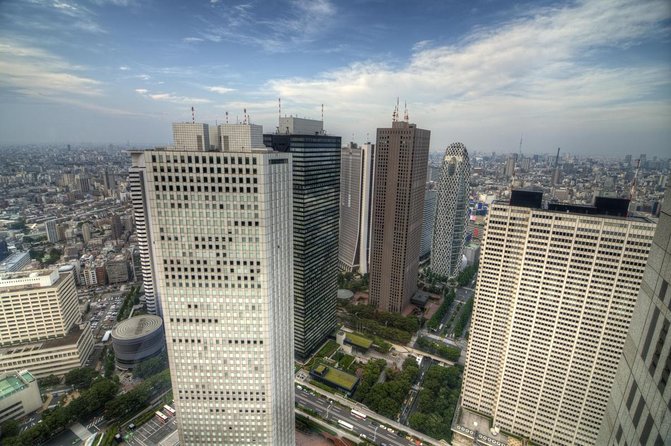
Shinjuku can feel like several Tokyo districts packed into one. The station brings in crowds, Kabukicho draws nightlife, Golden Gai compresses tiny bars into narrow lanes, and Omoide Yokocho offers a more old-fashioned food-alley setting. A guide helps connect these pieces instead of leaving you with a string of photographs and no sense of how they fit together.
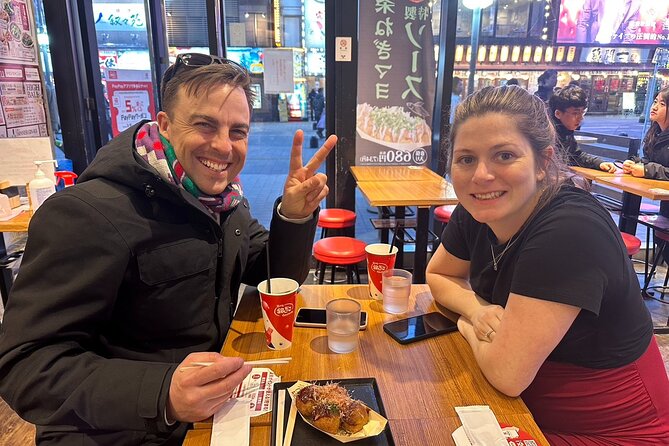
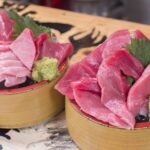
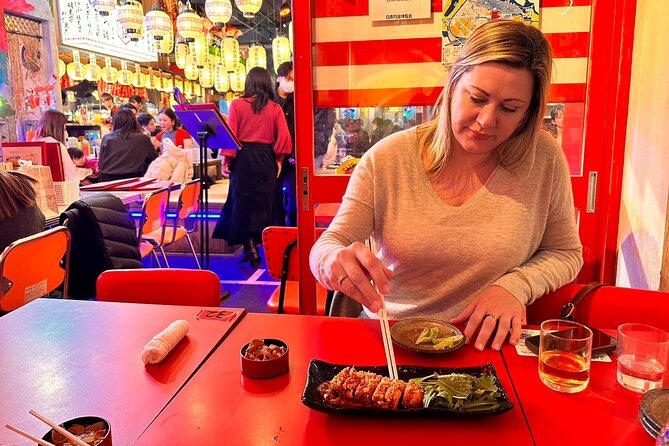
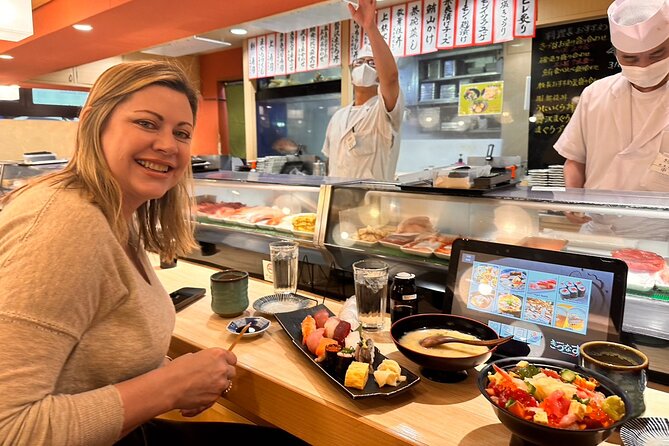
The food stops are the heart of the experience. You visit three or four restaurants selected by the guide and try a range of local dishes, desserts, and drinks. The exact menu is not specified, so I would treat the meal as a tasting tour rather than a fixed dinner with a published menu.
That can be a plus. You get variety and a chance to try items you might not order alone. It also means you should ask about ingredients, portion sizes, and dietary needs before booking if those details matter to you.
The food is not presented in isolation. The walk places it beside Shinjuku’s streets, shrines, bars, shops, and pop-culture landmarks. I find that useful in Tokyo, where a small alley can look confusing until someone explains what it is and how locals use it.
A few more Tokyo tours and experiences worth a look
Golden Gai: tiny lanes with a big personality
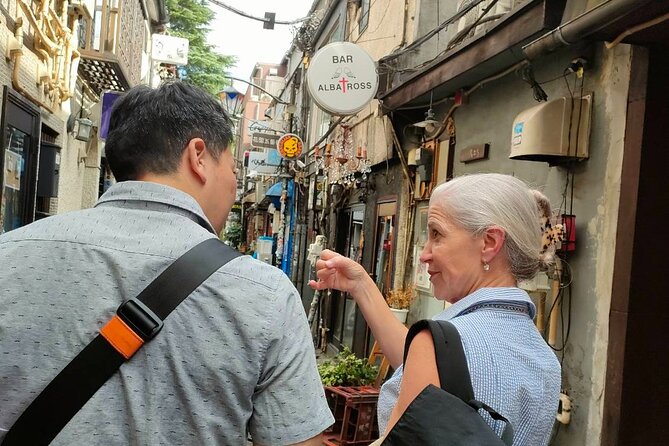
The walk includes about 30 minutes in Shinjuku Golden Gai, a short walk from the East Exit of Shinjuku Station and near Hanazono Shrine. The area is known for its tightly packed alleys and very small bars, where the architecture gives you a look at an older side of central Tokyo.
This is a place where a guide earns the admission price because there is no ticket booth or formal exhibit to explain what you are seeing. The character comes from the narrow passages, compact buildings, and the way dozens of small establishments fit into a surprisingly small area.
You may not enter every bar on this portion of the walk. The point is to see the district and understand its role in Shinjuku nightlife. Since Golden Gai is also a working entertainment area, you should behave as you would in any neighborhood: keep voices low, avoid blocking doorways, and ask before taking close-up photographs.
The tour’s food focus gives Golden Gai more meaning. Instead of treating it as a quick photo stop, you can ask your guide how the area relates to Shinjuku’s drinking and dining culture. Chisato has been praised for explaining both the food and the local history, which is the sort of pairing that makes this stop worthwhile.
Kabukicho and Godzilla Road: Tokyo’s theatrical side
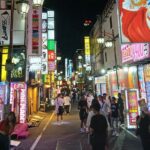
The route spends about 45 minutes in Kabukicho, one of Tokyo’s best-known entertainment districts. Its streets include clubs, pubs, restaurants, and adult-oriented nightlife, so the area is not a polished family attraction. It is a real nightlife zone with a strong visual identity.
That mix is part of the appeal, but it also affects who will enjoy the walk. If you want a quiet temple tour, Kabukicho may feel loud or distracting. If you want to see how Tokyo combines food, nightlife, advertising, and pop culture in one district, the area provides plenty to discuss.
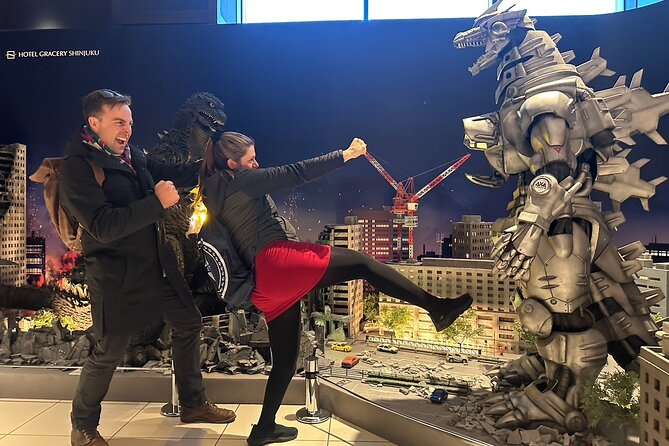
Godzilla Road and Godzilla Head receive another 45 minutes. The sculpture is attached to the Shinjuku Toho Building and can be viewed from the Godzilla Terrace at Hotel Gracery Shinjuku. It is an unmistakable photo stop, but the guide’s explanation helps keep it from becoming only a quick picture beside a large movie monster.
I like the contrast here. A few minutes earlier, you may be looking at small old-style lanes. Then you are facing a giant pop-culture landmark surrounded by modern commercial streets. The walk shows two different faces of Shinjuku without requiring a long ride between them.
Hanazono Shrine: a quiet pause beside the nightlife
Hanazono Shrine receives about 30 minutes and is located close to Golden Gai. It is described as the most important Shinto shrine near Shinjuku Station, making it a useful counterpoint to the entertainment streets nearby.
The value of this stop is its setting. You do not need to leave central Shinjuku to find a place associated with Shinto practice and local tradition. The shrine gives the tour a pause from signs, shops, and nightlife, and it helps explain why Tokyo should not be reduced to technology and bright screens.
Your guide can also give you context for respectful behavior at the shrine. The supplied details do not promise a formal ceremony or special access, so you should expect a sightseeing stop rather than a private religious event.
For me, Hanazono Shrine is an important part of the balance. Without it, the walk could feel like a tour of bars, restaurants, and commercial attractions. With it, you get a clearer sense of the older cultural layer that remains beside Shinjuku’s modern entertainment core.
Omoide Yokocho and the appeal of simple food
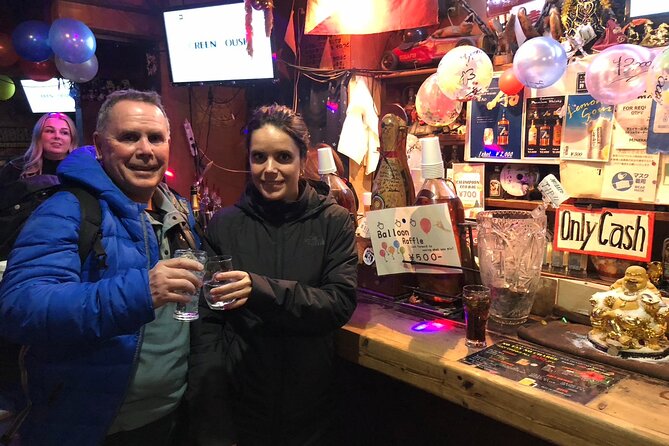
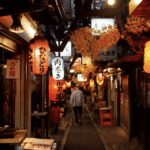
Omoide Yokocho, also known as Memory Lane, is a narrow landmark alley lined with food stalls and places serving simple fare and alcoholic drinks. The tour allows about 30 minutes here.
This stop should appeal to anyone who likes food with a strong sense of place. The setting is part of the experience, not just a backdrop. Small stalls, close quarters, and straightforward food create a very different mood from a large restaurant or department-store dining floor.
Do not expect a long meal at every stop. With three or four restaurants across four hours, the portions are likely intended to be shared or sampled, though the exact serving plan is not provided. If you arrive very hungry, it is sensible to ask the guide how much food is included.
Alcohol is available to buy but is not included. Soft drinks and water are provided, so you can take part without ordering alcohol. That makes the tour easier to fit into different travel styles, although the extra cost of drinks can raise your final spending.
A few more Tokyo tours and experiences worth a look

Don Quijote: a useful look at everyday Japanese shopping
The route includes about 30 minutes at Don Quijote Shinjuku Kabukicho, a large convenience store near the entrance to Kabukicho. The store sells groceries, toys, footwear, and other goods.
This may sound less traditional than a shrine or food alley, but I think it adds a practical note. Don Quijote shows the busy, commercial side of modern Japanese shopping, where an ordinary errand can involve an unusually wide mix of products. It is also a handy place to understand the sort of store visitors often encounter in Japanese city centers.
The stop does not mean you must shop. You can use the time to browse, ask the guide about popular items, or get a sense of how the store fits into the surrounding entertainment area. Since the tour already includes several food and culture stops, this commercial break helps vary the pace.
What the four-hour timing means
Four hours is long enough for more than a quick snack crawl, but the schedule is active. The listed stops add up to three hours and 30 minutes, leaving roughly 30 minutes for walking between locations, ordering food, eating, questions, and photographs.
That timing tells you what to expect. You will cover several areas on foot, stop at multiple businesses, and spend time listening as well as eating. Comfortable shoes are a smart choice, even though the route remains within central Shinjuku.
The schedule also makes a small group especially useful. With no more than eight people, the guide can explain a menu, keep track of the group in narrow streets, and respond to questions without the stop becoming unwieldy.
The experience begins at Shinjuku Station and ends back at the meeting point. Because Shinjuku Station has many exits and the supplied meeting address refers to the Shinjuku area, I would allow extra time to find the exact spot. If you are running late, the guide may be able to help with directions. Naoto once sent photographs of the meeting location to a late-arriving participant, including the Tounan Guchi, or Southeast Exit, wording that a taxi driver could recognize.
That is a useful practical lesson: save the meeting details and contact information before you set out. Shinjuku Station is large enough to turn a simple rendezvous into a rushed start.
The guides make the difference
The experience names Naoto, Chisato, and Kato in connection with past tours. You may not receive a particular guide unless the booking specifically confirms one, but the descriptions of their approach give you a sense of what to look for.
Naoto appears especially attentive to meeting-point problems. That matters in Shinjuku, where a few minutes of confusion can leave you on the wrong side of the station.
Chisato is associated with explanations of the neighborhood, its food, and the background of places such as Golden Gai. If you enjoy asking how dishes connect to local customs or how an area changed over time, that style would suit you.
Kato is described as patient and able to answer questions about food and local history. That is valuable on a tasting walk because the best questions often come after you see an unfamiliar ingredient or enter a new district.
The common thread is personal attention. The strongest praise focuses on guides who explain, answer questions, and help the walk feel comfortable. I would book this tour for the guide’s local interpretation as much as for the food itself.
Is $190 a fair price?
The listed cost is $190 per person, which puts this well above the price of simply eating your way through Shinjuku independently. You are paying for more than the dishes. The price also covers four hours of guiding, restaurant selection, neighborhood explanations, soft drinks, water, desserts, and a small group capped at eight people.
That can be worthwhile if you are short on Tokyo time or uneasy about choosing unfamiliar restaurants. A local guide reduces the guesswork and gives you a planned route through areas that can be confusing on your first visit.
Still, value depends on your priorities. Alcohol is not included, hotel pickup and drop-off are not included, and the exact dishes are not listed. If your main goal is to eat as much as possible for the lowest price, you can likely spend less by exploring on your own.
I see the price as easier to justify for a first visit, a special occasion, or someone who places a high value on explanation and company. It is harder to justify if you already know Shinjuku, speak Japanese well enough to order comfortably, or prefer choosing your own restaurants.
Who will enjoy this Shinjuku walk?
I would recommend it to food-focused visitors who want a guided introduction to the district rather than a simple restaurant meal. The mix of dishes, desserts, alleys, shrine grounds, shopping, and pop culture gives you a broad first look at Shinjuku.
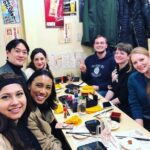
It also suits solo visitors and couples who want company without joining a large bus group. The eight-person limit should keep the walk fairly personal, and the station meeting point makes it easy to connect with the wider Tokyo rail system before or after the tour.
The tour may be less suitable for someone who wants a fixed menu, a quiet cultural walk, or a fully private experience. The route includes nightlife areas, and the food selection is made by the guide rather than presented in detail before booking.
Most people can participate, and the meeting point is near public transportation. The supplied information does not give a detailed accessibility plan, so anyone with mobility concerns should ask the provider about walking distances, narrow lanes, and restaurant access before paying.
Booking advice and cancellation terms
You receive confirmation when you book, and free cancellation is available if you cancel at least 24 hours before the start time. Cancellations or changes made within 24 hours are not accepted for a refund.
Because the tour returns to its starting point, you do not need to arrange a separate ride back to your hotel. You will need to reach Shinjuku Station independently, and hotel pickup and drop-off are not part of the experience.
I would also clarify dietary requirements, expected portion sizes, the meeting exit, and the likely start time before booking. The tour includes soft drinks and water, but plan extra money if you want beer, sake, or other alcoholic drinks.
Should you book it?
Book this tour if you want a guided first taste of Shinjuku and care about the stories behind the food. The strongest reasons are the small eight-person group, the range of neighborhoods, and guides such as Chisato and Kato who focus on answering questions and explaining local food and history.
Skip it if $190 feels high for a meal, you prefer to choose every restaurant yourself, or you want a tour centered only on traditional temples. This is a lively urban walk through food, nightlife, shopping, shrine culture, and Godzilla-sized pop culture.
For the right person, it is a practical way to get oriented quickly. You leave from Shinjuku Station, return there four hours later, and see several sides of the district while sampling food selected by someone who knows the area. Just confirm the meeting details and budget for alcohol before you commit.
FAQ
How long is the Hidden Bites of Shinjuku tour?
The tour lasts approximately four hours.
Where does the tour start?
It starts at Shinjuku Station, at 3-chōme-38-1 Shinjuku, Shinjuku City, Tokyo 160-0022, Japan.
Where does the tour end?
The activity ends back at the meeting point.
How many people can join the tour?
The tour has a maximum of eight travelers.
How many restaurants are included?
The guide selects three to four restaurants during the walk.
What food and drinks are included?
Local dishes, desserts, soft drinks, and water are included.
Is alcohol included?
No. Alcoholic drinks are available to purchase separately.
Which Shinjuku sights are included?
The route includes Shinjuku Golden Gai, Kabukicho District, Hanazono Shrine, Omoide Yokocho, Don Quijote Shinjuku Kabukicho, and Godzilla Road and Head.
Is hotel pickup or drop-off provided?
No. Hotel pickup and drop-off are not included.
Can I cancel for a full refund?
Yes, if you cancel at least 24 hours before the experience start time. Cancellations within 24 hours are not refundable.
More Walking Tours in Tokyo

More Tokyo Food Tours in Tokyo
More Shinjuku Tours in Tokyo

More tours in Tokyo we've reviewed

Tokyo Food Tours, compared.
 ★ 5.0Tokyo: Shinjuku Food Tour (13 Dishes at 4 Local Eateries)From $86
 ★ 4.9Tokyo: Shinjuku Food Tour (15 Dishes and 4 Eateries)From $853 hours
 ★ 5.0Best of Shinjuku: Izakaya Food Tour (4 Stops, 14+ Tastings)From $92
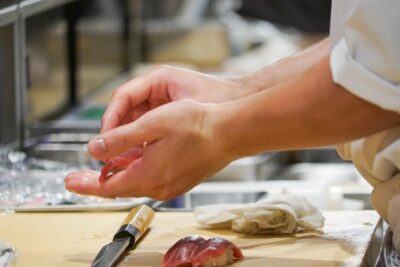 ★ 5.0Tokyo Night Foodie Tour in Shinjuku – Seasonal Sushi, Wagyu BeefFrom $111
 ★ 5.0Eat and Drink Like a Local: Tokyo Ueno Food Tour-Taverns&RamenFrom $95
 ★ 5.0Tokyo: Shibuya Food Tour (13 dishes and 4 Eateries)From $77