
Reviewed · MT FUJI DAY TRIPS
Mt Fuji, Takayama, Nagano Private Tour w Local guide/photographer
The headline attraction here is the chance to link Mt Fuji, Takayama, and Nagano in one private trip, with a local photographer at the wheel. Kye, a Japan-born half-Australian from Takayama, brings a personal connection to the countryside, plus a light, joking style that should help keep long drives from feeling too serious.
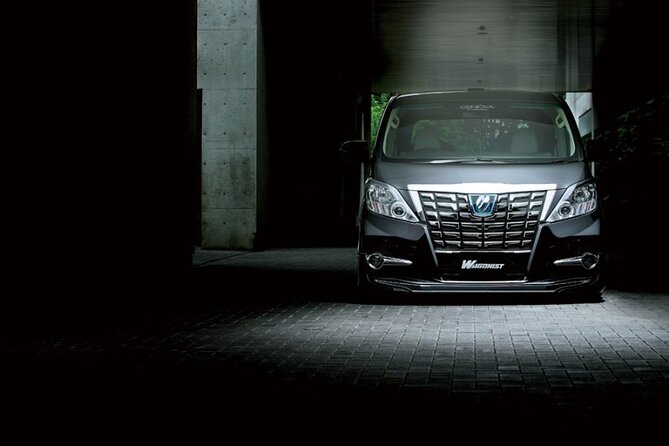
I like the private vehicle and flexible feel. You travel with only your own group, use a 2023 Toyota Land Cruiser Prado, and have WiFi on board. I also like the mix of famous sights and smaller local interests: snow monkeys, a working sake brewery, soba making, Matsumoto Castle, and Takayama itself.
The big concern is the written plan. Several stops appear to carry incorrect place names, and the Day 3 list is far too full for a relaxed day. The price is also extremely high at $39,021.51 per group of up to four, so you should confirm the exact route, vehicle, inclusions, and final cost before making the non-refundable booking.
In This Review
- Key points to know
- A private route with a very expensive price tag
- Kye’s Takayama connection is the real selling point
- Day 1: Mt Fuji, then a route that needs checking
- Day 2: Takayama deserves more than one hour
- Day 3: Snow monkeys are the strongest fixed stop
- Red pandas, Zenko-ji, and a quieter Nagano visit
- Hakuba, Shiga Kogen, and the problem with too many choices
- Soba making and sake tasting add local flavor
- Matsumoto Castle gives the route a grand finish
- Transport, timing, and what the $39,021 includes
- Who should book this private Japan trip
- Should you book it?
- FAQ
- Where does the tour start?
- Where does the tour end?
- How long is the tour?
- How many people can join the private tour?
- Who is the guide?
- What vehicle is used?
- Is WiFi available?
- Are meals, fuel, and tolls included?
- Are attraction admissions included?
Key points to know
- Kye is from Takayama: You get a guide with a genuine hometown connection rather than a guide simply passing through.
- The Prado is the standard vehicle: A Japanese luxury van is available if you need more room.
- Snow monkeys are the Day 3 centerpiece: Jigokudani Yaen-Koen is planned for about two hours, with admission extra.
- The route includes strong food and culture options: You can add soba making, sake tasting, Zenko-ji, and Matsumoto Castle.
- The schedule needs clarification: Kyoto, Sapporo, Osaka, and Okinawa appear in the plan even though they do not fit neatly with the stated route.
- The cost is for the whole group: Up to four people can share the quoted group price, but meals, fuel, tolls, and many admissions are extra.
A private route with a very expensive price tag
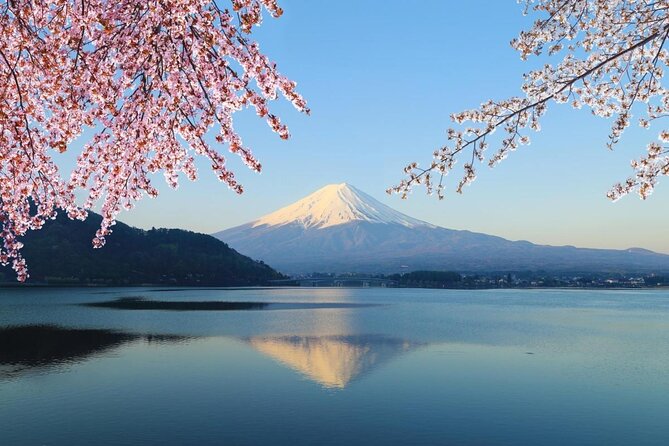
This is not a standard sightseeing shuttle. It is pitched as a custom private journey from Tokyo, built around three of Japan’s most appealing regions: Mt Fuji, Takayama, and Nagano.
At $39,021.51 per group of up to four, the arithmetic matters. Split four ways, that is about $9,755 per person before meals, tolls, fuel, and several admissions. Even for a private vehicle and three days of personal guiding, that is a major investment.
I would not judge the price by comparing it with a regular day tour. A private driver, guide, photographer, and custom routing can cost much more than a seat on a bus. Still, this figure is high enough that you should ask for a written breakdown. Find out exactly what portion covers guiding, transport, fuel, tolls, photography, and any extra services.
The private format makes most sense for a small group that values comfort and control. Four adults can share the vehicle cost, though the standard Prado may feel tight with four people and full luggage. The available Japanese luxury van may be the better choice if you want more space.
A few more Tokyo tours and experiences worth a look


Kye’s Takayama connection is the real selling point
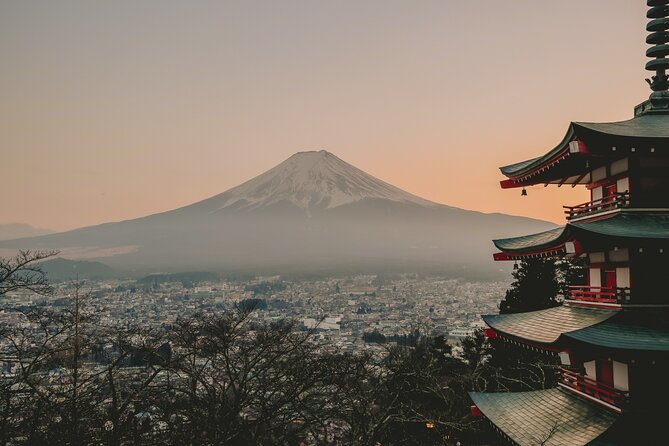
Kye is described as a slightly sarcastic, Japan-born half-Australian photographer, and Takayama is his hometown. That detail changes the character of the trip.
Takayama is often compared with a small Kyoto because of its old streets, traditional buildings, and strong local identity. It is also less famous abroad than Kyoto, which can make it a better place for a quieter look at rural Japan.
I like the idea of seeing Takayama with someone who grew up there. A local guide can explain which streets matter, how the town fits into the wider region, and where the polished tourist image ends. The information provided does not promise a fixed set of Takayama stops, so ask Kye what he plans to show you and how long you will actually have there.
The photography angle may also suit you if you want more than quick snapshots from a bus window. The tour promises several Mt Fuji photo spots, and Kye’s background suggests an eye for timing and composition. Still, the exact photography service is not described in detail, so confirm whether you receive professional images, advice while taking your own photos, or simply a photographer as your guide.
Day 1: Mt Fuji, then a route that needs checking
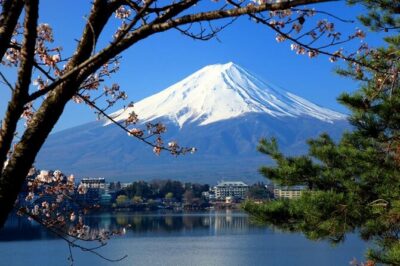
The first listed stop is Mt Fuji, with about one hour devoted to views from several photo locations. That is a sensible starting point. Fuji visibility changes quickly, so several viewpoints give you a better chance of seeing the mountain clearly.
One hour is enough for a few stops if the weather cooperates. It is not enough for a leisurely circuit of the Fuji area. Your experience will depend heavily on the chosen viewpoints and the day’s traffic.
After Mt Fuji, the plan lists Kyoto Prefecture and Sapporo, each for one hour. These entries are a serious problem. Kyoto is far from Mt Fuji, and Sapporo is on Hokkaido, Japan’s northern island. They cannot sensibly function as simple one-hour stops in a three-day road route that also includes Takayama and Nagano.
The most likely explanation is that these labels are errors or placeholders. Do not assume you are going to Kyoto and Sapporo unless the operator confirms it directly. Ask for the actual Day 1 map and destination names before booking.
This is more than a small editing issue. The booking is non-refundable and cannot be changed for any reason, so you need the route in writing.
Day 2: Takayama deserves more than one hour
Day 2 lists Osaka for seven hours, followed by Takayama and Okinawa Prefecture for one hour each. Again, the geography does not add up.
Osaka is a major city far from Takayama, while Okinawa is a separate island chain in southern Japan. A one-hour Okinawa stop cannot be combined with a road trip through central Honshu. The Osaka description refers to a major theme park, but no admission is included.
The useful part of the day, as described, is Takayama. If you are taking this tour to see Kye’s hometown, one hour is a very short visit. You may get a quick walk and a few photographs, but not much time for the old town, local food, craft traditions, or a relaxed conversation with your guide.
I would ask whether the intended plan is actually a Tokyo to Takayama route, with time in Takayama replacing the questionable Osaka and Okinawa entries. If so, the trip could have a clear identity. If Osaka is genuinely included, ask how transport works and whether the seven-hour theme park visit is optional.
The theme park stop also changes the nature of the tour. It is a family-friendly entertainment day, not a cultural stop. That may suit you if your group wants speed, rides, and a big dose of modern Japan. It may disappoint you if your goal is countryside, photography, and local traditions.
Day 3: Snow monkeys are the strongest fixed stop
Jigokudani Yaen-Koen is the clearest anchor in the plan. The park is known for Japanese red-faced snow monkeys, and the tour allows about two hours there.
The name Jigokudani means hell valley, a reference to the area’s sulfur and difficult growing conditions. The setting gives this stop a distinctive character, and the monkeys are the kind of sight that can justify a long drive.
Admission is not included. You should also remember that seeing wildlife is never fully predictable, even when a park is famous for it. The tour does not state how close the vehicle can get to the entrance or how much walking is required, so ask for those practical details if anyone in your group has mobility concerns.
The planned two hours should give you time to reach the viewing area and spend a while watching the animals. It is a much more believable use of Day 3 than trying to complete every listed stop.
Other guided tours in Tokyo

Red pandas, Zenko-ji, and a quieter Nagano visit
Chausuyama Zoo is listed for one hour after the snow monkeys. Its draw is the red pandas. Admission is extra.
This is a pleasant add-on if your group enjoys animals, but it may feel like a detour if you are more interested in temples, food, or mountain towns. The description itself jokes about turning the tour into a safari, which tells you the zoo is an optional-feeling extra rather than the core reason to book.
Zenko-ji Temple is given one hour. It is described as more traditional and less crowded than some temples in Tokyo, with a stronger spiritual atmosphere. That makes it a good counterpoint to the wildlife stops.
A second entry for Zenkōji temple lists another hour on an elegant traditional path leading to the temple. These may be two parts of the same visit rather than separate destinations. Confirm this, since the duplicated name could otherwise make the day look fuller than it is.
For me, Zenko-ji is one of the most appealing additions. It gives you a chance to slow down, look at the architecture, and experience a major religious site without making the whole day about famous city landmarks.
Hakuba, Shiga Kogen, and the problem with too many choices
The Day 3 plan also includes Hakuba Goryu Ski Resort and Alpine Botanical Garden for two hours, plus Shiga Kogen for one hour. Both are presented mainly as winter attractions.
Hakuba is well known for powder snow and off-piste skiing. The tour description places it about two hours from the snow monkeys. That travel time alone matters. If you visit Jigokudani, Hakuba, Zenko-ji, and several other sites on the same day, much of your time will be spent in the vehicle.
Shiga Kogen is another ski-focused stop near the snow monkey area. It makes sense in winter if skiing or snow scenery is your priority. It makes less sense as a standard add-on during a warm-season sightseeing trip.
These stops show the potential flexibility of a private tour, but they also show why you need to choose. You cannot reasonably enjoy snow monkeys, a zoo, a temple, a ski resort, a soba museum, a brewery, and a castle in one day. Pick two or three priorities.
Soba making and sake tasting add local flavor
The Togakushi Soba Museum Tonkururin is allotted two hours, with admission extra. Here you can learn to make traditional Japanese soba from scratch.
This is exactly the sort of activity that can turn a scenic drive into a memorable cultural stop. You are not just looking at an old building or taking a photograph. You are handling an important regional food tradition.
The Endo Sake Brewery is given one hour. It is one of more than ten sake breweries in the area, and tastings are available. Admission is not listed as included, so check tasting fees and age requirements before planning around it.
These are valuable choices for food-focused groups, but they compete directly with the outdoor and temple stops. If you want both, ask Kye to build a realistic route rather than accepting every option on the page.
Matsumoto Castle gives the route a grand finish
Matsumoto Castle is described as one of Japan’s treasured castles, with a five-tiered, six-story main tower dating from the late 16th century. The tour allows one hour, and you can go inside. Admission is extra.
This is a strong historical stop because the interior matters as much as the outside. A visit inside an old wooden castle tower is more revealing than a quick photograph from the moat.
One hour may be enough for a brisk visit, but it will not leave much room for a slow look at the grounds and exhibits. If Matsumoto Castle is important to you, make it one of the day’s main stops and remove some of the optional additions.
Transport, timing, and what the $39,021 includes
The standard vehicle is a 2023 Toyota Land Cruiser Prado. It is air-conditioned, and WiFi is provided on board. A Japanese luxury van can be requested as an option for extra space.
Those details matter because this is a driving-heavy tour. The remaining hours are assigned to transport, and that likely means long stretches on the road between Tokyo, the Fuji area, Takayama, and Nagano.
Fuel and tolls are not included. Meals are not included either. Admission is also extra for Jigokudani Yaen-Koen, Chausuyama Zoo, Hakuba Goryu, Shiga Kogen, Togakushi Soba Museum Tonkururin, Endo Sake Brewery, and Matsumoto Castle.
The tour is private, and pickup is offered in Tokyo. It ends back at the meeting point. Confirmation is provided at booking, and the listed operating period runs from May 27, 2023, through January 30, 2027.
The broad opening hours, midnight to 11:30 p.m. every day, do not mean you should expect a 23-hour outing. They indicate that the activity can operate across a wide daily window. Confirm your pickup time and return point directly.
Who should book this private Japan trip
I would consider this for a group of up to four that wants a private vehicle, a local connection in Takayama, and the freedom to shape a route around photography, temples, wildlife, food, or snow.
It may work especially well for friends or family who do not want to manage multiple trains and regional transfers. One group began with a two-day plan and expanded to a two-week private trip for six friends, visiting several destinations during cherry blossom season and meeting local artisans. That suggests the provider can handle broader custom planning, though this specific booking is limited to four people.
I would not book it as written without clarification. The price is too high, the cancellation terms are unforgiving, and the itinerary contains obvious geographic conflicts.
Should you book it?
Book this only after Kye or Japan Experiences sends you a corrected, day-by-day route with realistic driving times and a clear cost breakdown.
If the actual plan centers on Mt Fuji, Takayama, Jigokudani, Zenko-ji, and perhaps Matsumoto Castle, the private format could offer a comfortable and personal way to see parts of central Japan. If Kyoto, Sapporo, Osaka, and Okinawa are truly meant to be included, the three-day plan is not credible as a road itinerary.
The best value comes when you use the private nature properly: choose a few meaningful places, give Takayama enough time, and let the local guide and photographer build a route that fits your interests. Do not pay the full amount until those details are settled.
FAQ
Where does the tour start?
The tour starts in Tokyo, Japan, with pickup offered.
Where does the tour end?
The activity ends back at the meeting point.
How long is the tour?
The tour lasts approximately three days.
How many people can join the private tour?
The quoted price covers a private group of up to four people.
Who is the guide?
The introduction identifies the guide as Kye, a Japan-born half-Australian photographer whose hometown is Takayama.
What vehicle is used?
The standard vehicle is a 2023 Toyota Land Cruiser Prado from 2023. A Japanese luxury van is available as an option for additional space.
Is WiFi available?
Yes. WiFi is provided on board, and the vehicle is air-conditioned.
Are meals, fuel, and tolls included?
No. Meals, fuel, and tolls are not included.
Are attraction admissions included?
Some stops are listed with free admission, but admission is not included for Jigokudani Yaen-Koen, Chausuyama Zoo, Hakuba Goryu Ski Resort or Alpine Botanical Garden, Shiga Kogen, Togakushi Soba Museum Tonkururin, Endo Sake Brewery, and Matsumoto Castle.
More Private Tours in Tokyo
More Guided Tours in Tokyo
More Mt Fuji Day Trips in Tokyo
More tours in Tokyo we've reviewed









Mt Fuji Day Trips, compared.
 ★ 5.0Mt Fuji and Hakone 1-Day Bus Tour Return by Bullet TrainFrom $163
 ★ 4.0Mt Fuji & Hakone Cruise, Drum Show Bullet Train 1 Day from TokyoFrom $149
 ★ 4.4Tokyo Mt Fuji 5th St & Hakone Cruise Bus Tour w/Bullet TrainFrom $15410 hours
 ★ 4.5From Tokyo: Mount Fuji Full-Day Sightseeing TripFrom $6810 hours
 ★ 4.7Tokyo: Mt. Fuji Tour, Hakone Ropeway, Owakudani, Lake AshiFrom $5410 hours
 ★ 4.4Tokyo:Mt.Fuji,Kawaguchiko Oishi Park,Arakurayama Sengen ParkFrom $5410 hours