
Reviewed · MT FUJI DAY TRIPS
Mount Fuji & Fuji Shibazakura Festival One Day Trip From Tokyo
The best reason to book this day trip is the chance to frame Mount Fuji with pink shibazakura flowers at the Fuji Shibazakura Festival. You also get lake views, a reconstructed village, a pagoda, and a shrine without having to sort out regional buses and train connections yourself.
I like the mix of nature and Japanese culture, and I like that guides such as Kishida, Agnes, and Taiyo have been praised for clear meeting-point instructions and steady communication. The tradeoff is time: seven stops in about 10 hours means quick visits, and Fuji itself may hide behind clouds.
In This Review
- Key points at a glance
- Why this Fuji day trip works
- Fuji Shibazakura Festival: the seasonal centerpiece
- Saiko Iyashi-no-Sato Nenba and old rural Japan
- Lake Kawaguchi and Oishi Park
- The Natural Living Center and the red torii view
- Chureito Pagoda and Arakura Fuji Sengen Shrine
- What the 10-hour schedule feels like
- Guide communication and transport
- Is $58.90 a fair price?
- Who should book this excursion?
- My booking advice
- FAQ
- How long does the Mount Fuji day trip last?
- What languages are available?
- What transportation is included?
- Is a guide included?
- Is lunch included?
- Are the Fuji Shibazakura Festival tickets included?
- Is admission to Saiko Iyashi-no-Sato Nenba included?
- How many people can join the tour?
- What happens during Golden Week?
- Can I cancel for a full refund?
Key points at a glance
- Pink flowers and Mount Fuji: The seasonal Fuji Shibazakura Festival offers one of the trip’s best photo settings when the blooms are open.
- Seven stops in one day: You visit the festival, a traditional village, Lake Kawaguchi, Oishi Park, the Natural Living Center, Chureito Pagoda, and Arakura Fuji Sengen Shrine.
- A practical Tokyo escape: Round-trip transport in an air-conditioned vehicle removes the stress of arranging connections around the Fuji Five Lakes.
- Fast but varied sightseeing: Stops range from 15 to 60 minutes, so you see a lot but rarely linger.
- English and Mandarin support: The tour is offered in both languages, with guides providing schedules, directions, and local tips.
- Seasonal and weather-sensitive: Shibazakura bloom only during the festival period, while clear views of Fuji depend on the day’s weather.
Why this Fuji day trip works
Mount Fuji is close enough to Tokyo to look easy on a map, but the area spreads around lakes, shrines, parks, and mountain roads. Public transportation can work, yet planning several sights in one day takes care and leaves you watching the clock. This tour handles the round trip in an air-conditioned vehicle and links seven major stops.
The route gives you more than a single Fuji viewpoint. You see the mountain beside flowers, water, a traditional village, a red torii gate, and the Chureito Pagoda. That variety makes the day useful for a first visit, especially if you want a broad introduction rather than one long stop in one place.
The group can reach 45 people, so this is not a private or slow-moving outing. Still, strong organization matters when a large group has to leave each stop on time. Guides praised for clear instructions, including Kishida, Agnes, and Taiyo, are especially valuable here. A WhatsApp group chat may be used for communication, and clear meeting-point guidance helps keep the day moving.
The biggest limitation is the schedule. The longest stop is one hour at the flower festival, followed by 50 minutes at the village and Chureito Pagoda. Several other stops last only 15 to 30 minutes. I would think of this as a well-packed overview, not a relaxed country day.
A few more Tokyo tours and experiences worth a look
Fuji Shibazakura Festival: the seasonal centerpiece
The tour begins with the Fuji Shibazakura Festival at Motosuko Resort, where low-growing shibazakura flowers spread across the grounds during their blooming season. The flowers are known for forming broad pink carpets, and the mountain provides the backdrop that makes this more than an ordinary garden visit.
This is the most time-sensitive part of the excursion. The festival began in 2008 and is held when the plants are in bloom, so you need to choose your date with care. Even during the festival period, bloom conditions can vary. The attraction ticket costs ¥1,200 per person and is not included in the tour price.
You get about one hour here. That is enough to walk through the main viewing areas and take photographs, but it is not a long botanical visit. I would save your best Fuji photos for this stop, then keep moving rather than spending all your time at the first viewpoint.
Cloud cover is the wild card. The flowers can still be attractive on a gray day, but the famous flower-and-mountain composition depends on visibility. One useful lesson from the trip’s feedback is simple: check the forecast and accept that Fuji may appear only briefly. One person had an overcast forecast but still caught clear views at the first two stops.
Saiko Iyashi-no-Sato Nenba and old rural Japan
The next major stop is Saiko Iyashi-no-Sato Nenba, a traditional Japanese village near Lake Saiko. Its thatched buildings and mountain setting offer a very different view of the region from the polished flower festival.
The village was destroyed by a landslide during a typhoon in 1966 and later recreated as a cultural site. That background gives the visit more weight than a quick photo stop. You can see how rural architecture and village life are presented in a setting designed to preserve local character.
You have about 50 minutes here. The admission fee is ¥500 per person and must be paid separately. That extra cost is modest, but you should include it when comparing the total price.
This is also one of the better stops for slowing down a little. The flower festival is mainly about scenery, while the village adds context and a sense of place. If you want a day focused only on dramatic Fuji photographs, this stop may feel less urgent. If you like local culture, it earns its place.
Lake Kawaguchi and Oishi Park
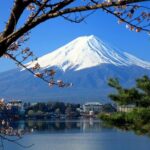
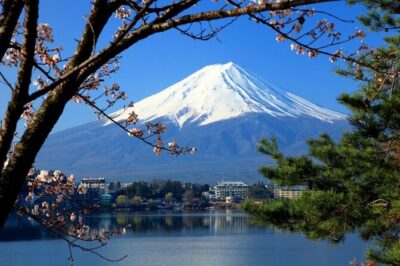
Lake Kawaguchi is the most popular of the Fuji Five Lakes and has the longest shoreline among them. The water gives you a wide, open view toward Fuji, and on a clear, calm day the mountain can reflect across the lake.
The scheduled time at the lake is only 20 minutes, so expect a short photo break rather than a lakeside walk. Use it to get your bearings, take in the view, and follow your guide’s instructions about where to meet again.
Oishi Park receives 30 minutes and offers a more layered scene: flowers in the foreground, Lake Kawaguchi beyond them, and Mount Fuji behind the lake. Different flowers bloom through the year, so the exact colors depend on your date. The park is a strong choice for anyone who wants a classic Fuji composition without a hike.
Together, these stops show why the Fuji Five Lakes area is so popular. The mountain does not look the same from every angle. At the festival, flowers frame it. At the lake, water gives it scale. At Oishi Park, planted flower beds add color and shape.
The Natural Living Center and the red torii view
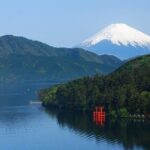
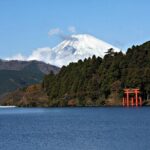
The Kawaguchiko Natural Living Center is a brief 15-minute stop, but it offers a distinctive angle. From the second floor, you can photograph a red torii gate with Mount Fuji in the background.
Fifteen minutes goes quickly, so this stop depends on efficient movement. Have your camera ready and listen for the meeting time. It is not a place for a long visit, but the torii and mountain pairing adds a cultural detail that you would miss from a standard lake viewpoint.
This is a good example of the tour’s basic approach: rather than giving you hours at one attraction, it gathers several recognizable views into one route. You gain variety, but you give up quiet time.
A few more Tokyo tours and experiences worth a look



Chureito Pagoda and Arakura Fuji Sengen Shrine
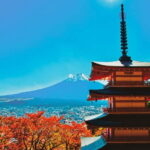
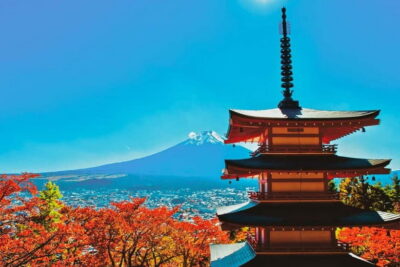
Chureito Pagoda at Arakurayama Sengen Park is one of the best-known Fuji viewpoints in the area. From the park, you can see the pagoda, Mount Fuji, and Fujiyoshida City spread below the mountain.
The visit lasts about 50 minutes. That sounds generous, but the attraction is reached by a stairway, and the main view can be busy. You will need to allow time for the climb, photos, and the return to the vehicle. The reward is one of Japan’s most recognizable compositions: red-and-white pagoda architecture set against Fuji.
The nearby Arakura Fuji Sengen Shrine adds a quieter spiritual element. Built in 705, it has served as the guardian shrine of Arakura Village for more than 1,300 years. The shrine is associated with protection from bad luck and harmony, giving you a chance to see the religious side of the region rather than only its scenery.
Only 15 minutes are scheduled at the shrine, so expect a brief visit. I would pay attention to the atmosphere and layout rather than trying to inspect every detail. The pagoda and shrine work well together, but they also make this part of the day feel tight.
There is an important seasonal exception. During Japan’s Golden Week, from May 1 through May 7, heavy traffic around Mount Fuji is expected, and the tour removes Chureito Pagoda and Arakura Fuji Sengen Shrine from the route. That change is meant to preserve time for the other attractions. If these two sites are essential to you, avoid those dates or confirm the current schedule before booking.
What the 10-hour schedule feels like
A 10-hour day sounds long, but the time includes transportation between Tokyo and the Fuji area, loading and unloading, and short visits at several locations. You should expect a full day with an early start and a return later in the day, though the exact meeting and return times are not provided here.
The schedule favors people who want to check off major sights. It is less suited to someone who wants to sit by Lake Kawaguchi, explore the village slowly, or wait patiently for Fuji to emerge from clouds.
Bring your own food if you prefer to spend more time sightseeing. Lunch is not included, and one piece of practical advice from the experience is that the food options may not be worth a long stop. Carrying something you already enjoy can help you avoid a disappointing meal and keep the day on track.
Wear comfortable shoes, especially for the Chureito Pagoda visit. Also tell the operator at booking if you have a stroller or large luggage. The group may contain up to 45 people, so packing light and staying alert at meeting points will make transfers easier.
Guide communication and transport
The tour includes an air-conditioned vehicle and a guide. That combination is the main practical value: you can look out at the countryside instead of managing connections between Tokyo and several separate Fuji-area attractions.
Good communication matters on a route with seven stops. Kishida has been singled out for clear information about meeting points, bathrooms, food, and viewing areas. Agnes has been praised for keeping the schedule organized and communicating well, while Taiyo has been noted for being helpful. Guide assignments can vary, so you should not assume one particular person will lead your departure.
The tour is available in English and Mandarin. If you are traveling with relatives or friends who booked separately, notify the operator at least one day ahead so you can be placed in the same vehicle. That small step matters on a group excursion.
Is $58.90 a fair price?
At $58.90 per person, the tour is priced as a transportation-and-sightseeing package rather than an all-inclusive day. The air-conditioned ride, guide, and access to several locations make it a reasonable option for a first Fuji visit.
You must add ¥1,200 for the Fuji Shibazakura Festival and ¥500 for Saiko Iyashi-no-Sato Nenba. Lunch is also extra. Those costs do not make the tour expensive, but the advertised price is not the final amount you will spend.
The value depends on how you rate convenience. If you are comfortable navigating regional buses and planning your own route, an independent day may offer more control. If you would rather see the major viewpoints without handling rural transport, this package saves effort and gives you a prepared route.
The 95 percent recommendation rate and 4.8 rating from 37 reviews point to strong satisfaction, especially with organization, guides, comfortable transport, and the number of places covered. I would still focus on the schedule before booking. A high rating cannot change the fact that Fuji views depend on weather and that most stops are short.
Who should book this excursion?
I would recommend it to a first-time Tokyo visitor who wants a broad taste of the Mount Fuji area in one day. It also suits photographers who want several different compositions: flowers at Motosuko Resort, water at Lake Kawaguchi, a torii gate, a village, and Chureito Pagoda.
Families and mixed-age groups may appreciate the vehicle and simple structure, though anyone using a stroller should notify the operator in advance. The route includes a pagoda visit with stairs, so consider your group’s comfort before booking.
I would be more cautious if you want a quiet, flexible day. The large possible group, fixed departure times, and short stops leave little room for lingering. I would also avoid relying on this as your only chance to see Mount Fuji if the mountain itself is your top priority. Weather can hide it even when the rest of the day runs perfectly.
Free cancellation is available up to 24 hours before the start time for a full refund. Changes or cancellations made within 24 hours are not accepted or refunded, based on local time.
My booking advice
Book this tour if you want efficient coverage and a helpful guide to manage the Fuji-area roads. It gives you a strong mix of flowers, lake views, rural culture, and religious sites for a moderate base price.
Skip it if your ideal day means lingering at one lake, eating slowly, or exploring the village at your own pace. For the best chance of seeing Fuji, choose a date with favorable weather, check the seasonal shibazakura timing, bring food you trust, and remember that Golden Week removes the pagoda and shrine stops.
FAQ
How long does the Mount Fuji day trip last?
The experience lasts approximately 10 hours, including round-trip transportation between Tokyo and the Mount Fuji area.
What languages are available?
The tour is available in English and Mandarin.
What transportation is included?
Round-trip transportation is provided in an air-conditioned vehicle.
Is a guide included?
Yes. A guide is included with the tour.
Is lunch included?
No. Lunch is not included, so you should budget for it separately or bring your own food.
Are the Fuji Shibazakura Festival tickets included?
No. The Fuji Shibazakura Festival admission ticket costs ¥1,200 per person and is paid separately.
Is admission to Saiko Iyashi-no-Sato Nenba included?
No. Admission costs ¥500 per person and is not included.
How many people can join the tour?
The tour has a maximum of 45 participants.
What happens during Golden Week?
From May 1 through May 7, heavy traffic is expected around Mount Fuji. During this period, the tour cancels the visits to Chureito Pagoda and Arakura Fuji Sengen Shrine to allow more time at the other stops.
Can I cancel for a full refund?
Yes. You can cancel at least 24 hours before the experience start time for a full refund. Cancellations or changes made less than 24 hours before the start time are not accepted or refunded.
More 1-Day Tours in Tokyo
More Mt Fuji Day Trips in Tokyo
More tours in Tokyo we've reviewed








Mt Fuji Day Trips, compared.
 ★ 5.0Mt Fuji and Hakone 1-Day Bus Tour Return by Bullet TrainFrom $163
 ★ 4.0Mt Fuji & Hakone Cruise, Drum Show Bullet Train 1 Day from TokyoFrom $149
 ★ 4.4Tokyo Mt Fuji 5th St & Hakone Cruise Bus Tour w/Bullet TrainFrom $15410 hours
 ★ 4.5From Tokyo: Mount Fuji Full-Day Sightseeing TripFrom $6810 hours
 ★ 4.7Tokyo: Mt. Fuji Tour, Hakone Ropeway, Owakudani, Lake AshiFrom $5410 hours
 ★ 4.4Tokyo:Mt.Fuji,Kawaguchiko Oishi Park,Arakurayama Sengen ParkFrom $5410 hours