
Reviewed · GO-KARTS
Iconic Tokyo Uptown Landmarks Go Kart Tour (120 Minutes)
Tokyo is at its most surprising from a go-kart seat. This two-hour street-level tour carries you from the Tokyo Skytree area through Ryogoku, Tokyo Station, the Imperial Palace surroundings, Tokyo Tower, Ginza, and Kabukiza Theatre. You are not watching the city through a coach window. You are part of its traffic, streets, and daily rhythm.
I like the small group of up to 10 people and the two-way radio, which lets your guide give directions and share stories as you drive. I also like the purpose-built karts, with suspension, hydraulic brakes, and frames made to suit big and tall riders. The main catch is simple but serious: you need the correct driving documents, and you must arrive 40 minutes early.
In This Review
- Key points
- Tokyo from the driver’s seat
- Starting near Yotsugi Station
- Getting comfortable in the Kartzilla karts
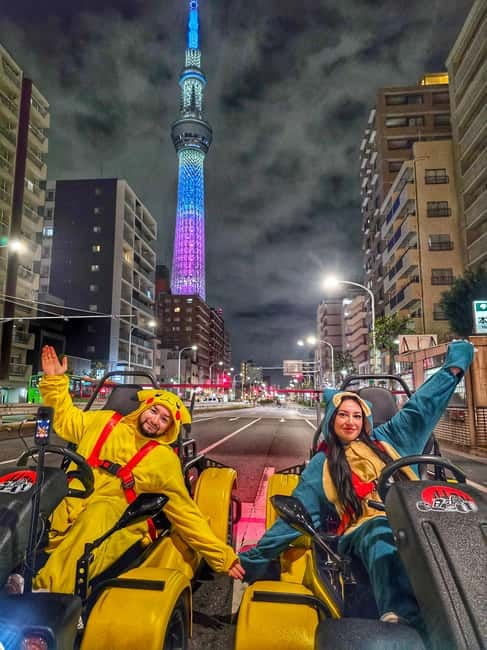
- Tokyo Skytree and the opening city views
- Ryogoku and Tokyo’s sumo connection
- Tokyo Station and the Imperial Palace surroundings
- Tokyo Tower and the western skyline
- Ginza and Kabukiza after dark
- What the camera and photos add
- Rain, timing, and the practical comfort level
- Is $116 a fair price?
- Who should book this Tokyo go-kart tour?
- Should you book the Uptown Route?
- FAQ
- How long is the Tokyo Uptown go-kart tour?
- Where does the tour start?
- Which landmarks are included on the route?
- What driving documents do I need?
- Can I use a digital license or a photo of my license?
- Is the camera included?
- Can I cancel or change my payment plans?
Key points
- A rare driver’s-eye route: See Tokyo Skytree, Tokyo Station, Ginza, Tokyo Tower, and Kabukiza Theatre from the road.
- Live guidance all the way: Guides such as Sata and Travis have helped drivers with clear directions, safety tips, and local advice.
- Comfortable karts for city streets: Suspension, hydraulic brakes, reinforced frames, and stable handling help first-time drivers relax.
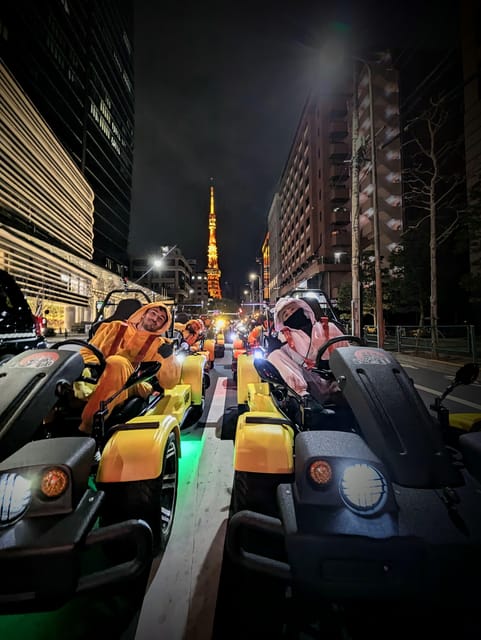
- Night tours can add extra sparkle: Neon-lit Ginza and central Tokyo streets look especially striking after dark.
- Video is available from the kart: Use the on-board Insta360 camera, but bring or buy a Micro SD card.
- The license rules matter: A valid Japanese license, accepted International Driving Permit, or approved foreign license with a JAF translation is required.
Tokyo from the driver’s seat
This is not a racing activity. The pace is relaxed, the guide leads the group, and the point is to see Tokyo while moving through it. You will still need to pay attention to traffic, signals, other vehicles, and the guide’s instructions, but the experience is designed to feel manageable for a first-time city driver.
The route gives you a useful contrast. Tokyo Skytree and Tokyo Tower provide the big postcard sights. Ryogoku brings sumo culture. Tokyo Station and Ginza show the polished business center. Between these markers, you pass ordinary city blocks and neighborhoods that help connect the famous places into a real city.
The two-way radio is one of the most useful parts of the setup. Your guide can tell you where to turn, how to keep the group moving, and what you are looking at without asking everyone to stop. It also means you get local commentary while your eyes remain on the road.
Guides have included Sata, who gave clear directions during one evening tour, and Travis, who offered Tokyo and Japan tips to a group just starting its trip. Guide assignments can change, but the live communication remains central to the experience.
A few more Tokyo tours and experiences worth a look
Starting near Yotsugi Station
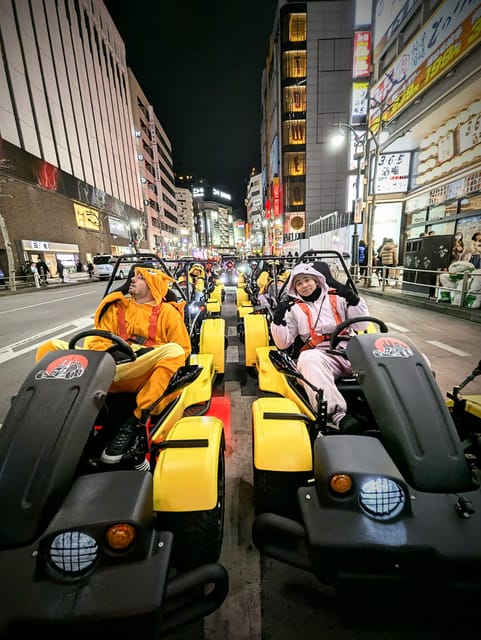
The Kartzilla facility is about an eight to ten-minute walk from Yotsugi Station on the Keisei Line. The building has clear signage, and Google Maps should take you there. The walk from the station passes through a quiet residential area, so do not expect a loud tourist strip around the meeting point.
Arrive at least 40 minutes before your booked start. That time is used for check-in, document checks, instructions, and the required road-safety briefing. This is not the kind of activity where arriving at the stated start time is good enough.
You will need your passport, driving license, and the correct international paperwork. Non-residents can use an International Driving Permit issued under the 1949 Geneva Convention. Licenses from Switzerland, Germany, France, Belgium, Monaco, or Taiwan are accepted when paired with an official Japanese translation from JAF.
A phone photo, digital license, or expired document does not count. If your paperwork is wrong, you cannot drive and no refund is provided. I would check the rules before booking, not on the morning of the tour.
Getting comfortable in the Kartzilla karts
After the briefing, you take the wheel of a street-legal go-kart. These are built for city driving rather than a short amusement-park circuit, so the design focuses on control and comfort.
The suspension helps soften the ride over ordinary road surfaces. Hydraulic brakes provide more precise stopping than the simple setup found on many recreational karts. Reinforced frames also make the karts suitable for a wider range of body types, including big and tall riders.
That matters during a two-hour drive. A kart that feels fine for ten minutes on a track can become tiring on city streets. The stable handling is also helpful if you have never driven this type of vehicle before.
You are not left to figure things out alone. The guide leads the group, gives instructions over the radio, and keeps the pace orderly. The goal is confident driving, not speed. Intoxication, alcohol, and drugs are not allowed, and drones are prohibited.
Anime costume rental is included. The costumes add a playful touch to photos, though you should treat them as an optional part of the fun rather than the main reason to book. The real appeal is moving through Tokyo’s central districts under your own control.
Tokyo Skytree and the opening city views
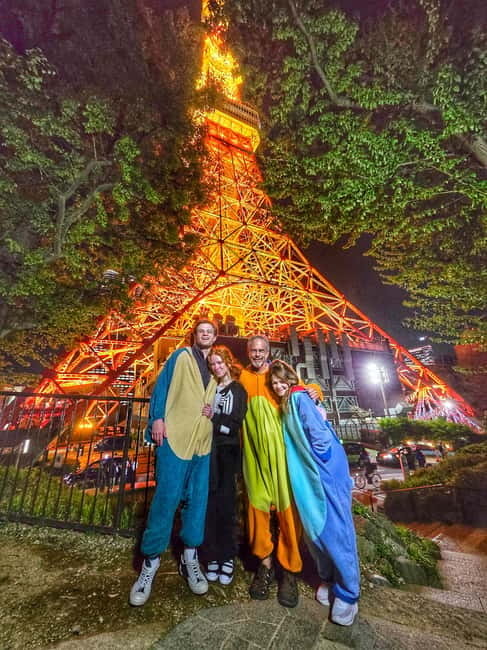
The first major sight is Tokyo Skytree, close to the broader starting area. At 634 meters, it is one of Tokyo’s defining landmarks, and seeing it rise above the streets gives the tour an immediate sense of scale.
You will not be taking a long indoor visit to the tower. This is a guided scenic drive, so the attraction is the view as you approach and pass through the surrounding streets. Keep your eyes open for changing angles as the tower appears between buildings.
Starting here also places you on the eastern side of central Tokyo before the route heads toward the city center. That shift is part of the experience. You begin in a quieter local setting, then move toward major commercial and government districts.
Ryogoku and Tokyo’s sumo connection
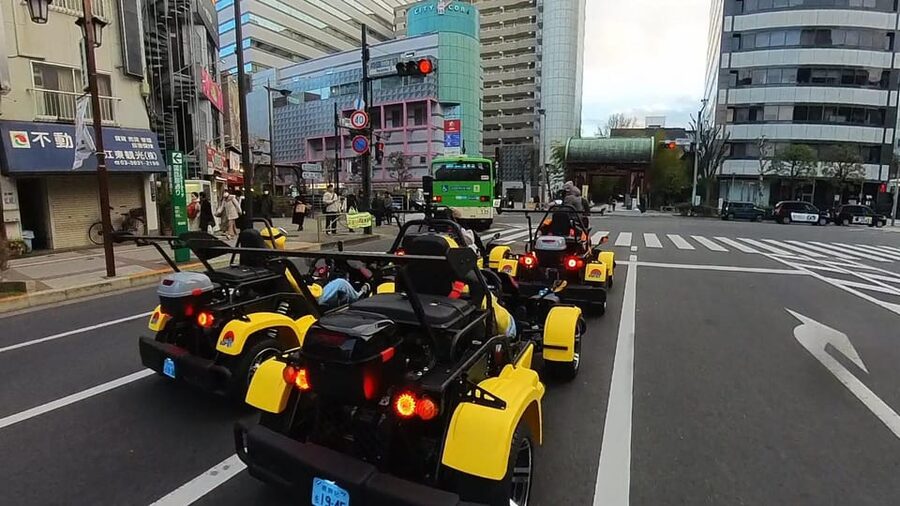
The route continues to Ryogoku Kokugikan, Tokyo’s best-known sumo venue. Ryogoku is closely tied to Japan’s national sport, and the area has a different feel from Ginza or Tokyo Station.
Your guide provides live context as you pass. The stop is viewed from the road, so do not expect a stadium tour or a sumo match as part of the package. Still, it is a worthwhile landmark because it adds a cultural layer to a route otherwise filled with towers, shops, and office districts.
This is also where the route reminds you that Tokyo is more than its neon and shopping streets. The city’s identity includes traditional sports, neighborhood rituals, and places with a strong connection to Japanese culture.
Tokyo Station and the Imperial Palace surroundings
Tokyo Station brings you into the polished heart of the capital. Its red-brick Marunouchi building is one of the city’s most recognizable architectural sights, while the surrounding district is lined with offices, hotels, shops, and broad streets.
Driving past the station gives you a quick sense of how Tokyo mixes old and new. The station building has a formal historic look, but the area around it operates as one of the country’s key business centers. Your guide can point out what you are seeing while you keep moving with the group.
From there, the route passes around the Imperial Palace area. The palace itself is not an interior visit on this tour, and you should not expect time to explore the grounds on foot. The value comes from seeing the central government district and the open spaces around one of Tokyo’s most important sites.
The contrast is striking. A few minutes can take you from dense commercial streets to broad palace-side roads and formal surroundings. Since you are driving, the experience is about changing scenes rather than lingering at one monument.
Tokyo Tower and the western skyline
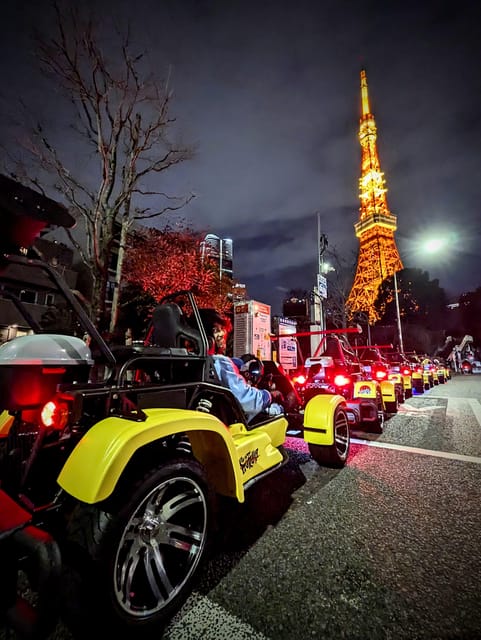
Tokyo Tower is another major visual marker on the route. Its orange and white structure has long been part of the city’s identity, even after Tokyo Skytree became the taller observation tower.
Seeing both towers on the same drive gives you a useful comparison. Skytree feels modern and immense. Tokyo Tower carries a more familiar, classic Tokyo image. The guide can provide live commentary, and the route offers scenic views as you approach.
Again, this is a drive-by landmark experience, not an observation-deck visit. If you want to go up Tokyo Tower, you will need a separate ticket and a different part of your schedule. This tour works best when you value movement and variety over long stops.
Ginza and Kabukiza after dark
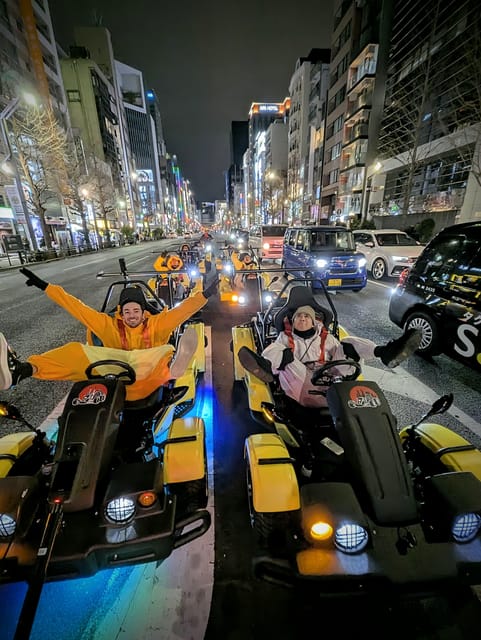
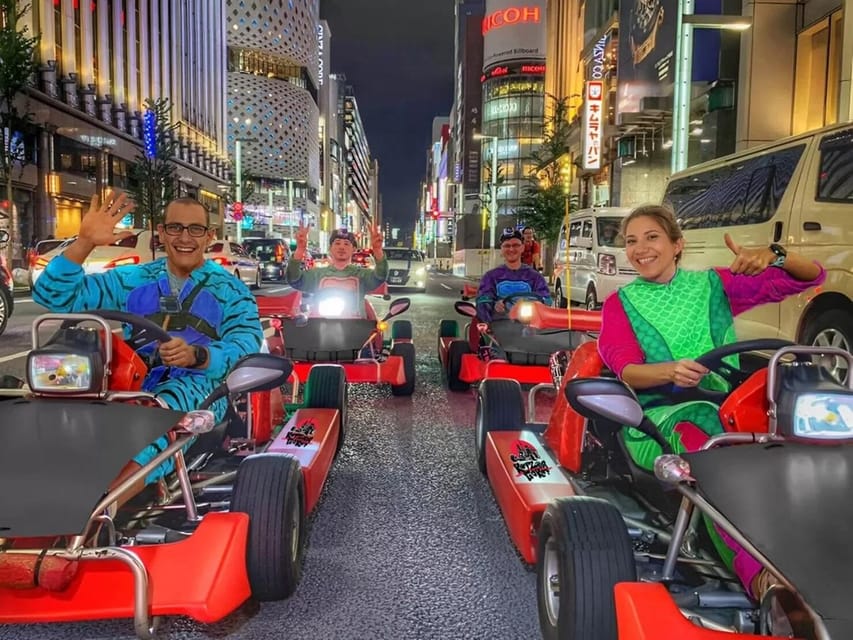
Ginza is one of the strongest sections for anyone choosing an evening departure. Its signs, department stores, polished facades, and busy streets create a very different mood from the quiet walk near Yotsugi.
One tour participant specifically recommended going at night for the neon lights. That is useful advice, though weather becomes more important after sunset. Rain jackets are available, and a rainy night can still be fun, but you should expect less comfort and less clear visibility.
Kabukiza Theatre adds a cultural marker to the Ginza section. Its traditional design and connection to kabuki make it more distinctive than a standard shopping street. You pass it as part of the route, with the guide explaining the sights over the radio.
The evening route is especially good for photos and video. The city lights give the Insta360 camera plenty to capture, but remember that you need a Micro SD card. You can bring one or buy one on site.
What the camera and photos add
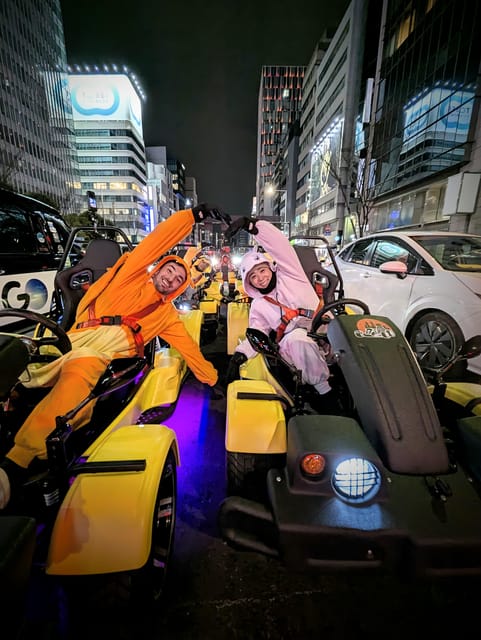
Each kart can use an on-board Insta360 camera. Because it is mounted on the vehicle, you can record without holding a phone while driving. That lets you keep both hands on the controls and your attention on the road.
The camera is optional, so you are not paying for a feature you do not want. Bring a compatible Micro SD card if you plan to record. One is not included, though it can be purchased at the facility.
Free photos of the experience are also included. The exact number and timing are not stated, so I would treat them as a pleasant extra rather than a guaranteed full photo package. If you want a complete record, use the Insta360 option.
The costumes add another visual element. They suit the playful nature of the activity and can make group photos more memorable. You should still dress for the weather, especially if you choose a night tour or a rainy forecast.
Rain, timing, and the practical comfort level
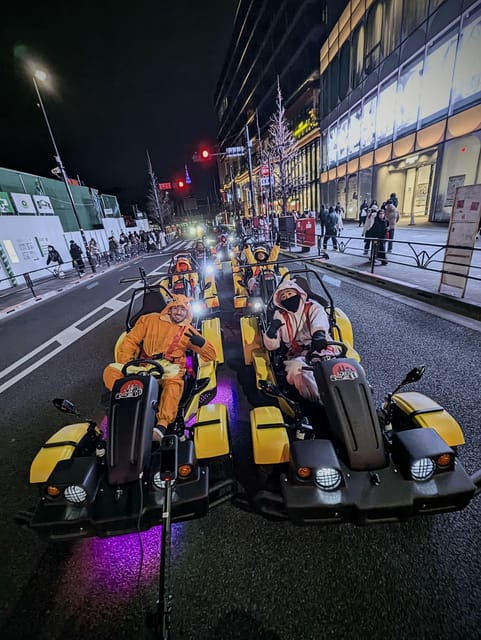
A two-hour drive gives you enough time to cover a large section of Tokyo, but it also means weather can affect the outing. Rain jackets are available, and a previous tour continued through rain for about half the session. Towels and hair dryers were useful at the end, which tells you the facility has some practical ways to help you dry off.
You should not book this as a backup plan for a stormy day unless you are comfortable with wet conditions. The route is outdoors from start to finish, and road visibility matters. A clear evening will give you better views and stronger photos.
The tour includes fuel, accident insurance, drinks, and the kart rental. Water, tea, and coffee are provided, but meals are not. There is no hotel pickup or drop-off, so you must reach Yotsugi Station and walk to the facility yourself.
The group is limited to 10 people. That is small enough for the guide to communicate clearly and keep the line together, while still giving the drive a social feel. You can take part in English, German, or Spanish.
Is $116 a fair price?
At $116 per person, this costs more than a simple sightseeing bus ride or a walk through Ginza. You are paying for a guided driving activity, a street-legal vehicle, fuel, insurance, safety instruction, drinks, costume rental, and a route that links several major districts in one outing.
The value is strongest if you want an active way to see Tokyo and do not mind handling the driving requirements. You get two hours on the road, live commentary, and access to places spread across the city without organizing several train trips.
The price is less attractive if your priority is entering attractions, spending time inside museums, or taking long photo stops. Tokyo Station, the Imperial Palace, Tokyo Tower, and Kabukiza Theatre are seen from the route, not explored in depth.
I would also compare the price with your overall Tokyo plans. If you already have several central-city sightseeing days, this gives you a different point of view. If you have only one day in Tokyo, a walking tour or major attraction visit may offer more time at each landmark.
Who should book this Tokyo go-kart tour?
This activity suits adults who hold the right license, enjoy driving, and want to see Tokyo in an unusual way. It is also a good fit for first-time go-kart drivers who want help from a guide rather than a competitive track session.
The karts are designed with comfort in mind, including big and tall riders. The small group and radio system help keep the experience organized. Guides such as Sata and Travis have also shown the added value of local advice, especially if this is one of your first stops in Japan.
It is not suitable for children under 18, people without a driving license, visually impaired people, drivers under 18, or people over 95. Wheelchair access is available, but the activity itself requires you to operate a go-kart and meet the driving-document rules.
You should also be comfortable sharing the road with normal city traffic. This is not a closed course, and the guide cannot remove the need for attention. If that sounds exciting rather than stressful, the format should suit you well.
Should you book the Uptown Route?
Book it if you want Tokyo to feel close and immediate. The route links Skytree, sumo country, Tokyo Station, the Imperial Palace area, Tokyo Tower, Ginza, and Kabukiza Theatre in one lively circuit, with a guide talking to you as the city changes around you.
Choose an evening departure if neon-lit streets are a priority, and plan for rain with sensible clothing. Before paying, confirm that your license meets the exact Japanese rules and allow 40 minutes for check-in.
I would skip it if you want long visits inside landmarks, dislike city driving, or cannot produce the required documents. For the right person, though, the stable karts, clear radio guidance, playful costumes, and broad central Tokyo route make $116 a reasonable price for two hours of sightseeing with a steering wheel.
FAQ
How long is the Tokyo Uptown go-kart tour?
The tour lasts 120 minutes, or two hours. Starting times vary, so you need to check availability when booking.
Where does the tour start?
It starts at the Kartzilla Go Kart facility, about an eight to ten-minute walk from Yotsugi Station on the Keisei Line.
Which landmarks are included on the route?
The route passes Tokyo Skytree, Ryogoku Kokugikan, Tokyo Station, the Tokyo Imperial Palace surroundings, Tokyo Tower, Ginza, and Kabuki-za Theatre before returning to the Kartzilla facility.
What driving documents do I need?
You need a valid Japanese driving license, or, for non-residents, an International Driving Permit issued under the 1949 Geneva Convention. Licenses from Switzerland, Germany, France, Belgium, Monaco, or Taiwan are accepted with an official Japanese translation issued by JAF.
Can I use a digital license or a photo of my license?
No. Digital licenses, license photos, and expired licenses are not accepted. Bring your passport, driving license, and required international documentation.
Is the camera included?
On-board Insta360 camera use is included, but you need a Micro SD card. You can bring your own or purchase one at the facility. Free photos are also included.
Can I cancel or change my payment plans?
You can cancel up to 24 hours before the tour for a full refund. A reserve-now, pay-later option is also available.
More Go-Kart Tours in Tokyo
More tours in Tokyo we've reviewed










Go-Karts, compared.
 ★ 5.0Flagship 2-Hours Official Street Go-Kart Tour – Tokyo Bay ShopFrom $642 hours to 2 hours 30 minutes (approx.)
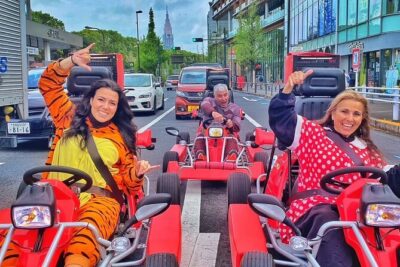 ★ 5.0Official Street Go-Kart in ShibuyaFrom $76
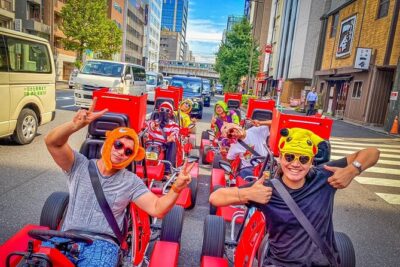 ★ 5.0Official Street Go-Kart Tour – AkihabaraFrom $61
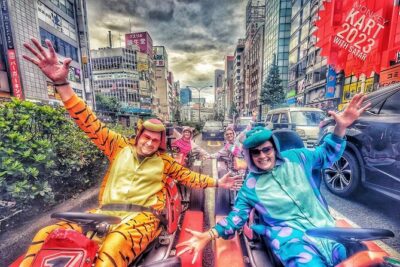 ★ 5.0Tokyo Go Kart: Asakusa, Skytree, and Akihabara **IDP MUST**From $99
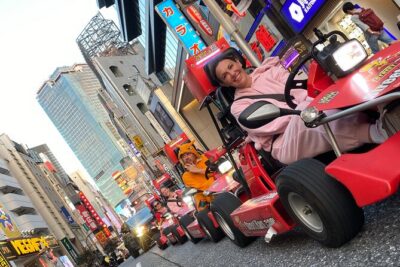 ★ 5.0Shibuya Official Street Go-Kart in Shibuya AnnexFrom $69
 ★ 4.7Tokyo: Asakusa, Skytree & Akhihabara Go-Kart City ExperienceFrom $961h 10m