
Reviewed · FULL-DAY
Full-Day Guided Private Tour in Tokyo, Japan
Tokyo can feel like several cities stitched together by trains, crowds, and long station passages. This private tour gives you a human shortcut through one of its most rewarding areas, from the quiet woods of Meiji Jingu Shrine to the flashing scramble of Shibuya Crossing. Guide Aldo can adjust the pace, take photos, and help you make sense of the city.
I especially like the private format, since your group can spend more time where your interests lie instead of waiting for strangers. I also like the practical help: Aldo has assisted with restaurant reservations, suggested a Yakiniku meal, and offered advice for later days in Tokyo. The main drawback is that the listed route covers six stops in only about five to six hours, so you will need to choose between lingering and seeing everything.
In This Review
- Key points at a glance
- Starting quietly at Meiji Jingu Shrine
- Takeshita Street and Harajuku’s youthful edge
- A pause at Yoyogi Park
- Omotesando, Tokyo’s polished shopping avenue
- Crossing Shibuya with a guide
- One flexible hour in Shibuya
- What Aldo adds to the day
- Is the $169.08 price good value?
- Timing, weather, and practical details
- Who should book this Tokyo tour?
- Should you book it?
- FAQ
- How long does the private Tokyo tour last?
- What places are included?
- Where does the tour start?
- Where does the tour end?
- Is the tour private?
- Can the itinerary be changed?
- Is food included?
- Is public transportation included?
- Can the guide help with reservations?
- What is the cancellation policy?
Key points at a glance
- A peaceful start at Meiji Jingu: Walk through broad, tree-lined grounds before the city crowds build.
- Harajuku in a compact walk: Takeshita Street and Omotesando show two very different sides of Tokyo style.
- A private guide who adjusts the day: Aldo can respond to your pace, interests, and food plans.
- Useful help beyond sightseeing: Japanese-language support is available for restaurant and hotel reservations.
- A strong first-day route: The tour links major sights without asking you to plan the connections yourself.
- A flexible ending in Shibuya: Finish near the station with time for food, drinks, shopping, or Shibuya Sky.
Starting quietly at Meiji Jingu Shrine
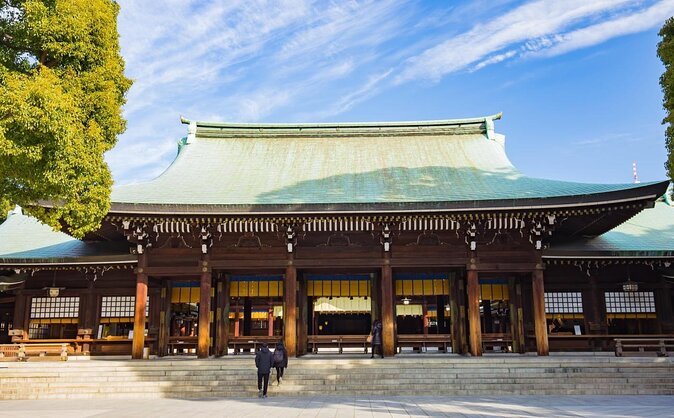
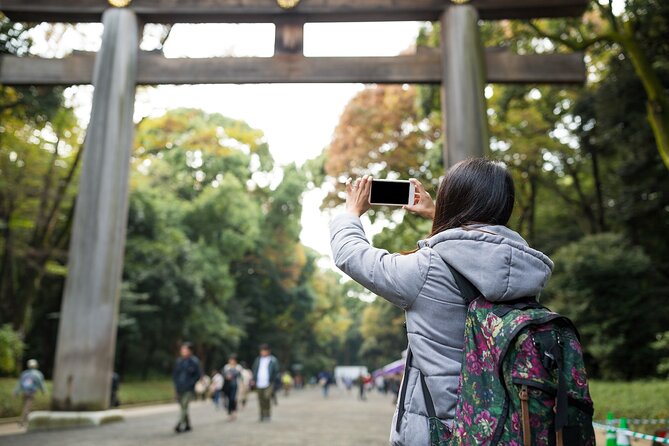
The tour begins at Harajuku Station and heads first to Meiji Jingu Shrine. That order makes good sense. You start with tall trees, open paths, and a calmer mood before moving into Harajuku’s shops and signs.
Meiji Jingu is dedicated to Emperor Meiji and Empress Shoken, but you do not need a long lecture to appreciate the place. The visit is about learning how to behave at a Japanese shrine and noticing the small actions that make the setting feel different from an ordinary park. Aldo can show you common shrine customs, including how visitors approach the main area and pay their respects.
The grounds are the real reward here. You walk beneath a thick canopy in the center of Tokyo, a sharp change from the traffic and buildings outside. Admission is free, which also helps the tour’s value.
Allow about an hour, as planned. You can ask questions, take photographs where permitted, and enjoy the setting without treating the shrine as a quick photo stop. If you want a quiet introduction to Japan, this is one of the best parts of the route.
Other guided tours in Tokyo

Takeshita Street and Harajuku’s youthful edge
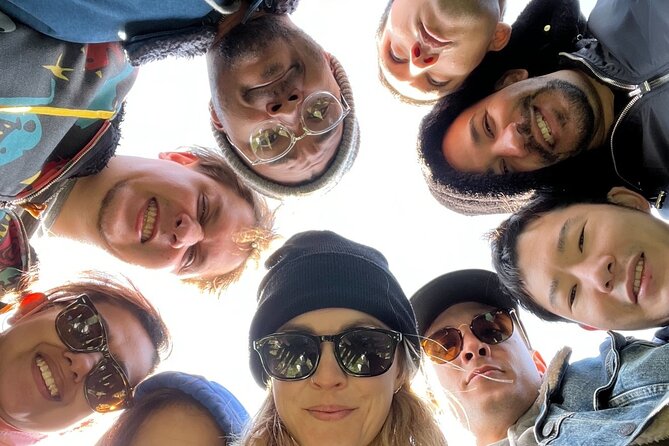
From the shrine, the mood changes quickly. Takeshita Street is known for fashion, souvenirs, and street snacks, and it gives you a look at Harajuku’s playful side. The lane is a useful stop if you want colorful photographs or unusual small gifts.
A guide matters here because Harajuku can be more fun when you have a purpose. Aldo can point out notable spots and help you decide where to spend your limited time. You may find clothes, small souvenirs, and snacks that are easy to miss when you are simply trying to move through the crowd.
This is also where the private format earns its keep. If one person in your group wants to browse while another wants food, you can talk through the plan rather than follow a fixed group schedule. Still, Takeshita Street is not a quiet cultural stop. It can feel busy and commercial, so you should see it as a lively slice of present-day Tokyo, not a traditional neighborhood.
The planned visit lasts about an hour. That is enough for a first look, but not enough for serious shopping. If your group has a strong interest in Japanese fashion or snacks, ask Aldo to adjust the rest of the route.
A pause at Yoyogi Park
Yoyogi Park follows naturally after Meiji Jingu and Takeshita Street. It gives you room to slow down, sit, and watch Tokyo residents use one of the city’s major green spaces.
The plan allows about an hour for a picnic like a local. Food is not included, so you pay for anything you eat. If the weather is poor, the guide can switch to a nearby lunch spot instead. This is a helpful bit of flexibility, especially for families or anyone who needs a proper break during a walking tour.
The park is less about a famous single sight and more about changing your pace. After the tight shopping street, you get open space and a chance to talk with your guide about the rest of your stay. Use this time to ask where to eat, what to reserve, or which neighborhoods fit your interests.
Keep your expectations sensible. Yoyogi Park is not a formal garden with a carefully arranged design. It is a large urban park, and its appeal comes from its easygoing public life and location beside major sights. If rain changes the plan, lunch may be a better use of the hour.
Omotesando, Tokyo’s polished shopping avenue

Omotesando offers a sharp contrast to Takeshita Street. The avenue is known for fashion and architecture, with a more polished feel and roomier sidewalks. You can shop, window-shop, or simply walk toward Shibuya while taking in the change in tone.
This part of the route works well for mixed groups. One person can browse stores, while another can focus on buildings, people-watching, or photography. You are not required to buy anything, and the guide can keep the walk moving if shopping is not your main aim.
The listed timing gives Omotesando about an hour. That is a useful middle ground, though serious shoppers may want to trade time from another stop. Since the tour is private, you can make that call together.
I would not book this outing expecting an in-depth fashion tour. The value is in seeing how quickly Tokyo shifts from shrine grounds to youth culture to high-end retail. Aldo’s role is to help you notice those changes and get to the next area without wasting time on wrong turns.
Crossing Shibuya with a guide
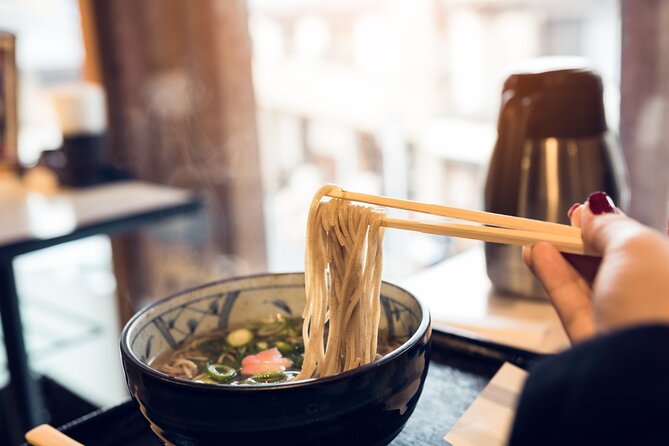
The route then reaches Shibuya Crossing, one of Tokyo’s most recognizable public spaces. The planned stop is about 30 minutes, which is enough to cross, pause for photographs, and take in the movement from the surrounding streets.
The crossing itself is free, but the experience is more than simply walking from one curb to another. From one side, you see people moving in several directions at once, with large signs and tall buildings framing the scene. A guide can help you choose a good place for pictures and keep the stop from becoming a rushed dash through an intersection.
This is a short stop, so do not expect a long exploration of the surrounding district at this stage. The tour continues into Shibuya proper, where you have about another hour to decide what matters most.
Other private tours in Tokyo

One flexible hour in Shibuya
Shibuya is the final area, and the plan leaves this hour open to your interests. You can walk through the shopping and entertainment streets, stop for refreshments, look for food, or consider Shibuya Sky for elevated city views. Entry to attractions and all food costs are separate, so ask about prices and availability before committing to a paid stop.
This open-ended finish is useful because Shibuya suits different kinds of visitors. First-time visitors may want a broad introduction and photographs. A family may prefer a meal or a shorter walk. A group interested in nightlife, food, or fashion can ask for targeted suggestions.
You end at Shibuya Station. That is practical if you are continuing to another part of Tokyo, meeting someone, or returning to your hotel by train. It also means the tour does not return you to Harajuku, so plan your onward route from Shibuya.
What Aldo adds to the day
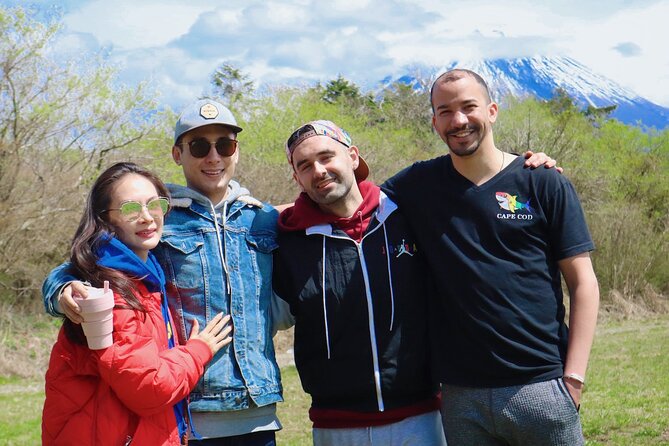
The guide is the main reason to choose this tour instead of copying the route from a guidebook. Aldo can adapt the outing to your group’s pace and interests, and he can provide advice for the rest of your stay.
The most useful support may come outside the official stops. He has helped arrange restaurant and hotel reservations in Japanese, which can be valuable when language makes phone calls or booking systems difficult. One family also used his advice to try Yakiniku, a meal they might not have chosen without help.
Aldo’s language ability is another practical point. He was born in Mexico and has strong command of Japanese, according to the supplied information. That combination may make communication easier for Spanish-speaking visitors, while his Japanese support can help any group handle local reservations.
He also takes photographs during the outing. That is a small but meaningful benefit for couples, families, or anyone who wants pictures of the whole group rather than only solo shots. Do not treat this as a dedicated photography tour, but the added help is welcome.
Is the $169.08 price good value?
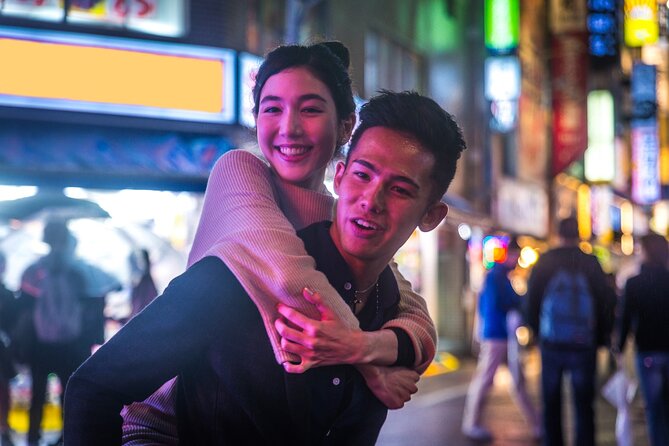
The price is $169.08 per person. That is not the cheapest way to see Harajuku and Shibuya, especially since public transport and food are extra. The value depends heavily on group size and how much you want personal help.
For one person, the cost is harder to justify if you are comfortable navigating Tokyo and planning meals yourself. For a family or small private group, the price buys several useful things at once: a guide for roughly five to six hours, a route built around your interests, pickup at your desired location, local suggestions, and Japanese-language help for reservations.
There are no admission fees for the listed stops, so the payment is mainly for time, planning, navigation, and personal attention. That is important. You are not paying for a stack of included attractions. You are paying to reduce the work of organizing a first day and to have someone adjust the schedule when your group wants more food, more shopping, or a slower pace.
Keep extra money ready for trains or other public transport, lunch, snacks, and any paid attraction such as Shibuya Sky. Because the route is walk-heavy, comfortable shoes matter, even though the exact walking distance is not provided.
Timing, weather, and practical details
The activity is listed as a full-day tour, but the actual duration is about five to six hours. Treat it as a substantial half-day outing rather than a morning-to-evening tour. The published operating hours show a 10:00 AM to 12:00 PM window, so confirm the exact start time when booking.
The stated meeting point is Harajuku Station. The included information also says pickup from your desired location is available, so clarify the pickup arrangement in advance if you do not want to meet at the station.
Public transportation is not included. Tokyo’s rail system is efficient, but stations can be confusing, and fares are your responsibility. The guide’s navigation is useful, though it does not remove the cost of getting around.
Confirmation is provided within 48 hours, subject to availability. The activity requires good weather and a minimum number of travelers. If poor weather or the minimum group requirement causes cancellation, you can choose another date or receive a full refund. You can cancel for a full refund up to 24 hours before the start time, but late cancellations and late changes are not accepted.
Service animals are allowed, the route is near public transportation, and most people can participate. Since the day includes several urban walks and station-area movement, tell the guide about your group’s pace and needs before starting.
Who should book this Tokyo tour?
This tour fits a first visit to Tokyo, especially if you want a gentle introduction without building every detail yourself. Families benefit from the private schedule, the lunch backup in bad weather, and help with reservations.
It also suits couples and small groups who care more about flexibility than formal sightseeing talks. You can spend less time at shopping streets and more time on food, photographs, or practical advice for later days.
I would think twice if you already know Tokyo well, dislike shopping districts, or want a long visit inside museums and paid attractions. The route focuses on public spaces, neighborhoods, a shrine, parks, and city streets. It gives you a useful overview, but it is not designed around deep time at one major attraction.
Should you book it?
Book this private Tokyo tour if you want to connect Meiji Jingu, Harajuku, Omotesando, and Shibuya in one organized outing, with Aldo adjusting the pace and helping with Japanese reservations. It is especially useful for a first-time family group or anyone uneasy about Tokyo’s size and rail stations.
Skip it if you prefer independent wandering or want the lowest possible cost. Before booking, decide which stops matter most, ask how pickup will work, and reserve enough time for lunch and transport. The tour is at its best when you use its flexibility instead of trying to force every listed stop into equal one-hour visits.
FAQ
How long does the private Tokyo tour last?
The tour lasts approximately five to six hours.
What places are included?
The route includes Meiji Jingu Shrine, Takeshita Street, Yoyogi Park, Omotesando, Shibuya Crossing, and Shibuya.
Where does the tour start?
The stated meeting point is Harajuku Station at 1-chōme-18 Jingūmae, Shibuya, Tokyo.
Where does the tour end?
The tour ends at Shibuya Station.
Is the tour private?
Yes. Only your personal group participates in the activity.
Can the itinerary be changed?
Yes. The itinerary is fully customizable to suit your group’s interests and pace.
Is food included?
No. Food costs are not included. You can picnic in Yoyogi Park if the weather allows, or stop at a local lunch place in poor weather.
Is public transportation included?
No. Public transportation costs are separate.
Can the guide help with reservations?
Yes. Japanese-language support is included for making restaurant and hotel reservations.
What is the cancellation policy?
You can cancel up to 24 hours before the start time for a full refund. Late cancellations and changes are not accepted. Poor-weather or minimum-number cancellations offer a different date or a full refund.
More Full-Day in Tokyo
More Private Tours in Tokyo
More Guided Tours in Tokyo
More tours in Tokyo we've reviewed


Full-Day, compared.
 ★ 4.5From Tokyo: Mount Fuji Full-Day Sightseeing TripFrom $6810 hours
 ★ 4.9Mount Fuji Full-Day Private Tour from Tokyo (Customizable)From $393
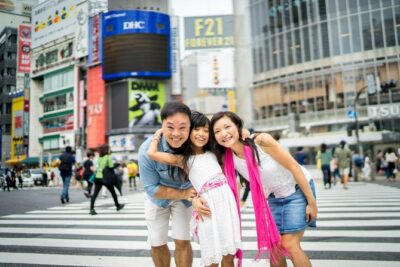 ★ 5.0Tokyo Private Full-Day Tour by Car or VanFrom $321
 ★ 4.7From Tokyo: Must-Visit Mount Fuji Highlight Full-Day TourFrom $6911 hours
 ★ 4.5Mt. Fuji, Hakone Full-Day Private Tour with English Driver GuideFrom $495
 ★ 4.8From Tokyo: Mount Fuji Full-Day Customizable Private TourFrom $48310 hours