
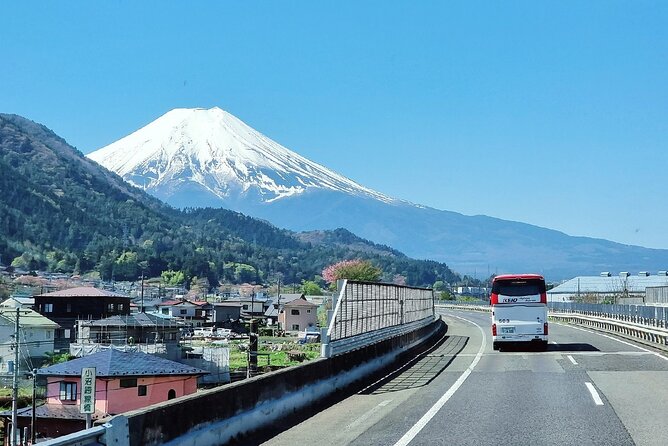
Reviewed · MT FUJI DAY TRIPS
Enjoy Mt. Fuji View and free time shopping at Gotemba Outlets!
Mt. Fuji is the star here, but the best part is the variety: a shrine stair climb, a lakeside park, a mountain stop, and nearly two hours at Gotemba Premium Outlets. You get several classic Fuji views in one day without working out Japan’s regional buses and trains.
I like the low $45.61 price, which covers round-trip transport and a full day out of Tokyo. I also like the English and Chinese tour support, plus the chance to see Fuji from different angles. The catch is the long road day: traffic can eat into sightseeing time, and clouds may hide the mountain completely.
In This Review
- Key points to know before booking
- A Fuji day trip built around changing views
- Arakura Fuji Sengen Shrine and its 300-plus steps
- Oishi Park at Lake Kawaguchi
- The 5th Station: mountain access with a practical catch
- Gotemba Premium Outlets and the value of free time
- Transport, group size, and the real length of the day
- Guides, language support, and the shared-tour rhythm
- Is $45.61 good value?
- Weather, cancellations, and what to pack
- Who should book this Fuji tour?
- FAQ
- How long is the Mt. Fuji and Gotemba tour?
- Where does the tour start?
- Where does the tour end?
- Is Mt. Fuji’s 5th Station guaranteed?
- Is lunch included?
- How difficult is the Arakura Shrine stop?
- Can I cancel for a full refund?
- Should you book it?
Key points to know before booking
- Arakura Shrine requires more than 300 steps, so bring water and comfortable shoes.
- Oishi Park offers the classic Fuji-and-lake view, along with seasonal flowers and fruit-flavored soft cream.
- Gotemba Premium Outlets gets 1 hour 40 minutes, enough for focused shopping or a meal, but not a leisurely mall visit.
- The 5th Station is weather dependent, and poor conditions can lead to a different stop or a shortened visit.
- The day begins at 8 a.m. in Shinjuku and can last close to 10 hours, with no reliable early evening return.
- The tour is shared, with vehicles ranging from small cars to minibuses and buses for groups of up to 45 people.
A Fuji day trip built around changing views
This is a road trip rather than a guided mountain walk. You leave Tokyo by air-conditioned vehicle, head toward the Fuji area, and spend the day visiting several viewpoints before returning through Gotemba.
That format suits you if you want to see a lot without renting a car. It also means you accept the limits of group travel. You cannot simply linger at a shrine or leave the tour halfway through, and the route may change because of traffic, weather, or local operating conditions.
The planned mountain highlight is Mt. Fuji’s 5th Station, a high stop where you can look toward the upper slopes and browse souvenir shops. One practical warning: the 5th Station is not guaranteed in every season. A December departure, for example, may be unable to use the Fuji Subaru Line and can be redirected to the first station and the Fuji Visitor Center.
That is not a small detail. If your main goal is standing at the 5th Station, check the expected operating conditions before booking and keep your expectations flexible. The tour still gives you several chances to see Fuji, but clear skies are never promised. Humidity, fog, and heavy rain can erase the view.
A few more Tokyo tours and experiences worth a look
Arakura Fuji Sengen Shrine and its 300-plus steps
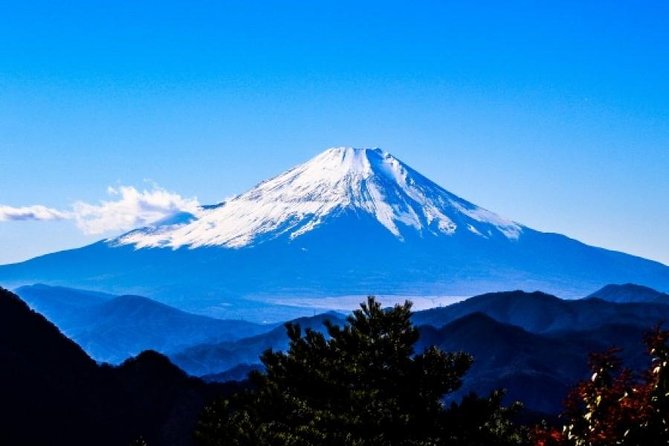
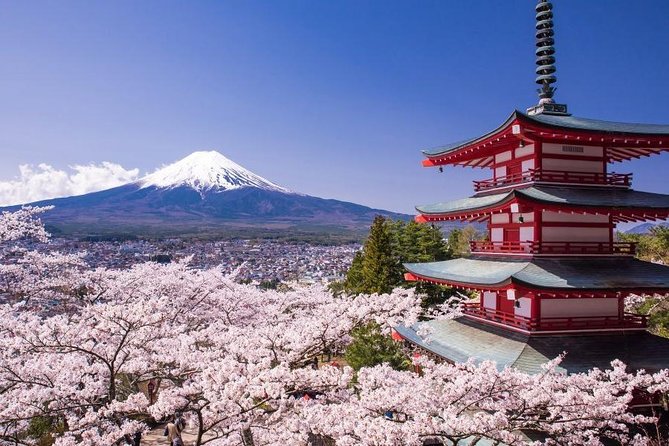
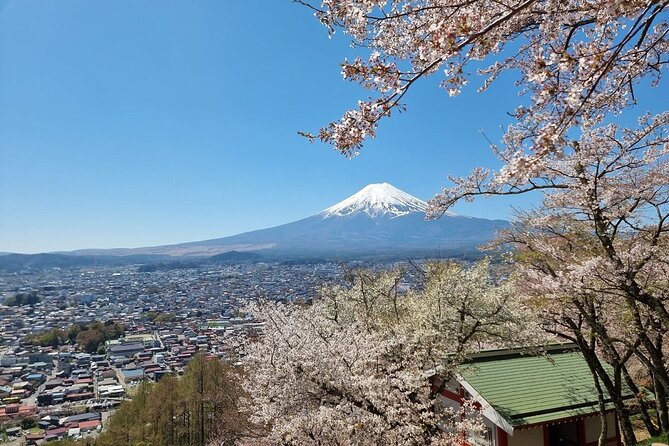
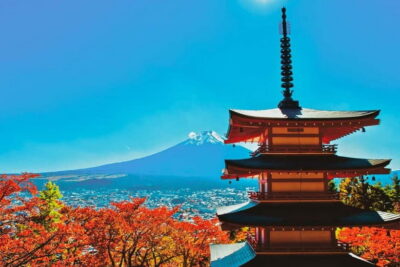
The first listed stop is Arakura Fuji Sengen Shrine, with about 45 minutes to explore. The shrine is famous for the meeting of traditional Japanese architecture and Mt. Fuji, especially during cherry blossom season from late March to mid-April.
The view requires effort. Reaching the hilltop area means climbing more than 300 steps, so this is the most physically demanding stop of the day. Wear shoes with good support, and bring water and a small towel during hot weather.
I like this stop because it gives you more than a roadside photo. You get a shrine setting, a climb, and a wide Fuji view when conditions cooperate. The climb also helps you understand the scale of the site rather than simply stepping off a bus for five minutes.
Still, 45 minutes is tight if you need frequent breaks or want time for careful photographs. If you do not want to climb, you can wait at a rest area near the stairs or remain on the bus. That makes the stop workable for mixed-ability groups, but anyone hoping for a slow shrine visit may feel rushed.
Cherry blossoms are also a bonus, not a promise. The stated period is late March to mid-April, but flowers depend on the season’s weather. The same applies to autumn color, snow views, and other seasonal sights.
Oishi Park at Lake Kawaguchi
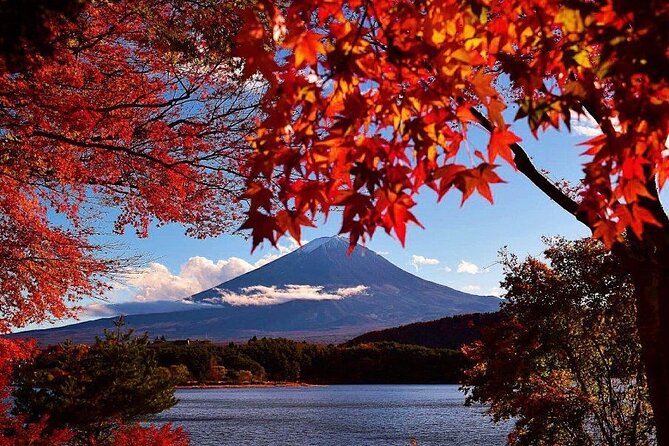
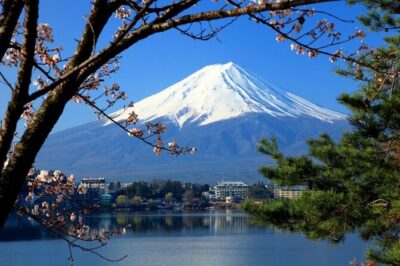
Oishi Park receives about 40 minutes. It sits beside Lake Kawaguchi and is one of the strongest photo stops on the route, pairing the lake with Mt. Fuji and seasonal flowers.
The park gives you a calmer change of pace after the shrine stairs. You can walk, take pictures, and look for the mountain across the water. On a clear day, this may be the most satisfying Fuji view of the tour because the lake adds depth and the setting feels open.
There is also fruit-flavored soft cream, a small but useful detail if you want a local-style snack without arranging a separate café stop. Drinks and meals are not included, so you should carry some water and be ready to pay for food yourself.
Forty minutes is enough to see the park and grab a snack, but it is not enough for a long lakeside walk. The guide may also adjust the order or shorten the stop if traffic is heavy. Keep your camera ready and do not spend the entire visit in a shop or food line.
Some departures have included Oshino Hakkai, a scenic water-village stop, or other alternate Fuji-area visits. Since the route can be changed, treat those as possible substitutions rather than guaranteed parts of this package. The fixed promise is a Fuji-area sightseeing day, not a rigid sequence of every named location.
The 5th Station: mountain access with a practical catch
The 5th Station is often the reason people book a Fuji day tour. It is one of the highest places that can usually be reached by road, and it gives you a closer look at the mountain than the lake and city viewpoints do.
The stop is also commercial. Expect souvenir shops and basic visitor facilities rather than a remote alpine experience. One useful description of the stop is simple: it is a convenient mountain viewpoint with shopping attached.
That can be a plus if you want Fuji-themed gifts or a quick look at the upper slopes. It may disappoint you if you expect a long hike, quiet nature, or a completely open view. The actual experience depends heavily on visibility, road access, and the schedule that day.
Mountain temperatures can be cooler than in Tokyo, even during warmer months. Bring a light jacket or warmer layer. The operator can suspend outdoor activity or change the plan for safety in poor weather, and there is no refund simply because clouds block the mountain.
Gotemba Premium Outlets and the value of free time
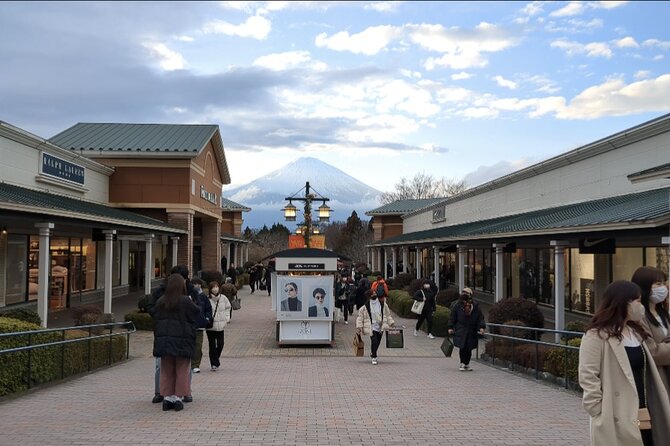
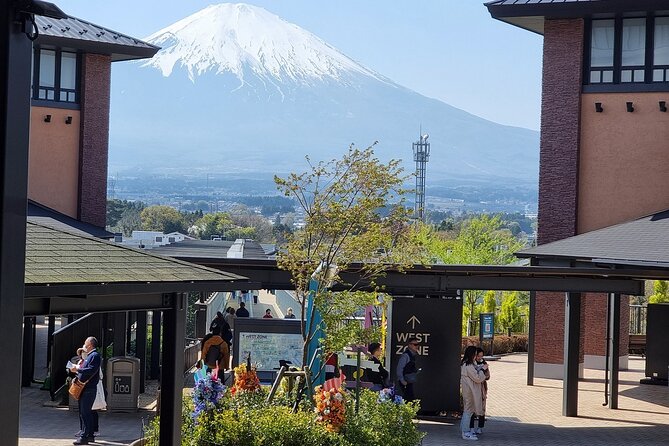
The final major stop is Gotemba Premium Outlets, with about 1 hour 40 minutes. This is a genuine shopping block rather than a quick photo stop, and it helps balance the sightseeing portion of the day.
International brands offer discounts of about 5 to 15 percent, and a shopping coupon is provided as a gift. That does not mean every item is a bargain. Some prices can still feel high, especially if you are comparing them with aggressive online sales or lower-cost outlet centers elsewhere.
I would use this stop with a plan. Decide in advance whether you want clothing, sports goods, luggage, gifts, or a meal. The outlet area is large enough that wandering without a target can use up your time quickly.
Lunch is not included, but you can eat here during the free period. That is handy because the tour does not provide a set meal. Some departures have included lunch near Lake Kawaguchi, but you should not count on that unless it is specifically confirmed for your booking.
The outlet stop is especially useful if your companions have different interests. One person can shop while another eats or takes a break. The downside is that the shopping time may feel long if you are not interested in brands, and traffic delays can reduce it.
Other shopping tours in Tokyo



Transport, group size, and the real length of the day
The tour starts at 8 a.m. beside the Robert Indiana LOVE sculpture at 6-chōme-5-1 Nishishinjuku. It ends near Mode Gakuen Cocoon Tower by the Shinjuku Station West Exit.
The advertised duration is about 9 hours 45 minutes. That sounds manageable, but Fuji roads are vulnerable to traffic, especially on a busy weekend or during a popular seasonal period. You should not book a flight, Shinkansen, night bus, dinner reservation, performance, or other fixed evening plan after the tour.
The vehicle depends on the number of people booked. A group of up to nine may use a small car with the driver leading the visit. Around 20 people may travel by minibus, while larger numbers can require a full-size bus. The maximum group size is 45.
This matters more than it first appears. A small group can feel easier to manage, but a compact vehicle may be uncomfortable for tall passengers. A larger bus gives you more room, yet boarding and regrouping can take longer.
There is no restroom on the vehicle. Toilet breaks are made along the way, so use every scheduled stop. Wear your seat belt as required by Japanese law, and keep conversations quiet out of respect for the rest of the group.
Do not be late at the meeting point or sightseeing stops. This is a shared itinerary, and the vehicle cannot wait indefinitely. Late arrival can mean losing the tour without a refund.
Guides, language support, and the shared-tour rhythm
An English or Chinese-speaking tour conductor is included. The quality of the day depends partly on how well the conductor handles timing, weather changes, and a mixed-language group.
Yoshiko has been praised for fluent English, energy, and care with the schedule. Another departure had guides who entertained the group with songs, jokes, origami instruction, and help taking photos. Arai-san was specifically praised as a driver.
That kind of personal attention can make a long bus day more pleasant. It is also worth remembering that guide assignments vary, and a tour may include people speaking other languages. Instructions can be repeated in more than one language, which may slow the flow at times.
The tour is organized around group movement. You will be told when to return to the vehicle, and you need to follow those times. If you leave partway through, the unused portion is treated as your own decision and is not refunded.
Is $45.61 good value?
At $45.61 per person, this is a strong price for nearly ten hours of transport between Tokyo and the Fuji region. The air-conditioned vehicle, taxes, and tour conductor are included, and you avoid piecing together several train and bus connections.
The value is best if you want breadth rather than depth. You can see a shrine, lake, mountain stop, and outlet center in one day. Independent travel may give you more time at each place, but it requires route planning and can cost more once regional transport is added.
You still need to budget for meals, drinks, shopping, and any optional hot spring ticket. The outlet coupon may help, but do not book the tour solely for discounts. The Fuji views and transport are the main value.
The price also reflects some tradeoffs: a shared vehicle, a fixed schedule, possible traffic, and no guarantee that Fuji will appear. I consider that a fair exchange for first-time visitors who want an easy overview, but not for someone who dislikes group timing or has only one chance to photograph the mountain.
Weather, cancellations, and what to pack
Fuji is famously changeable from a sightseeing point of view. Fog, humidity, rain, and cloud can block the summit or force a change in the route. The operator can alter the order, replace stops, shorten visits, or suspend outdoor activities for safety.
If the entire experience is canceled because of poor weather, you can choose another date or receive a full refund. If the minimum of 10 participants is not reached five days before departure, the operator can also cancel and offer a new date, another experience, or a refund.
Those protections do not cover every disappointment. There is no refund because you personally dislike a weather-related change or because seasonal flowers are past their peak. If the tour runs, you should be prepared to accept the day’s actual conditions.
Pack:
- Comfortable shoes for the shrine stairs
- Water and a towel in warm weather
- A warm layer for the mountain
- A phone charger or power bank
- Money or a payment card for food and shopping
- Only the luggage permitted by your package
The regular package allows one piece of luggage per person, but you need to notify the operator of special luggage needs in advance. Bringing an unannounced bag on the day can lead to refusal of boarding because of limited space.
Who should book this Fuji tour?
I would recommend it to a first-time Tokyo visitor who wants a simple introduction to the Fuji area and likes having transport arranged. Families and mixed-interest groups may also appreciate the different stops, since the day includes photography, a shrine, food, and shopping.
It suits you particularly well if the Gotemba shopping stop is part of your plan. That gives the day a practical purpose even if clouds cover Fuji.
I would be cautious if you need a guaranteed 5th Station visit, a guaranteed clear view, or a precise return time. I would also think twice if more than 300 stairs are a problem and you are hoping for a long, quiet shrine visit.
FAQ
How long is the Mt. Fuji and Gotemba tour?
The experience lasts approximately 9 hours 45 minutes. It begins at 8 a.m. and can run later because of traffic or weather-related changes.
Where does the tour start?
The meeting point is by the Robert Indiana LOVE sculpture at 6-chōme-5-1 Nishishinjuku, Shinjuku City, Tokyo 160-0023.
Where does the tour end?
The tour ends near Mode Gakuen Cocoon Tower by the West Exit of Shinjuku Station.
Is Mt. Fuji’s 5th Station guaranteed?
No. The route depends on weather, road access, traffic, and other conditions. If the Fuji Subaru Line is closed or conditions are unsafe, the tour may use another stop, such as the first station or the Fuji Visitor Center.
Is lunch included?
No. Lunch, snacks, and drinks are not included. You can use free time at Gotemba Premium Outlets for dining, and some departures may have food options near Lake Kawaguchi.
How difficult is the Arakura Shrine stop?
Reaching the hilltop area requires climbing more than 300 steps. You should wear comfortable shoes and bring water. A rest area is available near the stairs if you do not want to climb all the way.
Can I cancel for a full refund?
You can cancel at least 24 hours before the local start time for a full refund. Cancellations or changes made less than 24 hours before departure are not accepted for a refund. If the operator cancels because of poor weather or too few participants, you will be offered another date or a refund.
Should you book it?
Book this tour if you want a low-cost, well-filled day from Tokyo and are happy to let the guide manage the roads, timing, and route. The combination of Arakura Shrine, Lake Kawaguchi, the 5th Station, and Gotemba gives you a useful range of Fuji-area sights for one modest fare.
Skip it if you need a slow pace, a fixed evening arrival, or a guaranteed mountain view. Fuji may hide, traffic may stretch the day, and the outlet stop may not appeal to you. For the right expectations, though, this is a practical way to see several famous Fuji viewpoints without turning your Tokyo holiday into a transport-planning exercise.
More Shopping Tours in Tokyo
More Mt Fuji Day Trips in Tokyo
More tours in Tokyo we've reviewed



Mt Fuji Day Trips, compared.
 ★ 5.0Mt Fuji and Hakone 1-Day Bus Tour Return by Bullet TrainFrom $163
 ★ 4.0Mt Fuji & Hakone Cruise, Drum Show Bullet Train 1 Day from TokyoFrom $149
 ★ 4.4Tokyo Mt Fuji 5th St & Hakone Cruise Bus Tour w/Bullet TrainFrom $15410 hours
 ★ 4.5From Tokyo: Mount Fuji Full-Day Sightseeing TripFrom $6810 hours
 ★ 4.7Tokyo: Mt. Fuji Tour, Hakone Ropeway, Owakudani, Lake AshiFrom $5410 hours
 ★ 4.4Tokyo:Mt.Fuji,Kawaguchiko Oishi Park,Arakurayama Sengen ParkFrom $5410 hours