
Reviewed · CITY TOURS
Bonsai Tour & Experience at the Most Sacred City for Bonsai in JP
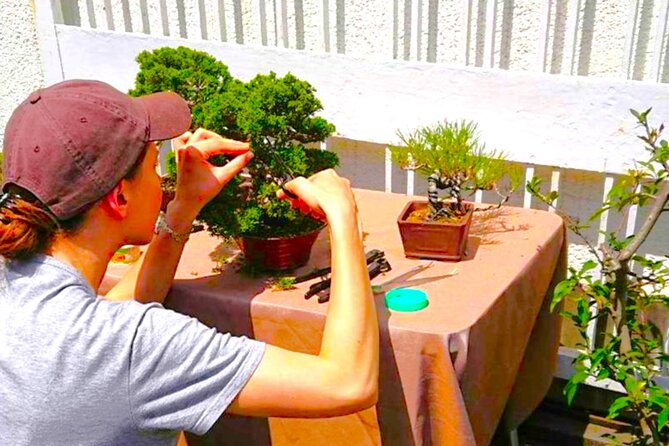
Bonsai-cho is Japan’s best-known district for bonsai, and this small-group outing lets you see the craft where it has been practiced for about a century. You’ll visit bonsai gardens, hear how the district developed, then use real tools to prune and shape a tree.
I like the maximum 10-person group, which gives Jun time to answer detailed questions. I also like the mix of quiet garden viewing and hands-on work. The catch is that the class requires a cafe purchase of at least 450 yen, and the 310-yen Bonsai Art Museum admission is extra.
In This Review
- Key points to know before booking
- Why Bonsai-cho makes a better setting than a standard Tokyo class
- Touring the bonsai gardens and nurseries
- What you learn before picking up the shears
- The cafe workshop: pruning, wiring, and shaping
- How much value do you get for $55.52?
- Group size, age rules, and what to expect
- Who will enjoy this most?
- Practical advice for making the morning work
- Should you book this Bonsai-cho experience?
- FAQ
- Where does the bonsai tour begin?
- What time does the activity start?
- How long does the bonsai experience last?
- Where does the tour end?
- Is the activity suitable for beginners?
- What is included in the price?
- Are the cafe and museum costs included?
- What is the minimum age for participants?
Key points to know before booking
- Meet at Toro Station at 10 a.m. The tour begins in Saitama, not central Tokyo, so allow time to reach the station.
- See bonsai in established nurseries. Bonsai-cho has five long-established gardens, and the outing may include visits to two of them.
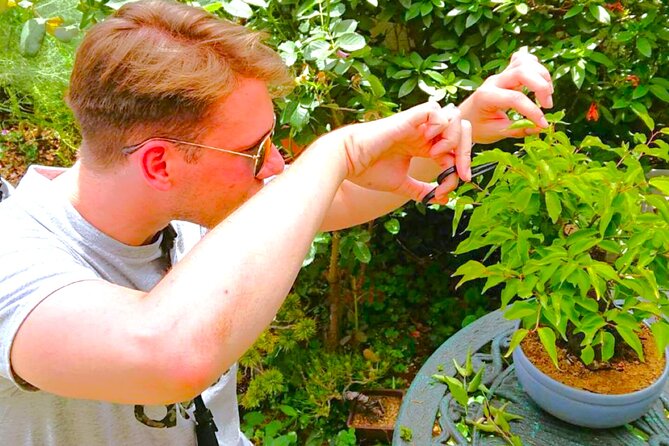
- Practice real bonsai techniques. You’ll learn pruning and shaping, including the use of wire-cutting tools.
- Jun provides personal instruction. He covers bonsai history, care, and technique, with time for general questions about Japan.
- Expect a cafe-based workshop. Food or a drink costs at least 450 yen and is not included.
- The experience suits beginners and enthusiasts. Participants must be at least 13, and anyone under 18 needs an adult companion.
Why Bonsai-cho makes a better setting than a standard Tokyo class
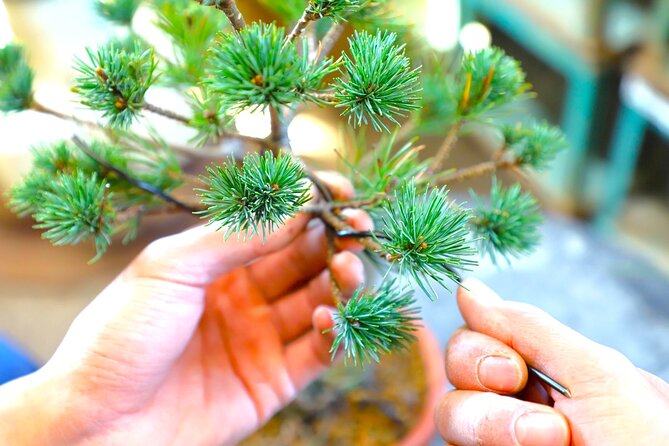
Bonsai can look like a small-tree hobby from a distance. In Bonsai-cho, you see why it is treated as an art form. The trees are living works shaped over time, with careful pruning, wiring, and patience behind every branch.
The district was created about 100 years ago by bonsai gardeners who settled here after the Great Kanto Earthquake. Today, five established bonsai gardens occupy this leafy part of Saitama. That setting gives the lesson a useful sense of place. You are not simply sitting in a room while someone explains bonsai from a textbook.
You begin at Toro Station in Kita Ward, Saitama, at 10 a.m. Jun meets you there and walks with you toward the nursery area. That short walk is part of the experience. It helps you understand that Bonsai-cho is a working district, not a theme park built only for sightseeing.
The location does require planning. The meeting point is outside central Tokyo, and the tour ends back at Toro Station. If your schedule is packed with Tokyo’s major sights, the train ride and the two-and-a-half-hour activity will take a good part of your morning. For someone who has a real interest in Japanese gardens, plants, or traditional arts, the trip is justified. For a visitor seeking a quick activity near Shibuya or Asakusa, it is less convenient.
Other city tours we've reviewed in Tokyo



Touring the bonsai gardens and nurseries
The sightseeing portion takes you into an outdoor bonsai garden, where you can see hundreds of carefully maintained trees. Jun explains what you are looking at, so the visit is more useful than simply walking past rows of miniature trees.
The best part is the scale of the collection. A single bonsai can look modest until you see many examples together. You begin to notice differences in trunk shape, branch placement, age, and the way each tree suggests a full-size natural scene in a container.
The gardens also show the range of skill involved. Bonsai is not just about keeping a tree small. It involves deciding which branches to remove, how to guide new growth, and how to make the finished form appear balanced. The process combines plant care with visual judgment.
Jun’s explanations are especially useful for first-time learners. He covers the background of bonsai before moving into practical work, so you have a framework for understanding what happens later. If you are already interested in bonsai, you can use this time to ask more specific questions about trimming, shaping, or caring for a tree.
The outing has included visits to two bonsai gardens, giving you more than one example of how the craft is presented. Since this is a small-group activity, the pace can feel more personal than a large guided visit. One session even operated with a single participant, which allowed for very direct instruction.
There is one important condition to remember. Anyone who wants to enter the shop without taking part in the class must pay an additional fee when requesting the visit. The activity is designed for participants who join both the garden visit and the practical session.
What you learn before picking up the shears
The introduction to bonsai gives you useful cultural context without requiring prior knowledge. Bonsai expresses the beauty and severity of Japanese nature through a miniature tree and container. That idea explains why the form is carefully controlled but should still feel natural.
You’ll also learn why patience matters. A bonsai does not become a finished artwork in one afternoon. The work you do during this session is an introduction to maintenance and shaping, not a shortcut to mastery.
I appreciate that the instruction covers both art and technique. You learn to look at the tree as a composition, but you also learn how tools are handled. The practical details help prevent bonsai from seeming mysterious or overly formal.
Jun has been praised for taking time with questions, including questions about Japan beyond bonsai. That makes the experience a good choice for curious visitors who want conversation as well as instruction. The small maximum group size matters here. A class of 10 still feels manageable, while a smaller group may allow longer individual guidance.
The cafe workshop: pruning, wiring, and shaping
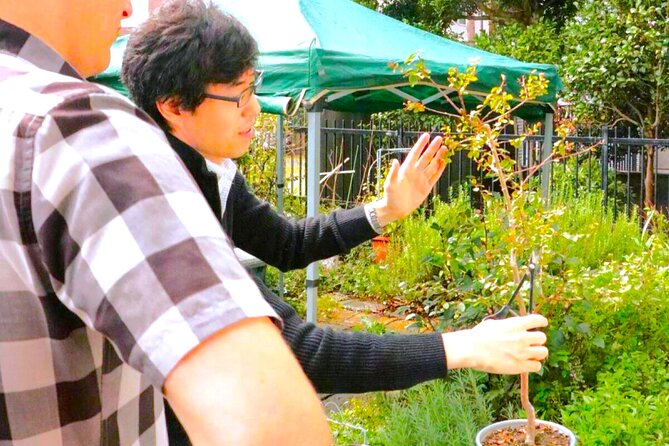
After the garden visit, the practical session takes place in a cafe. You’ll work with bonsai tools and learn important maintenance methods, including pruning and shaping. The instruction can also cover handling wire and cutting it safely.
This is the part that gives the tour its value. You are not only looking at finished trees. You get to make decisions about the tree in front of you and see how small cuts or adjustments affect its form.
The cafe setting is informal, which can make the class less intimidating. You can order something while you work, but the purchase is required. The minimum cost is about 450 Japanese yen, or roughly 3 US dollars. That is a modest extra charge, though you should include it in your budget because it is not part of the advertised tour price.
The cafe also gives you somewhere to sit after the garden visit. Past sessions have found the food inexpensive and good, though the available details do not specify a menu. You should think of the purchase as part of the workshop arrangement rather than a separate dining stop.
Do not expect to finish as a bonsai expert. The class teaches basic pruning and shaping techniques, while experienced enthusiasts can ask more advanced questions. The real benefit is learning how much thought goes into everyday care. Afterward, you will look at bonsai displays with a sharper eye.
How much value do you get for $55.52?
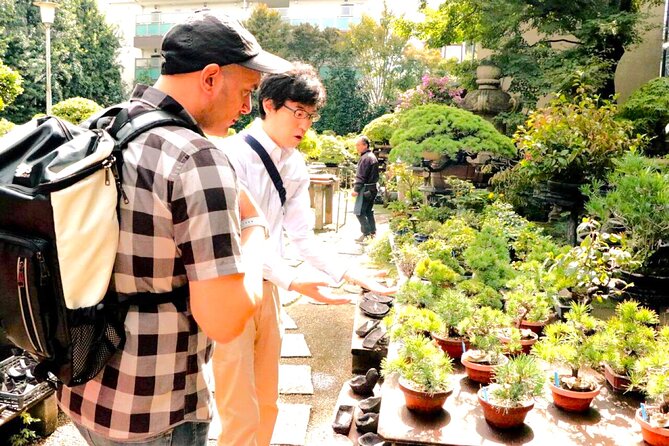
At $55.52 per person, this is reasonably priced for a two-and-a-half-hour guided activity that includes instruction, garden visits, tool use, and consumption tax. The price is strongest if you value direct access to a specialist and want to practice rather than only watch.
The experience does not include every possible cost. You’ll pay at least 450 yen for the cafe order, and admission to the Bonsai Art Museum costs 310 yen. The museum admission is optional in the sense that it is listed separately, but anyone planning to add it should budget for it.
Compared with a short museum visit, this activity offers more personal contact and a practical lesson. Compared with a full-day garden tour, it is shorter and more focused. You are paying for a compact introduction to one district and one craft, not for transportation around several Tokyo attractions.
The value also depends on your interest level. A bonsai fan, beginner, gardener, or student of Japanese arts will likely get more from the instruction than someone who simply wants a few unusual photographs. The hands-on session is the reason to choose this outing.




Group size, age rules, and what to expect
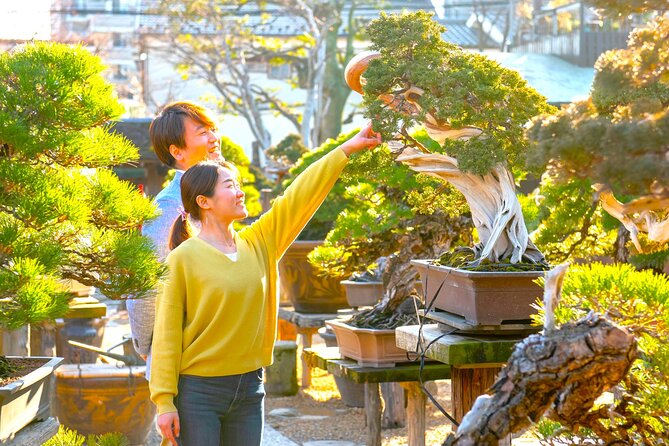
The group limit is 10 people. That is small enough for questions, though the actual size can vary. If the group is small, you may receive close attention from Jun. If it reaches the limit, you should still have access to the instructor, but the hands-on time may feel less private.
Participants must be at least 13 years old. Anyone under 18 must attend with an adult. This is not a young-child activity, partly because pruning and shaping require careful tool handling and patience.
You cannot participate if you are unwell or under the influence of alcohol. The operator says there is no refund in that situation. The same strict approach applies to cancellations: the booking is non-refundable and cannot be changed for any reason, so choose your date carefully.
A mobile ticket is provided, and confirmation arrives when you book. The meeting point is near public transportation at Toro Station, and the tour returns there at the end. Most people can participate, but the supplied details do not promise specific accessibility arrangements, so anyone with mobility concerns should confirm before paying.
Who will enjoy this most?
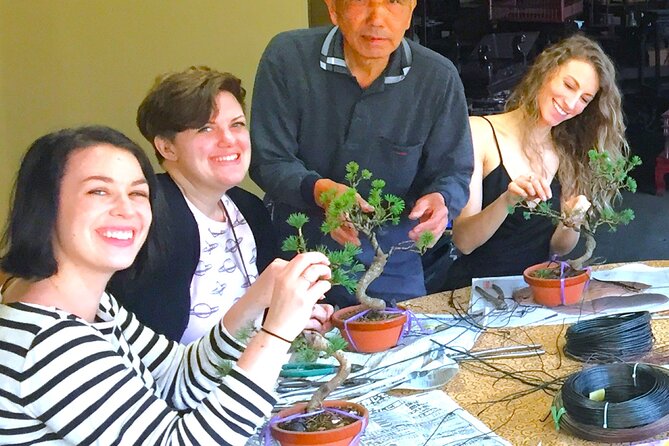
I would choose this for someone who wants an activity with a clear connection to Japanese culture but prefers doing something over sitting through a formal lecture. The garden visit supplies the setting, while the cafe workshop gives you a skill to try.
It is also a good match for a bonsai enthusiast who wants to see a major bonsai district. You may already know the basics, but the chance to ask Jun about pruning, wiring, and tree care adds value.
Families with teenagers can consider it, provided participants are at least 13 and minors attend with an adult. The quiet pace may suit older children better than younger ones.
I would hesitate to recommend it to anyone with only a short stop in Tokyo. The meeting point is in Saitama, and the activity takes about 2 hours and 30 minutes before you count your train time. I would also skip it if you dislike plant care or hands-on craft work. The garden visit is interesting, but the class is the heart of the experience.
Practical advice for making the morning work
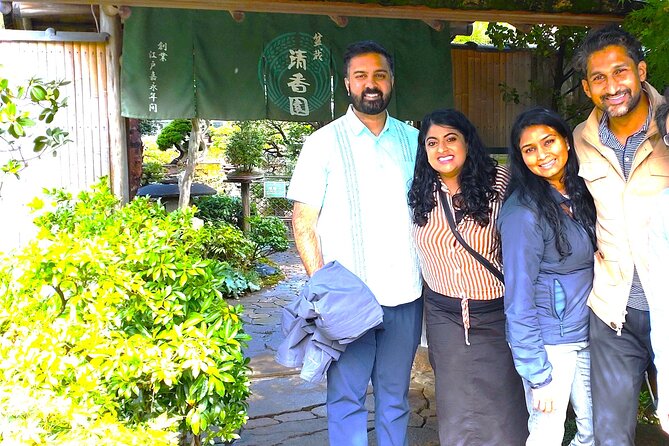
Plan to arrive at Toro Station before the 10 a.m. start. Jun meets you there, so the station is the key point for the whole outing. Keep your mobile ticket and booking confirmation available.
Bring questions. Jun can explain bonsai history and technique, and the small format gives you a chance to ask about subjects that interest you. Questions about pruning, shaping, wire, and general Japanese culture all fit the style of the session.
Budget for the cafe purchase and, if desired, the Bonsai Art Museum admission. The listed tour price covers the instructor, tool use, and consumption tax, but not those extras.
Allow a little flexibility after the scheduled finish if you want to remain at the cafe. The experience ends back at the meeting point, but the cafe can also be an inexpensive place to eat after the practical work.
Should you book this Bonsai-cho experience?
Book it if you want to see bonsai in its home district and learn by doing. The strongest reasons are Jun’s personal instruction, the small group limit, the chance to visit established bonsai gardens, and the practical lesson in pruning and shaping.
Skip it if you need an activity in central Tokyo, want a large museum-focused tour, or prefer not to commit to a non-refundable booking. For everyone else, $55.52 is a fair price for a focused morning that connects Japanese culture, horticulture, and craft in a very direct way.
FAQ
Where does the bonsai tour begin?
The tour begins at Toro Station, at 1 Chome Torocho, Kita Ward, Saitama, Japan.
What time does the activity start?
The start time is 10 a.m.
How long does the bonsai experience last?
The activity lasts approximately 2 hours and 30 minutes.
Where does the tour end?
The activity ends back at the meeting point at Toro Station.
Is the activity suitable for beginners?
Yes. The session introduces bonsai history and includes practical instruction in pruning and shaping. It can also suit people with more bonsai experience.
What is included in the price?
The price includes the instructor, use of bonsai tools, and consumption tax.
Are the cafe and museum costs included?
No. You must order something at the cafe, with prices starting at 450 yen. Admission to the Bonsai Art Museum costs 310 yen.
What is the minimum age for participants?
Participants must be at least 13 years old. Anyone under 18 must be accompanied by an adult.
More City Tours in Tokyo



More tours in Tokyo we've reviewed









City Tours, compared.
 ★ 4.8Tokyo: Private City Highlights Tour with Local GuideFrom $1064 - 8 hours
 ★ 4.7Tokyo: Asakusa, Skytree & Akhihabara Go-Kart City ExperienceFrom $961h 10m
 ★ 4.8Tokyo: 3-Hour Bike or E-Bike City Highlights TourFrom $453 hours
 ★ 4.8Tokyo: Sumo Morning Practice Tour at Sumida CityFrom $1162 hours
 ★ 4.5Private Haneda Airport (HND) to Central Tokyo City TransferFrom $119
 ★ 4.8Tokyo: 3-hour Guided E-Bike Tour of the City’s Hidden GemsFrom $65