
Reviewed · HAKONE DAY TRIPS
Hakone: Traverse the Hakone Caldera and Enjoy Onsen
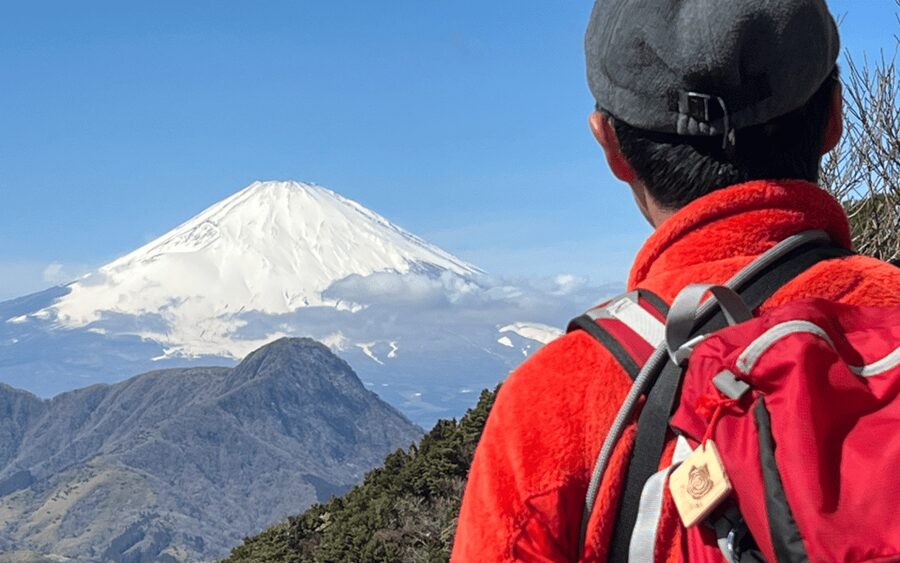
Hakone’s best views may come from leaving its famous sightseeing loop behind. This 4 to 5-hour ridge hike crosses the outer rim of the caldera, with views toward Mt Fuji, Owakudani, Sengokuhara, the Pacific Ocean, and the Hakone mountains when the weather cooperates.
I like the small group limit of six and the chance to hike with Akihiro Wada, the owner and chief guide of Coconuts Hike Japan. I also like the very Japanese finish: a good natural onsen after the hike. The main drawback is clear: this is a serious mountain walk, not a gentle scenic stroll.
In This Review
- Key points before you book
- Why this Hakone hike feels different
- Meeting Akihiro Wada at Hakone-Yumoto
- The ride to the trailhead
- The 90-minute climb and volcanic views
- Three hours along Hakone’s outer rim
- The descent to Togendai and a local meal
- The onsen ritual after the hike
- What the $154 price really buys
- Who should book this mountain day?
- Should you book the Hakone caldera hike?
- FAQ
- Where does the Hakone caldera hike begin?
- How long does the experience last?
- How far do you hike?
- How difficult is the route?
- Is transportation to the trailhead included?
- Is lunch included?
- Is the onsen included?
- Can I enter the onsen with a visible tattoo?
Key points before you book
- 400-meter climb in 90 minutes: You need steady fitness and proper hiking shoes.
- Three hours on the ridge: The reward is broad views across Hakone and, on a clear day, repeated looks at Mt Fuji.
- Small groups of six or fewer: The guide can adjust the pace and route to the group.
- Lunch and transport cost extra: Bring money for the ride to the trailhead, a local meal, and the onsen.
- Onsen completes the day: You can soak tired muscles in one of Hakone’s natural hot springs after walking.
- Weather controls the Fuji view: Clouds may hide Japan’s famous peak, but Hakone town and the surrounding mountains still provide scenery.
Why this Hakone hike feels different
Many first-time visitors see Hakone from trains, buses, boats, and cable cars. That route is useful, but it can also mean queues and crowded viewing spots. This experience takes you onto the outer rim of the Hakone caldera, where the day is shaped by walking, changing views, and the quiet sounds of the mountains.
The volcanic setting gives the hike a clear sense of place. Hakone’s caldera was formed by volcanic activity, and from the ridge you can look toward Owakudani, one of the area’s most visible volcanic zones. Your guide can help connect the views with the forces beneath the mountains, rather than leaving you to guess what you are seeing.
The route also changes with the seasons. In spring, you may see sakura. Autumn brings red leaves, while deep winter can put powdered snow underfoot. Bamboo fields, birdsong, and open mountain views add variety to a walk that might otherwise feel like one long climb.
The experience is priced at $154 per person. That is not a cheap way to get from one Hakone sight to another, but the price includes a nationally certified mountain guide with advanced wilderness first-aid training, plus snacks and drinks at the top. The small group format is also useful if you want personal guidance instead of simply following a large crowd.
You still need to budget for the bus or other ride to the trailhead, about 1,000 yen, lunch, and the onsen, usually about 1,500 yen. Think of this as a full guided mountain day, not an inexpensive transfer with a walk attached.
A few more Hakone tours and experiences worth a look
Meeting Akihiro Wada at Hakone-Yumoto
The day begins at the ticket gate of Hakone-Yumoto Station at 8:45 in the morning. This is a practical meeting place because Hakone-Yumoto is the main rail gateway into the area, but you need to plan your arrival carefully if you are coming from Tokyo or another city.
If you are already staying in Hakone, ask in advance if a closer meeting point is possible. The guide may be able to suggest a place nearer the trailhead. You can also contact the operator about luggage storage or delivery options, which matters if you are changing hotels or carrying more than a daypack.
Akihiro Wada leads the experience. He is both the owner and chief guide of Coconuts Hike Japan, and he speaks English and Japanese. The group is limited to six people, though a private-feeling day can happen naturally if few people book. One participant described having the route adjusted to match her ability, which is the sort of flexibility a small group can provide.
That does not mean the hike becomes easy. It means the guide can better judge pace, breaks, and the day’s conditions. The guide’s wilderness first-aid training is reassuring on a mountain route, but you remain responsible for arriving prepared and fit enough to walk for several hours.
The ride to the trailhead
After meeting at the station, you ride for about 30 minutes toward the trailhead. The transport cost is not included, and the information for the experience places it at about 1,000 yen. Bring Japanese cash or confirm payment details before you set out.
This transfer is useful because the trail does not begin right at Hakone-Yumoto. It saves you from working out the local transport system on your own, but it also adds a cost that can be easy to overlook when comparing the $154 tour price with other Hakone activities.
The early start is sensible. A 4 to 5-hour hike, lunch, and an onsen make this a roughly seven-hour activity, so a late departure would leave little room for pauses or changing weather. Wear your hiking shoes before the day begins, and keep sunscreen, water, a hat, and a change of clothes accessible.
The 90-minute climb and volcanic views
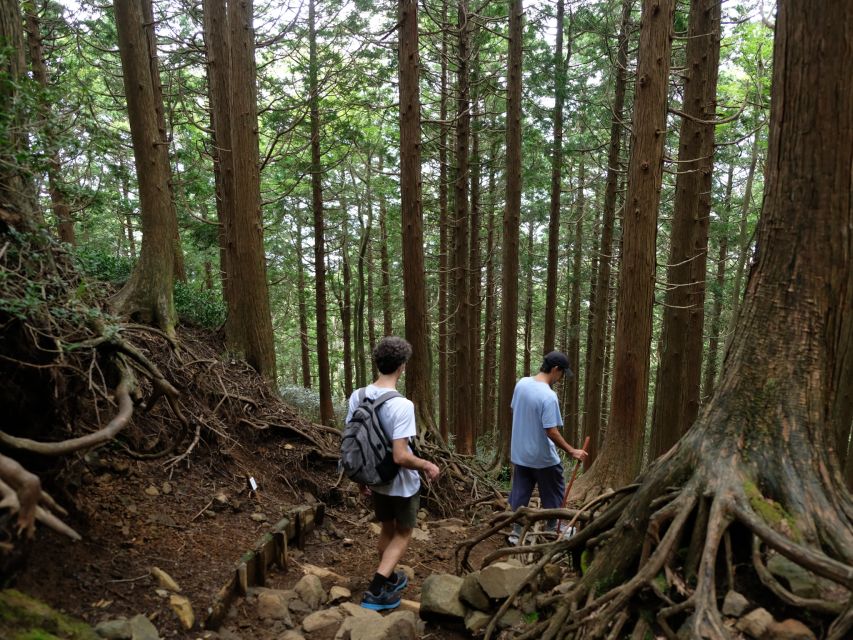
The first major effort is the ascent to the mountain top. It takes about 90 minutes and gains roughly 400 meters in elevation. That is a sustained climb, especially if you are not used to walking uphill for that long.
You should judge your fitness by what you normally hike, not by how comfortable you feel walking around a city. The route covers about 8 to 9 kilometers in total, but distance alone understates the challenge because of the climb and the ridge walking that follows.
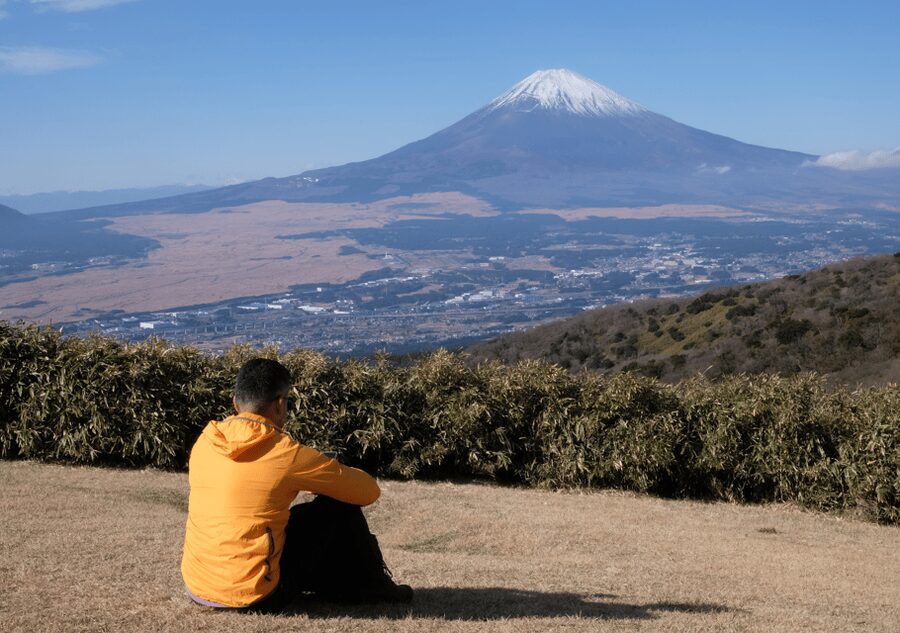
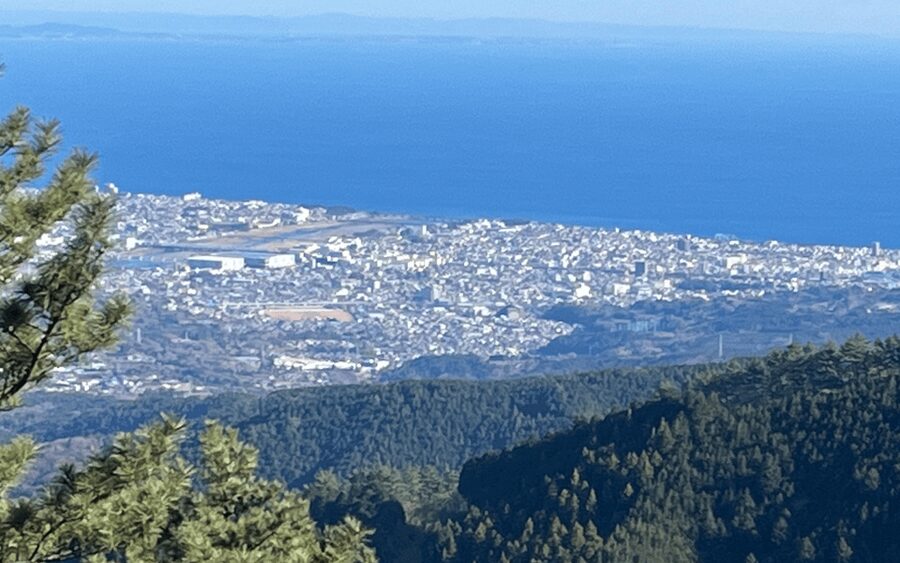
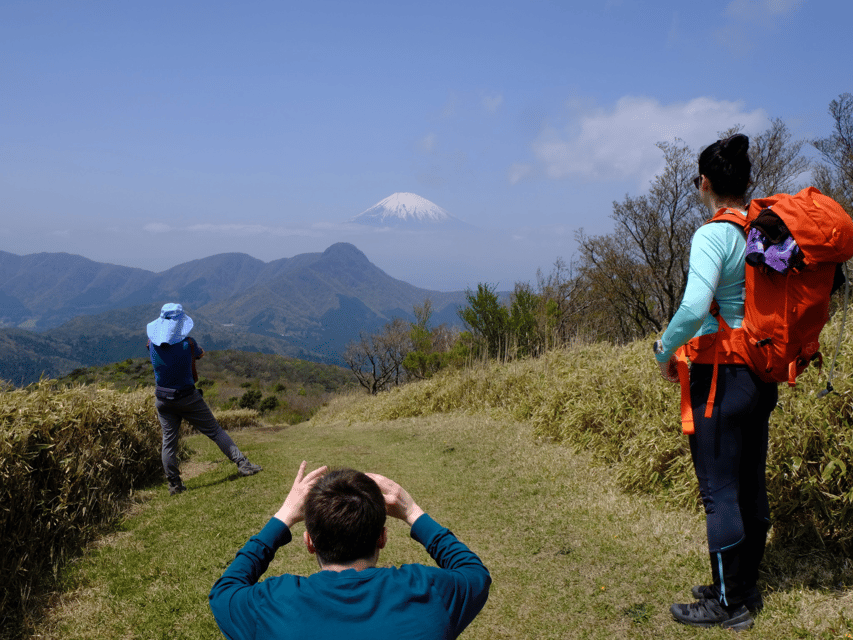
At the top, the views begin to pay you back. You can see the Pacific Ocean, the Hakone mountains, Owakudani, Sengokuhara, and, if the air is clear, Mt Fuji. The Fuji view is the headline attraction, but the day should not be booked on that promise alone. Clouds can cover the peak even when the rest of the weather is pleasant.
The good news is that Fuji is not the only reason to be up there. The broad view over Hakone remains worthwhile when the famous mountain disappears. You may also see Fuji several times during the ridge walk if conditions hold, since the angle changes as you move.
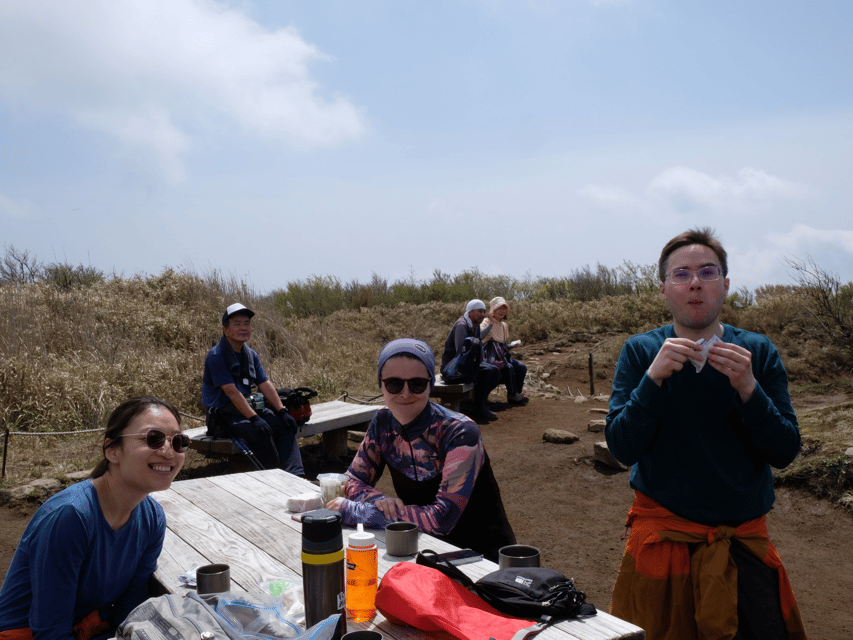
At the mountain top, snacks and drinks are provided. That is a small but useful touch after the climb. Still, bring your own water because the tour information specifically lists it among the items you should carry.
Three hours along Hakone’s outer rim
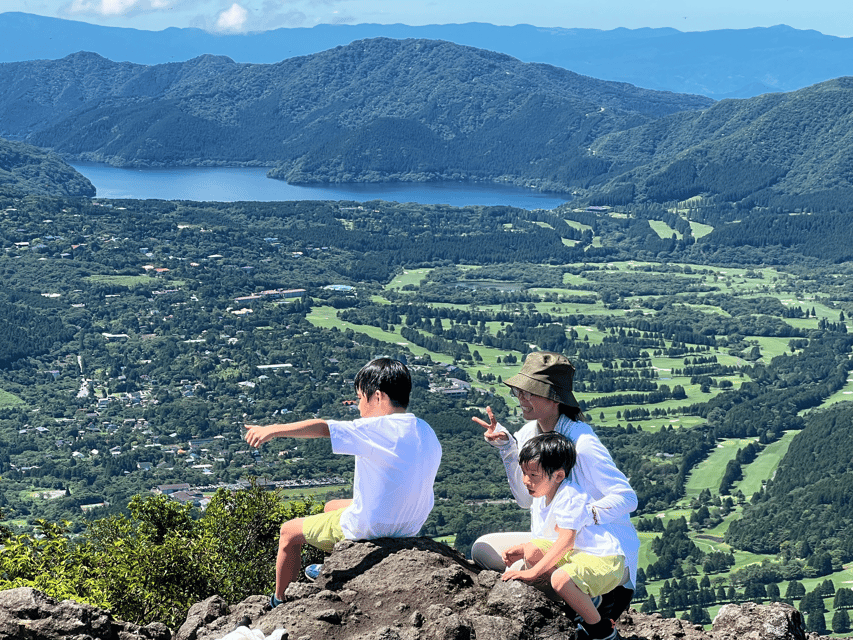
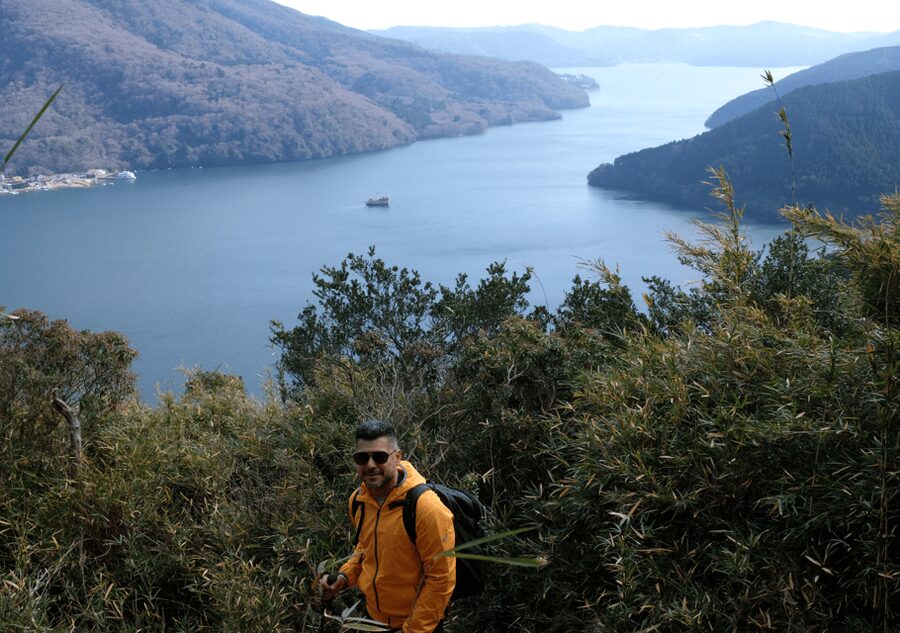
The ridge walk lasts about three hours. This is the heart of the experience, and it is also where you need the most stamina. The route gives you time to see Hakone from several angles instead of stopping for one quick photograph.
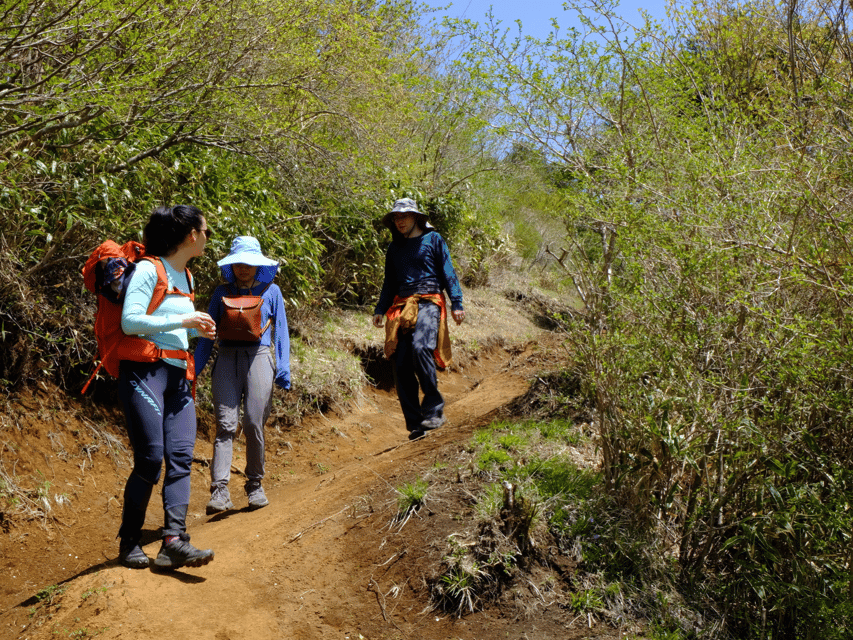
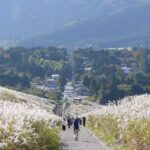
A ridge walk has a pleasant rhythm. You climb, pause for a view, walk through a wooded or bamboo section, then reach another opening with a fresh angle across the caldera. The description of the route includes birdsong, bamboo, seasonal flowers and leaves, and winter snow. Those details matter because the appeal is not just a distant mountain view. The walk itself changes with the time of year.
Spring may add sakura to the route. Autumn brings red foliage, while winter can make the trail feel more demanding under snow. Conditions can vary, so your clothing and footwear need to match the season. Hiking shoes are required, and ordinary city trainers would be a poor choice for a long mountain day.
The volcanic setting remains part of the story throughout. Looking toward Owakudani from the ridge gives you a wider sense of the area’s volcanic structure. A guide can explain the activity that shaped the caldera and point out the relationship between the ridge, valleys, and settled areas below.
This is also the section where a guide earns the fee. Akihiro has been praised for adding historical and cultural context, not just leading the way. He has also taken photographs for participants with a camera and sent them soon after the activity. That service is not the main reason to book, and you should not assume it is guaranteed on every date, but it is a welcome bonus if you want to enjoy the walk without constantly stopping to take pictures.
A few more Hakone tours and experiences worth a look


The descent to Togendai and a local meal
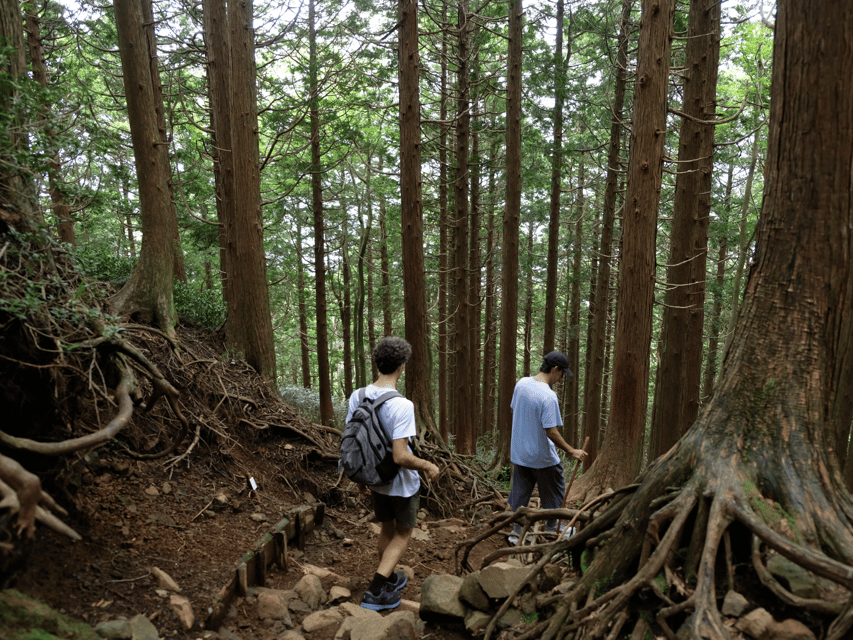
After the ridge section, the descent takes about 30 minutes and brings you to Togendai. Compared with the climb, this part is shorter, but downhill walking can still tire your knees and feet. Keep your pace controlled rather than racing toward lunch.
A local Japanese restaurant is arranged for the meal. Food and drinks are not included, so allow extra money and time for lunch. The meal is a useful part of the day because it gives you a proper break before the onsen, but you should ask the guide about the restaurant and payment arrangements if you have dietary concerns.
The lunch stop is also a chance to try regional food rather than relying on a convenience-store meal between transport connections. That said, the tour information does not promise a fixed menu, so do not book this as a food tour. The hike is the main event, with lunch serving as a relaxed bridge between the trail and the hot spring.
The onsen ritual after the hike
The final reward is a natural hot spring. Soaking after a mountain walk is a familiar Japanese habit, and Hakone is one of Japan’s best-known hot-spring areas. Here, the onsen is not just another sightseeing stop. It gives your legs and shoulders a chance to recover after the caldera crossing.
The usual onsen fee is about 1,500 yen and is paid separately. The operator may choose a different bath depending on the chance of seeing Mt Fuji, so the exact facility can change. That flexibility makes sense if the day’s route or weather affects the best ending point.
There is one important rule to understand before booking. Most of the onsen facilities used for this experience do not allow visible tattoos. You may be able to enter if you cover tattoos with powdered sheets purchased online, and the operator says it can help if you need assistance getting them.
Bring a change of clothes. You will appreciate dry clothing after hiking, especially in cooler weather, and it makes the return journey more comfortable. Onsen etiquette also matters: wash before entering the bath, keep towels out of the water, and expect the bathing area to be shared.
What the $154 price really buys
At $154, this tour costs more than walking a public trail on your own. You also pay extra for transport, lunch, and the onsen, so the full day will cost more than the advertised tour rate.
The value comes from the combination of guidance and access. You receive a certified mountain guide, a route that is not part of the standard Hakone sightseeing circuit, snacks and drinks at the top, and help managing a long mountain day in a place where weather can change the feel of the route.
The group size matters too. With no more than six participants, you can ask questions about the volcano, Hakone’s scenery, or Japanese hiking customs without trying to catch a guide’s voice across a large group. The guide can also adjust the pace more easily than on a coach excursion.
I would consider the price fair for someone who genuinely wants a guided hike and the onsen tradition afterward. I would not recommend it to someone mainly hoping for a guaranteed Mt Fuji photograph or a low-cost way to see Hakone. Fuji depends on weather, and the extra costs should be part of your budget from the beginning.
Free cancellation up to 24 hours before the activity and the option to reserve now and pay later make planning less risky. Still, those policies do not change the physical demands of the route. The key question is your fitness, not just your schedule.
Who should book this mountain day?
I would choose this experience if you enjoy hiking for several hours and want to understand Hakone beyond its transport loop. It suits you especially well if you like natural scenery, seasonal changes, volcanic features, and small groups with time for questions.
It is also a good fit if you want a cultural experience that feels ordinary in Japan rather than staged for visitors. The onsen after the hike shows how a mountain walk can fit into a local routine: work hard on the trail, eat well, then soak.
I would hesitate if you dislike steep climbs, have little hiking experience, or want a relaxed day with frequent transport. The 400-meter ascent is not a token walk, and the three-hour ridge section requires consistent effort.
Weather-sensitive plans need some patience. A clear day can bring several Fuji sightings and wide views over Hakone. A cloudy day can hide Fuji, but the route still offers views toward the town, mountains, Pacific Ocean, Sengokuhara, and Owakudani.
Should you book the Hakone caldera hike?
Book it if your ideal Hakone day includes real mountain walking, a small group, and a hot spring at the finish. Akihiro Wada’s personal guiding, first-aid training, local knowledge, and ability to adjust the day add value that you would not get from a trail map alone.
Skip it if you want guaranteed Fuji views, a short stroll, or a single all-inclusive price. Bring hiking shoes, water, sun protection, a hat, and dry clothes, then add the transport, lunch, and onsen fees to your calculation. For fit hikers who want a quieter and more personal side of Hakone, this is a strong choice.
FAQ
Where does the Hakone caldera hike begin?
The meeting point is at the ticket gate of Hakone-Yumoto Station at 8:45am.
How long does the experience last?
The activity lasts about seven hours, including transport, hiking, lunch, and the onsen visit.
How far do you hike?
The hike covers about 8 to 9 kilometers and takes approximately 4 to 5 hours.
How difficult is the route?
You need to be fit for a mountain traverse. The first ascent takes about 90 minutes and gains around 400 meters, followed by a ridge walk of about three hours.
Is transportation to the trailhead included?
No. The ride to the trailhead costs about 1,000 yen and is paid separately.
Is lunch included?
No. Lunch is arranged at a local Japanese restaurant, but food and drinks are not included in the tour price.
Is the onsen included?
No. The onsen fee is about 1,500 yen. A different onsen may be used depending on the chance of seeing Mt Fuji.
Can I enter the onsen with a visible tattoo?
Most of the facilities used do not allow visible tattoos. Tattooed participants may be able to enter by covering tattoos with powdered sheets, which can be bought online.
More Spa & Hot Springs in Hakone
More Hakone Day Trips in Hakone
More tours in Hakone we've reviewed

Hakone Day Trips, compared.
 ★ 5.0Mt Fuji and Hakone 1-Day Bus Tour Return by Bullet TrainFrom $163
 ★ 4.0Mt Fuji & Hakone Cruise, Drum Show Bullet Train 1 Day from TokyoFrom $149
 ★ 4.4Tokyo Mt Fuji 5th St & Hakone Cruise Bus Tour w/Bullet TrainFrom $15410 hours
 ★ 4.7Tokyo: Mt. Fuji Tour, Hakone Ropeway, Owakudani, Lake AshiFrom $5410 hours
 ★ 4.2Tokyo: Mt. Fuji 5th Station & Hakone Cruise 1-Day Bus TourFrom $12911 hours
 ★ 5.0Private Tour to Mt. Fuji and Hakone (Fully Licenced Operator)From $497