
Reviewed · PRIVATE
10-Day Private Tour with more than 60 Attractions in Japan
Tokyo’s neon streets, Kamakura’s giant Buddha, Mt. Fuji’s lookout points, Kyoto’s temples, and Kobe’s old foreign quarter all fit into one 10-day private tour. That is the main appeal: one driver and one vehicle handle the long hops while you focus on Japan’s famous sights.
I like the freedom to choose your own hotels, and I like that Newton, the guide named in the tour information, can adjust the day to suit your group. Past feedback also points to his cheerful explanations, careful driving, and willingness to help with photos and videos. The tradeoff is a demanding schedule, with about 10 hours each day and many admission fees extra.
In This Review
- Key reasons to consider this Japan tour
- What the 10-day route really offers
- Day 1: Tokyo from Tsukiji to Shibuya
- Day 2: Kamakura temples and Yokohama food streets
- Day 3: Mt. Fuji viewpoints from Oshino to Gotemba
- Day 4: Hakone’s lake, ropeway, and open-air art
- Day 5: Nikko’s shrines, waterfalls, and mountain lake
- Day 6: Kyoto’s classic eastern sights and food market
- Day 7: Golden Pavilion, Arashiyama, and Gion
- Day 8: Osaka’s castle, markets, and night lights
- Day 9: Nara’s deer and temple treasures
- Day 10: Kobe from waterfall to mountain
- Cost, comfort, and what you still pay
- Who should book this private Japan itinerary?
- FAQ
- How long is the tour each day?
- How many people can join the private tour?
- Where does the tour start?
- Where does the tour end?
- Are hotels included?
- Are attraction tickets included?
- Can the itinerary change during the tour?
- Should you book this Japan tour?
Key reasons to consider this Japan tour
- More than 60 major stops: Cover Tokyo, Kamakura, Yokohama, Mt. Fuji, Hakone, Nikko, Kyoto, Osaka, Nara, and Kobe in one trip.
- Private car for up to five: Air conditioning, fuel, parking, tolls, bottled water, and private transport are included.
- Flexible hotel choice: Accommodation is not included, so you can match your stay to your budget and preferred location.
- Strong guide element: Newton is described as friendly, entertaining, attentive, and good at explaining stories behind major sights.
- A useful final destination: The last day ends in Kobe, with drop-off also possible in Kyoto, Nara, or Osaka.
- Costs need planning: Temple, garden, museum, ropeway, cruise, tower, and digital-art admissions are generally extra.
What the 10-day route really offers
This is not a slow, single-city tour. It is a private Japan sampler built for someone who wants to see a lot without arranging every train, transfer, and driving route alone.
The itinerary links famous sights with a few quieter or more characterful places. You get food districts and shopping streets, but also shrines, gardens, waterfalls, mountain lakes, and old temple grounds. The private vehicle matters most on the days outside Tokyo, where several stops are spread across large areas.
The schedule begins at 7:00 a.m. in Shinjuku. Each day runs about 10 hours, including driving time. That early start helps, but traffic can still force changes. The operator can skip or rearrange stops to avoid serious congestion or long waits, so you should see the plan as flexible rather than fixed.
Other private tours in Tokyo

Day 1: Tokyo from Tsukiji to Shibuya
The opening day is a fast sweep through Tokyo’s best-known districts. At Tsukiji Fish Market, you have about 45 minutes to browse food stalls and market shops. The wholesale market moved to Toyosu, but Tsukiji remains a useful place for seafood, snacks, and a first taste of Tokyo’s food culture.
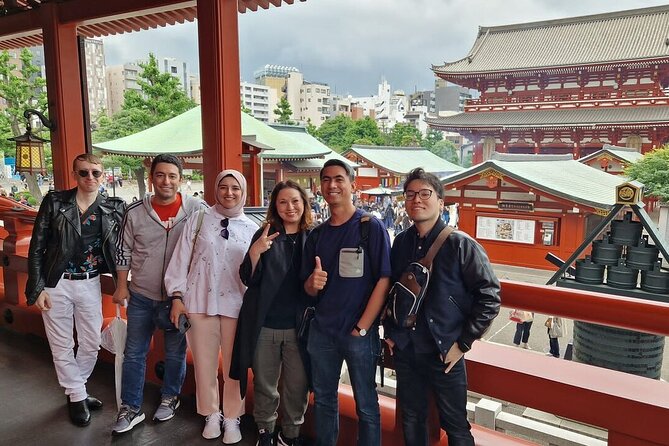
Senso-ji in Asakusa gives you a stronger historical introduction. Tokyo’s oldest religious building is colorful, crowded, and easy to enjoy even on a short visit. Ask Newton about the temple’s stories, since his explanations of places such as Senso-ji were a repeated strength in the feedback.
Tokyo Skytree follows, with about an hour for the observation decks. Admission is not included and is listed at 3,100 yen per person. The tower can give you a broad view over the city, but your schedule may require you to choose between the paid deck and another optional stop.
At the Imperial Palace, you visit the East Garden without booking. The gardens occupy the former grounds of Edo Castle, which adds useful context to Tokyo’s imperial and shogunal past. The 45-minute visit is enough for a look, not a full exploration.
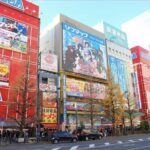
Akihabara is a brief 30-minute stop for electronics, manga, anime, and video-game culture. It is more of a snapshot than a shopping session. Odaiba’s small Statue of Liberty replica is another short photo stop, and it is included only if time permits.
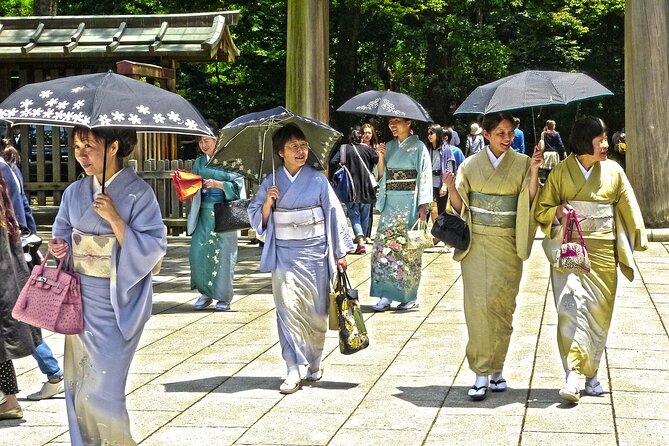
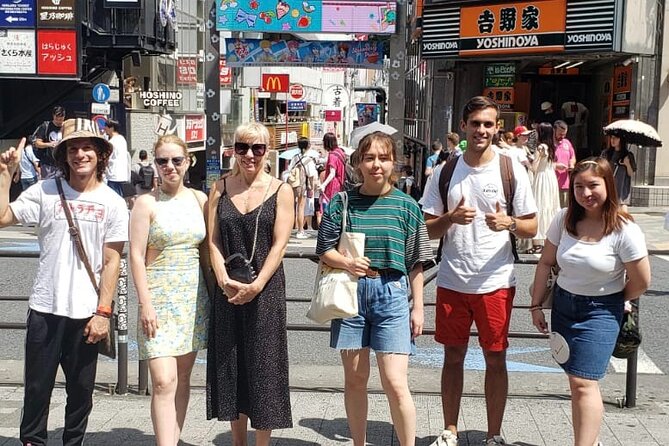
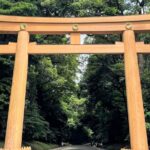
The day then moves to Meiji Jingu, a wooded Shinto shrine near Shibuya, followed by Shibuya Crossing and Takeshita Street. You get 20 minutes at the crossing, then an hour in Harajuku for youth fashion and sweet crepes.
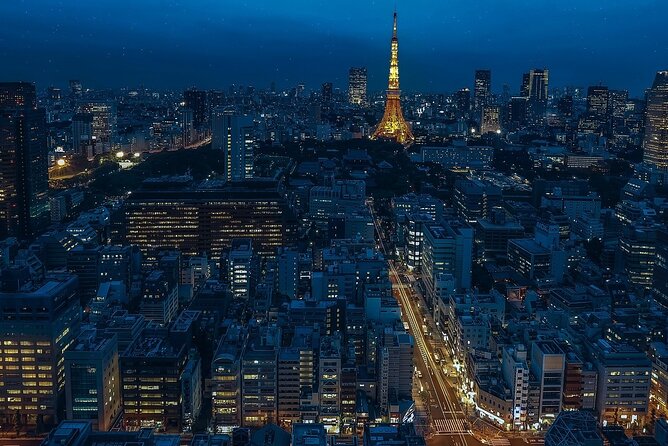
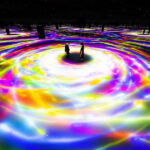
Tokyo Tower appears as a 10-minute photo stop. TeamLab Planets is another optional visit, with 30 minutes listed and admission of 3,800 yen per person. Since both teamLab and the Skytree take time, ask before the day begins which stops are realistic.
Day 2: Kamakura temples and Yokohama food streets
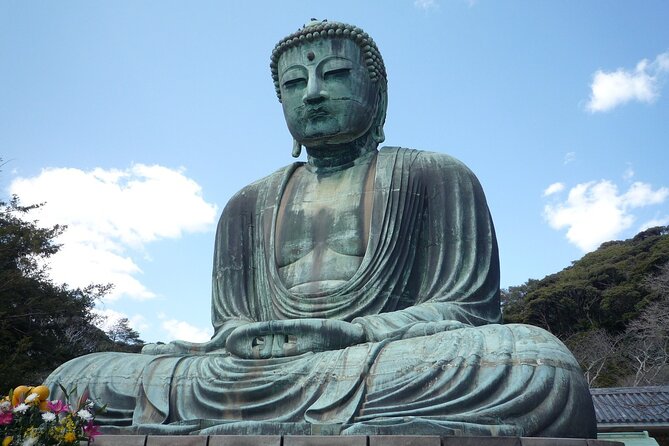
Kamakura makes an excellent contrast with Tokyo. At Hokoku-ji, the bamboo garden gives you a calm hour among tall green stalks. Entry is 200 yen. Hase-dera adds hillside temple grounds and a large wooden Kannon statue, while Kotoku-in is home to Kamakura’s famous Great Buddha.
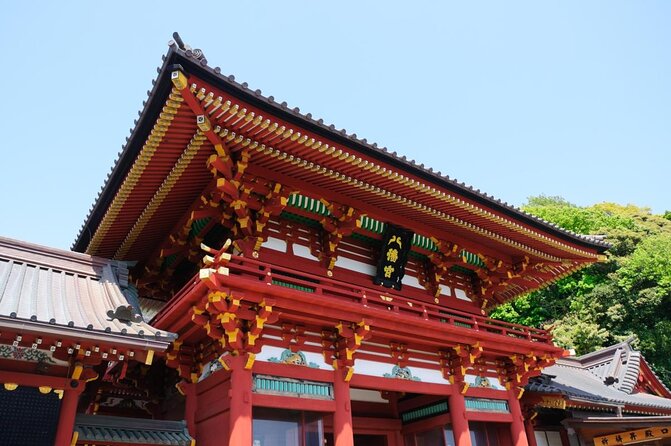
Tsurugaoka Hachimangu is Kamakura’s main shrine and deserves its full hour. Its ponds, broad approaches, and central role in local festivals make it more than a quick photo stop. Komachidori, a pedestrian street lined with sweets, restaurants, gifts, and clothing, gives you time to eat or browse.
The afternoon shifts to Yokohama. Chinatown offers food and shopping in a compact area, while Sankeien Gardens provide a quieter setting with traditional Japanese design. Admission to Sankeien is 900 yen.
Minatomirai is a short final stop if time allows. The waterfront is known for its high-rise views, boutiques, and family attractions. This day works best if you value variety, though the number of places means you will not linger long at each one.
Day 3: Mt. Fuji viewpoints from Oshino to Gotemba
Mt. Fuji is never guaranteed to be visible, so keep your expectations flexible. When the weather cooperates, this is one of the tour’s most rewarding days.
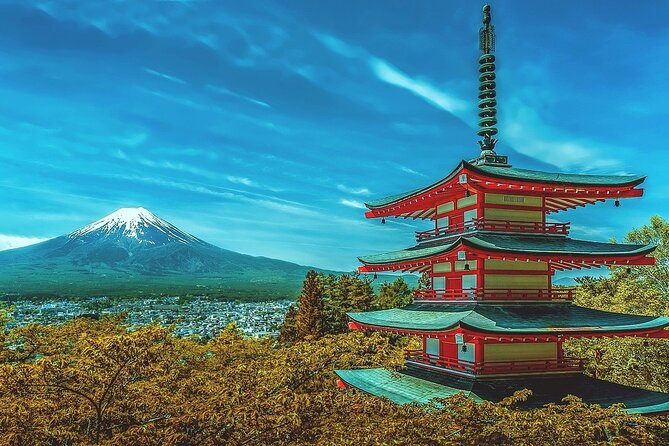
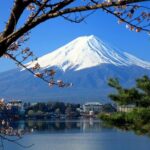
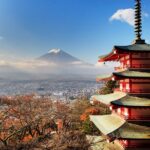
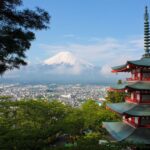
Oshino Hakkai’s eight spring pools are fed by water from Mt. Fuji. Chureito Pagoda provides one of Japan’s most familiar photo settings, especially when the mountain is clear. Lake Kawaguchiko and Oishi Park offer more views, with the lake in front and Mt. Fuji beyond.
The Mt. Fuji Panoramic Ropeway takes you toward an observation deck on Mt. Tenjo. The ride costs 800 yen per person. Saiko Iyashi no Sato Nemba, a reconstructed old-style village, adds a cultural stop with thatched buildings and a 500-yen admission fee.
The itinerary includes both Arakura Fuji Sengen Shrine and Mt. Fuji’s 5th Station. The 5th Station is listed for two hours and costs 2,100 yen per group. It is the usual starting area for many climbers, but conditions can affect access and views.
The day ends in Gotemba, with two hours assigned to the area. The route covers a lot of ground, and some stops may be shortened if traffic builds. A private car is particularly useful here because the sights are scattered around the Fuji region.
Day 4: Hakone’s lake, ropeway, and open-air art
Hakone combines mountain scenery, hot-spring culture, and transport attractions. The day can begin at Amazake-chaya, a tea house said to be 400 years old, where the signature sweet rice drink follows an old recipe.
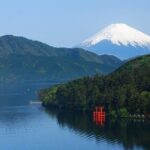
Hakone Shrine sits in forest beside Lake Ashi. The shrine costs 500 yen, while a cruise on the lake costs 900 yen. The lake itself was formed in a volcanic caldera, and its setting is one of Hakone’s main pleasures.
The Hakone Ropeway links Sounzan and Togendai via Owakudani. A one-way ride costs 900 yen. At Owakudani, sulfurous volcanic activity gives the area a distinctive feel, and you can try the famous black eggs, boiled in the hot springs.
Gora Park is a small hillside garden with a tea house, greenhouses, and a central fountain. Admission is 550 yen. The Hakone Open-Air Museum is the larger cultural stop, with outdoor sculpture spread across a mountain setting. Entry costs 1,500 yen.
This is another full day, so decide what matters most. If you want the lake cruise, ropeway, park, and museum, paid admissions can add up quickly.
Day 5: Nikko’s shrines, waterfalls, and mountain lake
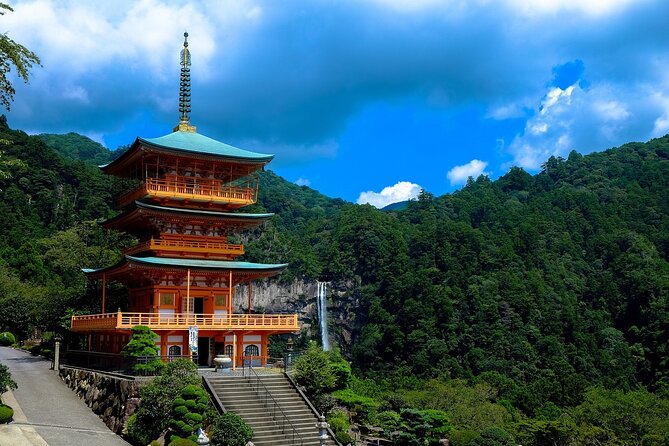
Nikko is one of the strongest history and nature days. Toshogu Shrine is famous for elaborate carvings and colorful buildings dedicated to Tokugawa Ieyasu. Allow two hours and budget 800 yen for entry.
Shinkyo Bridge gives you a classic Nikko photo, while the Narabi Jizo statues offer a brief, quieter stop. The Tamozawa Imperial Villa shows a blend of Edo, Meiji, and Taisho-era design. Admission is 550 yen.
The route climbs toward Akechidaira, where an observation area looks toward Kegon Falls, Lake Chuzenji, and Mt. Nantai. The observation area costs 500 yen, and Kegon Falls costs another 500 yen. Lake Chuzenji itself is free to visit.
This day has a clear rhythm: ornate religious buildings in the morning, then forested mountain views and waterfalls later. Autumn foliage is especially associated with the area, but the tour requires good weather and traffic conditions can affect the order.
Day 6: Kyoto’s classic eastern sights and food market
Kyoto begins with Kiyomizu-dera, one of the city’s essential temple visits. The elevated wooden setting and broad city views make it memorable, though the 40-minute slot is short. Entry is 400 yen.
Sanjusangendo is a very different temple, known for its long hall and rows of Buddhist statues. The visit takes about 30 minutes and costs 600 yen. Yasaka Shrine is free and gives you a look at one of Gion’s important religious centers.
Nishiki Market receives two hours, which is useful for browsing food stalls, local ingredients, snacks, and small shops. I would treat this as a lunch opportunity rather than just a pass-through.
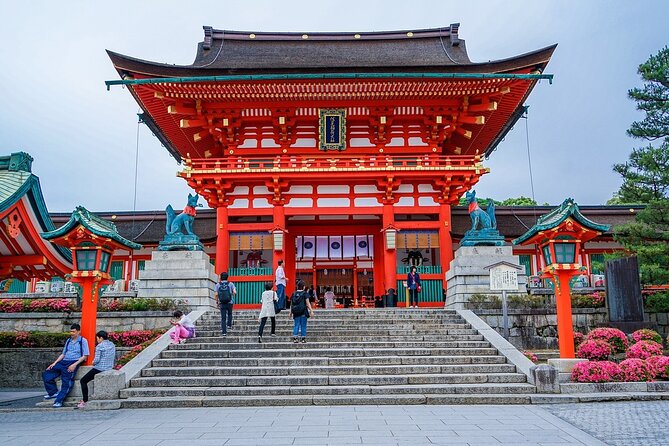
Fushimi Inari is free and known for its long corridors of orange torii gates. The listed hour lets you sample the lower section, but the hillside paths continue far beyond the main entrance.
Nijo Castle closes the day. Its palace interiors, gardens, and defensive rings add a different view of Kyoto’s political past. Admission is 1,300 yen. The lineup is excellent, but expect crowds and plenty of walking.
Day 7: Golden Pavilion, Arashiyama, and Gion
Kinkakuji, the Golden Pavilion, is one of Kyoto’s most photographed sights. Its gold-covered upper stories reflect in the pond, and entry costs 500 yen. The visit is listed at 40 minutes, so arrive ready for a focused walk and photographs.
Arashiyama brings the bamboo forest, Tenryuji Temple, a viewing area, the Kimono Forest, and Monkey Park Iwatayama. The bamboo path is free, while Tenryuji costs 500 yen. The observation deck costs 630 yen, and the monkey park costs 550 yen.
The Kimono Forest is a brief free stop featuring decorative columns covered in Kyo-Yuzen fabric designs. The monkey park requires a climb, so it may not suit every group, but it adds a more active choice to an otherwise sightseeing-heavy day.
Two hours in Gion gives you time to see Kyoto’s traditional entertainment district. The schedule may place this in the evening, when the streets are most atmospheric. Be respectful around private residences and avoid treating the area as a stage set.
Day 8: Osaka’s castle, markets, and night lights
Osaka Castle opens the day with a major landmark tied to Japan’s unification in the 16th century. Admission is 650 yen. Shitennoji, costing 500 yen, provides an older Buddhist setting, while Sumiyoshi Taisha is free and offers a distinct Shinto atmosphere.
TeamLab Botanical Garden Osaka is an evening-style outdoor art experience where light works respond to natural conditions. Admission is 1,800 yen. Since it is not a standard museum, check how much time your group wants to give it before committing to the other stops.
Kuromon Market is a good place to eat, browse seafood, produce, and street food. Dotonbori then supplies Osaka’s famous canal-side signs, restaurants, and nightlife. Two hours here gives you room to enjoy the area rather than simply photograph it.
Day 9: Nara’s deer and temple treasures
Nara’s park area is easy to combine with major religious sites. Nigatsudo, part of the Todai-ji complex, sits on a hillside and costs 800 yen. Kofuku-ji adds another important Buddhist site, with entry listed at 600 yen.
Nara Park is free and known for its roaming deer. Take care with the deer crackers and keep food away when you are finished. Sanjo-dori gives you a full hour and 20 minutes for shops, food, and the central city streets.
Isuien Garden and the Neiraku Museum provide a quieter final stop. Admission is 1,200 yen per person. The garden and collection offer a change of pace after the crowds around the temples.
Day 10: Kobe from waterfall to mountain
The final day introduces Kobe with Nunobiki Falls, a free stop near downtown. Ikuta Shrine is also free and is considered one of the country’s oldest shrines.
Kobe Chinatown, known as Nankin-machi, is a practical place for lunch and browsing. The route then moves toward Mt. Rokko, with the cable car listed at 1,030 yen one way.
Weathercock House, the former Thomas House, is part of Kobe’s Ijinkan district, where Western-style homes reflect the city’s international past. Entry is 500 yen.
Drop-off is possible in Kobe, Kyoto, Nara, or Osaka. That flexibility is valuable if your onward plan does not include a Kobe hotel.
Cost, comfort, and what you still pay
The base price is $9,000 per group of up to five. Split five ways, that is $1,800 per person before accommodation and admissions. For a couple, the per-person cost is much higher.
The price includes an air-conditioned vehicle, private transport, bottled water, fuel, parking, and tolls. Free photo and video assistance is also offered. Those inclusions matter on hot days and long regional drives, and the air conditioning was especially appreciated in the summer feedback.
You must add hotels and most entry fees. The listed admissions can total a substantial amount for a full group, especially if you choose Skytree, teamLab, ropeways, Hakone activities, gardens, museums, and major temples. Ask for a realistic total before booking, based on your group size and preferred stops.
Who should book this private Japan itinerary?
I would choose this for a first visit when you want maximum coverage, private attention, and a fixed driver without handling every long-distance connection yourself. It also suits families or small groups who value the convenience of staying together in one car.
I would hesitate if you prefer slow mornings, long temple visits, or independent rail travel. Ten hours a day is a lot, and the route includes many short stops. You should also be comfortable with the fact that traffic, crowds, and weather may change the plan.
Newton’s role is a major part of the appeal. The feedback repeatedly describes him as cheerful, funny, active, attentive, and good at explaining history and anecdotes. One practical detail is his willingness to help with photos and video, which is useful when your group wants a picture with everyone in it.
Free cancellation is available up to 24 hours before the start time. Poor weather may lead to a new date or a full refund, and the tour requires good weather.
FAQ
How long is the tour each day?
Each day lasts about 10 hours, including commuting time. The scheduled start time is 7:00 a.m.
How many people can join the private tour?
The price covers one private group of up to five people.
Where does the tour start?
The meeting point is in Shinjuku, Tokyo.
Where does the tour end?
The final day is in Kobe. Drop-off can also be arranged in Kobe, Kyoto, Nara, or Osaka.
Are hotels included?
No. Accommodation is extra, and you select your own hotels to match your budget and preferences.
Are attraction tickets included?
Most attraction tickets are extra. The listed additional costs include Tokyo Skytree, teamLab Planets, temples in Kamakura and Kyoto, Mt. Fuji and Hakone activities, Nikko sights, Osaka attractions, Nara gardens, and Kobe’s Weathercock House.
Can the itinerary change during the tour?
Yes. Stops may be changed or skipped because of traffic congestion or long waiting times at crowded locations.
Should you book this Japan tour?
Book it if you want to see Japan’s headline sights in one organized sweep, with a private vehicle, a flexible hotel plan, and a guide who can explain what you are seeing. The route gives you an unusually broad first look, from Tokyo food streets to Kobe’s mountain districts.
Think twice if value means slow travel rather than convenience. The $9,000 group price can make sense for five people, but admissions and hotels raise the final bill. For a small group that wants comfort, personal attention, and a lot of Japan in 10 days, this is a practical choice.
More Private Tours in Tokyo

More tours in Tokyo we've reviewed


Private, compared.
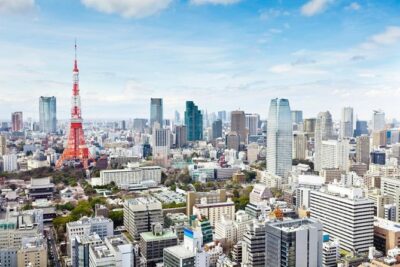 ★ 5.0Tokyo 6hr Private Tour with Government-Licensed GuideFrom $155
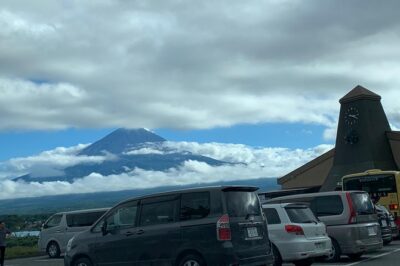 ★ 5.0Private Tour to Mt. Fuji and Hakone (Fully Licenced Operator)From $497
 ★ 5.0Tokyo Customized Private Tour (Must See Places in 1 Day)From $145
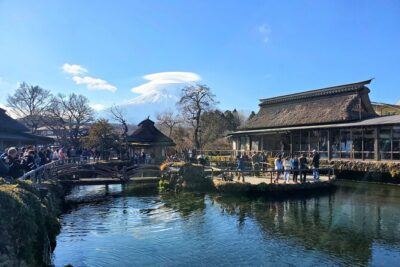 ★ 4.9Mount Fuji Full-Day Private Tour from Tokyo (Customizable)From $393
 ★ 4.8Tokyo: Private City Highlights Tour with Local GuideFrom $1064 - 8 hours
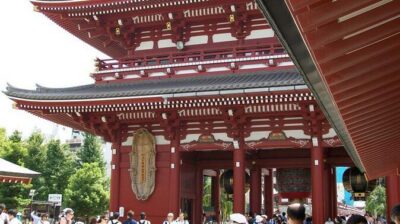 ★ 5.0Private Custom Tour: Tokyo in a DayFrom $159