

Reviewed · PRIVATE
Tokyo Layover 5 Hours Private Tour
Tokyo is too interesting to spend a long Haneda layover staring at an airport departure board. This private tour takes you into the city by car, with stops ranging from the calm gates of Senso-ji Temple to the famous scramble at Shibuya Crossing.
I like the airport-to-airport plan, which removes the worry of finding a train, hauling luggage, or missing your connection. I also like the flexible route: guides such as Tomoya, Aimi, Riley, Babu, and Nao have adjusted plans around food, photos, family needs, delayed arrivals, and changing flight times.
The catch is simple: five hours is not enough to properly see Tokyo. Traffic can eat into sightseeing time, and the listed stops are best treated as a menu of options, not a promise that you will explore every one at length.
In This Review
- Key points to know before booking
- A smart way to leave Haneda for a few hours
- Senso-ji gives you Tokyo’s old face
- Tsukiji is about food, not the old wholesale market
- Ginza and the Imperial Palace show two kinds of Tokyo
- Omotesando and Harajuku bring the modern city into focus
- Meiji Jingu offers a needed quiet pause
- Shibuya Crossing is the quick finale
- The guide makes or breaks a five-hour visit
- Is $641.36 good value for your group?
- How to plan your five hours wisely
- Who should book this Haneda tour?
- Should you book it?
- FAQ
- Where does the Tokyo layover tour start and finish?
- How long does the tour last?
- How many people can join the private tour?
- Is airport pickup offered?
- What is included during the drive?
- Can I cancel for a full refund?
Key points to know before booking
- Haneda pickup and return: You start and finish at Haneda Airport, with your luggage kept in the vehicle during the outing.
- Private vehicle for up to nine people: The fixed $641.36 group price can make sense for a large family or group.
- Your route can change: Choose the sights that matter most to you, or let the guide build a practical plan.
- A broad Tokyo sampler: The possible route includes Asakusa, Tsukiji, Ginza, the Imperial Palace, Harajuku, Meiji Jingu, and Shibuya.
- Small comforts count: Free WiFi, bottled water, snacks, and a comfortable car are useful after a long flight.
- Timing matters most: Customs, airport procedures, traffic, and your onward departure should shape how ambitious your sightseeing plan becomes.
A smart way to leave Haneda for a few hours
A private car is the main reason to consider this experience. Haneda is close to central Tokyo compared with Narita, but Tokyo roads can still be slow, especially around rush hour. You do not have to work out a train route with luggage, transfer between stations, or find your way back to the airport after a tiring afternoon.
The vehicle also gives you a place to leave your bags. That is a practical advantage, since sightseeing with suitcases would make temple visits, market walks, and crowded shopping streets much less pleasant.
Pickup takes place at Haneda Airport, at 3-3-2 Hanedakuko in Ota. The operating hours shown for the experience cover the full day, from midnight to 11:30 p.m., but your actual pickup time must match your flight schedule and the time you have available after arrival procedures.
Communication before pickup is one of the stronger parts of the arrangement. Guides have contacted passengers before arrival or after landing, helped locate them in the airport, and waited through flight delays. If your plane is late, tell the guide as soon as you can. The shorter your available time becomes, the more important it is to cut distant stops.
Other private tours in Tokyo

Senso-ji gives you Tokyo’s old face
Senso-ji in Asakusa is the natural first choice if you want a strong cultural introduction. It is Tokyo’s oldest temple, and the approach gives you the familiar image many people hope to see on a first visit: a traditional Buddhist setting within a huge modern city.
You have about an hour here in the suggested plan, though the exact length can change. This is a good place to slow down, take photos, and ask your guide about the story of the Kannon statue associated with Asakusa. The area feels very different from the glass towers and designer shops later in the route.
The main limitation is crowding. Senso-ji is popular, and a short stop will not allow time to inspect every corner of the temple grounds or explore Asakusa at a relaxed pace. If temples are your top priority, spend more time here and drop one or two shopping stops.
Tsukiji is about food, not the old wholesale market
Tsukiji can be one of the tastiest stops, but you need to know what you are visiting. The main wholesale market moved to Toyosu in 2018. Tsukiji’s outer market remains, with restaurants and small shops selling food and other interesting items.
The suggested stop is 40 minutes. That is enough for a quick look and perhaps a meal or snack, but not a leisurely food crawl. One passenger particularly enjoyed lunch near the market, and that points to the best use of this stop: arrive with an appetite and ask your guide where to eat.
Do not book this tour expecting the old inner market. You are visiting the outer market district, which is still useful for a short taste of Tokyo food culture. If you want a proper market visit, the guide may need to give Tsukiji more time, and another sight will have to go.
Ginza and the Imperial Palace show two kinds of Tokyo
Ginza is the city’s polished shopping and dining district. Its mix of fashion stores, galleries, traditional crafts, restaurants, and modern architecture makes it useful for seeing how old and new Japan sit side by side.
The suggested visit is only 30 minutes, so think of it as a drive and short walk rather than a shopping expedition. Ginza works well for visitors who want city scenery, architecture, and a quick look at Tokyo’s upscale side. It is less useful if you want to buy something specific or sit down for a long meal.
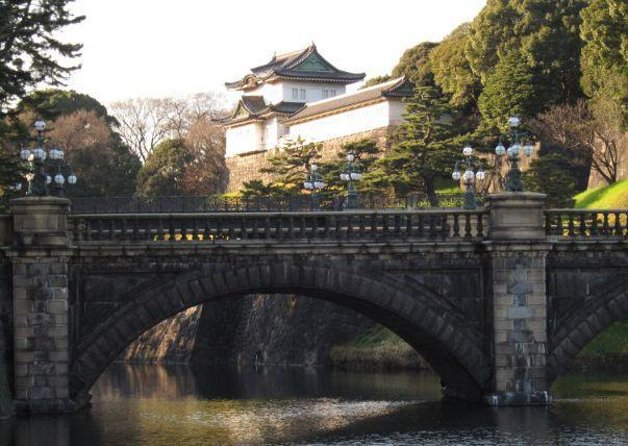
The Imperial Palace offers a quieter counterpoint. The grounds occupy the former castle site of the Tokugawa shoguns, who ruled from 1603 to 1868, and later became associated with the imperial government under Emperor Meiji. A 30-minute stop can give you a look at the setting and exterior areas, though it is not enough for an extended palace visit.
The National Diet building may also appear as a passing sight. Built in 1936, it is one of the few Tokyo buildings to survive the 1945 air raids. Since no separate time is given for this stop, you should view it as part of the drive rather than a full visit.
Omotesando and Harajuku bring the modern city into focus
Omotesando is a good choice if architecture and fashion interest you. The broad avenue is lined with buildings designed by major architects, along with high-end brands and Japanese shops. The suggested 20-minute stop is brief, but the drive itself can be part of the experience.
Takeshita Street in Harajuku shifts the mood. This is the place to see youth fashion, unusual storefronts, and the more playful side of Tokyo style. You get around 30 minutes, enough for a quick walk and some people-watching, but not enough to browse every shop.
I would not try to give both Omotesando and Takeshita Street equal attention if your layover is tight. They are close enough to combine, but Tokyo traffic and pedestrian crowds can still slow you down. Pick one if you also want Senso-ji, Tsukiji, and Shibuya.

Meiji Jingu offers a needed quiet pause
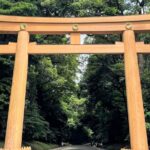
Meiji Jingu is often the most refreshing stop after several urban districts. The shrine has a calmer atmosphere and gives you a break from traffic, signs, and shopping streets. The suggested visit lasts 40 minutes.
You may see a traditional Japanese wedding ceremony on a Saturday or Sunday, though that is not guaranteed. Even without one, the shrine provides a different kind of Tokyo experience than the commercial districts.
The tradeoff is walking time. A shrine visit can take longer than the clock suggests because the approach and grounds require movement on foot. Tell your guide if anyone in your group has difficulty walking or if the schedule is already tight. A rainy-day passenger found the close vehicle access helpful, and that kind of flexibility matters here.
Shibuya Crossing is the quick finale
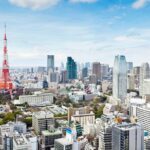
Shibuya Crossing gets only 15 minutes in the suggested schedule, but it can still deliver the classic Tokyo moment. From a good viewing spot, you can watch waves of pedestrians cross in every direction while giant screens and tall buildings frame the scene.
This is a photo stop, not a full Shibuya visit. You will not have time to shop, explore side streets, or settle into the neighborhood. Still, it is a satisfying final glimpse of Tokyo’s energy, especially if this is your first visit.
Ask your guide to help with photos. One guide received a complaint that pictures were taken from behind without asking people to face the camera, so be clear about the kind of group photos you want. Guides have also taken groups to good photo locations, which is especially helpful when you have only a few minutes.
The guide makes or breaks a five-hour visit
The experience uses different guides, and the person assigned to you will shape the day. Named guides connected with particularly strong experiences include Tomoya, Aimi, Riley, Babu, Nao, Ryu, Roberto, Ren, Douglas, Leonardo, Richie, Murphy Lu, and Style.
You cannot assume you will receive a particular guide unless the operator confirms it. What you can reasonably expect is a driver-guide who adjusts the route and explains sights while you travel. Several guides are described as English-speaking, but the supplied information does not promise a specific language for every booking.
The best guide behavior here is not a long lecture at every stop. It is good judgment: knowing when to leave a crowded area, when to skip a distant sight, where a group can get a meal, and how to get back to Haneda on time.
That flexibility has helped groups with very different needs. An 80-year-old and a four-year-old traveled in a group of nine, while another booking involved 15 students and four teachers. A delayed group still managed a shortened visit, and some passengers extended their time when their flights changed.
Is $641.36 good value for your group?
The price is $641.36 per group, for as many as nine people. For one person or a couple, that is expensive. For nine people, it works out to about $71 per person before any optional extension or personal spending.
You are paying for more than a sightseeing car. The price covers a private arrangement, airport pickup and return, luggage storage in the vehicle, WiFi, bottled water, snacks, and the ability to shape the route. The value rises if you would otherwise need several taxis or if your group includes children, older family members, or first-time visitors who do not want to manage Tokyo transport during a short stop.
A public-transport plan would likely cost less, but it would require more planning and walking. You would also carry your luggage and accept the risk of a wrong transfer or a slower return to the airport. For a small group on a strict schedule, the private car is easier to justify than for a solo passenger.
Some passengers extended the tour to seven or eight hours when flight changes allowed it. That suggests flexibility may be possible, but you should confirm any added time and cost rather than count on it.
How to plan your five hours wisely
Start with your priorities. You cannot properly explore all eight suggested areas in five hours, especially once airport pickup, driving, and return time are counted.
For a first visit, I would choose one traditional stop, one food stop, and one modern Tokyo stop. Senso-ji, Tsukiji, and Shibuya make a balanced trio. If you prefer quiet cultural sights, choose Senso-ji, the Imperial Palace area, and Meiji Jingu. For fashion and city architecture, combine Ginza, Omotesando, Takeshita Street, and Shibuya, accepting that each visit will be brief.
Build in a safety margin before your flight. The tour ends back at the Haneda meeting point, but you still need time for airport procedures and your onward departure. Do not plan your final sightseeing stop far across the city if your connection is close.
Tell the guide what matters before leaving the airport. Food, temples, photos, shopping, accessibility needs, and a preference for fewer longer stops are all more useful than trying to check every box.
Who should book this Haneda tour?
I would book it for a group with a long layover, especially families, school groups, older relatives, or anyone who values door-to-door transport. It also suits first-time visitors who want a broad introduction without learning Tokyo’s rail system under pressure.
I would think twice if your layover is barely long enough for customs and airport formalities, or if you want a slow, detailed visit to one neighborhood. The tour is designed for an overview, not a deep neighborhood experience.
The experience has a 4.9 rating from 40 ratings, with 100 percent recommending it. That fits the strongest practical pattern: prompt airport communication, comfortable vehicles, flexible routing, and guides who work hard to protect your limited time.
Should you book it?
Book this tour if your Haneda layover gives you a real cushion and you want to see several famous parts of Tokyo without handling transport yourself. The private vehicle, luggage storage, and return to the airport solve the biggest problems of a short stop.
The best value comes with a full group of family or friends. Keep your plan focused, allow plenty of time to return to Haneda, and treat the suggested sights as choices rather than a checklist. If you do that, five hours can give you a memorable first look at Tokyo instead of an airport waiting-room marathon.
Free cancellation is available up to 24 hours before the start time for a full refund. Changes or cancellations inside that window are not accepted for a refund.
FAQ
Where does the Tokyo layover tour start and finish?
The tour starts at Haneda Airport, 3-3-2 Hanedakuko, Ota, Tokyo. It ends back at the same meeting point.
How long does the tour last?
The scheduled duration is approximately five hours. Some passengers have extended their time when flight changes allowed it, but any extension should be confirmed in advance.
How many people can join the private tour?
The price covers one private group of up to nine people. Only your group participates.
Is airport pickup offered?
Yes. Pickup and drop-off at Haneda Airport are included, and luggage can be stored in the vehicle during the tour.
What is included during the drive?
The vehicle includes free WiFi, bottled water, and snacks. The tour also provides private transportation between the airport and the selected Tokyo sights.
Can I cancel for a full refund?
Yes, if you cancel at least 24 hours before the experience start time. Cancellations or changes made less than 24 hours before the start time are not refunded or accepted.
More Private Tours in Tokyo

More tours in Tokyo we've reviewed



Private, compared.
 ★ 5.0Tokyo 6hr Private Tour with Government-Licensed GuideFrom $155
 ★ 5.0Private Tour to Mt. Fuji and Hakone (Fully Licenced Operator)From $497
 ★ 5.0Tokyo Customized Private Tour (Must See Places in 1 Day)From $145
 ★ 4.9Mount Fuji Full-Day Private Tour from Tokyo (Customizable)From $393
 ★ 4.8Tokyo: Private City Highlights Tour with Local GuideFrom $1064 - 8 hours
 ★ 5.0Private Custom Tour: Tokyo in a DayFrom $159