
Reviewed · SHINJUKU TOURS
Tokyo: Shinjuku, Kawasaki, Slum & Red Light Tour with Pickup
Japan’s polished image gets a sharp reality check on this private tour through Kawasaki slum areas and red-light districts. You’ll leave central Tokyo by Lexus, then walk through parts of Kawasaki and Shinjuku that most sightseeing routes skip.
I like the small private-group format, which gives you room to ask direct questions. I also like the guide’s focus on how these areas formed, rather than simply pointing at rough-looking streets. The main drawback is that the subject matter is serious, and the walking portions may feel brief if you want a long, detailed exploration.
The tour is best for curious adults who want context, not postcard scenery. You should also know that the advertised duration is three hours, while the full pickup, driving, walking, and return can take about four to five hours.
In This Review
- Key points to know before you book
- Why this tour takes you somewhere most Tokyo routes do not
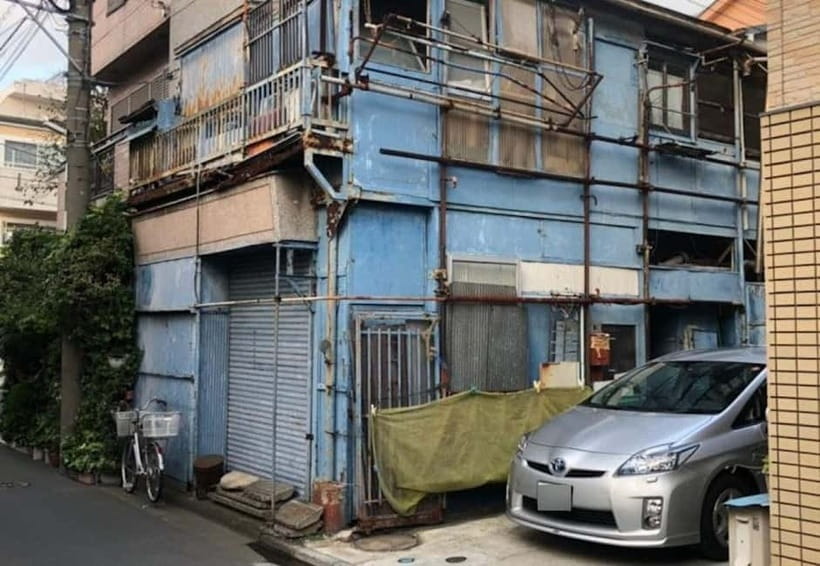
- Kawasaki: one hour in a less-seen side of the city
- Red-light districts: what the guide can explain
- Shinjuku: familiar city, unfamiliar alleys
- A private Lexus changes the shape of the day
- What the $160 price means
- Safety, conduct, and the right mindset
- Who will enjoy this and who should skip it
- Booking details worth keeping in mind
- Should you book this Kawasaki and Shinjuku tour?
- FAQ
- How long does the full activity take?
- Where does pickup take place?
- Which places does the tour visit?
- Is transportation included?
- What languages are available?
- Are food and drinks included?
Key points to know before you book
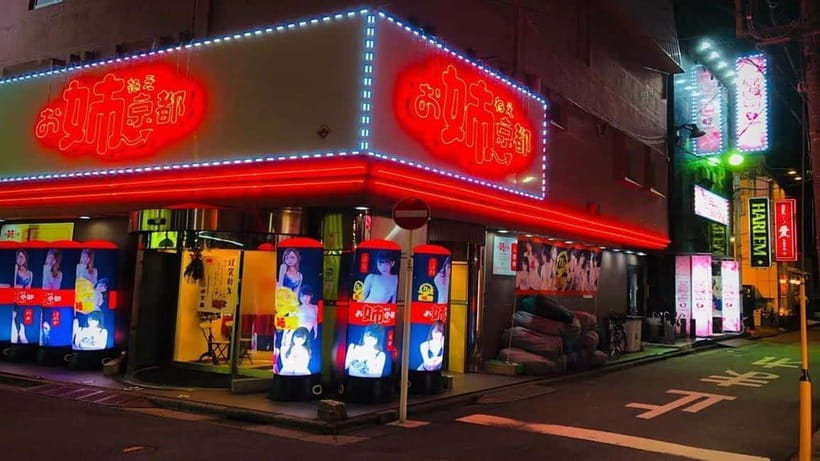
- Kawasaki comes first, with about one hour on foot through lesser-known areas, including a district described as a slum and a red-light area.
- Shinjuku adds a second perspective, taking you through local alleyways and a red-light district beyond the usual neon-photo stops.
- Private Lexus transport makes the long connection between Tokyo, Kawasaki, and Shinjuku far easier than arranging several train rides.
- English and Japanese guiding are available, with local area knowledge and safety guidance built into the experience.
- The pace is compact, with roughly one hour of walking in each main area and the rest spent in the car.
- The tour raises ethical questions, so respectful behavior and careful photography matter in places where people live and work.
Why this tour takes you somewhere most Tokyo routes do not
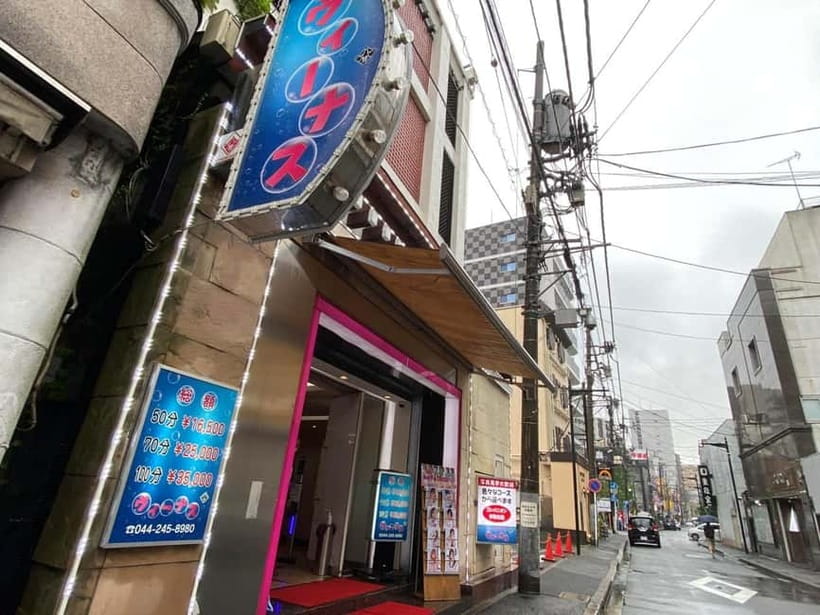
Tokyo tours usually aim for temples, department stores, food markets, and bright city views. This experience chooses another subject: the parts of urban Japan that are less polished and less often explained to outsiders.
The word slum can sound blunt, and you should approach the tour with care. These are not theme-park attractions. They are real neighborhoods and working districts, and some people you pass may not want attention. The value of the outing comes from learning how such areas developed and how they fit into modern Japan, not from treating poverty or nightlife as a spectacle.
That distinction matters. If you want dramatic photos and a string of unusual stops, this may feel restrained. If you want to understand the gap between Japan’s spotless public image and the social problems that exist behind it, the subject is more useful.
The guide is there to explain the setting, point out details you would likely miss, and help you avoid unsafe or awkward situations. The tour description does not name the individual guide, but the service is offered in fluent English and Japanese. You can expect the conversation to be a major part of the experience.
A few more Tokyo tours and experiences worth a look

Kawasaki: one hour in a less-seen side of the city
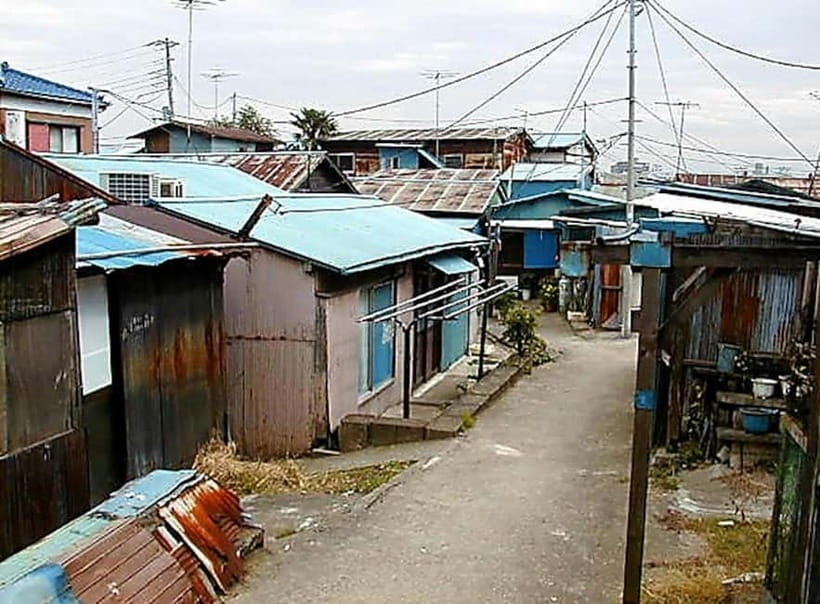
After pickup in Tokyo, you ride to Kawasaki. The drive is important because Kawasaki is not just another stop near the center of Tokyo. It gives the tour a change of setting and lets you compare a large industrial city area with the better-known central districts.
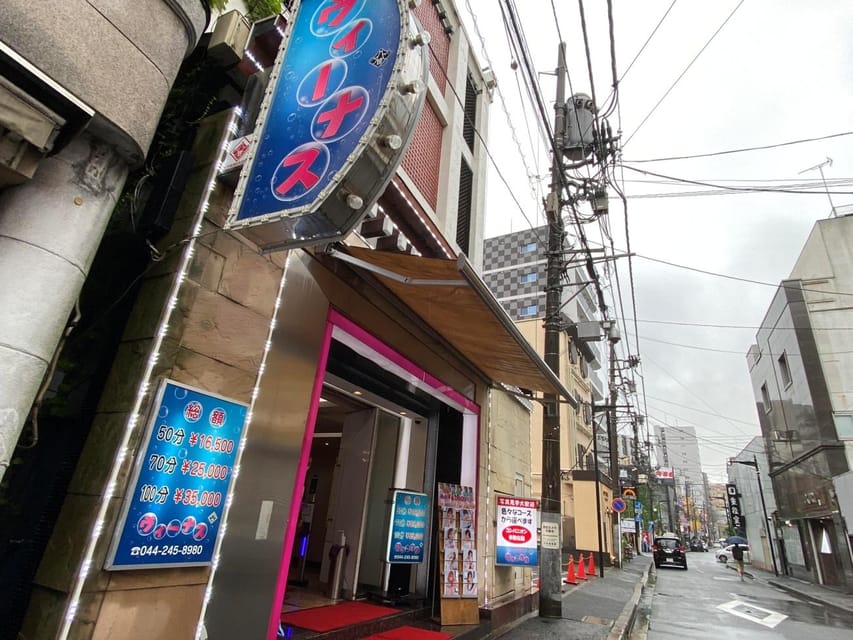
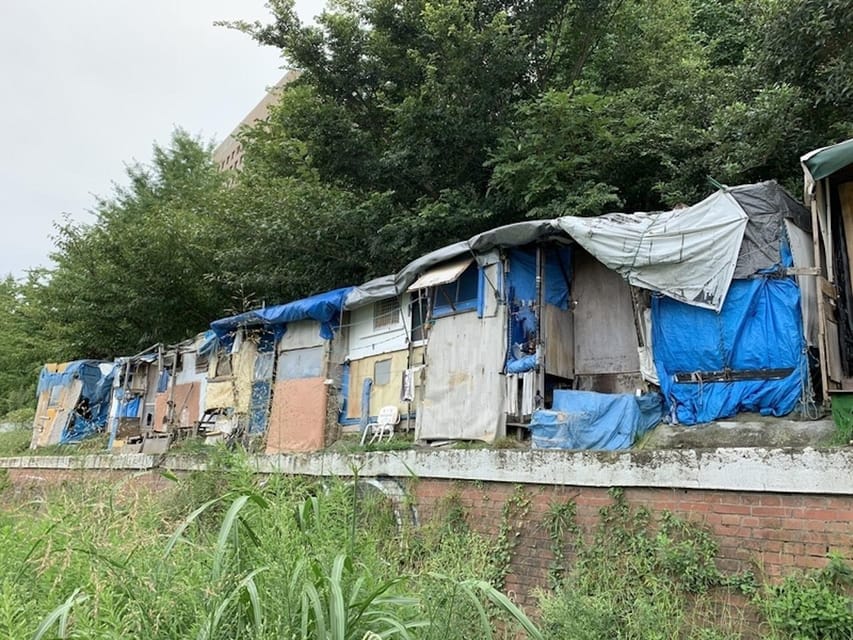
The walking portion here lasts about one hour. You are taken through areas described as lesser-known slums and a red-light district. The guide explains how the neighborhoods came to be and shares small details about the wider area. That historical and social context is likely to be more useful than a quick walk with no explanation.
I would pay close attention to the guide’s comments about how the streets developed. One of the strongest features of the experience is its direct, focused information. You are not being buried under a long lecture, and the supplied feedback specifically praised the way the guide gave small details without excessive talk.
The Kawasaki stop may also challenge your expectations of Japan. The country is famous for clean streets, orderly public spaces, and low crime. Those qualities are real, but they do not erase homelessness, poverty, marginal work, or nightlife districts. Seeing both realities in the same trip gives you a more honest picture.
Still, keep your expectations in check. The walking time is only about an hour, and no specific buildings, museums, food stops, or extended meetings are promised. You may see street scenes and alleys while listening to explanations, rather than taking part in a structured activity at each stop.
Red-light districts: what the guide can explain
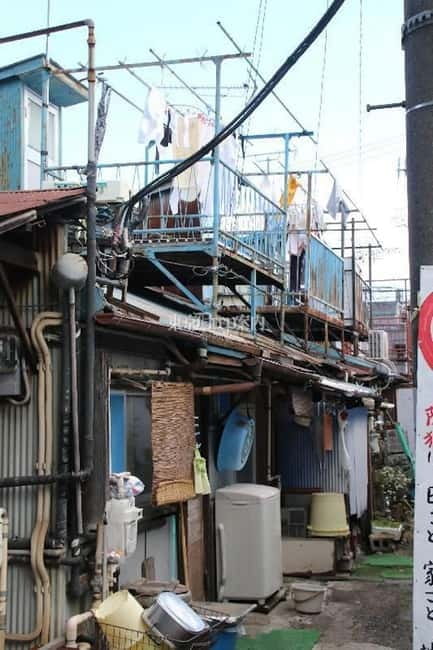
The red-light areas in Kawasaki and Shinjuku are included as places to observe and understand, not as entertainment venues. The tour does not include food, drinks, club entry, or paid adult services.
That makes the guide’s role especially important. Without context, a red-light district can look like a row of signs, narrow lanes, and closed doors. With explanation, you can learn how the area functions and why it occupies a particular part of the city. The supplied information promises local guidance and safety support, but it does not give a detailed list of the businesses or streets you will visit.
You should dress and behave as you would in any residential or working neighborhood. Keep your voice down, do not block entrances, and ask before taking close-up photographs. A private tour does not give you permission to photograph people simply because the setting feels unfamiliar.
This is also a poor match for anyone expecting a sensational night out. The experience is framed as a walking tour about hidden social realities. Its best moments will likely come through conversation and observation, not spectacle.
Shinjuku: familiar city, unfamiliar alleys
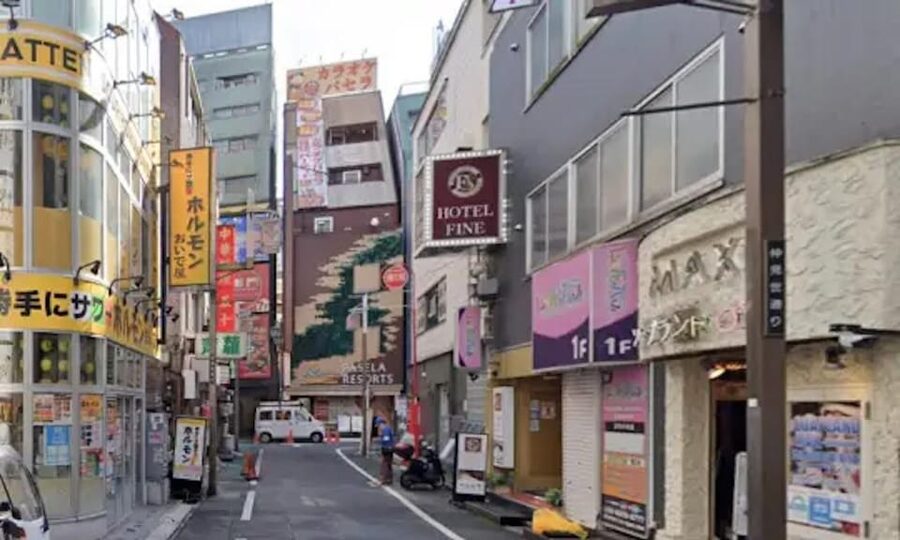
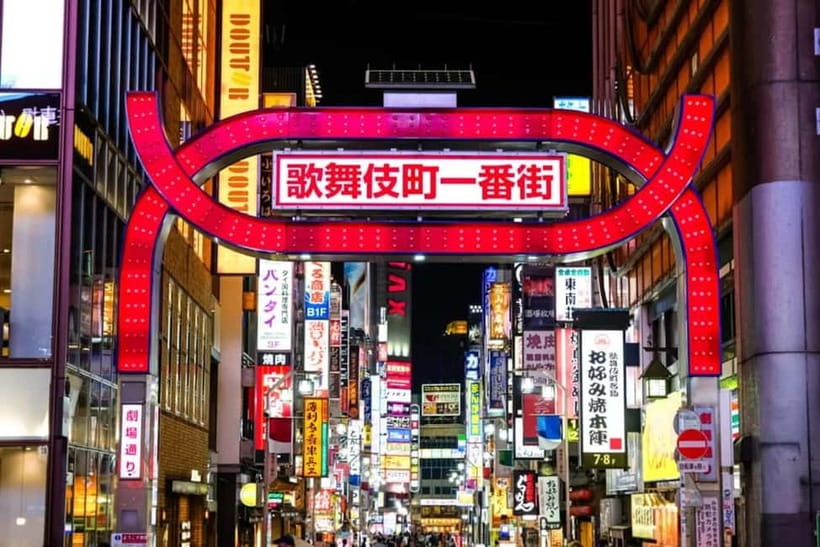
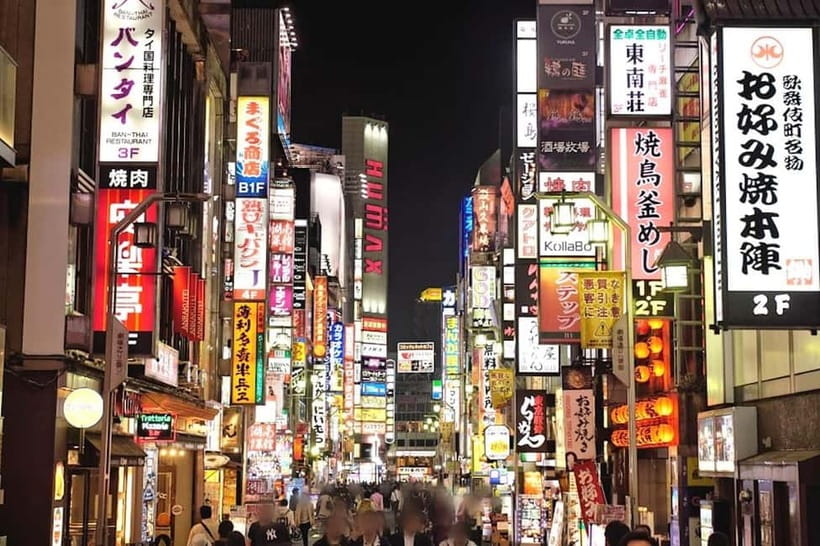
The second walking stop is in Shinjuku, one of Tokyo’s best-known districts. Most people associate it with giant signs, department stores, station crowds, and nightlife. This tour aims at the less familiar lanes and the red-light district that sits beyond the standard sightseeing route.
The Shinjuku walk also lasts about one hour. You will have less time here than on a typical full neighborhood tour, so the guide needs to keep the route moving. That compact schedule can work well if you want a sharp introduction. It may disappoint you if you prefer to stop often, take photographs, or ask extended questions at every corner.
The contrast with Kawasaki is part of the appeal. Kawasaki helps show a different urban setting, while Shinjuku places lesser-known activity inside one of Tokyo’s most famous commercial centers. You can see how a city can contain polished shopping streets, office towers, nightlife, and vulnerable communities within a relatively small area.
The tour does not promise entry into specific venues, and you should not assume that you will be able to explore every alley. The exact route may be adjusted after booking, since the provider says the tour is customized with you. That flexibility is useful, but it also means the final experience may vary by pickup point and the guide’s choices.
A private Lexus changes the shape of the day
Transportation is one of the strongest practical reasons to consider this tour. You are picked up at your desired location, preferably within five kilometers of central Tokyo, and driven to Kawasaki and Shinjuku in a Lexus. The guide then returns you to your preferred Tokyo location.
For a private group, this is much easier than piecing together a route by train. Kawasaki and Shinjuku are not treated as two nearby walking neighborhoods, so the car saves time and keeps the day together. You also avoid repeatedly finding stations, changing trains, and checking directions between unfamiliar areas.
The car is comfortable for a group of up to the size confirmed at booking, though the exact maximum group size is not stated in the supplied information. One included comment specifically praised the comfort of the ride even with four people. That makes the vehicle a useful part of the experience, rather than a minor transfer detail.
There is one timing point to watch. The main description calls the experience three hours, but the additional information says the entire activity may take about four to five hours once pickup, driving, walking, and the return journey are counted. I would keep the rest of your schedule loose, especially if you have a dinner reservation or evening ticket.


What the $160 price means
At $160 per person, this is not a cheap neighborhood stroll. The price makes more sense if you are traveling with friends or family and value private transport, a private group, and door-to-door service.
You are paying for several elements at once:
- A local English or Japanese-speaking guide
- Pickup and return to a preferred Tokyo location
- A private Lexus
- Two guided walks of about one hour each
- Access to areas you might not confidently visit alone
- A custom discussion of the route after booking
There is no food or drink included. You are also not paying for museum admission, a performance, or a meal. The value depends on what you want from Tokyo. If your priority is famous sights, you can spend less on a standard walking tour or use public transport. If your priority is social context and a private route into lesser-known parts of the city, the cost is easier to justify.
The private format is particularly useful if you want to ask sensitive questions without a large group listening. It also lets the guide adjust the discussion to your interests. The tradeoff is that a private tour does not guarantee a longer route or more stops. You still receive a compact three-hour guided program, with the wider time estimate covering transport.
Safety, conduct, and the right mindset
Japan is generally considered safe, but this tour points out that some areas can feel riskier without local support. The guide’s presence should help you understand where to go, how to move through the area, and how to avoid problems.
Safety is not only about crime. It is also about conduct. You are entering places where people live, work, and may have good reason to dislike cameras or groups of curious outsiders. Follow the guide’s instructions, keep your group together, and do not turn private hardship into a photo opportunity.
I would also avoid judging an area too quickly. A worn building, a narrow lane, or a nightlife sign tells you very little by itself. Listen for the social and economic explanation. The experience is strongest when you treat the neighborhoods as part of the city’s real life, not as a forbidden stage set.
The tour’s small size helps here. A private group is less intrusive than a large crowd, and the guide can correct behavior quickly. Still, the responsibility remains with you.
Who will enjoy this and who should skip it
I would recommend this tour to you if you:
- Want to see a side of Japan that standard sightseeing avoids
- Like social history and local explanations
- Prefer private transport to a complicated train route
- Are comfortable discussing poverty, nightlife, and marginal communities
- Want to ask questions in English
- Have already seen Tokyo’s main sights and want a different subject
You may want to skip it if you:
- Prefer temples, gardens, food tastings, or major landmarks
- Want a cheerful, lighthearted afternoon
- Expect entry into nightlife businesses
- Mainly want photography
- Feel uncomfortable walking through areas where residents and workers may not welcome attention
- Need a firmly timed three-hour activity with no chance of a longer transfer
The tone is direct and unsentimental. One short comment called the experience an underbelly tour and praised its boldness, while another described it as eye-opening because Japan’s slums were unexpected. That tells you something about the tour’s appeal: it challenges a very tidy national image.
Booking details worth keeping in mind
Pickup and drop-off are included at your desired Tokyo location, with a preferred range within five kilometers of central Tokyo. The provider contacts you after booking to customize the tour, so give a clear pickup address and mention any timing concerns.
The tour accepts English and Japanese. It is a private-group experience, which means the schedule and conversation are not shared with a large mixed party. Starting times depend on availability.
You can cancel up to 24 hours before the activity for a full refund, and you can reserve now while paying later. Those policies are useful if your Tokyo plans are still shifting, though they do not change the nature of the tour itself.
Should you book this Kawasaki and Shinjuku tour?
Book it if you want a frank look at parts of Tokyo and Kawasaki that are rarely included in ordinary sightseeing. The private Lexus, local guide, and focused explanations give the tour real value, especially for four people sharing the vehicle and for anyone who wants to ask direct questions.
Do not book it expecting a long walking tour, a food experience, or a glamorous nightlife outing. You are paying for access, context, and transport, not entertainment. Go with respect, allow four to five hours for the full outing, and you will get the most from this unusual look at modern Japan.
FAQ
How long does the full activity take?
The guided tour is described as about three hours, with one-hour walks in Kawasaki and one hour in Shinjuku. Including pickup, driving, and return to Tokyo, the full activity may take about four to five hours.
Where does pickup take place?
Pickup and drop-off are available at your desired location in Tokyo. The preferred pickup area is within five kilometers of central Tokyo.
Which places does the tour visit?
The tour visits lesser-known areas of Kawasaki and Shinjuku, including a Kawasaki slum area and red-light districts in Kawasaki and Shinjuku.
Is transportation included?
Yes. The guide picks you up in a Lexus, drives you to Kawasaki and Shinjuku, and returns you to your preferred Tokyo location.
What languages are available?
The live guide is available in English and Japanese.
Are food and drinks included?
No. The tour does not provide food or drinks.
More Shinjuku Tours in Tokyo

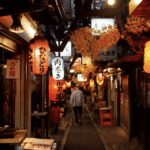

More tours in Tokyo we've reviewed






Shinjuku Tours, compared.
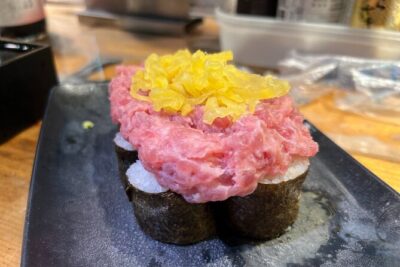 ★ 5.0Tokyo: Shinjuku Food Tour (13 Dishes at 4 Local Eateries)From $86
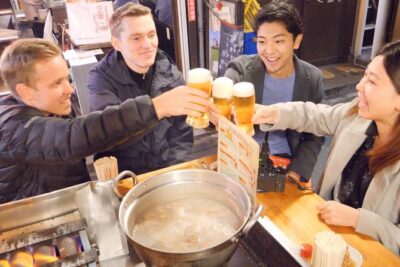 ★ 5.0Tokyo Bar Hopping Tour in Shinjuku (All-You-Can-Drink + Dinner)From $106
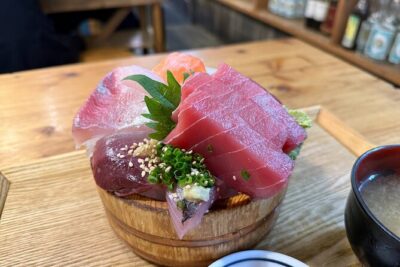 ★ 4.9Tokyo: Shinjuku Food Tour (15 Dishes and 4 Eateries)From $853 hours
 ★ 5.0Best of Shinjuku: Izakaya Food Tour (4 Stops, 14+ Tastings)From $92
 ★ 4.9Tokyo: Shinjuku Local Bar and Izakaya Guided Walking TourFrom $343 hours
 ★ 5.0Tokyo Shinjuku Chopsticks Making ClassFrom $20