
Reviewed · MT FUJI DAY TRIPS
Tokyo: Mt. Fuji, Oshino Hakkai and Gotemba Outlets 1-Day Bus Tour
Mt. Fuji is the star here, but this tour gives you much more than a mountain viewpoint. In one long day, you visit the 5th Station, the Fuji Five Lakes area, Oshino Hakkai’s clear springs, and Gotemba Premium Outlets without arranging several separate trains and buses.
I like the low price, about $56.68, and the useful mix of nature, local culture, food, and shopping. I also like that guides such as Mei, George, and Koji have been praised for keeping the day organized and explaining Japanese history and customs. The main catch is time: 40 minutes at the 5th Station and about an hour at the outlet can feel rushed, especially when traffic cuts into the schedule.
In This Review
- Key points at a glance
- What this Fuji day trip is really like
- Starting from Shinjuku Station
- Mt. Fuji 5th Station in 40 minutes
- Lake Kawaguchi and lunch near Craft Park
- Oshino Hakkai’s eight clear ponds
- Gotemba Premium Outlets in 60 to 90 minutes
- Bilingual guiding and group size
- Is $56.68 good value?
- Practical advice before you book
- Who should book this tour?
- FAQ
- Where does the tour start and finish?
- How long does the tour last?
- Is Mt. Fuji guaranteed to be visible?
- Is lunch included?
- What languages are available?
- How much time is spent at each main stop?
- Can I cancel for a refund?
Key points at a glance
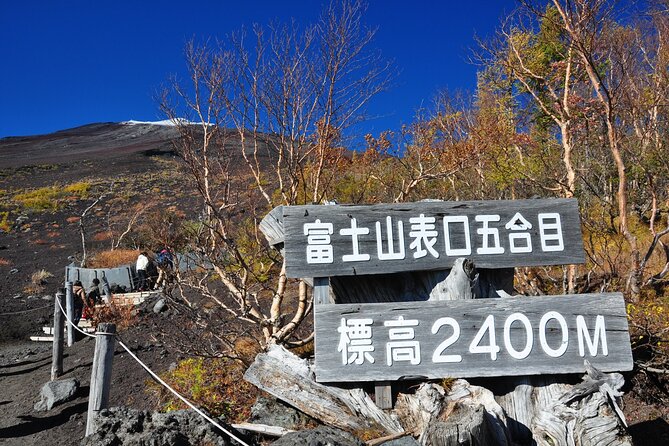
- Mt. Fuji’s 5th Station: The highest point on the route reachable by bus, with shops, food, a monument, and views when the clouds cooperate.
- Lake Kawaguchi area: A good place to see Fuji reflected over water, though the stop includes lunch and may not provide much free time at the lakeshore.
- Oshino Hakkai: Eight spring-fed ponds, traditional village scenery, and some of the prettiest walking time on the day.
- Gotemba Premium Outlets: Hundreds of Japanese and international brands, but 60 to 90 minutes is short for a large shopping center.
- Bilingual guiding: English and Chinese commentary may share the same bus, so the amount of English explanation can vary.
- Simple Tokyo departure: The bus leaves from the Shinjuku Station West Exit area and returns only to Shinjuku.
What this Fuji day trip is really like
This is a sightseeing sweep, not a slow country outing. You spend a good part of the day riding between Tokyo and the Fuji area, then make short visits at several well-known sites. That trade-off makes sense if you have one free day and want to cover ground without dealing with regional transport.
The tour runs about nine to ten hours and uses an air-conditioned vehicle. The group can reach up to 45 people, so expect a shared coach rather than a private guide experience. The guide handles the route and timing, but you will need to stay alert and return to the bus promptly at every stop.
The route is attractive because each stop has a different purpose. The 5th Station gives you high-altitude Fuji access, Kawaguchi offers water views and food, Oshino Hakkai provides a traditional village setting, and Gotemba adds a modern shopping stop. You get variety, but not much time to linger.
A few more Tokyo tours and experiences worth a look

Starting from Shinjuku Station
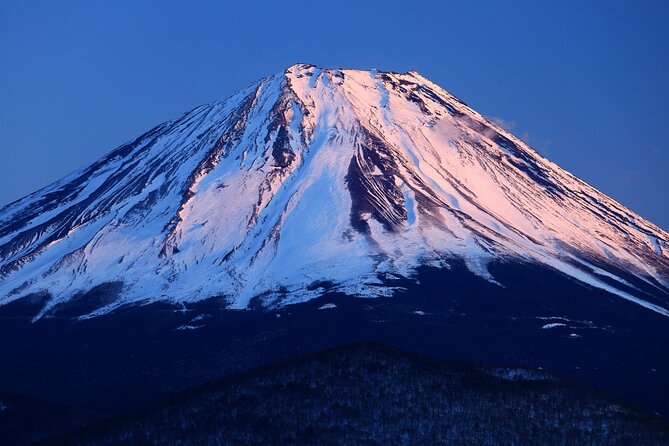
The meeting point is near Shinjuku Station’s West Exit, at 1 Chome-5 Nishishinjuku. You should arrive at least ten minutes early and confirm your name with the guide or staff. The operator warns that buses leave on time and cannot wait for late arrivals.
This matters in Shinjuku, where a large station, underground passages, and several nearby exits can make a simple meeting point less simple than it sounds. Check the product photo and QR code before departure. Do not assume that a different Shinjuku exit, Ueno, or another pickup spot will work.
Hotel pickup and drop-off are not included. At the end of the day, the only drop-off is the Shinjuku Station West Exit area. Plan your evening around that location rather than expecting to return to Ueno or another Tokyo district.
The bus ride can be long, but a good guide makes a real difference. Mei was praised for being punctual and organized, while George was noted for keeping to time and giving useful information. Koji and Yoh also received positive comments for cultural background and practical tips. These individual guides are not guaranteed, but the feedback shows how much the quality of the day depends on who leads it.
Mt. Fuji 5th Station in 40 minutes
At roughly the midpoint of the Yoshida climbing route, Mt. Fuji’s 5th Station is the highest stop on the tour that a bus can normally reach. It is both a gateway for climbers and a sightseeing area for people who simply want to experience Fuji’s upper slopes.
You will have about 40 minutes here. That is enough to walk around the main area, visit a shop, take photos, use the restroom, and perhaps buy a snack or souvenir. It is not enough for a serious walk or a relaxed exploration of the mountain.
The 5th Station has a Fuji monument, observation areas, restaurants, shops, and a seasonal post office known as the Mt. Fuji Gogome Kani Post Office. The post office sells souvenirs and operates only for limited periods, so do not count on it being open during every visit.
Bring a jacket or coat. Even when Tokyo feels warm, the 5th Station can be cold, and the weather changes quickly at elevation. Comfortable shoes also help, though this is not a hiking tour.
The largest risk is visibility. Clouds and fog can cover Fuji completely, particularly during Japan’s rainy season in June. The tour operates in ordinary rain and cancels only in extreme conditions such as typhoons, so you can reach the mountain and still see very little of it. That is not a fault the operator can control, but it is the central uncertainty of any Fuji excursion.
Road closures can also force a change. If the 5th Station cannot be reached, the replacement stop may offer less explanation and feel less satisfying. For that reason, keep your expectations flexible and treat the 5th Station as a chance, not a promise of a perfect postcard view.
Lake Kawaguchi and lunch near Craft Park
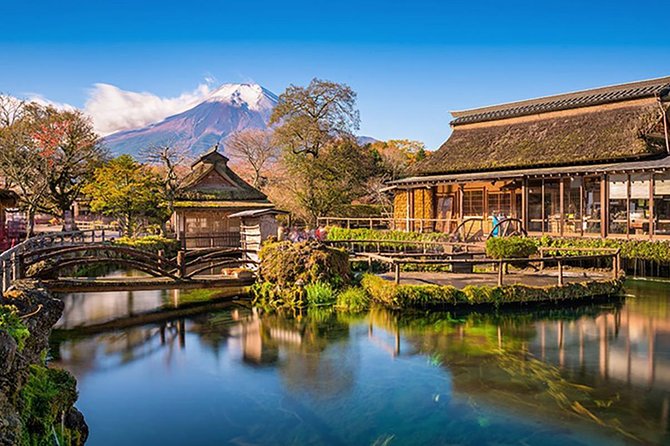
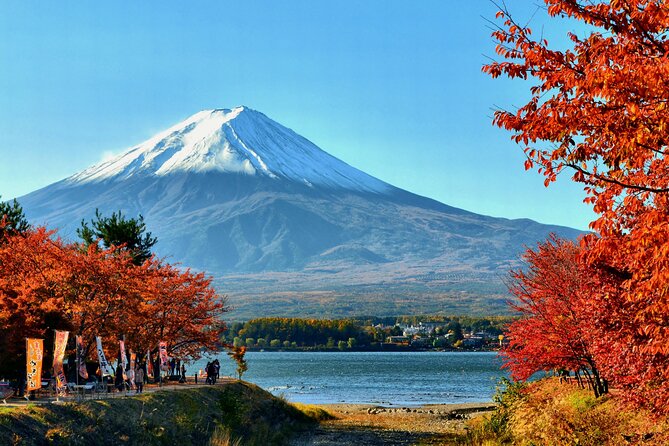
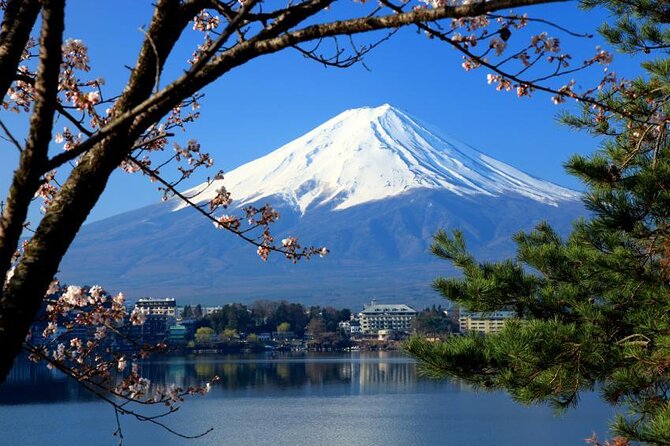
The next section takes you toward Lake Kawaguchi, one of the five lakes around Mt. Fuji. The lake is famous for reflections of the mountain, and on a clear day it can provide a calmer and more attractive view than the crowded 5th Station.
The scheduled stop is at Kawaguchiko Craft Park for about an hour. Lunch is optional and selected when booking. Available choices include regional food, with wine and Japanese menu options described in the tour details. One meal was specifically praised as very good, so choosing lunch may be worthwhile if you prefer a planned meal rather than finding food on your own.
The limitation is that this is not a long lakeside walk. The hour includes the meal arrangement and any instructions needed to keep the group moving. If your main goal is photographing Fuji beside the lake, you may want to confirm exactly how much free time is available at the water.
Several additional Fuji area sights are associated with the route, including a shrine that has served as a traditional starting point for Fuji worship and climbing, and Nino Asama Shrine, an old shrine surrounded by Japanese yew and zelkova trees. These cultural places add useful context to the mountain. However, the precise time spent at any additional viewpoint or shrine can change with traffic, weather, and the group schedule.
Oshino Hakkai’s eight clear ponds
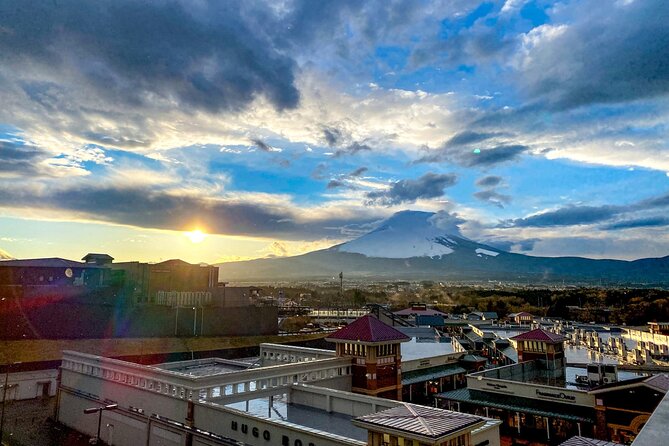
Oshino Hakkai is probably the most rewarding stop if you want a taste of traditional rural Japan rather than another commercial viewpoint. The village is known for eight clear ponds fed by water filtered through Mt. Fuji’s underground rock. The springs are recognized as a Natural Monument and form part of the UNESCO World Heritage area connected with Mt. Fuji.
You have about 50 minutes here. That gives you time to walk between several ponds, photograph the water, browse small shops, and see the village streets. The ponds are the main event, but the setting matters too. Traditional buildings, local food, and quiet corners make this feel different from the more built-up 5th Station.
One pond is near a small garden by the entrance. The garden charges 200 yen, paid by placing the money in a box because there is no reception desk. This is a small detail, but it is useful to know if you want to see the garden and do not find a ticket counter.
Oshino Hakkai rewards a quick, purposeful walk. Do not spend the first half of the stop at the entrance shops. Go straight to the ponds, then return for snacks or souvenirs if time remains. The springs are scenic, but the area can become crowded, and 50 minutes disappears quickly.
A few more Tokyo tours and experiences worth a look



Gotemba Premium Outlets in 60 to 90 minutes
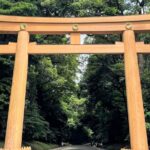
The final major stop is Gotemba Premium Outlets, one of Japan’s largest outlet malls. It has hundreds of stores, with Japanese and international fashion, accessories, and other goods. Holiday discounts can make the stop useful for shoppers, especially if you already know what you want to buy.
The problem is scale. The center is large, and one hour is barely enough to orient yourself, use the restroom, eat something, and visit a few chosen stores. The itinerary information allows about 90 minutes, but traffic or delays may reduce that time. Do not expect a relaxed shopping afternoon.
If shopping is your main reason for booking, this tour may disappoint. If you see the outlet as a bonus after the mountain and springs, it works better. Save your serious shopping list for one or two brands, check the mall map quickly, and avoid wandering without a plan.
The outlet also gives the day a practical ending. After several scenic stops, you can buy food, browse Japanese brands, or simply stretch your legs before the return ride. It is less atmospheric than Oshino Hakkai, but it adds variety and may offer real savings.
Bilingual guiding and group size
The tour includes an English- or Chinese-speaking conductor. Depending on the number of participants, both languages may be used on the same bus. That arrangement can be efficient, but it also means commentary may take longer and the English explanation may be shorter than you expect.
Some guides have been praised for clear English, cultural information, good timing, and an engaging manner. Others have provided only limited English commentary while speaking at greater length in Chinese. If detailed historical explanation in English is a top priority, this is a point to weigh carefully.
You should also expect a group of up to 45 people. A larger group keeps the price down, but it makes strict departure times necessary. The guide may need to count heads, give instructions twice, and move everyone through busy stops. This is not the format for wandering off or stopping for long photographs.
Is $56.68 good value?

At about $56.68 per person, the price is attractive for a full-day trip from Tokyo with round-trip bus transport and several major stops. You would otherwise need to coordinate regional trains, buses, and local connections, while also dealing with the risk of missing the last connection back to Tokyo.
The value is strongest when you want convenience and variety. The bus covers a large area, and the tour combines places that are not naturally linked by a simple local route. Air conditioning helps during a long day on the road, and the guide provides structure.
The value is weaker if you want long visits at any single place. You pay for access to the route, not for extended time at Fuji, the lake, or the outlet. Lunch is optional and not included, and entrance to the small garden at Oshino Hakkai costs 200 yen.
Traffic is another part of the value equation. Weekends, holidays, and bad weather can create delays. In severe traffic, the operator may shorten or omit some attractions without a refund. A clear weekday with good weather gives you the best chance of receiving the full experience.
Practical advice before you book
Choose your date with the weather in mind. Clear winter days can offer excellent Fuji views, while June begins the rainy season and may bring cloud, fog, and rain. No date guarantees a view, but checking the forecast before booking helps you decide how much risk you accept.
Wear layers and bring a coat for the 5th Station. Keep valuables and anything you need during the day with you, since luggage stored in the trunk cannot be reached between stops. One piece of luggage per person is allowed, with a maximum stored size of 155 centimeters when height, width, and depth are added together.
Bring food if you prefer a quick meal. Lunch is optional, and the stops are short enough that a long restaurant wait can cut into sightseeing. The outlet has food options, but you may prefer to use that time for shopping.
Free cancellation is available up to 24 hours before the start time. Changes or cancellations made inside that window are not refunded. The tour also requires at least ten participants, and a cancellation for failing to reach that minimum is normally announced three to four days before departure with a different option or full refund.
Who should book this tour?
I would choose this tour if you have one open day in Tokyo and want to see several Fuji area highlights without planning the transport yourself. It suits first-time visitors, families, shoppers who also want scenery, and anyone comfortable with a brisk schedule.
I would not choose it for a dedicated Fuji photographer, a serious hiker, or someone who wants a quiet day beside Lake Kawaguchi. You may also prefer a smaller or private tour if English commentary is essential and you dislike bilingual group announcements.
For most people, the decision comes down to priorities. Book it for broad coverage, low cost, and simple transport. Skip it if you need guaranteed Fuji views, long time at the mountain, or a full shopping session. The tour gives you a useful first look at the region, but it asks you to accept weather risk, traffic, and short stops in return.
FAQ
Where does the tour start and finish?
It starts near Shinjuku Station’s West Exit area at 1 Chome-5 Nishishinjuku, Shinjuku City. It also ends in the Shinjuku Station West Exit area, which is the only available drop-off location.
How long does the tour last?
The full experience takes approximately nine to ten hours, including the bus journeys between Tokyo and the Fuji area.
Is Mt. Fuji guaranteed to be visible?
No. Visibility depends on weather conditions, and clouds or fog may completely block the mountain. The tour operates in rain and normally cancels only during extreme weather such as typhoons.
Is lunch included?
No. Lunch is optional and must be selected when booking. The meal stop is at Kawaguchiko Craft Park.
What languages are available?
The conductor speaks English or Chinese. Depending on the group, English and Chinese commentary may be provided together on the same bus.
How much time is spent at each main stop?
The 5th Station is scheduled for about 40 minutes, Kawaguchiko Craft Park for one hour, Oshino Hakkai for about 50 minutes, and Gotemba Premium Outlets for approximately one hour and 30 minutes. Traffic and weather can change these times.
Can I cancel for a refund?
You can cancel up to 24 hours before the experience starts for a full refund. Cancellations or changes made less than 24 hours before departure are not accepted for a refund.
More 1-Day Tours in Tokyo
More Mt Fuji Day Trips in Tokyo
More tours in Tokyo we've reviewed






Mt Fuji Day Trips, compared.
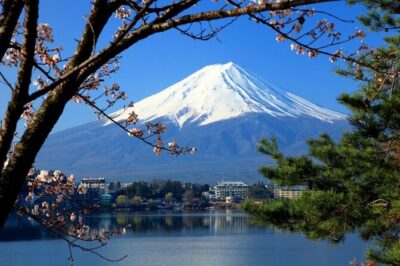 ★ 5.0Mt Fuji and Hakone 1-Day Bus Tour Return by Bullet TrainFrom $163
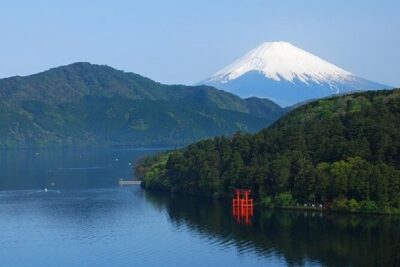 ★ 4.0Mt Fuji & Hakone Cruise, Drum Show Bullet Train 1 Day from TokyoFrom $149
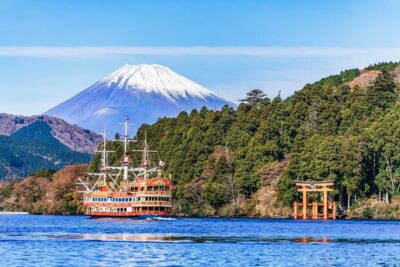 ★ 4.4Tokyo Mt Fuji 5th St & Hakone Cruise Bus Tour w/Bullet TrainFrom $15410 hours
 ★ 4.5From Tokyo: Mount Fuji Full-Day Sightseeing TripFrom $6810 hours
 ★ 4.7Tokyo: Mt. Fuji Tour, Hakone Ropeway, Owakudani, Lake AshiFrom $5410 hours
 ★ 4.4Tokyo:Mt.Fuji,Kawaguchiko Oishi Park,Arakurayama Sengen ParkFrom $5410 hours