
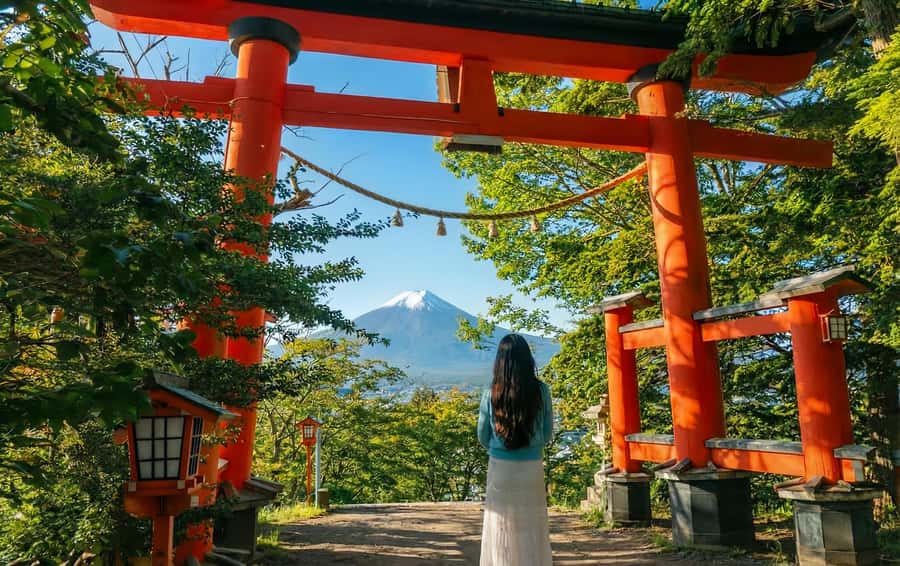
Reviewed · MT FUJI DAY TRIPS
Tokyo: Mount Fuji Day Trip with Scenic & Local Stops
Mount Fuji is the star, but this day trip gives you more than one lookout and a quick photo stop. You move through six very different Fuji viewpoints, from a hilltop pagoda setting to traditional spring ponds, lakeside scenes, and even a familiar Lawson convenience store with the mountain behind it. The route is built for people who want plenty of pictures without arranging complicated transport.
I like the low price of $44, especially since round-trip transport, a bilingual guide, and a spring mochi snack are included. I also like the mix of famous viewpoints and small local stops, including Oshino Hakkai and swan feeding at Lake Yamanaka. The tradeoff is a long, fast-moving day of about 10 hours, and cloudy weather can hide Fuji altogether.
In This Review
- Key points at a glance
- Why this Fuji route works from Tokyo
- Niikurayama Asama Park and the classic Fuji postcard
- Hikawa Clock Shop and a retro town view
- Oshino Hakkai and its clear spring ponds
- Lake Kawaguchi, Fuji’s most flexible viewpoint
- Fuji Lawson and the famous convenience-store frame
- Lake Yamanaka and swans by the water
- Guides, transport, and the pace of the day
- Weather, crowds, and the real Fuji gamble
- Who should book this $44 Fuji day trip
- Should you book it?
- FAQ
- How long does the Mount Fuji day trip last?
- What places does the tour visit?
- Is Mount Fuji guaranteed to be visible?
- What languages are available?
- Are meals included?
- What should I bring?
- Is the tour suitable for wheelchair users?
- Can I cancel for a refund?
Key points at a glance
- Six distinct Fuji views: Photograph Asama Park, Hikawa Clock Shop, Oshino Hakkai, Lake Kawaguchi, Fuji Lawson, and Lake Yamanaka.
- A strong budget option: The $44 price includes transport and guiding, with no required shopping stops or paid extras.
- Seasonal scenery matters: Cherry blossoms, fall leaves, snow, and clear lake reflections can change the look of every stop.
- Photography help is built in: Your guide can explain composition, including the classic clock tower and Fuji framing.
- A full but demanding day: Traffic, crowds, and short visits are possible, especially on weekends and holidays.
- Useful planning warning: Bring comfortable, non-slip shoes, cash, and a camera, and avoid scheduling a same-day flight or Shinkansen.
Why this Fuji route works from Tokyo
Seeing Mount Fuji independently from Tokyo takes planning. You must match train or bus schedules, figure out local connections, and hope the mountain appears during the short windows when you are at each viewpoint. This tour takes care of the transport and links several well-known Fuji-area sights in one day.
The route is particularly useful if you want variety. One stop puts you above the town with a famous pagoda view. Another uses a retro clock shop as a frame. Then you get village ponds, two large lakes, and a playful modern photo stop at Lawson. You are not simply repeating the same mountain view six times.
The $44 cost is the main reason to consider it. Meals and personal expenses are extra, but the basic package includes round-trip transport, an English-Chinese guide, and a Fuji spring mochi snack. There are no mandatory shopping stops or optional extras built into the day, which helps keep the price honest.
The group format can vary. On smaller daily departures, the driver may also serve as the guide. English commentary can be limited, and the driver does not provide commentary while driving. International groups may use more than one language, so do not expect every explanation to be delivered only in English.
A few more Tokyo tours and experiences worth a look
Niikurayama Asama Park and the classic Fuji postcard
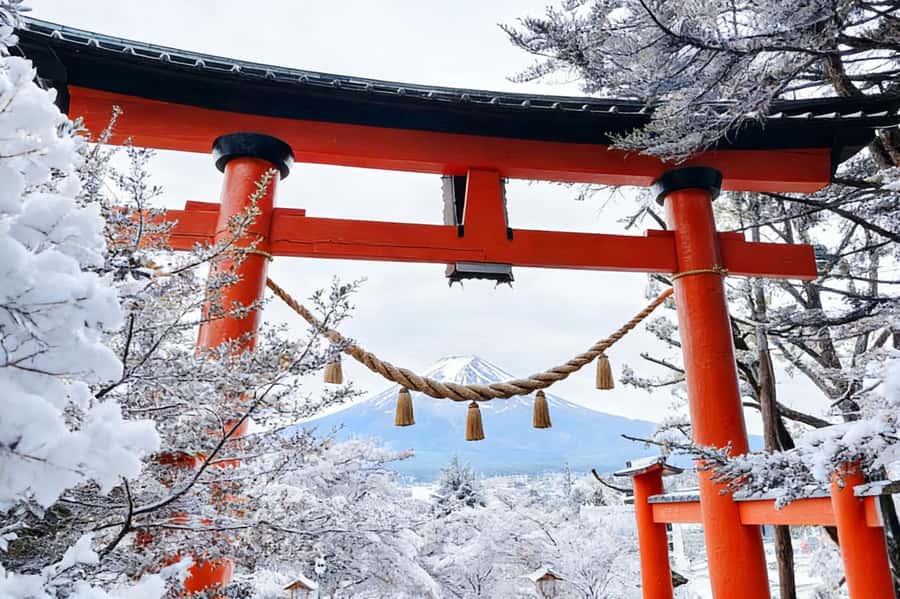
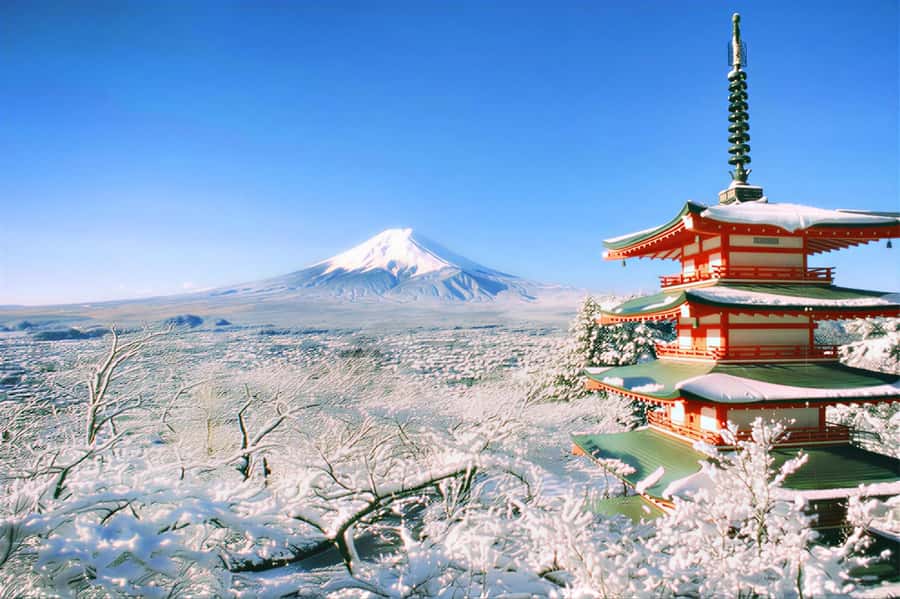
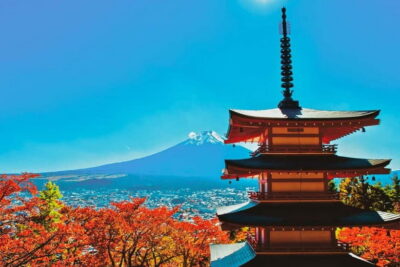
Niikurayama Asama Park is likely to be one of the day’s most important stops for photographers. From the hilltop observatory, you can look across the town toward snow-capped Mount Fuji, with the famous Chureito Pagoda adding a strong foreground subject.
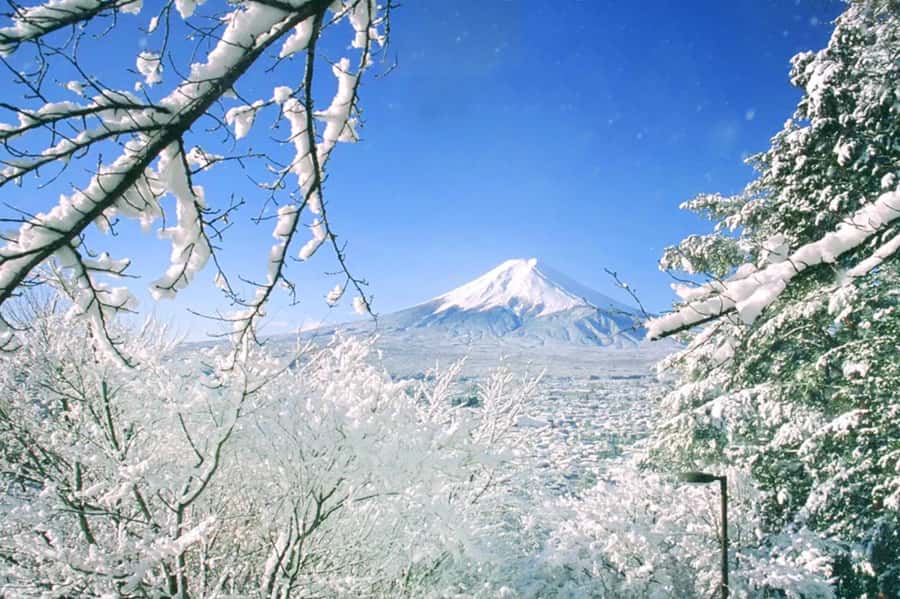
The view changes sharply with the season. Cherry blossoms make spring especially popular, while autumn brings colored leaves. Snow on Fuji gives the cleanest classic image, but clear skies matter more than the calendar. A beautiful season cannot help if clouds cover the summit.
You will need to walk uphill or use mountain paths, so comfortable, non-slip shoes are sensible. The tour specifically recommends a telephoto lens for this stop. A phone can still produce a good image, but a longer lens helps bring the distant mountain and pagoda closer together in the frame.
Your bilingual guide can offer simple composition advice here. That is useful because the scene is famous and crowded with people trying to capture nearly the same picture. A little help with framing, timing, and where to stand can save you from taking a hundred nearly identical shots.
The drawback is time and exertion. This is not a flat roadside viewpoint, and the stop can feel busy in peak seasons. If you have limited mobility, this tour is not a good fit. It is also listed as unsuitable for wheelchair users, pregnant women, and people over 70 years old.
Hikawa Clock Shop and a retro town view
The Hikawa Clock Shop stop gives you a different kind of Fuji photograph. Instead of a pagoda and open hilltop view, the mountain rises at the end of a retro streetscape, with the clock shop and road forming a visual corridor.
This is one of those places where the setting matters as much as the mountain. The older-looking street creates a distinctly Japanese town image, while Fuji gives the background its scale. Your guide can show you how to frame the clock tower and the peak together, which is the signature shot here.
Take care around the road and surrounding streets. The appeal of this stop comes from looking down a working town street, not from entering a purpose-built observation deck. Crowds and traffic can affect how long you have to compose a picture.
I like this stop because it adds a sense of place. You are not only looking at Fuji from a distant platform. You are seeing how the mountain fits into an ordinary town setting, with a local storefront providing the visual anchor.
Oshino Hakkai and its clear spring ponds
Oshino Hakkai changes the pace of the morning. This traditional village is known for natural springs with clear water, and you can stroll among koi-filled ponds and older-style buildings while Fuji country continues around you.
The ponds give you smaller subjects when Fuji is covered by cloud. Look for water, fish, village details, and reflections rather than treating the mountain as the only reason to use your camera. That flexibility matters on a day when weather may change from one stop to the next.
The UNESCO designation adds recognition, but do not expect a quiet, untouched village. This is a popular stop, especially in good weather and during peak seasons. Crowds can gather around the ponds and the best angles, and your visit may be shortened if the route runs behind schedule.
There are no meals included, so Oshino Hakkai may be a sensible place to consider food if you have free time and suitable options are available. The provided details do not specify a meal arrangement, so bring cash and do not rely on lunch being part of the tour.
Lake Kawaguchi, Fuji’s most flexible viewpoint
Lake Kawaguchi is often the photographic centerpiece of the Fuji Five Lakes area. On a clear day, the water can reflect Mount Fuji, giving you a broad, calm composition that feels very different from the tight framing at Asama Park or Hikawa Clock Shop.
This is also a useful weather stop. Even when Fuji is partly hidden, the lake, shoreline, and open space can still make worthwhile pictures. If the mountain appears only briefly, stay ready with your camera rather than packing it away between shots.
A seasonal option may be available here for more dynamic Fuji photographs. The exact activity depends on conditions and timing, so treat it as an extra possibility, not a guaranteed part of the day.
Lake Kawaguchi is popular, and crowds can affect the experience. The tour may need to shorten your stay or adjust the order if traffic builds. That is a fair trade for fitting six stops into one day, but you should not expect a relaxed lakeside afternoon.
A few more Tokyo tours and experiences worth a look



Fuji Lawson and the famous convenience-store frame
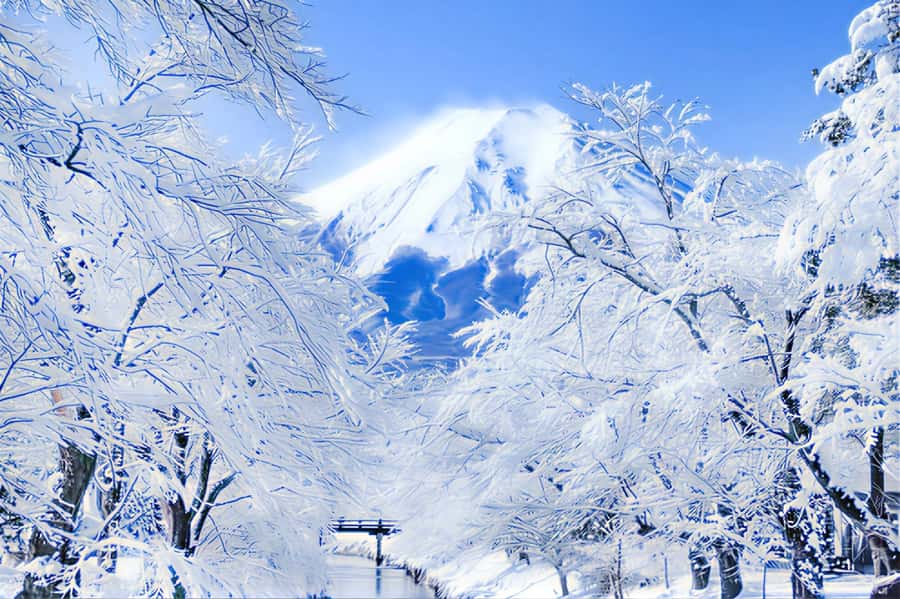
The Fuji Lawson stop is deliberately modern and a little playful. The blue and white Lawson sign, a familiar Japanese convenience-store sight, is paired with Mount Fuji in the background for a photo that has become popular online.
This stop works best if you enjoy mixing polished scenic images with everyday Japanese details. It is not an ancient site or a grand viewpoint. The appeal is the contrast between a normal convenience store and one of the world’s most recognizable mountains.
Your guide can also provide a suggested list of Fuji-limited snacks. That is a small touch, but it gives you something practical to take home or try during your time in the area. Personal purchases are not included, so keep some cash available.
Because this is an active commercial location, follow your guide’s instructions and be mindful of vehicles and other customers. The photo is quick by nature. Do not plan on a long stop here.
Lake Yamanaka and swans by the water
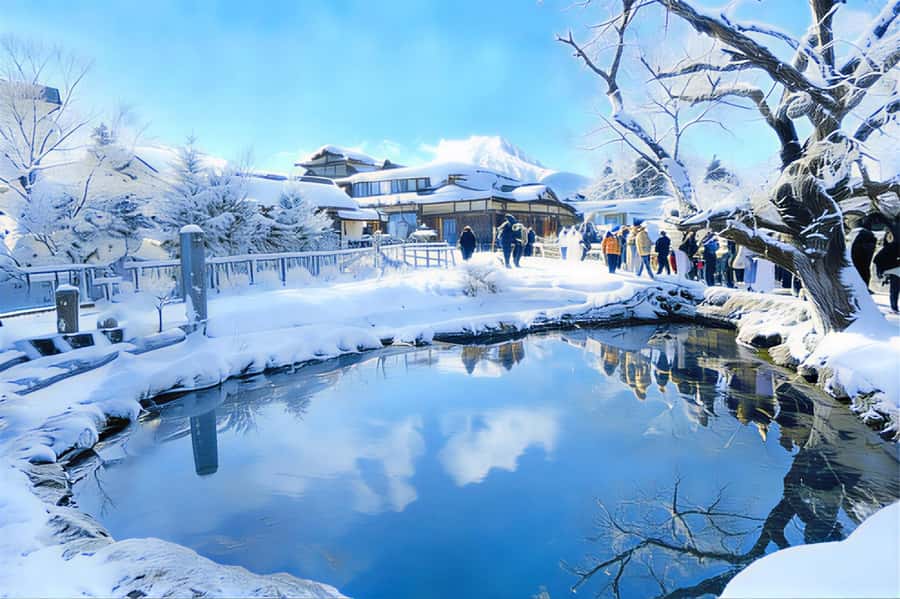
The final stop at Lake Yamanaka offers the gentlest finish. You can feed swans beside the lake and look toward Fuji from a quieter natural setting. This is a good contrast after the busier roads, village paths, and popular photo points earlier in the day.
Swan feeding is suitable for all ages, making this the most family-friendly part of the route. It gives children something direct to do, while adults can work on lakeside pictures or simply enjoy a slower pause.
As always, the mountain depends on weather. If clouds move in, the swans and lake still provide a reason to stop, but the promised Fuji backdrop may not appear. The route is designed around scenic possibilities, not a guarantee of a clear summit.
This stop also shows why the tour is more than a single Fuji overlook. You get a small nature encounter rather than another formal photo platform. For many people, that may be the most relaxed moment of the day.
Guides, transport, and the pace of the day
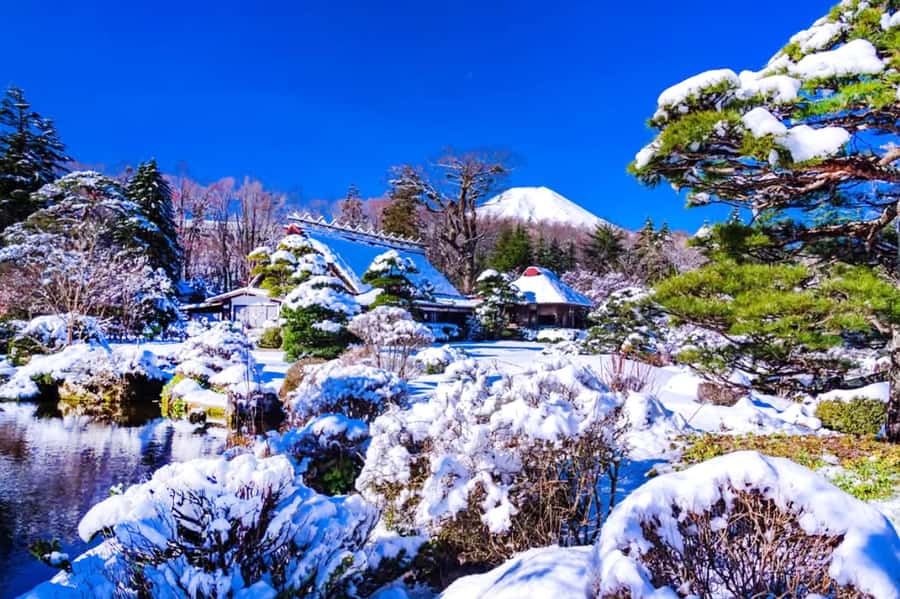
The experience runs for about 10 hours in total. That is a serious day, especially when you add Tokyo pickup, road traffic, walking, and several short sightseeing stops. On the positive side, you cover a lot without changing trains or arranging local transport yourself.
Guide names associated with this service include Yulina, Agnes, WillYU, Yuan, and Tim. The exact guide depends on the departure. The guide role can include cultural background, route management, photography suggestions, and help with practical questions.
The strongest guide feedback centers on warmth, organization, and care. WillYU is noted for Japanese and English ability, while Will, Yuan, Agnes, Tim, and Yulina are all associated with friendly and attentive service. These names should not be treated as a guarantee for your departure, but they suggest the company has several capable staff members.
The vehicles have been described as clean and comfortable, with good seats. That matters on a route where you may spend a large part of the day on the road. Still, traffic around Fuji can be heavy on weekends and holidays, and delays may reduce time at individual stops.
No eating or drinking is allowed in the vehicle, so plan around that rule. Smoking is also not allowed. If you need to bring luggage, tell the operator in advance because extra fees may apply.
Weather, crowds, and the real Fuji gamble
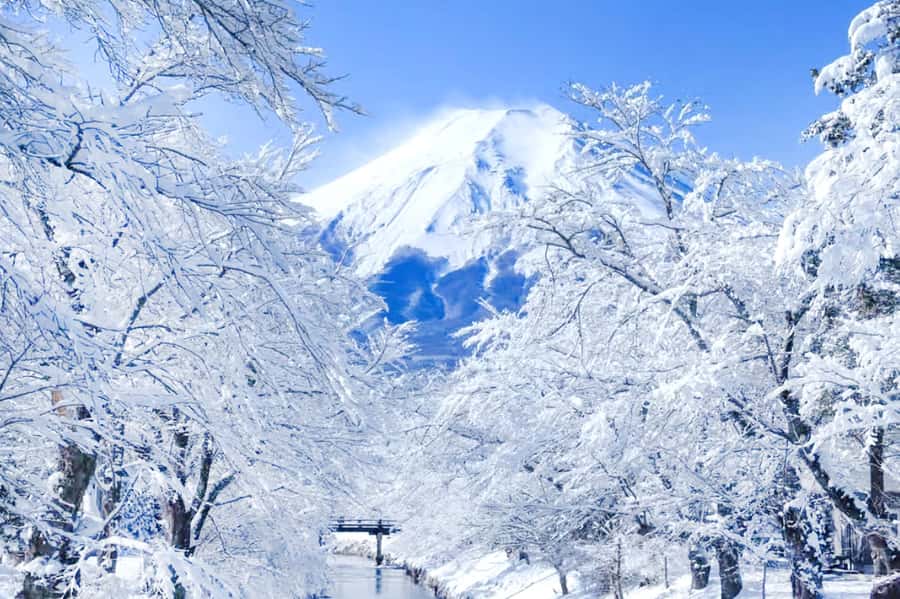
Every Mount Fuji day trip has one unavoidable risk: you may not see Mount Fuji clearly. One account of this route had cloudy conditions for most of the day, with only a brief view at Lake Kawaguchi. That is not a flaw unique to this tour. Fuji often hides behind cloud, even when the forecast looks promising.
The best protection is to value the full route rather than booking only for one perfect mountain photograph. Oshino Hakkai, the lakes, the town streets, swans, and seasonal scenery can still give you a worthwhile day when the summit disappears.
Weekends and holidays bring extra traffic and larger crowds. Some attractions may close early, and weather can force the operator to shift time to other locations. The guide may change the order or shorten stays to keep the day moving.
Do not schedule a same-day flight, Shinkansen, or tight evening appointment after this tour. Traffic and weather are outside the operator’s control, and there are no refunds for disruptions caused by traffic, storms, disasters, or other force majeure events.
Who should book this $44 Fuji day trip
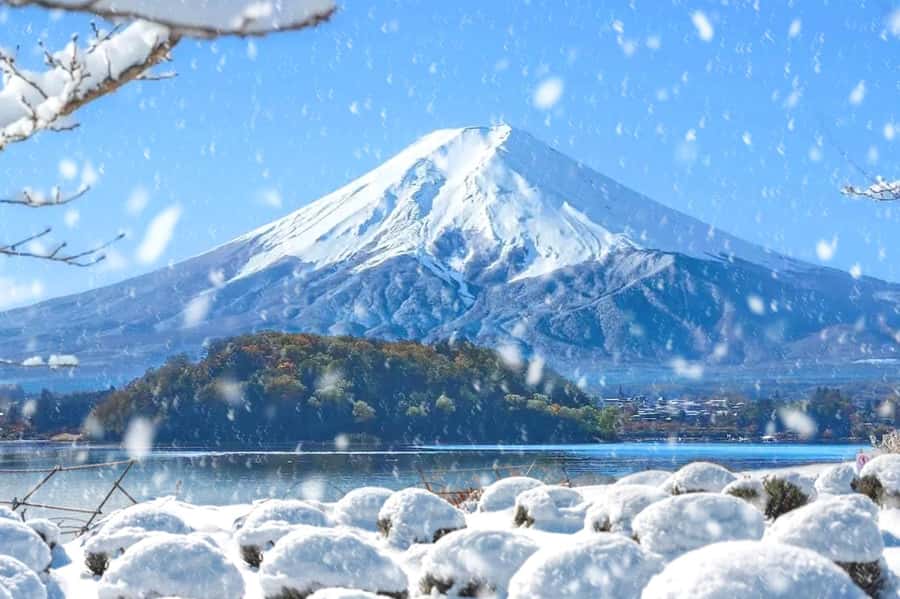
I would recommend this tour to first-time visitors in Tokyo who want a broad introduction to the Mount Fuji area at a low price. It is especially useful if you care about photography but do not want to design your own route.
Families may appreciate the swan feeding and the range of stops, though the full day can be tiring for younger children. It is also a good match for people who enjoy famous social-media photo locations but want some village and nature stops mixed in.
You should think twice if you need a slow pace, have mobility limits, or want a private guide with long explanations at every stop. The small-group format can be efficient, but English commentary may be limited when the driver is also guiding.
Cancellation is available for a full refund up to 24 hours before departure. No refunds apply to no-shows, late arrivals, or personal cancellations. The meeting point can vary by option, so check your booked departure carefully and remember that changes require three days’ notice.
Should you book it?
Book this Mount Fuji day trip if you want maximum variety for $44 and accept a long day, changing conditions, and a quick pace. The six-stop route is the main value: you get iconic photo views, a traditional spring village, two lakes, a modern Japanese photo stop, and swans in one outing.
Skip it if your whole Japan trip depends on one perfect Fuji photograph or if you need a calm, flexible day. For everyone else, this is a practical and unusually broad introduction to the Fuji area. Bring comfortable shoes, cash, a camera, and realistic weather expectations.
FAQ
How long does the Mount Fuji day trip last?
The full trip takes about 10 hours, including transport from Tokyo and visits to the Fuji-area stops.
What places does the tour visit?
The route includes Niikurayama Asama Park, Hikawa Clock Shop, Oshino Hakkai, Lake Kawaguchi, Fuji Lawson Store, and Lake Yamanaka.
Is Mount Fuji guaranteed to be visible?
No. Cloudy weather can hide Mount Fuji, and the itinerary may be adjusted if weather affects facilities or viewpoints.
What languages are available?
The tour provides an English-Chinese guide. On small daily groups, the driver may also be the guide, and English commentary may be limited.
Are meals included?
No. Meals are not included. A Fuji spring mochi snack is included, while other food and personal purchases are extra.
What should I bring?
Bring comfortable shoes, non-slip shoes for mountain paths, a camera, and cash. A telephoto lens is recommended for Niikurayama Asama Park.
Is the tour suitable for wheelchair users?
No. The experience is listed as unsuitable for wheelchair users, people with mobility impairments, pregnant women, and people over 70 years old.
Can I cancel for a refund?
You can cancel up to 24 hours in advance for a full refund. No refunds are available for no-shows, late arrivals, or personal cancellations.
More 1-Day Tours in Tokyo
More Mt Fuji Day Trips in Tokyo
More tours in Tokyo we've reviewed










Mt Fuji Day Trips, compared.
 ★ 5.0Mt Fuji and Hakone 1-Day Bus Tour Return by Bullet TrainFrom $163
 ★ 4.0Mt Fuji & Hakone Cruise, Drum Show Bullet Train 1 Day from TokyoFrom $149
 ★ 4.4Tokyo Mt Fuji 5th St & Hakone Cruise Bus Tour w/Bullet TrainFrom $15410 hours
 ★ 4.5From Tokyo: Mount Fuji Full-Day Sightseeing TripFrom $6810 hours
 ★ 4.7Tokyo: Mt. Fuji Tour, Hakone Ropeway, Owakudani, Lake AshiFrom $5410 hours
 ★ 4.4Tokyo:Mt.Fuji,Kawaguchiko Oishi Park,Arakurayama Sengen ParkFrom $5410 hours