
Reviewed · TOKYO
Tokyo: Learn Traditional Origami with a Local
Tokyo: Learn Traditional Origami with a Local
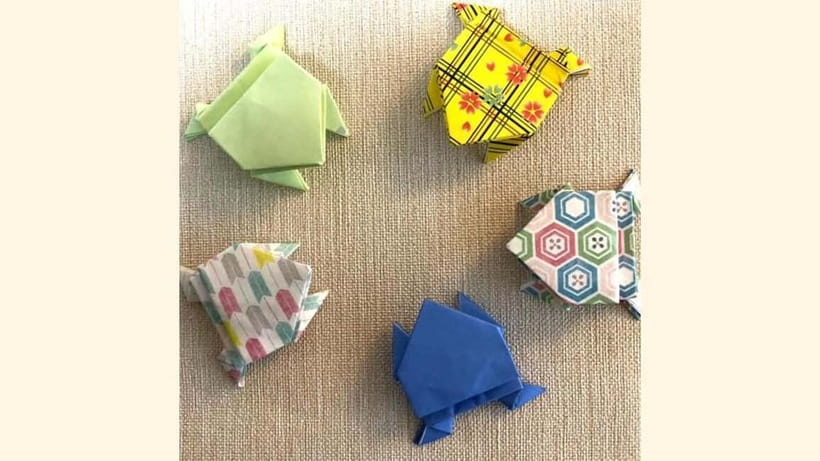
Origami here is more than a paper craft. Manami Watanabe, a Tokyo native from East Tokyo who has practiced since age three, teaches each fold alongside the stories and meanings behind it. You might make a crane, jumping frog, lotus flower, open box, or samurai helmet, depending on the choices offered that day.
I like the patient, personal instruction, especially for families and first-timers. I also like that you choose your own paper and take home three to five finished pieces, rather than watching a demonstration and leaving empty-handed.
The main consideration is level. This class is designed mostly for beginners, so experienced folders may find the patterns too easy. At $58 for 90 minutes, it is not the cheapest craft activity in Tokyo, but the one-on-one help, materials, cultural context, and finished keepsakes give it reasonable value.
In This Review
- Key Points at a Glance
- Folding Japanese Tradition in Central Tokyo
- Manami’s Stories Give Each Shape a Purpose
- Choosing Paper Before You Start Folding
- What the 90 Minutes Feel Like
- First, meet the instructor and see the options
- Next, learn the basic folds
- Then, build the figures one step at a time
- Finally, pack your creations
- Why the Personal Guidance Matters
- Is $58 a Fair Price in Tokyo?
- Finding FEEEP Shinjuku Higashi-guchi
- Who Will Enjoy This Most?
- Booking, Cancellation, and Other Practical Details
- Should You Book the Origami Workshop?
- FAQ
- How long does the origami workshop last?
- How many origami pieces can I make?
- Who teaches the class?
- Is the class suitable for beginners?
- Where does the workshop meet?
- What is included in the price?
Key Points at a Glance

- Manami’s lifelong connection: Your English-speaking instructor has practiced origami since childhood and adds family stories and cultural context to the folding.
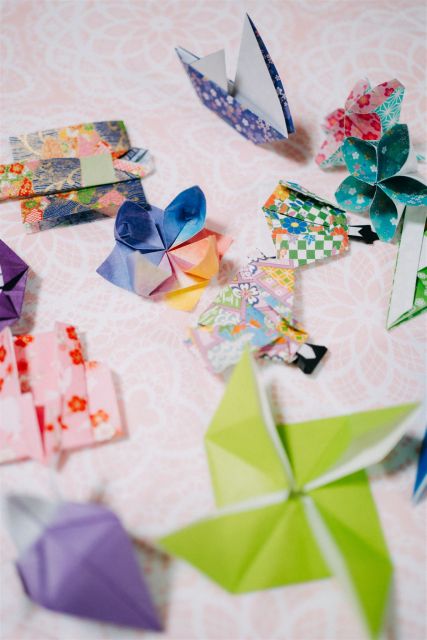
- Three to five finished shapes: You choose several designs from different skill levels, with examples including cranes, frogs, boxes, flowers, balloons, and helmets.
- Beautiful paper choices: Traditional and modern sheets are provided, so the finished pieces feel personal rather than mass-produced.
- Gentle, step-by-step teaching: Manami demonstrates each stage, watches your progress, and helps correct fold lines without taking over.
- A calm break in Shinjuku: The 90-minute session gives you a quiet, hands-on activity in the middle of one of Tokyo’s busiest districts.
- Best for beginners and families: Children age seven and up can take part, while advanced origami artists may want a more demanding class.
Folding Japanese Tradition in Central Tokyo
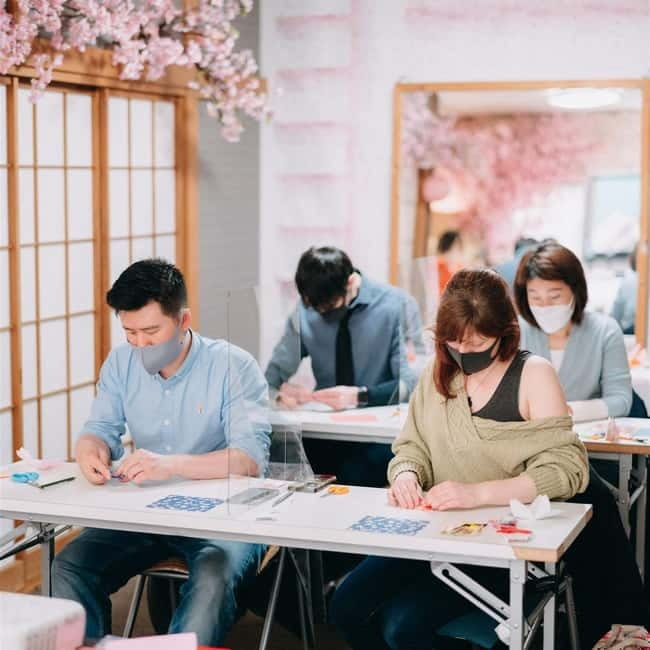
This workshop gives you a useful change of pace from Tokyo’s crowded stations, department stores, and neon streets. For 90 minutes, your attention narrows to a square of paper and the next crease. That simple focus is part of the appeal.
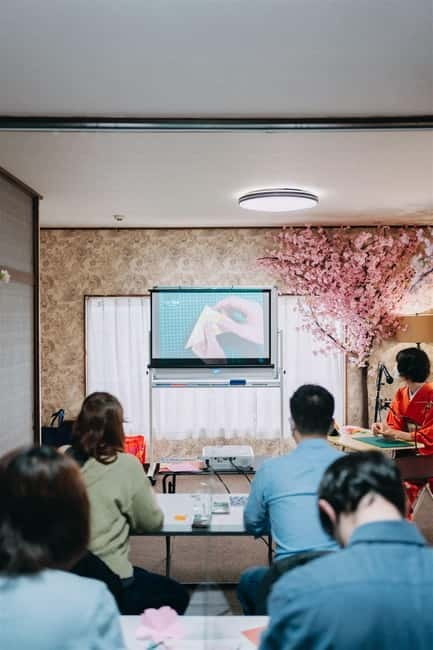
Manami begins by showing several designs and explaining the range of difficulty. You then select the figures that interest you. The format is flexible enough for a couple to choose different shapes, and it works for families or larger groups who want to make something together.
The goal is usually three to five completed figures. That number matters. You have enough time to learn a few basic folding patterns without turning the class into a long technical lesson. A first-timer might choose a balloon, crane, frog, or box. Someone comfortable with paper crafts might try a lotus flower or samurai helmet, though the class is not built for advanced origami.
The activity is conducted in English. Manami explains the sequence, demonstrates the movement, then gives you time to copy it. If you lose track, you can ask for help at any point. This is far easier than trying to follow tiny diagrams in a book, especially when a single reversed fold can change the whole shape.
If you're still narrowing it down, here are other tours in Tokyo we've reviewed.


Manami’s Stories Give Each Shape a Purpose
The strongest part of the class is the cultural explanation. You are not simply learning how to make a paper bird. You hear why the crane matters in Japan and how origami connects with tradition, family, and everyday symbolism.
Manami also shares stories from her childhood and family. That personal angle gives the class a human scale. Instead of receiving a formal lecture on Japanese culture, you hear how the craft has been part of one Tokyo local’s life since she was three.
The stories vary with the shapes you choose. A crane can lead into Japanese cultural meaning. A frog, flower, box, or helmet offers a different way to see how simple paper folds become recognizable objects. One useful lesson is that many figures begin with similar basic folds. Once you understand those patterns, the process feels less mysterious.
I would pay close attention during this part, even if your main aim is to make souvenirs. The finished crane or lotus will mean more when you remember the explanation that came with it.
Choosing Paper Before You Start Folding
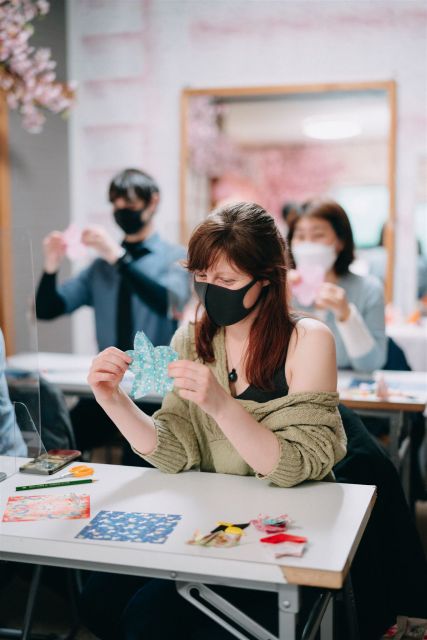
You get a selection of traditional and modern origami paper, including sheets with attractive colors and designs. You choose one for each figure, which lets you match the paper to the shape or simply pick the pattern you like best.
This is a small detail, but it improves the activity. Your finished pieces become personal mementos rather than practice sheets. A family can choose different papers for each person, and a couple can make matching or contrasting versions of the same design.
The supplies also include scissors and pens. These are useful for designs that need a cut or a small drawn detail. Small bags are provided so you can carry your work back to your hotel without crushing it in a day bag.
Water and snacks are included. Past descriptions of the session have also mentioned a cafe setting and a drink, but the current meeting information identifies FEEEP Shinjuku Higashi-guchi as the venue. If the setting or drink matters to you, confirm the arrangement before booking.
What the 90 Minutes Feel Like
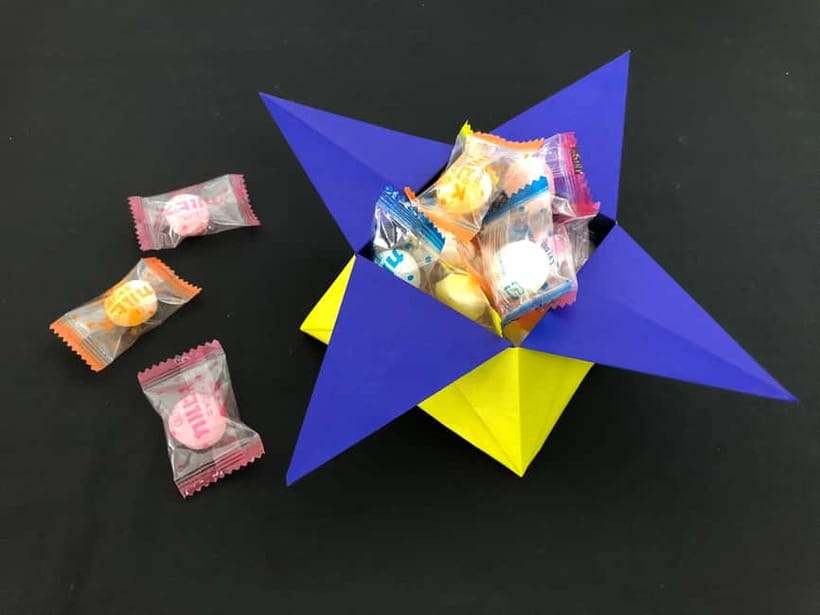
The session moves through a clear series of steps, though the exact shapes depend on your choices.
First, meet the instructor and see the options
Manami introduces the available designs and shows the level of difficulty. This is your chance to say if you want an easy start or a slightly more challenging figure.
Do not feel pressure to choose the hardest design. Completing three neat pieces is more satisfying than rushing through five and leaving with badly flattened creases. Families may want each person to select a different figure, while a solo participant can try several styles.






Next, learn the basic folds
Manami demonstrates each fold slowly. You copy the movement, flatten the crease, and wait for the next instruction. She is described as especially patient and encouraging, with a gentle approach when helping improve fold lines.
That matters for children and anyone who finds craft instructions frustrating. An eight-year-old in one family group received extra help to keep up with the sequence, while adults with only a little previous experience were also able to complete several pieces.
Then, build the figures one step at a time
A crane, jumping frog, open box, lotus flower, or samurai helmet can take different kinds of concentration. Some rely on careful symmetry. Others become recognizable only near the end, which makes the final step rewarding.
You can ask questions as you go. Manami does not expect everyone to fold at the same speed, so you should not worry if your paper looks different from hers halfway through. The point is to understand the movement and finish the object yourself.
Finally, pack your creations
At the end, you can take photos with your finished pieces and pack them in the small bags provided. These are easy souvenirs to carry home and display later. One former participant returned with a crane, frog, box, and lotus flower that had a place on a bookcase, which is a good reminder that these objects can keep the memory of Tokyo alive long after the trip.
Why the Personal Guidance Matters
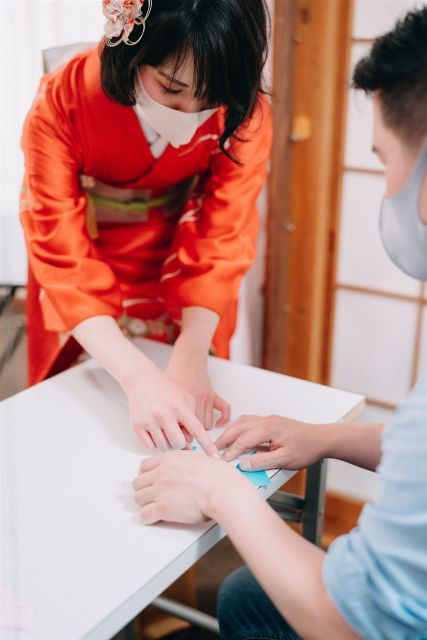
Origami looks simple until you try to follow a diagram. A printed arrow cannot always show how firmly to crease the paper, which flap should sit underneath, or how to recover from a fold made in the wrong direction.
A live instructor solves those problems quickly. Manami can watch your hands, repeat a movement, and correct the paper before a small error ruins the shape. She also helps without grabbing the work away from you. That balance is important because you want to learn the skill, not watch someone else finish your piece.
The session can also work well for mixed-age groups. Adults can choose their own level while children receive more direct assistance. The experience is listed as wheelchair accessible, but families with children under seven, elderly participants, or anyone needing special care should contact the instructor in advance because the venue may need to change.
Is $58 a Fair Price in Tokyo?
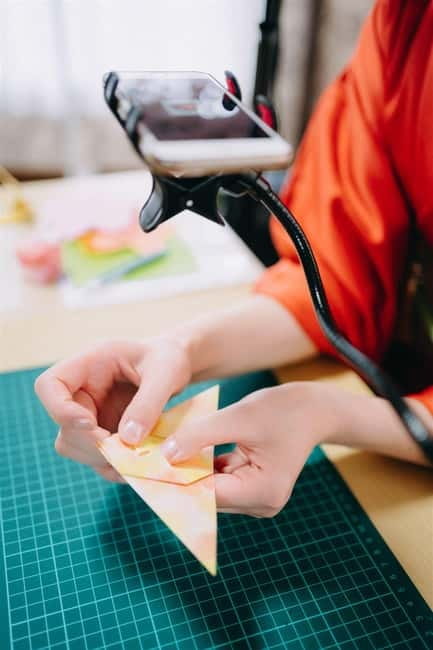
At $58 per person, this is a paid workshop rather than a casual free activity. You should judge the cost against what is included: 90 minutes of English instruction, origami paper, scissors, pens, bags for your creations, water, snacks, and cultural explanations from a lifelong practitioner.
The value is strongest if you want structured teaching. You could buy paper and follow a video for much less, but that would not give you immediate help or the stories behind the figures. The price also makes more sense for a family or couple looking for a shared activity that produces something tangible.
The value is weaker for an experienced origami artist. The available designs are aimed mainly at beginners, and the instructor cannot customize the selection on site. If you already fold advanced models, look for a specialist class with a higher difficulty range.
One participant felt the class was a little expensive but still recommended it for learning a few Japanese creatures. That is a fair way to view the cost: you are paying for instruction and a cultural encounter, not just paper.
Finding FEEEP Shinjuku Higashi-guchi
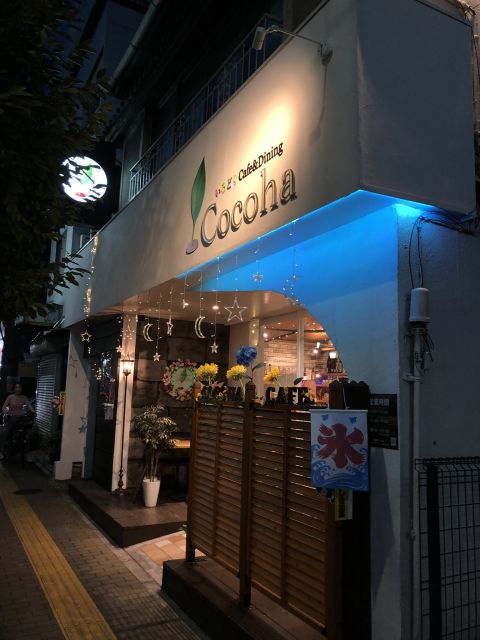
The stated meeting point is FEEEP Shinjuku Higashi-guchi, at Shinseido Building 5F, Shinjuku 3-29-11, Shinjuku-ku. The closest station is Shinjuku-sanchome, served by metro lines M09, F13, and S02. You can also walk from the east gate of JR Shinjuku Station.
The building houses a shared workspace divided into meeting booths. The entrance is locked, so message Manami after reaching the fifth floor. This is an important practical step. Do not assume you can simply walk in and wait at a reception desk.
Allow extra time to find the building, particularly if you are coming through Shinjuku Station. One family arrived late after getting lost, and Manami waited for them. That is reassuring, but it is still better to arrive early because a delayed start can reduce your folding time.
There is no train-station pickup. You handle the route yourself, but the station access is straightforward once you know which exit to use.
Who Will Enjoy This Most?
I would recommend the class to solo visitors who want conversation and a quiet break from sightseeing. A one-to-one session has been possible, and four finished pieces can fit comfortably into the 90-minute format.
It also suits couples. You can make the same design in different papers or choose entirely different figures, then compare the results. The class gives you something to do together without requiring athletic ability or advanced language skills.
Families with children seven and older are another strong match. The step-by-step approach is easier for children than written instructions, and Manami’s patient help can keep a younger folder from becoming discouraged. Groups of four adults and an eight-year-old have completed three pieces during a session.
The class may be less suitable if you want serious technical training. The designs are beginner-focused, customization is not available on site, and the session emphasizes cultural stories as much as folding skill.
Booking, Cancellation, and Other Practical Details
The activity lasts 90 minutes, with starting times available according to the date you choose. You can reserve now and pay later, which helps if your Tokyo plans are still shifting.
Cancellation is free up to 24 hours in advance for a full refund. Alcohol and drugs are not allowed.
The class is in English and is listed as wheelchair accessible. Contact Manami before booking if anyone in your group is under seven, elderly, or needs special care, since the venue may need to change for those participants.
Should You Book the Origami Workshop?
Book it if you want a personal, low-pressure introduction to Japanese origami and like the idea of taking home several handmade pieces. Manami’s patience, clear demonstrations, and childhood connection to the craft are the main reasons this class works so well for beginners.
I would choose it for a family afternoon, a rainy-day plan, or a solo break between Shinjuku sights. I would skip it if you are already highly skilled and want complex models, or if $58 feels too high for a 90-minute craft session.
For most first-timers, the combination of paper, stories, patient help, and finished souvenirs makes this a worthwhile Tokyo memory.
FAQ
How long does the origami workshop last?
The session lasts 90 minutes.
How many origami pieces can I make?
You can expect to make three to five shapes during the session, depending on your choices and pace.
Who teaches the class?
The instructor is Manami Watanabe, a Tokyo native from East Tokyo who has practiced origami since she was three years old.
Is the class suitable for beginners?
Yes. The class is designed mainly for beginners, with step-by-step instruction and help available throughout the session.
Where does the workshop meet?
The stated meeting point is FEEEP Shinjuku Higashi-guchi, Shinseido Building 5F, Shinjuku 3-29-11, Shinjuku-ku, Tokyo. The nearest station is Shinjuku-sanchome, and the venue can also be reached from the east gate of JR Shinjuku Station.
What is included in the price?
The price includes origami paper, scissors, pens, small bags for carrying your finished pieces, water, and snacks. Station pickup is not included.
More tours in Tokyo we've reviewed








Tokyo, compared.
 ★ 5.0Mt Fuji and Hakone 1-Day Bus Tour Return by Bullet TrainFrom $163
 ★ 5.01-Day Tokyo Bus TourFrom $129
 ★ 4.6Tokyo: teamLab Planets TOKYO Digital Art Museum Entry TicketFrom $251 day
 ★ 4.0Mt Fuji & Hakone Cruise, Drum Show Bullet Train 1 Day from TokyoFrom $149
 ★ 5.0Tokyo: Shinjuku Food Tour (13 Dishes at 4 Local Eateries)From $86
 ★ 4.4Tokyo Mt Fuji 5th St & Hakone Cruise Bus Tour w/Bullet TrainFrom $15410 hours