
Reviewed · TEMPLES & MEDITATION
Tokyo: Gotokuji Culture Walk & Lucky Cat Temple Experience
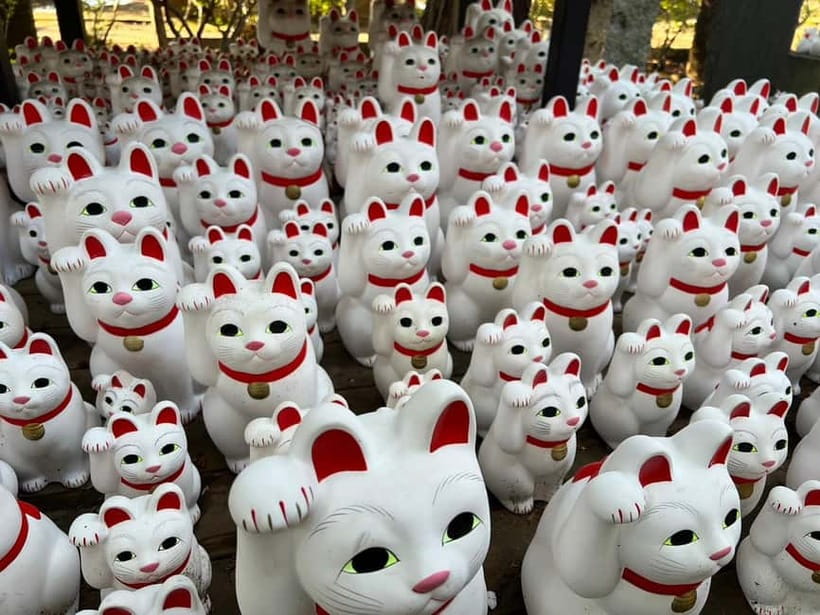
Gotokuji Temple is one of Tokyo’s most charming stops for anyone curious about maneki-neko, the raised-paw cats seen in shops and homes across Japan. This 90-minute walk takes you to the temple linked to their origin, where hundreds of cat figures gather in a sight that is both playful and deeply tied to Japanese custom.
I like the small group of four and the mix of guided explanation, temple time, an incense experience, and a cat-shaped sweet. The main consideration is that the tour is brief, so you get a focused introduction rather than a long temple visit or a broad tour of the Gotokuji neighborhood.
In This Review
- Key points to know before booking
- Why Gotokuji’s lucky cats make this tour special
- Starting at Gotokuji Station
- The first 15 minutes: getting your cat photographs
- The 25-minute guided temple explanation
- Fifty minutes to look around Gotokuji
- The incense experience and cat-shaped sweet
- Is $47 a fair price?
- Who will enjoy this 90-minute walk?
- What the high ratings tell you
- Practical details that matter
- Should you book the Gotokuji lucky cat tour?
- FAQ
- Where does the tour meet?
- How long does the Gotokuji tour last?
- What language is the tour conducted in?
- How many people can join the tour?
- What is included in the price?
- Does the tour visit Gotokuji Temple?
- Can I cancel for a full refund?
Key points to know before booking
- See the temple associated with maneki-neko: Gotokuji is presented as the origin of Japan’s beckoning cat tradition.
- Meet at Gotokuji Station: The meeting point is in front of the 7-Eleven on the Odakyu Line side of the station.
- Learn through a live English guide: The 25-minute guided portion gives the symbols and customs more meaning.
- Enjoy two small cultural extras: The tour includes an incense experience and a cat-shaped sweet.
- Expect a quiet, personal format: The group is limited to four participants.
- Allow 90 minutes: The schedule includes a photo stop, guided temple time, a longer temple visit, and a return to the station.
Why Gotokuji’s lucky cats make this tour special
You may already know the familiar Japanese cat with one paw raised beside a cash register or doorway. That figure is the maneki-neko, often translated as beckoning cat. In Japan, people decorate with these cats to invite prosperity, family safety, and good luck.
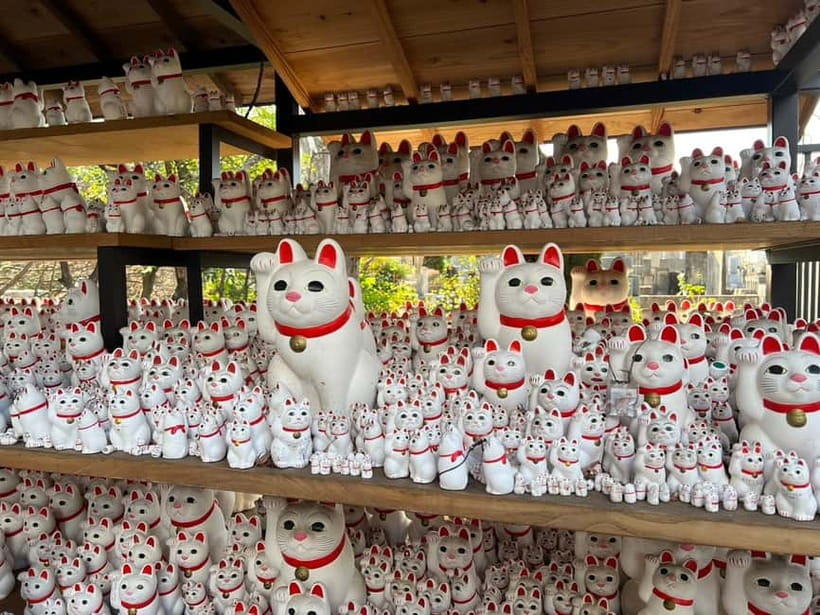
At Gotokuji Temple, the story becomes more than a souvenir theme. The temple is identified as the origin of the beckoning cat, and entering the grounds brings you face to face with a large collection of cat figures. That gives the tour a clear purpose: you are not simply stopping for a cute photograph. You are learning why this symbol has lasted in Japanese life.
I like that the subject is easy to understand but still opens a door into local culture. You do not need specialist knowledge of Buddhism, Japanese art, or religious history to enjoy it. The cat figures provide an immediate visual hook, while the guide explains the meaning behind what you are seeing.
The scene also has a useful contrast. Maneki-neko are now common commercial symbols, but Gotokuji connects them to a temple setting and a longer tradition. That makes the visit more thoughtful than a quick shop display.
A few more Tokyo tours and experiences worth a look


Starting at Gotokuji Station
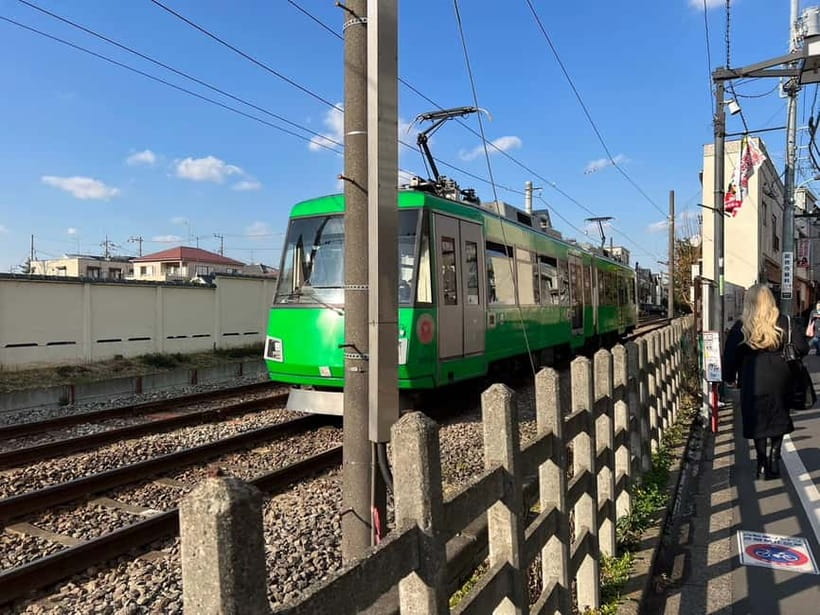
The meeting point is in front of the 7-Eleven at Gotokuji Station on the Odakyu Line. This is a practical start because you can identify a convenience store more easily than a small street corner or an unmarked entrance.
Give yourself enough time to find the correct station exit and meeting point. The supplied information does not give a recommended arrival time, so the safest approach is to arrive early and wait in front of the specified store. A small group of no more than four people can be harder to spot than a large tour group, so keep an eye out for the guide.
The tour returns to Gotokuji Station at the end. That makes the outing easy to fit into a Tokyo day, especially if you want a short cultural stop rather than a half-day commitment.
The guide speaks English, and the format is live rather than self-guided. That matters here because the cats themselves are visually obvious, but their cultural meaning is less so. A guide can help you notice why the figures matter and give structure to the temple visit.
The first 15 minutes: getting your cat photographs
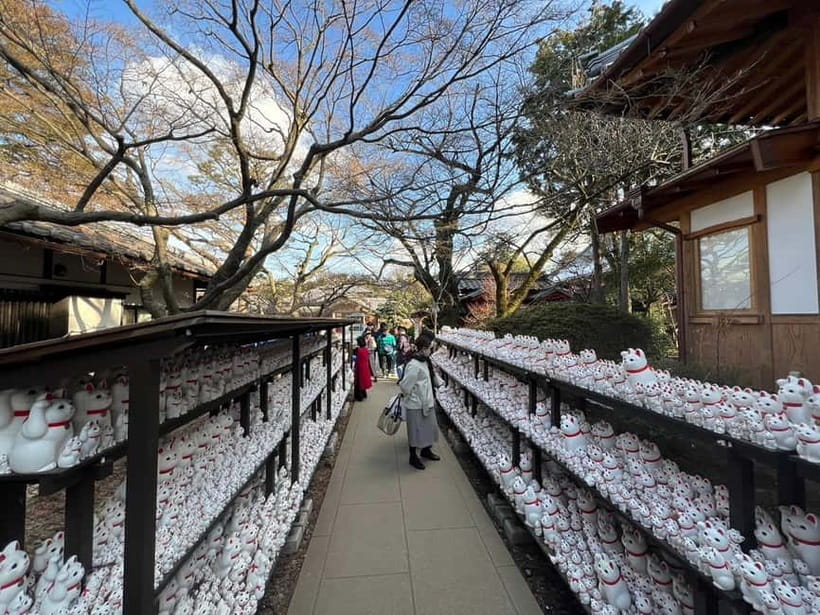
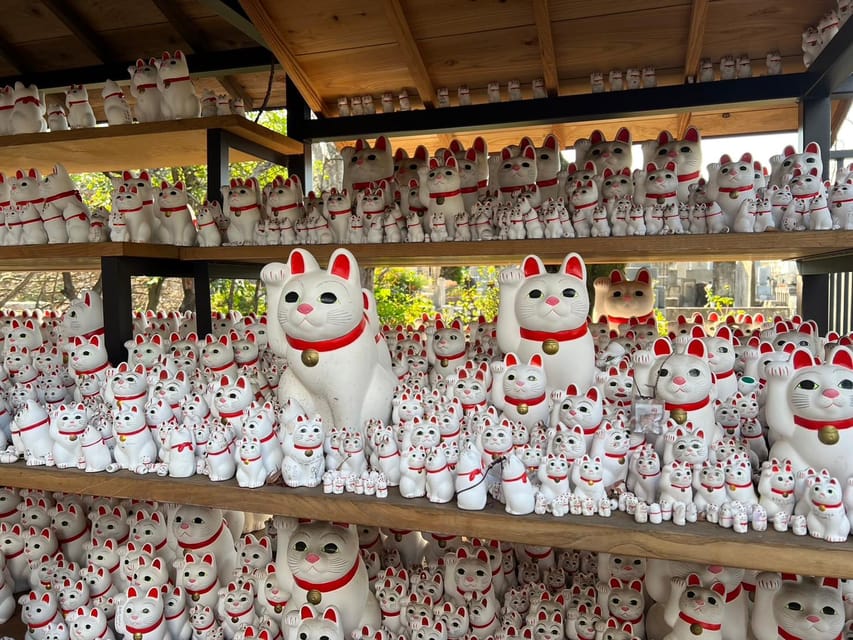
The first temple stop is listed as a 15-minute photo stop. This gives you an early chance to see the cats and take pictures before the longer explanation begins.
The appeal is clear. A large number of beckoning cats gathered in one place creates a strong visual scene, and the cat-shaped sweet later in the tour adds another photograph-friendly detail. If you enjoy small, distinctive subjects for your Tokyo photo collection, this outing gives you plenty to work with.
Still, keep your expectations measured. The information does not promise a particular season, a special ceremony, or a long photography session. You are visiting a temple, not a staged photo set. Treat the 15 minutes as a chance to take in the display and get a few good pictures, not as the entire purpose of the tour.
I would keep your camera ready but give yourself time to look without a screen in front of you. The repetition of the cat figures is part of the experience. Each individual figure may be simple, but the number of them changes the effect.
The 25-minute guided temple explanation
After the photo stop, the guide leads a 25-minute tour of Gotokuji Temple. This is the part that turns a collection of cute objects into a cultural visit.
You will learn about the history of beckoning cats and the tradition of placing them in homes and businesses to encourage prosperity, safety, and good luck. The guide also explains Gotokuji’s connection to the origin of the maneki-neko.
The tour length is well suited to the subject. Twenty-five minutes is enough time for an introduction without asking you to stand through a long lecture. I especially like this balance for first-time visitors to Tokyo who want context but do not want every stop to feel like a formal history class.
The supplied information does not name the guides, so you should not book this expecting a particular guide by name. What is clear is that the tour is conducted in English and led by a live guide. One booking review described both guides as a strong part of the outing and praised the amount of information. Another called the guide fantastic and the subject very interesting. Those comments point to the tour’s main strength: the explanation is meant to be more than a quick introduction.
Because the group is capped at four, you should have a better chance to hear the guide and ask a question than on a large walking tour. The small format does not guarantee a private tour, but it does create a more personal setting.
Fifty minutes to look around Gotokuji
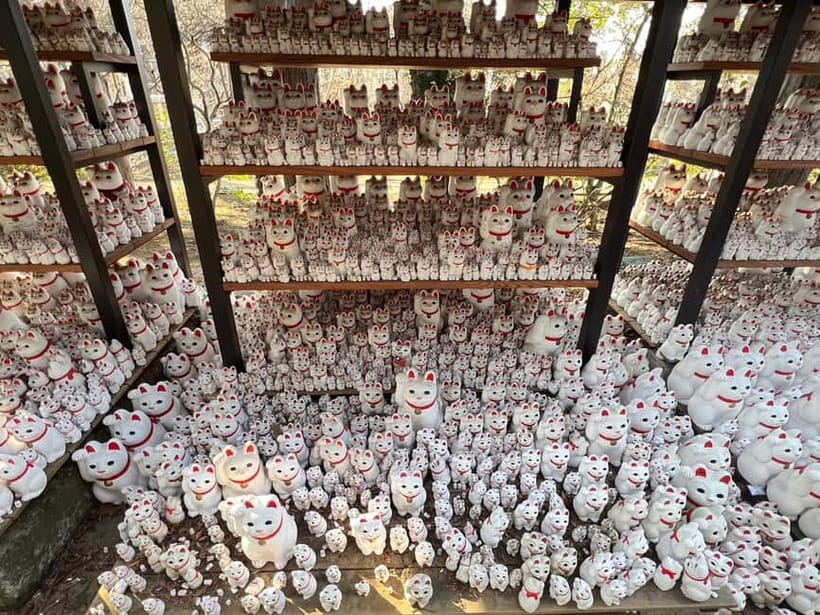
The final temple portion lasts 50 minutes. This is the largest part of the schedule, and it gives you time to explore at a slower pace after the guided explanation.
You can use this period to take more photographs, look closely at the cat figures, and absorb the temple setting. The itinerary does not specify additional buildings, ceremonies, or neighborhood stops, so the main focus remains Gotokuji and its maneki-neko tradition.
That narrow focus is a strength if you want one clear subject. You will not be rushed from one unrelated sight to another. It is also a limitation if you hoped to see several parts of western Tokyo in the same 90 minutes.
The 50-minute visit gives the tour breathing room. You are not forced to leave as soon as the guide finishes speaking. That matters at a place where the visual details may take a few minutes to appreciate. You can pause, take pictures, and return to the parts that caught your attention.
The temple’s connection to good fortune may appeal to you as a cultural idea, a family tradition, or simply a fun part of Japanese daily life. You do not have to share the belief to enjoy the custom. The tour presents the practice as something that has continued in Japan for a long time, and the cat figures make that tradition approachable.
Other walking tours we've reviewed in Tokyo




The incense experience and cat-shaped sweet
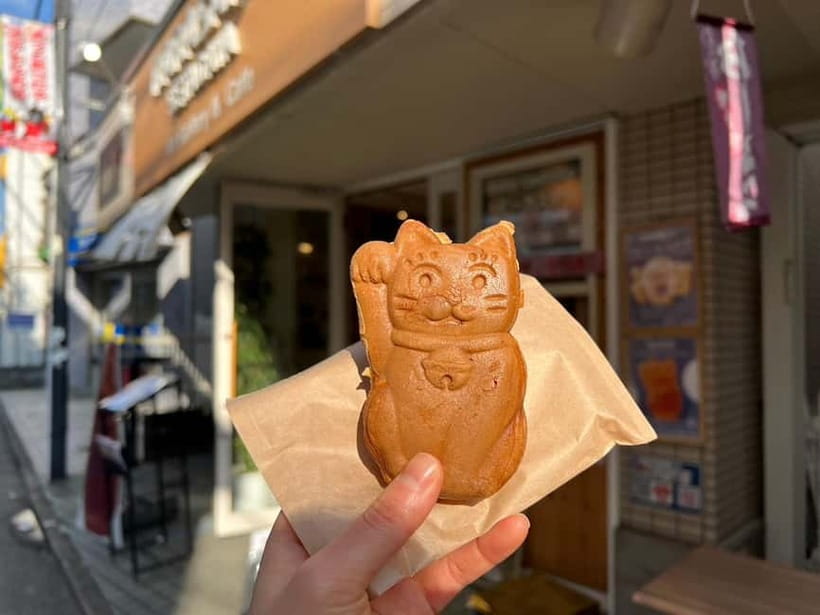
Two included extras help give the tour more variety. You receive a cat-shaped sweet, and the experience includes incense.
The sweet is designed in the shape of a maneki-neko, making it an easy souvenir of the visit, even if it does not last long. I like this detail because it connects the explanation to something you can see and photograph in your hand. The description suggests that the sweet is particularly cute, so this will likely appeal to anyone who enjoys food photography or small Japanese design details.
The incense experience adds a more traditional element. The information does not explain the exact format, length, or ingredients, so you should think of it as a brief cultural activity rather than a full workshop. Its value is in giving you something to do, not only something to observe.
Together, the sweet and incense keep the tour from being just a sequence of explanations and photographs. One is playful, one is ceremonial in character, and both fit the temple and lucky-cat theme.
Is $47 a fair price?
The price is $47 per person. For a 90-minute activity, that is not the cheapest way to see a Tokyo temple, especially since the temple visit itself is the main destination.
The value depends on what you want. If you only need a photograph of the cats and prefer to explore independently, you may find the price hard to justify. You can visit a place on your own without paying for a small-group guide, though the provided information does not state any separate temple admission arrangements.
If you want an English explanation, a planned route from the station, the incense activity, and the cat-shaped sweet, the price becomes easier to understand. You are paying for interpretation and a compact, organized introduction, not just entry to a site.
The four-person limit is also important when judging value. A large group can offer a lower price, but it may be harder to hear and ask questions. Here, the small format is aimed at a more direct exchange with the guide.
I would see this as a good-value specialty tour for visitors who care about Japanese customs and want a short, focused outing. It is less compelling for someone measuring value only by the number of landmarks covered.
Who will enjoy this 90-minute walk?
This tour suits you best if you like cultural details that are easy to connect with. You do not need to be devoted to cats. An interest in Japanese symbols, temple customs, photography, or unusual Tokyo stops is enough.
It is also a good fit for:
- First-time visitors who want an approachable introduction to a Japanese tradition
- Families and cat lovers who will enjoy the visual theme
- Couples or solo visitors who prefer a very small group
- Anyone who wants a short activity that begins and ends at the same station
- Visitors who enjoy taking photos of food, figures, and local customs
You may want to skip it if your Tokyo schedule is packed with major sights and you have no interest in maneki-neko. The tour stays focused on one temple and one tradition. That focus is its appeal, but it will not suit you if you need a broad city tour.
The 90-minute length works well between other plans. You should still account for your train journey to Gotokuji Station, since the duration covers the tour itself and not your travel from another part of Tokyo.
What the high ratings tell you
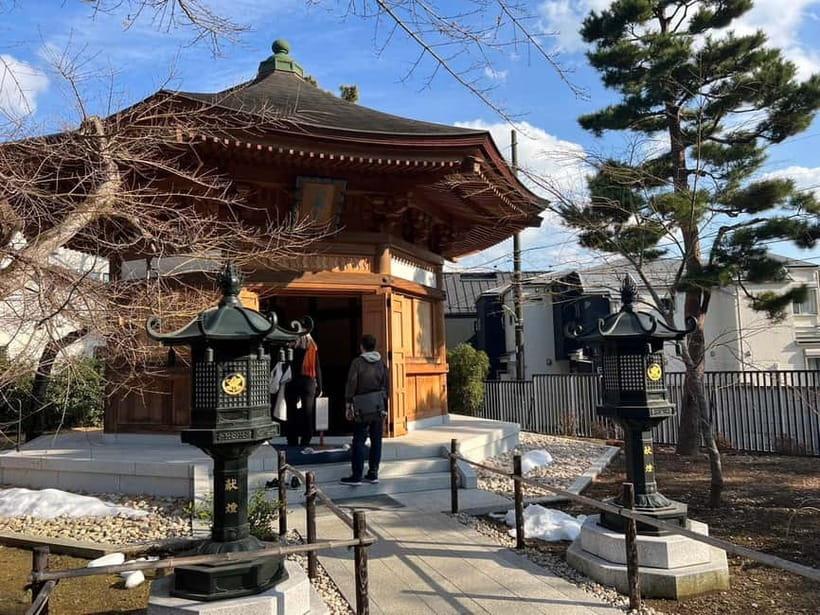
The experience has a 4.9 rating from five reviews, with two detailed comments giving it full marks. One booking from April 19, 2025 praised the information and the work of both guides, while a March 16, 2025 booking described the guide as fantastic and the subject as very interesting.
That praise points to a consistent pattern: the strongest part is the guide-led explanation. The cats make the visit memorable, but the guide is what helps you understand why they matter.
The sample is small, so I would not treat the rating as proof that every departure will feel identical. Still, the comments match the structure of the tour. It is built around information, a live English guide, and a small group rather than a long list of stops.
Practical details that matter
You can cancel up to 24 hours before the activity for a full refund. The reserve-now, pay-later option lets you hold a place without paying at the time of booking, which is useful when your Tokyo schedule is still changing.
Starting times vary, so check availability for your chosen date. The only language listed is English. The group is limited to four participants, and the meeting point is in front of the 7-Eleven at Gotokuji Station on the Odakyu Line.
The tour includes the guide, cat-shaped sweets, and the incense experience. It ends back at Gotokuji Station, making the route simple to understand and easy to combine with other plans.
Should you book the Gotokuji lucky cat tour?
I would book this tour if you want a small, friendly introduction to maneki-neko culture and prefer to have the temple explained in English. The 90-minute schedule is manageable, the cat display gives you a memorable visual subject, and the sweet and incense experience add more than a standard walk-by visit.
I would pass if your main goal is simply to see the temple for free or independently, or if you are looking for a wider tour of Tokyo. At $47, the price makes sense because of the guide, small group, and included extras, not because the outing covers a large area.
For the right visitor, Gotokuji offers a pleasant change from Tokyo’s biggest sights. You get a close look at a lasting Japanese custom, a chance to take some cheerful photographs, and a short cultural stop with a clear beginning and end.
FAQ
Where does the tour meet?
The meeting point is in front of the 7-Eleven convenience store at Gotokuji Station on the Odakyu Line.
How long does the Gotokuji tour last?
The activity lasts 90 minutes.
What language is the tour conducted in?
The live tour guide speaks English.
How many people can join the tour?
The group is limited to four participants.
What is included in the price?
The price includes a tour guide, cat-shaped sweets, and an incense experience.
Does the tour visit Gotokuji Temple?
Yes. The schedule includes a 15-minute photo stop, a 25-minute guided temple tour, and a further 50-minute temple visit.
Can I cancel for a full refund?
Yes. You can cancel up to 24 hours in advance for a full refund.
More Walking Tours in Tokyo
More Temples & Meditation in Tokyo

More tours in Tokyo we've reviewed










Temples & Meditation, compared.
 ★ 4.7Tokyo: Meiji Shrine, Asakusa, Skytree Bus Tour and CruiseFrom $12210 hours
 ★ 4.8Tokyo: Asakusa Walking Tour with Sensoji Temple VisitFrom $222 hours
 ★ 4.6Nikko: Kegon Falls, Lake Chuzenji & Toshogu TempleFrom $8911 hours
 ★ 4.5Tokyo: Kamakura & Enoshima Day Trip including Temple TicketsFrom $589 hours - 570 minutes
 ★ 4.5Tokyo: Nikko Toshogu Shrine and Kegon Waterfall TourFrom $8410h 30m
 ★ 4.5Tokyo Panoramic 1 Day: Meiji Shrine, Asakusa, Odaiba and SKYTREE®From $85