
Reviewed · TEMPLES & MEDITATION
Sumida Riverside Walk:Garden&Temple Ritual(4 Meeting Points)
Tokyo has plenty of neon, crowds, and hurried train changes. This three-hour outing gives you something different: a quiet garden, a riverside walk, and a living temple ritual in one morning. You travel with an English-speaking local guide, including Hiro, in a small group limited to four people.
I like the easy mix of nature and local faith. I also like that the guide handles the train ride from one of four meeting points, so you can begin with a local rather than trying to find Kiyosumi Garden alone. The main drawback is its strict timing: arrive more than 10 minutes late and the group may leave without you.
In This Review
- Key details at a glance
- Why this Tokyo walk feels different
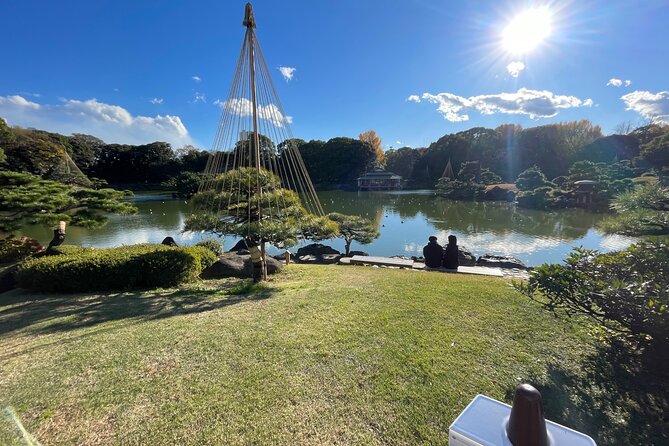
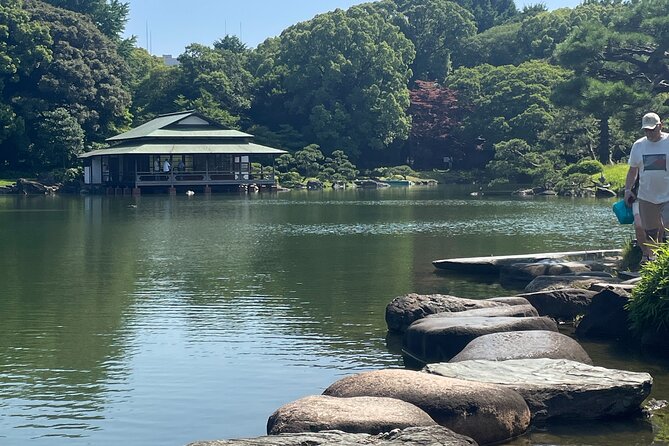
- Kiyosumi Garden: a calm start among seasonal plants
- Walking beside the Sumida River
- Fukagawa Fudo-do and the sound of active faith
- Meeting points and the train ride
- Is $48 a fair price?
- Who should book this experience?
- Practical booking advice
- Should you book the Sumida Riverside Walk?
- FAQ
- How long does the Sumida Riverside Walk take?
- What language is the tour conducted in?
- How many people can join the tour?
- Where can I meet the guide?
- Is train transportation included?
- Is admission to Kiyosumi Garden included?
- Is admission to Fukagawa Fudo-do included?
- Will I see a goma fire ritual?
- What happens at Kiyosumi Garden?
- What happens at Fukagawa Fudo-do?
- Can I cancel for a full refund?
- Can I pay later?
Key details at a glance
- Kiyosumi Garden in 40 minutes: See seasonal plants, ponds, stones, and the careful design of one of Tokyo’s preserved Japanese gardens.
- A 40-minute Sumida riverside walk: Slow down beside the water, with passing boats and quieter city views.
- Fukagawa Fudo-do in 45 minutes: Visit a temple with more than 400 years of history and a strong connection to daily religious practice.
- A traditional goma fire ritual: The temple visit includes a chance to experience this powerful Buddhist ceremony.
- Four meeting point choices: Start at Shibuya TSUTAYA, UNIQLO Shinjuku West, Asakusa Culture Tourist Information Center, or Nissan Crossing.
- Small group format: With no more than four participants, you can ask questions and keep the pace personal.
Why this Tokyo walk feels different
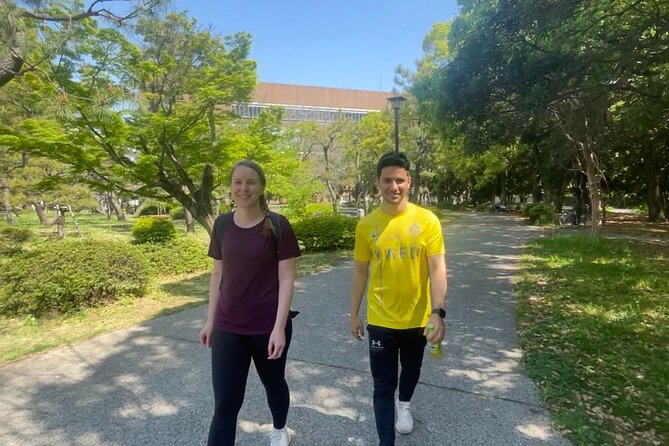
The appeal here is not a checklist of famous sights. It is the change of pace. You begin at one of several central Tokyo meeting points, then travel by subway with your guide to Kiyosumi Garden. After the garden, you walk beside the Sumida River before reaching Fukagawa Fudo-do, also called Naritasan Fukagawa Fudoson.
That sequence matters. The garden gives you quiet nature. The river opens up the city and lets you walk without the usual pressure of traffic and shops. The temple then adds a strong spiritual finish. Each stop has a different mood, and the three parts fit together well.
You also get useful context from a guide born and raised in Tokyo. That local connection can help you notice how traditional neighborhoods still function inside one of the world’s largest cities. The guide explains the garden’s design and the temple’s beliefs in English, making the experience suitable for you even if Japanese religious customs are new territory.
The group limit of four is a real advantage. A larger walking group can make a narrow riverside path feel crowded and can turn temple explanations into a speech for the back row. Here, you should have a better chance to hear clearly, ask questions, and stay close to the guide.
A few more Tokyo tours and experiences worth a look

Kiyosumi Garden: a calm start among seasonal plants
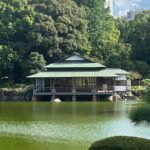
Kiyosumi Garden is the first major stop, with about 40 minutes for a guided visit. The garden is known for its carefully arranged scenery and seasonal plant life. You can expect a calm setting that feels far removed from Tokyo’s busy commercial districts.
The guide’s role is important here. Japanese gardens can look simple at first glance, but their details are deliberate. The tour promises background on the garden and design features that are easy to miss when you walk through on your own. You might find that a stone, path, planting area, or view has a purpose beyond decoration.
The seasonal element also means the garden can feel different at different times of year. The exact plants in bloom will depend on your visit, so do not book this expecting one fixed floral display. The value is in seeing how the garden’s planting and layout change with the season.
Forty minutes is enough for a guided introduction, but it is not a long garden visit. If you want to sit quietly for an hour or photograph every corner, the schedule may feel brisk. I see this as a good trade for a tour that also includes the river and temple. You get a focused look rather than spending the whole morning in one place.
The admission fee is included, which keeps the morning simple. You will not need to stop and sort out separate entry payment once you arrive.
Walking beside the Sumida River
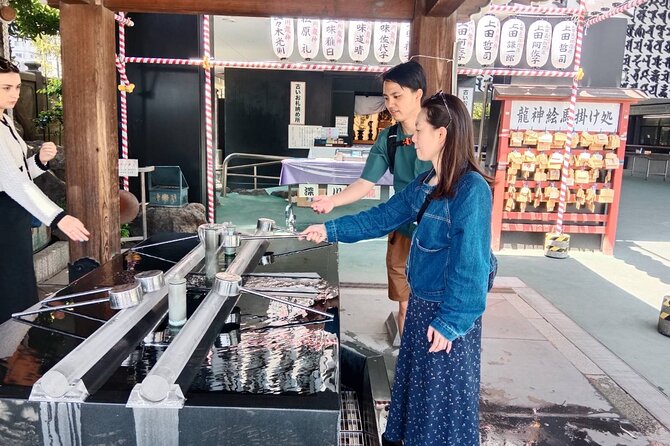
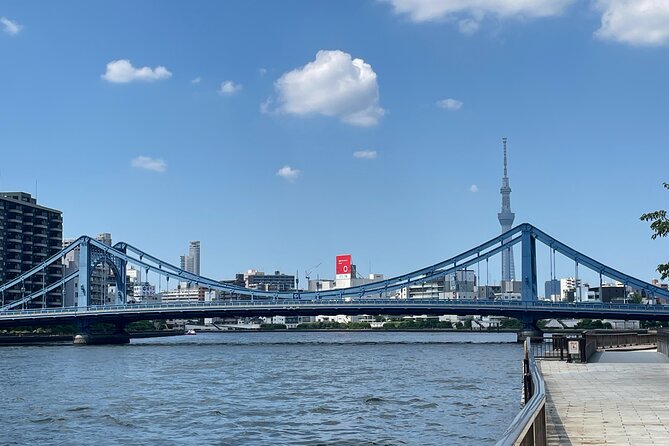
The next section lasts about 40 minutes and follows a riverside path along the Sumida. This is the tour’s most open-air stretch. You get water views, passing boats, and quieter city scenes instead of the dense streets found in central shopping districts.
I like this part because it gives your senses a rest. Tokyo can demand constant attention: traffic, signs, station exits, and crowds. A riverside walk offers a chance to slow your steps and look outward. The tour description presents it as a morning walk, and that timing suits the setting. The river can provide a calm rhythm before the more focused temple visit.
Do not expect a wilderness walk or a long scenic hike. This is still Tokyo, and the appeal comes from the contrast between the city and the water. You are seeing an ordinary urban area from a less hurried angle.
The walk is also a useful bridge between the garden and Fukagawa Fudo-do. Instead of jumping from one attraction to another by train or taxi, you experience the neighborhood on foot. That helps you understand the area as a place where people live and worship, not simply as a set of attractions.
The tour includes a guided walk, but the supplied details do not state the exact distance or the surface conditions. If you have mobility concerns, consider asking the provider before booking. The experience is described as a gentle walk, yet the tour still requires you to stay on schedule and move between three main sections.
Fukagawa Fudo-do and the sound of active faith
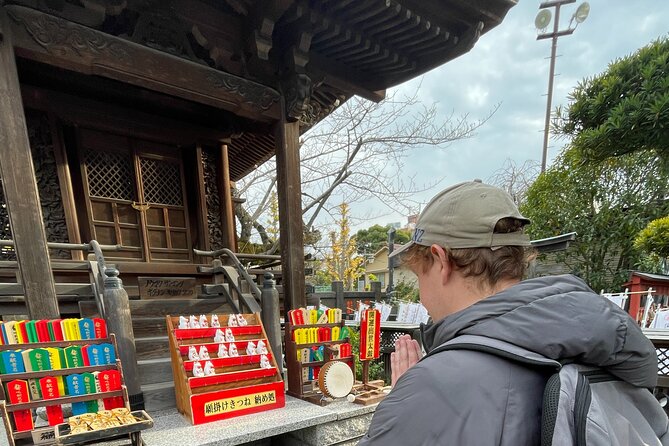
The final major stop is Naritasan Fukagawa Fudo-do, also known as Fukagawa Fudōson. The temple has more than 400 years of history and is known for its strong rituals and sacred atmosphere.
This is not presented as a silent monument viewed only from outside. It is an active place of faith. Your guide explains the beliefs and practices in an accessible way, so you can appreciate what is happening even if you are visiting a Buddhist temple for the first time.
The highlight is a traditional goma fire ritual. Goma is a Buddhist fire ceremony connected with prayer and spiritual practice. The supplied details do not promise that you will take part in the ritual yourself, so think of this as an opportunity to witness and understand a traditional ceremony rather than a hands-on class.
The temple visit lasts about 45 minutes. That gives you time for the building, the atmosphere, and the guide’s explanation without turning the visit into a long religious lecture. I especially like that the tour makes room for belief itself. Many sightseeing programs treat temples as attractive structures and stop there. This one points you toward the people and practices that keep the temple meaningful.
You do not need to be religious to find this worthwhile. Curiosity is enough. The guide’s job is to explain the ritual clearly and respectfully, not to persuade you. As with any active place of worship, follow the guide’s instructions and keep your behavior respectful.
Admission to Fukagawa Fudo-do is included. That makes the $48 price easier to assess, since you are paying for the guide, two admissions, the first train ticket, and the small-group format rather than only for a walk.
Meeting points and the train ride
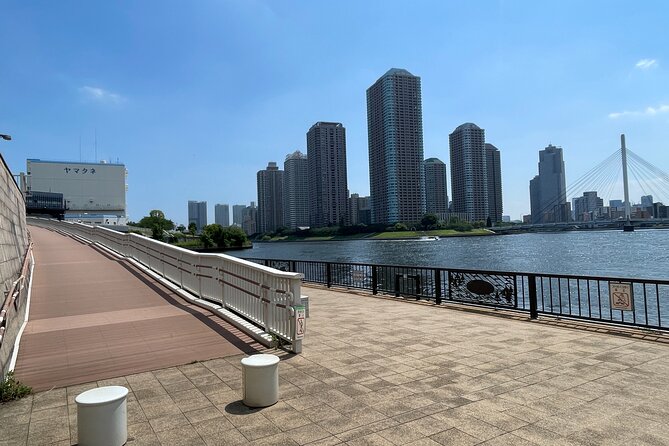
You can choose among four meeting locations:
- Shibuya TSUTAYA
- UNIQLO Shinjuku West
- Asakusa Culture Tourist Information Center
- Nissan Crossing
The meeting point depends on the option you book. These choices cover several useful parts of Tokyo, which is helpful if you are already planning to start your day in Shibuya, Shinjuku, Asakusa, or the Ginza area near Nissan Crossing.
After meeting, you travel together by train to the first destination. The train ticket to that first destination is included. This is more than a small convenience. Tokyo’s rail network is efficient but can be confusing when you are watching the clock, comparing platforms, and trying to keep a small group together. Having the guide lead the first journey removes some morning friction.
You should still arrive early. The tour warns that a group may leave if you are more than 10 minutes late. With only four places available, a late arrival can affect the whole schedule. Check the exact meeting point and starting time carefully after selecting your option.
The included train ticket covers the journey to the first destination, not every train or subway ride you may take during your Tokyo stay. The supplied information does not specify the full transport route or whether additional train travel is required after the first destination, so keep your personal transit card or fare payment method with you.
Other walking tours we've reviewed in Tokyo



Is $48 a fair price?
At $48 per person, this is not the cheapest way to take a walk in Tokyo. You could visit many public areas on your own for less. The question is what you want the fee to do for you.
Here, the price includes a live English-speaking guide, entry to Kiyosumi Garden, entry to Fukagawa Fudo-do, a guided walk, and the train ticket to the first destination. The group is limited to four, which is the biggest factor in the value. A private guide would usually cost more, while a large group tour may offer less room for questions.
The price makes the most sense if you want interpretation. Kiyosumi Garden’s design details and the goma ritual are easier to appreciate when someone explains what you are seeing. It also makes sense if you prefer a planned morning with several connected stops instead of arranging separate admissions and transport.
The value is weaker if you only want a long garden visit, a free-form river walk, or extensive time at the temple. The schedule gives each location a defined block, so this is a guided introduction rather than an unhurried day of exploration.
Who should book this experience?
I would recommend it to you if you want a quieter side of Tokyo and prefer cultural context over a fast run through headline attractions. It suits first-time visitors who want help with transport, as well as repeat visitors looking for a different neighborhood and a slower morning.
It is also a good choice if you enjoy a mix of scenery and tradition. The garden covers design and plants, the river provides a gentle walk, and the temple adds ritual and belief. You do not need special religious knowledge.
The tour may be less suitable if you dislike fixed schedules or want to spend most of your time taking photographs. The garden visit lasts 40 minutes, the river walk 40 minutes, and the temple visit 45 minutes, leaving little room to linger beyond the planned pace.
Babies under one year old are not suitable for this activity. The small group format and the 10-minute late-arrival rule also favor people who can keep to the meeting time.
The available feedback is very strong. One verified booking described the experience as excellent with a wonderful guide, and Marcus from Germany specifically praised Hiro as a great tour guide. That praise fits the design of the experience: the guide is central, not an extra voice in the background.
Practical booking advice
Choose your meeting point based on where you are staying or what you plan to do before the tour. Do not assume all four options operate at the same time, since starting times depend on availability.
Wear comfortable walking shoes. The tour combines a garden visit, a riverside walk, neighborhood streets, and temple grounds. The walk is described as gentle, but you still spend much of the three hours moving or standing.
Keep the morning open. Three hours is the stated duration, but the experience begins with a group meeting and train ride, so avoid scheduling a tight appointment immediately afterward.
You can cancel up to 24 hours in advance for a full refund, and the reserve-now, pay-later option allows you to hold a place without paying at once. Those terms are useful if your Tokyo plans are still shifting.
Should you book the Sumida Riverside Walk?
Book it if you want small-group access to quieter Tokyo, a clear introduction to Japanese garden design, and a respectful look at an active temple ritual. The combination of Kiyosumi Garden, the Sumida River, and Fukagawa Fudo-do gives the morning a good sense of movement and contrast.
Skip it if your priority is a famous landmark, a long independent walk, or a flexible schedule. But if you have already seen Tokyo’s crowded center and want a calmer, more thoughtful outing, $48 is a reasonable price for the guide, admissions, first train fare, and personal scale. Hiro’s strong guide feedback is another useful reason to consider it.
FAQ
How long does the Sumida Riverside Walk take?
The activity lasts three hours.
What language is the tour conducted in?
The live tour guide speaks English.
How many people can join the tour?
The group is limited to four participants.
Where can I meet the guide?
You can choose from Shibuya TSUTAYA, UNIQLO Shinjuku West, Asakusa Culture Tourist Information Center, or Nissan Crossing. The exact meeting point depends on the option booked.
Is train transportation included?
The tour includes pick-up at your selected meeting point, travel together with the guide by train to the first destination, and the train ticket to that first destination.
Is admission to Kiyosumi Garden included?
Yes. Admission to Kiyosumi Garden is included.
Is admission to Fukagawa Fudo-do included?
Yes. Admission to Fukagawa Fudoson Temple is included.
Will I see a goma fire ritual?
The experience includes a traditional goma fire ritual at Fukagawa Fudo-do.
What happens at Kiyosumi Garden?
You receive a guided tour lasting about 40 minutes, including information about the garden’s history, design details, and seasonal plants.
What happens at Fukagawa Fudo-do?
You receive a guided tour lasting about 45 minutes at a temple with more than 400 years of history, where the guide explains local beliefs and practices.
Can I cancel for a full refund?
Yes. You can cancel up to 24 hours in advance for a full refund.
Can I pay later?
Yes. The reserve-now, pay-later option lets you reserve without paying anything today.
More Walking Tours in Tokyo
More Temples & Meditation in Tokyo
More tours in Tokyo we've reviewed




Temples & Meditation, compared.
 ★ 4.7Tokyo: Meiji Shrine, Asakusa, Skytree Bus Tour and CruiseFrom $12210 hours
 ★ 4.8Tokyo: Asakusa Walking Tour with Sensoji Temple VisitFrom $222 hours
 ★ 4.6Nikko: Kegon Falls, Lake Chuzenji & Toshogu TempleFrom $8911 hours
 ★ 4.5Tokyo: Kamakura & Enoshima Day Trip including Temple TicketsFrom $589 hours - 570 minutes
 ★ 4.5Tokyo: Nikko Toshogu Shrine and Kegon Waterfall TourFrom $8410h 30m
 ★ 4.5Tokyo Panoramic 1 Day: Meiji Shrine, Asakusa, Odaiba and SKYTREE®From $85