
Reviewed · SHIBUYA TOURS
Tokyo Food and Culture tour (Shibuya and Harajyuku)
Tokyo’s best food discoveries often happen between the famous sights. This private walk links Harajuku’s kawaii shops with Shibuya’s giant crossing, adding Japanese snacks, sumo wrestler food, Tokyo-style pancakes, and locally made candy along the way.
I like the one-to-one format, which lets you ask questions instead of following a fixed script. I also like that lunch and snacks are included, and that the day finishes with free time for boutiques and sweets. The main drawback is the price: at $150.24 per person, it makes the most sense if you value a private guide and food tastings more than a basic sightseeing walk.
In This Review
- Key Points
- A Private Walk Between Harajuku and Shibuya
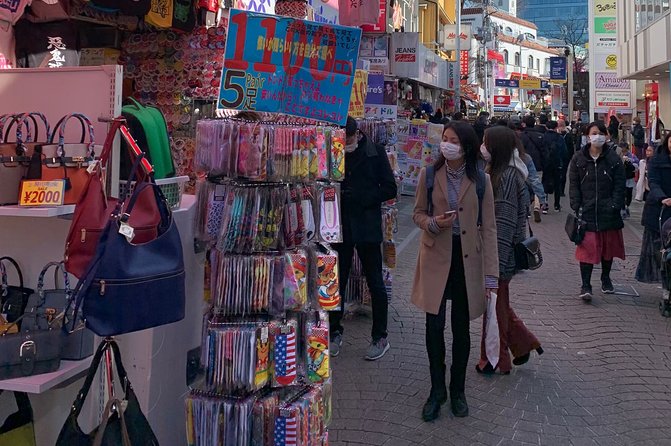
- Harajuku’s Takeshita Street and Kawaii Culture
- Shibuya Crossing: Tokyo’s Famous Pause
- Hachiko and the Story Behind the Statue
- Japanese Food With More Variety Than a Single Meal
- Miyashita Park and the KitKat Stop
- What the Walking Format Means for You
- Guide Style and Personal Attention
- Is $150.24 a Fair Price?
- Practical Details Before You Book
- Should You Book This Tokyo Food Tour?
- FAQ
- Where does the tour begin?
- Where does the tour end?
- What time does the tour start?
- How long does the experience last?
- Is this a private tour?
- What food is included?
- Are alcoholic drinks included?
- Is the tour suitable for people who use public transportation?
- What is the cancellation policy?
Key Points
- A private 4.5-hour walk gives your group direct time with the guide and room for questions.
- Harajuku’s Takeshita Street brings you into Tokyo’s kawaii fashion and candy scene.
- Shibuya Crossing and Hachiko cover two of the city’s most recognizable meeting places.
- Food is part of the main experience, with lunch, snacks, sumo-style dishes, pancakes, and candy included.
- Miyashita Park adds a modern shopping stop, including the KitKat Chocolatory.
- Mami-San is specifically praised for patience and flexibility with a family group of six.
A Private Walk Between Harajuku and Shibuya
This is not a bus tour or a fast march from one photo stop to the next. It is a half-day walking experience built around two of Tokyo’s most popular neighborhoods, with food used to explain local habits and city culture.
You begin at 10:30 am near the Hachiko Statue in Shibuya and finish on Takeshita Street in Harajuku. The route lasts about four hours and thirty minutes, though the listed stop times add up to less than the full duration. That leaves room for walking between districts, eating, browsing, and asking questions.
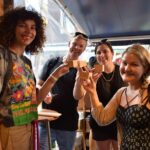
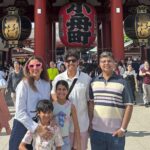
The private setup is important. Only your group takes part, so you can ask about food, Tokyo customs, shopping, or anything else that catches your attention. A guide can also adjust the pace better for a family or a group with different interests. Mami-San, named in the tour feedback, is praised for being patient and accommodating with six family members.
That flexibility comes at a cost. The $150.24 price is not bargain sightseeing. You are paying for a private guide, food, lunch, and a more personal route. If you mainly want a photograph at Shibuya Crossing, you can do that yourself for free. If you want help finding and understanding several Japanese foods in one morning, the price becomes easier to justify.
A few more Tokyo tours and experiences worth a look
Harajuku’s Takeshita Street and Kawaii Culture
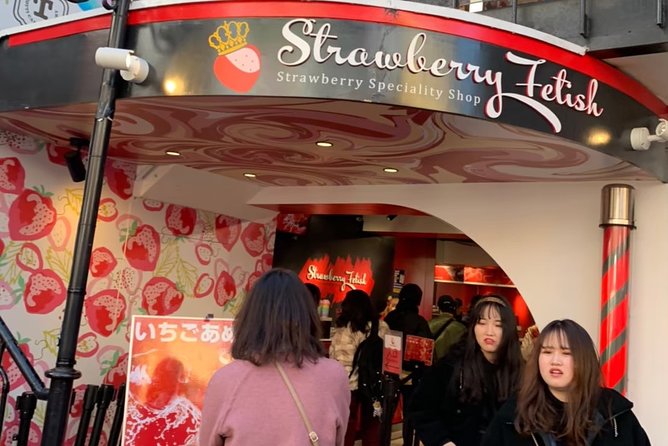
The Harajuku portion centers on Takeshita Street, a narrow shopping street known for cute fashion, candy shops, and youth culture. The tour allows about forty minutes here, enough to get a feel for the area and browse without making shopping the entire day.
Harajuku is often linked with kawaii, the Japanese idea of cuteness expressed through clothing, accessories, characters, colors, and sweets. You will see this side of Tokyo in the boutiques and candy stores. The tour gives you a guide who can explain what you are looking at, rather than leaving you to guess whether a shop is aimed at children, teenagers, collectors, or simply anyone with a sweet tooth.
I like this stop because it adds character to the day. Shibuya shows Tokyo as a huge, fast-moving city. Takeshita Street shows a more playful side, where fashion and snacks are part of the attraction.
The trade-off is that Takeshita Street can feel crowded and commercial. It is not a quiet old neighborhood, and you should not expect a traditional Japanese street lined with historic buildings. The value here lies in seeing a modern youth district and having free time to look around.
The food element makes Harajuku more than a shopping stop. You may sample locally made candy and other Japanese treats as the day moves along. The exact food selection can vary, so you should treat the menu as a tasting experience rather than a guaranteed list of dishes.
Shibuya Crossing: Tokyo’s Famous Pause
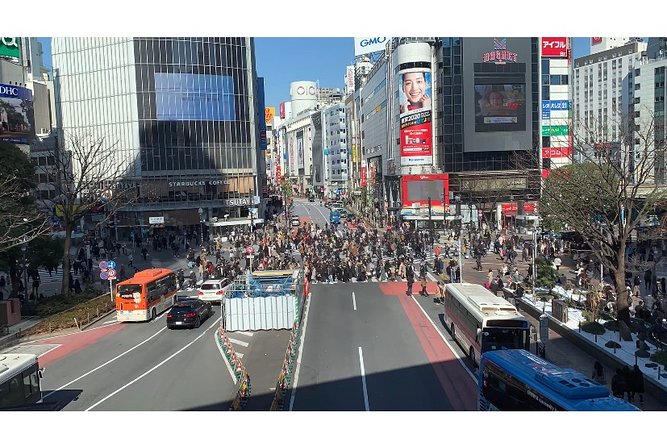
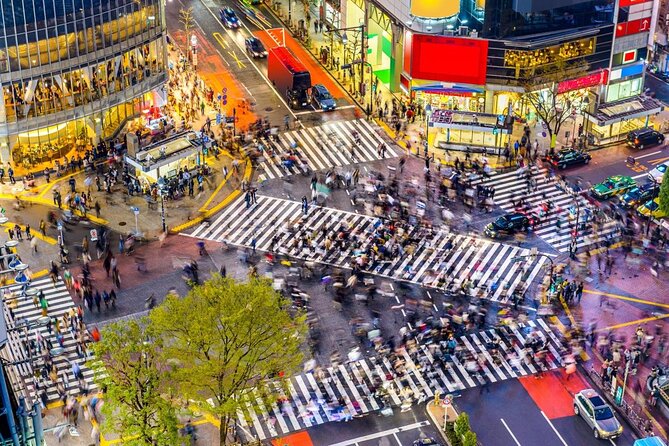
After Harajuku, the tour heads to Shibuya Crossing, one of the most recognizable sights in Tokyo. The official stop is about twenty minutes, which is enough time to watch the crossing, take photographs, and hear why the intersection matters.
The appeal is simple. When the signals change, people move across the intersection from several directions at once. From the edge, you can watch the organized rush and then see the space clear again. It is a short, memorable lesson in the scale and rhythm of Tokyo.
A guide adds context and helps you make the most of a brief stop. You can ask where to stand, how the crossing fits into Shibuya, or what else in the district deserves your attention. Since the stop is short, do not expect a long neighborhood tour here.
This is also a good place to remember that the tour is partly about famous sights and partly about food. Shibuya Crossing gives you the big postcard moment. The smaller tastings and shopping stops provide the personal detail.
Hachiko and the Story Behind the Statue
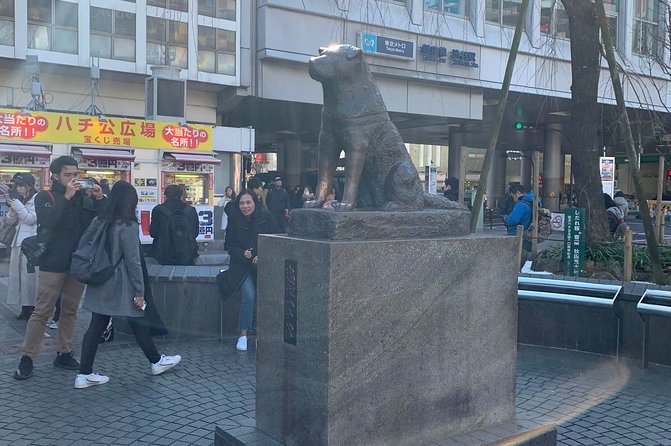
The Hachiko Statue is the meeting point and one of the first stops. You receive about ten minutes to take photographs and hear the story of Hachi, the loyal Akita dog whose story has been shared in Tokyo for a century.
The statue is not only a photo prop. It is one of the city’s best-known meeting places, and the story gives emotional meaning to a busy corner of Shibuya. For many people, this is the most human part of the sightseeing portion.
Because the stop is brief, you will not spend a long time at the statue. That is probably the right approach. Shibuya is crowded, and the statue area functions as a real meeting point as well as a sightseeing site. Keep your belongings close and be ready to move with the group.
Starting here also makes practical sense. Hachiko is easy to recognize, near public transportation, and simple for a private guide and group to find. Be sure you arrive with the correct meeting point in mind: the Hachiko Statue at 2 Chome-1 Dogenzaka, Shibuya.
Japanese Food With More Variety Than a Single Meal
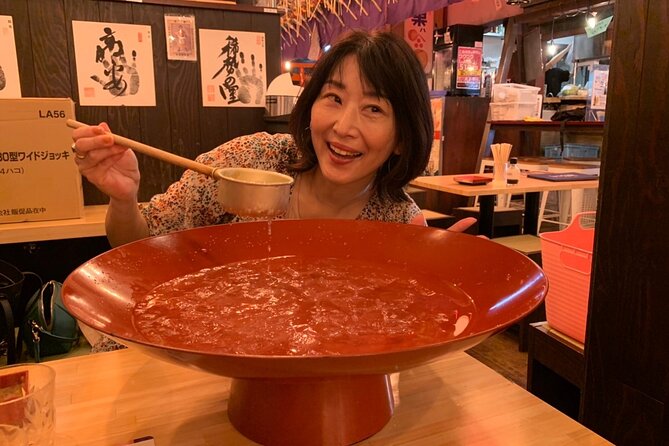
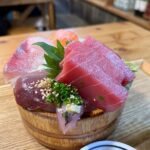
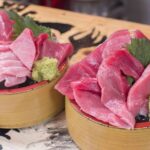
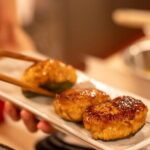
The food is the reason to choose this experience over a standard neighborhood walk. Lunch and snacks are included, while alcoholic drinks are not. The food selection mentioned for the tour includes traditional Japanese treats, sumo wrestler food, Tokyo-style pancakes, and locally made candy.
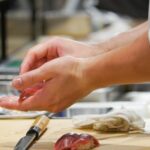
That range matters. You are not simply eating one restaurant meal and then moving on. You get several chances to compare textures, flavors, and presentation. Some foods may be familiar, while others may be new to you. The guide can answer questions and explain what makes each item connected to Tokyo or Japanese food culture.
The reference to sumo wrestler food is especially useful. Sumo wrestlers are associated with substantial meals, and this part of the tasting gives you a way to connect food with a major piece of Japanese popular culture. Tokyo-style pancakes add a different texture and mood, while candy links directly to Harajuku’s playful shopping scene.
You should keep your expectations flexible. The supplied details do not give a fixed restaurant name, exact dish list, or allergy policy. If you have dietary restrictions, ask before booking or contact the provider after confirmation. Do not assume every snack will suit your needs.
Alcohol is not included, so this is a daytime food tour rather than a drinking tour. That keeps the focus on food, neighborhoods, and conversation.
A few more Tokyo tours and experiences worth a look
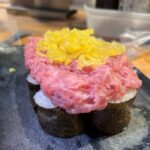

Miyashita Park and the KitKat Stop
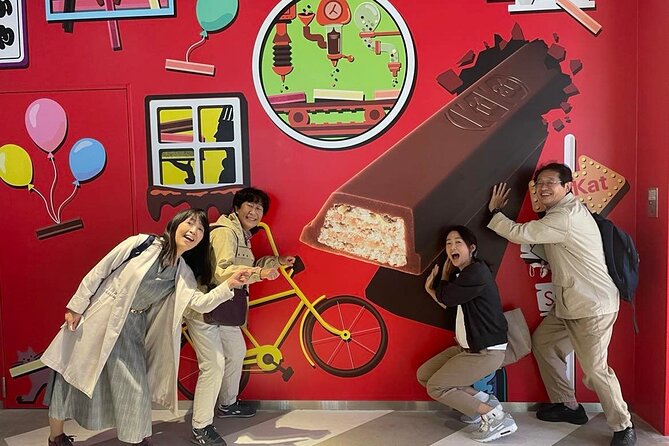
Miyashita Park is described as a trendy fashion arcade, with a stop at the KitKat Chocolatory. You receive about ten minutes here, with admission included.
This is a small stop, but it can be useful for souvenirs. Japan is known for unusual KitKat flavors, and the Chocolatory gives you a convenient place to look for packaged gifts. You might find options that are easy to carry home, especially if you want a simple souvenir rather than a fragile craft item.
The stop also shows another side of Shibuya. The area is not only about the crossing and giant signs. It includes newer shopping spaces where fashion, food, and branded goods overlap.
Ten minutes is not enough for a serious shopping session. If you see something you want, you may need to decide quickly. The more extensive browsing comes at the end of the tour, when you have free time on Takeshita Street for boutiques and candy stores.
What the Walking Format Means for You
You should be comfortable walking for much of the four-and-a-half-hour experience. The tour is near public transportation, but the supplied information does not promise that all transfers are by vehicle or that seating is available at every stop.
A moderate level of physical fitness is recommended. Wear comfortable shoes, especially because the value of the tour comes from moving through the neighborhoods rather than simply standing at one landmark.
The walking format has a clear advantage: you notice small details that are easy to miss from a car. You can pause at a shop, compare street scenes, and move between food stops at a human pace. You also avoid the problem of trying to understand a district through a window.
There are limits. Crowds, weather, and street noise can affect the experience. Harajuku and Shibuya are popular areas, so you should not expect a calm stroll. The private format helps with pace and questions, but it cannot make busy streets empty.
Families should consider this option carefully. The experience has already worked well for a group of six, with Mami-San described as patient and accommodating. Children who enjoy candy, fashion, and unusual foods may find it engaging. Anyone who dislikes walking or crowded shopping streets may prefer a quieter food activity.
Guide Style and Personal Attention
The strongest feature here is the chance to spend the day with one guide rather than a large group. You can ask as many questions as you like, and the guide can explain the food in front of you instead of giving a broad lecture to a crowd.
Mami-San is the guide specifically identified in the available feedback. Her patience with a family of six is worth noting because family groups often need slower transitions, different food choices, and extra time to stay together.
A private tour can also help if this is not your first day in Tokyo. One family on the tour had already spent four days in the city and still received food experiences they had not encountered before. That suggests the food focus can add something beyond the usual first-day sights.
Still, your experience depends in part on guide availability. Confirmation is sent within forty-eight hours of booking, subject to availability. If you need a particular guide, ask the provider rather than assuming Mami-San will lead every departure.
Is $150.24 a Fair Price?
At $150.24 per person, this is a higher-priced half-day activity. The comparison is not simply private walking tour versus free sightseeing. The price includes a guide for your group, lunch, snacks, neighborhood interpretation, and food tastings across Harajuku and Shibuya.
For a family or small group, the private format may offer good value because you are not sharing the guide with strangers. You can ask more questions and spend your time on the parts that interest you. For a larger group, group discounts may improve the calculation, though the exact discount is not specified.
For a solo visitor or couple on a tight budget, the value is less obvious. You can visit Hachiko, Shibuya Crossing, Takeshita Street, and Miyashita Park independently. You would then pay separately for food and would need to choose what to try.
I would book this if you want a guided introduction to Tokyo food culture and prefer personal attention. I would skip it if your main goal is shopping time or if you already know exactly where you want to eat.
Practical Details Before You Book
The start time is 10:30 am at the Hachiko Statue, and the tour ends on Takeshita Street. That ending is convenient if you want to continue shopping or explore Harajuku after the guide leaves.
The tour is private, so only your group participates. Mobile tickets are available, and group discounts are offered. Confirmation arrives within forty-eight hours, subject to availability.
Free cancellation is allowed up to twenty-four hours before the local start time for a full refund. Cancellations or changes made less than twenty-four hours before the start are not accepted for a refund.
Insurance is not included. Alcoholic beverages are also excluded. Bring an appetite, comfortable shoes, and enough time after the tour if you want to keep exploring Takeshita Street.
Should You Book This Tokyo Food Tour?
Book it if you want food, local context, and famous Tokyo sights in one private morning. It is especially well suited to families, first-time visitors who want help ordering and understanding Japanese treats, and returning visitors looking for foods they might not find on their own.
The best reasons to choose it are the private guide, the broad food mix, and the easy connection between Shibuya and Harajuku. Mami-San’s reported patience with a family of six is another positive sign for groups that need a flexible pace.
Think twice if you want a low-cost walk, a quiet neighborhood, or a detailed historical tour. This experience is modern, commercial, and food-focused. At $150.24, you should book for the personal guidance and tastings, not simply for access to free public sights.
FAQ
Where does the tour begin?
The tour begins at the Hachiko Statue at 2 Chome-1 Dogenzaka, Shibuya, Tokyo 150-0043, Japan.
Where does the tour end?
The tour ends on Takeshita Street at Takeshita St, 1-chōme-6 Jingūmae, Shibuya, Tokyo 150-0001, Japan.
What time does the tour start?
The scheduled start time is 10:30 am.
How long does the experience last?
The tour lasts approximately four hours and thirty minutes.
Is this a private tour?
Yes. Only your group participates in the activity.
What food is included?
Lunch and snacks are included. The experience includes traditional Japanese treats, sumo wrestler food, Tokyo-style pancakes, and locally made candy.
Are alcoholic drinks included?
No. Alcoholic beverages are not included.
Is the tour suitable for people who use public transportation?
The tour is near public transportation. The meeting point is at the Hachiko Statue, and the tour ends on Takeshita Street.
What is the cancellation policy?
You can cancel up to twenty-four hours before the local start time for a full refund. Cancellations or changes made less than twenty-four hours before the start are not accepted for a refund.
More Food Experiences in Tokyo
More Shibuya Tours in Tokyo

More tours in Tokyo we've reviewed



Shibuya Tours, compared.
 ★ 5.0Official Street Go-Kart in ShibuyaFrom $76
 ★ 4.9Tokyo: Street Kart Experience in ShibuyaFrom $741 hour
 ★ 5.0Shibuya Meltdown Nightlife Tour: All-You-Can-Drink Bar HoppingFrom $106
 ★ 5.0Shibuya Official Street Go-Kart in Shibuya AnnexFrom $69
 ★ 5.0Tokyo: Shibuya Food Tour (13 dishes and 4 Eateries)From $77
 ★ 5.0Best of Shibuya Food TourFrom $217