
Reviewed · MT FUJI DAY TRIPS
3-Row Luxury Bus Tour to Mt. Fuji, Lake Kawaguchi from Tokyo
Mt. Fuji supplies the star power here, but the best part is how many different faces of the mountain you see in one day: a pagoda view, a lakeside reflection, flower gardens, and an old thatched-roof village. Arakurayama Sengen Park gives you the classic postcard scene, while Lake Kawaguchi slows the pace with open water and mountain views.
I like two things in particular. First, the route mixes famous photo stops with a cultural visit at Saiko Iyashi no Sato Nenba. Second, lunch includes Kobe beef shabu-shabu, a welcome change from the usual basic tour meal. The main caution is the bus description. The tour is sold as a 27-seat, three-row luxury coach with a toilet, but one verified booking reported a standard bus without those features. Confirm the vehicle details before paying extra for comfort.
In This Review
- Key points at a glance
- Why this Fuji day trip works
- Arakurayama Sengen Park and the famous pagoda
- Lake Kawaguchi Craft Park and Kobe beef lunch
- Maple Corridor and the shores of Lake Kawaguchi
- Oishi Park and the seasonal flower calendar
- Saiko Iyashi no Sato Nenba’s rural setting
- What the 3-row bus promise means
- Pickup, timing, and the real cost of the day
- Who should book this Fuji tour
- Should you book it?
- FAQ
- How long does the Mt. Fuji tour last?
- Where does the tour start?
- Where does the tour finish?
- Is an English-speaking guide included?
- Is lunch included?
- Is admission to Saiko Iyashi no Sato Nenba included?
- Is Mt. Fuji guaranteed to be visible?
- Does the bus definitely have a toilet and three-row seating?
- Can wheelchair users join the tour?
Key points at a glance
- The Chureito Pagoda view requires stairs: Allow time and energy for the climb at Arakurayama Sengen Park.
- Kobe beef shabu-shabu is included: Lunch is served during the Kawaguchiko Craft Park stop.
- Four distinct Fuji viewpoints: You see the mountain from a shrine park, lakefront, flower garden, and rural village.
- The schedule lasts about 10 hours: Traffic between Tokyo and the Fuji area can shorten stops or delay your return.
- Omar is one guide to look for: A verified booking specifically praised his friendly interaction and well-paced commentary.
- Mount Fuji can hide: The tour runs in ordinary rain, but no view of Fuji is guaranteed.
Why this Fuji day trip works
A Tokyo to Mt. Fuji day trip can easily become a long drive followed by one rushed photograph. This one has more shape. You begin with a grand view at Arakurayama Sengen Park, spend time beside Lake Kawaguchi, stop for lunch and flowers, then finish among traditional houses near Lake Saiko.
That variety matters. If clouds cover the summit, you still have shrines, gardens, lake scenery, food, and rural architecture to enjoy. If Fuji is clear, the different viewpoints give you more than one chance to see it.
The day runs for about 10 hours and ends near Shinjuku Station. That makes it practical for you if you are based in central Tokyo and want a guided excursion without changing hotels or arranging several trains and buses. It is less suitable if you want a quiet, slow visit to one village. This is a full day with several scheduled stops.
An English-speaking guide accompanies the group. Commentary may also be given in Chinese if the group includes Chinese-speaking participants, so the amount of English explanation can vary. Omar received especially strong praise for keeping the group involved and making the day informative without overwhelming it.
A few more Tokyo tours and experiences worth a look

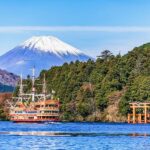
Arakurayama Sengen Park and the famous pagoda
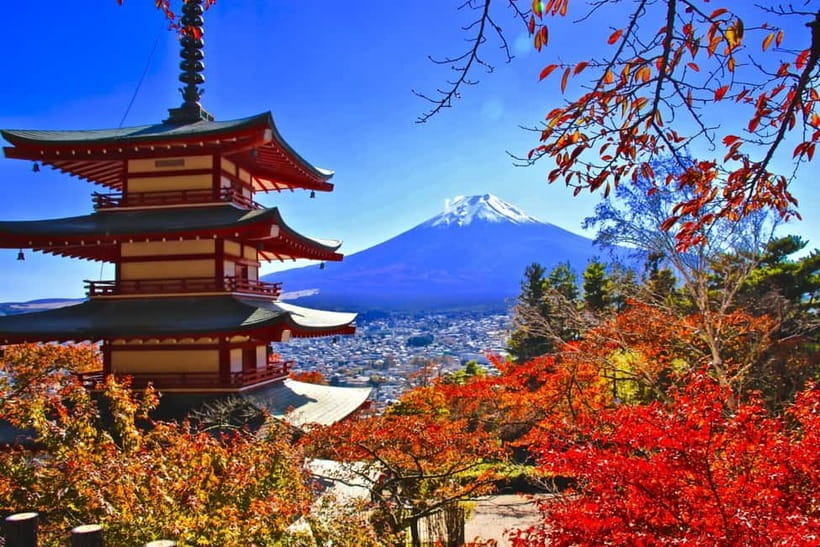
The opening stop is the visual high point for many people. At Arakurayama Sengen Park, you climb stairs toward the five-tiered Chureito Pagoda, with Mt. Fuji rising behind it when the weather cooperates.
This is one of Japan’s most recognizable views because several symbols meet in one frame: red-and-white pagoda, wooded hillside, and snow-capped mountain. The composition changes with the season, but the basic appeal remains strong.
The stop is scheduled for about 70 minutes, which gives you time to climb, take photographs, and visit Arakura Fuji Sengen Shrine. It is not a simple step off the bus and snap a picture. The stairs are an important part of the visit, so wear comfortable shoes and avoid bringing more than you need.
The path and viewing area can feel crowded at popular times, though the exact crowd level depends on the date. Your guide can help you understand where to go, but you should still expect to share the best viewpoints. Keep your camera ready, since Fuji may appear between clouds for only a short time.
If you have limited mobility, this stop is a serious consideration. The experience is not suitable for wheelchair users, and the stair climb may be tiring for anyone with knee or balance problems.
Lake Kawaguchi Craft Park and Kobe beef lunch
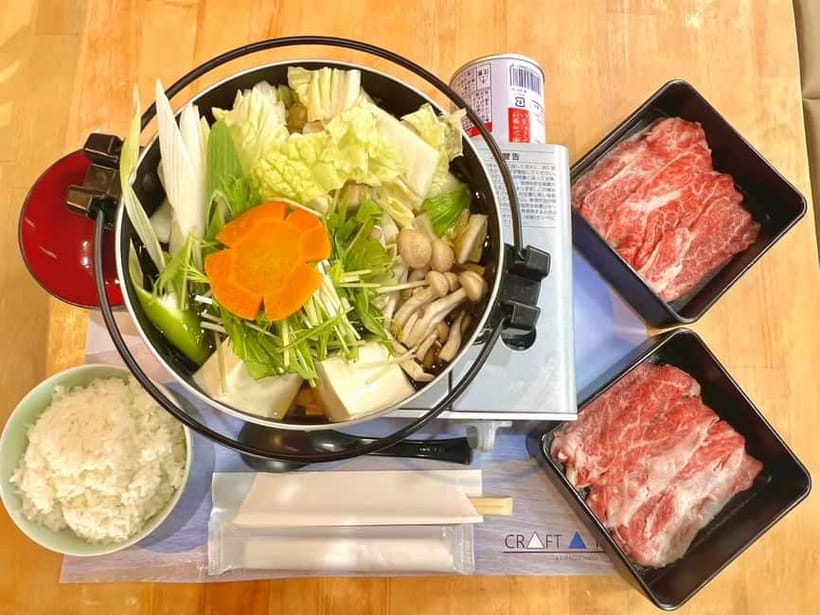
After the pagoda, the tour moves to Kawaguchiko Craft Park, located near the foot of Mt. Fuji. The stop combines lunch, shopping, and time for a workshop, although the available information does not specify which craft activity will operate on your date.
The setting gives you a calmer view of the area. You can stroll near the lake, look across the water toward Fuji, and notice how different the mountain feels from the elevated pagoda viewpoint. At the lakeshore, the scene is horizontal and open. At Arakurayama, it is framed by architecture and trees.
Lunch is Kobe beef shabu-shabu. Thin slices of beef are cooked in hot broth at the table, and the dish is prized for its tenderness and flavor. Including this meal improves the value of the tour, especially since you are paying for transportation, a guide, and a long day away from Tokyo.
Still, keep the wording in perspective. Kobe beef is a premium food, but the tour does not provide details about the serving size, menu alternatives, or dietary accommodations. If you have food restrictions, ask before booking rather than assuming substitutions are available.
The scheduled stop lasts about one hour. That is enough for the meal and a short look around, but not enough for an extended craft session and a leisurely lake visit if the meal runs long. Follow the guide’s timing closely, since the bus must keep to a route affected by traffic.
Maple Corridor and the shores of Lake Kawaguchi
The route includes a photo stop at the Lake Kawaguchi Maple Corridor, followed by about an hour around Lake Kawaguchi itself. The corridor is especially appealing when autumn color is at its best, though the tour operates throughout the year and seasonal conditions will change what you see.
The lake stop gives you one of the day’s more relaxed moments. You can walk, photograph Fuji across the water, and take in the changing light. Unlike the pagoda stop, there is no major uphill climb mentioned here, so this part should feel easier on your legs.
The mountain’s reflection is one of the main attractions. A calm lake and clear air can create a nearly mirrored view, but wind, cloud, and weather can change the scene quickly. Do not treat the printed photographs of Fuji as a promise. The tour operator clearly warns that visibility is not guaranteed.
Traffic is the larger concern. Tokyo, the expressways, and the Fuji area can all create delays, particularly during holidays or poor weather. If the road becomes severely congested, the schedule may be shortened and some stops may be omitted without a refund. I would not book this day if you have a fixed evening reservation that you cannot miss.
Oishi Park and the seasonal flower calendar
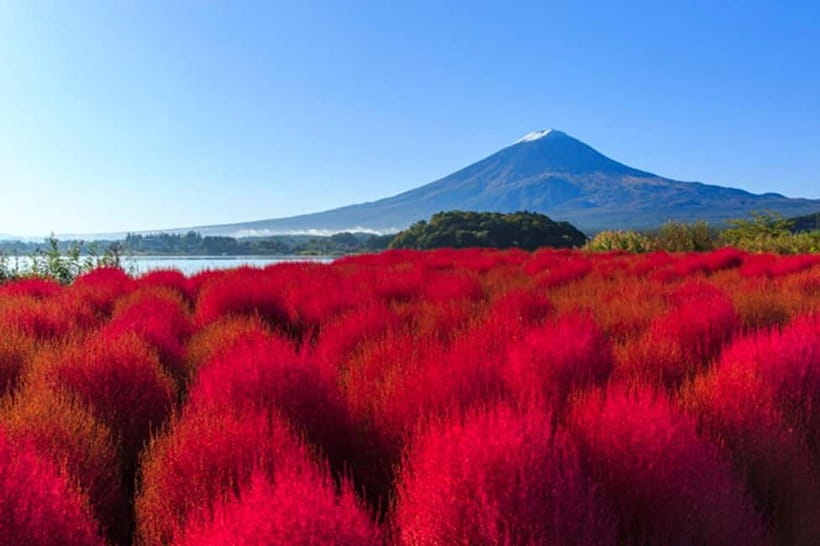
Oishi Park sits beside Lake Kawaguchi and is known for flower displays that change with the season. Lavender is a featured sight, with purple color near the lake and Mt. Fuji often forming the backdrop.
The park stop lasts about 30 minutes. That is enough to walk through the main area, take photographs, and enjoy the view, but it is a quick visit rather than a garden tour. The flowers will not look the same in every month, so set your expectations according to the season of your booking.
This is also a useful pause after the busier viewpoints. You can focus on color, lake air, and the mountain rather than trying to capture the one famous composition. When Fuji is hidden, the flowers and lake still give you something worth seeing.
The park’s appeal depends heavily on weather and bloom timing. If you are booking mainly for lavender, check the seasonal forecast independently and understand that flowering dates can shift. The itinerary gives you access to the park, not a guarantee of peak bloom.
A few more Tokyo tours and experiences worth a look




Saiko Iyashi no Sato Nenba’s rural setting
The final major stop is Saiko Iyashi no Sato Nenba, a preserved village beside Lake Saiko. Its thatched-roof houses offer a very different view of the Fuji region, focused on older rural life rather than grand viewpoints.
You can walk among the buildings, look toward the surrounding satoyama scenery, and browse local specialty products sold around the houses. The village is a good match for you if architecture, traditional ways of life, and quieter cultural stops matter as much as photography.
Admission is included, and the scheduled visit lasts about 50 minutes. That gives you time to walk through the village and take in the setting, though you should not expect a long museum visit at every house. The exact balance between browsing, photographs, and guide commentary will depend on the group and the day.
I like having this stop at the end. After several views of Fuji and the lake, the village changes the subject. You are no longer simply looking at the mountain. You are seeing how the region’s older homes and local products fit into the countryside around it.
What the 3-row bus promise means
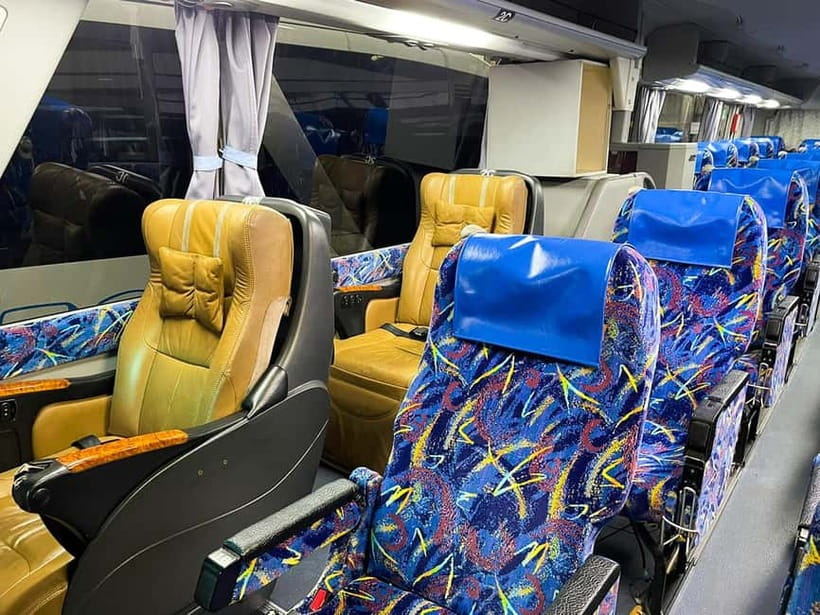
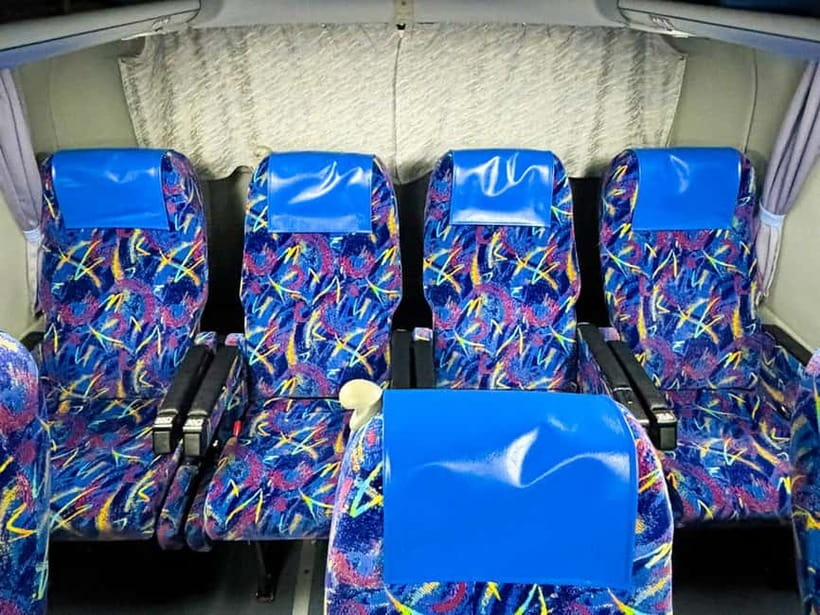
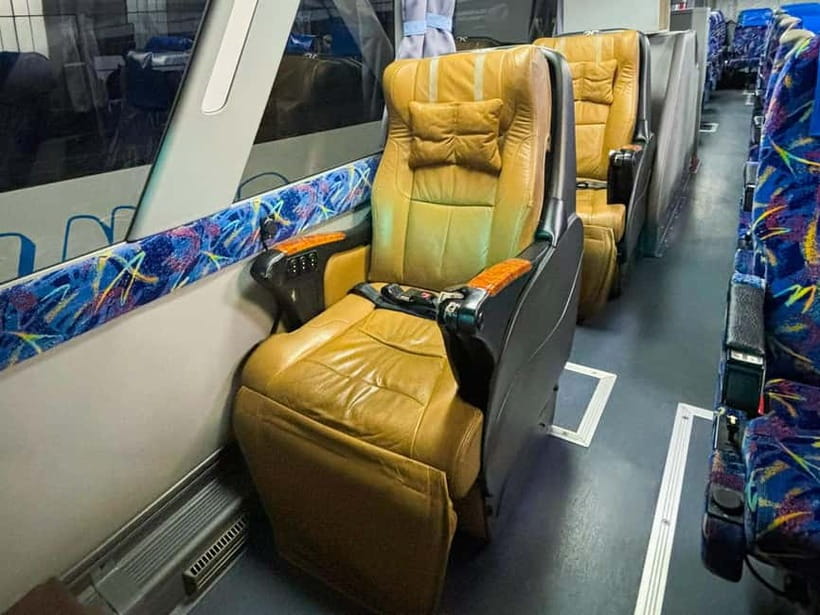
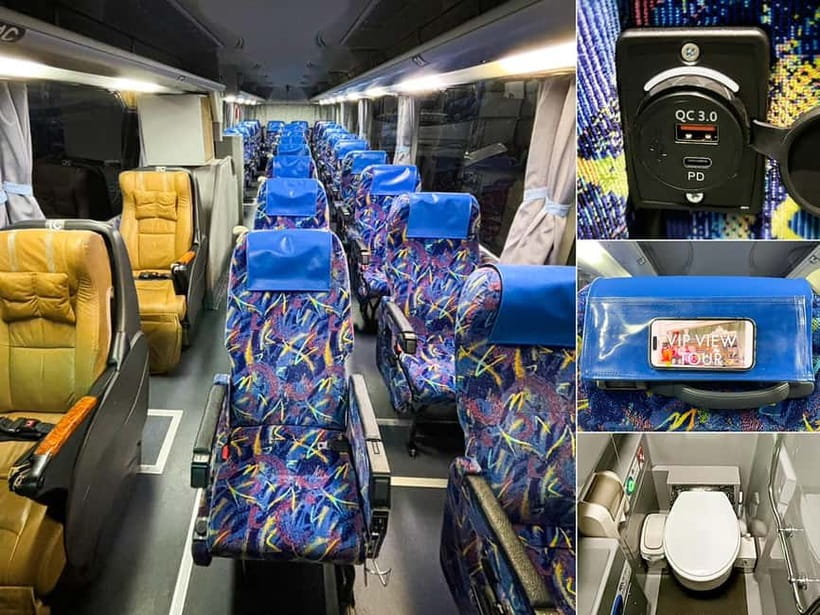
The tour is marketed around business-class comfort: independent seats, only 27 seats, air conditioning, and a high-end onboard toilet. In theory, that is a meaningful advantage on a 10-hour trip with possible traffic jams.
A smaller three-row layout should give you more personal space than a standard coach. An onboard toilet can also reduce worry when the highway slows to a crawl. Those features are especially useful for families, older passengers, or anyone who finds long road journeys uncomfortable.
But you should verify this point before booking. One verified booking from August 2025 said the vehicle was not the advertised luxury bus and had no toilet. That complaint was specific and serious, while another booking praised the guide and the overall activity. The practical lesson is simple: ask the provider to confirm the exact vehicle assigned to your date. Do not assume that the phrase three-row luxury bus guarantees the same coach on every departure.
Transportation includes highway tolls, parking, fuel, and air conditioning. The only listed drop-off is in the Shinjuku area, so plan your evening from there rather than expecting to return to your original pickup point.
Pickup, timing, and the real cost of the day
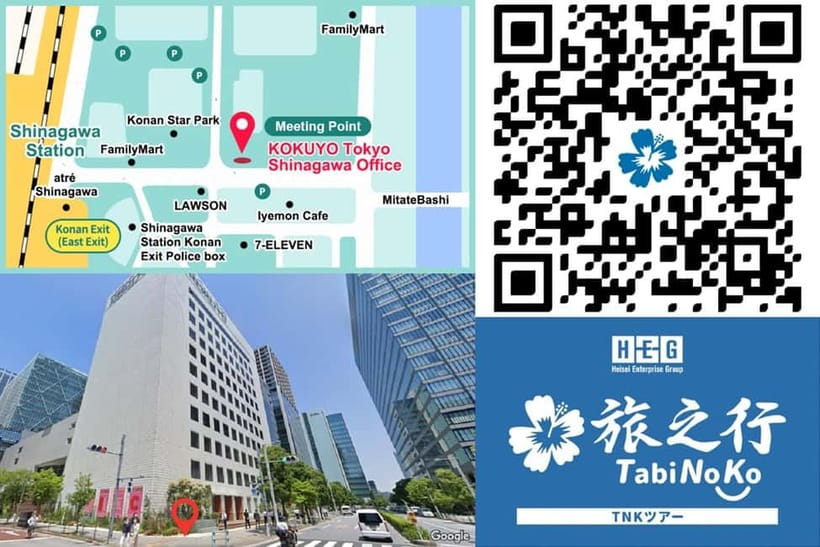
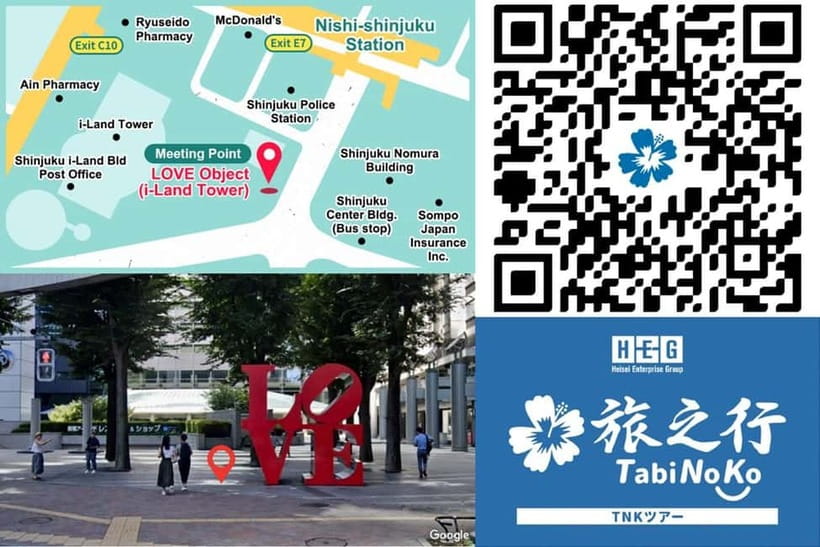
There are two possible starting points. One is the KOKUYO Tokyo Shinagawa office, marked with the LOVE sculpture by Robert Indiana. The precise meeting point depends on the option you book, so check your confirmation carefully.
The tour costs $125 per person. That price includes round-trip transportation, the English-speaking guide, lunch, entry to Saiko Iyashi no Sato Nenba, road tolls, parking, fuel, and taxes. You are paying for convenience as much as for sightseeing.
Compared with arranging separate transport to five Fuji-area stops, the price can make sense. Public transportation in the region requires more planning, and some attractions are not connected by a simple single route. Here, you can sit back while someone else handles the driving and parking.
The value drops if you are promised a premium bus and receive an ordinary one. That is why the coach confirmation matters. The included Kobe beef meal and village admission help the price, but the strongest reason to choose this tour is the amount of ground covered in one day.
The schedule can change without notice because of weather, road conditions, and other delays. You may spend less time at some attractions, return late, or miss a planned stop during severe congestion. I would leave your Shinjuku evening open.
Free cancellation is available up to 24 hours before departure, and you can reserve now and pay later. Those policies help if your Tokyo plans are still moving, but they do not solve the basic Fuji problem: a rainy or cloudy day may give you a very different experience.
Who should book this Fuji tour
I would recommend it to you if you want to see several major Fuji-area sights without renting a car or managing regional buses. It suits first-time visitors to Japan, photographers who want multiple mountain viewpoints, and anyone who likes combining scenery with a cultural stop and a substantial lunch.
It also works well if you value an English-speaking guide. Omar’s praised interaction with the full group suggests the human side of the experience can be a real strength when the guide is engaged and attentive.
I would think twice if you dislike fixed schedules, want long visits at each site, or need guaranteed luxury transport. The 10-hour format is efficient, but it is not leisurely. You also need to be comfortable with stairs at Arakurayama and with the possibility that traffic will alter the plan.
Bring comfortable shoes and clothes. Check the forecast yourself, but remember that the tour runs in normal rain and cancels only in extreme conditions such as typhoons. If seeing Fuji clearly is the sole purpose of your day, a flexible weather-based plan may suit you better.
Should you book it?
Book this tour if you want an easy, food-inclusive route through the Kawaguchiko area, with the pagoda, lake, flowers, and thatched village all covered in one day. The combination is strong, and $125 is reasonable when lunch, admission, transport, tolls, and a guide are included.
Before paying, confirm two things: the exact bus assigned to your departure and the meeting point. If the three-row layout and onboard toilet are essential to you, get that promise in writing. With that caution handled, this is a practical way to see the Fuji region from Tokyo, provided you accept changing weather, heavy traffic, and a busy schedule.
FAQ
How long does the Mt. Fuji tour last?
The tour lasts about 10 hours, including transportation between Tokyo, the Fuji area, and Shinjuku.
Where does the tour start?
There are two possible starting locations. One is the KOKUYO Tokyo Shinagawa office, near the LOVE sculpture by Robert Indiana. Your exact meeting point depends on the option booked.
Where does the tour finish?
The only available drop-off location is in the Shinjuku area.
Is an English-speaking guide included?
Yes. The tour includes a live English-speaking guide. Depending on the group, commentary may also be given in Chinese on the same bus.
Is lunch included?
Yes. Lunch is included and features Kobe beef shabu-shabu at Kawaguchiko Craft Park.
Is admission to Saiko Iyashi no Sato Nenba included?
Yes. Entry to Saiko Iyashi no Sato Nenba is included in the tour price.
Is Mt. Fuji guaranteed to be visible?
No. Fuji visibility depends on the weather, and the tour provider does not guarantee a clear view.
Does the bus definitely have a toilet and three-row seating?
The tour is described as using a 27-seat, three-row luxury bus with a toilet, but one verified booking reported receiving a different bus without a toilet. Confirm the vehicle details before booking if these features matter to you.
Can wheelchair users join the tour?
No. The experience is not suitable for wheelchair users. Comfortable shoes are recommended because the Arakurayama Sengen Park visit includes stairs.
More VIP Experiences in Tokyo
More Mt Fuji Day Trips in Tokyo
More tours in Tokyo we've reviewed










Mt Fuji Day Trips, compared.
 ★ 5.0Mt Fuji and Hakone 1-Day Bus Tour Return by Bullet TrainFrom $163
 ★ 4.0Mt Fuji & Hakone Cruise, Drum Show Bullet Train 1 Day from TokyoFrom $149
 ★ 4.4Tokyo Mt Fuji 5th St & Hakone Cruise Bus Tour w/Bullet TrainFrom $15410 hours
 ★ 4.5From Tokyo: Mount Fuji Full-Day Sightseeing TripFrom $6810 hours
 ★ 4.7Tokyo: Mt. Fuji Tour, Hakone Ropeway, Owakudani, Lake AshiFrom $5410 hours
 ★ 4.4Tokyo:Mt.Fuji,Kawaguchiko Oishi Park,Arakurayama Sengen ParkFrom $5410 hours