
Reviewed · WALKING TOURS
Old Town Tokyo: Shinagawa-Juku Walking Tour
Tokyo’s modern face can make its past easy to miss. This three-hour walk takes you through Shinagawa-Juku, an old post town on the road between Tokyo and Kyoto, using back streets, temples, shrines, and a former fishing district to show you a quieter side of the city.
I like the small group, capped at eight, because you can hear the guide and ask questions without shouting across a crowd. I also like the practical route from Kitashinagawa Station to Shimbamba Station, plus the hot coffee or tea along the way. The main drawback is the price: at $94.88 per person, this is not a cheap casual stroll, and lunch and local transport are extra.
In This Review
- Key points to know before you book
- Why Shinagawa-Juku makes a good Tokyo walking tour
- From fishing village to city at Shinagawa-Ura Park
- Walking the one-hour stretch of Kyu-Tokaido Street
- Quiet lanes and Hozenji Temple
- Maple trees and the unusual fence at Shotokuji Temple
- Ebara Jinja and the dragon god beside the Meguro River
- Shinagawa Shrine and the mini-Fuji
- What $94.88 means in practical value
- Who will get the most from this walk
- Should you book the Shinagawa-Juku walk?
- FAQ
- How long is the Shinagawa-Juku Walking Tour?
- Where does the tour begin?
- Where does the tour end?
- How large is the tour group?
- Is coffee or tea included?
- Can I cancel for a full refund?
Key points to know before you book
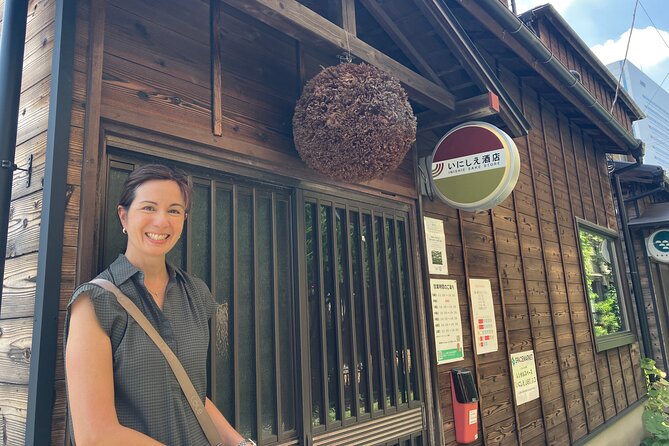
- Old Tokaido Road context: Walk the former route used by people traveling between Tokyo and Kyoto, with time to see the shops, inns, and local streets that served them.
- A compact eight-person group: The guide can speak to everyone, and you avoid the slow shuffle of a large sightseeing party.
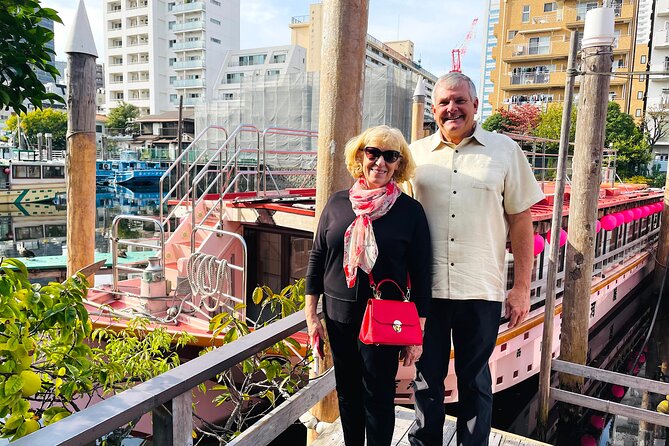
- Six very different stops: The route moves from Shinagawa-Ura Park and a former fishing shore to temples, shrines, and Shinagawa’s mini-Fuji.
- Charlotte may lead the walk: She has been praised for her friendly help with Tokyo’s culture, history, city districts, and subway system.
- Hot drinks included: Coffee or tea gives you a welcome pause during the walk, especially on a cool day.
- A convenient station-to-station route: Start at Kitashinagawa Station, one stop from major Shinagawa Station, and finish at Shimbamba Station.
Why Shinagawa-Juku makes a good Tokyo walking tour
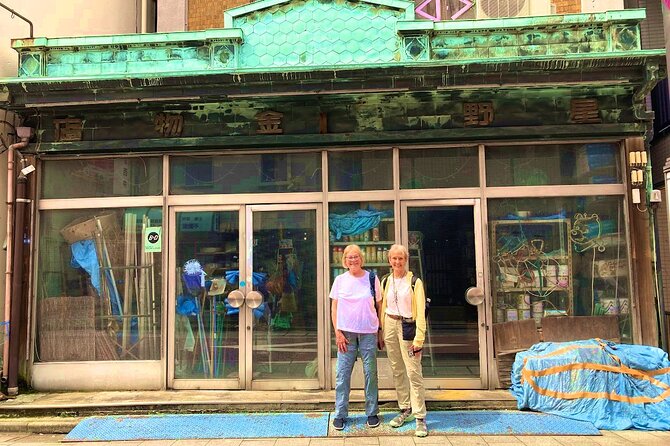
Shinagawa is often treated as a transport point because major Shinagawa Station links this part of Tokyo with the wider city and Japan. Yet the older district nearby has a very different feel. Here, the story is not mainly about neon signs or famous towers. It is about movement, work, worship, and ordinary streets that have survived around a much-changed city.
The Old Tokaido Road gives the walk its backbone. In the Edo period, this was the first post town for people leaving Tokyo toward Kyoto. Inns served people on the road, while shops supplied food and other needs. The route was practical rather than grand, and that is part of its appeal. You get a look at how travel worked before railways, airports, and modern highways reshaped Japan.
I like tours that explain a neighborhood instead of simply pointing at isolated sights. This one connects the fishing shore, the old road, small lanes, and religious sites into one story. You are not just checking off six stops. You are seeing how a post town grew around work and travel, then carried on as Tokyo expanded around it.
The pace also matters. Three hours is long enough to make the district feel coherent but short enough to fit into a busy Tokyo schedule. You should expect a real walking tour, not a bus ride with brief photo stops. Comfortable shoes will help, and you should plan around the weather because the activity requires good conditions.
Other walking tours we've reviewed in Tokyo

From fishing village to city at Shinagawa-Ura Park
The walk begins at Shinagawa-Ura Park, where the guide introduces the area’s connection to the water. In Edo times, the shore near Shinagawa supported a small but prosperous fishing village. Commercial fishing is no longer the main activity here, but the opening stop gives you a useful way to picture the district before modern Tokyo filled in the spaces around it.
The stop lasts about 15 minutes and has no admission fee. That short length is suitable for an introduction. You will not spend a large portion of the tour on one place, but you will get the background needed to understand why Shinagawa became an important settlement.
This is also where a guide adds real value. A map alone can show you streets and rivers. It cannot easily explain how a shoreline supported local work or why an old post town formed where it did. A good English-speaking guide can connect those pieces while you are standing in the area itself.
Do not expect a preserved fishing village in the formal sense. The attraction is the memory of that earlier life and the way it fits into the broader story of Shinagawa. If you want grand buildings or a major museum, this opening stop may feel modest. If you enjoy seeing how a city changes, it is a strong start.
Walking the one-hour stretch of Kyu-Tokaido Street
Kyu-Tokaido Street is the heart of the experience. The Kyu-Tokaido Road once served as the first stop for people traveling from Tokyo to Kyoto. Inns lined the route, and shops supplied the needs of people making a demanding journey.
The tour spends about an hour here, longer than at any other stop. That makes sense. This is where you get the clearest look at Shinagawa-Juku as a working post town rather than simply a collection of historic sites.
The route includes back alleys and local streets where you might otherwise walk past without understanding what you are seeing. The guide helps you notice the relationship between the main road and the smaller lanes branching away from it. You might find old houses, local shops, and details that would be easy to miss if you came without a plan.
The road also survived fires and other changes that altered much of Tokyo. That does not mean every building here belongs to the Edo period. The value is in the remaining street pattern, local character, and historical clues. You are seeing an old route continue through a modern neighborhood, not entering a preserved movie set.
This is likely the most rewarding section for people who enjoy social history. You learn what travelers needed, how inns and shops supported long-distance movement, and why a post town mattered. The guide’s explanation of Tokyo’s history and culture is central here. Charlotte, one guide associated with the experience, has been praised for her friendly command of the city, its subway system, and its past, which is especially useful if you want context beyond memorized dates.
Because this section lasts an hour, the tour may feel less rushed than standard city walks. At the same time, the group must keep moving to finish the full route. If a particular shop or street catches your eye, you may not have unlimited time to explore it independently during the tour.
Quiet lanes and Hozenji Temple
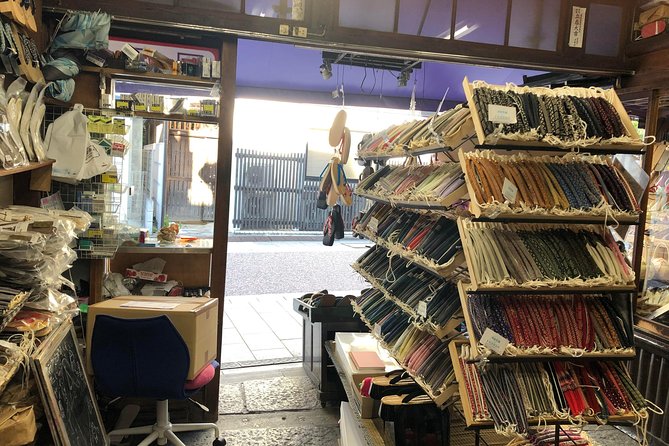
From the main Tokaido route, the walk turns into smaller streets and alleys near Hozenji Temple. The shift is noticeable. Instead of a former travel artery, you see local temples, older houses covered with greenery, and residential lanes where the history is less obvious at first glance.
The stop lasts around 10 minutes and is free. That is enough for an introduction and a brief look around, though not an extended temple visit. The point is to show how the older road connects to a network of smaller religious and residential streets.
One especially unusual detail is a water well in the middle of a residential lane. Small features like this help make the neighborhood’s past more tangible. They suggest daily needs and local life rather than only official monuments.
I like this part because it rewards attention. You are not being taken to a single famous attraction. You are learning to read the district through its lanes, walls, wells, plants, and building patterns. That kind of sightseeing is less dramatic, but it often gives you a better sense of how people lived.
The tradeoff is that the experience depends on the guide’s explanation. Without context, a quiet lane and a small temple may not seem worth a special visit. With a good guide, the stop becomes part of the larger picture of a post town surrounded by local neighborhoods.
Maple trees and the unusual fence at Shotokuji Temple
Shotokuji Temple receives only about five minutes, so treat it as a quick stop rather than a full temple visit. After Kyu-Tokaido Street, you walk along Shinbaba Street and pause to see the temple, which is surrounded by maple trees and is especially attractive in autumn.
The temple’s fence is noted as unusual, giving the guide a specific detail to point out. Small visual features like this are useful on a walking tour because they give you something concrete to look for instead of a broad, vague description.
Five minutes is brief. You will not have time for a long visit or a slow photographic study. Still, the stop works well as a transition between the old road and the larger shrines later in the walk.
Autumn should be the prettiest season here because of the maple trees, but the tour is not presented as a seasonal foliage outing. You should book it for the district’s history and street-level details, with the trees as a bonus rather than the main reason to go.


Ebara Jinja and the dragon god beside the Meguro River
Ebara Jinja Shrine adds a different kind of local history. Founded in 709, the shrine is associated with a dragon god and prayers for rain. Its position beside the Meguro River connects the religious story to the area’s water supply and natural setting.
The story includes an event from 1062, when water from the nearby river was reportedly taken to the shrine. You do not need to be a religious history expert to appreciate the basic idea: water shaped both practical life and spiritual practice here.
The stop lasts about 10 minutes and is free. That is long enough to look at the shrine and hear its background, but the schedule does not suggest an extended ceremony or private worship experience. As with the other religious sites, be respectful and follow the guide’s lead.
I like the contrast between Ebara Jinja and the post-road section. The Old Tokaido story is about travelers, shops, and inns. Ebara Jinja shows how local people also turned to a sacred place for help with weather and water. Together, the stops give you more than a single version of Shinagawa’s past.
Shinagawa Shrine and the mini-Fuji
The final major stop is Shinagawa Shrine, founded in 1187 as a guardian of the nearby post town. The visit lasts around 50 minutes, making it nearly as substantial as the time spent on Kyu-Tokaido Street.
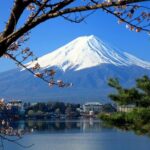
The shrine is home to a fujizuka, or mini-Fuji. These small constructed hills gave people a way to worship Mt. Fuji when they lacked the money or physical strength to climb the real mountain. It is a practical and moving example of how religious practice adapted to ordinary people’s lives.
This stop gives the tour a strong finish because it joins local worship, the post-town story, and the wider importance of Mt. Fuji in Japanese culture. You are not simply looking at a shrine gate. You are hearing why a miniature mountain exists and whom it served.
The 50-minute visit also gives the guide room to explain more than the basic date and name. If you enjoy asking questions, this is likely one of the best points in the walk to do so, especially with a group of no more than eight people.
The tour ends at Shimbamba Station, at 2-chome-18-1 Kitashinagawa. The finish is practical, but it is not back at the starting station. Keep that in mind when planning your next activity. Kitashinagawa Station is one stop from major Shinagawa Station, so the meeting point is fairly convenient for a day built around central Tokyo connections.
What $94.88 means in practical value

At $94.88 per person, the tour costs more than a self-guided walk through the district. The sites themselves are mostly free, with admission included at Shinagawa Shrine and no admission charge listed for the other stops. You are paying mainly for the guide, the route planning, the English explanations, the small group, and the hot drink.
That can be fair value if you want historical context and do not want to spend time finding the right alleys or working out how the sites relate. It is less compelling if you are happy to read about Shinagawa on your own and use a phone map.
The group limit makes a real difference. With up to eight people, you should be able to hear the guide and move through narrow streets without the feel of a large tour party. The included coffee or tea is a modest benefit, but it adds a useful pause during a three-hour walk.
Group discounts may reduce the cost for people booking together. Lunch is not included, and neither are transport fees or hotel pickup and drop-off. Pickup can be arranged for an extra fee, but the stated meeting and ending points make public transport the simpler choice for most people.
The tour is booked, on average, 37 days ahead. That suggests you should reserve early if your Tokyo dates are fixed, particularly if you want a small group and a certain morning or afternoon slot.
Who will get the most from this walk
I would choose this tour for someone who likes history, local culture, and neighborhoods that do not depend on a famous landmark. It suits you especially well if you want a guide to explain why a road, shrine, temple, and former shoreline belong in the same story.
It is also a good choice for a first visit if Tokyo’s train system and back streets feel daunting. The guide handles the route, and the small group leaves room for questions about the city and subway system. Charlotte has been specifically praised for being friendly and helpful with those subjects.
You may want another kind of activity if your main goal is shopping, food tasting, major architecture, or a fast list of famous sights. The itinerary has no lunch, and you should not expect a formal meal or a large attraction with long opening hours. It is a street-level history walk.
Most people can take part, and service animals are allowed. The activity runs near public transportation, but you should still plan for three hours on foot and check the weather. If poor weather cancels the walk, you are offered another date or a full refund.
Should you book the Shinagawa-Juku walk?
Book it if you want Tokyo history in manageable pieces: a former fishing shore, the Old Tokaido Road, quiet temple lanes, river-linked worship, and a mini-Fuji at Shinagawa Shrine. The small group and English-speaking guide are the strongest reasons to pay more than you would for a self-guided outing.
Skip it if $94.88 feels high for a walk with mostly free sights, or if you want meals, hotel transport, or major Tokyo icons. For the right person, though, this is a thoughtful way to see a working old neighborhood rather than another postcard view of the city.
FAQ
How long is the Shinagawa-Juku Walking Tour?
The experience lasts approximately three hours.
Where does the tour begin?
It begins at Kitashinagawa Station, located at 1 Chome-1 Kitashinagawa, Shinagawa City, Tokyo 140-0001, Japan.
Where does the tour end?
The walk ends at Shimbamba Station, at 2-chōme-18-1 Kitashinagawa, Shinagawa City, Tokyo 140-0001, Japan.
How large is the tour group?
The tour has a maximum of eight travelers.
Is coffee or tea included?
Yes. Coffee and/or tea are included, along with an English-speaking guide.
Can I cancel for a full refund?
Yes, if you cancel at least 24 hours before the experience start time. Cancellations made less than 24 hours in advance are not refunded. If poor weather causes the operator to cancel, you are offered another date or a full refund.
More Walking Tours in Tokyo


More tours in Tokyo we've reviewed




Walking Tours, compared.
 ★ 5.0Tokyo Tsukiji Fish Market Food and Culture Walking TourFrom $99
 ★ 5.0Tokyo: Imperial Palace and Shogun Historical Walking TourFrom $22
 ★ 4.9Tokyo: Shinjuku Local Bar and Izakaya Guided Walking TourFrom $343 hours
 ★ 5.0Tokyo: Tsukiji Fish Market Food and Walking tourFrom $30
 ★ 4.8Tokyo: Asakusa Walking Tour with Sensoji Temple VisitFrom $222 hours
 ★ 4.9Tokyo: Tsukiji Fish Market Guided Walking TourFrom $222 hours