
Reviewed · SHINJUKU TOURS
Authentic Onsen Experience Tattoo Friendly Hidden Gem in Shinjuku
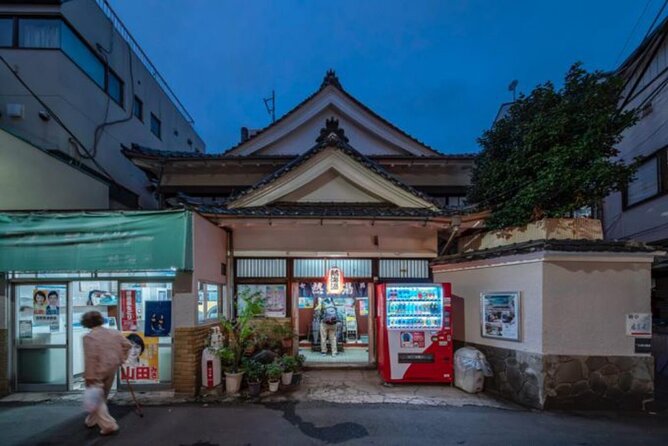
The most unusual part of this one-hour Shinjuku experience is that you visit a working neighborhood sento, not a polished spa built for sightseeing. The bathhouse dates to 1954, and you learn its customs from a bilingual guide before deciding how fully you want to take part. I like the clear beginner-friendly introduction and the chance to see a local side of Tokyo that is easy to miss.
I also like the small cultural details: the reason for the Mount Fuji wall murals, the part sento played in postwar communities, and the classic bottled milk waiting after your bath. The main consideration is privacy. The male guide does not enter the women’s bathing area, so female participants bathe on their own after the orientation.
In This Review
- Key points
- Why a 1954 sento makes a better introduction than a spa
- Meeting Kosei near Kagurazaka
- Learning the sento routine step by step
- The Mount Fuji mural and the postwar story
- Choosing between a full soak and a gentler introduction
- Why the bottled milk is part of the lesson
- Is $35.77 a fair price for one hour?
- Who will enjoy this Shinjuku experience most?
- Timing, booking, and cancellation details
- Should you book this sento visit?
- FAQ
- Where does the experience begin?
- Where does the experience end?
- How long does the sento experience last?
- How much does the experience cost?
- How many people can join the activity?
- Is a guide included?
- Can female participants bathe with the guide?
- What supplies are included?
- Is a drink included?
- Can I cancel for a full refund?
Key points
- A 1954 neighborhood bathhouse: Visit a real local sento in Shinjuku rather than a tourist spa.
- A simple first-timer lesson: Learn shoe lockers, changing rooms, washing areas, and bath etiquette before entering.
- A flexible level of participation: Bathe fully, inspect the building and entrance murals, or relax in the lobby with a drink.
- Mount Fuji murals with a story: Find out why this familiar image became part of sento culture.
- A classic post-bath drink: Milk coffee, fruit milk, or a soft drink is included after the warm soak.
- A very small group: The experience accepts a maximum of six people, which gives the guide room to answer basic questions.
Why a 1954 sento makes a better introduction than a spa
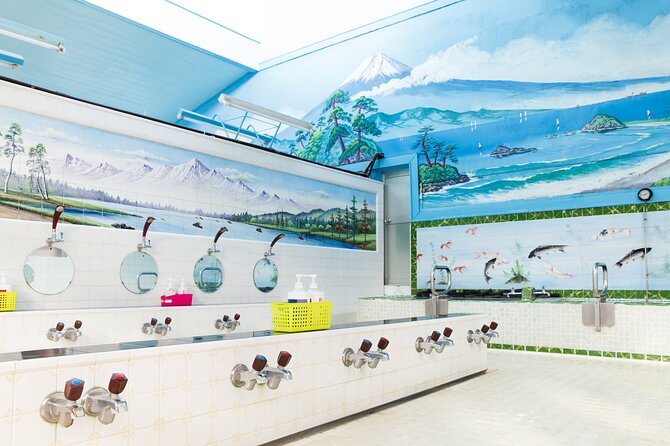
A sento is a public bathhouse used by local residents. It is not the same as a hotel spa, where the setting is designed around comfort and visitors. Here, the point is to understand a daily Japanese custom in the place where that custom still lives.
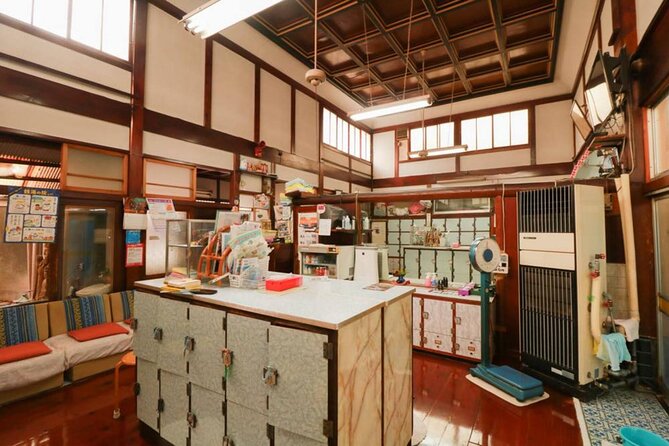
This bathhouse in Shinjuku was built in 1954, when sento served an important practical role. Many homes did not yet have private bathing facilities, so the local bathhouse was part of ordinary community life. It offered hot water, but it also gave neighbors a place to see one another and share a routine.
That background adds meaning to the visit. You are not simply paying for a soak. You are learning why this type of building mattered to postwar communities and why certain details, such as the Mount Fuji mural, became so familiar across Japan.
I would choose this experience if you want something more personal than another major Tokyo sight. It is especially useful if you have never used a Japanese public bath and do not want to guess your way through the rules.
A few more Tokyo tours and experiences worth a look
Meeting Kosei near Kagurazaka
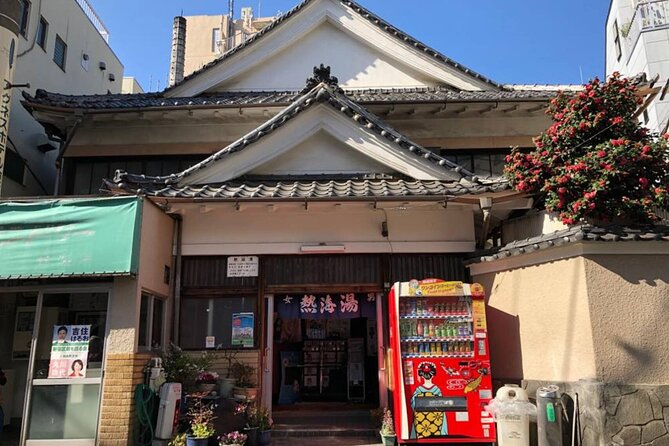
The meeting point is Starbucks Coffee at Kagurazaka-shita, at 1-chōme 92, Shuei Building, Shinjuku City, Tokyo 162-0825. From there, the group walks to the bathhouse.
One guide named Kosei is associated with the experience, and his role is to make the first steps less confusing. He explains the process in English and helps you understand what happens before you have to make any decisions about bathing.
The short walk matters because it creates a small transition from a familiar coffee shop meeting point into a more local part of the neighborhood. This is not a coach tour with a long transfer or a chain of stops. The meeting point and return point are the same, and the activity lasts about an hour.
Because the group is capped at six people, you should have a better chance to ask practical questions than you would on a large city tour. A small group also suits an activity where some people may feel shy or uncertain at first.
Learning the sento routine step by step
The orientation begins with the parts of the sento that can make first-time visitors nervous. You learn how the shoe lockers work, where to go in the changing room, and how the washing area fits into the visit.
That order is helpful. The washing area comes before the bathing pools, so the bath is for soaking rather than cleaning yourself. You also learn the basic etiquette needed to share the space respectfully with local bathers.
The guide explains how to move through the bathhouse rather than handing you a rule sheet and sending you off. For a first visit, that human explanation is worth a good part of the price. It removes the worry of standing around with no idea which locker, tap, or pool to use.
You should expect to bathe without clothing, as is normal for a sento, although the supplied information does not give a separate clothing or towel list. If you need exact details about towels, changing arrangements, or any bathhouse-specific rules, ask the provider before you go.
The Mount Fuji mural and the postwar story
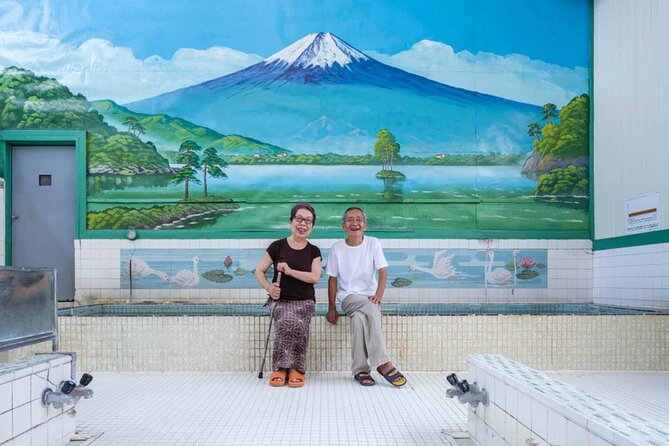
The wall murals are one of the most recognizable sento details. You will hear why Mount Fuji appears so often in bathhouses and how the image became tied to the bathing setting.
This is a small point, but it gives the room a cultural frame. Instead of seeing a painted mountain as simple decoration, you can connect it to the way sento developed and to the visual traditions that helped make a public bath feel welcoming.
The guide also explains how sento supported communities after the war. That story helps you see the bathhouse as more than a place with hot water. It was part of the basic social fabric of many neighborhoods.
The experience does not promise a long museum-style lecture. That is a strength for some people and a limitation for others. You get a compact introduction designed to fit a one-hour visit, not a full study of Japanese bath history.
Choosing between a full soak and a gentler introduction
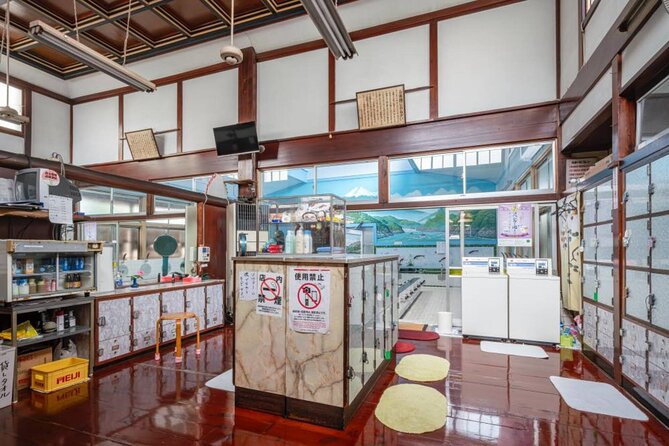
After the explanation, you can use the bath as intended and enjoy the pools. Shampoo and body soap are available, so you do not need to bring those basic washing supplies.
The warm water can make the hour feel restful, but you should allow for the fact that a public bath is shared and informal. This is a local facility, not a private room or a luxury spa. You may feel more at ease if you approach it as a cultural experience first and a relaxation stop second.
If you feel shy, you are not forced to take a full bath. The guide can offer alternatives, including looking at the architecture and entrance murals or relaxing in the lobby with a drink. That flexibility is one of the best features for beginners. You can still learn how the sento works without pushing yourself past your comfort level.
For women, the male guide does not accompany you into the bathing area. The orientation takes place beforehand, then female participants enjoy the bath independently. This arrangement is worth considering when you decide if the format suits you.
The experience is described as tattoo-friendly, which makes it useful for people who often face restrictions at Japanese baths. Still, bathhouse policies can vary, so I would confirm any tattoo-related conditions with Alva Japan Tours before booking if this is important to you.
A few more Tokyo tours and experiences worth a look
Why the bottled milk is part of the lesson
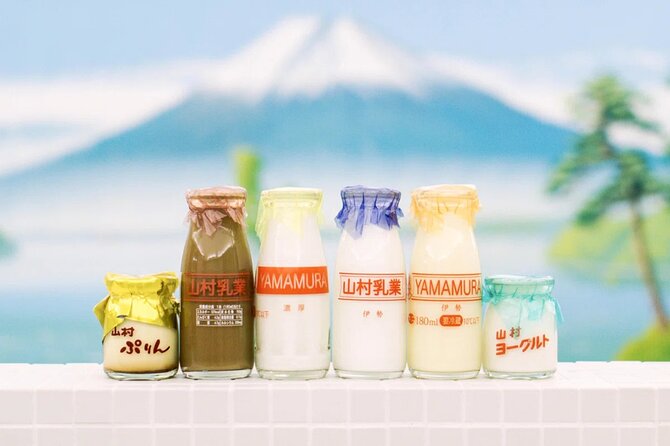
After a hot bath, the traditional next step is a cold bottled drink. You receive one complimentary bottle of milk, milk coffee, fruit milk, or a soft drink.
This is not just a free refreshment added to the booking. Bottled milk became linked with the post-bath routine, and the guide explains why it has remained such a familiar part of sento culture. The drink gives the visit a neat ending and lets you take part in a custom that costs little but feels distinctly local.
You may prefer a soft drink, especially after a warm soak. The included drink also adds modest value to the $35.77 price, though the main value comes from the orientation and access to a traditional bathhouse.
Is $35.77 a fair price for one hour?
At $35.77 per person, this is not the cheapest way to use a public bath. If you only want hot water, you can look for a bathhouse on your own and pay the entrance fee directly.
The price makes more sense if you want help with the first visit. You are paying for a bilingual introduction, a small group, cultural context, soap and shampoo use, and the included drink. You also avoid the uncertainty of figuring out the shoe lockers, washing area, and bath etiquette alone.
I see the best value for solo visitors, first-time bathers, and people who want a local experience but do not speak enough Japanese to feel comfortable arriving without guidance. It is less useful for you if you already know sento etiquette or prefer complete independence.
The short length can be a benefit in a busy Tokyo schedule. You can fit it between other plans without sacrificing half a day. On the other hand, one hour leaves little room for lingering, long explanations, or a slow spa-style visit.
Who will enjoy this Shinjuku experience most?
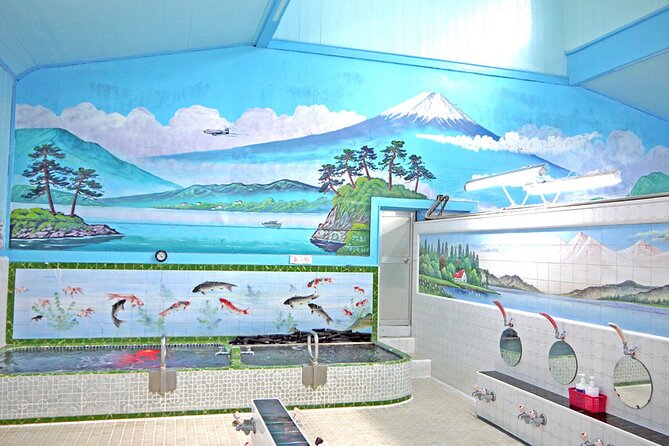
This activity suits you if you want to understand a custom by taking part in it. It is a good match for someone who has seen Tokyo’s major districts but wants a smaller, more ordinary setting.
It also works well for cautious beginners. The guide explains each stage, and you can choose to observe or relax if bathing feels too personal. The maximum group size of six helps keep the introduction focused.
You may want to skip it if you dislike shared bathing, feel uncomfortable changing in a public facility, or expect a private spa environment. The alternative options soften that concern, but they do not turn the experience into a private bath.
Most people can participate, and the bathhouse is near public transportation. The supplied details do not give specific accessibility information about steps, changing areas, or pool access, so ask before booking if you have mobility needs.
Timing, booking, and cancellation details
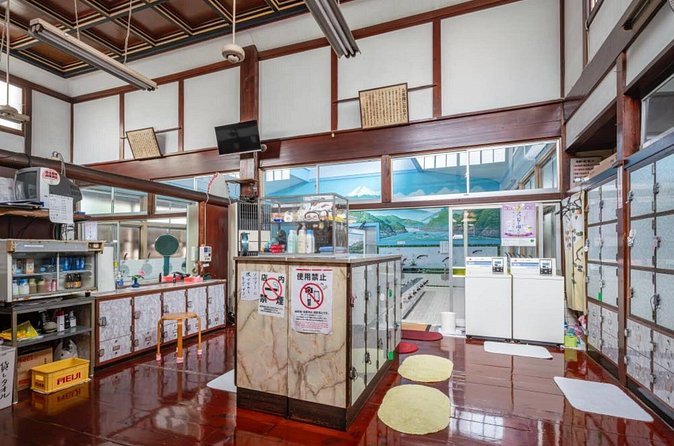
The experience takes about one hour and ends back at the Starbucks meeting point. It is booked, on average, about 55 days ahead, so I would reserve early if your Tokyo dates are fixed.
You receive confirmation when you book, and a mobile ticket is provided. Free cancellation is available until 24 hours before the start time for a full refund. Cancellations or changes made within 24 hours are not refunded or accepted.
The activity requires a minimum number of participants. If that minimum is not reached, you can receive a different date or experience, or a full refund. It also requires good weather, and poor weather can lead to a different date or a full refund.
Those conditions are worth noting even though this is mainly an indoor activity. Leave a little flexibility in your itinerary rather than booking it immediately before an important train, flight, or timed attraction.
Should you book this sento visit?
Book it if you want a friendly, low-pressure introduction to Japanese bathing culture in a real neighborhood setting. The best reasons are the 1954 bathhouse, the small group, the clear etiquette lesson, and the option to participate at your own comfort level.
The experience is not designed for luxury. It is short, shared, and practical. Female bathers will enter the bathing area without the male guide, and anyone wanting a private bath should choose another type of activity.
For $35.77, I think the experience offers fair value when you count the guidance, cultural explanation, soap and shampoo, and traditional bottled drink. If you are curious about sento but would hesitate to go alone, this is a sensible way to take the first step.
FAQ
Where does the experience begin?
You meet at Starbucks Coffee in Kagurazaka-shita, at 1-chōme 92, Shuei Building, Shinjuku City, Tokyo 162-0825.
Where does the experience end?
The activity ends back at the meeting point, Starbucks Coffee in Kagurazaka-shita.
How long does the sento experience last?
The experience lasts approximately one hour.
How much does the experience cost?
The listed price is $35.77 per person.
How many people can join the activity?
The maximum group size is six people.
Is a guide included?
Yes. A bilingual guide explains the sento process and etiquette. A guide named Kosei is associated with the experience.
Can female participants bathe with the guide?
No. Since the guide is male, female participants enjoy the bath on their own after the orientation.
What supplies are included?
Shampoo and body soap are available for use.
Is a drink included?
Yes. After the bath, you receive one complimentary bottle of milk, milk coffee, fruit milk, or a soft drink.
Can I cancel for a full refund?
Yes. You can cancel at least 24 hours before the start time for a full refund. Cancellations within 24 hours are not refunded.
More Spa & Hot Springs in Tokyo
More Shinjuku Tours in Tokyo

More tours in Tokyo we've reviewed










Shinjuku Tours, compared.
 ★ 5.0Tokyo: Shinjuku Food Tour (13 Dishes at 4 Local Eateries)From $86
 ★ 5.0Tokyo Bar Hopping Tour in Shinjuku (All-You-Can-Drink + Dinner)From $106
 ★ 4.9Tokyo: Shinjuku Food Tour (15 Dishes and 4 Eateries)From $853 hours
 ★ 5.0Best of Shinjuku: Izakaya Food Tour (4 Stops, 14+ Tastings)From $92
 ★ 4.9Tokyo: Shinjuku Local Bar and Izakaya Guided Walking TourFrom $343 hours
 ★ 5.0Tokyo Shinjuku Chopsticks Making ClassFrom $20