
Reviewed · SHINJUKU TOURS
Takoyaki cooking experience in Kabukicho, Shinjuku
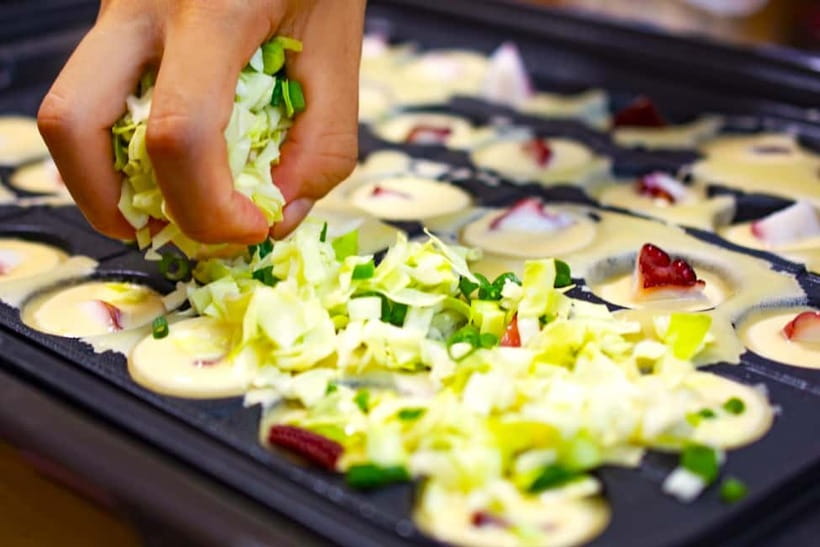
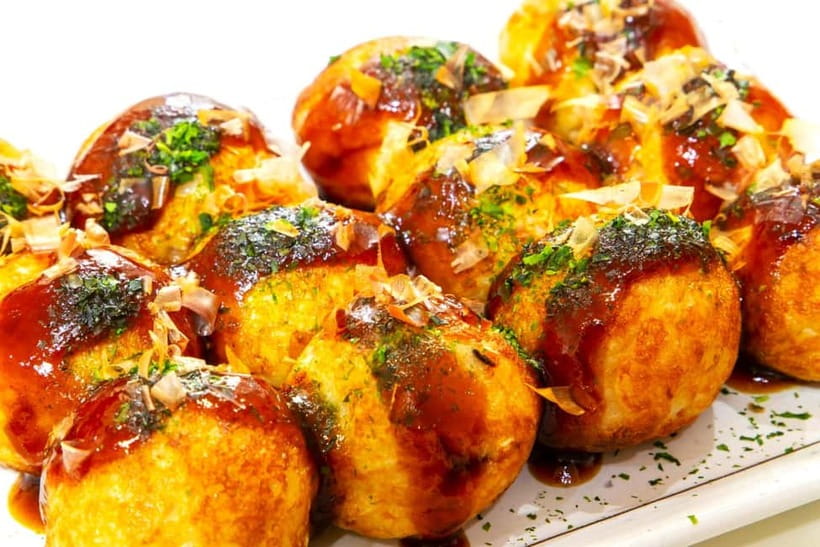
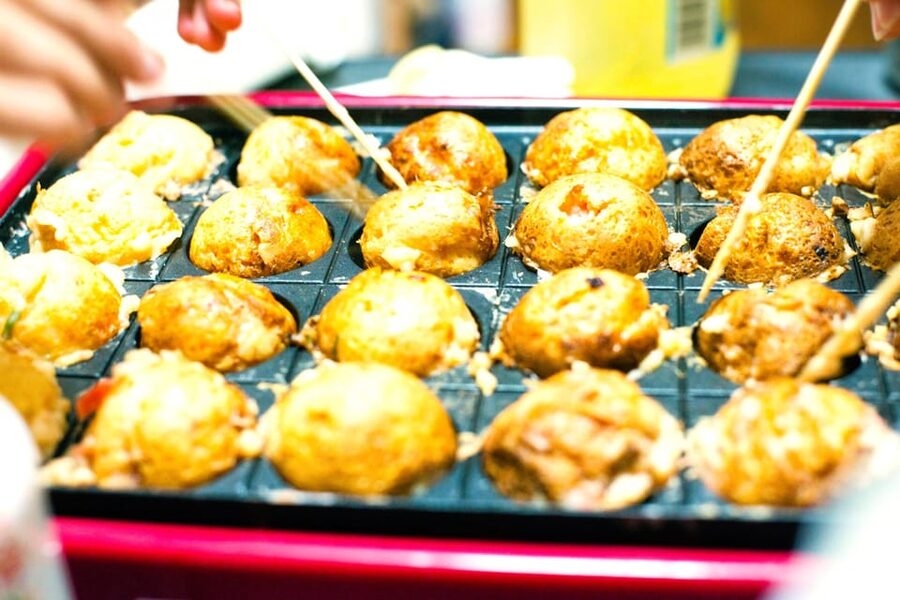
Takoyaki cooking is part meal, part small kitchen challenge. You pour batter into a griddle, add chopped octopus, and turn each piece until it becomes a neat little ball. Then you eat it hot, topped with sauce, mayonnaise, bonito flakes, and aonori.
I like the hands-on format and the easy one-hour length. I also like the small group of no more than six, which gives you a better chance to get help with the turning technique. The main drawback is simple: the food is served hot, and the griddle needs care, so this is not suitable for children under four.
In This Review
- Key points at a glance
- Turning batter into takoyaki in Kabukicho
- A one-hour session with a clear rhythm
- Friendly instruction, with English help when needed
- Why the six-person limit matters
- A family activity, with one important age limit
- What the takoyaki tastes like
- Finding the meeting point from Shinjuku Station
- The atmosphere: relaxed, social, and not overly formal
- Who should book this experience
- Booking, cancellation, and timing tips
- Final decision: is the takoyaki class worth $25?
- FAQ
- How long does the takoyaki cooking experience last?
- How much does the experience cost?
- Is the meal included?
- Where does the experience meet?
- What languages are available?
- Can children join the experience?
- Can I cancel for a full refund?
Key points at a glance
- You cook the takoyaki yourself: Learn how batter, octopus, and heat become the familiar round snack.
- The meal is included: Your finished takoyaki is served hot with classic toppings.
- Small groups keep it personal: The session is limited to six participants.
- Kabukicho location: The restaurant is about five minutes from Shinjuku Station and close to TOHO Cinemas and the famous Godzilla area.
- English and Japanese support: Staff can use a translation machine when needed.
- Good for families with older children: Children can take part, but anyone under four should not attend.
Turning batter into takoyaki in Kabukicho
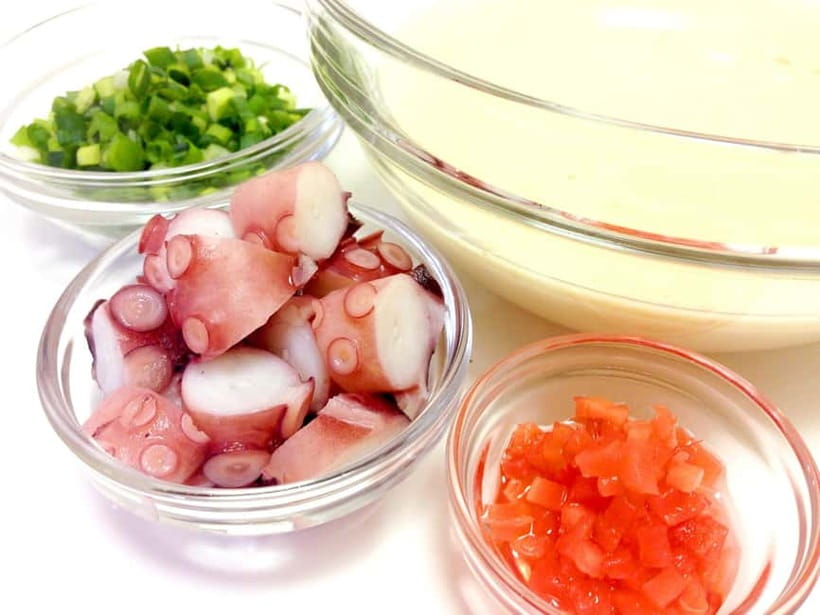
Takoyaki is one of Japan’s best-known casual foods, especially associated with Osaka, but you can find it across the country. The basic idea is wonderfully direct: flour batter made with water and eggs goes into the round holes of a hot griddle, followed by chopped octopus.
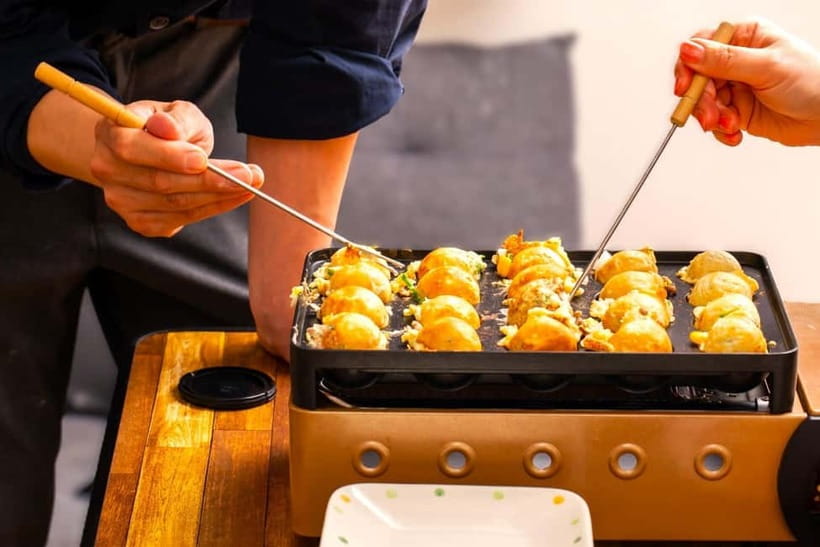
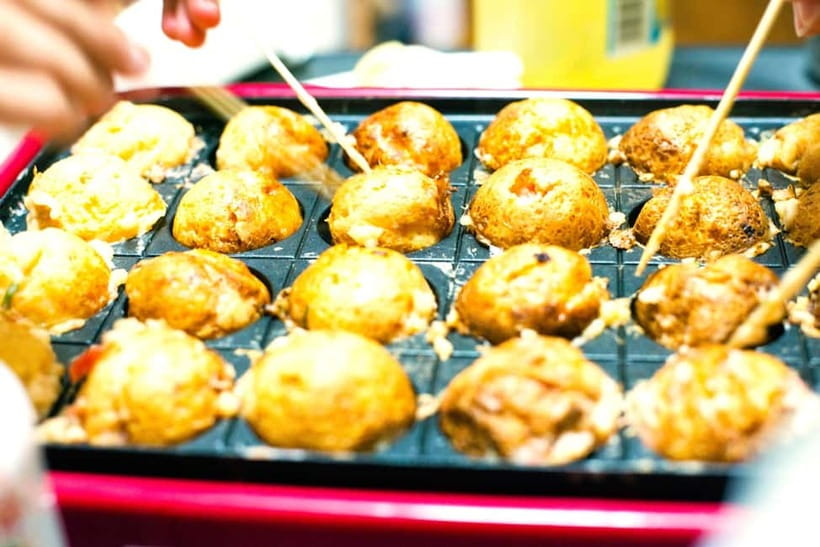
The tricky part is shaping it. As the batter cooks, you use picks or similar tools to turn the partly set mixture. At first, your pieces may look uneven or broken. That is part of the fun. With guidance, you learn how to move the cooked edges inward and rotate each piece until it becomes round.
This is not a demonstration where you sit back and watch someone else do all the work. You handle the cooking, then eat what you make. That makes the food easier to remember because you learn its texture and timing at the same time.
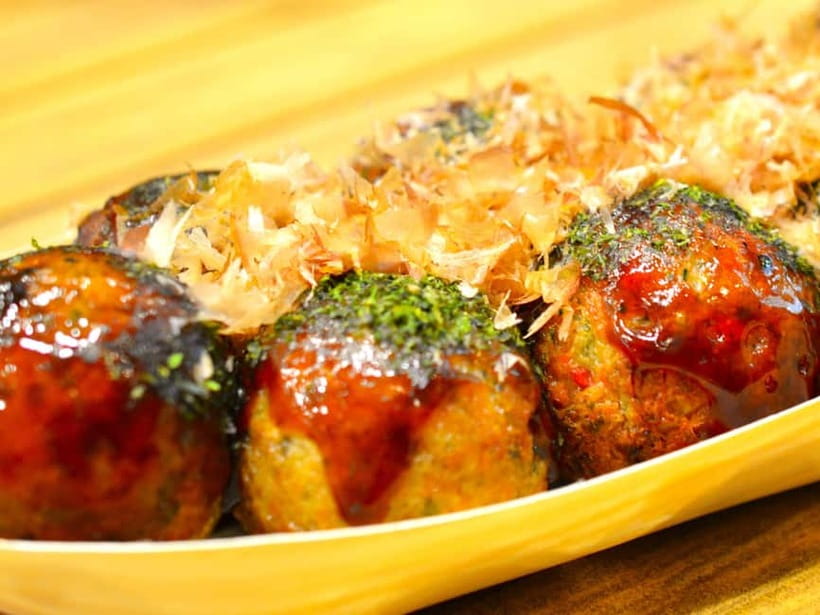
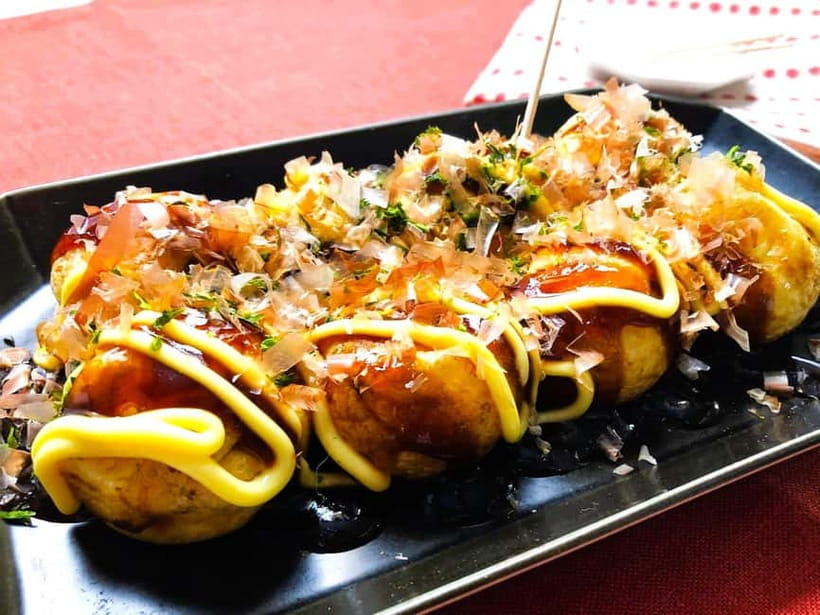
The finished takoyaki should be crisp on the outside and soft inside. It is usually topped with a savory sauce and mayonnaise, then finished with dried bonito flakes and aonori, a green laver. The heat matters. Takoyaki can look ready before the center has cooled, so take a small bite rather than eating the whole piece at once.
A few more Tokyo tours and experiences worth a look

A one-hour session with a clear rhythm
The experience lasts about one hour and ends after you finish eating. That compact schedule works well in Shinjuku, where you may be fitting food, shopping, nightlife, and sightseeing into the same day.
You first need to tell the staff that you have arrived for the takoyaki experience. From there, the session centers on preparing and cooking the food. The supplied details do not promise a fixed number of batches, a formal cultural talk, or a set drinks package, so you should think of this primarily as a practical cooking-and-meal activity.
The likely flow is easy to understand:
- You receive the ingredients and an introduction to takoyaki.
- You pour the batter into the round griddle.
- You add chopped octopus and work the cooking mixture into balls.
- You finish the takoyaki with sauce, mayonnaise, bonito flakes, and aonori.
- You eat the hot food before the session ends.
The value is in the participation. A restaurant can serve you takoyaki in minutes, but this lets you understand why good pieces are round and how the crisp outside forms around the soft middle.
Friendly instruction, with English help when needed
Instruction is available in English and Japanese. Several named instructors have led sessions, including Chihiro, Shuma, Sakiko, Koi, and Kai. The staff you meet will depend on the date, so you should not book expecting one specific person unless the provider confirms it directly.
The language setup is practical rather than formal. If a staff member is not fluent in English, a translation machine may be used. That may make the conversation slower, but the cooking itself is visual and hands-on. The process gives you plenty to follow even when every explanation is not perfectly worded.
Some sessions may feel more like cooking with a friendly local than taking a strict class. Sakiko was described as creating a relaxed, companionable atmosphere, while Koi and Kai combined cooking help with conversation about Japanese culture and practice with basic Japanese. That makes the experience useful for you if you enjoy talking as much as eating.
English ability can vary by staff member, so keep your questions short and specific if communication becomes difficult. Ask for help with when to turn the takoyaki, how hot the center should be, or which topping to use first.
Why the six-person limit matters
A maximum of six participants is a strong feature for this kind of activity. Takoyaki griddles have many small cooking spaces, but the turning technique still benefits from timely help. In a large group, you might spend more time waiting for an instructor to reach your station.
With six people or fewer, you have a better chance of receiving individual corrections. That is especially useful for first-time cooks, children, and anyone worried about making a mess.
The small format also supports conversation. You may be able to ask about the food, practice a little Japanese, or simply enjoy the meal without the rushed feeling of a large food class. At the same time, a small group is not a guarantee of a private lesson. You may still share the table and equipment with other participants.
A family activity, with one important age limit
Children can take part, and the experience can work well for families with older kids. The rolling action is engaging, and children get a clear reward at the end: they eat the food they helped prepare.
The griddle and takoyaki are hot, so younger children need close supervision. The activity is not suitable for children under four. Even older children may need an adult or staff member to handle the hottest parts of the cooking.
One family described the atmosphere as relaxed and said staff took care to prevent the children from getting hurt. That is encouraging, but you should still treat this as a hot cooking class, not a play activity. If your child cannot safely follow instructions around a hot surface, choose another meal option.




What the takoyaki tastes like
Takoyaki has a contrast that makes it popular. The outside can become lightly crisp, while the inside stays soft and fluffy. The octopus provides a firm, savory center, and the toppings add sweetness, salt, creaminess, and a seaweed flavor.
The basic topping combination includes sauce, mayonnaise, dried bonito flakes, and aonori. The bonito flakes may appear to move from the heat, which can surprise first-time visitors. The best approach is to let the food cool briefly and then try one piece before adding more toppings.
Takoyaki also pairs well with beer. Bottled drinks are not included, and additional food and drinks cost extra, so the $25 price covers the cooking activity and the meal rather than a full evening out.
This distinction matters when you compare the cost. You are paying more than the price of a ready-made serving from a street stall, but you receive instruction, participation, and a meal in return. If you only want to eat takoyaki, buying it from a shop will be cheaper and quicker. If you want to learn the basic technique and share a relaxed food activity, the price is reasonable.
Finding the meeting point from Shinjuku Station
The restaurant is about a five-minute walk from Shinjuku Station on the JR Yamanote Line. The meeting address is 1-14-5 Kabukicho, Shinjuku-ku, Tokyo. The listed Google Plus Code is MPV2+VR Shinjuku City, Tokyo.
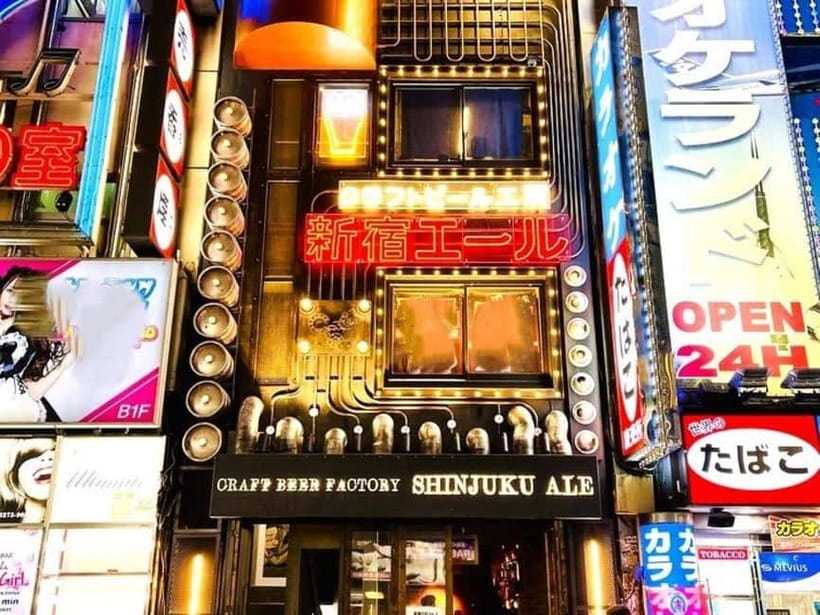
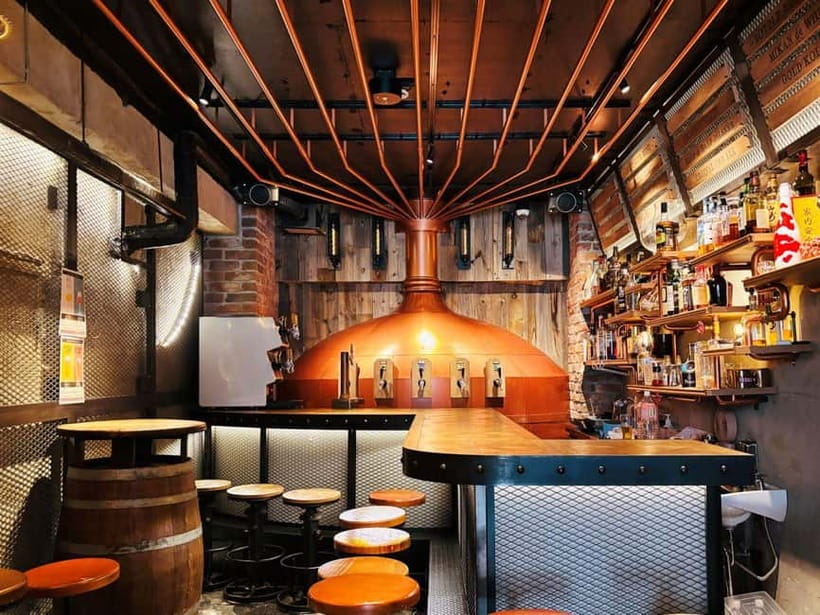
The directions use familiar Kabukicho landmarks. Walk along Kabukicho Central Road toward TOHO Cinemas. Before you reach the end of the road, look for Shinjuku Ale next to Karaoke 747 on the right.
Kabukicho can feel confusing, particularly after dark, because of its many signs and side streets. Give yourself extra time to find the building rather than arriving exactly at the start time. Once you reach the area near TOHO Cinemas, check the signs carefully and use the address or Plus Code if the storefront is not immediately clear.
The location is useful for combining activities. You can cook first, then walk toward TOHO Cinemas and the Godzilla area for photos. One participant specifically noted how close the experience was to Godzilla, making it a convenient food stop before or after sightseeing in central Shinjuku.
Transportation to the meeting point is not included. You handle your own train fare and walk from the station.
The atmosphere: relaxed, social, and not overly formal
The strongest pattern in the feedback is the staff’s friendliness and personal help. Chihiro, Shuma, Sakiko, Koi, and Kai were each singled out for making the cooking comfortable, explaining the process, or keeping conversation going.
You should expect an informal setting rather than a lecture. The attraction is the shared table, the small cooking task, and the chance to talk while your food cooks. That suits you if you prefer local food experiences with a social element.
The atmosphere may also be a consideration. If you want a quiet meal or a highly polished professional cooking school, this may feel too casual. Communication can depend on the staff member present, and translation technology may be needed. Still, the cooking method is simple enough that a language gap should not prevent you from taking part.
The current rating is 4.8 from 36 ratings, with especially strong praise for friendly instruction, simple explanations, tasty food, and a comfortable atmosphere. The feedback also includes repeated approval from families and English-speaking participants.
Who should book this experience
I would put this near the top of your list if you fit one of these groups:
- You want to cook a recognizable Japanese comfort food rather than only watch a demonstration.
- You have about an hour between Shinjuku plans.
- You are traveling with children aged four or older.
- You enjoy talking with local staff and trying a little Japanese.
- You want a small group rather than a large class.
- You like food activities that finish with a proper meal.
It is less suitable if you have gluten intolerance, since people with gluten intolerance are specifically excluded from the activity. It is also not ideal if your main goal is a large meal with drinks. Bottled drinks, extra food, and additional drinks are not included.
You should also consider heat and dexterity. Turning takoyaki requires attention, and the finished food is served hot. The activity is manageable for beginners, but it is still a cooking task, not a simple tasting.
Booking, cancellation, and timing tips
The listed cost is $25 per person. The session lasts one hour, and you select from available starting times when booking. A small group limit of six means popular times may fill more quickly than a large restaurant activity.
You can reserve now and pay later, which helps if your Shinjuku schedule is still changing. Free cancellation is available up to 24 hours in advance for a full refund. Read the exact booking terms at the time you reserve, especially if your plans may change close to the start time.
Arrive with the reservation details ready and tell the staff immediately that you booked the experience. Wear something comfortable for sitting at a cooking table, and avoid rushing in from a far-off part of Tokyo. The meeting point is close to Shinjuku Station, but Kabukicho’s signs and crowds can slow you down.
Final decision: is the takoyaki class worth $25?
Yes, if you want more than a quick snack. The best reason to book is the combination of cooking, eating, and friendly help in a six-person setting. You get a practical introduction to takoyaki, a hot meal, and a convenient location near some of Shinjuku’s most recognizable sights.
I would skip it if you have gluten intolerance, need a fully formal English-language class, or only want the cheapest possible takoyaki. For families, food-focused visitors, and curious beginners, it offers a pleasant hour with very little time commitment.
Book it when you want a break from sightseeing that lets you make part of your own meal. Just allow time to find the Kabukicho address, remember that drinks cost extra, and treat the hot griddle with care.
FAQ
How long does the takoyaki cooking experience last?
The experience lasts about one hour and ends after you finish eating the takoyaki.
How much does the experience cost?
The price is $25 per person.
Is the meal included?
Yes. The takoyaki cooking experience and meal are included. Bottled drinks, additional meals, and extra drinks are not included.
Where does the experience meet?
The meeting point is at 1-14-5 Kabukicho, Shinjuku-ku, Tokyo, about five minutes from Shinjuku Station on the JR Yamanote Line. The Google Plus Code is MPV2+VR Shinjuku City, Tokyo.
What languages are available?
Instruction is available in English and Japanese. If a staff member is not fluent in English, a translation machine may be used.
Can children join the experience?
Children can join, but the experience is not suitable for children under four years old.
Can I cancel for a full refund?
Yes. You can cancel up to 24 hours in advance for a full refund.
More Shinjuku Tours in Tokyo

More tours in Tokyo we've reviewed





Shinjuku Tours, compared.
 ★ 5.0Tokyo: Shinjuku Food Tour (13 Dishes at 4 Local Eateries)From $86
 ★ 5.0Tokyo Bar Hopping Tour in Shinjuku (All-You-Can-Drink + Dinner)From $106
 ★ 4.9Tokyo: Shinjuku Food Tour (15 Dishes and 4 Eateries)From $853 hours
 ★ 5.0Best of Shinjuku: Izakaya Food Tour (4 Stops, 14+ Tastings)From $92
 ★ 4.9Tokyo: Shinjuku Local Bar and Izakaya Guided Walking TourFrom $343 hours
 ★ 5.0Tokyo Shinjuku Chopsticks Making ClassFrom $20