
Reviewed · MT FUJI DAY TRIPS
Seasonal Mt. Fuji Scenic Views, Fruit Picking and Ropeway!
The best part of this day trip is the mix of Mt. Fuji viewpoints and seasonal fruit picking. You get a classic mountain-and-lake view from the Kawaguchiko Ropeway, then a more hands-on taste of Yamanashi at an orchard. It is a pleasant change from simply taking photos and getting back on the bus.
I like the carefully timed seasonal themes, especially the chance to see cherry blossoms, lavender, moss phlox, autumn leaves, or winter scenery. I also like that the bus, ropeway ticket, orchard entry, Wi-Fi, and English-speaking guide are bundled into the $90 price. The main catch is simple: Mt. Fuji may be hidden by fog, rain, humidity, or cloud, and no refund is offered for poor weather or schedule changes.
- Seasonal fruit picking: Pick strawberries, cherries, peaches, grapes, and sometimes apples or oranges, depending on your departure date.
- Kawaguchiko Ropeway views: Ride above Lake Kawaguchi for a broad view toward Mt. Fuji and the surrounding area.
- Changing seasonal stops: See lavender in summer, autumn leaves later in the year, and winter village scenery.
- Local Yamanashi lunch: Choose the lunch option for thick houtou noodles with pork and seasonal vegetables. Muslim-friendly meal adjustments are available on request.
- Helpful on-the-ground guidance: English-speaking guide Christy has been praised for being accommodating, while the driver has looked for better photo stops when the mountain appeared.
- Easy Tokyo departure: Meet near Shinjuku Station, then let the air-conditioned bus handle the long ride to Mt. Fuji country.
In This Review
- Why this Mt. Fuji day trip works
- Starting near Shinjuku Station
- Fruit picking in Yamanashi
- Riding the Mt. Fuji Panoramic Ropeway
- Seasonal Mt. Fuji scenery from winter to autumn
- Winter: late December through March
- Spring: April
- Shibazakura season: late April through late May
- Summer: June and July
- Late summer: August and September
- Autumn: October and November
- Lunch: houtou noodles with a Yamanashi flavor
- The guide and the value of group transport
- Is $90 a fair price?
- Who should book this Mt. Fuji outing?
- Should you book it?
- FAQ
- Where does the Mt. Fuji tour depart from?
- How do I find the guide?
- Is hotel pickup included?
- What transportation is used?
- Is the ropeway ticket included?
- What fruit can I pick?
- Is lunch included?
- Can I request a Muslim-friendly meal?
- What happens if the ropeway does not operate?
- Can children under three join?
Why this Mt. Fuji day trip works
Mt. Fuji is not a single-stop attraction. The mountain looks different from a lake, a ropeway, an orchard, a flower park, or a traditional village. This outing makes use of that variety, with the exact scenery changing through the year.
You leave from Tokyo and head toward Yamanashi Prefecture, the area on the northern side of Mt. Fuji. The trip is designed for international visitors and is conducted in English. One guide accompanies the group, and the minimum operating group is 10 passengers.
I see this as a good choice for you if you want a broad sample of the Fuji Five Lakes area without planning separate trains, buses, attraction tickets, and orchard visits. It is less suited to you if your only goal is to reach Mt. Fuji’s upper slopes or spend a full day at one quiet viewpoint.
The $90 cost has solid value if you select the lunch option and make use of the included ropeway ticket and fruit experience. Drinks are extra, and hotel pickup and drop-off are not included. You must reach the meeting point near Shinjuku on your own.
Starting near Shinjuku Station
The meeting point is near Shinjuku, a practical launch point for a day outside Tokyo. From the JR Shinjuku Station West Exit, allow about 10 minutes on foot. From Nishi-Shinjuku Station on the Tokyo Metro Marunouchi Line, Exit E7 is about a three-minute walk away.
Look for the guide holding a blue HIS flag or an HIS meeting board. That detail matters in the crowded Shinjuku area, where a clear meeting marker saves time and confusion.
The transportation is by air-conditioned bus, operated by Yamato Kanko. You get Wi-Fi service on board, which is useful for checking messages or sharing photos during the ride. Still, this is a full sightseeing day with several stops, so bring comfortable shoes rather than treating it like a bus-only excursion.
There is no hotel pickup. The bus returns to the same meeting point at the end of the outing, which makes it easier to continue your evening in central Tokyo.
A few more Tokyo tours and experiences worth a look
Fruit picking in Yamanashi
The orchard visit gives the day a local food angle. Yamanashi is famous for fruit production, and the picking schedule follows the harvest calendar rather than offering the same activity all year.
The published schedule is:
- Late December through early May: strawberries
- June: Japanese cherries
- July: peaches
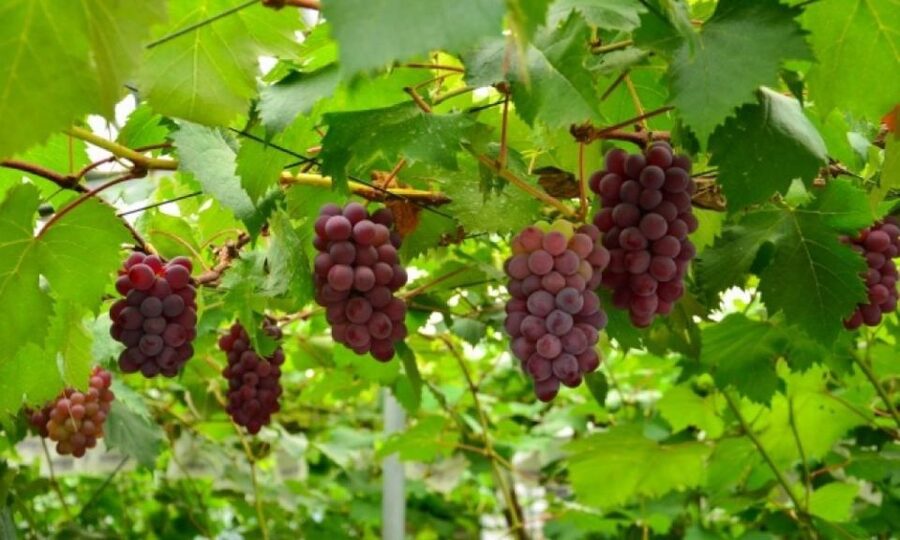
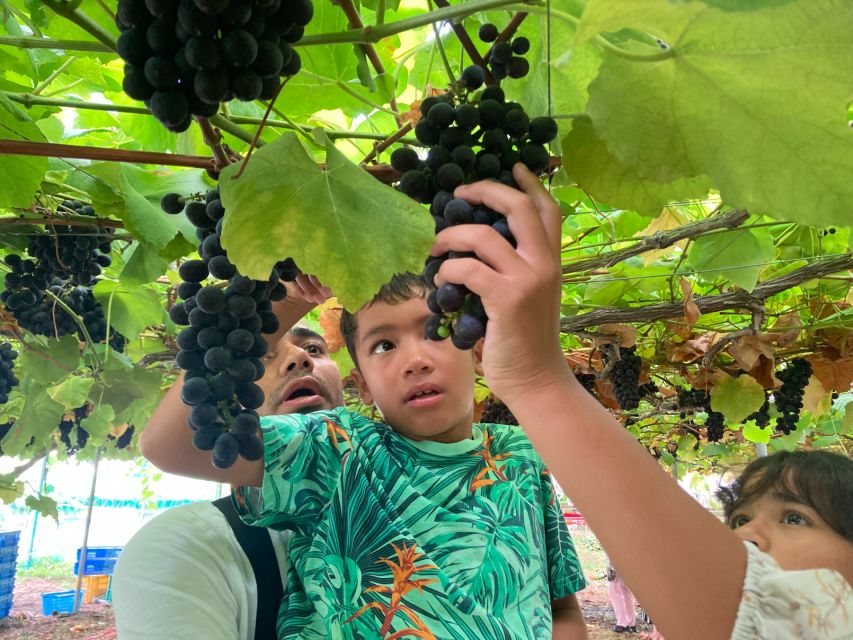
- August through late November: assorted grapes
- Some departures may also include apples or oranges, depending on the season
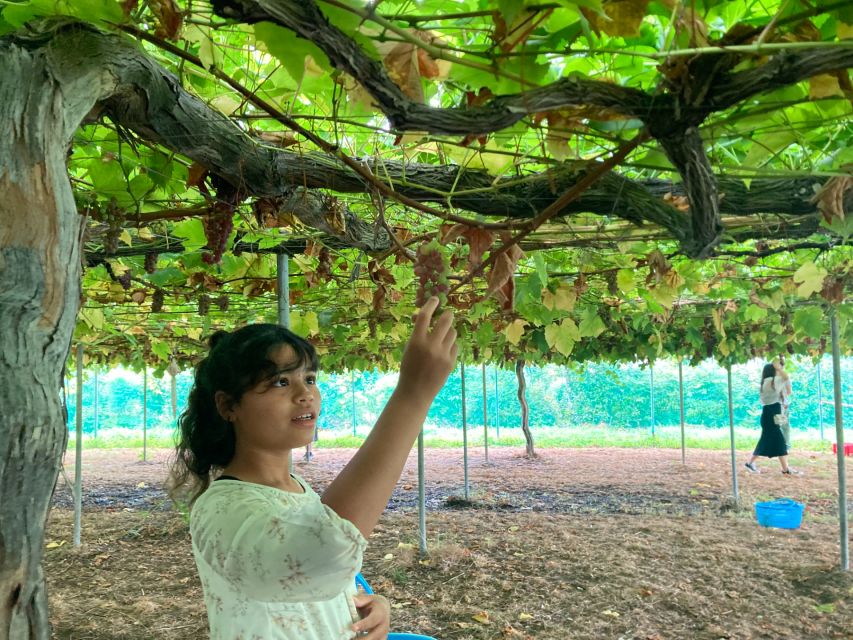
This is not just a tasting counter. You get admission to the orchard and the chance to pick seasonal fruit yourself. The experience is likely to feel most rewarding if you enjoy fresh produce and simple hands-on activities. It also gives children a clear activity to look forward to between scenic stops.
Keep the calendar in mind when booking. You should not expect peaches in spring or grapes in midwinter. The fruit type can affect the character of the visit, so check the departure date if the orchard is a major reason you want this tour.
The supplied information does not specify how long you remain at the orchard or how much fruit you may take. For that reason, think of the visit as a guided seasonal experience, not an unlimited farm feast.
Riding the Mt. Fuji Panoramic Ropeway
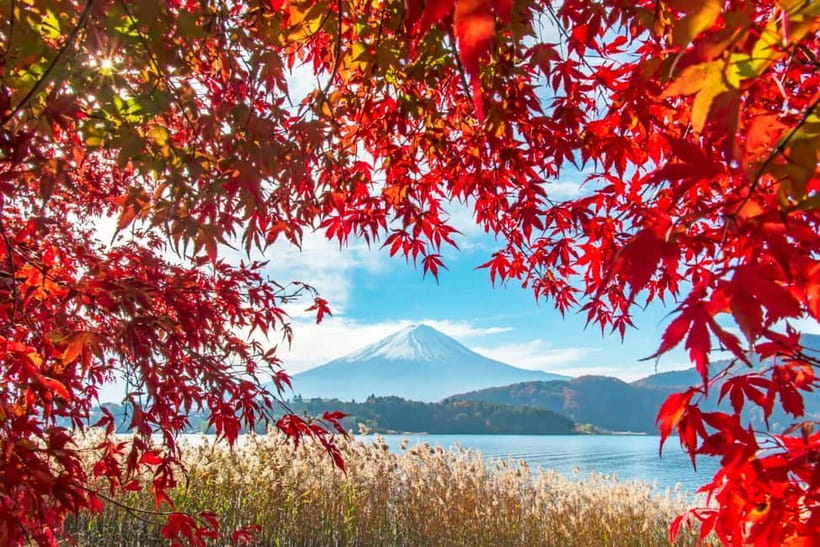
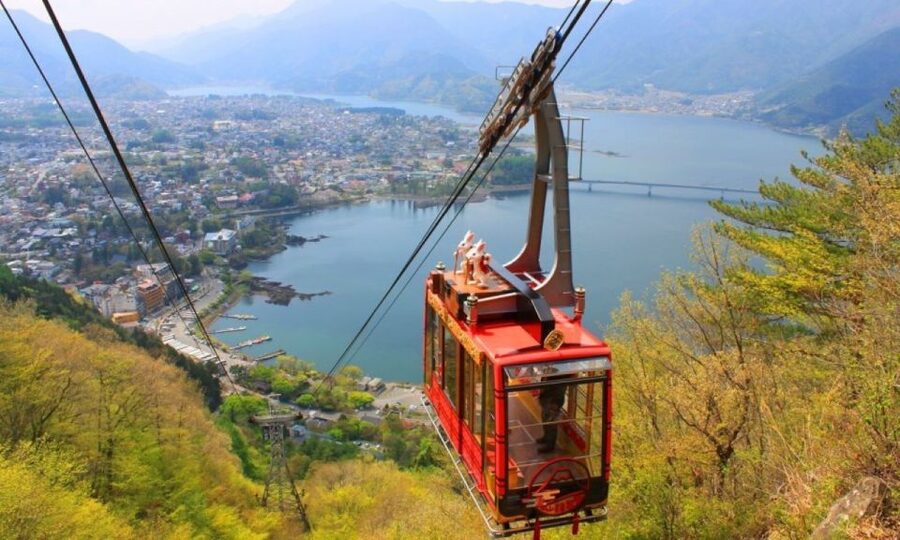
The Kawaguchiko Ropeway, also called the Mt. Fuji Panoramic Ropeway, is the main paid attraction included in the day. The gondola carries you above Lake Kawaguchi, giving you a higher viewpoint than the shoreline parks.
The appeal is the wider view. From above, you can take in Lake Kawaguchi and Mt. Fuji in the same frame, along with the surrounding area. The ropeway adds movement and height to a day that could otherwise consist of roadside viewpoints and walking paths.
I like this stop because it offers a clear visual contrast with the orchard. At the farm, you are close to the food and soil. On the ropeway, you gain a broad view of the lake and mountain. That combination makes the tour feel more varied than a standard photo stop.
Weather remains the deciding factor. Fog can block the mountain, and high humidity or heavy rain can reduce the view. The gondola itself may also stop operating. If that happens, the tour redirects to either the Fuji Visitor Center or Oshino Hakkai.
That change is important to understand before you book. The alternative destinations may still provide Fuji-area sightseeing, but they are not the same experience as riding above Lake Kawaguchi. The operator does not offer refunds for weather problems or itinerary changes made by the guide or staff.
Seasonal Mt. Fuji scenery from winter to autumn
The tour changes with the calendar, which is its strongest feature. You are not simply receiving the same route in every month.
Winter: late December through March
Winter departures include the serene Saiko Iyashi no Sato Healing Village. This traditional Japanese village is paired with views of Mt. Fuji, creating a quieter and more cultural part of the day.
The village stop gives you something to see even when the flower parks are out of season. Winter can also bring a cleaner, more spare appearance to the mountain area, though clear Fuji views are never guaranteed.


Spring: April
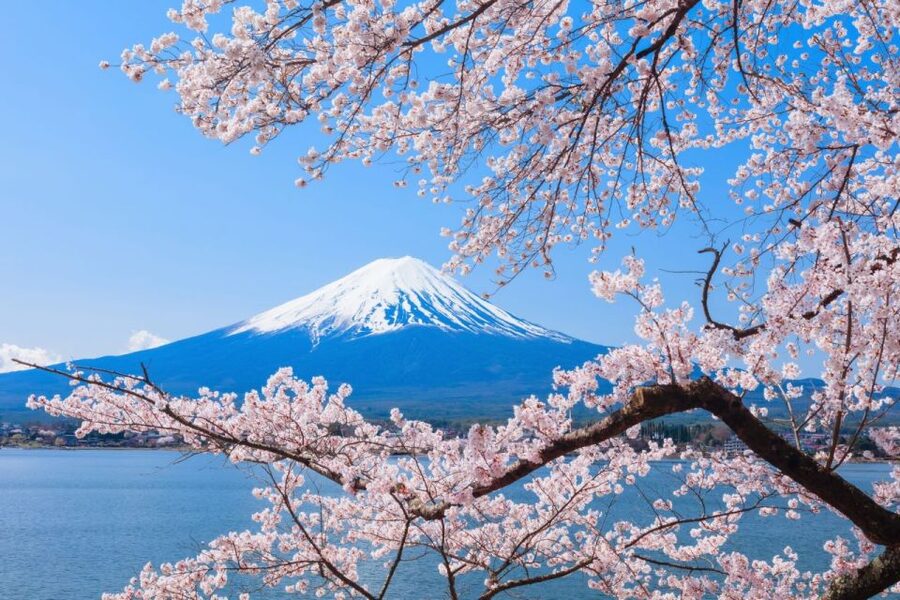
April brings cherry blossoms around Kawaguchiko. This is one of the most popular seasonal periods, so you should expect the scenery to be especially dependent on the exact bloom dates and weather.
The published schedule also notes a change to the route after May 25, 2025. Departures through May 10 are described as following the original itinerary, including Oishi Park and Mt. Fuji. Since seasonal operations can shift, confirm the route attached to your chosen date.
Shibazakura season: late April through late May
The Fuji Shibazakura Festival at Motosu Lake Resort features pink moss phlox, known in Japan as shibazakura. This stop offers a low-growing carpet of flowers with Mt. Fuji as a backdrop.
It is a strong choice for photographers, but flower displays are naturally tied to timing. A late or early bloom can change what you see, and rain or cloud can hide the mountain.
Summer: June and July
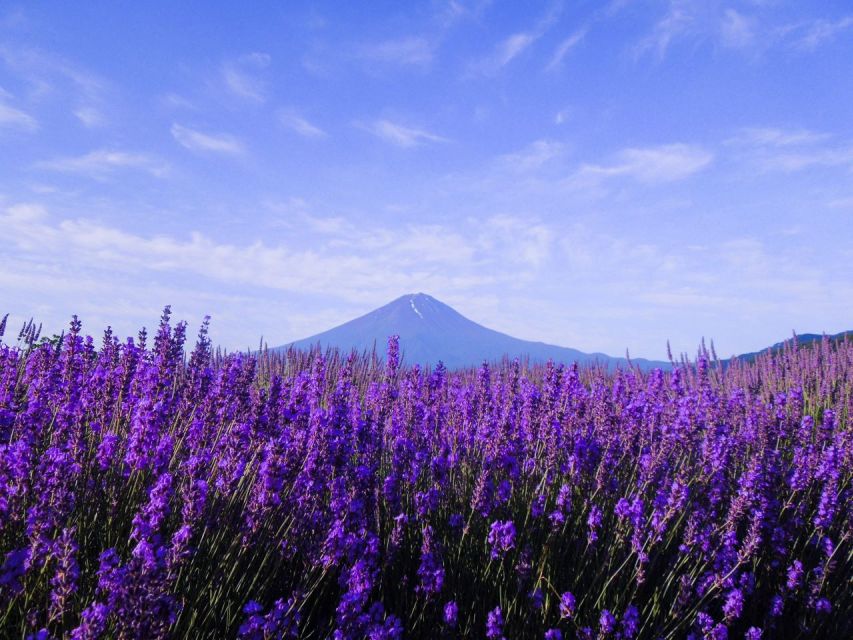
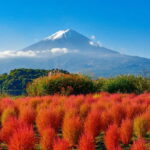
Oishi Park is the summer stop, with lavender fields and a Mt. Fuji backdrop. June and July also line up with Japanese cherry picking in June and peach picking in July.
This may be the most colorful version of the route, but summer weather can bring humidity and haze. You may see the flowers clearly while the mountain remains faint or invisible.
Late summer: August and September
The schedule shifts toward Mt. Fuji 5th Station. This takes you higher, closer to the peak, and offers a different view from the lakeside and ropeway stops.
The 5th Station is not the summit, and this outing is not a mountain-climbing tour. It is a scenic stop for a closer look at Japan’s best-known peak.
Autumn: October and November
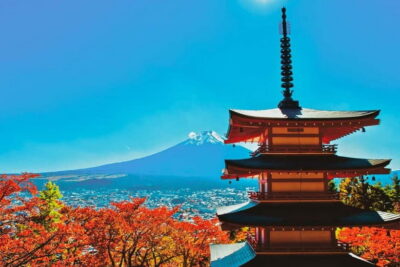
Autumn departures may visit Oishi Park or the Momiji Corridor, also called the Maple Leaf Tunnel. The focus is on fall color around the lake and nearby roads.
The Momiji Corridor can be especially photogenic, while Oishi Park offers a more open view. As with the blossoms, the timing of the leaves is not fixed to a single date.
Lunch: houtou noodles with a Yamanashi flavor
Lunch is included only if you select the lunch option, so check your booking carefully. The meal features Yamanashi-style houtou noodles, thick noodles served with pork and fresh seasonal vegetables.
Houtou is a fitting regional dish for this itinerary. It is filling, warming in cool weather, and different from the usual restaurant meals you may have in Tokyo. It gives you a taste of Yamanashi rather than treating the day as a series of international-tour bus stops.
Drinks are not included, so plan to pay separately for them. If you request a Muslim-friendly meal, the contents of the menu will be adjusted. The available information does not give a full list of ingredients or describe the exact substitute, so make the request ahead of time and confirm the arrangement.
The guide and the value of group transport
An English-speaking guide accompanies the group. Christy is specifically noted as an accommodating guide, a useful detail if you value help with timing, meeting points, and practical questions during a busy day.
One particularly helpful touch is the driver’s willingness to look for a better place to stop when Mt. Fuji appeared. That kind of flexibility can make a real difference. Fuji viewing is often a game of patience and position, and a small adjustment may produce a much better photograph.
You should still understand the limits of a bus tour. The guide must keep to a schedule, and the route may change because of weather, road conditions, or ropeway operations. You will not have the freedom to linger at one favorite viewpoint for the entire afternoon.
For a first visit to the area, the bus saves you from working out connections between Tokyo, Kawaguchiko, the orchard, and the seasonal attraction. That convenience is a large part of the price.
Is $90 a fair price?
At $90 per person, the tour offers reasonable value for a packaged day from Tokyo. The price covers the air-conditioned bus, ropeway gondola ticket, orchard admission, English-speaking guide, and Wi-Fi. Lunch is included when you choose that option.
The value is strongest if you want several experiences in one day. Buying separate transport and attraction tickets could become complicated, especially when seasonal stops and orchard access are involved.
The value is weaker if you already know exactly where you want to go and prefer independent travel. You may give up flexibility by joining a scheduled group, and poor weather can limit the main Fuji views without producing a refund.
Children aged 0 to 2 may join free, but they do not receive a bus seat or lunch. If you need either one, book them at the child rate. That policy can matter to families with infants.
Who should book this Mt. Fuji outing?
I would recommend this tour to you if you are staying in Tokyo and want one organized day covering scenery, food, and a seasonal activity. It is particularly suitable for first-time visitors, families, and anyone who does not want to manage rural Japanese transport.
It also suits photographers who want several chances to see Mt. Fuji from different angles. The driver’s willingness to seek a better photo stop is a welcome advantage, though you must accept that nature controls the final result.
You may want a different plan if you need hotel pickup, dislike fixed schedules, or are booking mainly for a guaranteed view of the mountain. No Mt. Fuji tour can promise clear weather, and this one makes that limitation clear.
Comfortable shoes are the one stated packing requirement. I would also bring water money, a phone charger, and layers suitable for the season, though drinks and extra personal items are your responsibility.
Should you book it?
Book this tour if you want a well-rounded Mt. Fuji day with fruit picking, a ropeway ride, seasonal scenery, and a local noodle lunch. The $90 price is sensible when you use the included attractions and prefer the ease of a guided bus.
Skip it if a clear Mt. Fuji photograph is your only priority, or if you want to choose your own pace. The best reason to book is not one guaranteed viewpoint. It is the range of Fuji-area experiences packed into one organized day, with the route changing to match the season.
FAQ
Where does the Mt. Fuji tour depart from?
The tour departs near JR Shinjuku Station and returns to the same meeting point. From the JR Shinjuku West Exit, the walk takes about 10 minutes. From Nishi-Shinjuku Station Exit E7, it takes about three minutes.
How do I find the guide?
The guide will hold a blue HIS logo flag or an HIS logo meeting board at the meeting point.
Is hotel pickup included?
No. You must make your own way to the meeting point near Shinjuku.
What transportation is used?
The tour uses an air-conditioned bus operated by Yamato Kanko. Wi-Fi service is provided on the bus.
Is the ropeway ticket included?
Yes. The Mt. Fuji Panoramic Ropeway gondola ticket is included.
What fruit can I pick?
The schedule lists strawberries from late December through early May, Japanese cherries in June, peaches in July, and assorted grapes from August through late November. Apples or oranges may also be available, depending on the season.
Is lunch included?
Lunch is included if you select the lunch option. The meal features Yamanashi houtou noodles with pork and seasonal vegetables. Drinks are not included.
Can I request a Muslim-friendly meal?
Yes. The menu contents can be adjusted if you request a Muslim-friendly meal.
What happens if the ropeway does not operate?
The tour will redirect to either the Fuji Visitor Center or Oshino Hakkai.
Can children under three join?
Children aged 0 to 2 may join free, but they will not receive a bus seat or lunch. If you need a seat or lunch, book the child rate.
More Mt Fuji Day Trips in Tokyo
More tours in Tokyo we've reviewed




Mt Fuji Day Trips, compared.
 ★ 5.0Mt Fuji and Hakone 1-Day Bus Tour Return by Bullet TrainFrom $163
 ★ 4.0Mt Fuji & Hakone Cruise, Drum Show Bullet Train 1 Day from TokyoFrom $149
 ★ 4.4Tokyo Mt Fuji 5th St & Hakone Cruise Bus Tour w/Bullet TrainFrom $15410 hours
 ★ 4.5From Tokyo: Mount Fuji Full-Day Sightseeing TripFrom $6810 hours
 ★ 4.7Tokyo: Mt. Fuji Tour, Hakone Ropeway, Owakudani, Lake AshiFrom $5410 hours
 ★ 4.4Tokyo:Mt.Fuji,Kawaguchiko Oishi Park,Arakurayama Sengen ParkFrom $5410 hours