
Reviewed · SAMURAI & NINJA EXPERIENCES
Samurai Ninja Museum Asakusa: Kid-Friendly Ninja Training
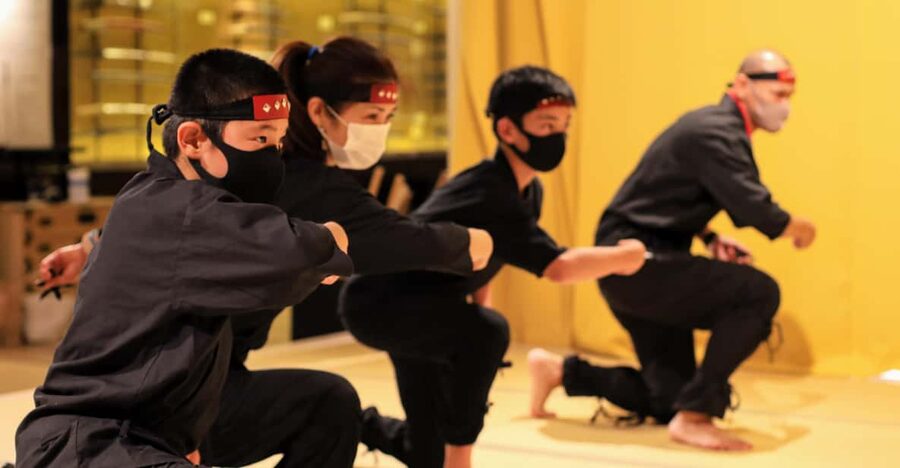
The best part of this Asakusa activity is simple: you do not just look at ninja displays, you dress as a ninja and practice a few skills yourself. In 75 minutes, you can throw ninja stars, use a blowgun, hunt for treasure, and pose for photos in full costume.
I like the clear family focus and the lively English-speaking instruction. I also like the mix of hands-on play and museum access, which gives you more than a costume photo. The main drawback is price: at $56 per person, it is a short activity, so the value depends heavily on how much your family enjoys the role-playing.
In This Review
- Key points to know before you book
- Putting on the ninja outfit in Asakusa
- What the museum adds to the 75-minute session
- Learning ninja secrets without heavy theory
- Throwing shuriken at the target
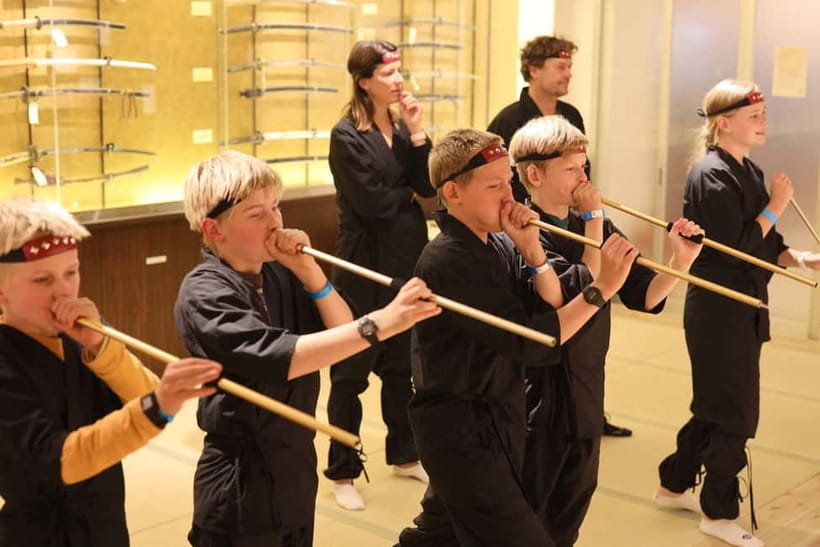
- Taking aim with the ninja blowgun
- The treasure hunt that keeps children involved
- Photos that capture the silly side of Tokyo
- Is $56 a fair price?
- Who will enjoy this most?
- Timing your visit around Asakusa
- What the strong ratings really tell you
- Should you book the Asakusa ninja experience?
- FAQ
- How long does the ninja experience last?
- What activities are included?
- Is museum admission included?
- Is the guide available in English?
- Can children under 3 join?
- How much does the activity cost?
- Can I cancel for a refund?
Key points to know before you book
- Full ninja costume: You dress up for the activity and have a photo session in your outfit.
- Hands-on practice: The session includes ninja star throwing and use of a ninja blowgun.
- Treasure hunt included: Children get an extra game built around finding ninja treasure.
- English-speaking instruction: Guides explain the activities in English, with Koki praised for friendly, clear teaching.
- 75-minute visit: The format works well as a compact Asakusa activity between other Tokyo plans.
- Age and group details: Children under 3 cannot join the ninja activity, though they may enter the venue. Booking information lists a small group of up to 5 participants, while the venue information also gives a maximum of 20 people.
Putting on the ninja outfit in Asakusa
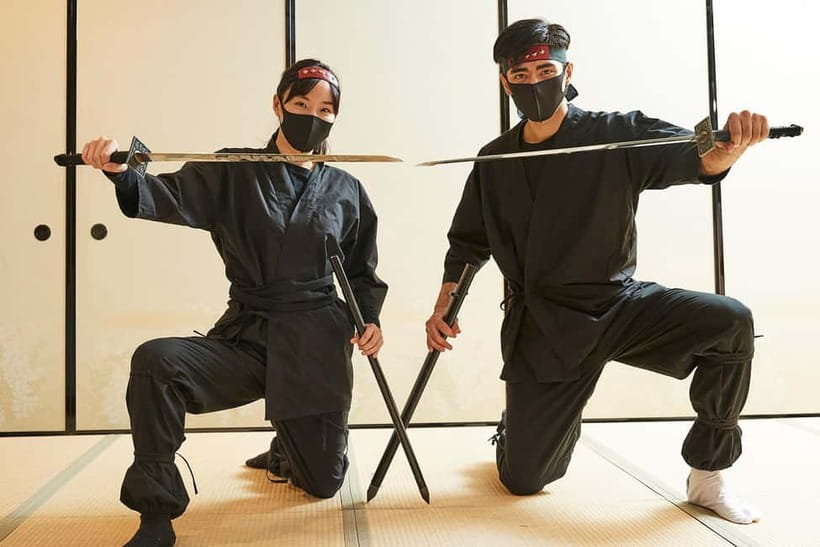
Your visit begins with the part children usually understand at once: getting into character. The experience provides a full ninja outfit, turning a museum visit into a small stage show where you and your family become the main attraction.
That costume matters more than it may sound. Kids who might lose interest in a display case often pay closer attention once they are dressed for the part. Adults can join in too, making the photo session a family activity rather than a quick picture of one child.
The outfit also gives the session a clear rhythm. You are not simply moving from one object to the next. You first become a ninja, then learn about ninja methods, then try a few activities connected to that role.
The supplied information describes the outfit as authentic, but you should treat this as a cultural activity rather than a serious martial arts lesson. The aim is fun, basic instruction, and a memorable introduction to ninja traditions.
A few more Tokyo tours and experiences worth a look


What the museum adds to the 75-minute session
The ninja training takes place alongside a complimentary tour of the Samurai and Ninja Museum. That museum setting gives the activities some context, even though the visit is designed mainly for participation.
You can expect interactive exhibits connected with samurai and ninja culture. The word interactive is important here. This is not presented as a quiet museum stop where you only read labels. The visit pairs exhibits with costume, demonstrations, and simple challenges.
For adults, the museum portion can help explain why the activity feels more satisfying than a stand-alone photo opportunity. You get a little background before or around the practical exercises. For children, the displays break up the games and give them something else to see.
The 75-minute length is useful in Tokyo. You can fit the experience into a morning or afternoon in Asakusa without giving up half a day. At the same time, the short format means the program moves along quickly. If you want a long historical talk or extended time with every exhibit, this will feel too brief.
Learning ninja secrets without heavy theory
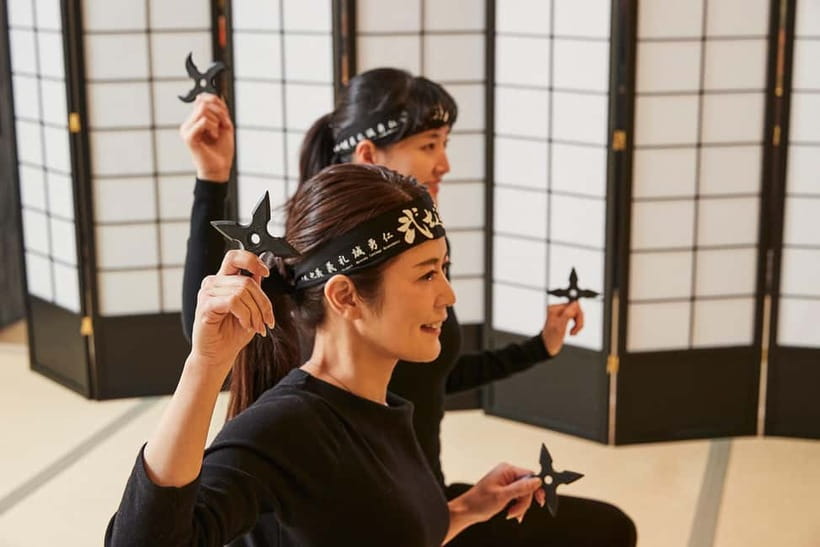
The session promises an introduction to the secrets of ninja, but you should expect accessible explanations rather than a specialist lecture. The English-speaking guide leads you through the activities and explains what to do.
That makes the experience a good fit for families with different ages and attention spans. You do not need prior knowledge of Japanese history, and children can understand the basic idea through movement and play.
The guide can make a big difference. Koki is specifically praised for being friendly and explaining things well. That is useful here because the activities need clear demonstrations and simple safety instructions. A warm guide also helps shy children take part instead of watching from the side.
The activity is not described as a private lesson, so the amount of individual attention can depend on the group. Booking information identifies it as a small-group experience limited to 5 participants, which suggests a more personal format. Other venue information gives a maximum of 20 travelers, so confirm the group size shown for your selected departure when booking.
Throwing shuriken at the target
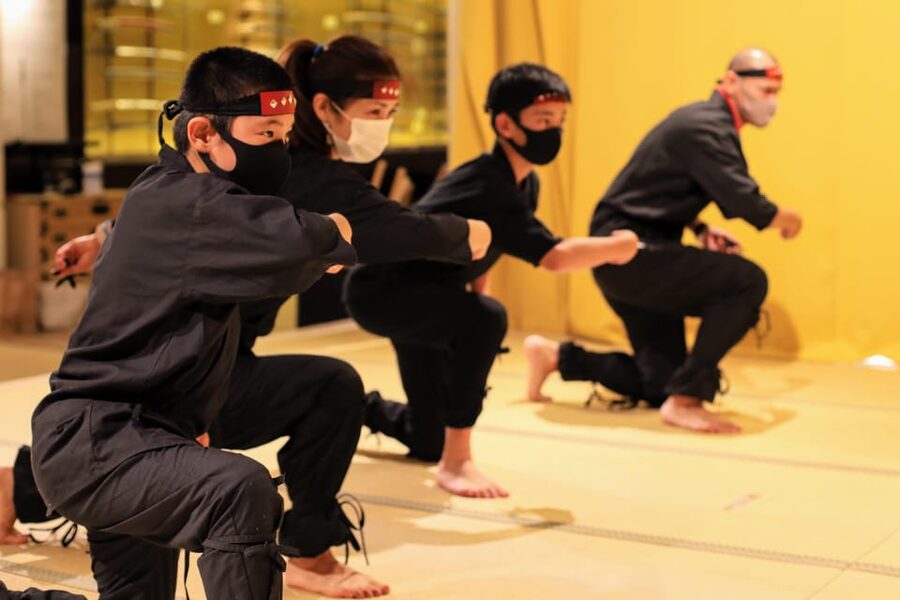
The ninja star throwing competition is likely to be the most memorable part for many children. You get to practice precision and compete in a lighthearted challenge, using shuriken, the star-shaped throwing tools commonly linked with ninja imagery.
The competition element gives the activity a clear goal. Instead of simply trying the motion once, you have a reason to focus and improve. Children can cheer for one another, while adults may find themselves taking the contest more seriously than expected.
Keep your expectations sensible. This is a cultural entertainment activity, not combat training. The information does not promise advanced techniques, long practice sessions, or a formal tournament. Think of it as a supervised introduction to a famous ninja skill.
If you have a child who enjoys games with a target, this part adds real value. If your family is not interested in competitions, the costume, blowgun, museum, and treasure hunt still give the session several other things to do.
Taking aim with the ninja blowgun
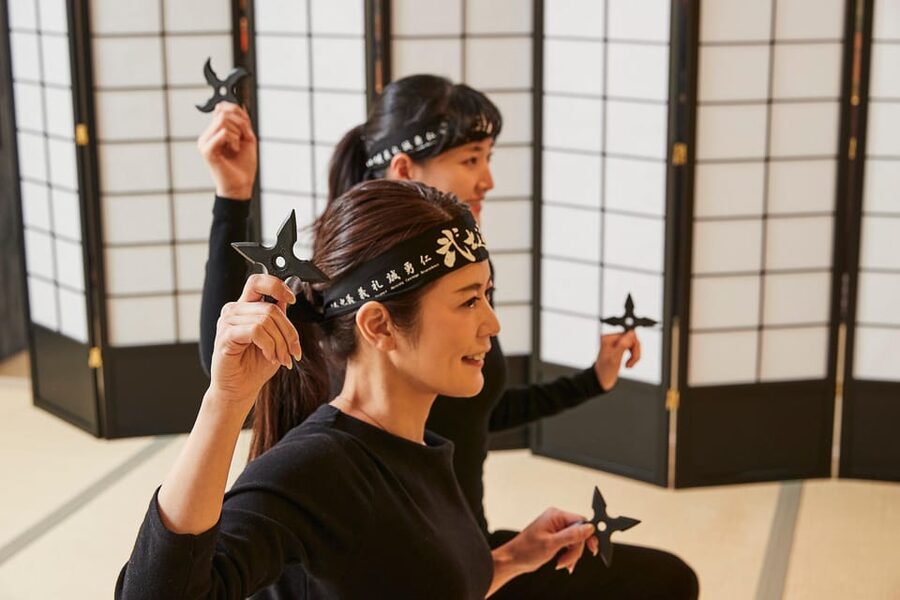
The blowgun offers a different kind of challenge. Shuriken throwing calls for a throwing motion, while the blowgun requires steady aim and controlled breath. That change keeps the activity from feeling like one repeated game.
You will practice precision with the ninja blowgun under the guide’s direction. Since the program is family-friendly, the value is in trying the technique and seeing how it works, not in mastering it during one short visit.
This is also a useful activity for children who do not enjoy throwing objects. Some may prefer careful aiming to the energy of the star throwing competition. The two exercises give the guide a chance to include different personalities.
The provided details do not state the exact age limits for the blowgun or the type of targets used. Children under 3 cannot join the ninja experience at all, though they can enter the venue. If you are booking for a young child, ask the operator about participation in each activity before you arrive.
A few more Tokyo tours and experiences worth a look
The treasure hunt that keeps children involved
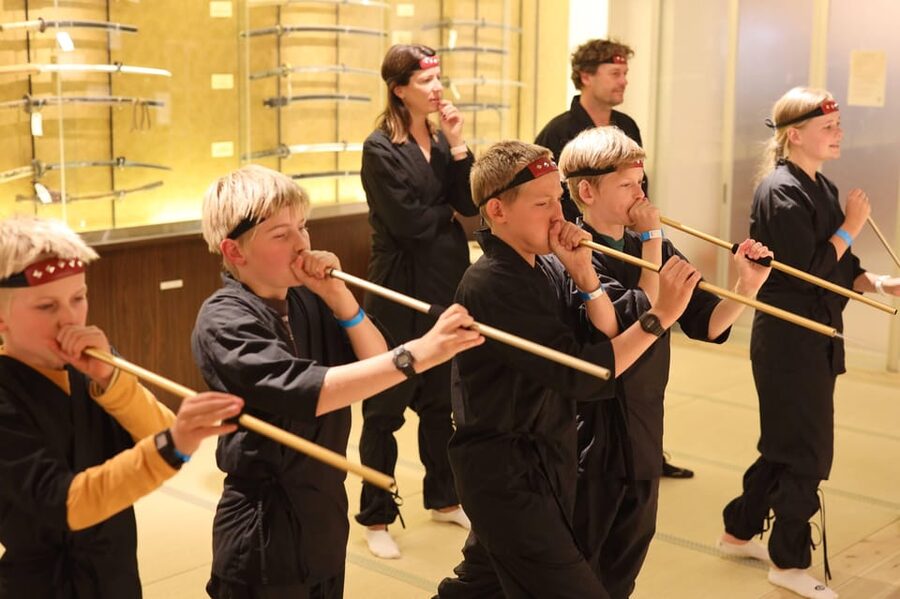
The ninja treasure hunt is one of the strongest reasons to consider this experience for a family visit. A hunt gives children a job to do as they move through the venue, rather than asking them to stand quietly while an adult listens.
It also connects the museum setting with the ninja theme. Your child is not just looking at exhibits, but searching, noticing details, and working toward a result. The activity is included in the price, so there is no separate game fee.
The description calls the treasure hunt especially popular with children. That makes sense, though every family is different. Younger kids who enjoy finding clues may remember the hunt more clearly than the historical explanations.
The exact clues and prize details are not provided, so do not promise your child a particular reward. Present it as a themed search that forms part of the guided session.
Photos that capture the silly side of Tokyo
The included photo shoot is a practical benefit. A full ninja outfit is fun in the moment, but a photograph lets you keep the memory after the costume comes off.
You can use the photo time to make the experience feel personal. Children can pose alone, siblings can appear together, and adults can join the scene instead of standing behind the camera. The activity information confirms that a photo session is included, though it does not specify how many images you receive or the delivery method.
That is worth checking if the photos are a major reason for booking. Still, the photo shoot adds value because it gives the costume a purpose beyond the lesson itself.
The result is likely to be playful rather than formal. This is a chance to preserve an amusing Tokyo memory, not a professional portrait appointment.
Is $56 a fair price?
At $56 per person, this is not a low-cost museum visit. You are paying for admission, a guided English-language activity, the costume, the treasure hunt, star throwing, blowgun practice, and photos.
The price makes more sense for a family that will use every part of the session. A child who loves dressing up, target games, and treasure hunts may get strong value from the combination. Adults also receive more than admission because they can join the costume and hands-on portions.
For a family with one reluctant child, the calculation is less favorable. If your child dislikes costumes or group games, the 75-minute program may feel expensive. One United States customer rated the experience three stars, saying their 5-year-old enjoyed it but the cost felt high. That is a fair warning, especially for larger families paying several admission fees.
The best way to judge the price is to compare it with what you want from your Tokyo day. If you are seeking a memorable family activity with photos and guided participation, $56 may be reasonable. If you mainly want to see samurai and ninja objects, a standard museum visit, if available separately, could offer better value.
Who will enjoy this most?
I would put this near the top of the list for families with children old enough to follow simple instructions and enjoy pretend play. The costume, treasure hunt, and competitions give children several ways to take part.
It also suits adults who want a light cultural activity rather than a formal lecture. You can learn a little, try a few skills, and leave with photos. The experience works especially well for a first Tokyo visit because it is easy to understand without previous knowledge.
It may be less suitable for visitors seeking serious martial arts instruction. The supplied details describe a short, guided cultural experience, not a full training course. It is also not suitable for children under 3 as participants, although they may enter the venue.
The experience is wheelchair accessible, which gives more families a practical option. Since the listing information includes both a small-group limit of 5 and a venue maximum of 20, check the exact group arrangement for your booking date if personal space matters to you.
Timing your visit around Asakusa
The 75-minute duration is one of the easiest features to plan around. You can place it between other Tokyo activities instead of building your entire day around it.
Because the experience is in Asakusa, you can treat it as one stop within a larger visit to the area. The supplied information does not provide a meeting point, transport directions, or a detailed schedule, so you should check those details before leaving your hotel.
Starting times vary. Availability shows the departure options, and the booking system allows you to reserve without paying immediately. Free cancellation is available up to 24 hours before the activity for a full refund, which helps if your Tokyo plans are still shifting.
The English live guide is another practical advantage. You will not need to translate instructions while trying to throw a star or use the blowgun. That matters most for children, who need quick, clear directions to stay involved.
What the strong ratings really tell you
The experience holds a 4.7 rating from 67 reviews, and the most praised element is the instructor. One family described the experience as very cool and singled out the instructor as amazing. Koki is also praised for being kind and explaining things well.
That pattern is useful. The guide is not just a person who checks you in. The quality of the explanations and the tone of the session can shape the whole visit. This is a hands-on activity, so a patient instructor matters.
The feedback is not uniformly glowing. The concern about cost is specific and believable. You should book because the activities appeal to you, not because you expect a long museum tour at a bargain price.
The strongest case for booking is a child who already likes ninjas, costumes, aiming games, or treasure hunts. The weakest case is an adult-only visit focused on detailed historical study.
Should you book the Asakusa ninja experience?
Book it if you want a compact, playful Tokyo activity where your family can wear ninja outfits, throw shuriken, use a blowgun, hunt for treasure, and take photos. The friendly English instruction, especially from guides such as Koki, helps make the session easy for first-time visitors.
Think twice if $56 feels high for 75 minutes or if you want serious historical depth. The value comes from participation and family memories, not from a long museum visit.
For most families with children over 3, I would consider it a fun addition to an Asakusa day. Just confirm the group size, photo details, and age guidance for each activity before paying.
FAQ
How long does the ninja experience last?
The activity lasts 75 minutes.
What activities are included?
You can wear a full ninja outfit, learn basic ninja techniques, throw ninja stars, use a ninja blowgun, join a ninja treasure hunt, and take part in a photo session.
Is museum admission included?
Yes. The entrance ticket and a complimentary tour of the Samurai and Ninja Museum are included.
Is the guide available in English?
Yes. The experience has a live English-speaking guide.
Can children under 3 join?
Children under 3 cannot join the ninja experience, but they can enter the venue.
How much does the activity cost?
The listed price is $56 per person.
Can I cancel for a refund?
Yes. You can cancel up to 24 hours in advance for a full refund.
More Museum Experiences in Tokyo

More Samurai & Ninja Experiences in Tokyo
More Asakusa Tours in Tokyo

More tours in Tokyo we've reviewed



Samurai & Ninja Experiences, compared.
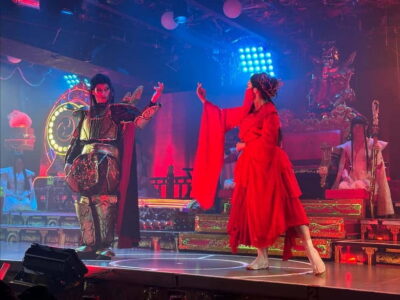 ★ 4.5Tokyo: Samurai Restaurant Show Ticket with 2 DrinksFrom $551h 30m
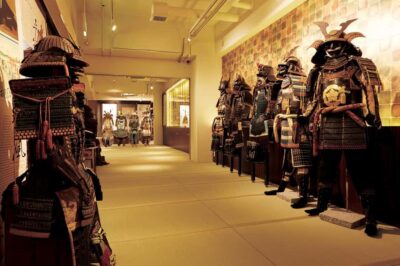 ★ 4.6Tokyo: Samurai Ninja Museum Guided tour and ExperienceFrom $27
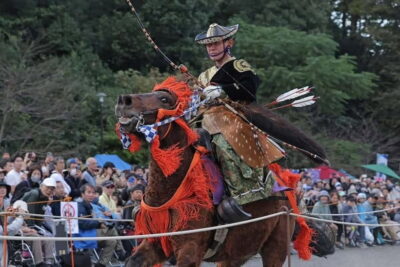 ★ 5.0Tokyo: Samurai Sword & Archery Class from Samurai DescendantFrom $1933 hours
 ★ 5.0Best Samurai Experience in TokyoFrom $65
 ★ 5.0Ninja Experience (Family Friendly) at Samurai Ninja Museum TOKYOFrom $47
 ★ 4.6Tokyo: Samurai Entertainment Night Show in Kanda ShrineFrom $412 - 3 hours