
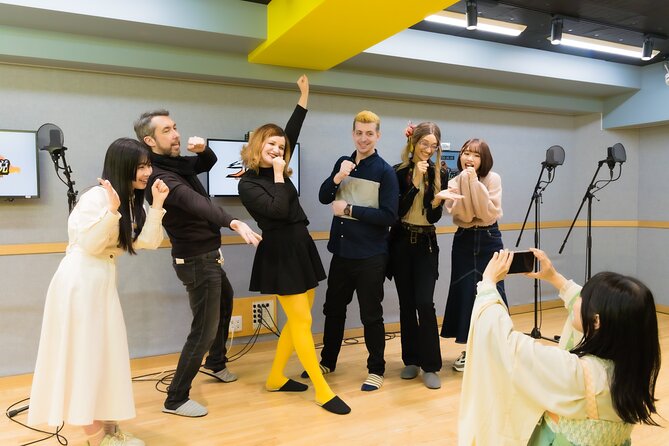
Reviewed · AKIHABARA & ANIME TOURS
Professional Japanese Anime Voice Acting Workshop in Tokyo
Anime voice acting is not just about making a funny voice. In this Ikebukuro workshop, you stand at a real microphone, read Japanese lines, and match your delivery to silent animation under the direction of professional voice actors. You get to perform, not simply watch a demonstration.
I like two things right away: the session is designed for complete beginners, and an English-speaking guide translates the instruction as you go. I also like that your final recording includes animation and is sent to you later. The main consideration is the price, $172.65, for an activity lasting about two hours, with some past sessions feeling closer to an hour or a little more.
In This Review
- Key points
- Why This Ikebukuro Workshop Feels Different
- Arriving at Animate Ikebukuro at 2:45 pm
- Meeting the Professional Voice Actors
- The Script Is Built for Beginners
- Rehearsing Before the Red Light
- Choosing a Character and Finding the Emotion
- Recording in a Real Studio
- The Audio Keepsake You Receive Later
- Who Gets the Most From the $172.65 Price
- Practical Timing and Booking Advice
- The Main Strengths and Limitations
- Should You Book This Anime Voice Acting Workshop?
- FAQ
- Where does the voice acting workshop meet?
- What time does the activity start?
- How long does the workshop last?
- Do I need to speak Japanese?
- What will I do during the workshop?
- Is studio use included in the price?
- Do I receive a recording?
- How many people can join the activity?
- Is the booking refundable?
Key points
- Record in Ikebukuro: Meet outside animate Ikebukuro main store, in Tokyo’s anime and subculture center.
- No Japanese required: The guide translates the coaching, and the script is built for English speakers with limited Japanese.
- Work with professionals: Receive direction from active Japanese voice actors, including instructors known as Yume-sensei.
- Practice before recording: You rehearse the lines and learn how to use emotion, pronunciation, timing, and the microphone.
- Small group setting: A maximum of 10 people keeps the session more personal than a large class.
- Take home a recording: Your dubbed scene with animation is sent by email after the workshop.
Why This Ikebukuro Workshop Feels Different
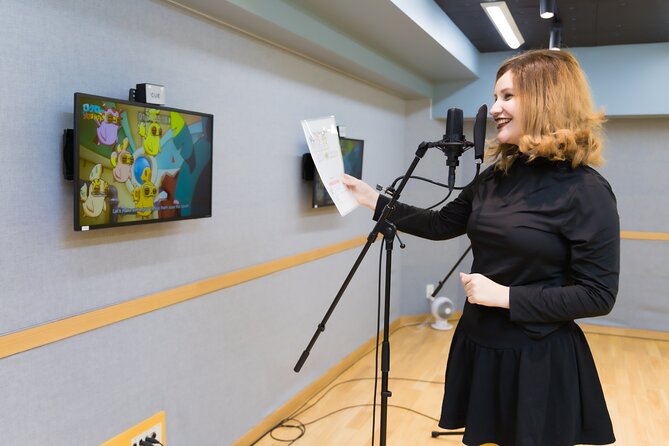
Many anime activities in Tokyo focus on shopping, themed cafés, character goods, or famous locations. This one asks you to do the central creative work yourself. You take a role, study a script, and try to make a character sound alive.
That difference matters. Even if you have no acting background, you quickly learn that voice acting involves more than speaking Japanese words correctly. The instructor works with your pronunciation and emotional delivery, then helps you match the timing of your voice to the image.
The workshop takes place in Ikebukuro, one of Tokyo’s major centers for anime and manga culture. The meeting point is animate Ikebukuro main store at 1-chōme-20-7 Higashiikebukuro, Toshima City. The location is close to public transportation, so it fits neatly into an afternoon of exploring the neighborhood.
You meet at 2:45 pm and return to the same meeting point when the activity ends. Since the advertised duration is about two hours, plan for an afternoon appointment rather than a quick stop between major sightseeing plans.
A few more Tokyo tours and experiences worth a look



Arriving at Animate Ikebukuro at 2:45 pm
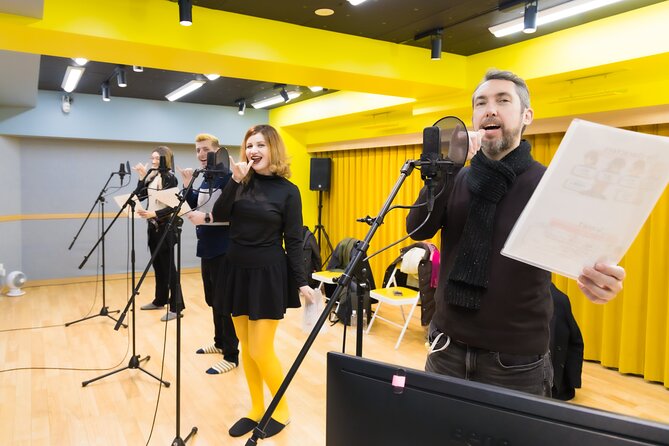
The meeting point is practical but easy to underestimate. animate Ikebukuro main store is a major anime retail destination, and the surrounding area has plenty of visual noise, people, and entertainment shops. Give yourself enough time to find the store and confirm where the guide is waiting.
Your mobile ticket is useful here. Booking confirmation is sent within 48 hours, subject to availability, so check the details before setting out. The group size is capped at 10 people, which is small enough for individual attention but large enough that the session may include people with different comfort levels.
The guide is an important part of the arrangement. English support means you do not need to understand Japanese instructions on your own. Guides named Yuri and Yamamoto have helped participants translate and explain the activity, allowing the voice actors to focus on teaching while the guide makes the process clear.
Bring a drink. Drinks are not included, and the activity involves repeated speaking and recording. Bottled water has been provided during at least some sessions, but it is still sensible to carry your own.
Meeting the Professional Voice Actors
After gathering at animate, you head into the studio portion of the activity. The exact studio layout is not described in detail, but the session takes place in a small recording studio with professional equipment and a working voice actor leading the class.
This is one of the strongest reasons to book. You are not simply handed a microphone and told to read. The instructor explains how to stand in front of the microphone, how to approach the script, and how to put feeling into a line.
You may feel self-conscious at first. That is normal. The setup is unfamiliar, and recording your voice can make even confident people suddenly speak too quietly or lose their place. The calm atmosphere created by the guide and instructor helps take the pressure off.
The teaching also has a practical focus. You receive help with specific Japanese pronunciation and with the emotion needed for the scene. If your first attempt is flat, rushed, or out of time, you can try again with clearer direction.
The Script Is Built for Beginners
The workshop records in Japanese, but you do not need prior Japanese ability. The script is prepared for English speakers with limited Japanese, and the lines are practiced together before recording begins.
That preparation is vital. A Japanese anime script could look intimidating if you saw it without help. Here, the guide translates the meaning and walks you through the sounds. You are not expected to memorize a long scene or understand every part of the language.
The goal is not perfect Japanese. The goal is to give you enough support to perform a short role with the right timing and feeling. You might still find the pronunciation challenging, but the structure keeps the challenge manageable.
I would still suggest reading the provided material carefully and asking questions during practice. The more you understand the character’s mood and situation, the easier it becomes to make the line sound natural. The guide can explain the meaning, while the voice actor can show you how the line should feel.
Rehearsing Before the Red Light
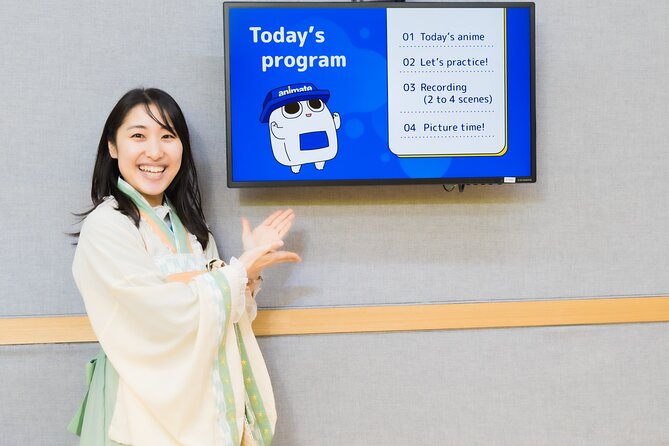
The most useful part of the workshop may happen before the actual recording. You practice the lines with the instructor, repeat difficult phrases, and learn where to place your voice.
Voice acting asks for control. You need to speak loudly enough for the microphone without simply shouting. You need to show excitement, fear, anger, or surprise through your voice. You also need to watch the animation and deliver the line at the correct moment.
The silent animation gives the activity its special challenge. Instead of acting in a vacuum, you synchronize your voice to what is happening on screen. That is much harder than reading a line from a page, but it also makes the result feel like a real dubbing session.
The repeated attempts are part of the fun. One participant described the tension increasing with each recording, but that tension is useful. It gives you a small taste of the concentration required in professional dubbing.
Do not expect a polished studio performance on your first try. This is a hands-on introduction, not a professional audition. The value comes from the coaching, the chance to repeat the scene, and the satisfaction of hearing your voice fit the animation.
A few more Tokyo tours and experiences worth a look




Choosing a Character and Finding the Emotion
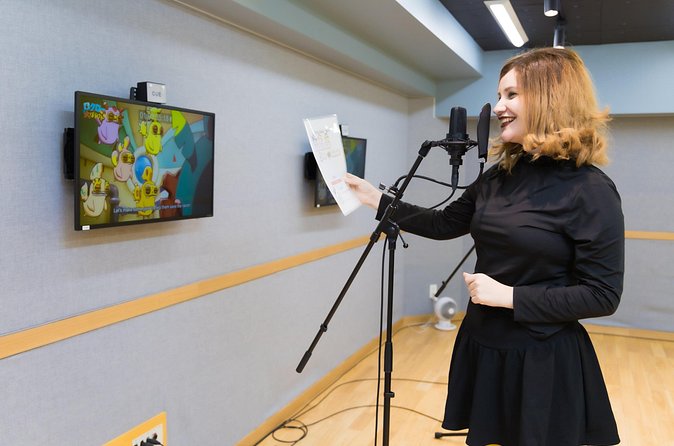
At some point, you choose a character role and decide how to approach it. The character choice gives the activity a clear purpose. You are not merely practicing sounds. You are trying to express a personality.
The instructor can guide you toward the right tone and emotional energy. If a scene calls for excitement, you may need to push your voice further than feels natural. If the character is nervous or serious, the rhythm and volume will change.
This is also where anime fans tend to get the most enjoyment. You can play with a heightened style that might feel strange in everyday conversation. The workshop gives you permission to commit to the part.
I like that the experience is friendly to people who only want a memorable holiday activity. You do not need to hope for a career in voice acting, and you do not need previous theater training. Anime fans, film lovers, couples, and curious first-timers can all find a reason to take part.
Recording in a Real Studio
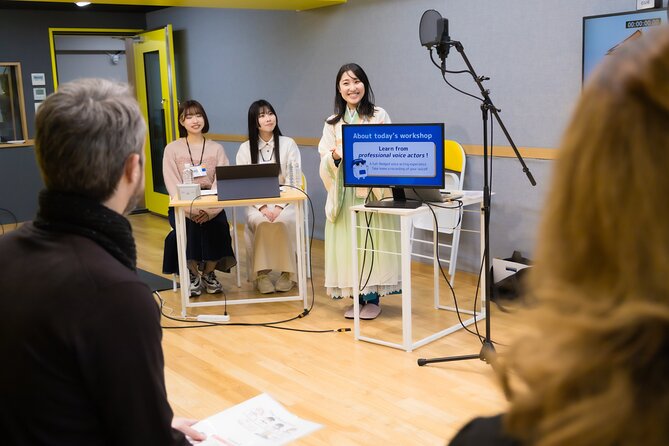
The recording itself is the payoff. You stand at the microphone, watch the animation, and deliver your assigned lines while the instructor helps with timing and performance.
A small studio makes this feel more personal than a public demonstration. You have a chance to hear direct feedback and make adjustments. With a maximum of 10 participants, the instructor can give attention to individual performances, though the amount of recording time per person will depend on the group.
The session may last up to about two hours, but the actual recording portion is only part of that time. Expect a mix of explanation, translation, script practice, character work, and repeated takes. Some past participants found the studio portion lasted about an hour or a little longer, so do not assume every minute will be spent at the microphone.
That is not necessarily a flaw. Good preparation makes the recording more enjoyable, and the lesson is part of what you are paying for. Still, if you want a long recording session with many different scenes, this may feel brief.
The Audio Keepsake You Receive Later
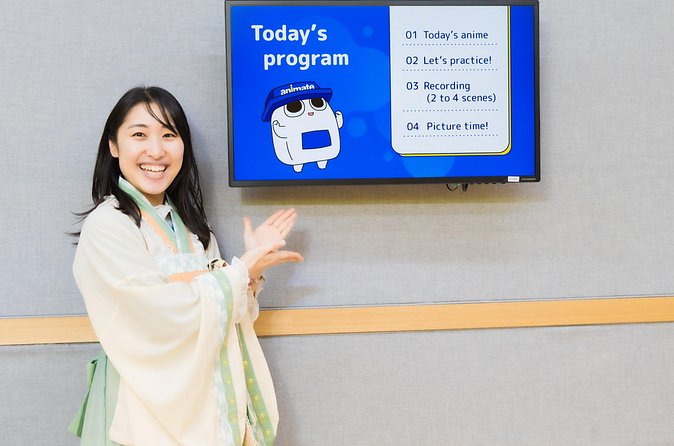
Your included keepsake is audio data with the animation, sent by email at a later date. This is a useful feature because it lets you remember the performance after leaving Tokyo and share it with friends or family.
The recording also gives the activity a proper ending. You are not simply told that you performed well and sent on your way. You have a digital result connected to the animated scene.
The data is not handed over immediately, so make sure the provider has a correct email address. The supplied details do not specify exactly when it arrives or what file format is used. Consider it a later delivery rather than an instant download.
For many people, the recording is what makes the $172.65 fee easier to justify. You are paying for professional instruction, studio use, translation support, and a personal recording. If you mainly want a cheap anime-themed photo opportunity, the cost may feel high. If you want a guided activity with something tangible to keep, the value is stronger.
Who Gets the Most From the $172.65 Price
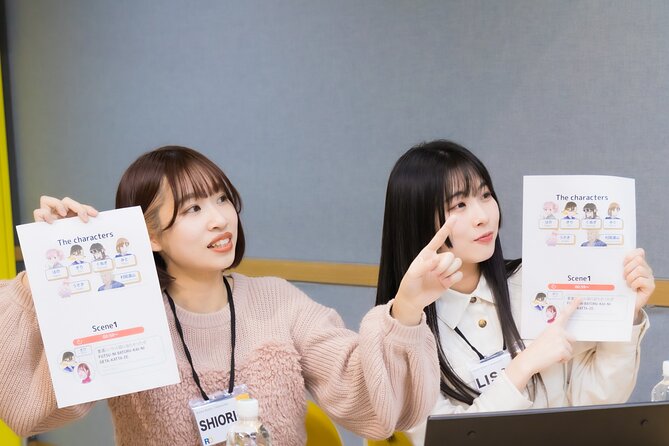
At $172.65 per person, this is a specialty activity. It is not priced like a museum ticket or a casual neighborhood tour. The fee makes more sense when you value the parts that are difficult to arrange yourself: access to a recording studio, professional voice acting guidance, translation, prepared scripts, and a finished audio file.
I think the best match is:
- An anime fan who wants to perform rather than shop
- A first-time visitor looking for a distinctly Japanese activity
- A couple who wants a shared, unusual memory
- A film or theater fan curious about dubbing
- Someone who enjoys trying new skills in a supportive setting
- A person with little or no Japanese who would otherwise avoid a voice acting class
You should think twice if you dislike speaking in front of others or want a quiet sightseeing activity. The workshop is designed to reduce nerves, but you still have to use your voice, perform emotion, and record yourself.
The small group helps, but it does not turn the activity into a private lesson. With up to 10 people, you may be watching other participants practice as well as taking your own turn.
Practical Timing and Booking Advice
The meeting time is 2:45 pm, and the activity ends back at the starting point. That return arrangement is convenient because you do not need to navigate to a different neighborhood afterward.
It is near public transportation, but allow time to locate animate Ikebukuro main store. The activity is generally suitable for most people, and the maximum group size is 10.
Confirmation arrives within 48 hours of booking if space is available. The cancellation rule is strict: the booking is non-refundable and cannot be changed for any reason. I would only reserve once your Tokyo schedule is firm, especially because afternoon plans can shift after a delayed train or a long morning at another attraction.
The activity is typically booked about 24 days ahead. That does not guarantee that every date sells out, but it is a useful signal to reserve early if the workshop is a priority.
The Main Strengths and Limitations
The strongest feature is the blend of professional instruction and beginner-friendly translation. You get the flavor of a real Japanese dubbing session without being left alone with an unfamiliar script.
The recording with animation is another major plus. It gives you a clear goal and a keepsake that many short activities lack. The Ikebukuro setting also works well for anime fans who want to build a themed afternoon around the workshop.
The limitations are straightforward. The price is high for a two-hour activity, and some of the hands-on recording may take place within a shorter portion of that window. The experience is also centered on a prepared script, so it is not a free-form chance to create an entire anime scene from scratch.
There is no promise of a particular voice actor for every date. Names such as Yume-sensei, Yuri, and Yamamoto appear in the experience details and participant accounts, but the available information does not guarantee who will lead or translate your specific session.
Should You Book This Anime Voice Acting Workshop?
Book it if you want to make something, not just see something. The combination of a real studio, professional coaching, English assistance, simple Japanese lines, and a recording to keep gives this activity a clear purpose.
I would especially recommend it to anime fans who have already visited shops and themed attractions in Tokyo and want a more active experience. It is also a good choice for couples or friends who are willing to laugh at themselves and try several takes.
Skip it if $172.65 feels too steep for a short creative class, or if you want extensive sightseeing, a long voice lesson, or a private session. For the right person, though, this is a memorable way to spend an afternoon in Ikebukuro, with a personal anime performance to prove you did it.
FAQ
Where does the voice acting workshop meet?
The meeting point is animate Ikebukuro main store at 1-chōme-20-7 Higashiikebukuro, Toshima City, Tokyo 170-0013, Japan.
What time does the activity start?
The workshop starts at 2:45 pm.
How long does the workshop last?
The advertised duration is approximately two hours. The recording portion may be shorter, with some sessions lasting about an hour or a little more according to the supplied experience details.
Do I need to speak Japanese?
No. The workshop is designed for people who may know little or no Japanese. An English-speaking guide translates the instructions, and the script is prepared for English speakers with limited Japanese ability.
What will I do during the workshop?
You will learn basic voice acting skills, practice a Japanese script, choose a character role, stand at a microphone, and synchronize your voice with silent animation under professional guidance.
Is studio use included in the price?
Yes. The studio usage fee and dubbing experience under the guidance of a professional voice actor are included.
Do I receive a recording?
Yes. Audio data with the animation is sent to you by email at a later date.
How many people can join the activity?
The group has a maximum of 10 participants.
Is the booking refundable?
No. The activity is non-refundable and cannot be changed for any reason.
More Workshops & Classes in Tokyo
More Akihabara & Anime Tours in Tokyo


More tours in Tokyo we've reviewed







Akihabara & Anime Tours, compared.
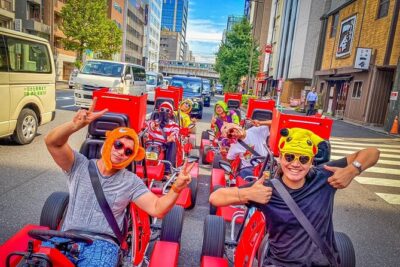 ★ 5.0Official Street Go-Kart Tour – AkihabaraFrom $61
 ★ 5.0Tokyo Go Kart: Asakusa, Skytree, and Akihabara **IDP MUST**From $99
 ★ 4.7Tokyo: Asakusa, Skytree & Akhihabara Go-Kart City ExperienceFrom $961h 10m
 ★ 4.5Tokyo Studio Ghibli Museum and Ghibli Film Appreciation TourFrom $193
 ★ 5.0Akihabara Anime & Game Adventure Walking Tour (Group or Private)From $90
 ★ 5.0Tokyo: Gameboy Mod Workshop at AkihabaraFrom $3602 hours