
Reviewed · HAKONE DAY TRIPS
Hakone Hachiri: Old Tokaido Highway Hiking Tour
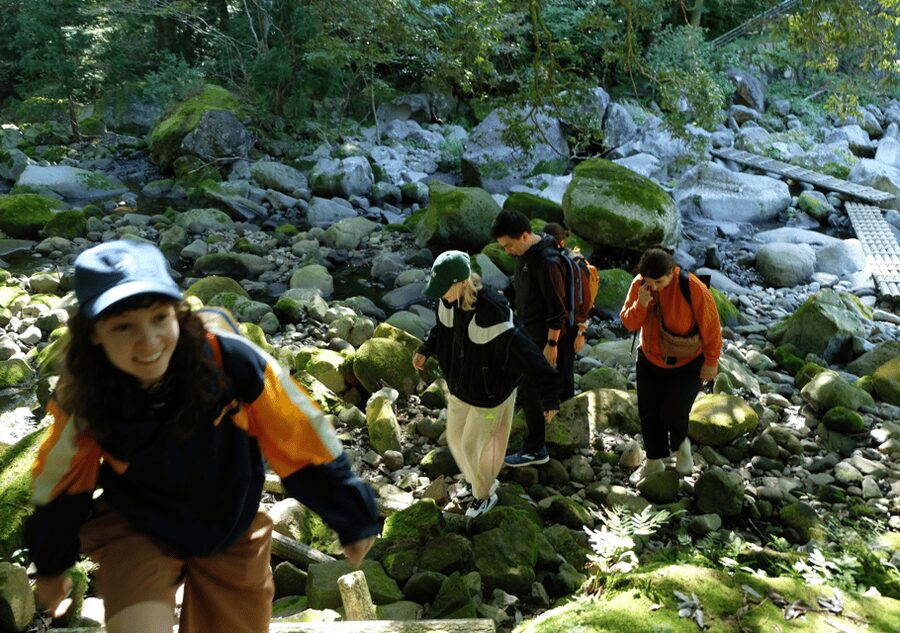
The best part of this tour is that you cross the Hakone Mountains the old-fashioned way: on foot. Instead of simply taking the bus to Lake Ashi for a quick photo, you follow sections of the Old Tokaido, the road once used by people traveling between Edo, today’s Tokyo, and Kyoto. The 400-year-old Amasake Tea House gives the walk a memorable pause, while the cedar avenue, mountain paths, and old checkpoint add real historical weight.
I like the mix of forest walking and Japanese history, and I like the small group of no more than six people. Guide Aki, also called Akihiro, is especially good at adjusting the pace, explaining local plants and wildlife, and handling slippery or awkward sections. The main thing to consider is the amount of walking: although the route is suitable for beginners, you will spend about five to six hours on foot, and some parts are steep, rocky, or slick.
In This Review
- Key Points Before You Book
- Why the Old Tokaido Is Worth Walking
- Starting at Hakone-Yumoto and Following the Sukumo River
- Amasake at the Historic Teahouse
- Cobblestones, Lake Ashi, and the Famous Torii Gate
- Hakone Checkpoint and Lunch by the Lake
- By Bus to Hakone Pass and the Castle Ruins
- Mishima Taisha and Genbe River
- How Hard Is the Hike?
- The Guide Makes the Difference
- Is $167 Good Value?
- Who Should Choose This Tour?
- FAQ
- How long is the Hakone Hachiri tour?
- How far do you walk?
- Is the hike suitable for beginners?
- Is lunch included?
- Can I see Mt. Fuji?
- Where does the tour start and finish?
- Should You Book the Hakone Hachiri Walk?
Key Points Before You Book
- Walk an actual section of the Old Tokaido: Follow cobbled road through the Hakone Mountains rather than seeing the area only from a bus window.
- Stop at a 400-year-old teahouse: Taste traditional amazake and local snacks at the Amasake Tea House in Hatajuku.
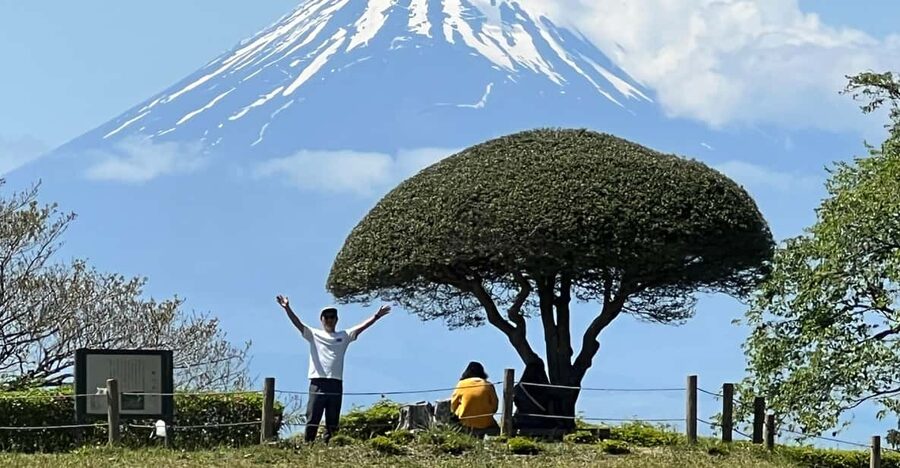
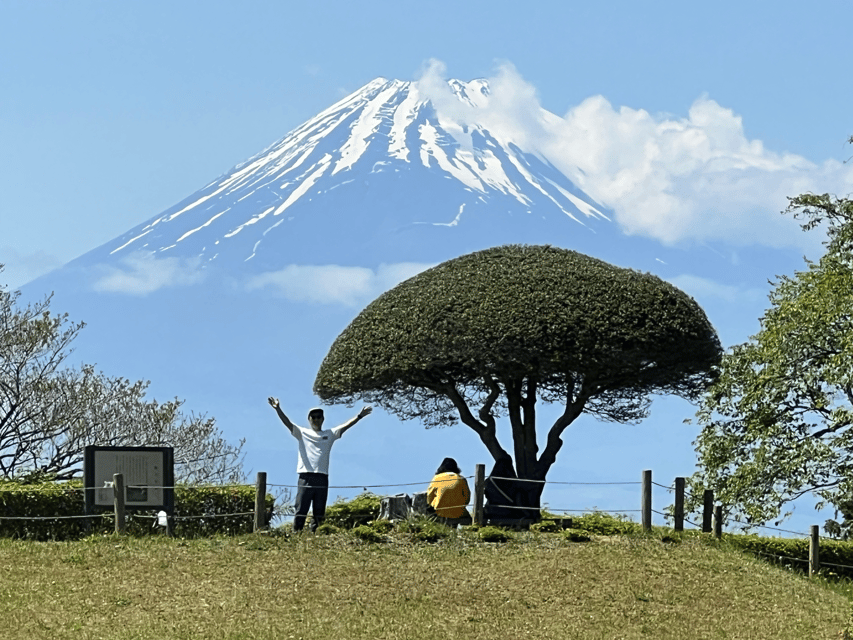
- See Lake Ashi from several angles: Look for Mt. Fuji and Hakone Shrine’s famous red torii gate when the weather is clear.
- Learn from a certified mountain guide: Aki or Akihiro combines Japanese history with practical help on roots, stones, and slippery ground.
- Skip the hardest parts by local transport: Shared taxis and buses reduce the full 32-kilometer challenge of the old mountain road.
- Finish in Mishima: The tour ends near Mishima Station, useful if you are continuing by train or returning toward Hakone.
Why the Old Tokaido Is Worth Walking
In the Edo period, the route between Kyoto and Edo was a demanding journey. Hakone was one of the hardest sections because the road climbed through the mountains. The name Hakone Hachiri refers to about eight ri, or roughly 32 kilometers, of difficult mountain road.
You will not walk all 32 kilometers. This seven-hour tour covers about 8 kilometers and uses buses or a shared taxi to bypass the steepest stretches. That is a sensible trade-off. You get enough walking to understand the effort required in earlier centuries without turning the day into a serious mountain trek.
The appeal is not only scenery. Your guide can explain why the route mattered, how the Hakone mountains shaped travel, and how the old road connected political and cultural centers. You are using your own feet to read the geography. A steep slope, a stone surface, or a long cedar-lined stretch suddenly makes the old journey easier to picture.
This is also a Japan Heritage route, so the walk has more substance than a generic forest hike. The historic road, Hakone Checkpoint, cedar avenue, and castle ruins each add another piece to the story.
A few more Hakone tours and experiences worth a look
Starting at Hakone-Yumoto and Following the Sukumo River
Meet your guide at the ticket gate of Hakone-Yumoto Station. From there, a shared taxi takes about 15 minutes to the trailhead. Hotel pickup is not included, so you need to make your own way to the station.
The first walking section follows the Sukumo River and lasts about an hour. This gets you away from the station area and into a more natural setting before the main historic sights begin. The route is designed for beginners, but beginner-friendly does not mean flat. You should expect uneven ground, roots, stones, and sections that need careful footing.
The guide’s role matters here. Aki and Akihiro are certified Japan Mountain Guides, and the tour includes wilderness advanced first aid training. That does not make the walk risk-free, but it does give you someone paying close attention to the route and the group. One useful feature is the flexible pace. The guide can slow down when needed, stop for photographs, or alter the plan if weather conditions change.
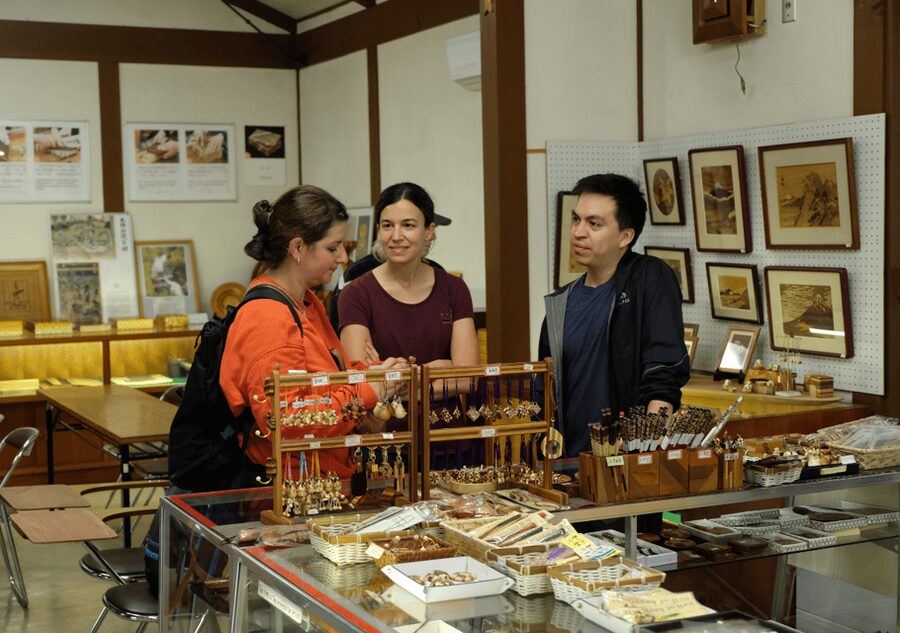
At Hatajuku, you have about 30 minutes to look around and shop before continuing. Hatajuku is linked with traditional woodcraft, and this short stop gives the day a village element rather than making it one long stretch of trail.
Amasake at the Historic Teahouse
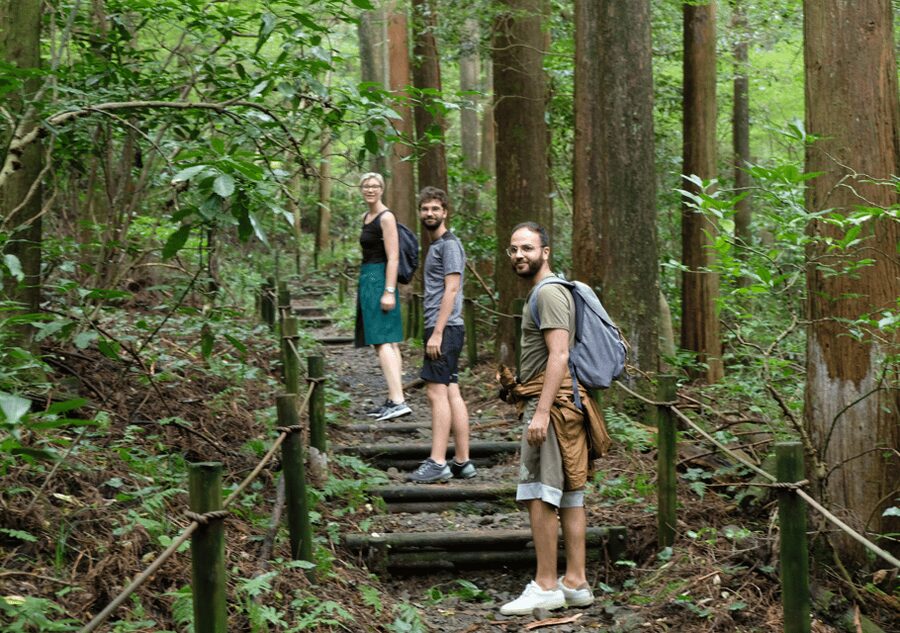
A short bus ride takes you to the Amasake Tea House. This is one of the tour’s strongest stops, and not just because it is a pleasant place to rest.
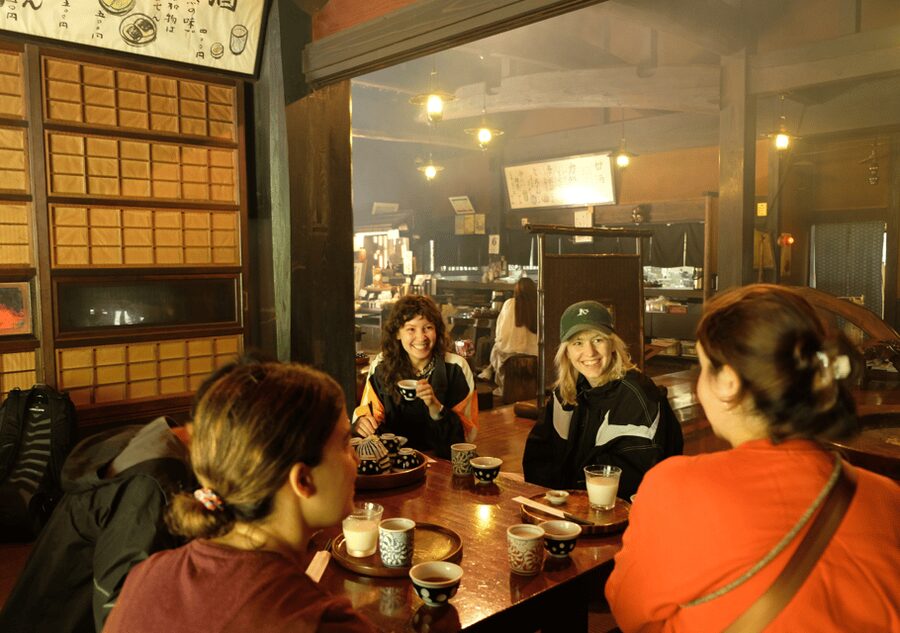
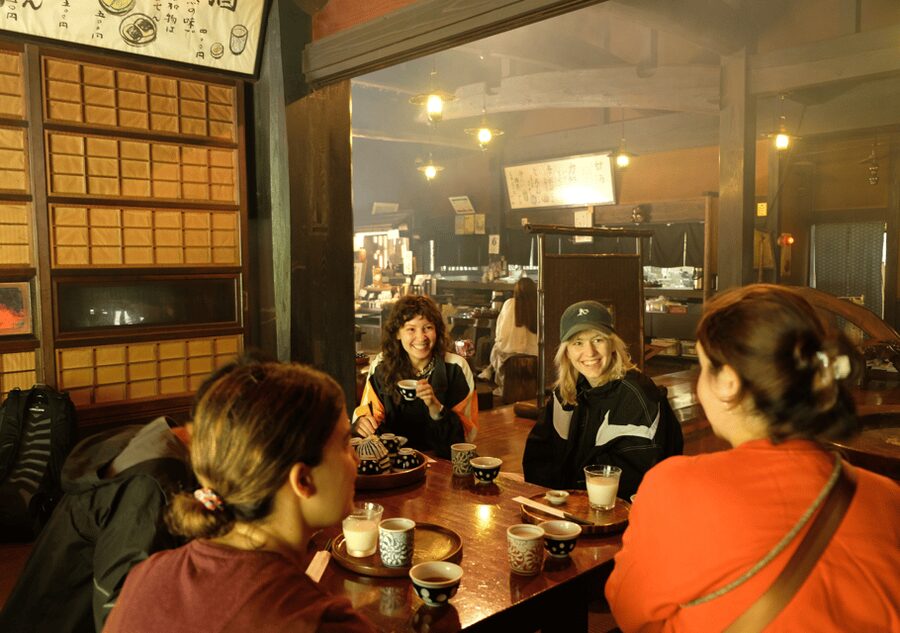
The teahouse has about 400 years of history and sits along the old Tokaido route. You can have amazake and local snacks while your guide explains the role of roadside teahouses in the past. For people walking long distances, a stop like this was practical, not decorative. It offered warmth, food, and a chance to recover before the next climb.
Amazake is a traditional Japanese drink made from fermented rice. Despite its name, it is often nonalcoholic, though recipes vary. Here, it functions as a small cultural experience and a useful break before the cobbled road.
You should not expect a full meal at this point. The stop is about 30 minutes and includes local snacks, so bring water and plan to buy or eat lunch later near Lake Ashi. The simple setting and old building are part of the charm. This is not a polished attraction built around a photo opportunity. It feels connected to the road itself.
Cobblestones, Lake Ashi, and the Famous Torii Gate
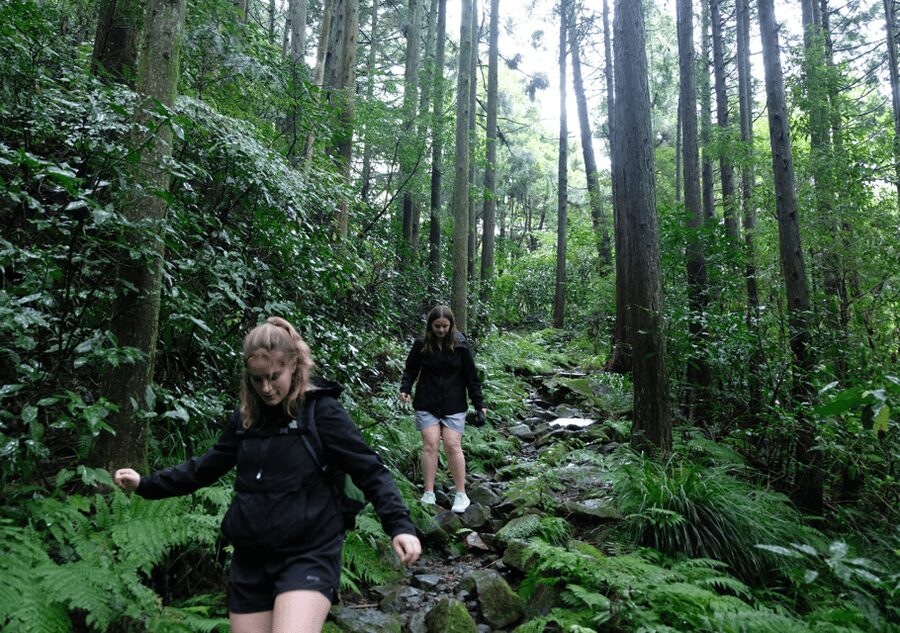
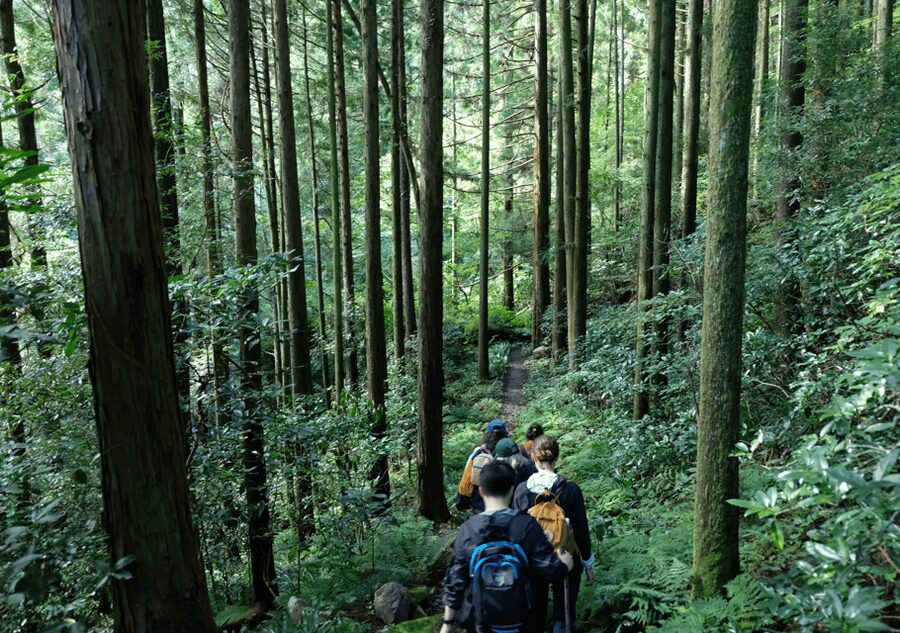
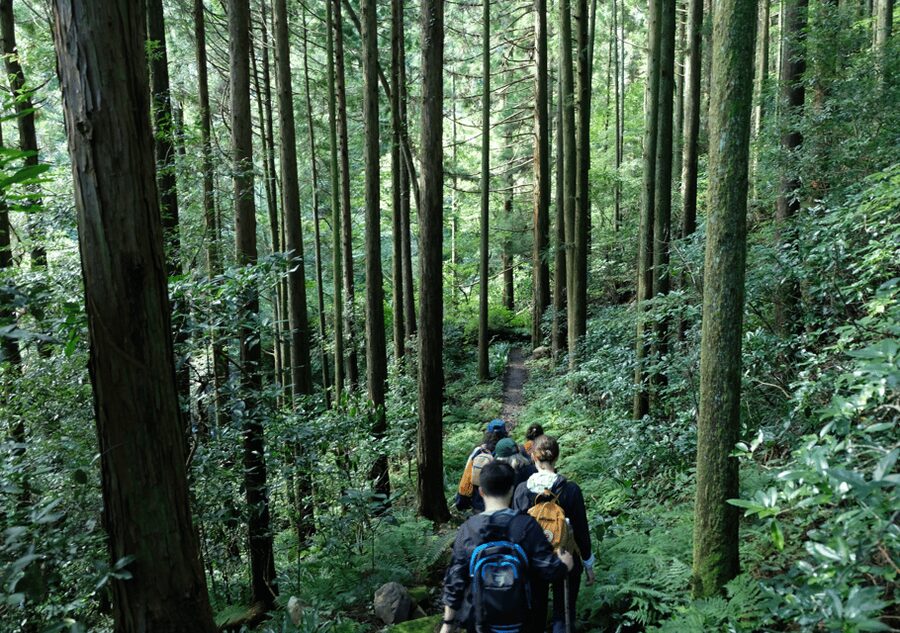
After the teahouse, you walk for about 45 minutes on cobbles along the Old Tokaido Highway. This section is the heart of the experience. The stones can be uneven, and they may be slippery in wet weather, so hiking shoes are a better choice than smooth-soled trainers.
The walk brings you toward Lake Ashi. You have time to pause by the water, take photographs, and look across the lake toward Mt. Fuji if the sky is clear. The view is weather dependent, and you should not book this tour solely for a Fuji photograph. Clouds can hide the mountain, particularly around Hakone, but the route remains worthwhile for the road, forest, lake, and historic sites.
Hakone Shrine’s red torii gate in the water is one of the area’s familiar images. Seeing it after walking down from the old road gives the sight a stronger sense of place. You are not simply being delivered to a viewpoint. You have approached it through the same mountain corridor that shaped travel here for centuries.
The group then walks along the lakeside and through the Old Tokaido Ancient Cedar Avenue. Some of these cedar trees are more than 400 years old. Their tall trunks and shade create one of the most atmospheric parts of the route, though the short listed walking time means this is a passage rather than a long forest exploration.
Hakone Checkpoint and Lunch by the Lake
The old road leads to Hakone Checkpoint, where the Edo government controlled movement along the Tokaido. Officials monitored travelers, and the checkpoint helped regulate traffic between the major centers of Japan.
You spend about 10 minutes walking through or past the site. That is enough for a quick look and an explanation, but not a lengthy museum visit. If you want a full historical tour of the checkpoint buildings, this outing may feel too active and fast-moving. The value here is how the checkpoint fits into the route you have just walked.
Lunch follows near Lake Ashi and lasts about 45 minutes. Food and drinks are not included, and the meal is at a local restaurant. This keeps the tour flexible, but you should budget extra for lunch and arrive with enough water for the walking sections.
The timing works well. You have already completed the main cobbled section and lakeside walk, so lunch offers a proper pause before the afternoon transfer over Hakone Pass. If you prefer a tour with every meal arranged in advance, this is less convenient. If you like choosing your own local meal, it gives you more control.
Other hiking tours in Hakone


By Bus to Hakone Pass and the Castle Ruins
After lunch, a bus takes you past Hakone Pass. This is where the tour sensibly avoids the most strenuous parts of the old 32-kilometer route. You still experience the mountain crossing, but you do not spend the entire afternoon climbing.
The itinerary includes a 45-minute stop at a less-publicized scenic location, described as a secret stop. You can walk, take photographs, and enjoy views along the way. The exact stop may vary with pace, preference, or conditions, so think of it as a flexible part of the day rather than a fixed attraction with a guaranteed view.
Next comes another bus ride of about 30 minutes to Mishima. This section reduces the amount of time spent on foot and helps the group reach the final sights without rushing. It also means the day has a clear rhythm: walk, pause, eat, ride, then walk again.
The route may include Yamanaka Castle Ruins before the final Mishima section. The ruins add another layer to the mountain setting, showing that this was not only a travel corridor but also a strategic one. The experience is more about understanding the location and enjoying the views than exploring a large preserved castle complex.
Mishima Taisha and Genbe River
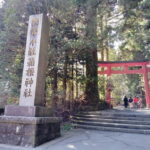
The final part of the tour takes you to Mishima Taisha Shrine, with about 30 minutes for a visit, photographs, and a walk around the grounds. This gives the day a different mood after the mountain road and lake. You have moved from a historic highway into a major Shinto setting.
A 15-minute walk brings you to Genbe River, written as Genbei River in some English references. The river section lasts about 30 minutes and provides a calm finish with water, paths, and town scenery.
The tour ends at Mishima Station around 4:00 p.m. The finish is useful for onward travel. From Mishima, you can continue by train, or take transport back toward Hakone. A Shinkansen ride between Mishima and Odawara is not included, costs less than 3,000 yen, and takes about 15 minutes according to the tour information. Check your train plans before booking so the ending point works for your route.
Depending on your walking pace and preferences, the guide may visit Mishima or return to the Lake Ashi area instead. That flexibility is useful, especially if the weather changes or your group needs more time.
How Hard Is the Hike?
The tour is described as suitable for beginners, with gentle slopes and cobbled paths. That is fair as a general description, but you should not mistake it for an easy sightseeing stroll.
You will walk about 5 to 6 hours during the day, covering roughly 8 kilometers. Some sections include uphill ground, tree roots, stones, and slippery surfaces. One account of the route describes parts as steep over roots and rocks, while another notes that the guide gave clear help through tricky sections.
Wear proper hiking shoes, not casual shoes with thin soles. Bring a sun hat, water, and clothing suited to changing mountain conditions. Winter can be dry and sunny at lower levels but cold near the highest point. Summer may feel warm, while wet weather makes the cobbles and roots more demanding.
This tour is not suitable for people with mobility impairments. It is a better choice for anyone who can walk for several hours and is comfortable with uneven ground. The small group limit of six helps the guide watch the pace and footing more closely than on a large coach excursion.
The Guide Makes the Difference
The guide is central to the value of this outing. Aki, also known as Akihiro, speaks English and Japanese and brings together history, botany, wildlife, and practical trail care.
If you enjoy nature, you can ask for more attention to native trees and plant life. If you care most about Japanese history, the guide can focus on the Tokaido, Edo-period travel, Hakone Checkpoint, and the military importance of the mountain route. That ability to shape the conversation is a real advantage over a fixed audio guide.
The guide also takes photographs during the day, which is useful when you are walking with a small group and do not want to keep stopping to set up a camera. Clear communication before the tour is another practical plus, especially since weather may affect the route.
The best reports of the experience highlight patience and care. Aki has adjusted the pace for slower walkers, carried a family member’s bag, and changed plans when weather turned poor. Those details matter more than a long list of facts. A mountain guide who watches the group is worth paying for on an uneven route.
Is $167 Good Value?
At $167 per person, this is not the cheapest way to see Lake Ashi. You could reach many of the major Hakone sights by public transport for less, especially if your goal is only the shrine torii, the lake, or the checkpoint.
The price makes more sense if you value the route between the sights. It includes a certified mountain guide, a small group, historical and nature interpretation, trail support, and the planning needed to combine several locations in one day. It also saves you from working out which local buses connect the trail sections and how to bypass the hardest climbs.
You still pay separately for buses, shared transport between sites, lunch, drinks, and snacks. Hotel pickup is not included. Add those costs before comparing the tour with a self-guided day.
For me, the price is reasonable for a visitor who wants context and company on the trail. It is less attractive for a confident hiker who already understands the route, speaks Japanese, and is happy to arrange transport alone.
Who Should Choose This Tour?
Choose this tour if you want:
- A physical way to understand Japanese history
- A small group rather than a large coach
- Forest paths, old roads, lake views, and shrines in one day
- Help with uneven or slippery sections
- A flexible pace and the option to focus on plants, wildlife, or history
- A day away from Japan’s large cities
Think twice if you want a relaxed sightseeing day with very little walking. Also reconsider it if Mt. Fuji is your only priority, since visibility depends on weather. The tour offers several strong sights even without Fuji, but no guide can control the clouds.
Free cancellation is available up to 24 hours before departure, and you can reserve now and pay later. Check the starting time when booking, since availability varies.
FAQ
How long is the Hakone Hachiri tour?
The tour lasts about seven hours and finishes around 4:00 p.m. You will spend roughly five to six hours walking during the day.
How far do you walk?
The walking distance is about 8 kilometers. The route includes cobbled paths, forest sections, lakeside walking, and some uneven or slippery ground.
Is the hike suitable for beginners?
Yes, the route is designed for beginners and uses buses to skip the steepest sections. However, you still need to walk for several hours and handle roots, stones, cobbles, and gentle to moderate slopes.
Is lunch included?
No. Lunch is taken at a local restaurant near Lake Ashi, but food and drinks are not included in the tour price.
Can I see Mt. Fuji?
You may see Mt. Fuji from several points if the weather is clear. Fuji visibility is not guaranteed.
Where does the tour start and finish?
Meet the guide at the ticket gate of Hakone-Yumoto Station. The tour generally finishes at Mishima Station, though the plan may return to the Lake Ashi area depending on pace, preference, and conditions.
Should You Book the Hakone Hachiri Walk?
Book it if you want more than a checklist of Hakone sights. The route connects the Amasake Tea House, Old Tokaido cobbles, Lake Ashi, the cedar avenue, Hakone Checkpoint, mountain ruins, Mishima Taisha, and Genbe River into one readable story.
You should be ready for a real walking day, extra costs for transport and lunch, and weather that may hide Mt. Fuji. If that sounds fine, the combination of old roads, forest, local food, and a careful small-group guide makes this one of the better ways to experience Hakone beyond the usual viewpoints.
More Hiking & Trekking Tours in Hakone
More Hakone Day Trips in Hakone

More tours in Hakone we've reviewed


Hakone Day Trips, compared.
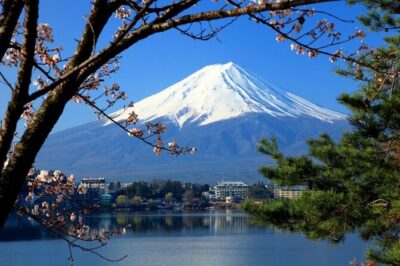 ★ 5.0Mt Fuji and Hakone 1-Day Bus Tour Return by Bullet TrainFrom $163
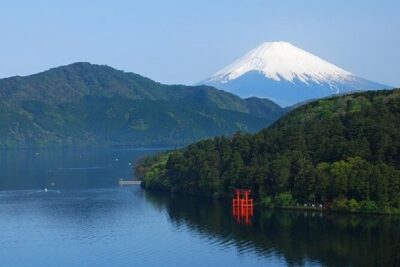 ★ 4.0Mt Fuji & Hakone Cruise, Drum Show Bullet Train 1 Day from TokyoFrom $149
 ★ 4.4Tokyo Mt Fuji 5th St & Hakone Cruise Bus Tour w/Bullet TrainFrom $15410 hours
 ★ 4.7Tokyo: Mt. Fuji Tour, Hakone Ropeway, Owakudani, Lake AshiFrom $5410 hours
 ★ 4.2Tokyo: Mt. Fuji 5th Station & Hakone Cruise 1-Day Bus TourFrom $12911 hours
 ★ 5.0Private Tour to Mt. Fuji and Hakone (Fully Licenced Operator)From $497